



Some health problems announce themselves loudly, while others slip into everyday life so gradually that they can be blamed on a busy schedule, poor sleep, or a stressful month. That is one reason the symptoms of vitamin D deficiency in women can be easy to overlook, especially since early signs may resemble several other health concerns. Persistent muscle weakness, bone pain, and unusual tiredness can have many causes, so knowing when to investigate them matters.
Vitamin D helps the body absorb calcium, maintain healthy bones, and support normal muscle, nerve, and immune function. When levels become too low, adults can develop osteomalacia, which can cause bone pain and muscle weakness. A blood test can identify vitamin D deficiency, allowing a healthcare professional to recommend appropriate treatment.
What Does Vitamin D Do in the Body?
Vitamin D is best known for its role in bone health, but its job goes further. The body needs it to absorb calcium, while muscles, nerves, and the immune system also rely on it for normal function.
For women, maintaining healthy vitamin D levels becomes especially relevant with age because bone loss increases around and after menopause as estrogen levels decline. Having enough vitamin D cannot replace calcium, exercise, or medical care, but it remains part of supporting healthy bones.
What Are the Signs of Low Vitamin D in Women?
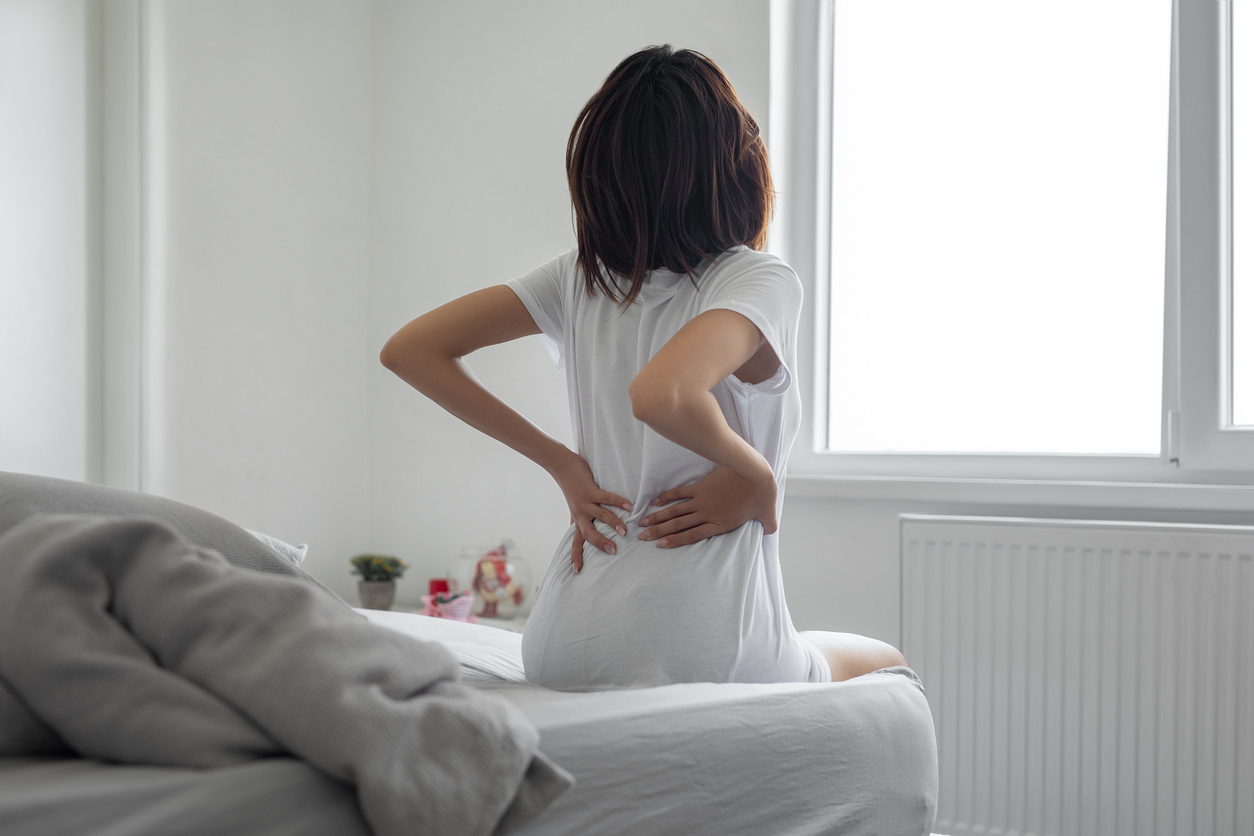
Not everyone with low vitamin D has obvious symptoms. When deficiency becomes significant, however, it can affect the bones and muscles in noticeable ways.
#1. Bone Pain
A deep or aching pain in the bones can be an important sign, particularly when there is no clear explanation. Vitamin D deficiency can cause osteomalacia in adults, which weakens the bones and may lead to discomfort in areas such as the lower back, pelvis, or legs.
Persistent or unexplained bone pain should therefore be assessed rather than dismissed as an ordinary part of a busy lifestyle.
#2. Muscle Weakness and Aches
Significant deficiency can affect muscle function and make ordinary tasks harder, particularly when weakness affects the hips and thighs. Getting up from a chair, climbing stairs, or walking for longer periods may require more effort.
Muscle aches and cramps can also occur, although these symptoms have many possible causes. That is why they should not automatically be treated as proof of low vitamin D.
#3. Bone Problems
Long-term deficiency can weaken bones and contribute to osteomalacia, while muscle weakness can increase the risk of falls and fractures, particularly among older adults. This becomes especially important for women approaching or going through menopause because hormonal changes can already accelerate bone loss.
What Causes Vitamin D Deficiency in Women?
Lack of sunlight is only one possible reason for low vitamin D. Spending little time outdoors, covering most of the skin, and having darker skin can reduce vitamin D production from sunlight. Certain health conditions that affect fat absorption, including Crohn’s disease, celiac disease, and ulcerative colitis, can also make it harder to absorb vitamin D.
Obesity, previous gastric bypass surgery, and some medicines are also associated with a higher risk of deficiency. This is why supplementation is best considered alongside a woman’s health history rather than as a one-size-fits-all solution.
How Can You Tell if Your Vitamin D Level Is Low?
Symptoms alone cannot confirm deficiency. A blood test measuring 25-hydroxyvitamin D, also called 25(OH)D, is used to assess vitamin D status.
This is important because tiredness, muscle aches, and weakness can also occur with conditions such as iron deficiency or thyroid problems. Healthcare practitioners generally consider blood levels of 50 nmol/L (20 ng/mL) or above adequate for most people. Levels below 30 nmol/L (12 ng/mL) are too low and may affect health. A healthcare professional should interpret individual results and recommend treatment based on the person’s circumstances.
How Can Women Increase Vitamin D?
There are three main ways to improve vitamin D intake: sunlight, food, and supplements. Dietary sources include oily fish such as salmon, sardines, trout, and mackerel, along with egg yolks, red meat, and some fortified foods.
Sun exposure needs to be approached sensibly, since prolonged unprotected exposure increases the risk of skin damage and skin cancer. If a blood test confirms deficiency, a supplement may be needed rather than trying to correct the problem through sunlight alone.
For women wondering how to increase vitamin D, the most useful approach is to consider diet, lifestyle, risk factors, and testing together.
How to Boost Vitamin D Quickly
There is no single safe, quick fix for everyone. When severe deficiency is confirmed, a healthcare professional may prescribe a short course of high-dose vitamin D, sometimes called a loading dose, before moving to a lower maintenance dose.
Taking very large amounts without medical advice can be risky because excessive vitamin D from supplements can raise calcium levels in the blood and potentially damage the kidneys and other organs.
Shop editor’s edit
How Long Does It Take to Correct Low Vitamin D?
The timeline depends on how low the vitamin D level is and which treatment is prescribed. For severe deficiency, loading courses can last around six to 10 weeks before a lower maintenance dose is considered.
Symptoms may take time to improve, too, so a corrected blood level does not necessarily mean every symptom will disappear immediately. If problems continue after treatment, a healthcare professional may need to investigate other possible causes.
What Is the Best Vitamin D Supplement for Women?
There is no single supplement that is best for every woman. The appropriate product and dose depend on whether the goal is prevention, maintenance, or treatment of confirmed deficiency.
Vitamin D3, also known as cholecalciferol, is commonly used for supplementation and treatment. However, someone with a confirmed deficiency may need a medically supervised dose that is much higher than a standard daily supplement.
It is also important to check how much vitamin D is already present in multivitamins or other supplements before adding another product. Adults should not routinely exceed 4,000 IU (100 micrograms) per day unless a healthcare professional recommends a different treatment plan.
When Should a Woman See a Doctor?

Persistent bone pain, unexplained muscle weakness, widespread aches, or difficulty with ordinary physical activities are good reasons to speak with a healthcare professional, particularly when risk factors for deficiency are present.
The same applies to women with conditions affecting nutrient absorption, limited outdoor exposure, darker skin, previous weight-loss surgery, or medicines that may affect vitamin D levels. Most importantly, do not assume every bout of tiredness means you need a supplement. A blood test and proper medical assessment provide a much clearer answer than guessing from symptoms alone.
Final Thoughts
Understanding the symptoms of vitamin D deficiency in women starts with recognizing that the signs can overlap with many everyday health concerns, which makes self-diagnosis unreliable. Persistent bone pain, muscle weakness, and difficulty with physical activity deserve attention, particularly when other risk factors are present.
The smartest response is not to chase the highest-dose supplement or spend excessive time in the sun. Instead, consider your diet, lifestyle, risk factors, and symptoms, then seek appropriate testing when recommended by a healthcare professional. When a deficiency is confirmed, it can be treated, helping support bone and muscle health over time.
Featured image: Anastasiia Havrysh/iStock
Medical Disclaimer
All content found on the Style Rave website, including text, images, audio, video, and other formats, is created for informational purposes only. The content is not intended to be a substitute for professional medical advice, diagnosis, or treatment. If you think you may have a medical emergency, please call your doctor, go to the nearest hospital, or call 911 immediately, depending on your condition.
How Does Acupuncture Work? A Beginner’s Guide to the Science and Benefits