

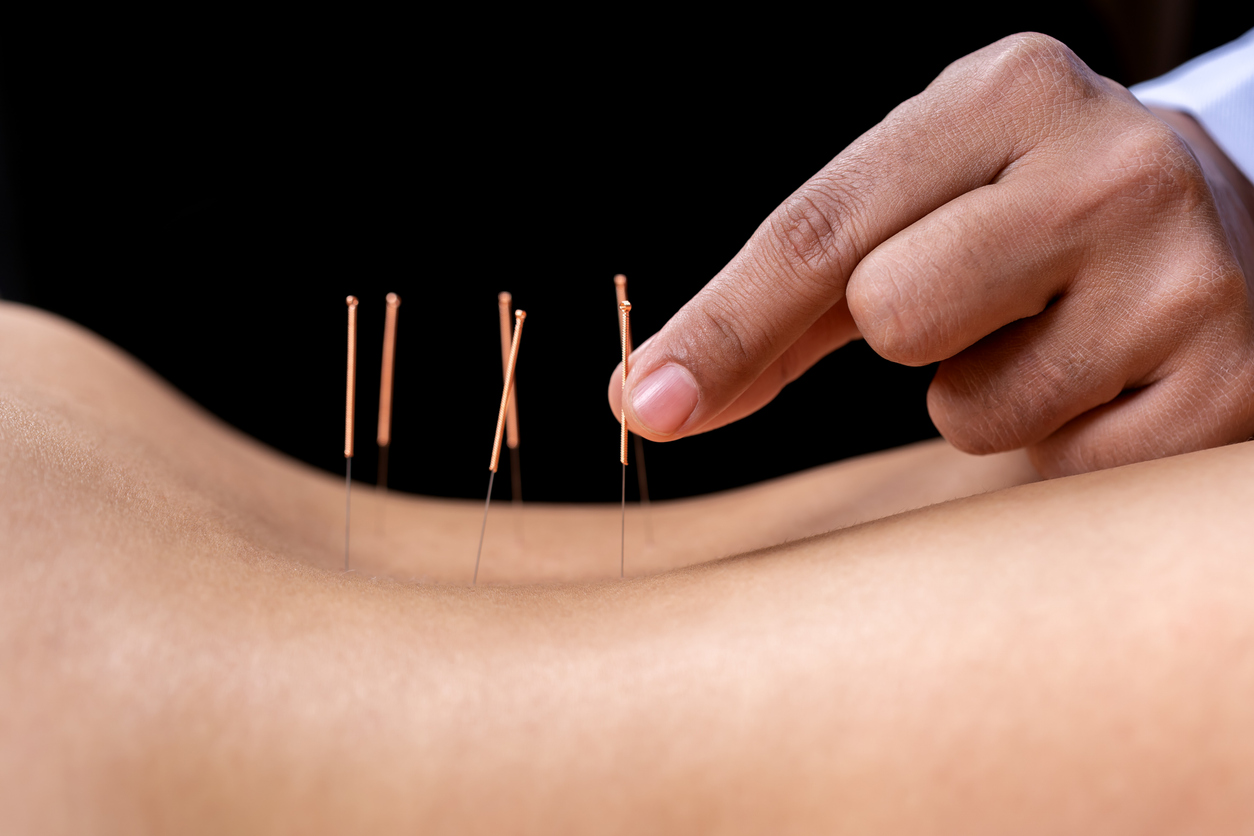

A growing number of people are turning to complementary therapies to support pain relief, reduce stress, and improve overall wellness. If you’ve ever wondered how acupuncture works and why the body can respond to such tiny needles, the answer lies in a fascinating combination of centuries-old healing traditions and modern scientific research. Together, they help explain why acupuncture remains one of the world’s most widely practiced complementary therapies.
Its growing acceptance also reflects a broader approach to healthcare. Rather than choosing between conventional medicine and complementary treatments, many people now use both as part of a well-rounded care plan. This balanced perspective has helped acupuncture earn a place in hospitals, pain clinics, fertility centers, and wellness practices worldwide. Understanding what happens during treatment can also make it easier to separate established evidence from common misconceptions.
What Is Acupuncture?

Acupuncture is a treatment that originated in traditional Chinese medicine thousands of years ago. It involves inserting extremely thin, sterile needles into specific points on the body. Traditionally, practitioners believed these points helped regulate the body’s flow of energy, known as qi (pronounced “chee”), through pathways called meridians.
Today, many licensed practitioners also explain acupuncture through modern anatomy and physiology. Current research suggests that the needles stimulate nerves, connective tissue, muscles, and blood vessels, triggering biological responses that may help regulate pain, inflammation, circulation, and nervous system activity.
How Does Acupuncture Work Scientifically?
Researchers are still uncovering every mechanism involved, yet several well-supported theories help explain why many people notice improvements after treatment.
The needles stimulate sensory nerves beneath the skin, sending signals to the brain and spinal cord. In response, the body may release natural pain-relieving chemicals, including endorphins and other neurotransmitters involved in regulating discomfort and mood. At the same time, acupuncture appears to influence blood flow around treated areas and may affect inflammatory responses associated with certain types of pain.
Brain imaging studies have also shown changes in regions associated with pain perception, stress, and emotional regulation following acupuncture sessions. Although scientists continue to explore the pathways involved, this growing body of evidence helps explain why some healthcare providers now include acupuncture as part of broader treatment plans.
What Happens to Your Body During Acupuncture?
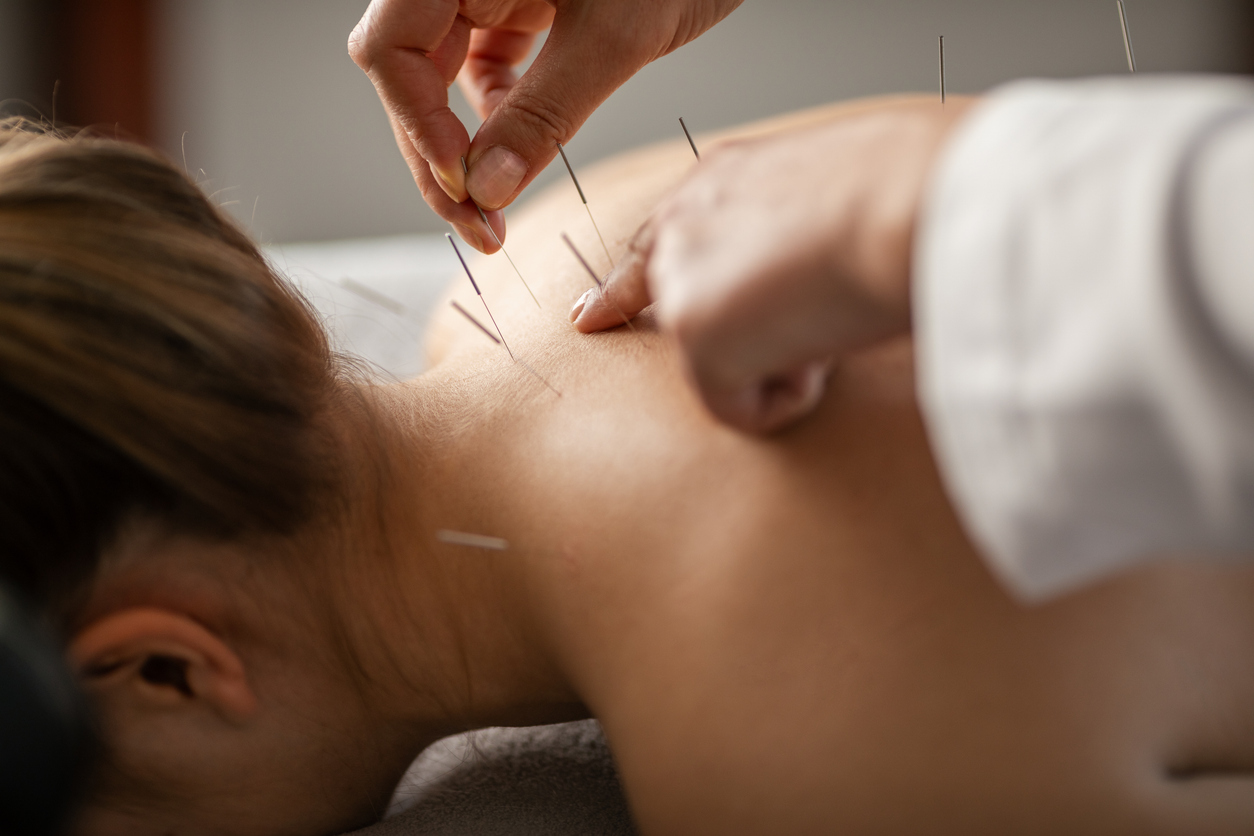
Many first-time patients expect the needles to hurt. Surprisingly, most describe the sensation as a brief prick followed by warmth, tingling, heaviness, or a dull ache around the treatment point.
During the session, muscles often begin to relax while breathing naturally slows. Some people even fall asleep. These responses may occur because acupuncture can influence the nervous system and encourage a shift from a heightened “fight-or-flight” state toward a calmer “rest-and-digest” state. After treatment, some patients leave feeling energized, while others experience deep relaxation for several hours.
What Conditions Can Acupuncture Help Treat?
Although acupuncture is not a cure for every condition, research supports its use for several health concerns, particularly as a complement to conventional care.
Common reasons people seek treatment include:
- Chronic back, neck, and joint pain
- Migraines and tension headaches
- Osteoarthritis
- Anxiety and stress management
- Support during some fertility treatments
- Chemotherapy-related nausea
- Muscle tension and sports recovery
Researchers also continue studying acupuncture for sleep disorders, digestive concerns, allergies, and certain neurological conditions.
How Long Does Acupuncture Take to Work?
This depends largely on the condition being treated.
Acute muscle tension or minor injuries may improve after one or two sessions. Chronic pain, migraines, fertility support, or anxiety may require several appointments before consistent improvements become noticeable. Many practitioners recommend a series of treatments before evaluating overall results.
Progress usually appears gradually rather than overnight, making consistency one of the most important parts of treatment.
What Are the Signs Acupuncture Is Working?
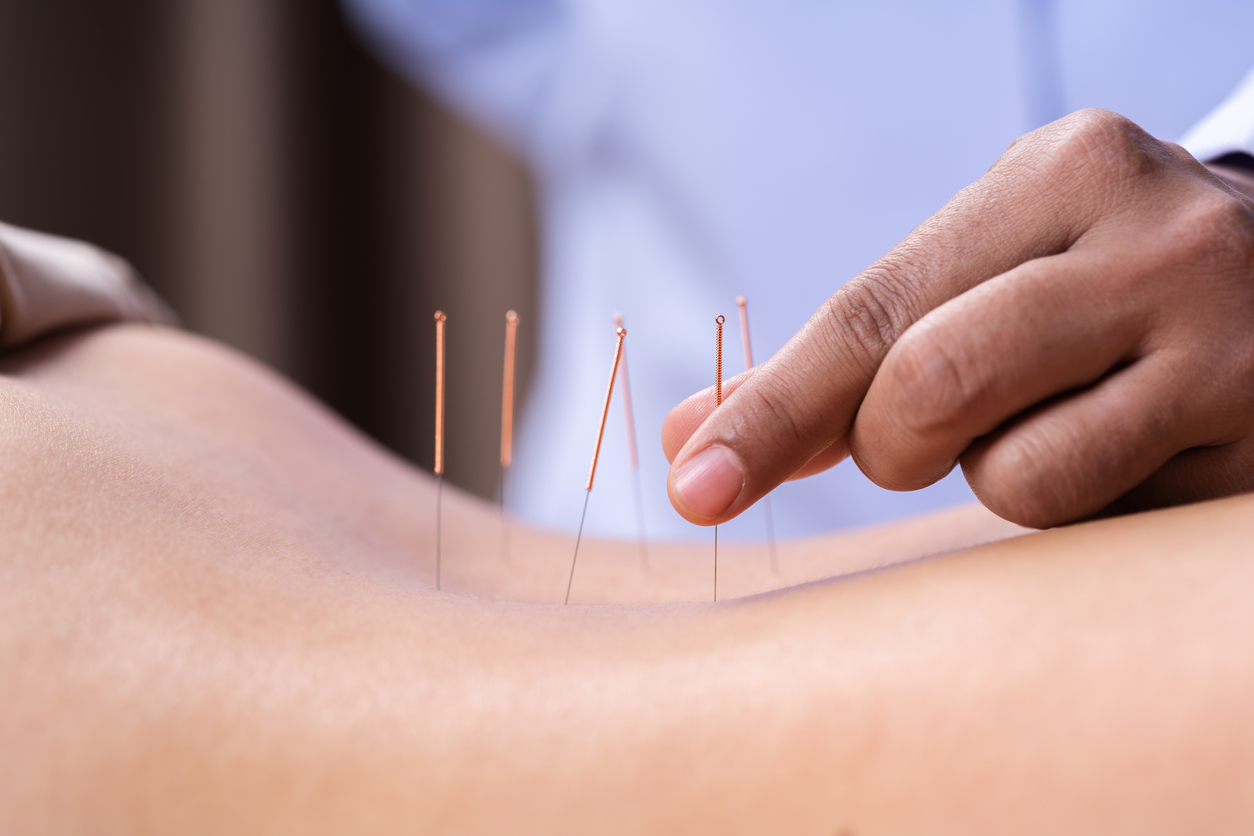
Improvements do not always begin with complete pain relief. Instead, many people notice subtle changes first.
Common signs include:
- Reduced pain intensity
- Better sleep quality
- Less muscle tension
- Improved energy
- Better mood
- Fewer headaches or migraine episodes
- Increased flexibility and easier movement
These changes often build over multiple sessions rather than appearing all at once.
Does Acupuncture Really Work?
Scientific evidence supports acupuncture for several conditions, particularly certain types of chronic pain, migraines, and nausea. Major medical organizations in many countries recognize it as a complementary treatment for selected health concerns.
That said, results vary from person to person. Acupuncture should not replace emergency care or necessary medical treatment, but it may become a valuable addition to a comprehensive healthcare plan when performed by a qualified practitioner.
Are There Risks or “Forbidden” Acupuncture Points?

When performed by a licensed, trained professional using sterile, disposable needles, acupuncture is generally considered very safe. However, like any treatment, it can carry some risks, particularly when performed incorrectly or without taking a patient’s medical history into account.
Readers often ask about the so-called “five forbidden acupuncture points.” Rather than universally banned locations, these refer to points that traditional acupuncture practitioners may avoid during pregnancy or in certain medical situations because of concerns about potential effects, including uterine contractions. This is precisely why acupuncture should always be performed by a properly qualified practitioner who understands anatomy, medical history, and treatment safety.
Final Thoughts
Research continues to deepen our understanding of how acupuncture works, with scientists uncovering more about the biological processes that may contribute to its effects. Although every mechanism has not yet been fully explained, current evidence suggests acupuncture can support pain management, relaxation, and overall well-being for some people. The best outcomes often come from realistic expectations, consistent treatment, and working with a licensed practitioner who tailors each session to your individual needs.
Featured image: Geargodz/iStock
Medical Disclaimer
All content found on the Style Rave website, including text, images, audio, video, and other formats, is created for informational purposes only. The content is not intended to be a substitute for professional medical advice, diagnosis, or treatment. If you think you may be having a medical emergency, please call your doctor, go to the nearest hospital, or call 911 immediately, depending on your condition.