

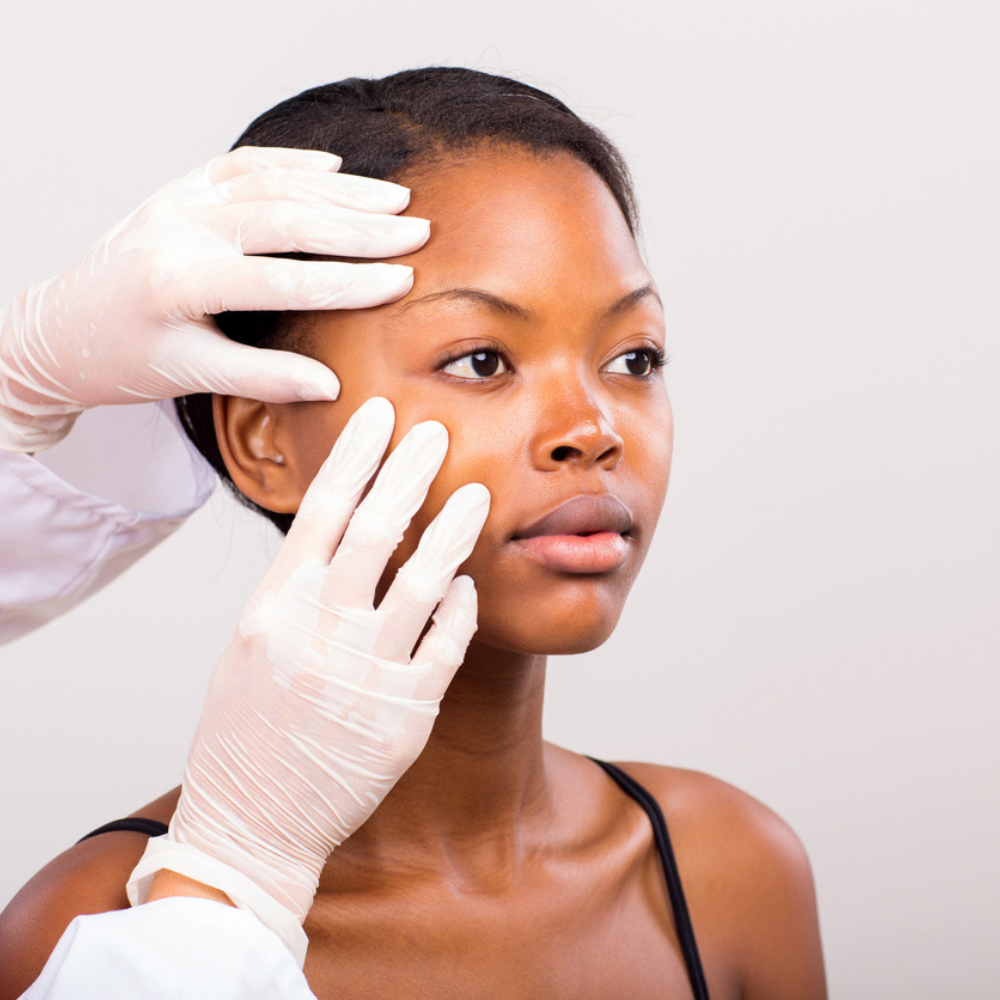

Celebrity culture continues to influence aesthetic trends. Red-carpet appearances, interviews, and social media can shape perceptions of cosmetic procedures and the features people want to enhance. From conversations about rhinoplasty to renewed interest in facelifts and breast augmentation, celebrity beauty choices often become part of wider discussions about aging, body image, and self-expression.
However, it is often difficult to know which procedures a celebrity has actually undergone unless they have publicly confirmed them. Changes in appearance can also result from makeup, lighting, weight fluctuations, skincare, nonsurgical treatments, or simply the passage of time.
Looking at commonly discussed procedures can help explain how cosmetic surgery may be used to alter specific features or address changes associated with aging, weight loss, or individual anatomy. Celebrity disclosures also reveal that aesthetic preferences can evolve, with some public figures choosing to remove or revise previous enhancements. The following seven procedures are frequently discussed in connection with facial and body contouring.
Rhinoplasty for Nasal Harmony

Rhinoplasty is a surgical procedure used to change the shape or structure of the nose for cosmetic or functional reasons. Contemporary techniques may emphasize preserving or reconstructing structural support rather than removing large amounts of tissue.
Depending on the patient’s anatomy and goals, rhinoplasty can address features such as a dorsal hump, nasal width, tip shape, or asymmetry. Functional concerns, including nasal airflow, may also be considered during surgical planning.
The procedure remains a subject of celebrity discussion partly because even subtle changes to the nose can influence how facial proportions are perceived in photographs. Reality television star Khloé Kardashian, for example, publicly confirmed in 2021 that she had undergone one nose job. Her disclosure offered a useful distinction between a confirmed procedure and the many other changes people had speculated about based on her appearance.
Someone researching a plastic surgeon in Virginia might consult a qualified professional to discuss whether structural changes would be appropriate for their facial proportions and functional needs. The goal is generally to achieve a result that complements the rest of the face rather than produce a standardized appearance.
Although rhinoplasty is often associated with celebrities, it is not possible to determine whether a particular public figure has undergone the procedure unless they have confirmed it or reliable documentation is available. Celebrity examples can provide context for public interest in rhinoplasty, but they should not be treated as a blueprint for another person’s results.
Blepharoplasty to Address Changes Around the Eyes
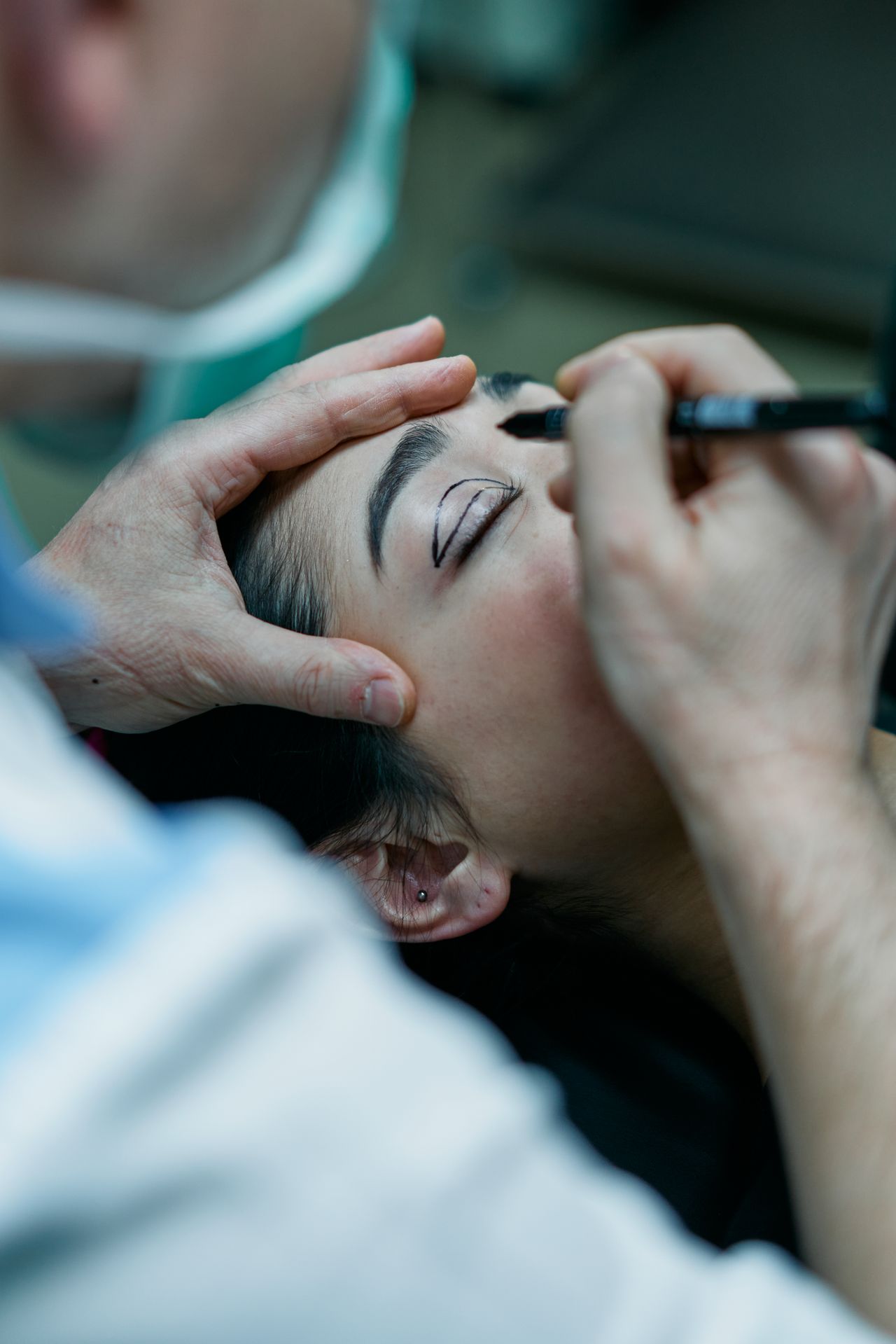
Blepharoplasty, or eyelid surgery, can address excess skin and changes in the fat and soft tissues around the upper or lower eyelids. Because the eyes are a prominent facial feature, changes in this area can influence the overall appearance of the face.
The procedure may involve different approaches, depending on the patient’s concerns:
- Upper blepharoplasty may remove or reposition excess tissue around the upper eyelid.
- Lower blepharoplasty may address under-eye bags or excess skin and fat.
- Combined procedures can address both areas when appropriate for the patient’s anatomy and goals.
Incisions are typically placed in natural creases or less conspicuous areas, although scarring and other surgical effects can still occur. Recovery varies between individuals, and the timing of a return to work or public appearances depends on the extent of surgery and the person’s healing process.
In celebrity culture, eyelid surgery often becomes part of online speculation about how public figures maintain a refreshed appearance. However, a smoother under-eye area or a more lifted-looking eyelid does not establish that surgery has taken place. Makeup techniques, weight changes, lighting, and nonsurgical treatments can all influence how the area appears.
This distinction matters because close-up photographs and side-by-side comparisons can make ordinary facial differences appear more dramatic than they are. While blepharoplasty may be appropriate for some people, the decision should be based on individual concerns and a professional assessment rather than comparisons with celebrities.
Post-Weight-Loss Body Contouring

Significant weight loss can leave some people with excess skin or areas of residual fat. Body-contouring procedures may be considered when diet and exercise do not address loose skin or when someone wants to change the shape of a particular area.
Depending on the circumstances, procedures may include liposuction, abdominoplasty (tummy tuck), arm or thigh lifts, or other skin-removal procedures. The appropriate approach depends on factors such as the amount and location of excess skin, skin elasticity, overall health, and the patient’s goals.
Weight changes have become a particularly visible part of celebrity beauty conversations. When a public figure undergoes a noticeable transformation, audiences may debate whether it resulted from weight loss, surgery, medication, exercise, or a combination of factors. These discussions illustrate how quickly assumptions can become accepted as facts, even when the person has not explained the process.
Body contouring may be relevant for people who have lost a substantial amount of weight and are concerned about excess skin. However, it is important to distinguish these procedures from treatments intended primarily to remove localized fat. A tummy tuck, for instance, can remove excess abdominal skin and may tighten separated abdominal muscles, while liposuction focuses on removing fat deposits.
These procedures can change body contours, but they are not substitutes for weight management and do not guarantee a particular body shape. As with any surgery, recovery time and potential complications vary.
Facelift Techniques for Facial Rejuvenation

Facelift surgery has evolved beyond simply tightening the skin. Depending on the technique, surgeons may reposition or modify deeper facial tissues while also addressing excess skin.
Deep-plane and other facelift approaches differ in how tissues are dissected and repositioned. Whether a particular technique is appropriate depends on the patient’s anatomy, degree of facial aging, and surgical goals.
The procedure has attracted renewed celebrity attention as public conversations about aging become more open. Kris Jenner, for example, has spoken publicly about undergoing a facelift and explained her decision to have another procedure years after her earlier surgery. Her experience highlights an important point: cosmetic surgery is not necessarily a one-time decision. Preferences can change as a person’s face, lifestyle, and expectations evolve.
A facelift can address areas such as the lower face, jawline, and neck, but it does not stop the natural aging process. Results and longevity vary, and all facelift techniques involve potential risks and a period of recovery.
Celebrity transformations can create the impression that facial aging can be reversed completely or that a particular procedure is responsible for every visible change. In reality, the outcome of a facelift depends on factors such as skin quality, anatomy, surgical technique, and healing. Skincare, makeup, lighting, and other treatments may also contribute to a person’s overall appearance.
Claims about celebrities having facelifts at a particular age or undergoing surgery to “prevent” future aging should be treated cautiously unless the individual has publicly confirmed the procedure.
Chin and Jawline Augmentation

The chin and jawline play an important role in overall facial proportions. A recessed chin, for example, can affect how the nose, lips, and lower face appear in profile. Cosmetic treatments can sometimes be used to change chin projection or improve definition along the lower face.
Options include:
- Chin implants for a more permanent increase in projection.
- Injectable fillers for temporary contouring.
- Fat grafting in selected patients.
- Surgical procedures that alter the underlying bone in appropriate cases.
- Liposuction or other soft-tissue procedures when excess fat contributes to a less defined jawline.
For surgical chin augmentation, an implant may be placed through an incision beneath the chin or inside the mouth, depending on the technique. Incisions can be positioned to reduce their visibility, but no surgical approach guarantees an imperceptible scar.
Jawline definition has become a recurring topic in celebrity beauty culture, where sculpted profiles and sharply defined facial contours are often emphasized in photographs and beauty campaigns. Yet these features can reflect natural bone structure, genetics, body composition, makeup, photography angles, or cosmetic treatments. It is not possible to identify a particular procedure from a defined jawline alone.
The appearance of the jawline is also influenced by soft-tissue volume, skin elasticity, and weight. As a result, the same procedure can produce different effects in different patients. A treatment that complements one person’s facial proportions may not achieve the same result for someone else.
Breast Reshaping and Reduction

Breast surgery among public figures is often discussed in terms of implants, lifts, reductions, and changes in breast volume. However, assumptions about whether a particular celebrity has implants or has changed them should not be treated as fact without confirmation.
Breast augmentation can increase volume with implants or, in selected cases, fat transfer. A breast lift changes the position and shape of breast tissue without necessarily increasing volume. Breast reduction removes breast tissue and skin and may be considered for both cosmetic and physical reasons.
Celebrity disclosures have also shown that preferences can change after an initial procedure. Kylie Jenner, for example, has publicly discussed her breast augmentation, including details about the implants she received. Such disclosures help explain why breast surgery remains part of wider conversations about beauty standards, personal choice, and the pressure to maintain a particular appearance.
Some patients choose smaller implants or implant removal, while others may prefer a lift or reduction. The appropriate procedure depends on individual anatomy, health, and aesthetic or functional goals.
The broader lesson is that breast surgery does not always follow a straightforward path from wanting more volume to maintaining it indefinitely. Personal comfort, changes in the body, lifestyle, and evolving preferences can all influence later decisions. Celebrity experiences may make these discussions more visible, but they do not determine what is right for another person.
Liposuction for Targeted Contouring

Liposuction is designed to remove localized deposits of fat and alter body contours. It is commonly performed on areas such as the abdomen, hips, thighs, arms, and under the chin.
Different liposuction techniques use different methods to facilitate fat removal. Some incorporate energy-assisted technologies, but the choice of technique depends on the treatment area, surgeon preference, and patient-specific factors.
In celebrity culture, liposuction is often discussed alongside dramatic body transformations, sometimes without clear information about what a person has actually undergone. A change in waistline or body proportions alone cannot confirm that liposuction or another procedure has taken place. Weight changes, exercise, styling, shapewear, and photography can all affect how the body appears.
Liposuction can improve the contour of a treated area, but it is not a weight-loss procedure and does not guarantee a particular degree of muscle definition or body shape. Recovery can involve swelling, bruising, temporary numbness, and activity restrictions.
In some cases, fat removed during liposuction can be processed and transferred to another area of the body. This is known as fat grafting and has its own considerations, limitations, and risks. The suitability of fat transfer depends on the patient’s circumstances and the area being treated.
Celebrity Beauty Trends and the Importance of Informed Choices
Celebrity cosmetic surgery discussions reveal more than an interest in specific procedures. They also reflect how beauty standards evolve, how social media influences perceptions of appearance, and how public figures navigate scrutiny over their personal choices.
When a celebrity confirms a procedure, the disclosure can help audiences understand what cosmetic surgery involves. However, online speculation based on photographs can reinforce unrealistic expectations and blur the line between a confirmed procedure and an assumption. A person’s appearance may reflect several factors, and no single procedure explains every visible change.
There is also a difference between choosing cosmetic surgery for personal reasons and feeling compelled to pursue it because a particular feature has become fashionable. Trends in facial contours, body proportions, and signs of aging can change quickly, while surgical decisions may have lasting consequences. The most appropriate choice is one that reflects an individual’s own needs and expectations rather than pressure to reproduce a celebrity’s appearance.
Anyone considering cosmetic surgery should discuss potential benefits, limitations, alternatives, recovery, and risks with an appropriately qualified medical professional. Careful research and realistic expectations are essential, regardless of how familiar a procedure may seem through celebrity coverage.
Featured image: michaeljung/iStock
—Read also