

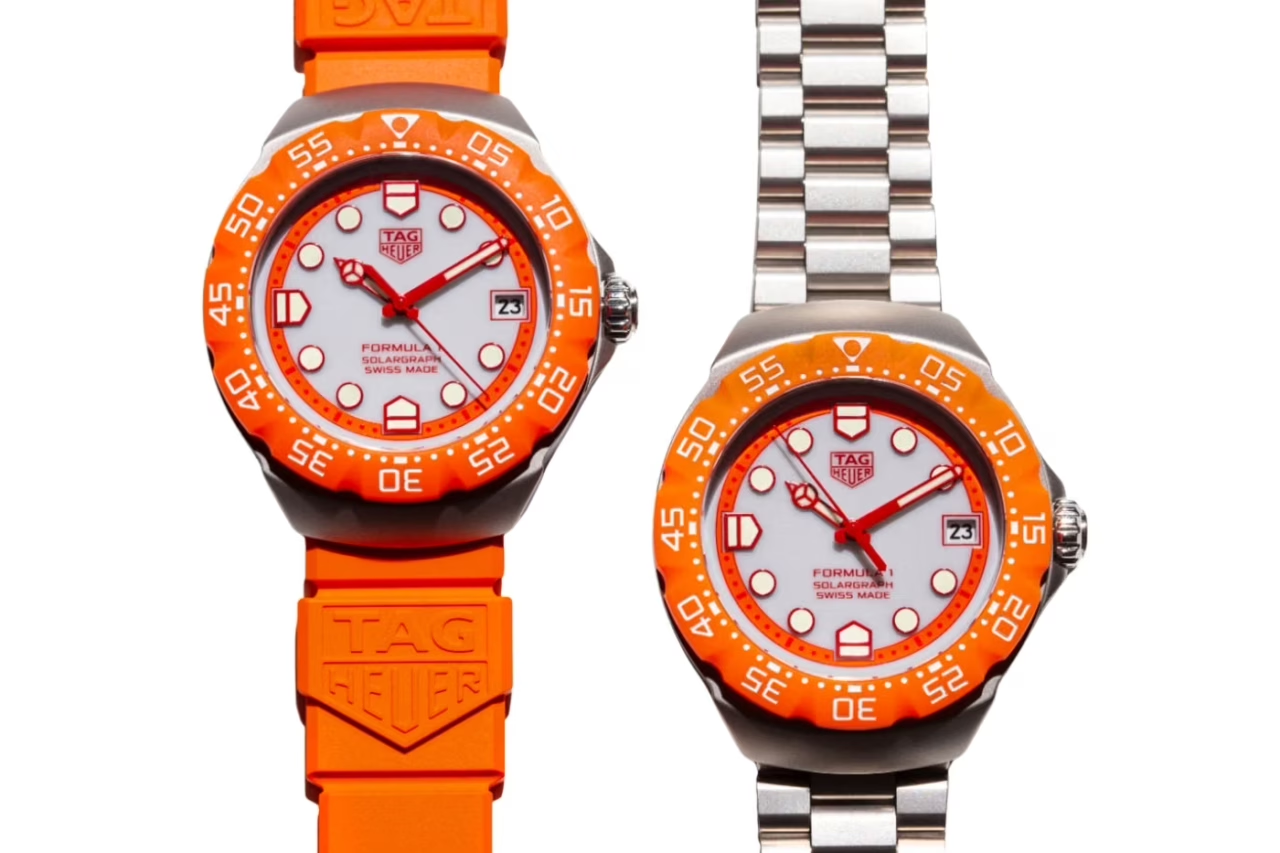

Some races end because the sport moves on. Others end because the people running them choose to go out on their own terms. As the Dutch Grand Prix prepares for its final run at Zandvoort in 2026, the TAG Heuer Formula 1 Solargraph Zandvoort watches arrive as fitting tributes to a circuit that has made a lasting impression on the modern Formula 1 calendar. The decision to end the race was made by the local promoter, who chose to stop while the event was still at its peak rather than wait for the moment to pass.
The circuit returned to Formula 1 in 2021 after a 36-year absence, quickly became one of the most visually distinctive venues on the calendar, and built an atmosphere that few circuits in the world can match. The 2026 edition will also mark the first time Zandvoort has hosted a sprint race format.
TAG Heuer has been the Official Timekeeper of Formula 1 since 2020, making its connection to the sport much deeper than a single race weekend. For Zandvoort’s final chapter, the brand has unveiled two limited-edition Formula 1 Solargraph watches inspired by the circuit and the culture surrounding it. Orange takes center stage, reflecting the sea of color that has become synonymous with the Dutch Grand Prix, while the rest of the design keeps the connection understated and wearable.
What the TAG Heuer Formula 1 Solargraph Looks Like
Shop here
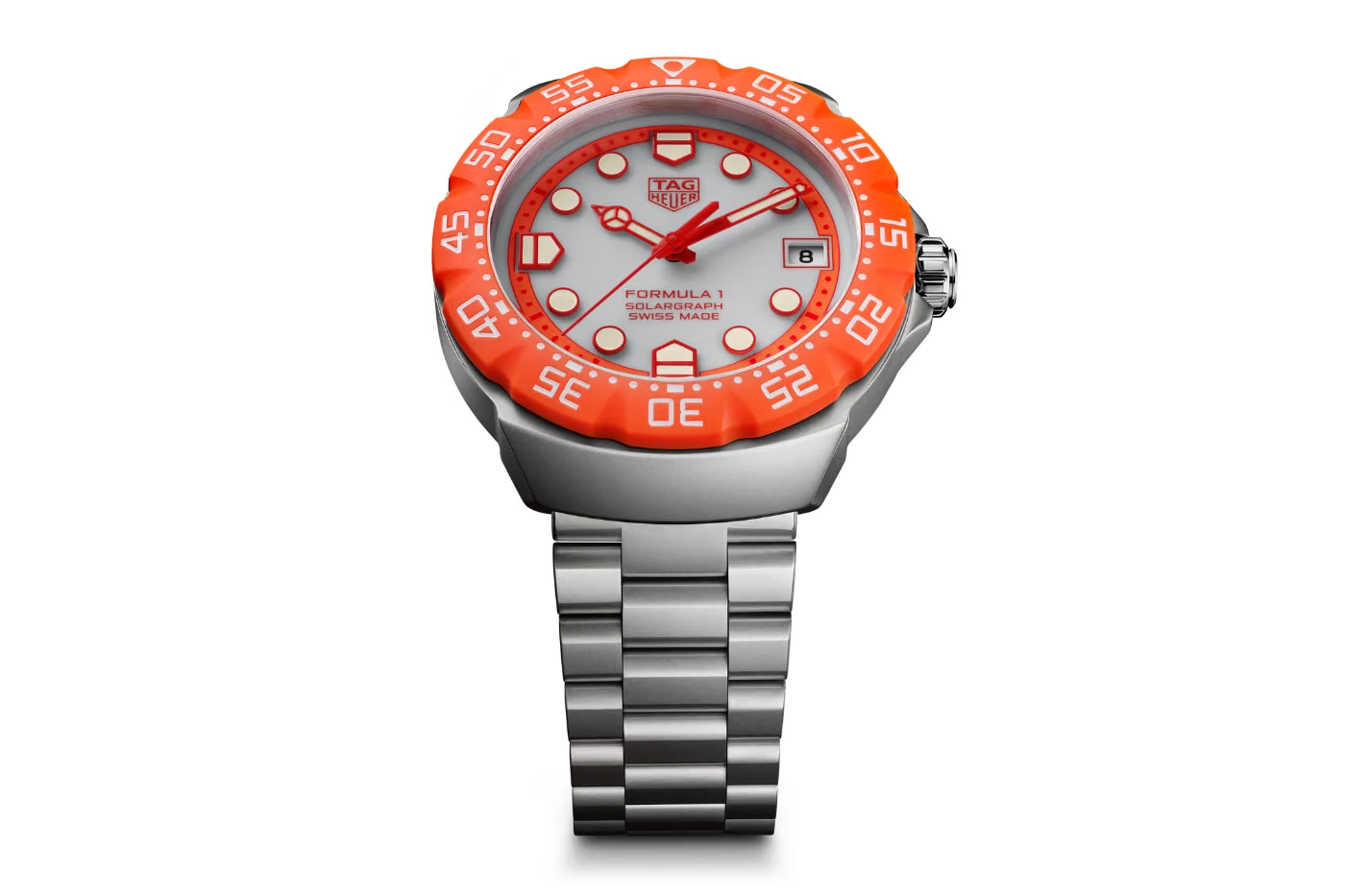
Both watches are built around a 38mm sandblasted stainless steel case, a size that connects directly to the first TAG Heuer Formula 1 collection introduced in 1986. The case delivers a matte, motorsport-ready surface that keeps the finish consistent with the circuit’s industrial coastal character rather than reaching for something polished and formal.
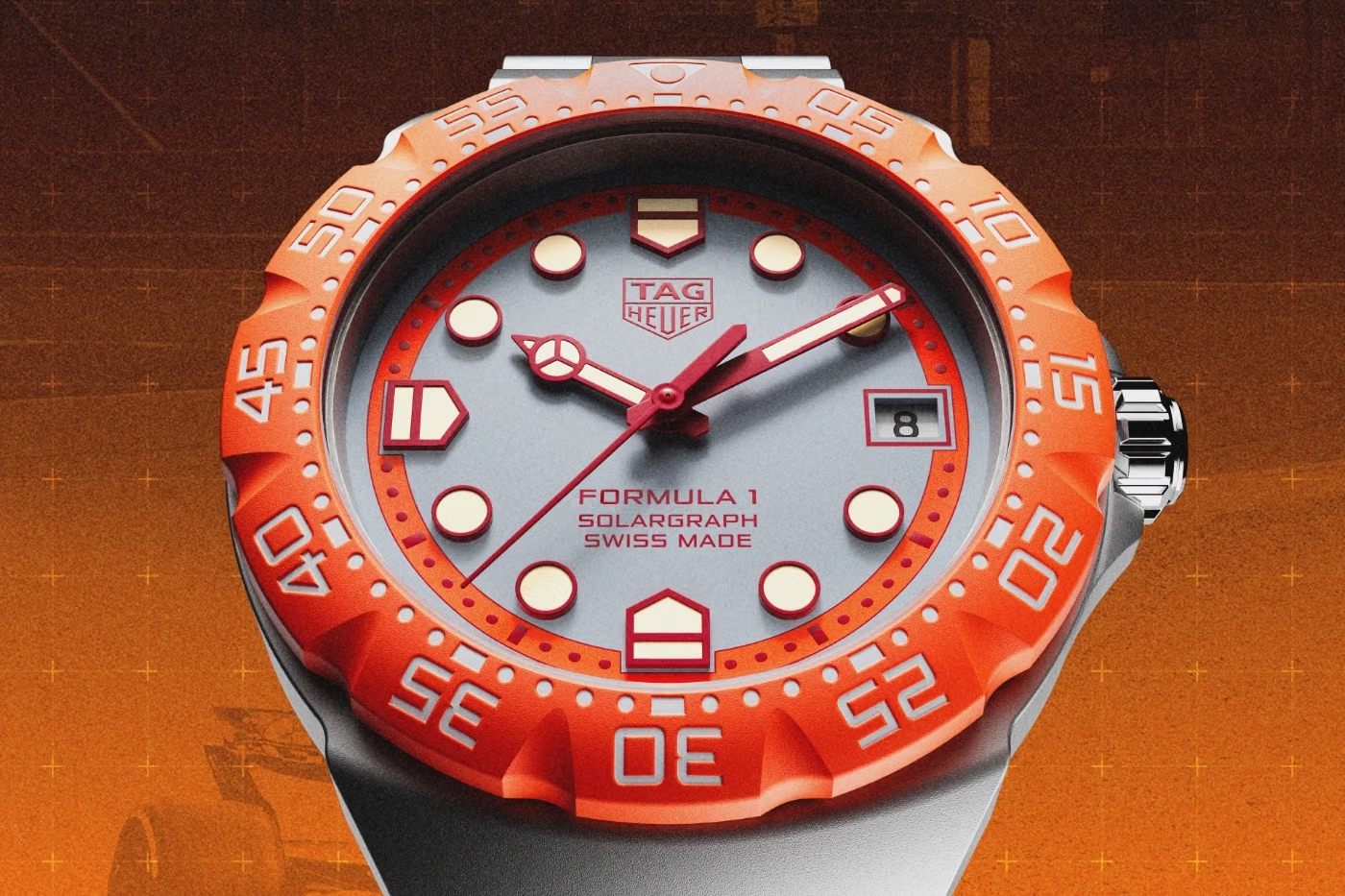
Meanwhile, the bidirectional bezel is crafted from TH-Polylight, TAG Heuer’s proprietary high-performance polymer, finished in orange. It is the most immediate visual reference to Zandvoort’s famously orange-clad crowd. Max Verstappen has won the Dutch Grand Prix three times since the circuit’s return in 2021. The fan culture built around those victories- the orange flags, the banked grandstands packed beyond capacity, the noise- is what the bezel is evoking.
The grey opalin dial carries an orange and red minuterie track, a small but considered detail that reinforces the color story without drowning out the dial’s overall restraint. Applied indices are filled with eggshell Super-LumiNova. Red lacquered hands complete the color composition. A date window sits cleanly at three o’clock. The signature TAG Heuer shields appear at six, nine, and twelve o’clock, anchoring the dial layout in the Formula 1 line’s established visual grammar.
The Two TAG Heuer Formula 1 Solargraph Zandvoort Variants
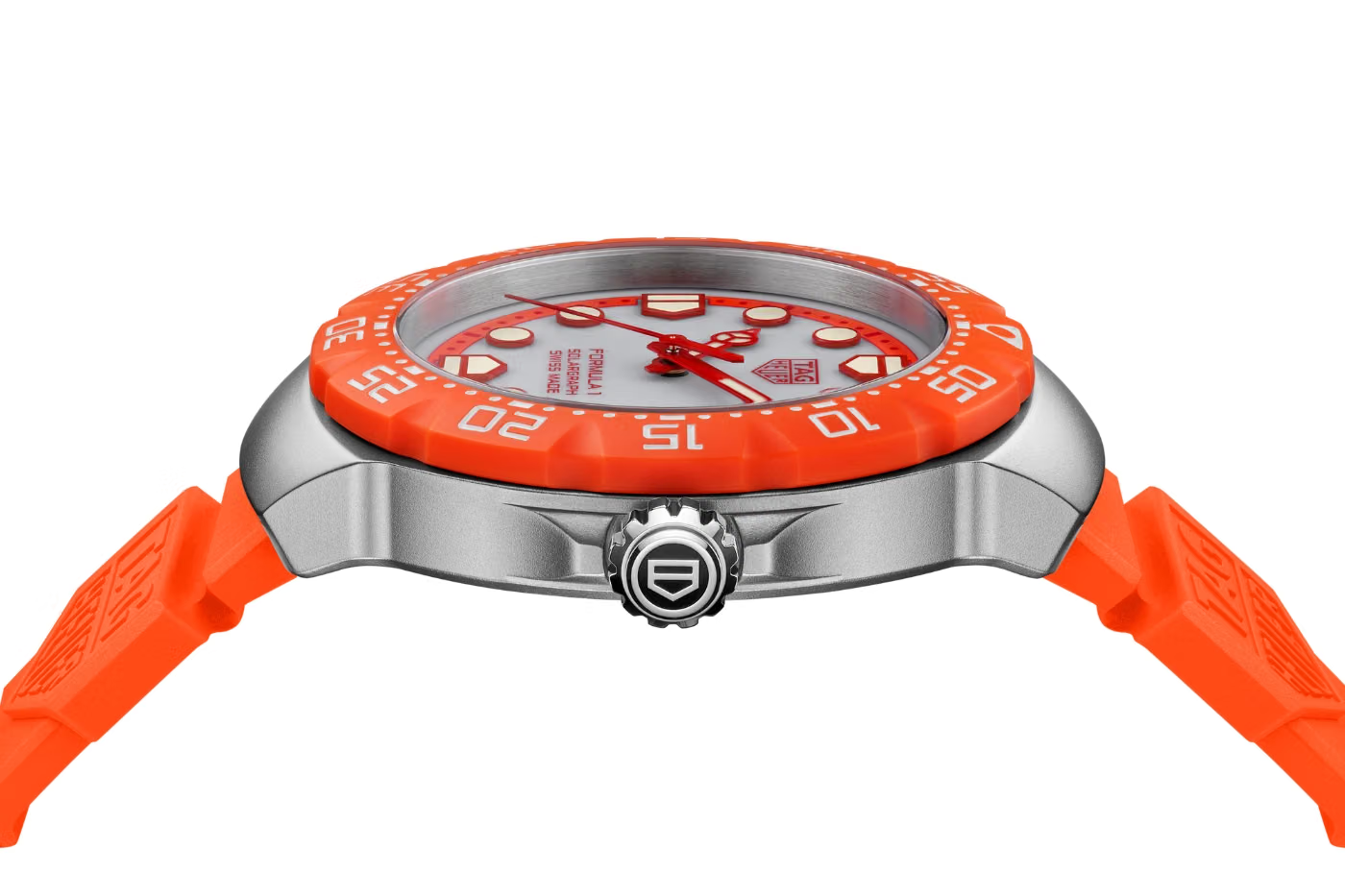
The first variant pairs the watch with a matching orange rubber strap and is limited to 1,500 pieces worldwide, priced at $2,150 USD. The second is an e-commerce exclusive, fitted on a three-row sandblasted steel bracelet that extends the matte surface treatment of the case across the full wear experience. That version is limited to 1,000 pieces and retails at $2,250 USD.
The bracelet model’s exclusivity to online retail is a deliberate channel decision, creating a meaningful distinction between the two releases without introducing visual changes to the watch itself. Both share identical case dimensions, dial specifications, and movement. The difference is in how the watch sits on the wrist, and what that choice communicates about the wearer’s preference.
Shop similar products
The Solar Movement at the Core of Both Watches
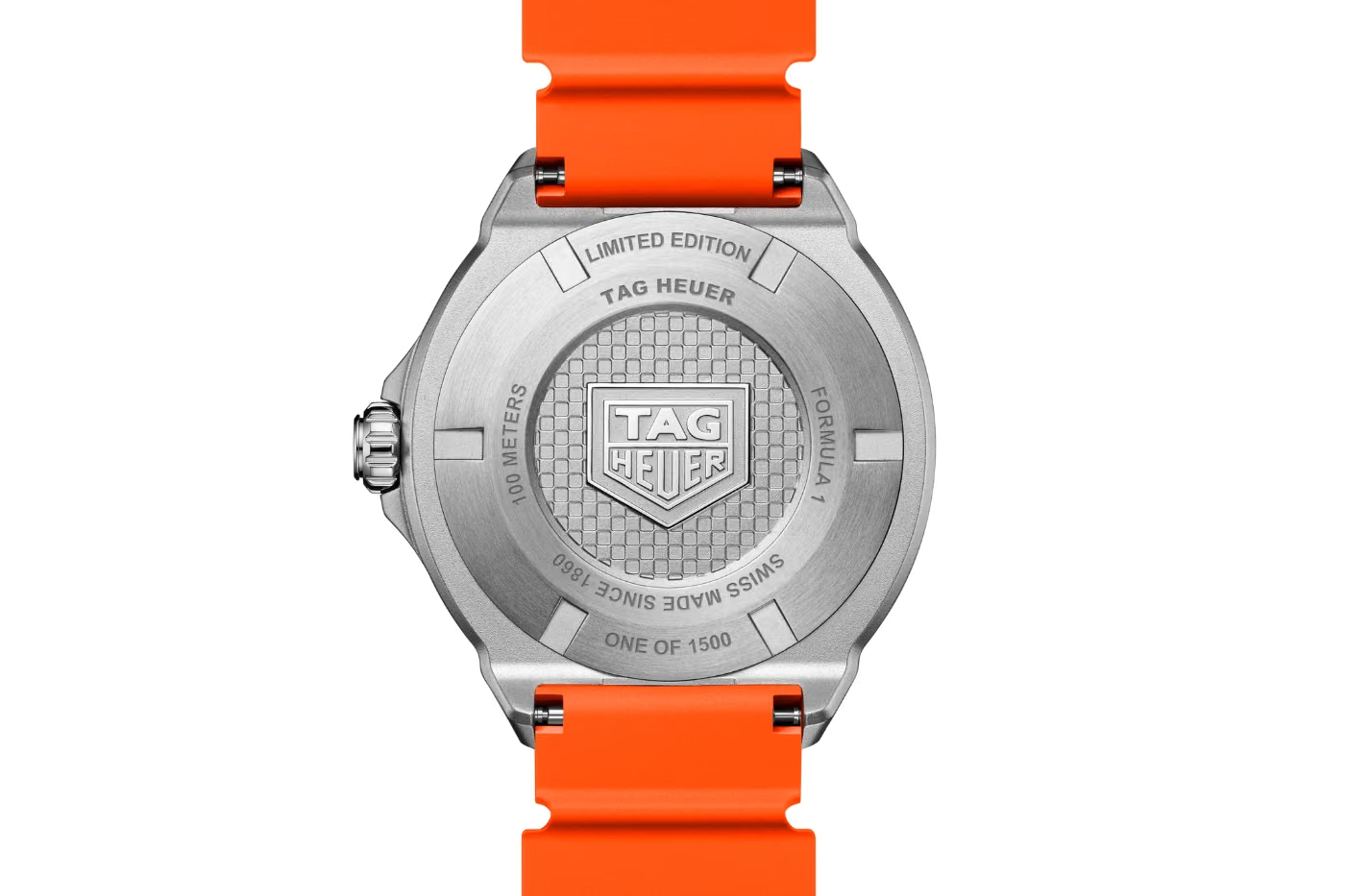
The Caliber TH50-00 is the technical foundation of both models. It is a solar-powered quartz movement that converts both natural and artificial light into stored energy through a photovoltaic cell beneath the dial. A single minute of direct sunlight provides a full day of operation. A complete charge, reached in under 40 hours of light exposure, delivers up to ten months of continuous power in complete darkness.
That level of energy independence changes the practical relationship between the wearer and the watch. The Solargraph never needs a battery replacement. It does not require a crown pull or manual winding. In a lifestyle context, it simply runs, powered by the ambient light of daily life. For a racing watch worn across a busy weekend at a coastal circuit, the logic is obvious.
Why Zandvoort Deserved This Tribute
Dutch Grand Prix director Robert Van Overdijk said the promoter chose to stop. At the same time, the event was adored and supported by passionate fans, residents, and the Formula 1 community, a deliberate decision to leave at the height of the circuit’s reputation rather than manage a slow decline. That approach to an ending is rare in motorsport, where circuits tend to fight until the last possible moment.
Zandvoort’s dunes, its banked corners, its gravel traps, and the nonstop sound of 305,000 fans in orange have made it one of the most photographed race weekends on the modern F1 calendar. The TAG Heuer Formula 1 Solargraph captures one specific element of that: the color. Both watches are available now through tagheuer.com, with the rubber strap model at $2,150 and the steel bracelet e-commerce exclusive at $2,250.
Featured image: TAG Heuer