

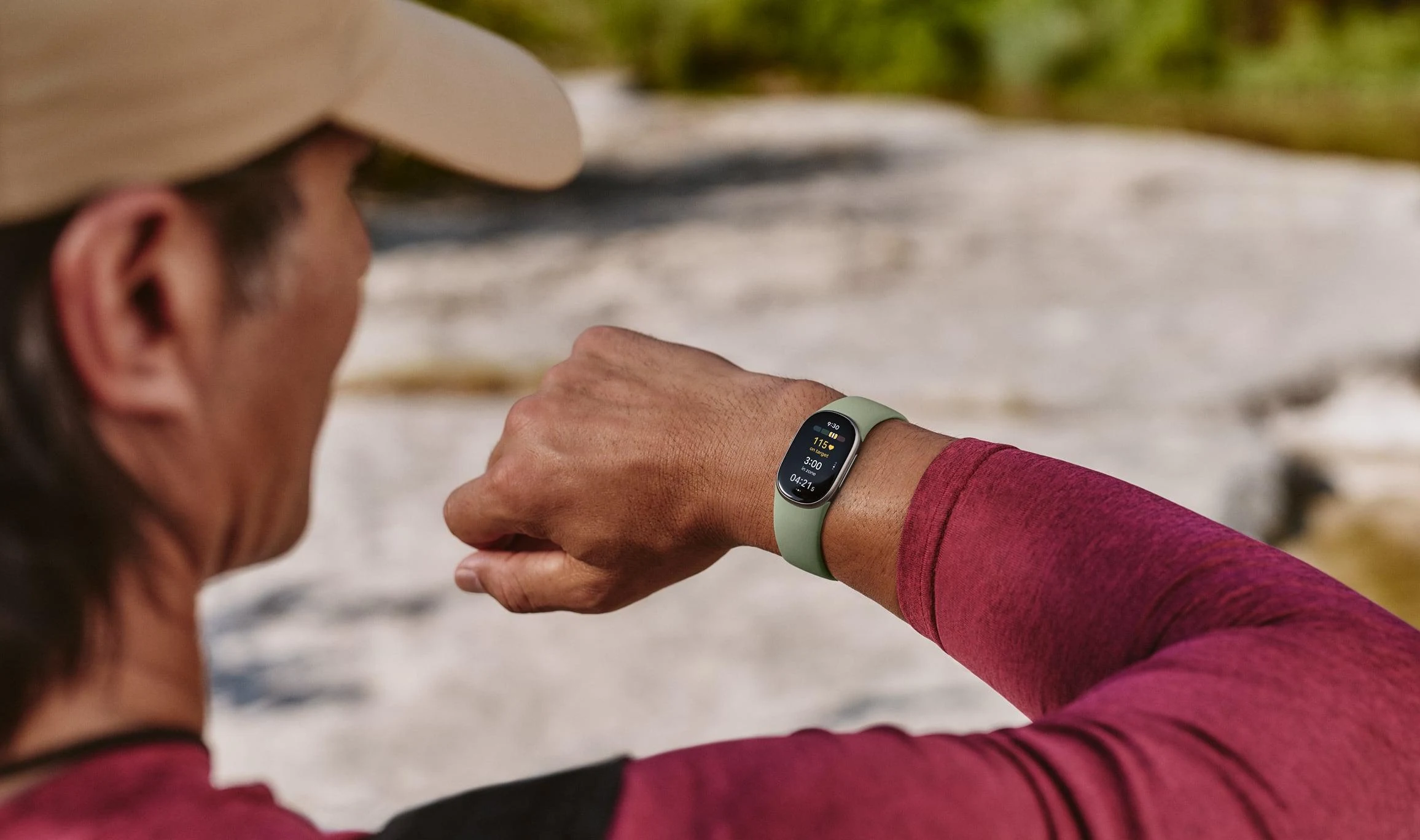

Fitness trackers have become increasingly ambitious, but Google’s new Fitbit Edge is taking a slightly different approach to the category. Rather than simply recording steps, heart rate, and sleep patterns, the wearable is designed to help users understand what those numbers mean and how to act on them. With the Fitbit Edge, the emphasis is on turning daily health data into practical guidance, supported by Google’s Gemini-powered coaching technology.
Priced from $179.99, the new tracker arrives with a redesigned display, improved GPS, advanced health monitoring, and up to seven days of battery life. It also introduces a more ambitious software experience through the Google Health app, which brings fitness, nutrition, sleep, and other health information together. Developed in collaboration with four-time NBA champion Stephen Curry, the device has a performance-minded identity, but its appeal extends beyond people who spend most of their free time training. The bigger question is whether its combination of hardware and AI-powered coaching makes it worth considering.
Google’s Fitbit Edge Is More Than a Typical Fitness Tracker
View this post on Instagram
The most interesting aspect of the Fitbit Edge is the relationship between its hardware and software. The tracker collects information throughout the day, while the Google Health app provides a broader picture of how different habits and health metrics connect. Rather than leaving users to interpret a collection of numbers themselves, Google aims to offer recommendations based on individual routines, activity levels, and goals.
That experience centers on Google Health Coach, a personalized assistant built with Gemini and available through a Google Health Premium membership. It can create fitness plans, recommend workouts, and adjust its suggestions when circumstances change. Someone who has had a particularly demanding week, for example, may receive different guidance from someone following a consistent training schedule. Users can also ask questions about their health data and receive explanations informed by their recorded metrics.
This is a significant part of the product’s appeal. Fitness tracking is useful, but knowing when to increase training intensity, prioritize recovery, or reconsider a routine can make those measurements much more valuable.
A Display Designed to Keep Your Progress Visible
Shop here
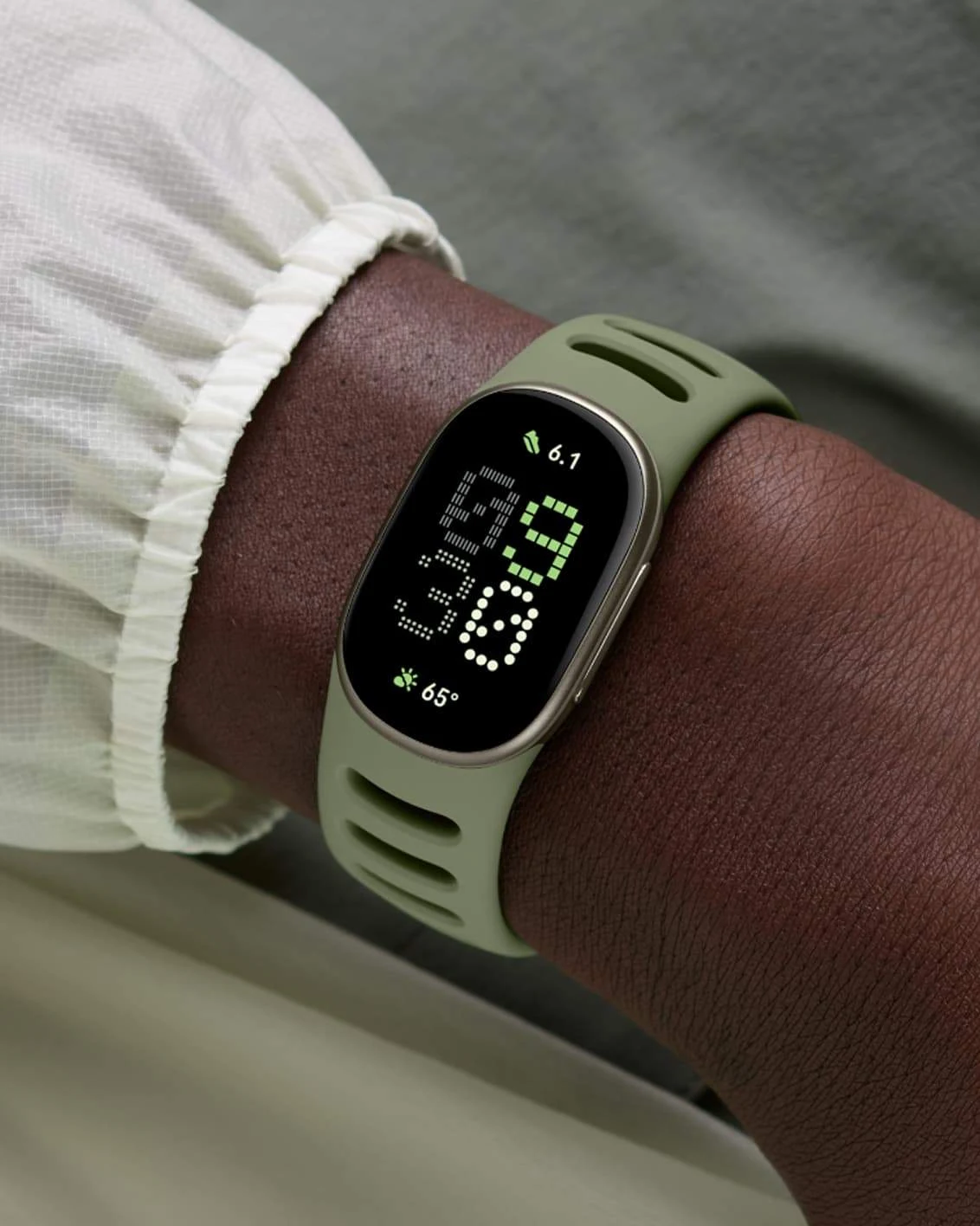
Google has also paid attention to the physical experience. The Fitbit Edge features an all-new premium display designed to make important information easier to check without navigating through several menus. Workout statistics, daily progress, and visual coaching cues appear in a glanceable format, allowing users to stay informed while moving.
Its slim construction is another practical consideration. Since the tracker is intended for continuous wear, comfort matters just as much as the information it provides. The understated design should also make it suitable beyond workouts, whether during a commute, at the office, or while running errands.
Battery performance is particularly encouraging. Google estimates up to seven days of use on a full charge, with the device taking approximately 90 minutes to recharge completely. This means users won’t have to schedule charging breaks as frequently as they might with some more demanding smartwatches.
Fitness Coaching That Adapts to Your Routine
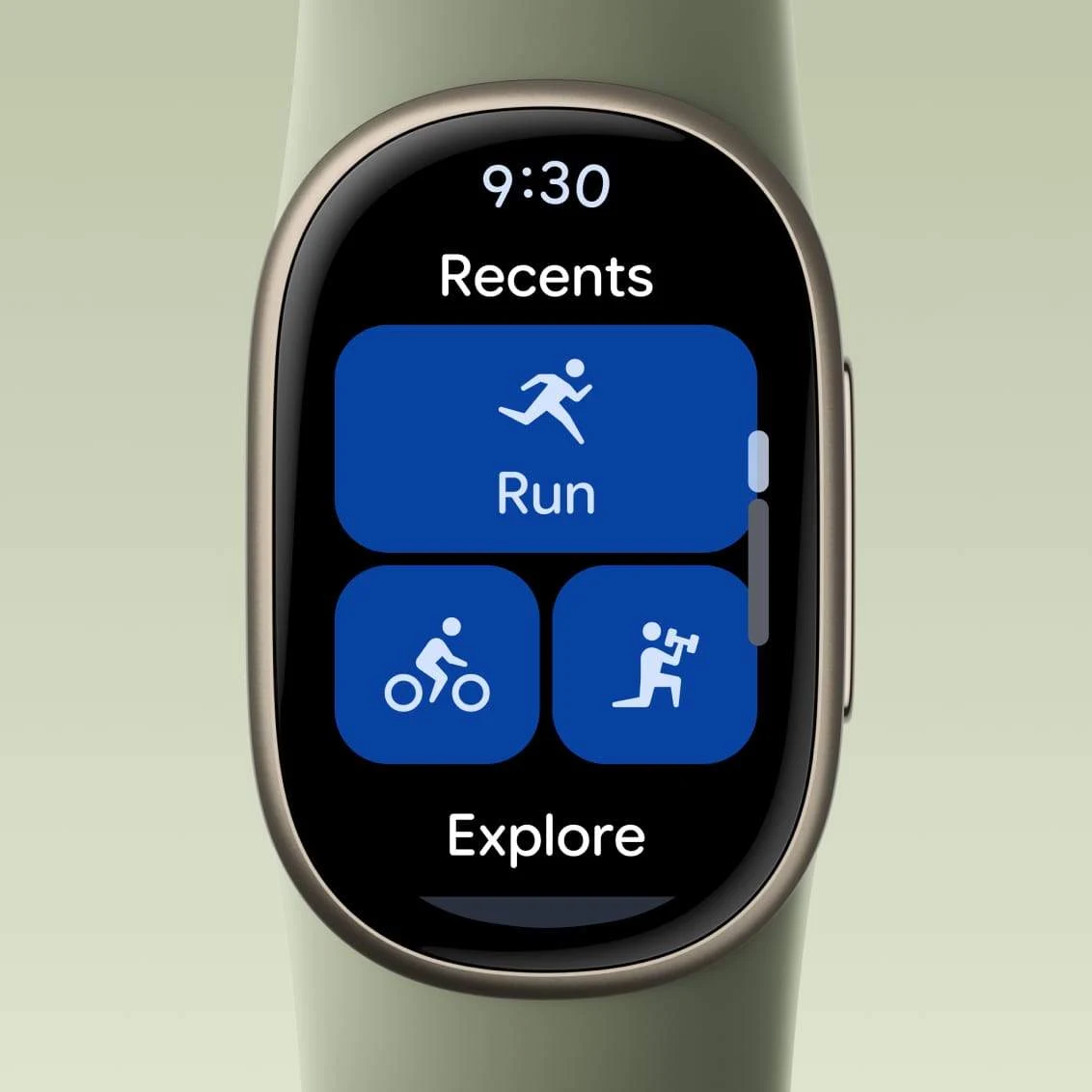
For people who take their training seriously, the coaching experience could be the strongest reason to consider the device. The Fitbit Edge monitors readiness, activity, and longer-term fitness goals to recommend workouts that reflect what users are trying to achieve.
During exercise, real-time coaching guidance can suggest when to push harder, ease off, or maintain a particular pace. This makes the experience more interactive than simply reviewing performance statistics after finishing a session. The tracker also offers automatic workout recognition, built-in GPS, and an altimeter for elevation tracking, making it useful for outdoor running and other activities.
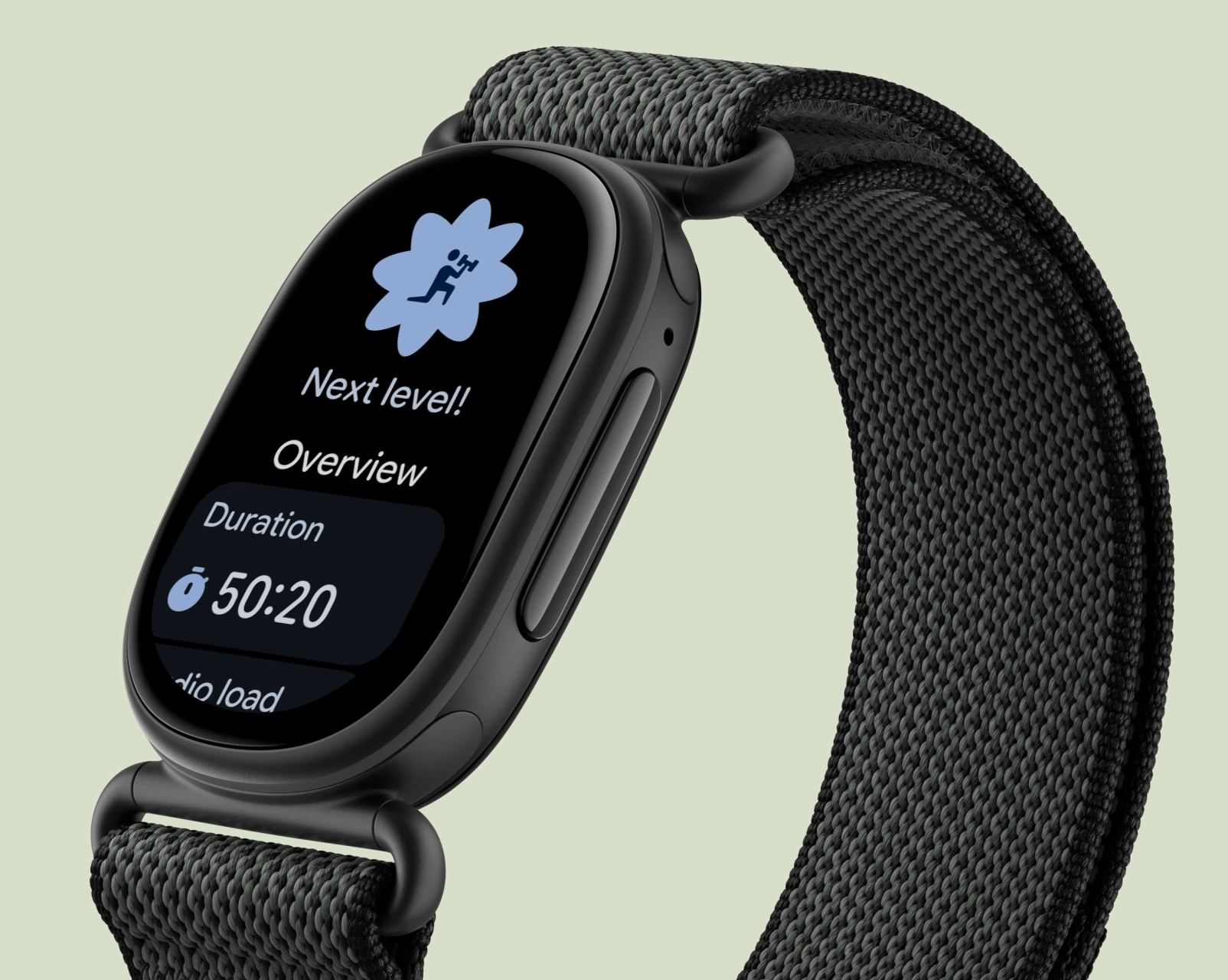
Post-workout summaries provide another layer of insight, bringing important performance statistics and progress toward personal goals directly to the wrist.
The Stephen Curry Special Edition adds a recognizable sporting connection. Developed in collaboration with the NBA champion, it combines the device’s performance-focused functionality with design details inspired by the basketball star’s approach to training.
Health and Sleep Tracking Go Beyond the Basics
Fitness is only one part of the experience. The tracker also monitors several health indicators, including continuous heart rate, blood oxygen saturation, heart rate variability, breathing rate, resting heart rate, and skin temperature variation.
Google has incorporated Health Guardian features designed to identify significant changes and provide relevant notifications. These include high and low heart rate alerts and irregular heart rhythm notifications. The device can also monitor heart rhythms while users are resting or sleeping for signs associated with atrial fibrillation. These features offer additional health information, but they should not be treated as a substitute for professional medical advice, diagnosis, or care.
Sleep tracking receives similar attention. Users can review sleep duration, consistency, schedules, and individual sleep stages, alongside a personalized Sleep Score. Through Google Health Coach, these measurements become more actionable, with recommendations intended to support better rest and recovery.
The Google Health app also supports nutrition logging through photographs or chat, connecting meal information with sleep and fitness data. Compatible continuous glucose monitors can provide additional context for users interested in understanding their metabolic health.
Is Google’s Fitbit Edge Worth the Money?
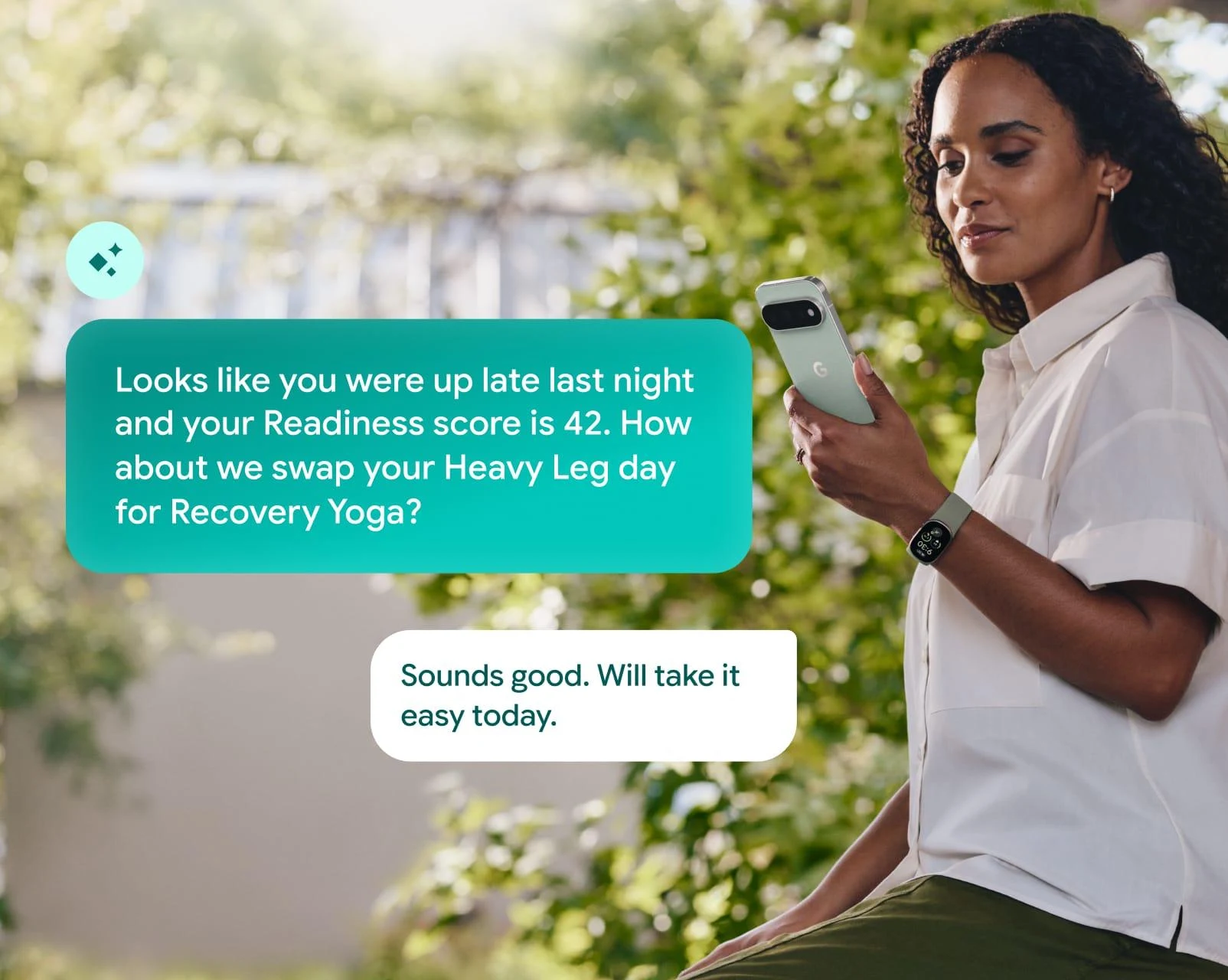
At $179.99, Google’s Fitbit Edge occupies an interesting position between conventional fitness bands and more expensive smartwatches. Its seven-day battery life, slim design, GPS capabilities, and extensive health tracking provide a solid foundation. However, the Gemini-powered coaching experience is arguably its biggest selling point.
There is an important subscription consideration. Personalized coaching, adaptive workout plans, detailed sleep guidance, and several advanced insights require Google Health Premium. Google is offering three months of Premium at no additional cost, but users should factor in the ongoing membership expense when evaluating the device.
For someone who primarily wants a simple step counter, the Fitbit Edge may offer more functionality than necessary. However, people interested in structured training, better recovery habits, and a more connected view of their health have considerably more to gain.
The Fitbit Edge is an interesting option for anyone who wants a fitness tracker to do more than collect data. Its real appeal lies in the possibility of turning everyday measurements into informed decisions that can help users improve how they train, sleep, and manage their health.
Featured image: Google
—Read Also