

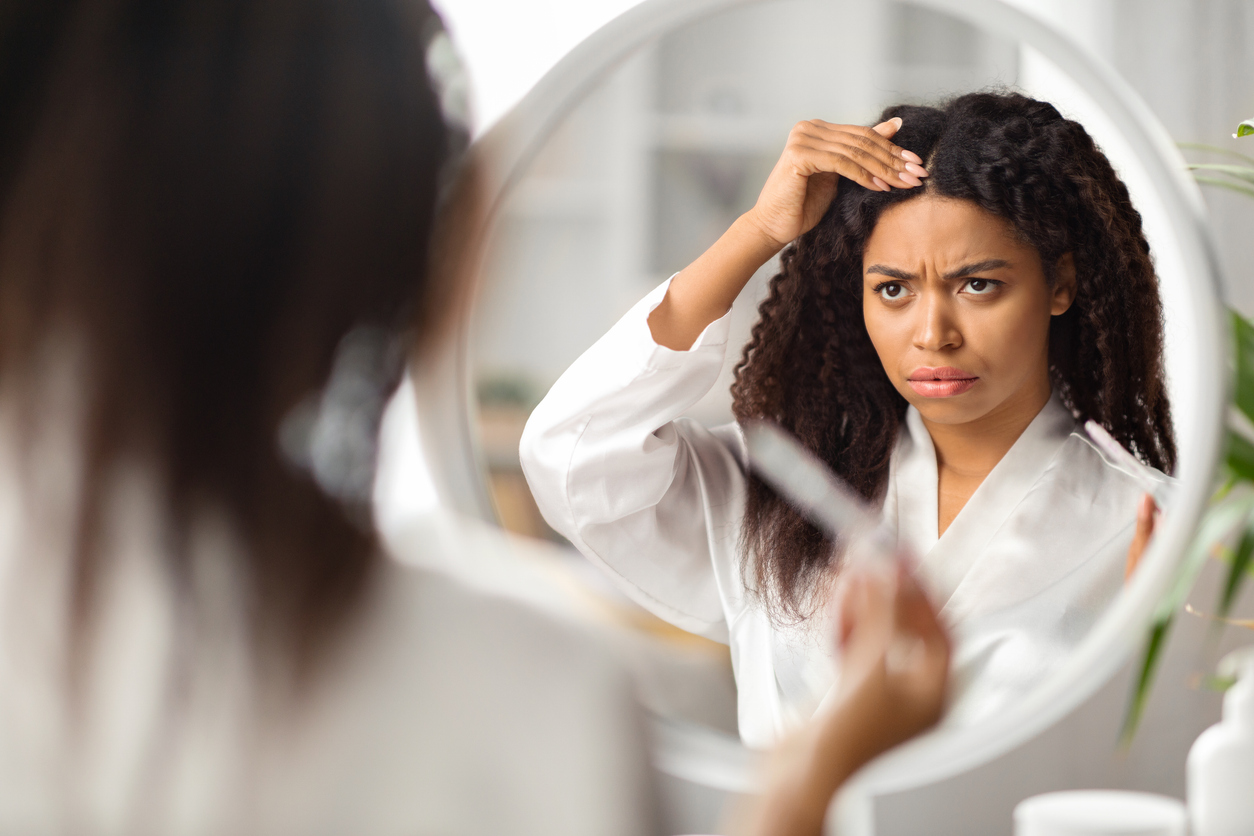

A flaky scalp turns a simple wash day into a guessing game: Should you use a richer moisturizer, switch shampoos, or look for a dandruff treatment? Although dry scalp and dandruff can both leave white flakes on your shoulders, they do not always have the same cause. Using the wrong treatment may leave the problem unresolved. Understanding the dry scalp vs. dandruff difference starts with looking at what triggers the flakes, how your scalp behaves, and which other symptoms appear alongside them.
The confusion is understandable because both conditions can cause itching, visible flakes, and discomfort. However, a dry scalp usually points to a lack of moisture in the skin, while dandruff is often associated with excess oil and the scalp’s response to a naturally occurring yeast called Malassezia. These clues can help you choose a sensible first step, although persistent symptoms may require a dermatologist’s assessment rather than another round of trial-and-error hair products.
What’s the Difference Between Dry Scalp and Dandruff?
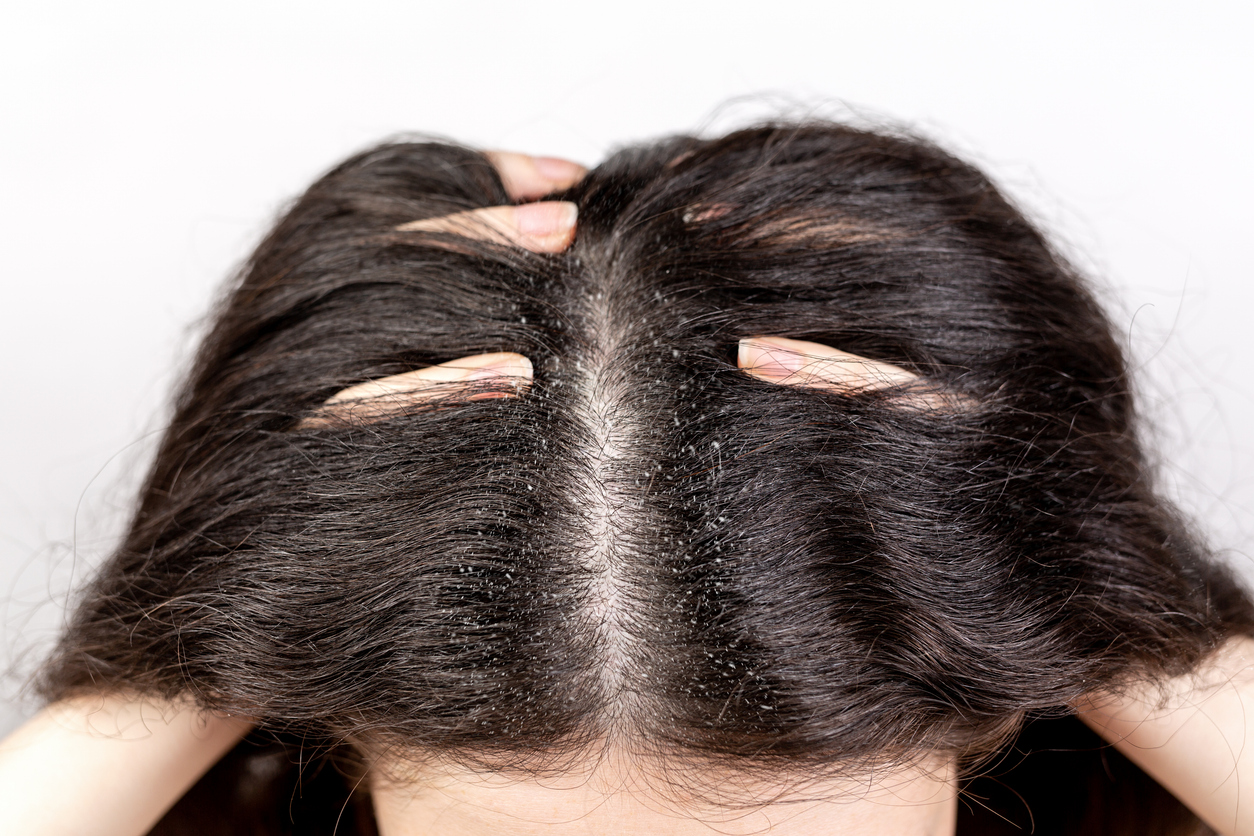
A dry scalp develops when the skin loses too much moisture, which can happen after using harsh shampoos, washing too often, or exposure to dry weather. Dandruff, on the other hand, is commonly associated with excess oil, the naturally occurring yeast Malassezia, and the scalp’s inflammatory response to it. Although the two conditions can look similar, their underlying triggers often call for different approaches to care.
How to Tell If You Have Dry Scalp or Dandruff
The appearance of the flakes can offer clues, but it is important to consider other symptoms, too. A dry scalp may produce small, fine flakes alongside tightness, irritation, or dryness, especially after shampooing. Dandruff can also cause small flakes, but these may appear white or yellowish and sometimes look greasy, particularly when the scalp produces excess oil. Itching can occur with both conditions, so it cannot confirm the cause on its own.
A dry scalp often feels tight after washing or using a new product, while dandruff may keep returning alongside oilier roots and recurring flakes. The distinction becomes clearer when you consider the overall pattern rather than the appearance of the flakes alone.
Pay attention to what happens after you adjust your hair-care routine, too. If switching to a gentler shampoo reduces the dryness, your scalp may have been reacting to a product or losing moisture. However, if the flakes continue to return despite gentle care, an anti-dandruff shampoo may be worth trying according to its instructions.
What Causes Dry Scalp and Dandruff?

A dry scalp can develop when the skin loses water faster than it can retain it. Harsh cleansers, hot water, frequent washing, low humidity, and irritation from hair products may contribute to the problem. Some people also have naturally dry skin, which can affect the scalp.
Dandruff has a different set of triggers. The yeast Malassezia naturally lives on the skin, but some people develop an inflammatory response to it that contributes to flaking and irritation. Oil production, stress, certain skin conditions, and hair-care habits can also influence flare-ups. Importantly, dandruff is not proof of poor hygiene. Aggressive scrubbing is unlikely to resolve it and may irritate the scalp further.
How to Fix a Dry Scalp
If dryness is the main issue, start by making your routine gentler. Switch to a mild, non-medicated shampoo, use lukewarm rather than hot water, and rinse thoroughly to remove product residue. Avoid applying strongly fragranced products or styling treatments directly to an irritated scalp, especially if symptoms began after introducing something new.
People with curly or coily hair may need to balance scalp cleansing with moisture care for the lengths, which can become dry with frequent washing. A suitable conditioner can help protect the hair, but heavy oils are not a guaranteed solution for scalp dryness and may aggravate symptoms in some people.
Can a dry scalp fix itself?
Mild dryness may improve once you remove the trigger and establish a gentler routine. If the itching and flaking persist, worsen, or return repeatedly, seek advice from a healthcare professional rather than continuing to experiment with products.
Shop editor’s edit
How to Treat Dandruff
Dandruff often responds to an anti-dandruff shampoo containing an active ingredient such as ketoconazole, selenium sulfide, salicylic acid, or coal tar. These ingredients work in different ways, so the most suitable option depends on your symptoms and hair-care needs. Follow the product directions carefully, including how long the shampoo should remain on your scalp before rinsing.
If you have curly or coily hair, concentrate the treatment on your scalp and condition your hair lengths afterwards if needed, since some dandruff shampoos can dry out the strands. If your first choice does not help, a different active ingredient may be more suitable. If symptoms persist after several weeks of correct use, consult a healthcare professional for an assessment rather than continuing to switch products.
The key lesson in dry scalp vs. dandruff care is that adding moisture and treating dandruff are not interchangeable approaches. A dry scalp often benefits from gentler cleansing and reduced irritation, while dandruff may require a targeted treatment.
Shop editor’s selection
What Is Your Body Lacking If You Have a Dry Scalp?
A dry scalp does not automatically mean you are deficient in a particular vitamin or mineral. In many cases, dryness is linked to moisture loss, environmental conditions, or irritation from hair products. Nutrition can affect skin and hair health, but taking supplements without evidence of a deficiency is unlikely to address every cause of scalp flaking.
If dryness occurs alongside other symptoms, such as unusual fatigue, changes in hair growth, or widespread skin problems, discuss these concerns with a healthcare professional. They can assess whether an underlying condition or nutritional deficiency needs further investigation.
When Should You See a Dermatologist?
Seek medical advice if your scalp becomes very itchy, painful, or swollen, or develops thick crusts, sores, or patches of hair loss. Persistent flaking may sometimes be caused by conditions such as eczema, psoriasis, seborrheic dermatitis, or a fungal infection, which require different treatments.
Ultimately, understanding the difference between dry scalp and dandruff can help you choose a more suitable starting point, but you don’t need to diagnose every symptom yourself. If gentle care or an appropriate dandruff treatment fails to help, a dermatologist can identify the underlying cause and recommend a plan that protects both your scalp and your hair.
Featured image: Prostock Studio/iStock
Do Hair Growth Supplements Work? Here’s What the Evidence Actually Says