

Creative Director Alessandro Michele’s Valentino tenure has become less about proving he understands the house and more about discovering just how far he can stretch its vocabulary. Since his September 2024 debut, each collection has marked another stage in that process, from the archival references of “Pavillon des Folies” to the quieter poetry of Fireflies SS26 and the architectural discipline of FW26 in Rome. With the Valentino Spring/Summer 2027 collection, however, Michele stops tempering his instincts and delivers his most expansive, layered, and unapologetically eccentric statement for the house yet.
Presented at Paris’ Bibliothèque Sainte-Geneviève, the show found an unusually precise setting for Michele’s latest preoccupation: what happens to clothes after their moment in the spotlight has passed. The idea came from Umberto Eco’s concept of the antilibrary, referring to the books people own but have never read and, more broadly, to knowledge that exists around us without necessarily being absorbed. Michele translated that idea into fashion, considering the different lives garments can have after leaving the runway. Some disappear almost immediately, some survive through images, while others enter wardrobes and remain there, carefully preserved but rarely worn. At Valentino, that notion became a license to create clothes that feel less concerned with immediate resolution than with accumulation.
A Library Becomes the Setting for Fashion’s Unread Stories
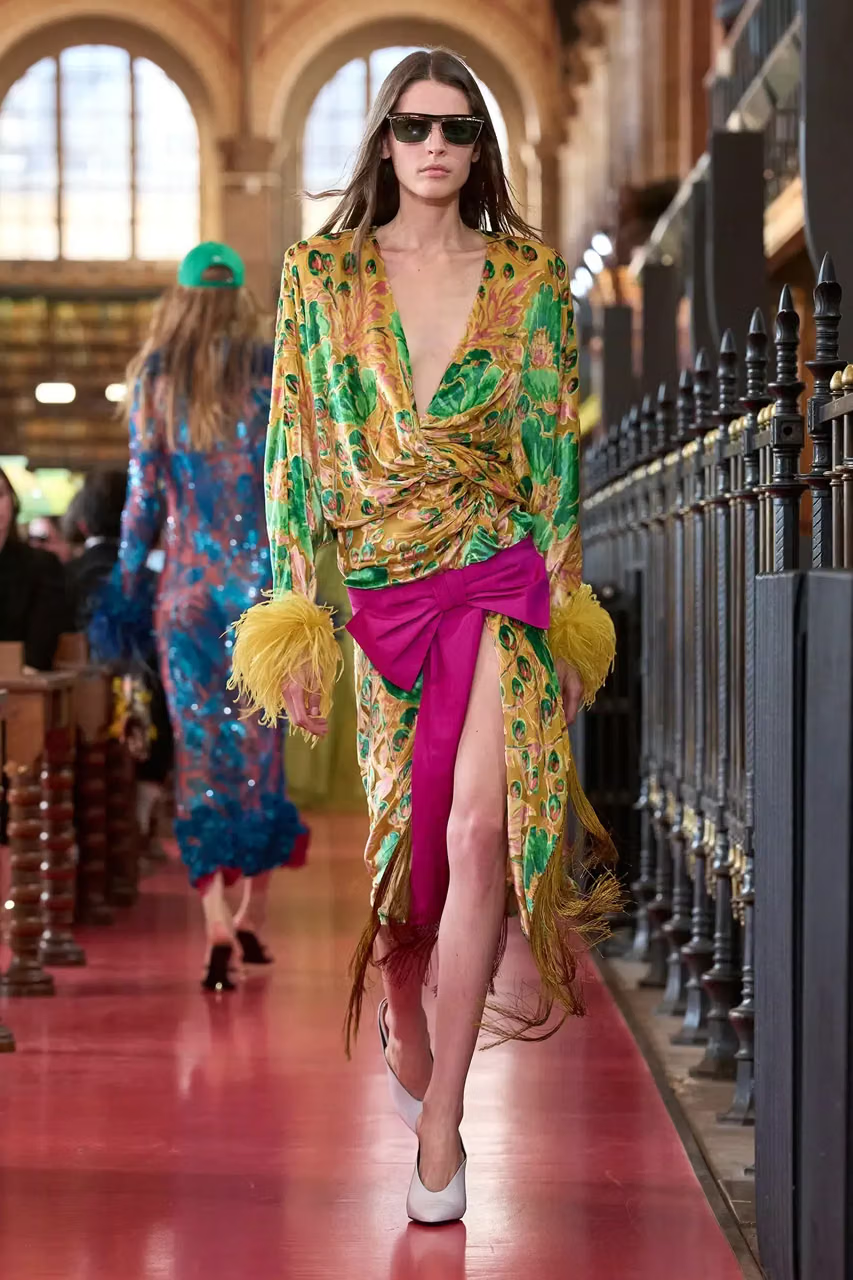
The Bibliothèque Sainte-Geneviève was more than an impressive backdrop. One of Paris’ oldest and most architecturally significant libraries gave Michele a physical interpretation of the antilibrary, surrounding the clothes with shelves, accumulated knowledge, and objects that exist primarily to be preserved and revisited.
In his show notes, Michele wrote that garments are created each season to follow different trajectories. That thought became the underlying logic of the collection. Rather than treating the runway as the definitive destination for each look, he approached it as one point in a garment’s potentially much longer existence.
That distinction matters because the clothes themselves resist easy categorization. There is an obvious appetite for beauty throughout the show, but Michele refuses to make that beauty too orderly. Patterns collide, fabrics shift abruptly, eveningwear appears beside deliberately casual pieces, and familiar wardrobe codes are repeatedly interrupted by something stranger. The result is a Valentino collection that feels accumulated rather than edited down.
Womenswear Turns Maximalism Into Craft
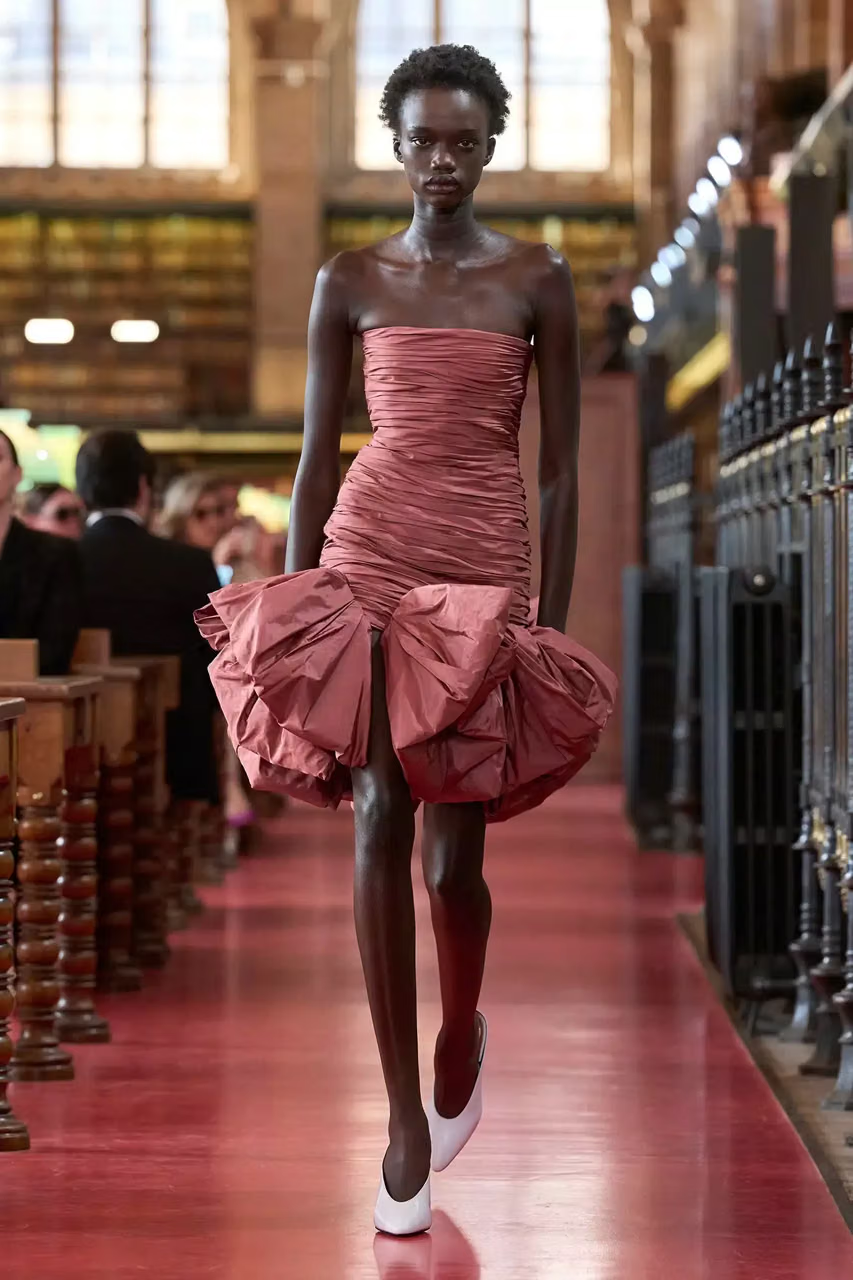
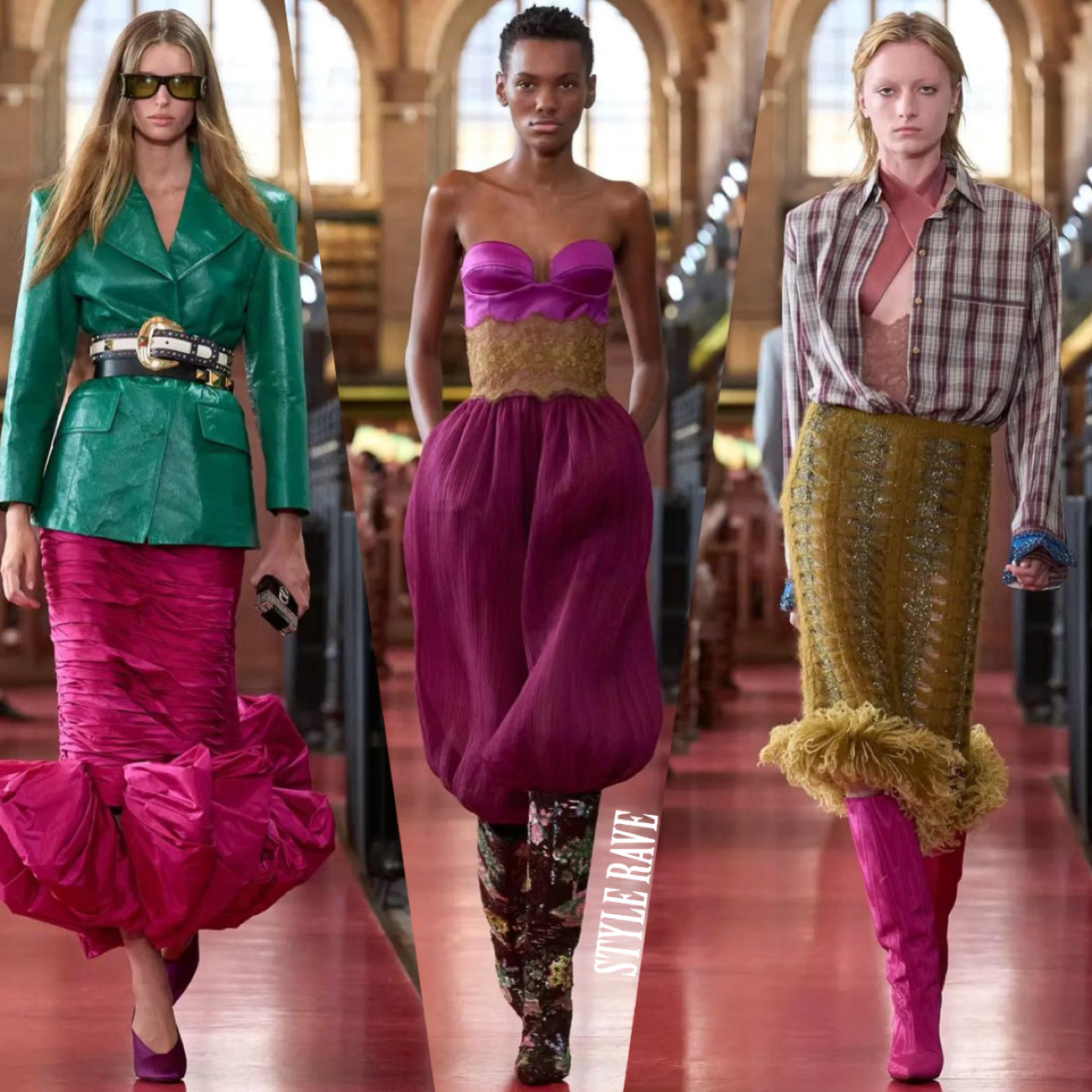
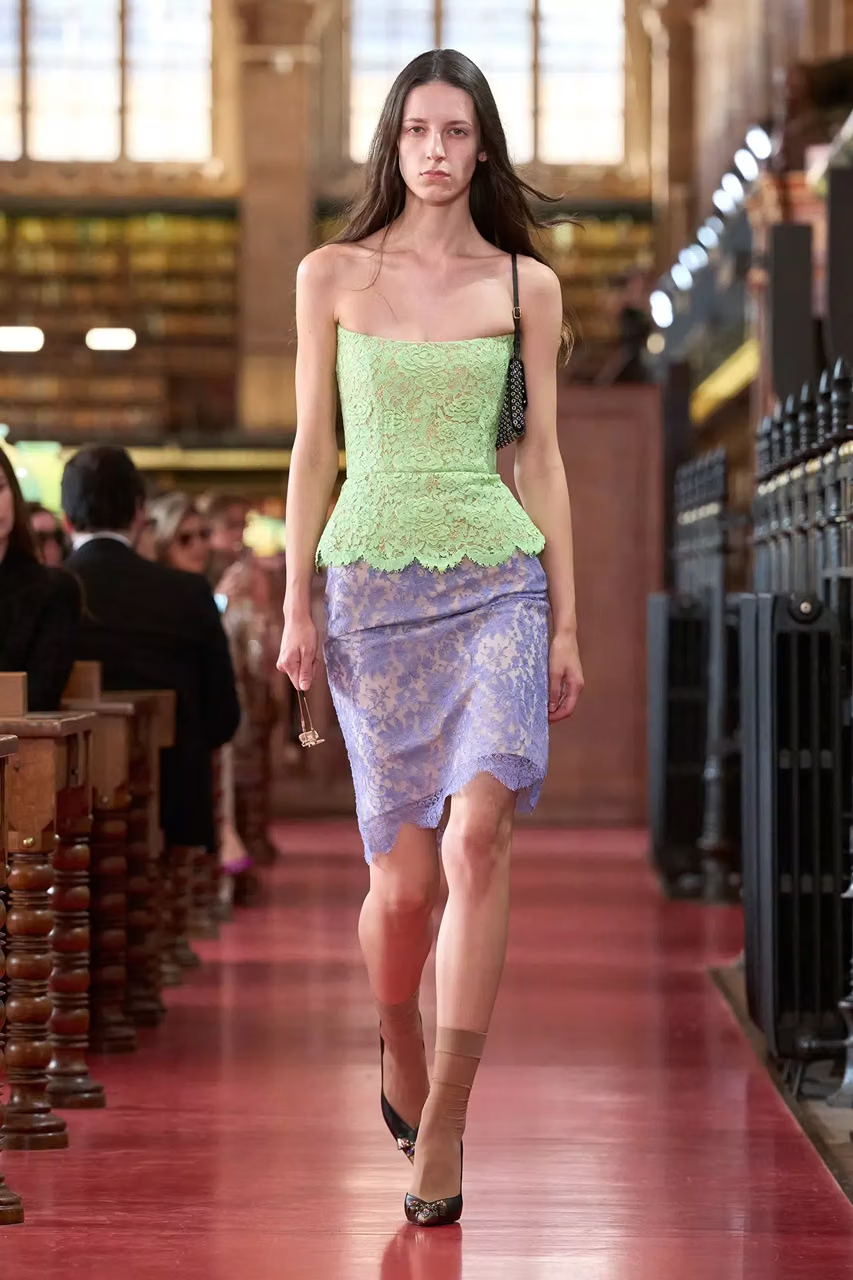
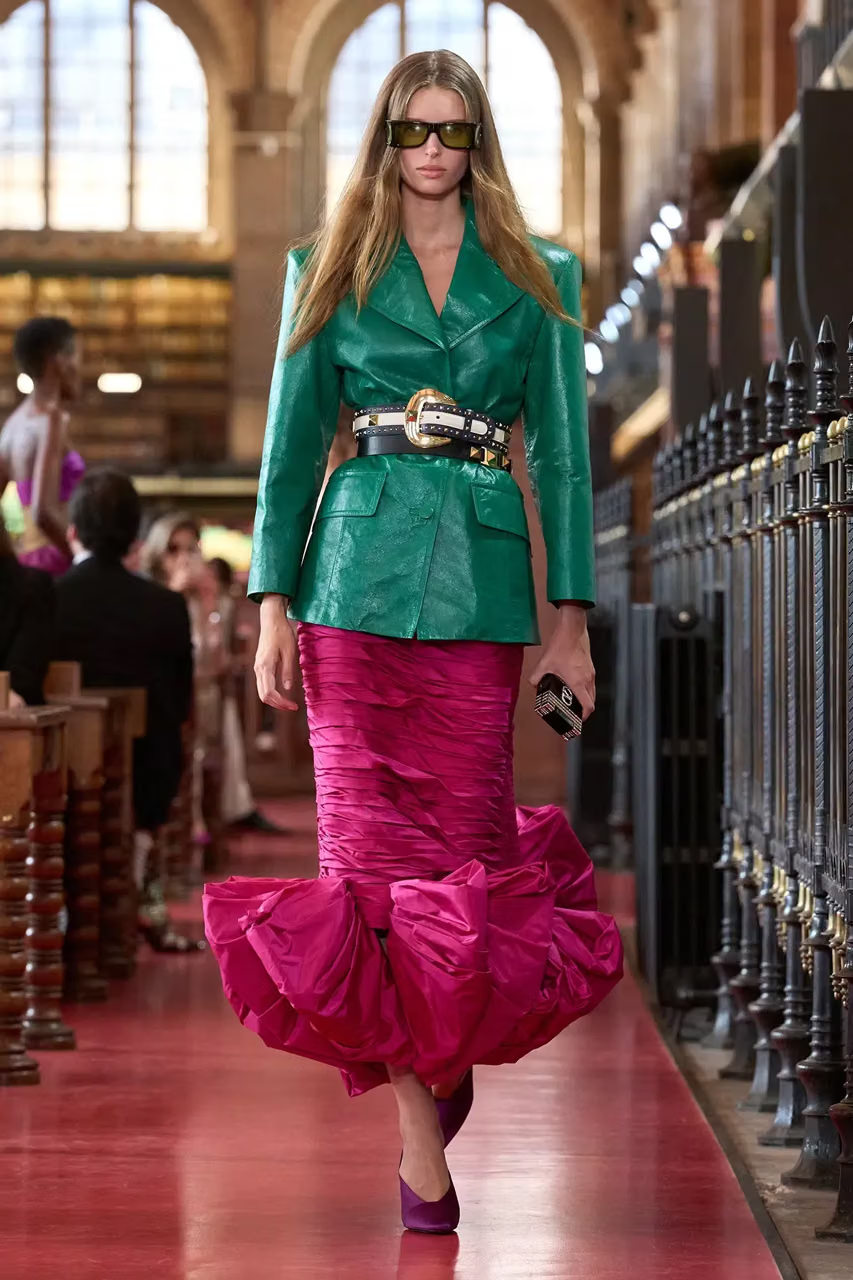
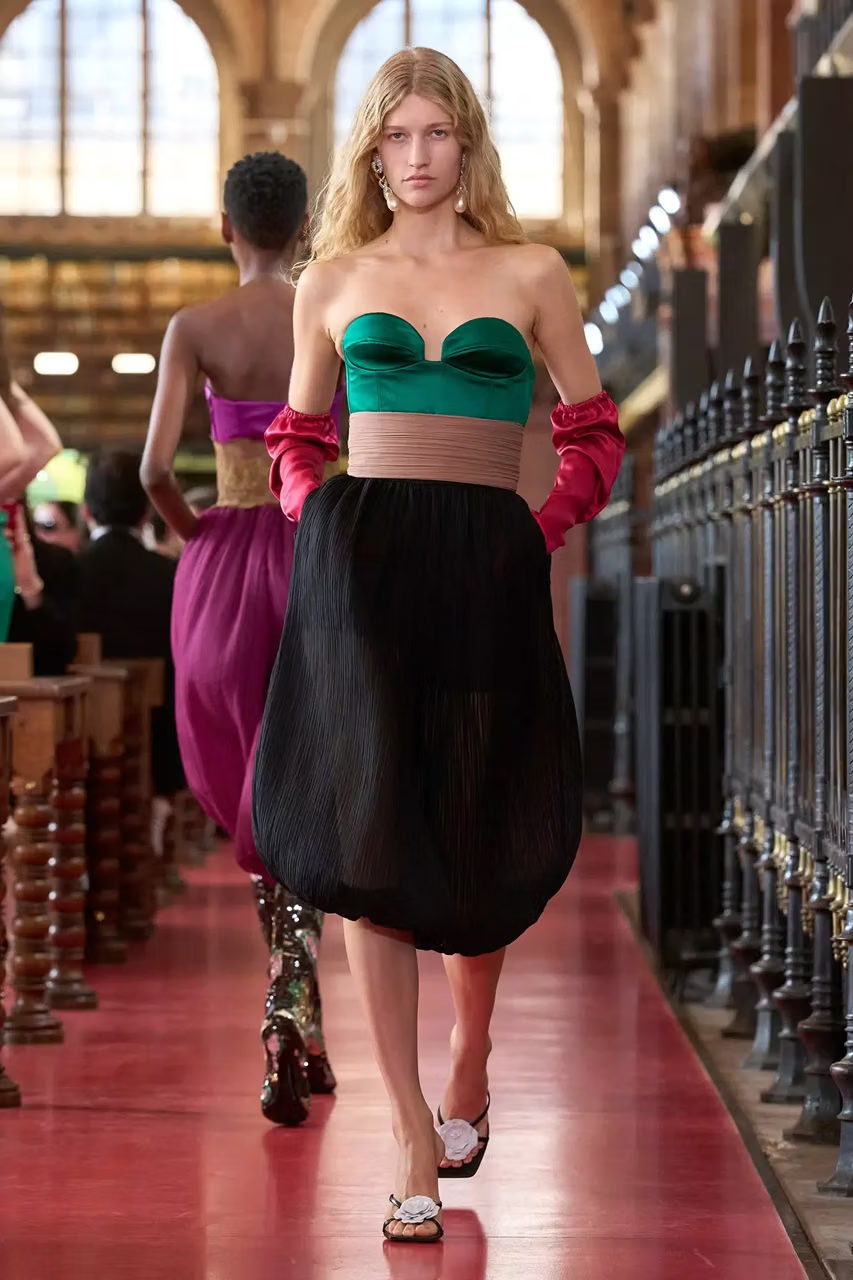
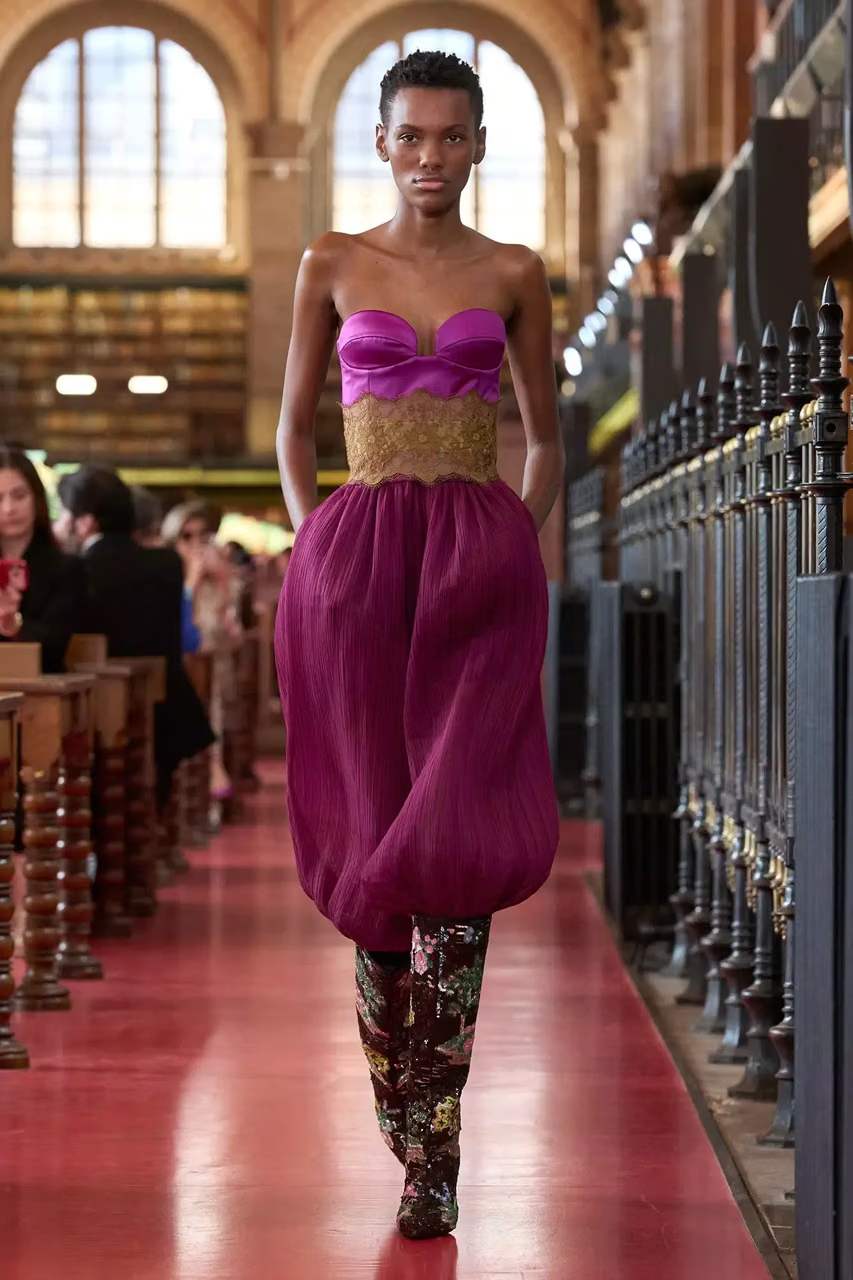
The womenswear establishes that maximalist mood immediately. Floral lace, satin, ruched surfaces, and plissé fabrics move through pink, lilac, magenta, gold, and green, creating a dense color story that recalls Michele’s instinct for romantic excess without simply repeating his earlier work.
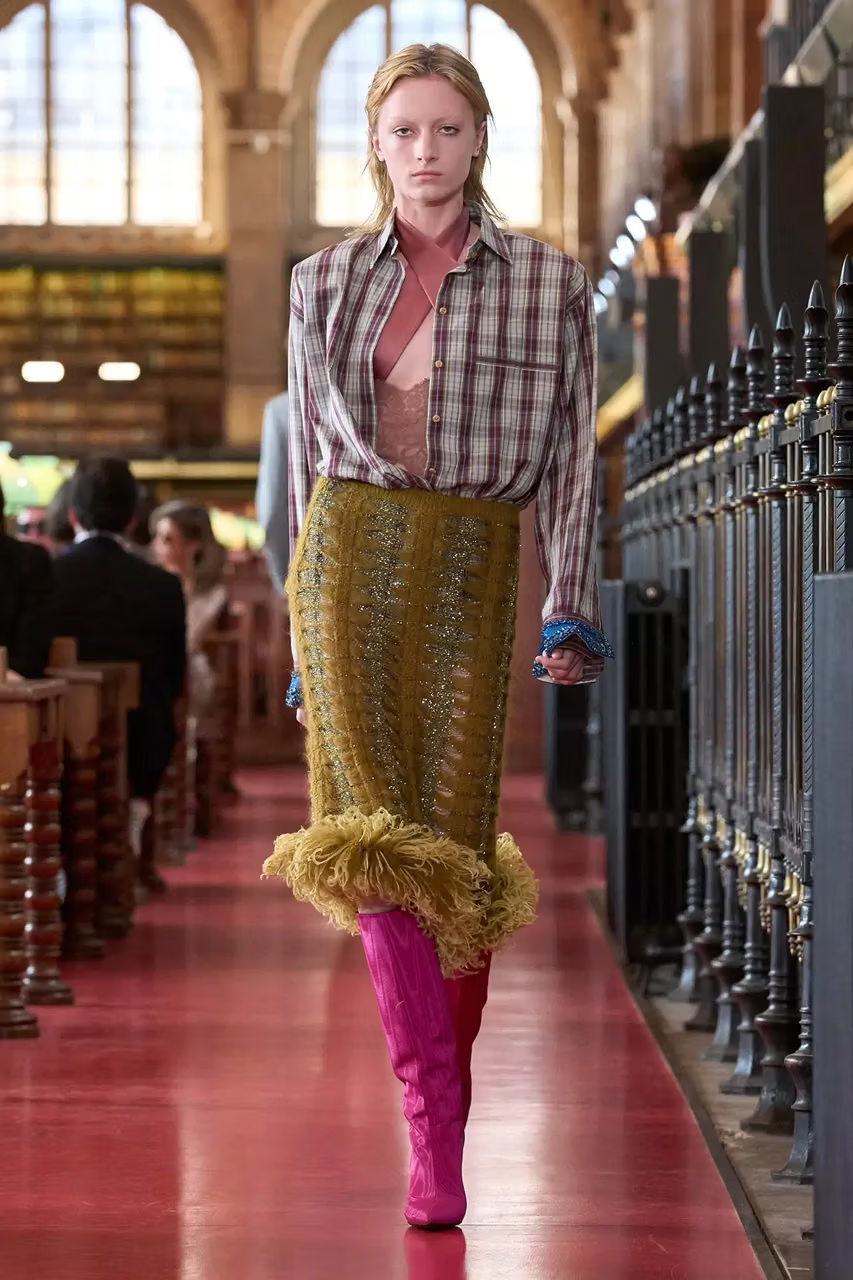
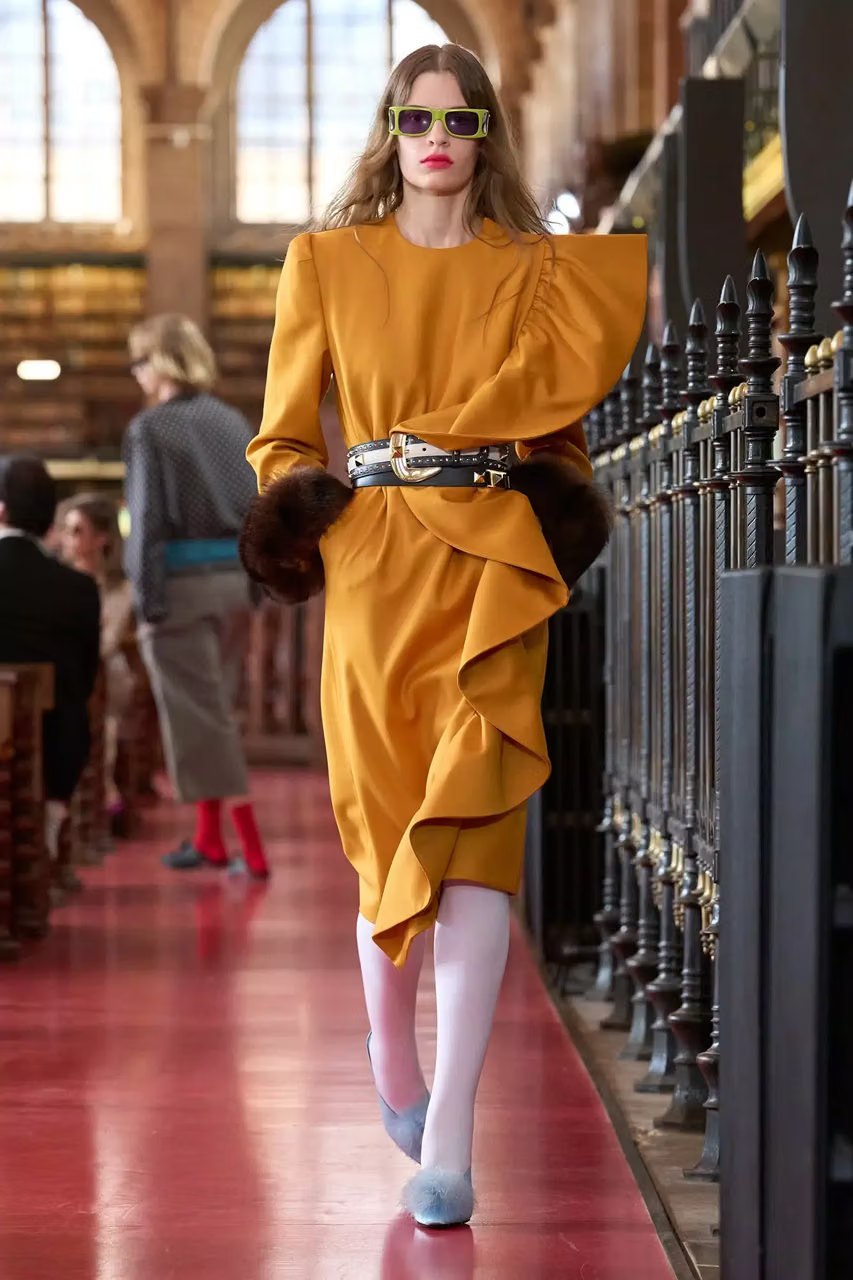
Feathers and fringe add movement and physical volume, giving several of the opening looks an almost theatrical presence. Yet the ornamentation never completely overwhelms the clothes. The technical detail is visible in the construction, particularly in the ruching and plissé work, giving the more elaborate pieces enough structure to prevent them from tipping into costume.
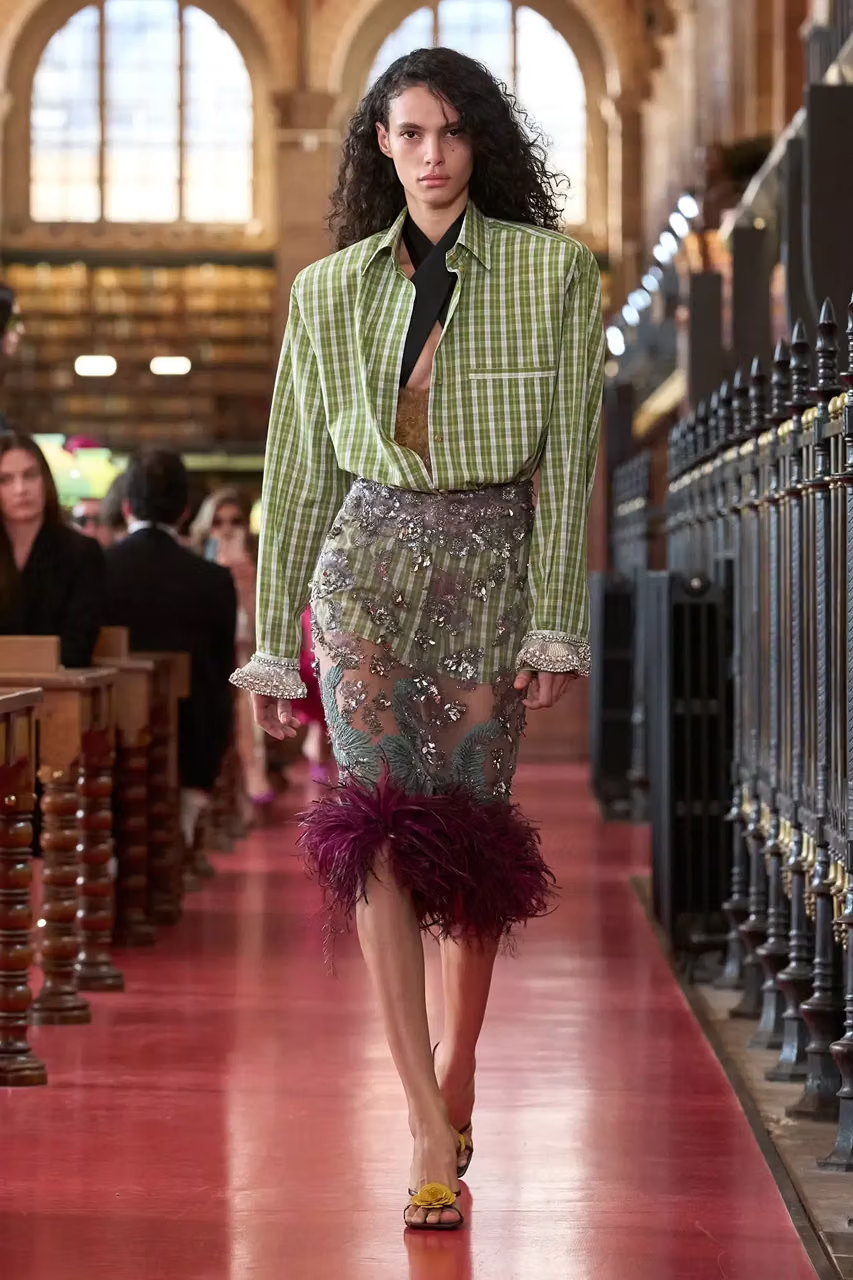
One of the strongest looks pairs a green plaid button-up with a translucent lace skirt covered in jeweled embellishment. It captures the tension running throughout the show: something familiar is introduced, then pushed into an unexpected register. The same pattern-clashing sensibility becomes even more pronounced in the eveningwear, where magenta gowns, plissé trains, and layered dresses bring the womenswear toward a deliberately dramatic finish.
The glamour here is not about restraint. It is about control. Michele allows the clothes to be loud, but the construction gives that loudness a point of reference.
Menswear Breaks the Luxury Dress Code
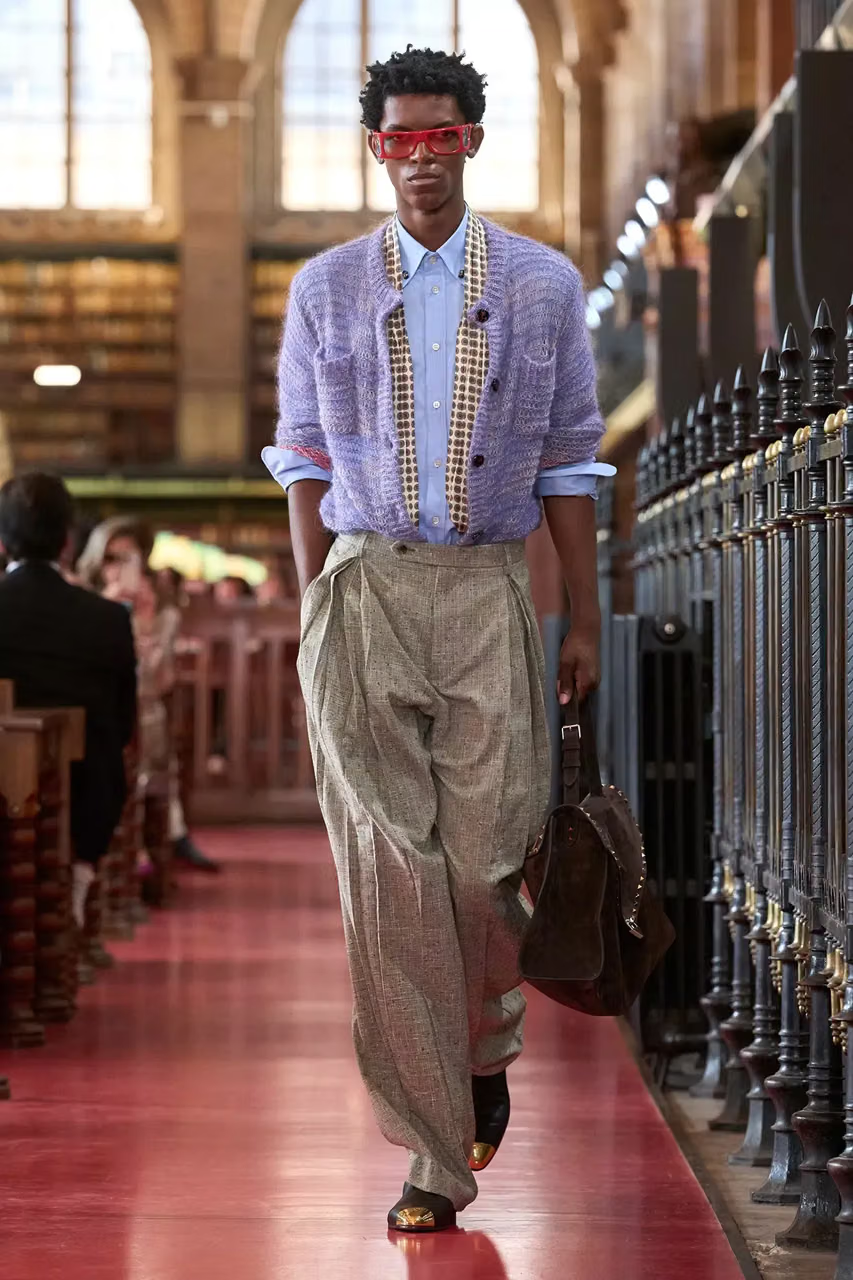
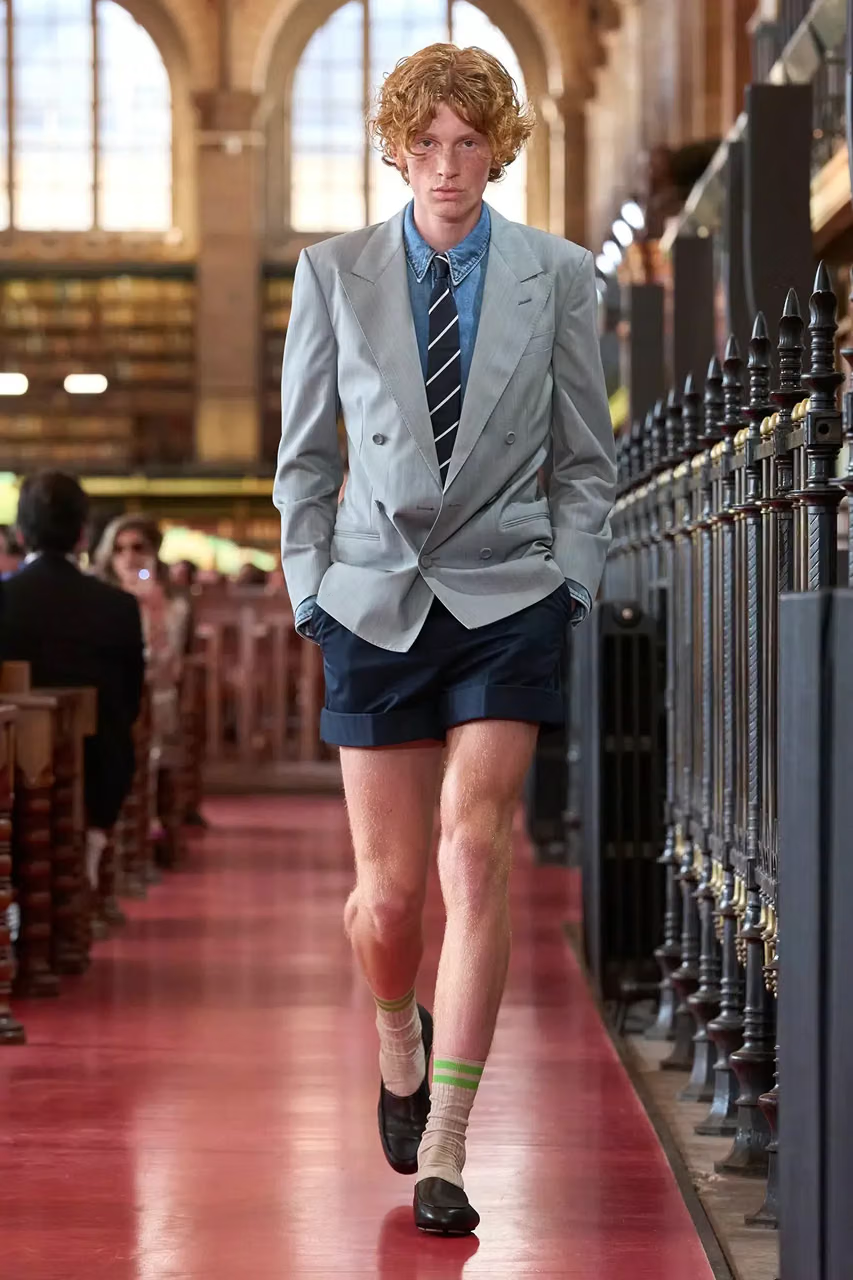
If the womenswear establishes the collection’s visual excess, the menswear is where Michele makes his most provocative case.
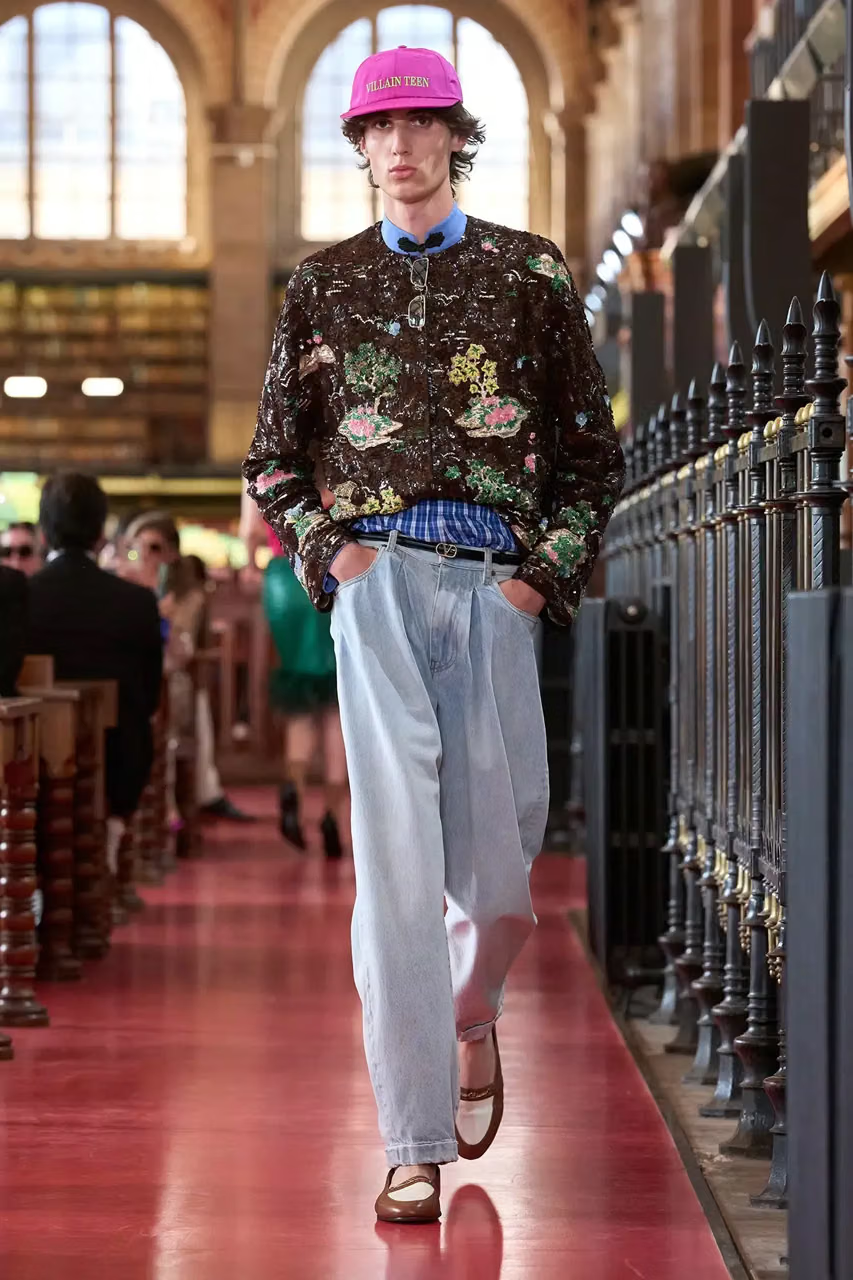
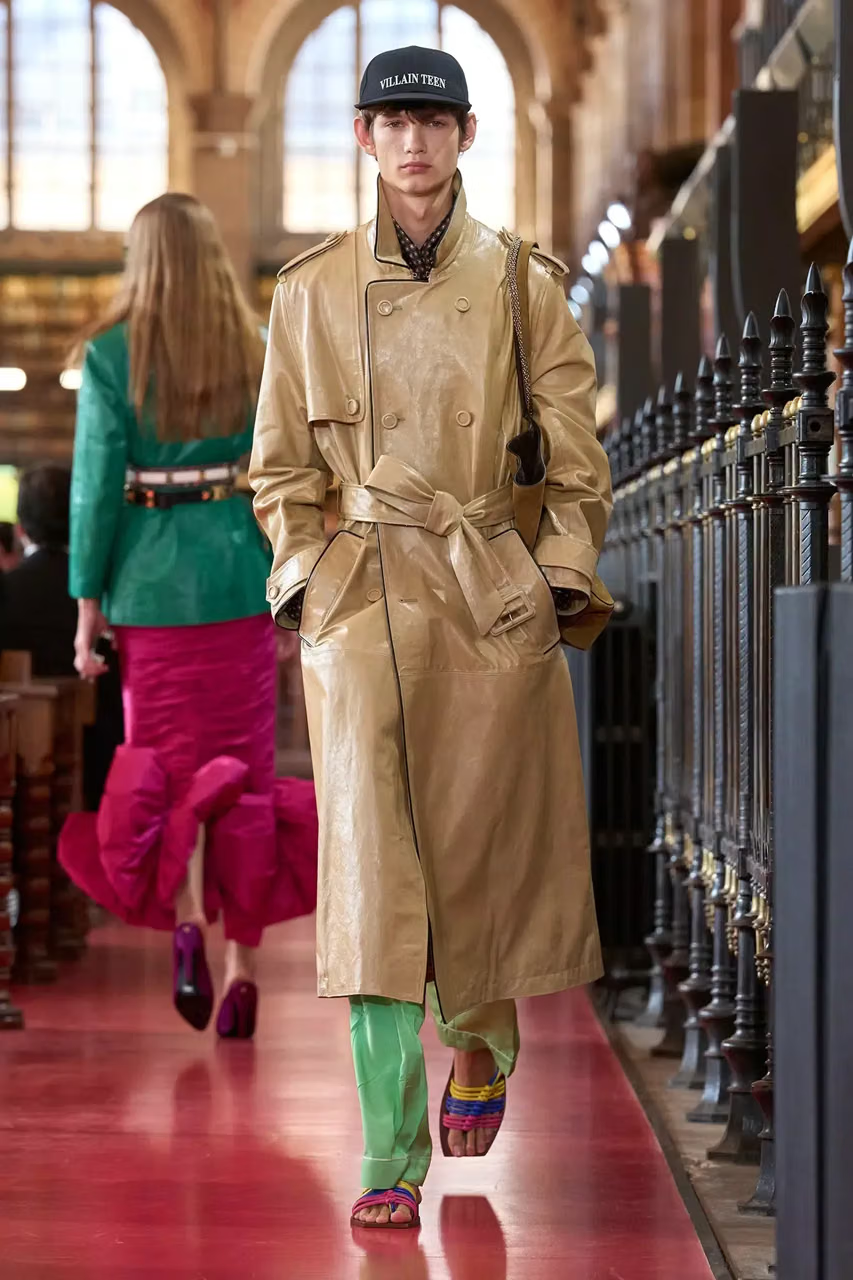
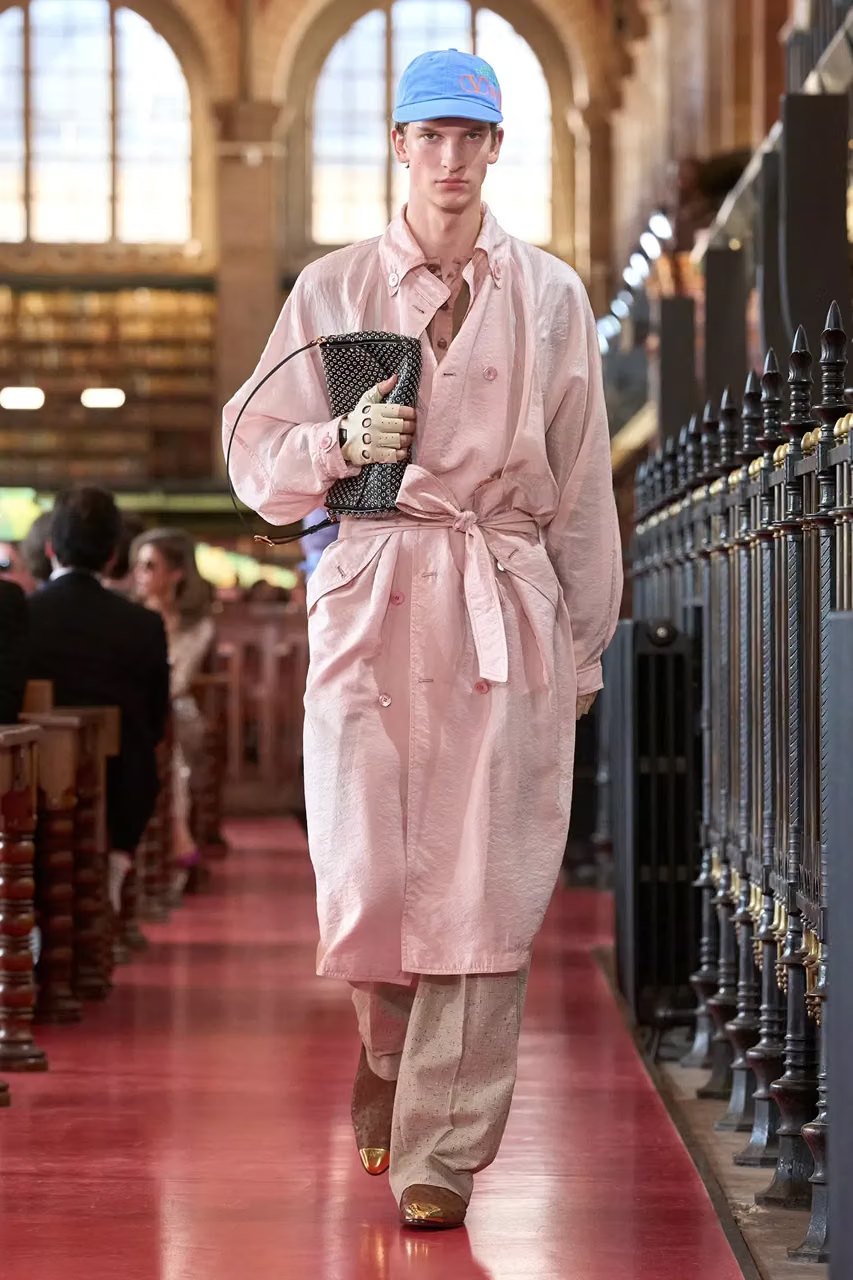
The opening men’s look combines a black Villain Teen cap with a tan leather trench coat, light green pajama pants, and color-blocked sandals. The next pushes the collision further: a hot pink version of the cap is paired with a brown sequined cardigan, loose light-wash denim, and plaid boxers deliberately visible above the waistband.
That exposed boxer waistband becomes one of the section’s recurring details, appearing in different colors and patterns throughout the show. It is an intentionally irreverent gesture within a house associated with some of fashion’s most polished red-carpet dressing. Michele takes a familiar piece of young men’s styling and places it inside Valentino’s luxury vocabulary, without trying to make the contrast disappear.
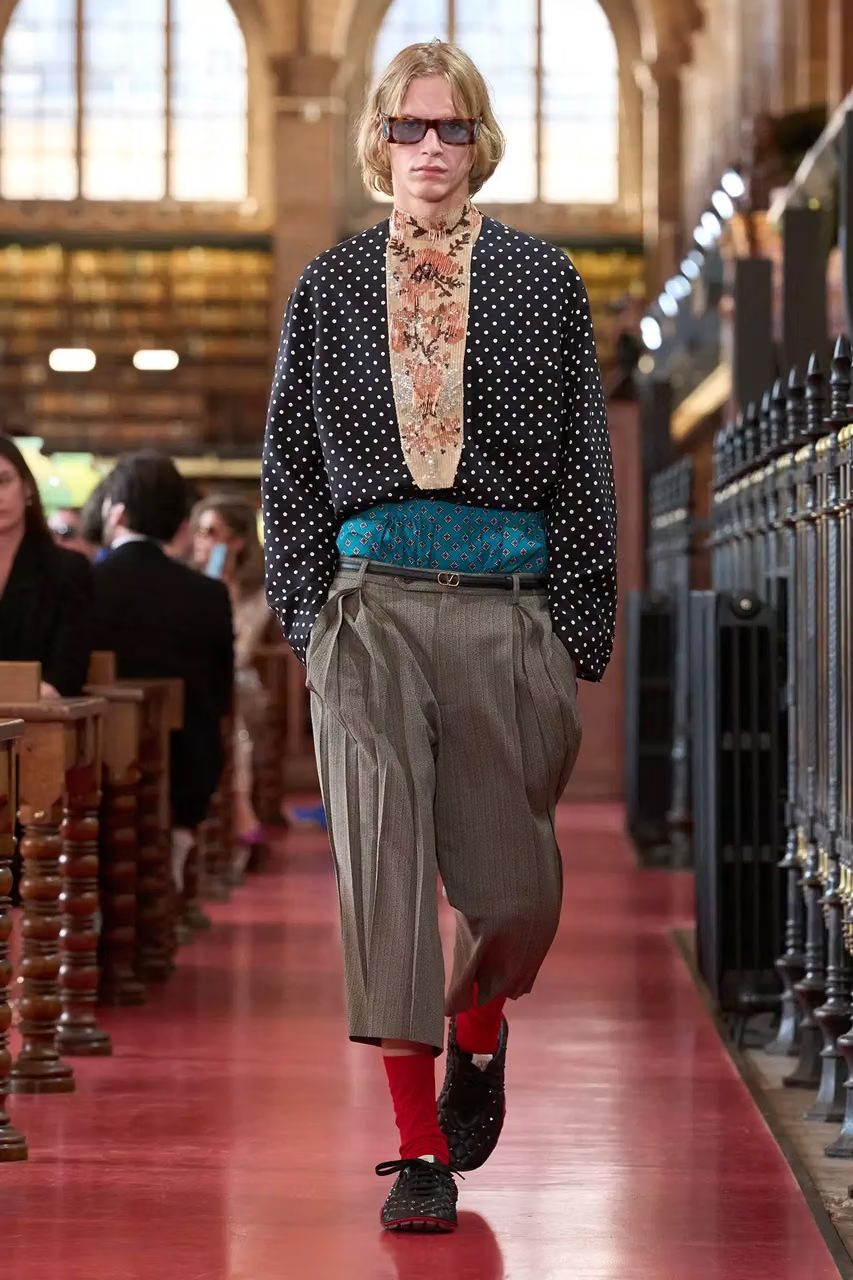
Elsewhere, a blue plaid shirt transitions into sequined floral fabric around the sleeves before meeting a pink cap and white trousers. A black-and-white polka-dot shirt is layered with a floral sequined bib, blue foulard boxers, and brown wool trousers. These looks feel deliberately difficult to summarize because that resistance is part of their appeal.
The closing men’s suit makes the point more clearly. Its neutral tailoring suggests conventional formalwear, but a translucent sheath transforms the silhouette into something far less familiar. Michele takes one of fashion’s most recognizable structures and refuses to let it remain conventional.
Alessandro Michele Finds His Valentino Language
Five collections into his tenure, the Valentino Spring/Summer 2027 show feels like a significant turning point. His earlier collections were partly exercises in orientation, demonstrating how his own visual language could coexist with a house whose history is unusually rich and recognizable. SS27 feels different because Michele no longer appears to be negotiating that relationship.
Instead, he seems to have absorbed Valentino’s codes well enough to distort them. Romance becomes maximalism. Formalwear becomes a playground for contradiction. Menswear borrows from the improvised logic of everyday dressing, while womenswear embraces ornament without apologizing for it.
The antilibrary gives the collection an intellectual framework, but its real strength is how naturally that idea translates into the clothes. Michele is effectively asking what happens when fashion refuses to be useful only once. A garment can be worn, photographed, stored, rediscovered, misunderstood, or simply kept. Its value does not have to be exhausted on the runway.
That makes the Bibliothèque Sainte-Geneviève feel like more than a setting. The library becomes a metaphor for Michele’s Valentino itself: a place where references accumulate, where old ideas remain available for reinterpretation, and where not everything needs to be immediately understood. With this collection, Michele is no longer simply establishing himself at Valentino. He is making the house’s history part of a much stranger, more personal vocabulary.
Check out more images from the Valentino Spring/Summer 2027 show…
Featured image: Valentino
AMBUSH SS27 Brings Purpose, Protection, and Personality to Everyday Style