



Summer encourages us to show more skin, yet for many people, confidence takes a hit when tiny dark dots remain visible on the legs no matter how closely they shave. Strawberry legs are common, and finding the right treatment often begins with understanding why those stubborn spots appear in the first place. Once you know what’s happening beneath the skin, it becomes much easier to choose solutions that actually improve your skin instead of temporarily covering the problem.
Despite the name, strawberry legs are not a medical condition. Instead, the term describes the tiny dark spots that resemble the seeds on the surface of a strawberry. Their appearance usually results from clogged pores or hair follicles filled with oil, dead skin cells, bacteria, or trapped hairs. While harmless, they can be frustrating, especially when they remain visible after shaving or seem to return no matter how carefully you care for your skin.
What Causes Strawberry Legs?
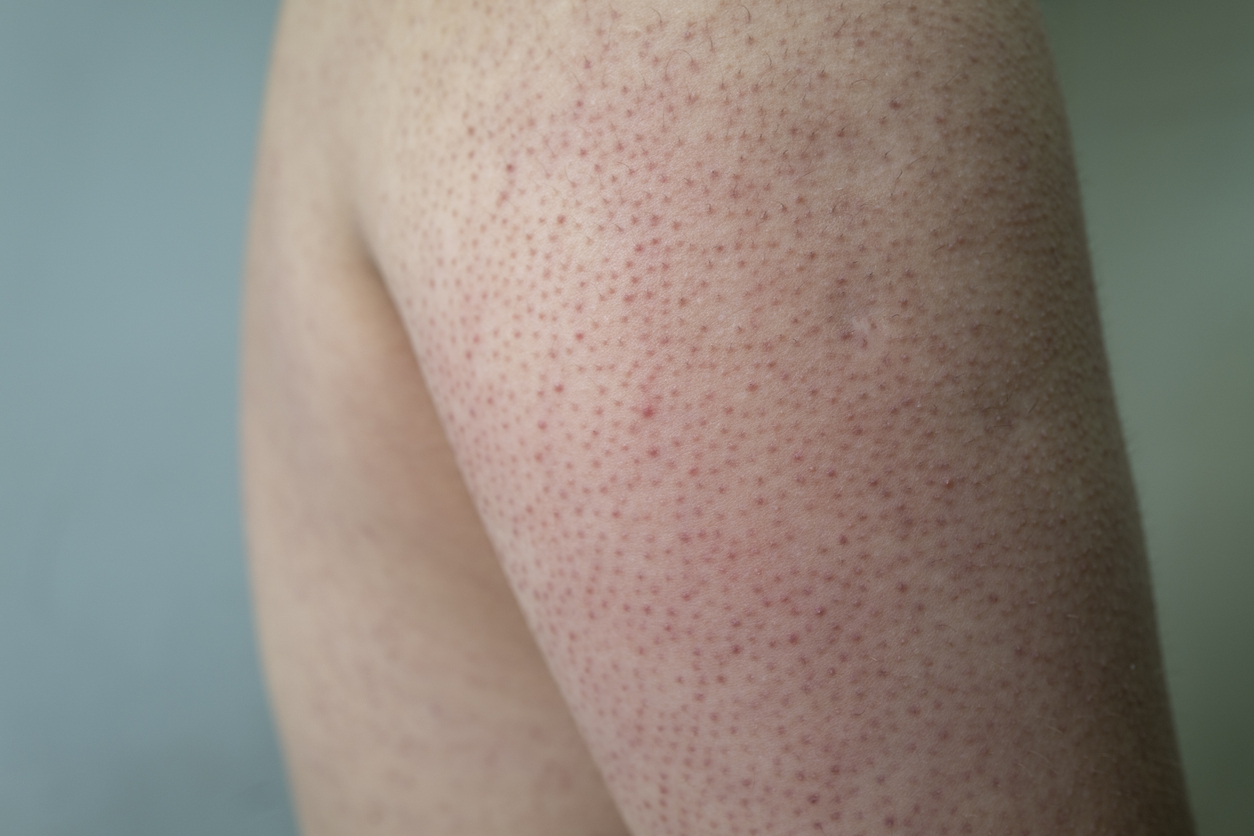
One of the biggest culprits is shaving with a dull razor. Instead of cutting hair cleanly, a blunt blade creates irritation while leaving rough edges that are more likely to curl back into the skin.
Dead skin buildup is another common cause. When old skin cells accumulate around the follicles, they trap oil and debris, making pores appear darker and more noticeable.
Ingrown hairs also play a major role. Hair that grows sideways or curls beneath the surface creates inflammation, which often leaves behind the familiar dotted appearance.
Dry skin can make everything look worse. Without enough moisture, the skin becomes rougher, causing hair follicles to stand out even more.
Some people also have naturally larger pores or experience keratosis pilaris, a condition caused by excess keratin building up around hair follicles. Although different from strawberry legs, the two can appear very similar.
People with thicker, darker hair often notice the dots more because the hair follicles are naturally more visible beneath the skin. However, strawberry legs can affect almost anyone, regardless of skin tone.
How Do You Get Rid of Strawberry Legs?
Getting rid of strawberry legs usually requires addressing the underlying cause rather than simply treating the appearance.
#1. Exfoliate regularly
Gentle exfoliation is one of the most effective ways to reduce the buildup of dead skin cells that can clog hair follicles. Instead of harsh scrubs, many dermatologists recommend chemical exfoliants containing salicylic acid, glycolic acid, or lactic acid. These ingredients gradually dissolve dead skin while helping keep pores clear, making the dots less visible over time. Two or three applications each week are usually enough for most skin types.
Shop editor’s edit
#2. Keep your skin well moisturized
Hydrated skin is smoother, softer, and less likely to develop rough patches that make hair follicles stand out. Look for body lotions containing ingredients such as urea, ceramides, glycerin, hyaluronic acid, or lactic acid. Using them daily, particularly after showering, supports the skin barrier while helping maintain the benefits of regular exfoliation.
Shop editor’s choice
#3. Improve your shaving routine
Many cases of strawberry legs begin with irritation caused by shaving. Using a fresh razor, shaving after the skin has softened in warm water, applying a moisturizing shaving gel or cream, and shaving in the direction of hair growth can all reduce irritation and lower the risk of ingrown hairs. Rinsing the blade frequently and replacing it regularly also helps produce a cleaner shave.
Shop editor’s finds
#4. Consider waxing or laser hair removal
Changing your hair removal method may also help. Waxing removes hair from the root, which can leave the skin smoother for longer and may reduce the appearance of dark follicles in some people. However, it doesn’t prevent strawberry legs entirely and may still trigger ingrown hairs if proper aftercare isn’t followed.
Laser hair removal often offers a longer-term solution. By reducing hair growth at the follicle, it can significantly decrease the appearance of dark dots after several treatment sessions, particularly for people with persistent or recurring strawberry legs.
Shop editor’s selection
#5. Consider professional skin treatments
If at-home care isn’t producing enough improvement, a dermatologist or licensed skincare professional may recommend noninvasive treatments. Chemical peels formulated for the body can gently exfoliate the skin, improve uneven texture, and gradually reduce clogged follicles.
Microdermabrasion may also help by removing surface dead skin cells and encouraging smoother skin renewal, although results tend to be best for mild cases. These treatments work most effectively when combined with a consistent home skincare routine rather than replacing it.
Will Strawberry Legs Ever Go Away?

In many cases, yes. If the dots mainly result from shaving habits, dry skin, or clogged follicles, consistent exfoliation, moisturizing, and improved hair removal techniques can noticeably reduce their appearance within several weeks. People with keratosis pilaris or naturally prominent hair follicles may continue to experience some visibility, but a regular skincare routine often keeps it well under control.
One important point deserves emphasis. Social media sometimes promotes aggressive scrubbing or homemade mixtures as the fastest solution, yet those approaches often create irritation that makes the skin appear even more uneven. A gradual routine built around gentle exfoliation and daily hydration almost always delivers better long-term results.
Final Thoughts
Searching for the best strawberry legs solution often leads people toward drastic at-home hacks, yet the most effective treatment is usually much simpler. Gentle exfoliation, consistent hydration, and careful shaving habits address the underlying causes rather than temporarily masking them.
While perfectly smooth skin isn’t a standard anyone needs to chase, understanding why strawberry legs develop allows you to build a routine that leaves your skin clearer, healthier, and more comfortable throughout the summer and beyond.
Featured image: master1305/iStock