

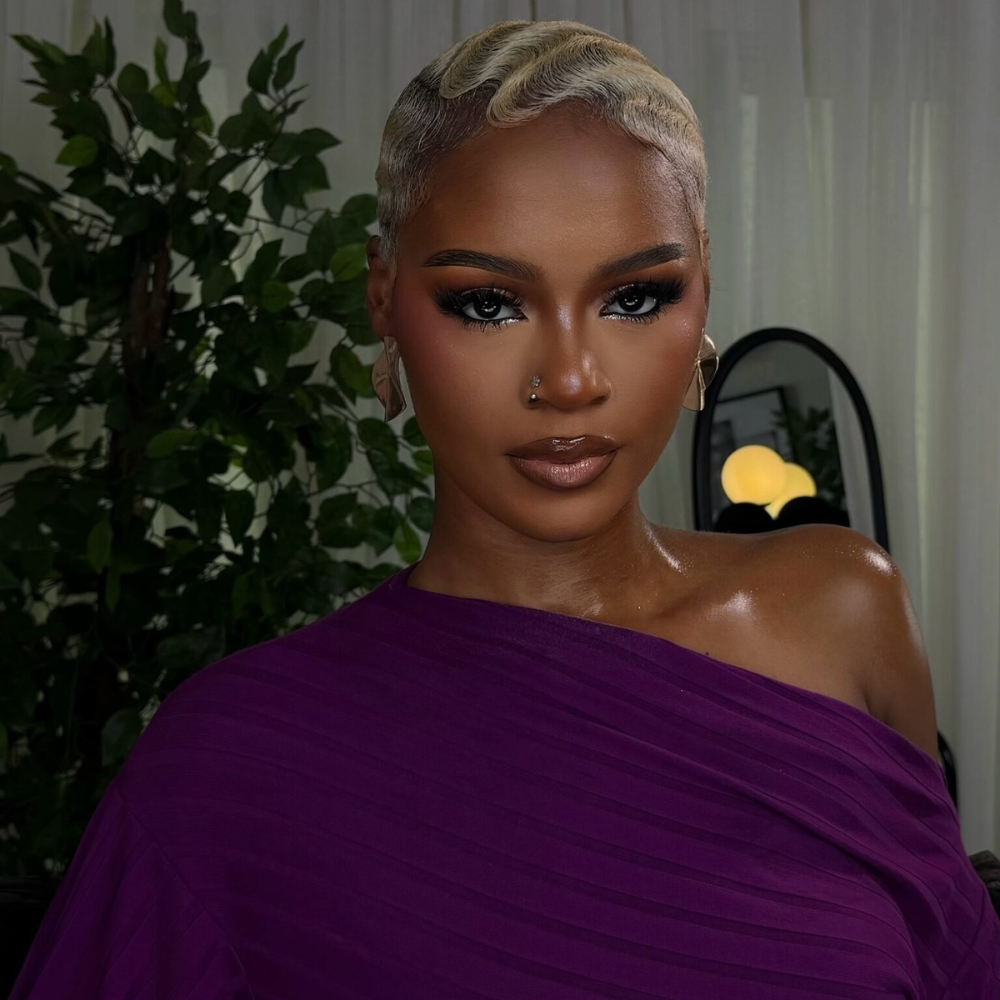

A fresh hair color can brighten your appearance, deepen your natural shade, or help you experiment with a new look without committing to a dramatic change. However, permanent dye is not always necessary to achieve the result you want, which is why understanding what demi-permanent hair color offers is a useful starting point. This coloring option adds depth, enhances shine, and blends some gray hairs while gradually fading over time.
Unlike many permanent dyes, demi-permanent color typically does not rely on ammonia to help open the hair cuticle, although formulations vary. Instead, it generally uses an alkaline agent and a low-volume developer to help the color develop and penetrate the hair shaft. The result is a color refresh that can last for several weeks, making it an appealing option for anyone who wants a change without the longer-term commitment of permanent color.
What Is Demi-Permanent Hair Color?
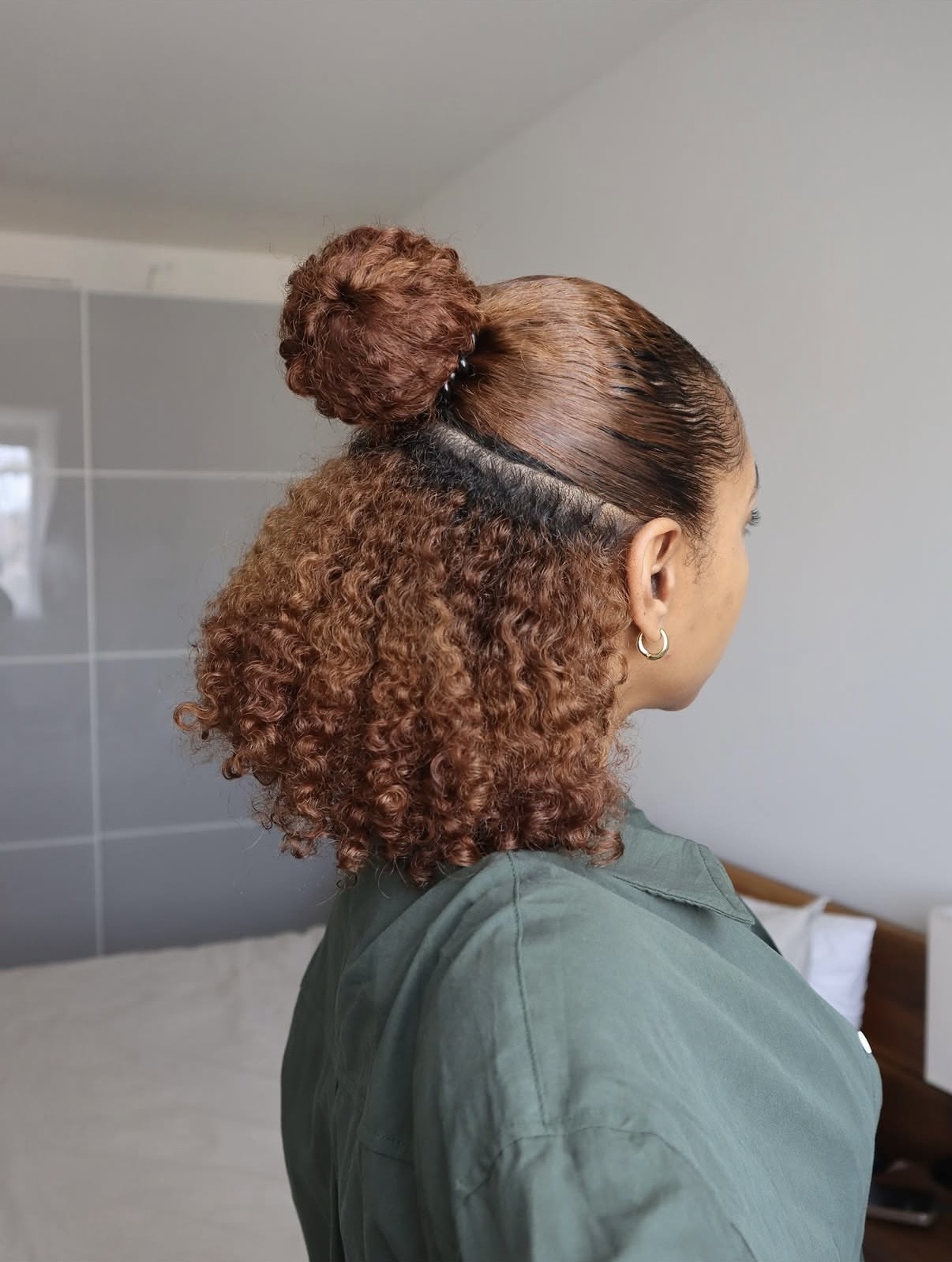
Demi-permanent hair color is a type of dye designed to deposit pigment within the hair shaft without permanently changing the hair’s natural pigment in the same way permanent color does. It typically uses a developer, often containing a low concentration of hydrogen peroxide, to help the color develop and penetrate the hair.
This makes it useful for enhancing your existing shade, adding warmth or richness, toning unwanted brassiness, and blending some gray hairs. For example, someone with dark brown hair might use a demi-permanent chocolate shade to refresh faded lengths, while a blonde might choose a toner to soften unwanted yellow or orange tones.
However, demi-permanent color is primarily designed to deposit pigment rather than significantly lighten your natural hair. If your goal is to move several shades lighter, you will generally need a different coloring process, such as one involving lightener.
How Long Does Demi-Permanent Hair Color Last?
Demi-permanent hair color typically lasts around 20 to 28 washes, although the exact duration depends on the product, your hair’s condition, the shade used, and how often you shampoo. Some colors fade sooner, particularly on porous hair, while others remain noticeable for longer.
Several factors influence how quickly the color fades. Frequent washing, hot water, strong cleansing shampoos, and regular heat styling can shorten its lifespan. Using color-safe shampoo, washing with lukewarm water, and conditioning consistently may help preserve the shade and maintain your hair’s appearance between coloring sessions.
Keep in mind that gradual fading does not guarantee your hair will return to its original color immediately. Porous or previously lightened strands can hold on to certain pigments longer than expected, so the final result may differ from your starting shade. If your hair has been bleached or chemically treated, a strand test can help you gauge how the color may develop and fade.
Shop editor’s edit
Is Demi-Permanent Hair Dye Damaging?
Demi-permanent dye is generally less disruptive than permanent color because it typically deposits pigment without removing as much of the hair’s natural pigment. However, it should not be considered completely damage-free, since many formulas use peroxide or other chemicals to develop the color.
The potential for damage depends on the formula, your hair’s current condition, and how frequently you color it. Repeated treatments may contribute to dryness or changes in hair texture, especially when strands are already fragile from bleaching, chemical relaxing, or frequent heat styling.
To reduce the risk, follow the manufacturer’s instructions and avoid unnecessarily overlapping fresh color onto previously treated lengths. Always perform the recommended allergy alert test before use. A strand test is also helpful for assessing the final shade and seeing how your hair responds before applying the product more widely.
If your hair is severely damaged or has undergone several chemical treatments, consider consulting a professional colorist before introducing another coloring service. The right approach depends on the condition of your hair as much as the shade you hope to achieve.
Shop editor’s choice
What Is the Difference Between Demi-Permanent and Semi-Permanent Hair Color?
Although their names sound similar, demi-permanent and semi-permanent hair color work differently. Semi-permanent color generally deposits pigment on the hair’s surface and within its outer layers without requiring a developer. Demi-permanent color typically uses a low-volume developer to help the color develop and penetrate further into the hair shaft.
Semi-permanent color usually fades faster, often over several washes, while demi-permanent color can last for several weeks. Semi-permanent products are useful for temporary color experiments or refreshing vivid shades, whereas demi-permanent formulas are often chosen for richer tones, glossing, and blending gray hair.
Neither option is automatically better for everyone. Your choice should depend on the result you want, how long you want the color to last, and the condition of your hair. It is also worth checking the product’s instructions, since the terminology and performance can vary between brands.
Shop editor’s finds
What Are the Disadvantages of Demi-Permanent Hair Color?
Despite its versatility, demi-permanent color has some limitations. First, it generally cannot lighten your natural hair significantly, so it may not deliver the dramatic transformation possible with permanent dye or bleach.
Second, it does not always provide complete gray coverage. It can soften the contrast between gray and pigmented strands, creating a more blended appearance, but resistant gray hair may remain visible, particularly when a large percentage of your hair is gray.
Third, fading can be uneven. Previously bleached or damaged sections may absorb more pigment than healthier areas, leaving the color darker or more intense in certain places. Finally, although the color gradually fades, some residual tone may remain, especially on lightened hair.
These limitations do not make demi-permanent color a poor choice, but they do make realistic expectations important. If you need full gray coverage, significant lightening, or a dramatic transformation, a different coloring service may be more suitable.
Which Is Better: Demi-Permanent or Semi-Permanent Hair Color?
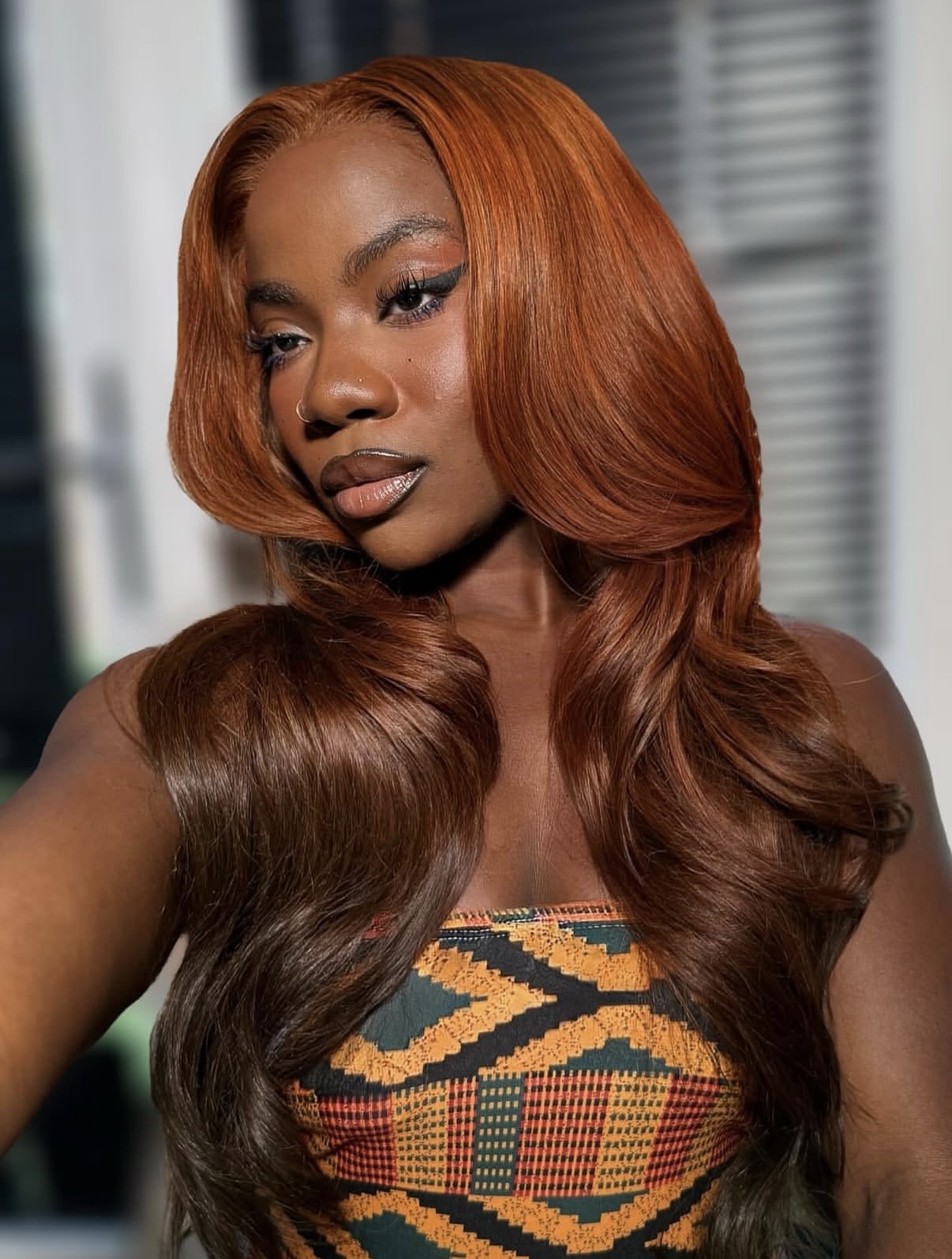
The better option depends on your priorities. Choose semi-permanent color if you want a shorter-term change, prefer a formula that does not require a developer, or want to experiment with a shade that will fade relatively quickly.
Demi-permanent color may be the better choice if you want a richer color refresh, improved tone, added depth, or some gray blending that lasts longer than a typical semi-permanent dye.
For salon-style results at home, one of the most important steps is selecting a shade that works with your starting color and following the product instructions carefully. If your hair has been bleached, relaxed, or colored several times, a consultation with a professional colorist can help you assess how your hair is likely to respond. This is particularly useful if you are trying to correct uneven color or achieve a specific tone.
Consider both the result you want and the amount of upkeep you are comfortable with. A shorter-lasting option may be ideal for experimenting, while demi-permanent color can be useful when you want a more sustained refresh without committing to permanent dye.
Final Thoughts
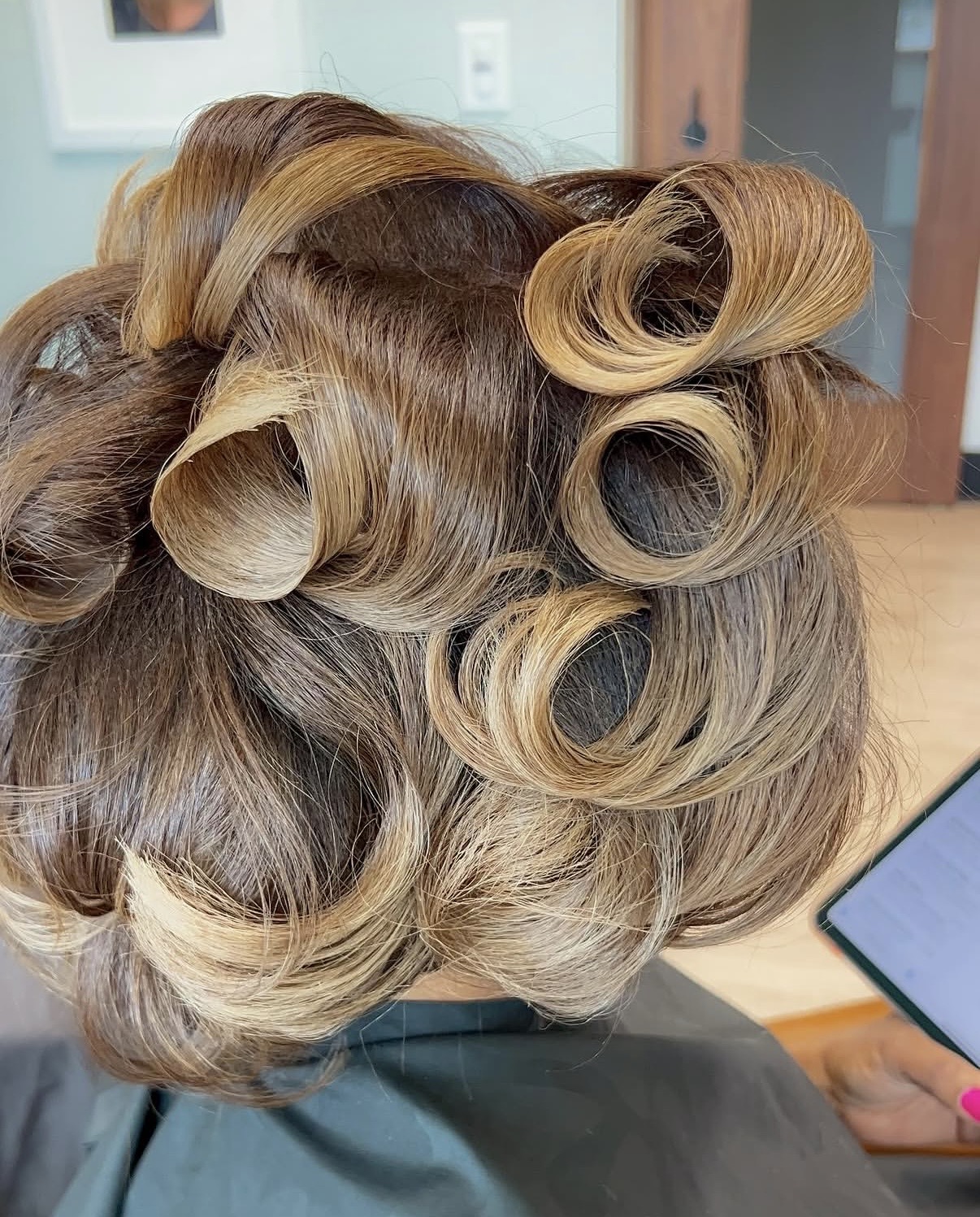
Demi-permanent hair color offers a middle ground between temporary color and permanent dye, allowing you to refresh your shade, improve tone, and blend some gray hairs without committing to a lasting color change. Understanding what demi-permanent hair color is can help you decide whether its gradual fading and color-depositing action suit your goals.
The right choice depends on your hair’s condition, your desired result, and how much upkeep you are prepared to manage. With a suitable formula and careful application, demi-permanent color can be a practical way to enjoy richer-looking hair while keeping your options open for your next color change.
Featured image: @james_chichiii/Instagram
10 Fall Hair Color Ideas for Dark Skin to Inspire Your Next Look