



Summer outings are the perfect excuse to show off beautifully cared-for feet. While many people focus on choosing the perfect nail color, seasoned beauty enthusiasts know healthy feet are the true foundation of every confident step. That growing awareness has sparked renewed interest in treatments that go beyond the traditional salon experience, with the medical pedicure emerging as a sought-after option. Naturally, many people are now wondering what sets this specialized treatment apart.
The interest is easy to understand. Long days spent sightseeing, slipping into strappy sandals, exercising outdoors, or wearing closed shoes in the heat can take a toll on your feet. While a traditional pedicure focuses on cosmetic upkeep, a medical pedicure combines beauty with professional foot care, making it an increasingly popular choice for anyone who wants their feet to stay healthy, comfortable, and sandal-ready all summer long.
What Is a Medical Pedicure?
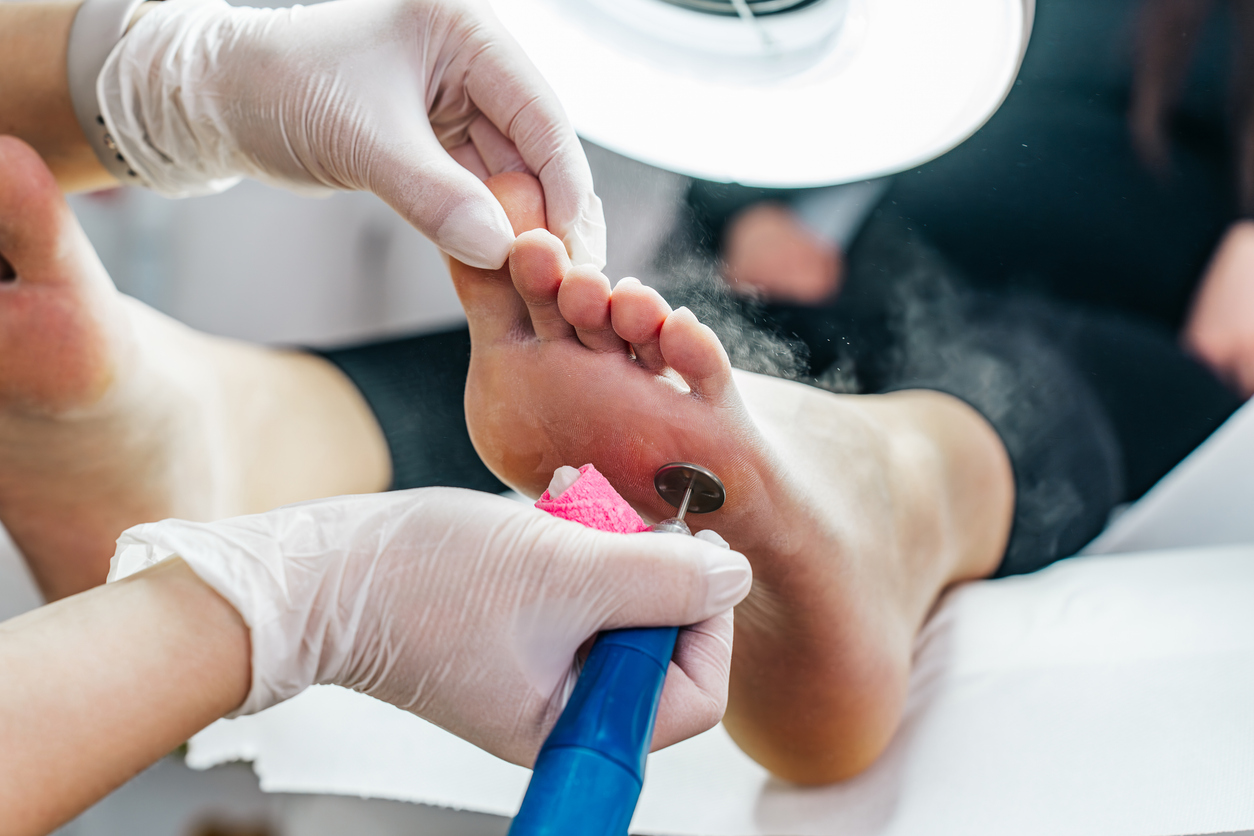
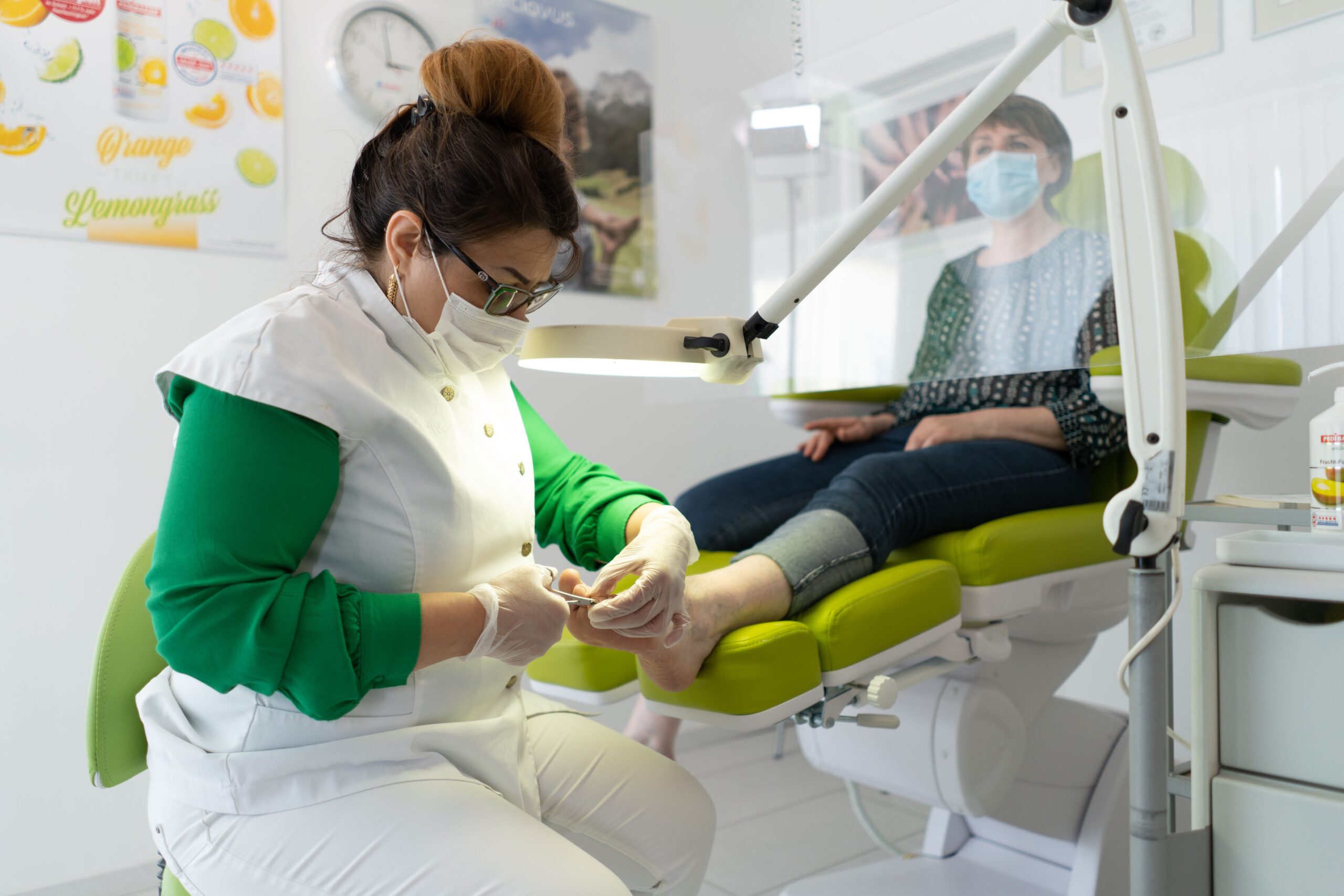
A medical pedicure, often called a “Medi Pedi,” is a dry foot treatment performed by a trained foot care professional or podiatrist using sterilized, medical-grade instruments. Unlike a traditional salon pedicure, the focus is not on nail polish or cosmetic pampering but on improving the condition of your feet while reducing the risk of infection and common foot problems.
A medical pedicure is designed to improve the overall health of your feet through a detailed assessment and treatment of concerns such as stubborn calluses, cracked heels, ingrown toenails, thickened nails, and hard skin. These issues are addressed using specialized techniques in a hygienic clinical environment. Rather than treating foot care as a cosmetic luxury, the procedure prioritizes prevention, comfort, and long-term wellness while still leaving your feet looking well cared for.
Water is usually avoided during the procedure because it temporarily softens the skin, making it harder to accurately identify damaged tissue. Working on dry skin allows the practitioner to remove only the areas that truly need attention while protecting the healthy skin underneath.
Regular Pedicure vs. Medical Pedicure
Although both treatments leave your feet looking neater, they serve very different purposes. A traditional salon pedicure is primarily cosmetic. It focuses on soaking the feet, trimming the nails, exfoliating the skin, massaging the feet, and applying nail polish.
A medical pedicure approaches foot care from a health perspective. Sterile equipment is used throughout the appointment, and the treatment concentrates on improving the condition of the feet rather than decorating them. Nail polish is usually not applied, allowing the practitioner to properly examine the nails and surrounding skin.
That distinction makes medical pedicures especially appealing for anyone dealing with recurring foot concerns instead of simply preparing for sandal season.
What Conditions Can a Medical Pedicure Help With?
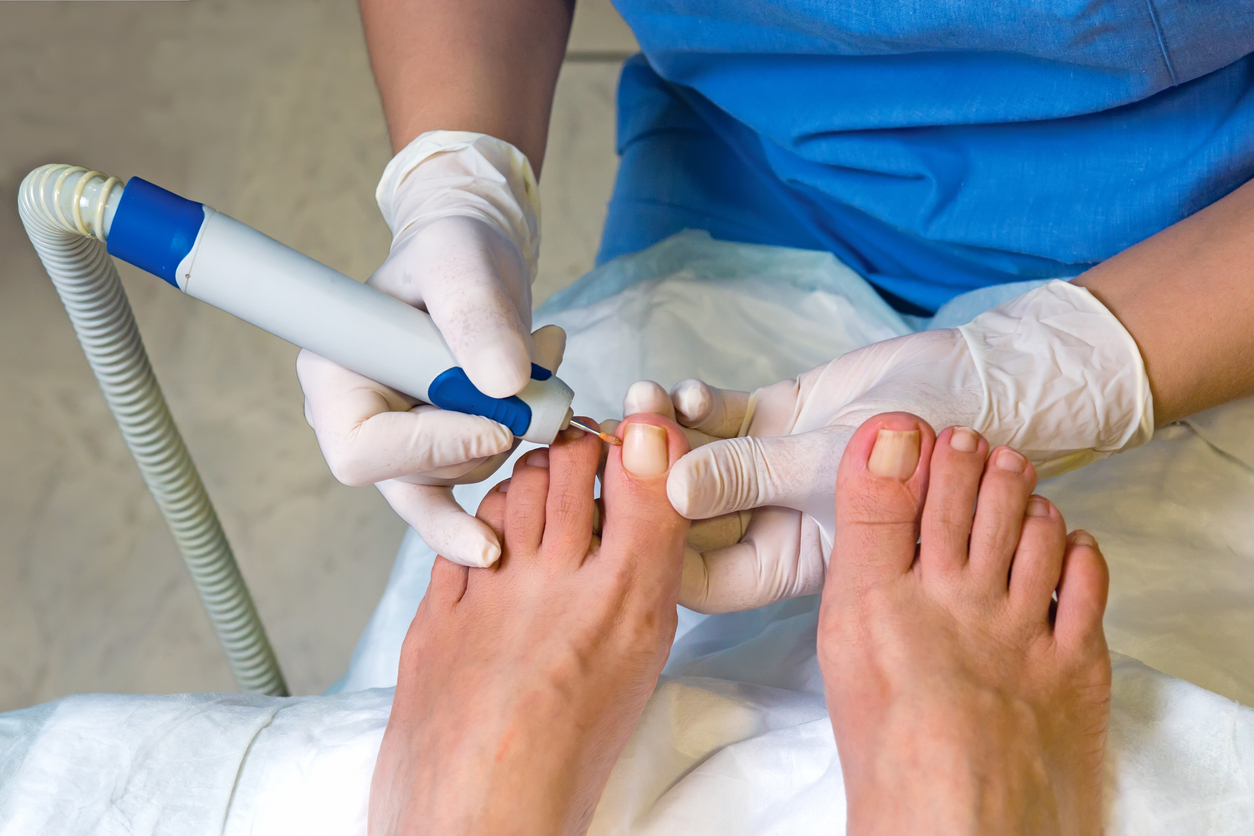
One reason this treatment continues to grow in popularity is its ability to address everyday foot concerns before they become more uncomfortable.
A medical pedicure may help improve:
- Thick calluses
- Cracked heels
- Corns
- Dry, rough skin
- Thickened toenails
- Mild ingrown toenails
- Nail ridges
- Excess cuticle build-up
- General foot hygiene
Some clinics also provide guidance for people living with diabetes or circulation issues. However, serious fungal infections, severe ingrown toenails, or other medical conditions may require treatment from a podiatrist rather than a cosmetic foot care appointment.
This is an important distinction. A medical pedicure supports healthy feet, but it does not replace appropriate medical treatment when a condition requires diagnosis or specialized care.
–
A medical pedicure may help improve.
Is It Painful?
This is one of the most common questions people ask, and fortunately, the answer is usually no. The treatment is designed to improve comfort, not create discomfort. Most people describe the experience as surprisingly gentle, even when thick calluses or cracked heels are being treated.
If particularly sensitive areas need attention, you may notice slight tenderness while the damaged skin is carefully reduced. A trained practitioner works gradually, removing only what is necessary rather than aggressively filing healthy skin.
Many people leave with feet that feel noticeably lighter and more comfortable, especially if they spend long hours standing or walking each day.
Who Should Consider Getting a Medical Pedicure?
Almost anyone can benefit from healthier feet, but some people stand to gain even more from this specialized treatment.
If you regularly wear heels, spend hours on your feet at work, enjoy running or gym workouts, or struggle with recurring hard skin, a medical pedicure can become an excellent addition to your self-care routine. Likewise, older adults often appreciate the treatment as nail care becomes more difficult to manage at home.
A well-maintained skincare routine should not stop at the ankles. Healthy feet deserve the same thoughtful care we give the rest of our bodies, and that philosophy explains why medical pedicures continue to earn a permanent place in modern beauty and wellness routines.
How Long Does a Medical Pedicure Last?
The results of a medical pedicure typically last between four and eight weeks, although this depends on your lifestyle and the condition of your feet. Someone who spends long hours standing, runs regularly, or wears tight shoes may notice calluses returning sooner than someone with fewer pressure points.
Many practitioners recommend booking an appointment every four to six weeks to keep hard skin under control and prevent minor concerns from becoming more uncomfortable. For longer-lasting results, daily moisturizing and wearing well-fitting footwear can make a noticeable difference.
Is It Worth It?
If your feet are healthy and you’re simply looking for fresh nail polish before a holiday, a traditional salon pedicure may be enough.
However, if recurring calluses, cracked heels, thickened nails, or discomfort have become part of your routine, a medical pedicure offers value that extends far beyond appearance. Rather than temporarily covering concerns, it focuses on improving the overall condition of your feet while helping prevent future problems.
That preventive approach is one reason many people continue booking the treatment long after their first appointment. Healthy feet support everything from daily walks to long workdays, making regular foot care a practical investment rather than an occasional luxury.
What Should You Avoid Before Your Appointment?
Preparing properly helps your practitioner work more safely and effectively. Avoid shaving your legs or feet on the day of your appointment, as small cuts can increase the risk of irritation. Skip applying nail polish beforehand so your nails can be properly examined. Avoid trying to remove calluses yourself with blades or harsh foot files.
If you have a suspected fungal infection, open wounds, or sudden swelling, let your practitioner know before your appointment. In some cases, medical treatment should come first.
Shop editor’s edit
Final Thoughts
Beautiful feet begin with a healthy routine, and that is exactly what sets a medical pedicure apart. Instead of treating foot care as a finishing touch, it places comfort, hygiene, and long-term wellness at the centre of the experience.
The growing popularity of the treatment reflects a broader beauty philosophy: caring for the parts of the body we often overlook.
Featured image: Foremniakowski/iStock