

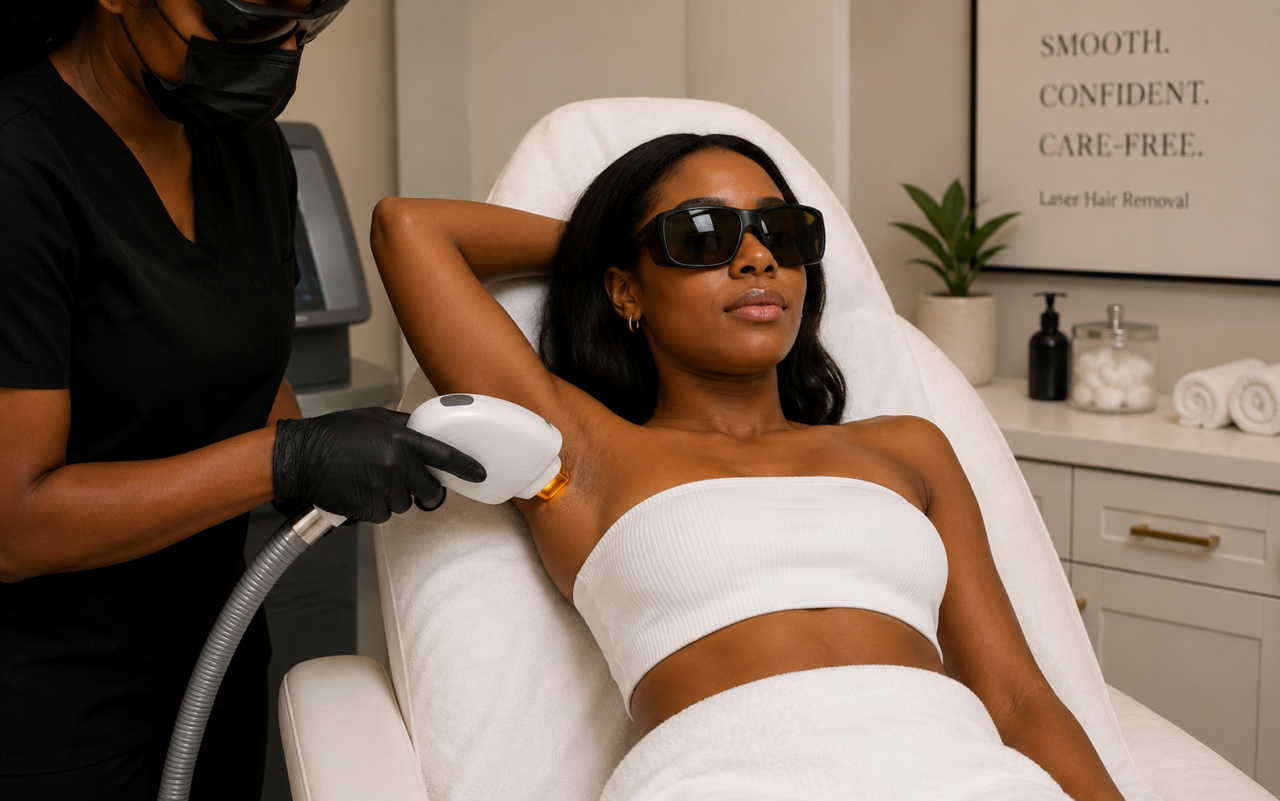

A laser hair removal appointment may be over in minutes, but what happens afterward can have a lasting impact on your results. The right aftercare helps reduce irritation, supports the skin’s natural healing process, and promotes the smooth finish you’re working toward. Knowing what to expect during recovery makes each treatment easier to navigate and helps ensure your skin looks and feels its best between appointments.
Laser hair removal has become one of the most requested beauty treatments for good reason. It offers longer-lasting results than shaving, eliminates much of the inconvenience of frequent waxing, and gradually reduces hair regrowth over multiple sessions. Even so, the treatment itself is only part of the journey. The habits that follow each appointment often determine how comfortably your skin heals and how well your results develop over time.
What Happens to Your Skin Immediately After Laser Hair Removal?
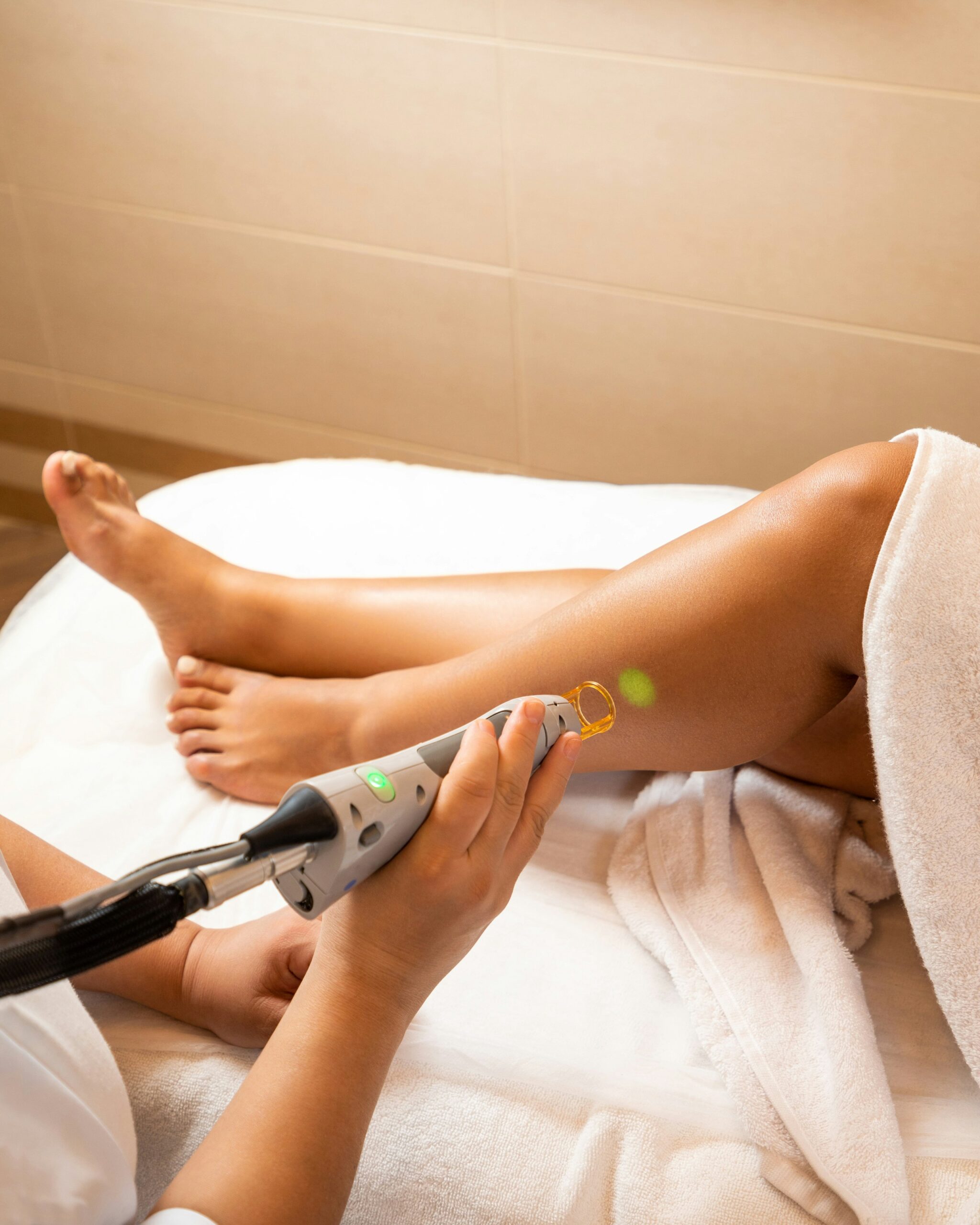
Although laser hair removal is considered minimally invasive, the skin still experiences controlled heat during treatment. The laser targets pigment within the hair follicle, generating enough energy to weaken future hair growth while leaving the surrounding skin largely intact.
That process explains why mild redness, warmth, slight swelling around the hair follicles, or a sensation similar to a mild sunburn can appear shortly afterward. These reactions are generally temporary and often subside within several hours or a couple of days, depending on your skin type and the treatment area.
One mistake some people make is assuming that the absence of discomfort means their skin no longer needs attention. In reality, the recovery process continues beneath the surface even after visible redness fades.
The First 24 to 48 Hours Matter Most
The first two days set the tone for recovery. During this period, the skin is more sensitive to heat, friction, and irritation, meaning simple daily habits deserve a little extra thought.
Cool showers are usually a better choice than very hot ones. Likewise, breathable clothing can help prevent unnecessary rubbing, especially after treating areas such as the bikini line, underarms, or legs.
Skincare professionals also recommend avoiding activities that generate excessive body heat, including intense workouts, hot yoga, steam rooms, hot tubs, and saunas during the initial recovery period. Elevated heat may prolong redness and make already sensitive skin even more uncomfortable.
Check out what to do after laser hair removal for the best results…
Moisturize, but Keep It Simple
Hydration supports the skin barrier while it recovers, although this is not the time to experiment with heavily fragranced creams or active ingredients.
A gentle moisturizer formulated for sensitive skin is often enough to reduce dryness and improve comfort. Products containing soothing ingredients such as aloe vera, glycerin, ceramides, or hyaluronic acid are generally well suited to the days immediately following treatment.
Rich products containing exfoliating acids or strong essential oils may increase irritation instead of helping the skin recover.
Shop here
Sun Protection Is One Step You Should Never Skip
Sun exposure is one of the quickest ways to complicate recovery after laser treatments.
Freshly treated skin is more vulnerable to pigmentation changes, particularly in people with deeper skin tones or those who tan easily. Direct sunlight can increase the likelihood of dark spots while also making the skin more sensitive.
This is one reason dermatologists consistently emphasize sunscreen after every session.
One of the simplest forms of self-care after a laser hair removal treatment is protecting treated skin from unnecessary sun exposure. Applying a broad-spectrum sunscreen with SPF 30 or higher whenever you’re outdoors also helps protect both your skin and the investment you’ve made in treatment.
Shop here
Resist the Urge to Exfoliate Right Away
The appeal of smooth skin often makes people eager to speed up the process by scrubbing away treated hairs. However, patience usually delivers better results.
The treated follicles naturally begin shedding over the following one to three weeks. This is sometimes mistaken for new hair growth, although the hairs are actually working their way out of the skin.
Skipping harsh scrubs, chemical exfoliants, retinoids, and rough cleansing tools during the first several days gives the skin time to recover without unnecessary irritation. Once healing is complete, gentle exfoliation can help remove shedding hairs naturally.
Can You Shave Between Sessions?
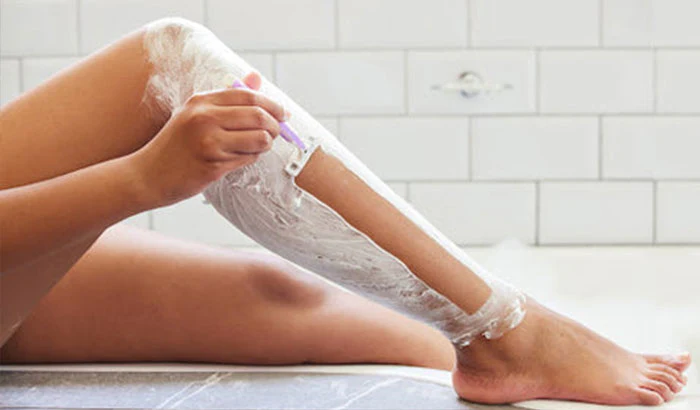
Yes. Shaving remains the preferred method of hair removal between appointments.
Waxing, threading, tweezing, or using epilators removes the hair from the follicle, interfering with the laser’s target during future treatments. Shaving, on the other hand, removes only the surface hair while leaving the follicle intact.
This distinction is often overlooked, yet it plays a significant role in maintaining consistent results throughout your treatment plan.
What Skincare Products Should You Avoid?
Your skincare routine may need a temporary adjustment after treatment. Strong exfoliating acids, prescription retinoids, benzoyl peroxide, highly fragranced products, and physical scrubs can all increase sensitivity while the skin recovers.
Many specialists recommend gradually reintroducing active ingredients once redness and tenderness have completely resolved. Waiting a few extra days is usually far more beneficial than rushing back into a full routine. Choosing gentle formulas after every laser hair removal session gives both your hair follicles and the surrounding skin the supportive care they need to recover comfortably.
How Long Does Recovery Usually Take?
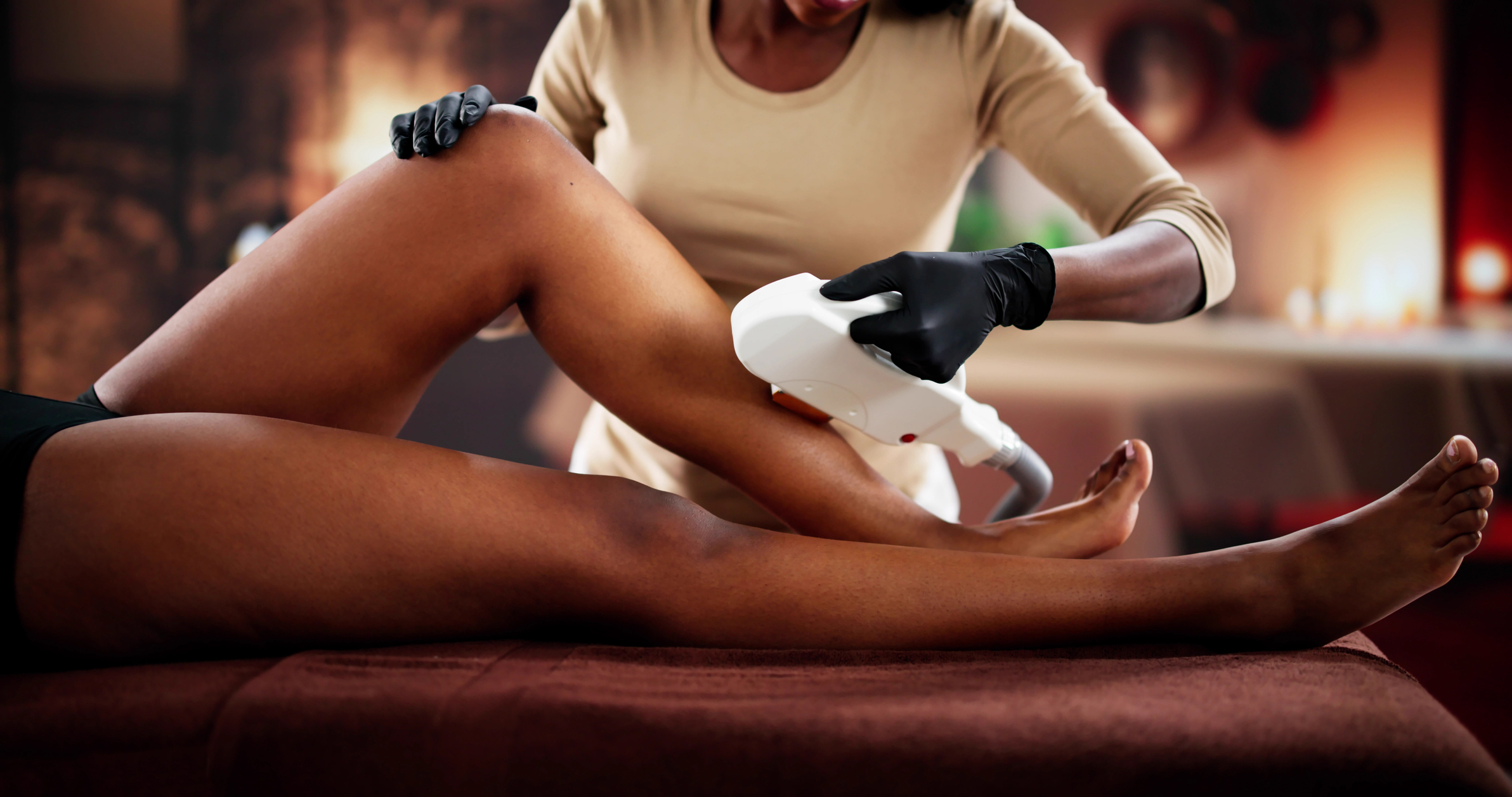
Most people return to their normal daily activities immediately after treatment, although complete skin recovery varies from person to person.
Minor redness often fades within several hours, while swelling around the hair follicles may last up to two days. Hair shedding typically begins within one to three weeks, making the treated area appear smoother over time.
Results also develop gradually across multiple appointments because laser treatments work best on hairs that are actively growing. Staying consistent with scheduled sessions remains one of the biggest factors influencing long-term success.
Final Thoughts
Laser hair removal continues to grow in popularity because it offers lasting convenience, but achieving the best outcome extends well beyond the treatment chair. Consistent skincare, thoughtful sun protection, and patience during the healing process all contribute to smoother, healthier-looking skin over time.
Paying close attention to aftercare following every laser hair removal appointment gives treated hair follicles time to recover properly, while consistent, intentional care helps protect the healthy skin surrounding them.
Featured image: Style Rave Studio/AI-generated Visual