
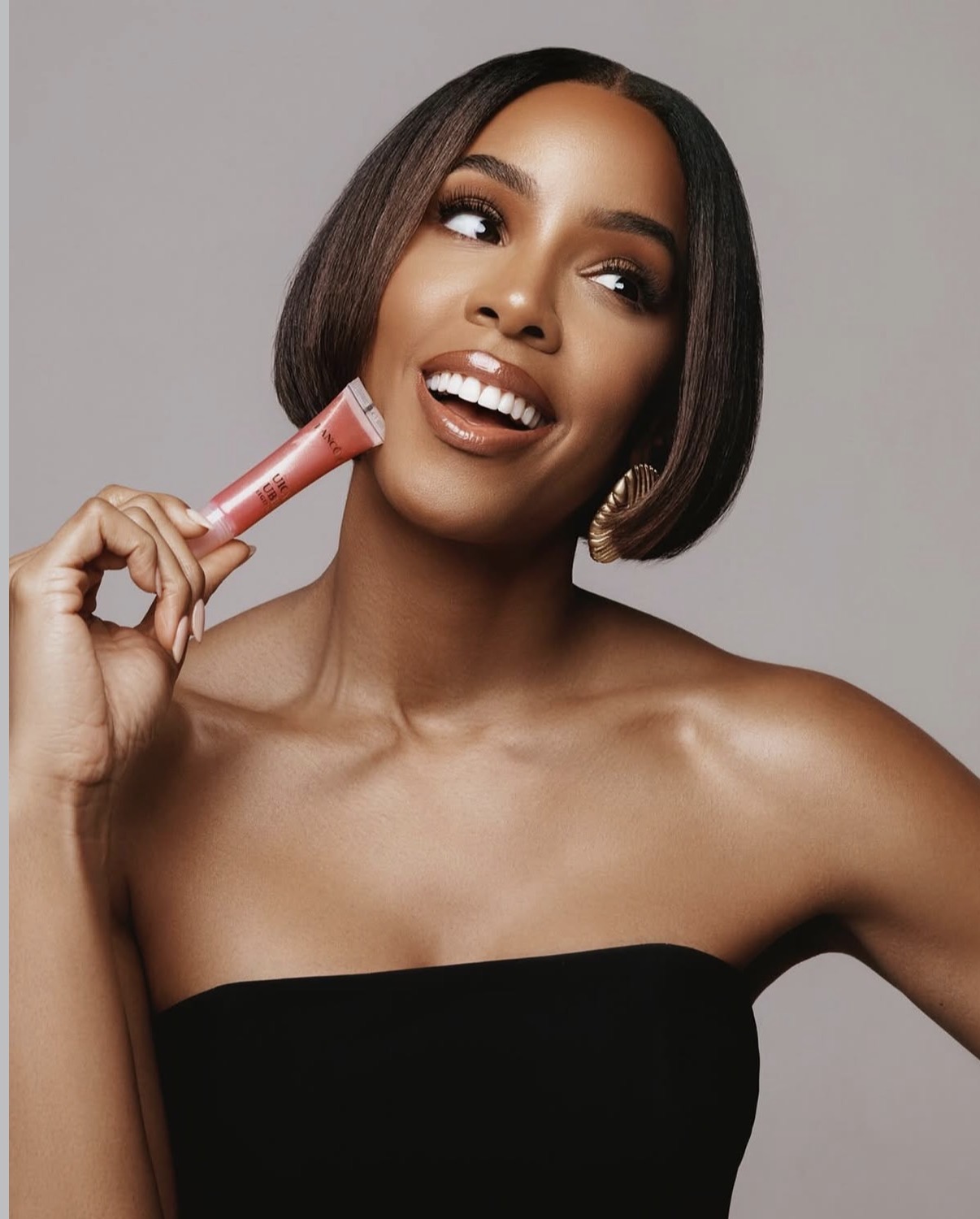

Lip contouring is giving the modern lip a softer kind of definition. Rather than relying on a sharply drawn liner to outline the entire mouth, the technique uses strategically placed darker and lighter shades to sculpt the lips, create depth, and give them a fuller, more balanced appearance. The effect is subtle but deliberate: more dimension, less visible makeup, and a finish that feels particularly suited to the blurred, glossy, effortlessly polished lip looks dominating beauty right now.
The appeal is easy to understand. A traditional liner gives you a clear border, while this newer approach treats the lips almost like any other part of the face, using darker and lighter tones to create depth. The result can look fuller and more dimensional, yet still blend into lipstick and gloss rather than sitting visibly around them.
What Is Lip Contouring?
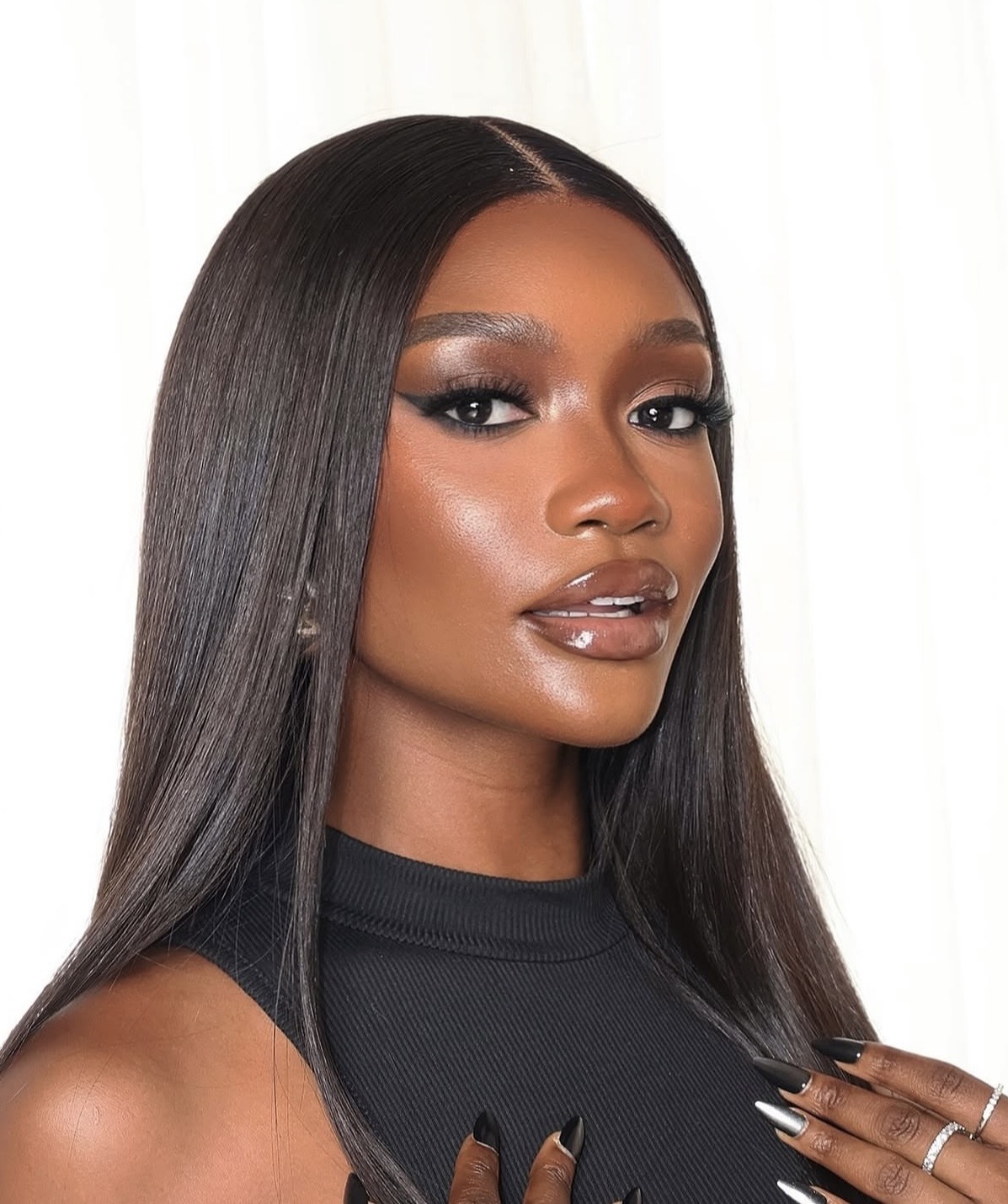
Lip contouring uses makeup to enhance the natural shape of the mouth by placing darker pigment in selected areas and a lighter color where you want the lips to appear fuller.
Rather than drawing one continuous line around the edges, you can deepen the outer corners, define the Cupid’s bow, and add a little shadow beneath the lower lip. A lighter lipstick, gloss, or concealer can then be placed toward the center to bring that area forward.
The technique borrows from the same basic idea used in facial contouring. Darker shades visually recede, while lighter shades catch attention. Applied to the lips, this can make the mouth appear more rounded, fuller, or better balanced without relying on a heavy outline.
That difference matters, especially if you prefer makeup that looks blended rather than obviously drawn on. The darker pigment does not need to disappear completely, but it should melt into the lipstick so the eye notices the shape before it notices the makeup technique.
How Is It Different from Lip Liner?
Lip liner and contouring can achieve similar goals, but they work in different ways.
A classic lip liner is primarily about definition. You trace the natural lip line, slightly overdraw it if desired, and then fill in or layer lipstick over the pencil. It creates a firm edge that can stop lipstick from feathering while also making the shape appear more precise.
Contouring is more about dimension. Instead of giving the entire perimeter equal attention, you place depth selectively, then blend it with the rest of the lip color. Still, one does not have to replace the other completely. A liner can actually be part of a contouring routine when it is used selectively rather than drawn all the way around the mouth.
Why Is Lip Contouring Trending Now?
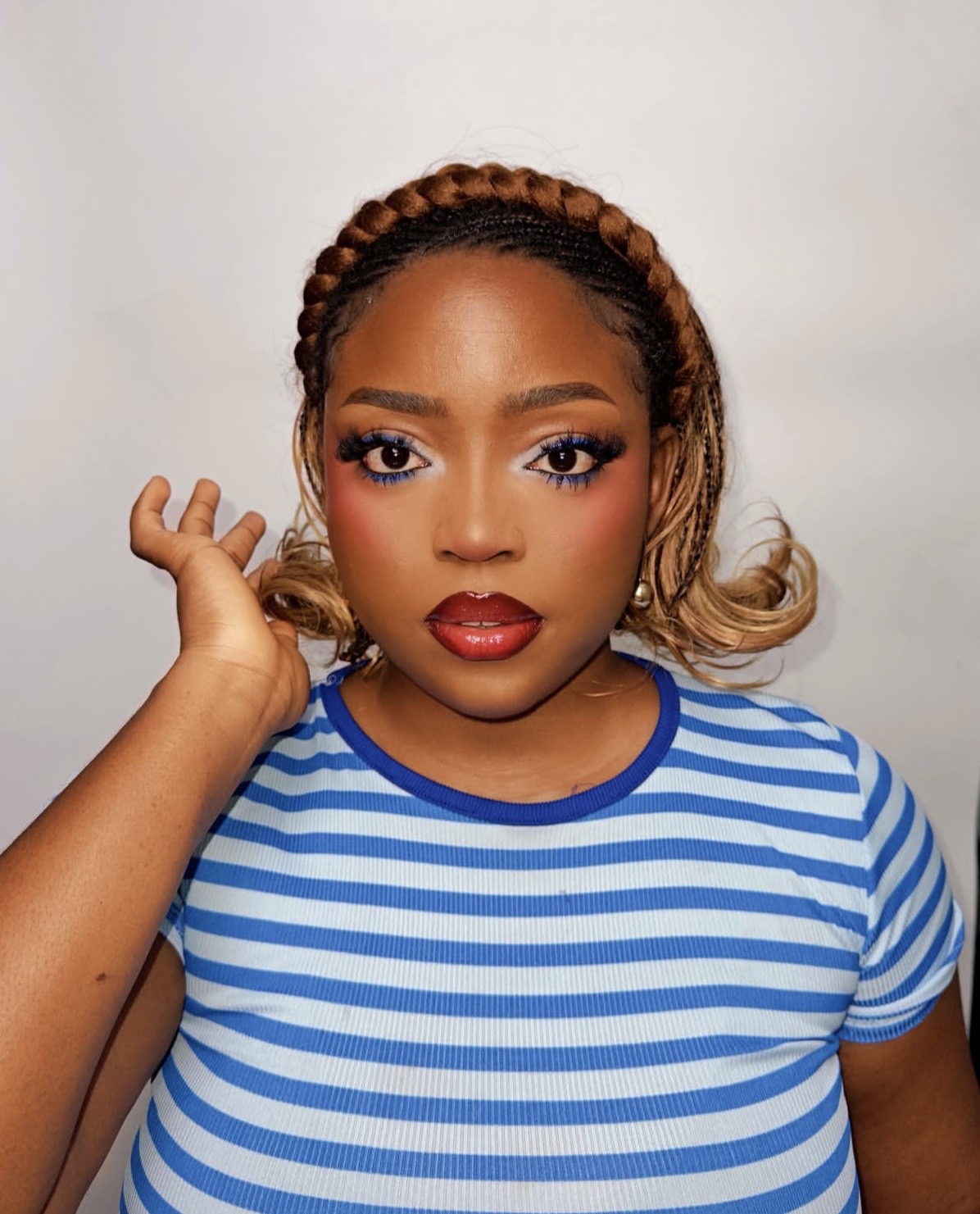
Beauty trends tend to swing between precision and softness, and this technique lands somewhere in the middle. It gives makeup lovers the control of traditional definition without requiring the strong outline that became closely linked with classic overlining.
Beauty creators have also made subtle optical tricks easier to spot and recreate. A shadow beneath the lower lip, a slightly darker Cupid’s bow, and a lighter center can make a surprisingly noticeable difference, especially when the colors are blended properly.
There is also a growing preference for makeup that looks dimensional rather than heavily layered. That makes this approach particularly appealing with brown lipsticks, nude tones, sheer glosses, and blurred lipstick finishes.
For a lip look that appears fuller without looking heavily drawn, contouring can therefore offer a more flexible route than simply reaching for a darker liner.
How to Contour Your Lips for a Fuller Look
Grab your balm
Start by applying a small amount of lip balm, then allow it to settle before adding color. Too much slip can make the darker pigment move around, so the surface should be moisturized but not excessively slippery.
Select your contour shade
Next, choose a contour shade that is slightly deeper than your lipstick. Brown, rose-brown, cocoa, and muted plum can work well, depending on your natural lip tone and the color you plan to wear.
Deepen the outer corners
Place a small amount of the darker shade at the outer corners of the mouth rather than drawing a thick line across the entire lip. Blend inward with a small brush or your fingertip so the color gradually becomes softer.
Define the cupid’s bow
Add a little depth around the natural dip at the top of the lips, keeping the application controlled. You can slightly extend the color above the natural border if you want a fuller effect, but a tiny amount usually works better than a dramatic overdraw.
Add shadow beneath the lower lip
A narrow touch of darker color beneath the center of the lower lip can create the appearance of a natural shadow. This is one of the easiest tricks to overdo, so blend until there is no obvious stripe.
Brighten the center
Apply your lipstick, then add a lighter shade or gloss to the center of the upper and lower lips. This brings the middle forward and gives the darker outer areas somewhere to blend into.
Blend everything together
This final step is what separates a convincing contour from makeup that simply looks layered. Use a small brush to soften any visible edges, then add gloss if you want extra fullness.
Can You Use Lip Liner as Contour?
Absolutely. In fact, you probably already own a product that can do the job.
The difference comes down to application, not necessarily the product itself. A brown lip liner can act as a contour shade when you use it on the corners, Cupid’s bow, and lower-lip shadow instead of creating one solid outline.
The same idea applies to lipstick. A deeper lipstick can be tapped around the outer areas and blended inward, although a pencil usually offers more control for tiny details.
The trick is choosing a shade that looks like a believable shadow on your complexion. A very dark liner can create harsh contrast, particularly under sheer or pale lipstick, so going only a few tones deeper is often the more flattering choice.
Lip Contouring vs. Overlining
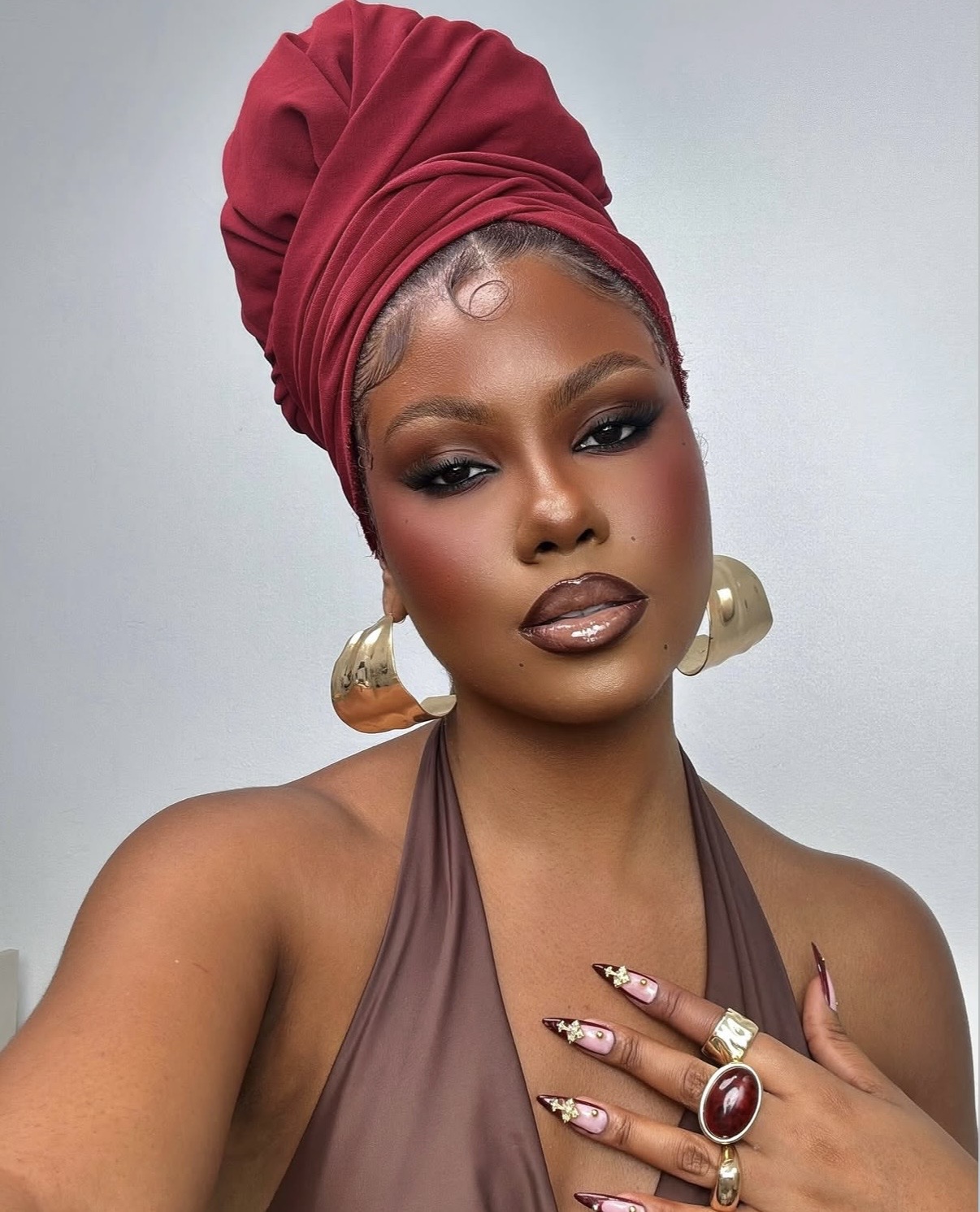
These techniques are often confused, but they are not exactly the same.
Overlining means extending the lip outline beyond its natural border to create the appearance of greater size. It can be subtle, but it can also become quite dramatic.
Contouring relies more heavily on shadow and light. You can use it without extending the natural lip line at all, which makes it useful when you want your lips to appear fuller while keeping their original shape.
That is also why this technique can be especially flattering on uneven lips. Instead of forcing both sides into the same outline, you can add depth to one area and brightness to another, creating better visual balance.
Is Lip Contouring Replacing Lip Liner?
Not exactly. Lip liner remains incredibly useful for defining the mouth, extending wear time, and keeping lipstick in place, particularly when you are wearing bold or creamy formulas.
What is changing is the way people are using liner and other lip products. Instead of automatically drawing a complete border, makeup lovers are becoming more selective about where definition actually improves the shape.
That makes this trend less about throwing away your liner and more about using it with greater intention. A softly blended brown pencil can become a contour tool, a lip color can double as shadow, and gloss can act as the final light-catching layer.
The smartest beauty trends tend to give familiar products a new purpose, and this one does exactly that. Lip definition can now come from several carefully placed layers, with contouring providing the depth that a traditional outline alone cannot create.
The Verdict
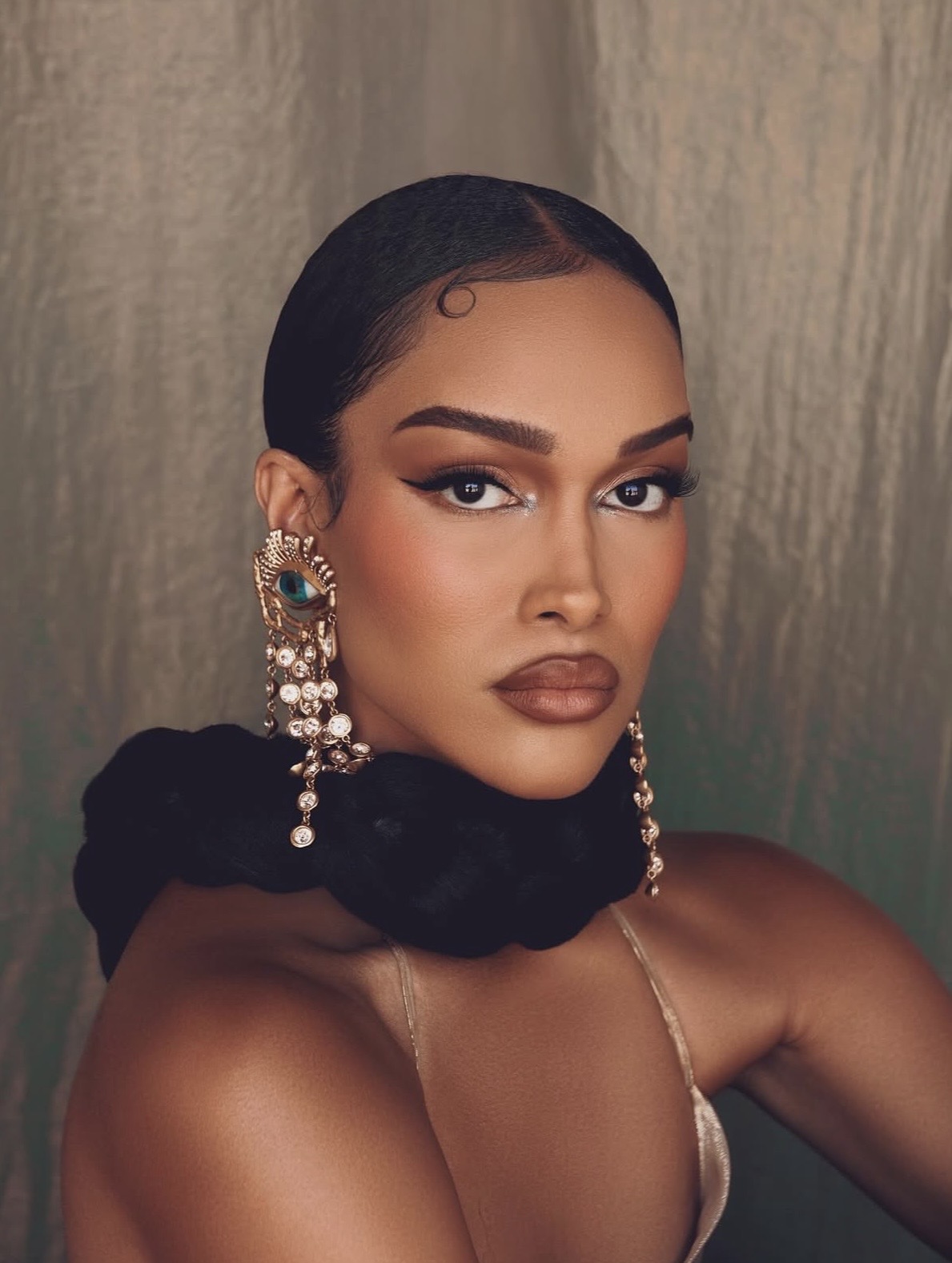
Lip liner is not disappearing, but its role is becoming more flexible. The crisp, fully traced outline still has its place, particularly for statement lips, yet contouring offers a softer way to create fullness and shape that works beautifully with the nude, glossy, and blurred lip looks dominating modern beauty.
The strongest approach may be to use both. Trace only where definition is needed, deepen the corners, add a touch of shadow beneath the lower lip, then brighten the center. With enough blending, the makeup does not announce what you have done; it simply makes the shape of the mouth look more considered.
That is ultimately why this technique has staying power. It takes the familiar idea of defining the lips and makes it more adaptable, allowing the makeup to enhance the natural shape instead of drawing attention to the outline itself.
Shop editor’s edit
Featured image: Dalvin Adams
Decoding The Viral Lip Combo That’s Defining Beauty Right Now