

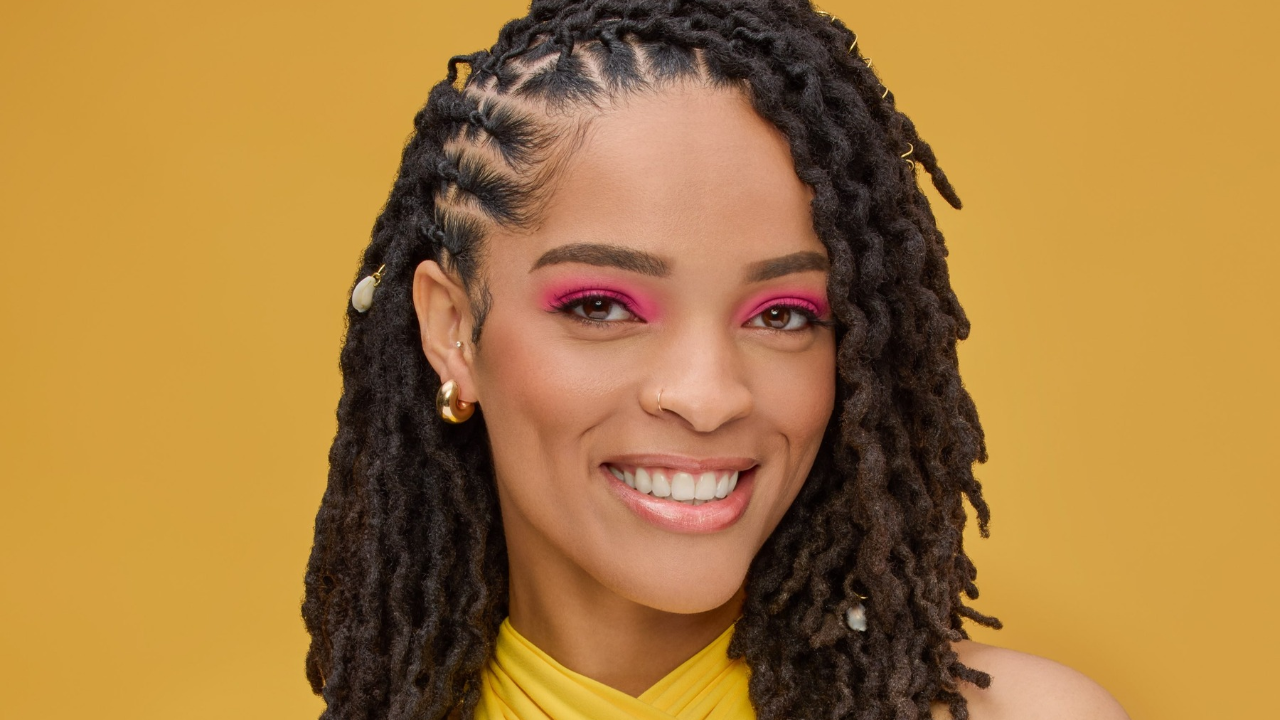

Protective styles make natural hair care easier by reducing daily manipulation, but they don’t mean your hair can go weeks without attention. When cold weather arrives, changes in humidity, indoor heating, and friction from scarves and heavy clothing can leave natural hair dry and brittle. Even with box braids, twists, cornrows, or faux locs in place, the hair underneath still needs moisture and gentle care.
The challenge is finding a routine that nourishes your natural hair without leaving your protective style greasy, damp, or weighed down by product buildup. Applying more oil is not always the answer, and spraying your braids with water every day may not be necessary. What matters is choosing products that suit your hair, applying them where they are needed, and allowing your hair enough time to dry.

The good news is that maintaining moisture does not have to be complicated. A few consistent habits can help keep your natural hair soft, support scalp comfort, and make your protective style easier to maintain throughout the colder months.
Check out how to keep your protective styles soft, hydrated, and gorgeous through the cold weather…
#1. Moisturize With a Lightweight Leave-In Conditioner
Cold weather can leave natural hair dry and less manageable, making a leave-in conditioner a useful addition to your protective-style routine. A good formula helps soften your strands, improve manageability, and reduce friction.
Before installing your braids or twists, start with clean, conditioned hair. Once your style is in place, use a lightweight leave-in conditioner or moisturizing spray to refresh the accessible sections of your natural hair. Products containing ingredients such as aloe vera, glycerin, and conditioning agents can help improve softness and moisture retention.
Apply the product sparingly, directing it toward the natural hair underneath rather than coating every braid. You do not need to spray your hair several times a day. Instead, pay attention to its condition and reapply when your strands begin to show signs of dryness.
Avoid soaking your protective style, particularly if you have thick braids that take a long time to dry. A light application is often easier to manage and less likely to leave your hair heavy or coated.
#2. Seal in Moisture With Oils and Creams
A leave-in conditioner helps hydrate and soften your hair, while oils and creams can help reduce moisture loss. Using them together can be helpful when your strands need extra care during the colder months.
Jojoba and argan oils are popular options for adding lubrication and improving softness. Shea butter provides a richer alternative for hair that responds well to heavier products. Choose one based on your hair’s needs rather than layering several products at once.
After applying your leave-in conditioner, smooth a small amount of oil or cream over the accessible sections of your natural hair. Focus on areas that are particularly dry, and avoid applying excessive amounts to your scalp or the length of your braids.
Remember that oil alone does not hydrate dry hair. Start with a suitable moisturizing product, then use an oil or cream if it helps your hair retain moisture and remain manageable. The goal is to keep your strands soft, not greasy. If your braids become sticky or coated, or you notice residue around the roots, reduce the amount of product you use.
#3. Protect Your Hair From Friction and Take Care of Your Scalp
Cold-weather accessories can create more friction than you might realize. Wool scarves, thick collars, and rough hat linings may rub against your braids and twists, contributing to frizz and breakage, particularly around the nape and hairline.
A satin-lined hat or a silk or satin scarf can help create a smoother barrier between your hair and these fabrics. At night, wear a satin bonnet or use a satin pillowcase to minimize friction while you sleep.
Your scalp also needs attention throughout the time you wear a protective style. Keep it clean with a gentle shampoo when needed, and avoid covering it with thick layers of oil or grease in an attempt to prevent dryness. Product buildup and sensitivity to styling products can also cause itching, so adding more oil is not always the answer.
If you experience persistent itching, redness, soreness, or bumps, reassess your products and the tension of your style. Ongoing irritation may require advice from a qualified healthcare professional. A comfortable scalp and reduced friction can help you maintain your protective style without putting unnecessary stress on your natural hair.
#4. Refresh Your Style Without Overdoing It
Maintaining moisturized protective styles does not require a shelf full of products or daily applications. A consistent routine that responds to your hair’s needs is often more useful than constantly adding new layers.
A few simple checks can help you keep your routine on track:
- Check your hair every few days: If the natural strands underneath feel dry, apply a small amount of leave-in conditioner. Follow with a little oil or cream if needed, and allow your hair to dry thoroughly before covering it.
- Watch for product buildup: White residue, sticky braids, a greasy scalp, or strands that feel coated rather than soft may indicate that you are using too much product. Simplify your routine and cleanse your scalp when necessary.
- Pay attention to how long you wear your style: Persistent tension, thinning around the hairline, or increased breakage are signs that your hair may need a break. When removing braids or twists, work gently to avoid pulling at tangled roots or fragile strands.
Protective styling should reduce unnecessary manipulation, not prevent you from caring for your hair. Adjust your routine as needed rather than following a rigid schedule that does not suit your hair.
Keep Your Protective Styles Moisturized All Season Long
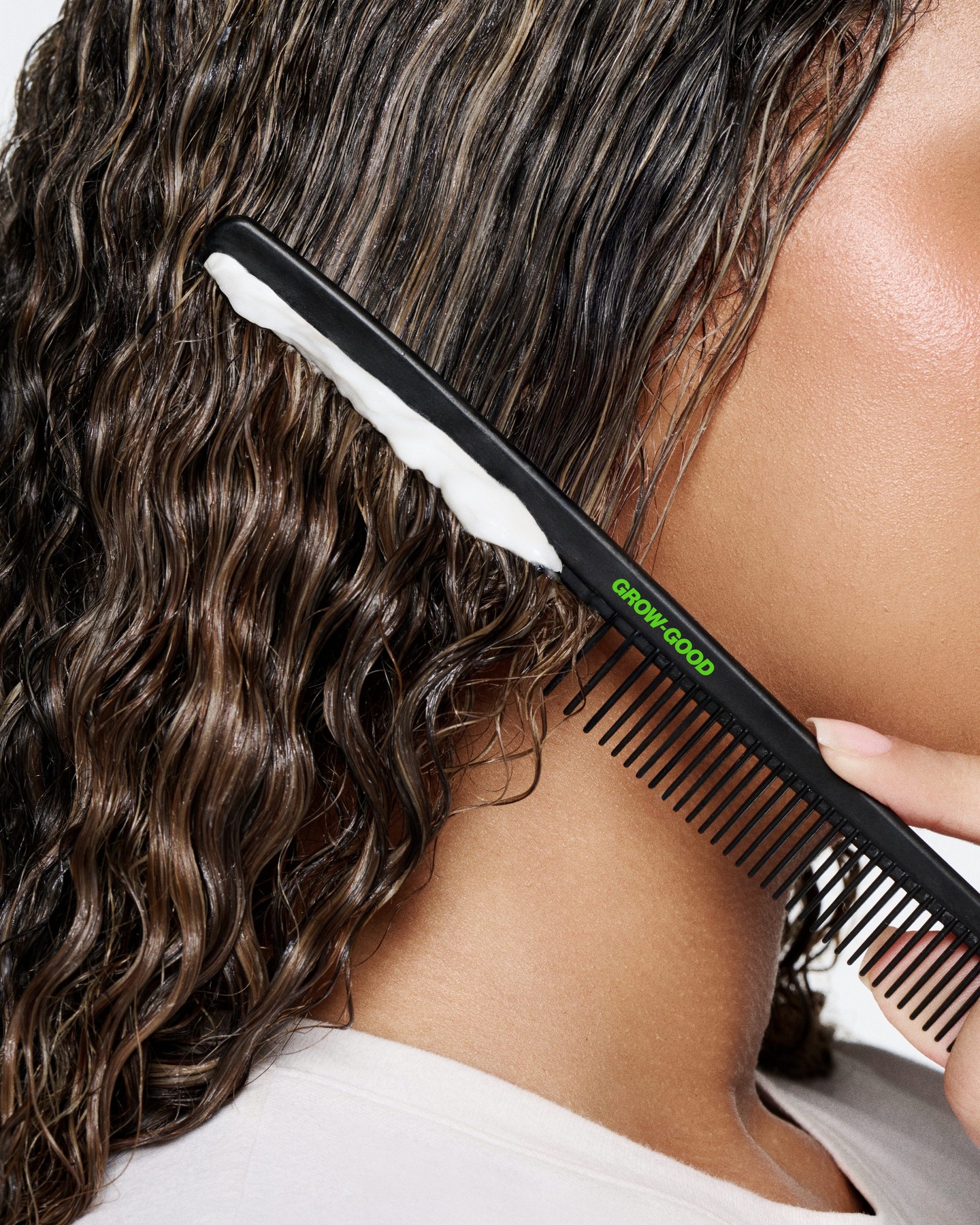
Learning how to keep protective styles moisturized during cold weather comes down to four simple habits: use a suitable leave-in conditioner, seal in moisture when necessary, protect your hair from friction, and refresh your style without overloading it with products.
You do not need to change your entire routine when temperatures drop. Focus on what your hair actually needs, keep your scalp clean and comfortable, and choose products that leave your strands soft rather than coated. With consistent care, you can enjoy the convenience of braids, twists, and other protective styles while continuing to look after the natural hair underneath.
Featured image: Aunt Jackie’s Curls & Coils