
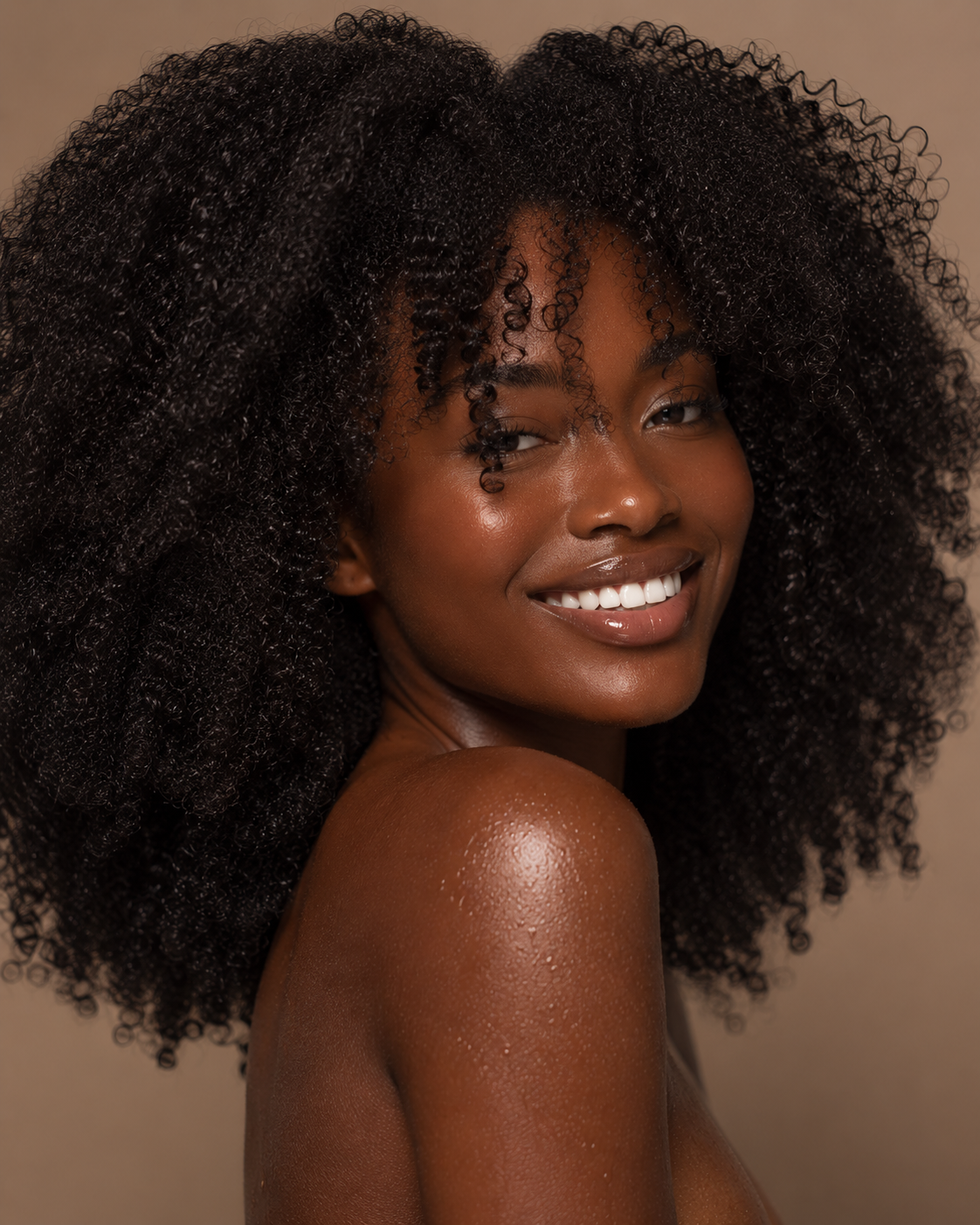

Humidity, sunshine, pool days, and extra wash days can challenge even the healthiest curls. For hair that absorbs moisture quickly but struggles to retain it, seasonal changes often require a more intentional routine. A smart approach to high-porosity hair care during summer helps keep strands hydrated, defined, and better protected against the season’s drying effects.
Many people assume high-porosity hair simply needs more products, yet that belief often leads to disappointment. The real challenge isn’t getting moisture into the hair—it’s keeping it there long enough to make a difference.
If your natural hair seems to soak up water within seconds yet dries just as quickly, you may already have high-porosity hair. This hair type has raised or damaged cuticles, allowing moisture to enter easily but also escape just as fast. Genetics can play a role, although frequent coloring, heat styling, chemical treatments, or even years of everyday wear can also increase porosity.
For many women with natural Black hair, this becomes especially noticeable in summer. Humidity may cause the hair to swell, while intense sunlight, frequent cleansing after workouts, beach trips, and chlorine exposure steadily pull moisture away. Although summer is often associated with hydration, high-porosity hair rarely stays moisturized for long without the right routine.
What Exactly Is High-Porosity Hair?
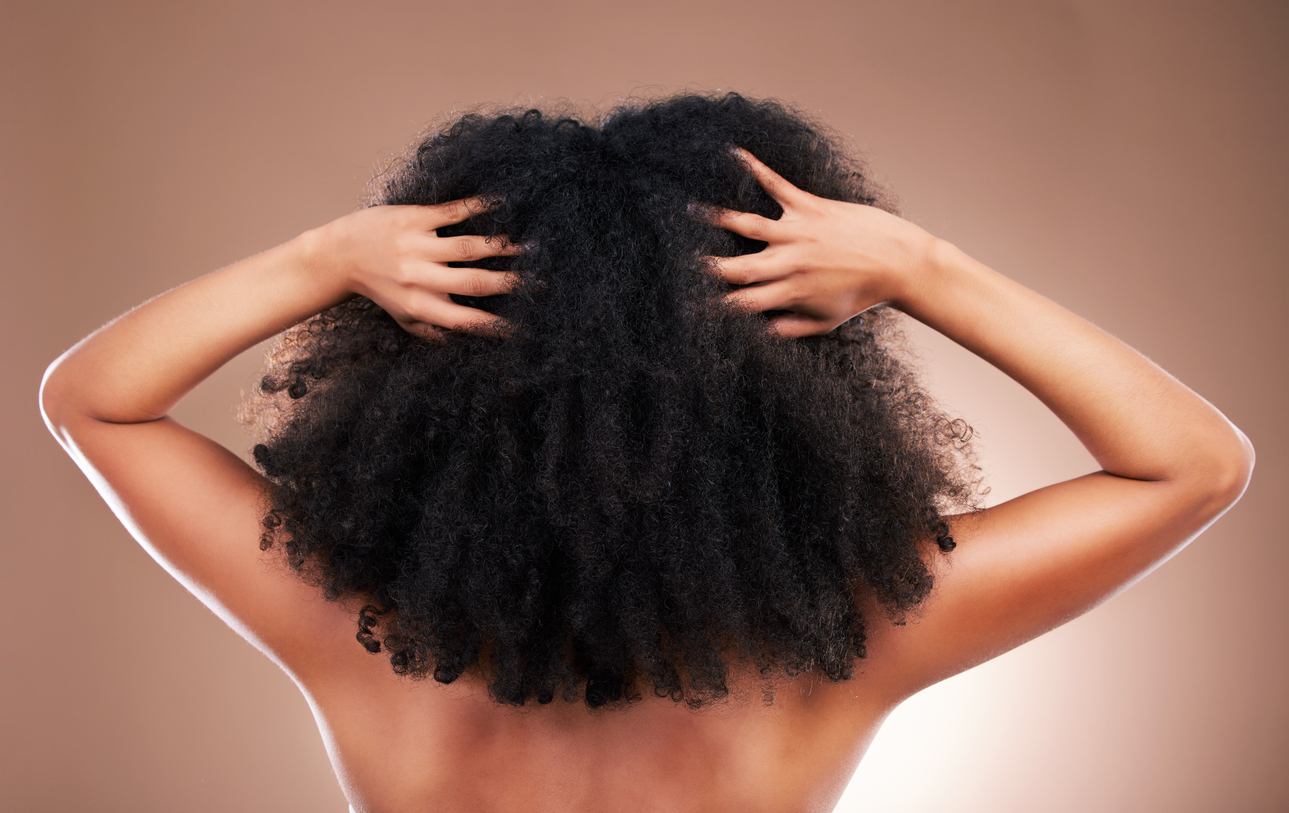
Imagine your hair cuticle as overlapping roof shingles. Healthy cuticles lie relatively flat, helping moisture remain inside the strand. High-porosity hair, however, has cuticles that are more open. Water, conditioners, and oils enter quickly, but they also escape with surprising speed.
That explains why your wash day may begin with soft, hydrated curls yet end with hair that already looks dry. It isn’t always a sign that your products are ineffective. Instead, your hair simply struggles to retain what you’ve already given it.
One important point that’s often overlooked is that high-porosity hair isn’t automatically damaged beyond repair. Some people naturally have highly porous strands, and with the right routine, those curls can still thrive.
What Are the Signs of High-Porosity Hair?
Several common signs appear repeatedly, and recognizing them can make choosing products much easier.
- Hair absorbs water almost immediately.
- Hair dries unusually fast after washing.
- Ends become dry much sooner than expected.
- Frizz appears easily, especially in humid weather.
- Tangles develop quickly.
- Hair often looks dull despite regular moisturizing.
- Breakage becomes more noticeable during detangling.
Many people also try the well-known “water glass test,” in which a strand of hair is placed in water. Although it can offer a rough clue, experts generally consider your everyday experience a far better indicator than relying on a single test.
Can You Fix High-Porosity Hair?
One of the biggest myths is that high-porosity hair can be permanently repaired. In reality, the answer depends on what caused it.
If chemical treatments, excessive heat, or harsh handling created the damage, strengthening products containing proteins, amino acids, and ceramides can improve the condition of the hair over time. Regular trims and gentler styling habits can also make a noticeable difference.
If your hair is naturally high porosity, however, the goal isn’t to change your hair type. Instead, it’s to support it so moisture stays inside longer. That perspective often makes hair care routines simpler and much less frustrating.
This is also where many routines become unnecessarily complicated. Social media frequently encourages layering five or six products at once, yet that rarely solves moisture loss. Applying products without helping the hair retain hydration often creates buildup instead of healthier curls.
A moisture-focused routine paired with consistent hair care habits usually delivers better long-term results than constantly buying the newest product promising dramatic benefits every summer.
Is High-Porosity Hair Oily or Dry?
Although the scalp itself can produce oil, high-porosity hair is usually dry.
Natural oils travel less efficiently down curly and coily hair, especially when the cuticle is already open. That explains why the scalp may seem oily while the mid-lengths and ends remain dry.
Understanding this difference helps prevent one of the most common mistakes: avoiding moisturizers simply because the scalp produces oil.
Check Out How to Care for High-Porosity Hair During Summer…
#1. Start with a gentle cleansing routine
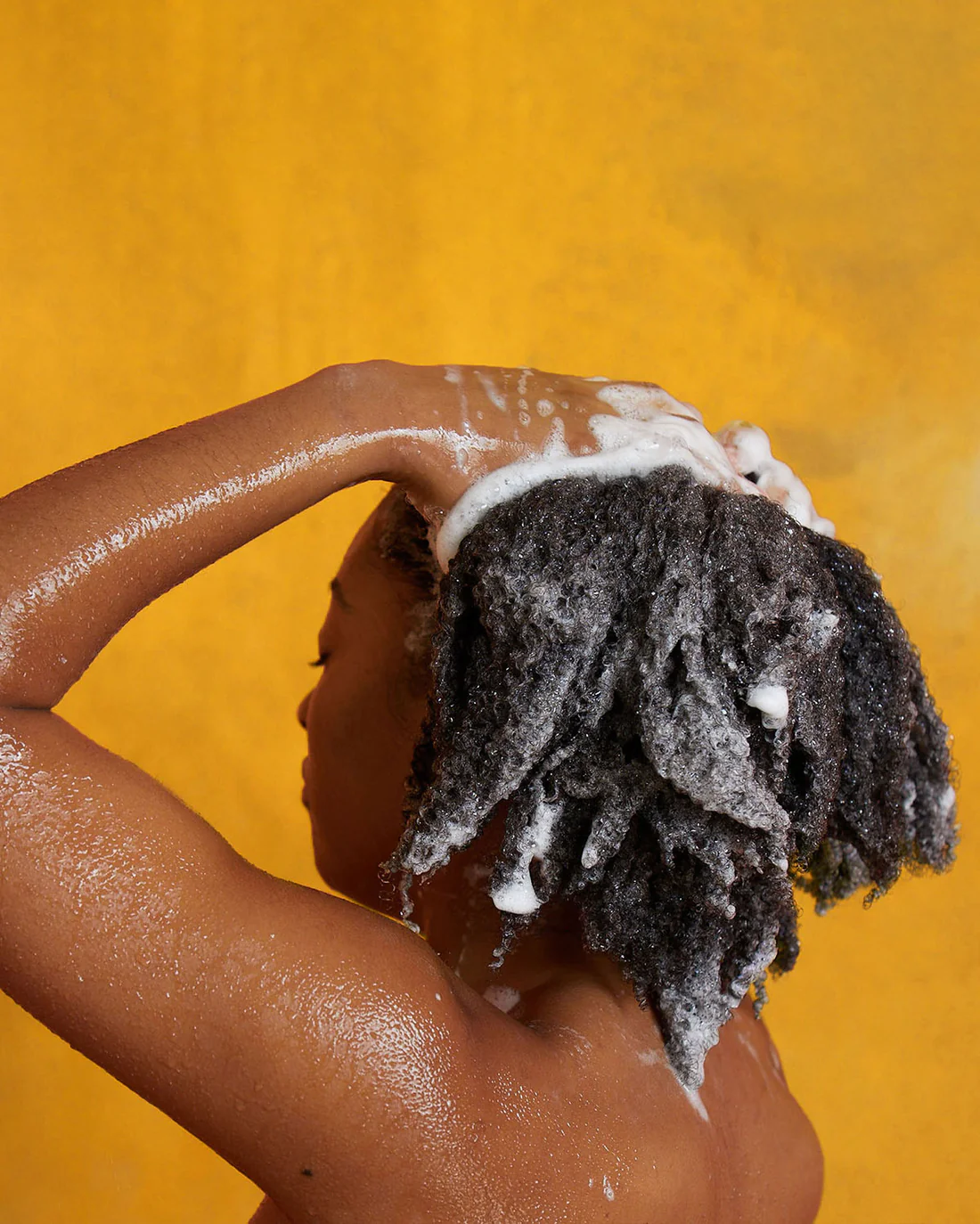
Summer often means more sweat and product buildup, making cleansing even more important. Still, using a harsh shampoo on every wash day can strip away the little moisture your hair manages to retain.
Instead, choose a sulfate-free shampoo that removes buildup while preserving hydration. Washing every seven to ten days works well for many people, although those who exercise frequently or spend long hours outdoors may benefit from cleansing more often with a gentle formula.
Clarifying once a month is also worth considering. Product residue can prevent conditioners from penetrating properly, making already thirsty strands even harder to moisturize.
Shop editor’s edit
#2. Never skip deep conditioning
If there’s one step that deserves extra attention, it’s deep conditioning. High-porosity hair responds well to rich conditioners formulated with ingredients that strengthen and replenish the hair fiber.
Look for formulas containing hydrolyzed proteins, ceramides, amino acids, shea butter, aloe vera, panthenol, and glycerin. Protein helps reinforce weakened areas of the hair shaft, while moisturizing ingredients replenish lost hydration.
Using gentle heat, such as a hooded dryer or a warm towel wrapped around your conditioner, can also improve absorption. Twenty to thirty minutes is usually enough for most treatments.
During the hotter months, a routine built around weekly deep conditioning often becomes the foundation for better moisture retention.
Shop editor’s choice
#3. Choose oils that help seal moisture
One question that comes up repeatedly is, “Which oil is best for high-porosity hair?”
There isn’t a single winner, but certain oils consistently perform better because they help slow moisture loss rather than simply sitting on the surface.
Some of the most effective choices include:
- Avocado oil
- Olive oil
- Jamaican black castor oil
- Argan oil
- Grapeseed oil
Heavier oils, such as castor oil, work especially well on very dry ends, while lighter options like argan or grapeseed oil suit finer textures that become weighed down easily.
The detail many people overlook is timing. Oils are meant to seal in moisture, not replace it. Applying oil to dry hair won’t hydrate it. Instead, apply it after a leave-in conditioner or moisturizing cream while your hair is still slightly damp.
Shop editor’s picks
#4. Lock moisture in before stepping outside
Summer heat, wind, and UV exposure can quickly undo your wash-day efforts.
Many naturals find success with either the LOC method (Leave-in, Oil, Cream) or the LCO method (Leave-in, Cream, Oil). Neither method is universally better. The right choice depends on how your hair responds.
Pay attention to your own strands rather than copying someone else’s routine. Hair that stays soft for several days has likely found its ideal layering order.
This is another area where high-porosity strands reward consistency, as intentional care helps the hair retain moisture much longer between wash days.
#5. Protect your hair while enjoying summer
Protective styling doesn’t have to mean wearing extensions for weeks at a time. Simple low buns, chunky twists, flat twists, braided ponytails, and loose cornrows can reduce friction while limiting daily manipulation.
At night, sleep with a satin bonnet or on a satin pillowcase to help reduce moisture loss. On especially sunny days, a wide-brim hat or scarf also provides welcome protection from prolonged UV exposure. Small daily habits often have a greater impact than expensive products.
Shop editor’s finds
Final Thoughts
Summer should be a season to enjoy your natural hair, not one spent constantly battling dryness. Once you understand how high-porosity hair behaves, every wash day becomes easier to plan, and every product purchase becomes more intentional.
The biggest lesson is simple: high-porosity hair usually absorbs moisture without much difficulty. Holding onto that moisture is where the real work begins. Building your routine around sealing in hydration, strengthening the cuticle, and protecting your strands from daily stress will always deliver better long-term results than relying on quick fixes.
Over time, those consistent habits become the difference between hair that constantly struggles through the season and curls that remain soft, resilient, and healthy long after summer ends.
Featured image: Style Rave Studio/AI-generated Visual