

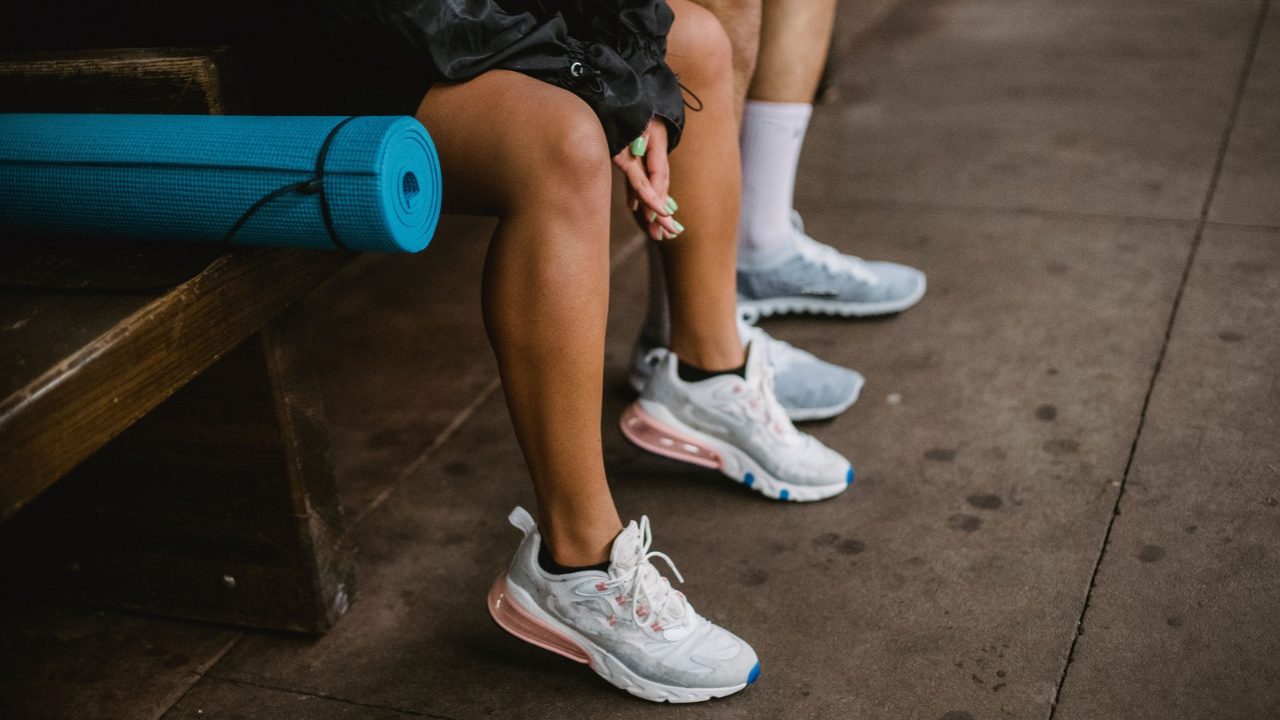

The right workout shoe does more than look good in a gym bag. It affects how stable you feel under a barbell, how your joints handle a long run, and whether you finish a session comfortably or limp home. Yet many people buy based on color, price, or whatever they wore last, only to wonder why their feet hurt after a few weeks.
This guide takes the opposite approach. It starts with why fit matters, shows you how to measure your feet accurately, and explains the common problems poor fit can cause, along with how to avoid them. Then it breaks down the best workout shoes by exercise type, highlighting top brands and models for lifting, cross-training, HIIT, and running. The goal is to help you match your shoes to the activities you actually do.
Why Getting the Right Shoe Fit Matters for Both Comfort and Performance
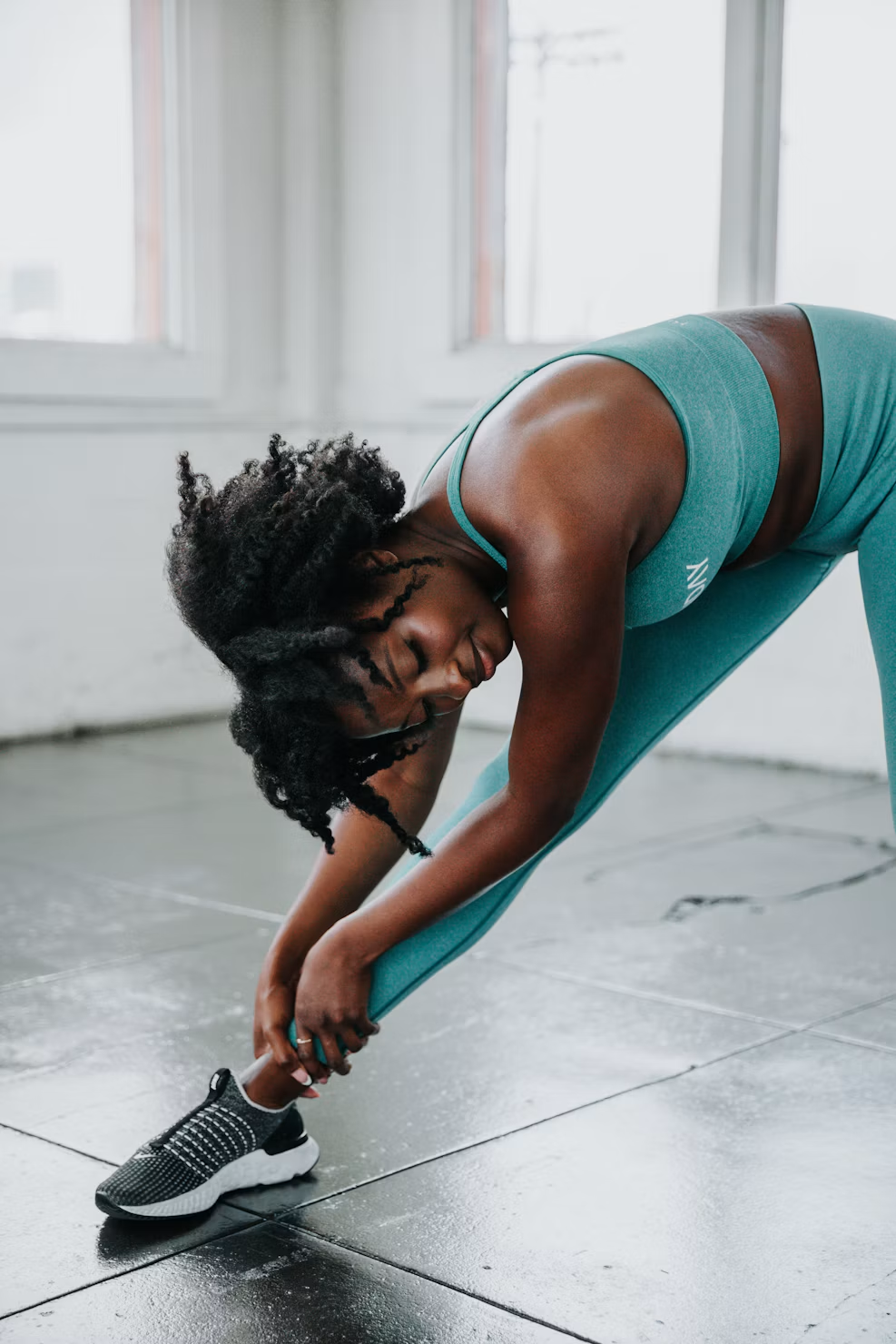
Fit is the foundation of everything else a shoe does. Your athletic shoes’ fit significantly affects your performance, comfort, and long-term foot health. Even a shoe with excellent cushioning or stability technology can fall short if it is too tight, too loose, or simply the wrong shape for your foot.
Fit also influences how a shoe performs during exercise. For general gym work and cross-training, you want a secure midfoot fit with enough room in the toe box. A secure midfoot keeps your foot from sliding during lateral movements and jumps, while a roomy toe box allows your toes to spread naturally for balance when lifting or pushing off.
Different workouts also call for different types of shoes. Cross-trainers are suited to general gym work, running shoes are designed for treadmill sessions and longer distances, weightlifting shoes support squats and Olympic lifts, and flat shoes offer a stable base for deadlifts and other exercises that require firm floor contact. Wearing running shoes for heavy squats, or rigid lifting shoes for a long run, can make movement more difficult and increase the likelihood of discomfort. Getting both the fit and the shoe category right is one of the most useful decisions you can make before buying.
How to Measure Your Feet Accurately at Home Before You Shop
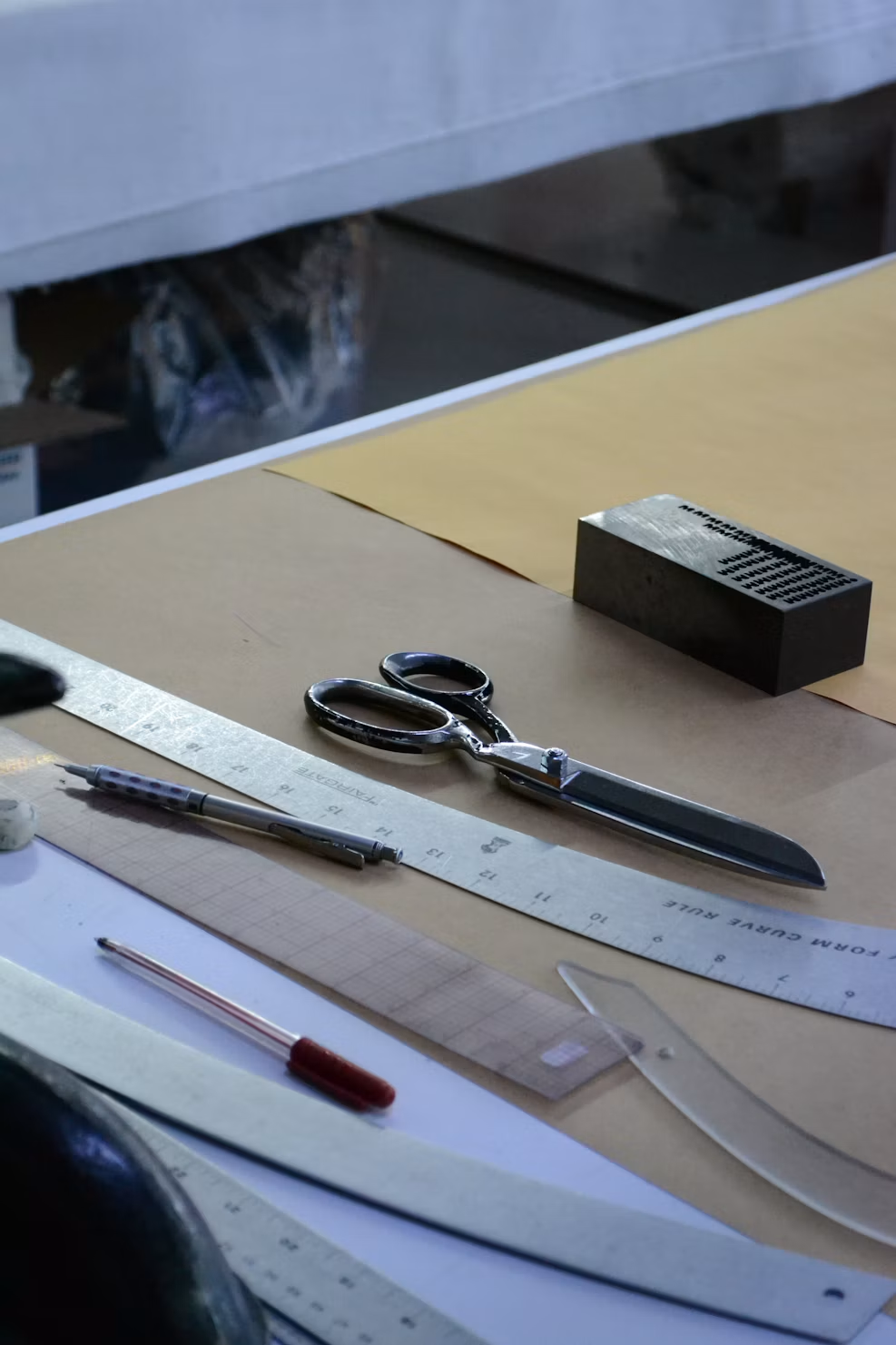
Measuring your feet takes about five minutes and gives you a reliable starting point when shopping for athletic shoes. Follow these steps to get the most accurate result.
Measure at the right time of day. Take your measurements in the evening, when your feet are likely to be slightly swollen after a day of walking and standing. Measuring in the morning may lead you to choose shoes that feel too tight by the afternoon.
Wear the right socks and trace your feet. Stand on a sheet of paper while wearing the type of socks you normally use for exercise. Trace around each foot, keeping the pencil upright. Bring those same athletic socks when you try on shoes in a store.
Measure both length and width. Use a ruler to measure from the back of your heel to the tip of your longest toe, then measure across the widest part of your foot. Measure both feet and use the larger measurements when choosing a size. Remember that your longest toe is not always your big toe.
Check the toe room. Aim for about a thumb’s width—roughly half an inch—between your longest toe and the front of the shoe. One way to check is to slide your foot forward until your toes touch the front, then see whether your thumb fits behind your heel. This is a useful guide, although the shoe should also feel secure through the midfoot and heel.
Walk and test the shoes. Walk around, jog gently on the spot, and check that your heel stays in place. Your toes should not press against the front, and the shoe should not pinch or rub anywhere. Recheck your measurements every year or so, since foot size and shape can change over time.
Common Problems Caused by a Poor Fit and Simple Ways to Avoid Them
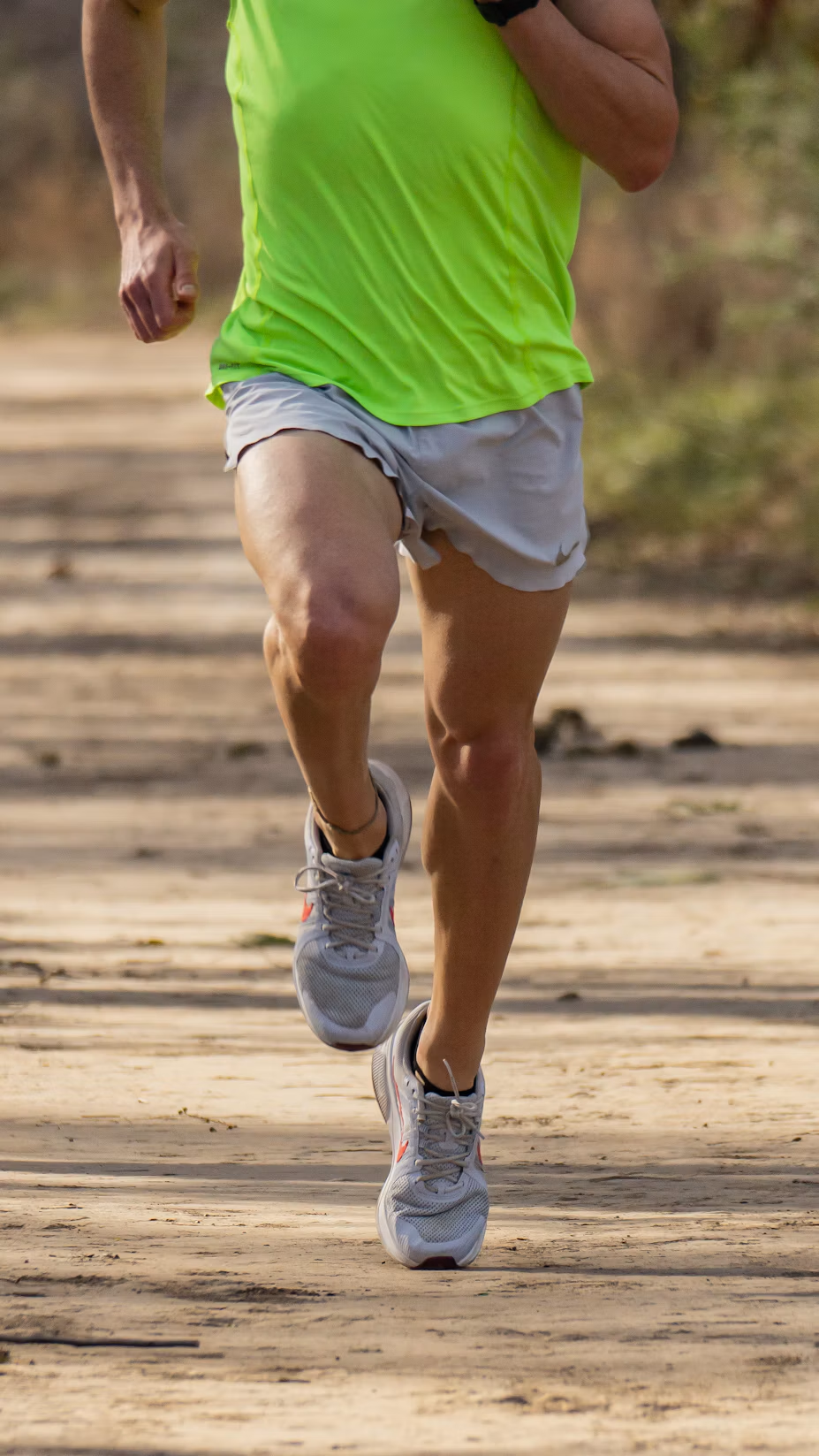
A poor fit can cause problems quickly, and many of them are predictable. Knowing what to look for can help you address an issue before it becomes a more serious source of pain.
Blisters. Repeated friction between your skin and the shoe can cause painful blisters, particularly around the toes and heels. If your heel slips as you walk or run, the shoe may be too large or inadequately secured. Look for a snug heel counter and a secure midfoot fit, and adjust the lacing if necessary.
Black toenails. Repeated impact, especially during running and other high-impact activities, can damage the small blood vessels beneath the toenails, causing blood to collect underneath. Adequate toe room is essential. A heel-lock lacing technique can also help keep your foot in place and prevent your toes from repeatedly striking the front of the shoe.
Ingrown toenails. Shoes that place too much pressure on the toes can increase the risk of ingrown toenails. Check that the toe box is deep enough to accommodate your toes comfortably, rather than focusing on length alone. A shoe can be long enough and still be too shallow or narrow.
Bunions and cramped toes. A narrow shoe can squeeze the forefoot, crowd the toes, and aggravate existing bunions. If you have wider feet, look for a model available in wide widths rather than simply sizing up. A longer shoe will not necessarily provide the right shape or support.
Early discomfort. Persistent pressure, pinching, rubbing, or pain when trying on a new pair can signal a poor fit. Do not assume the shoe will eventually break in. While some materials soften with use, a shoe should not cause pain from the outset. If it hurts in the store, try another size or model.
Check out the best workout shoes for every type of exercise…
The ideal shoe depends on what you ask it to do. A stable base matters more for heavy lifting, while cushioning and responsiveness become more important when running. For workouts that combine several activities, a versatile cross-trainer may be the most practical option.
Here are some of the best workout shoes to consider for different training needs.
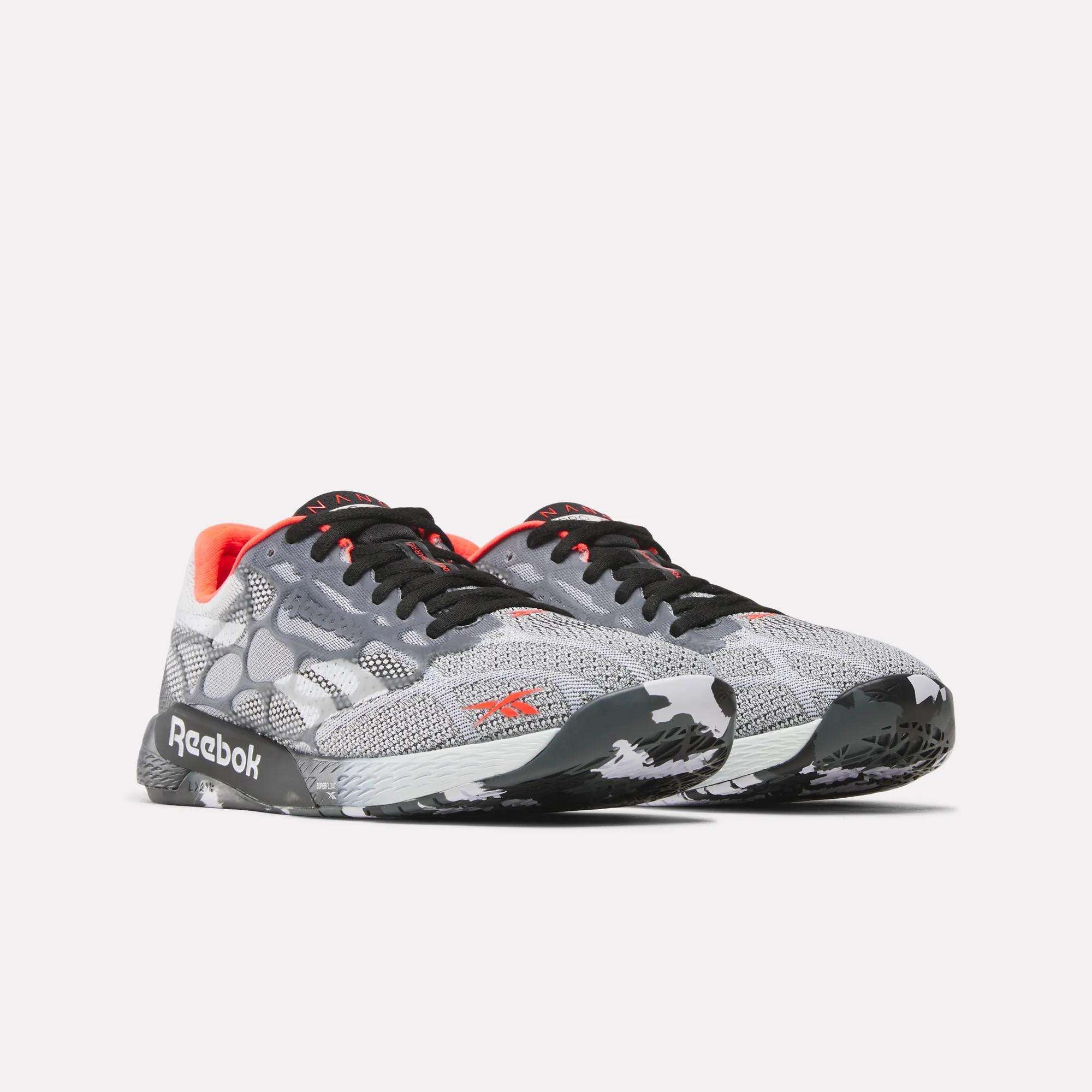
#1. Best Shoe for General Gym Workouts: Reebok Nano X Cross Trainer for Mixed Strength and Cardio Sessions
Shop here
If you do a bit of everything at the gym, a cross-trainer is a practical place to start. The Reebok Nano X Cross Trainer was named the best overall gym shoe in a 2026 ranking of workout shoes. It offers a balance of cushioning for short cardio bursts and a firm base for strength training.
Cross-trainers do have their limits, however. Like many shoes in this category, the Nano X has more cushioning than you would ideally want for heavy weightlifting, which can make it less stable when bracing under a heavy barbell. But if your routine stays within the light-to-moderate range and includes a mix of strength exercises and cardio, it is a versatile option for everyday gym sessions.
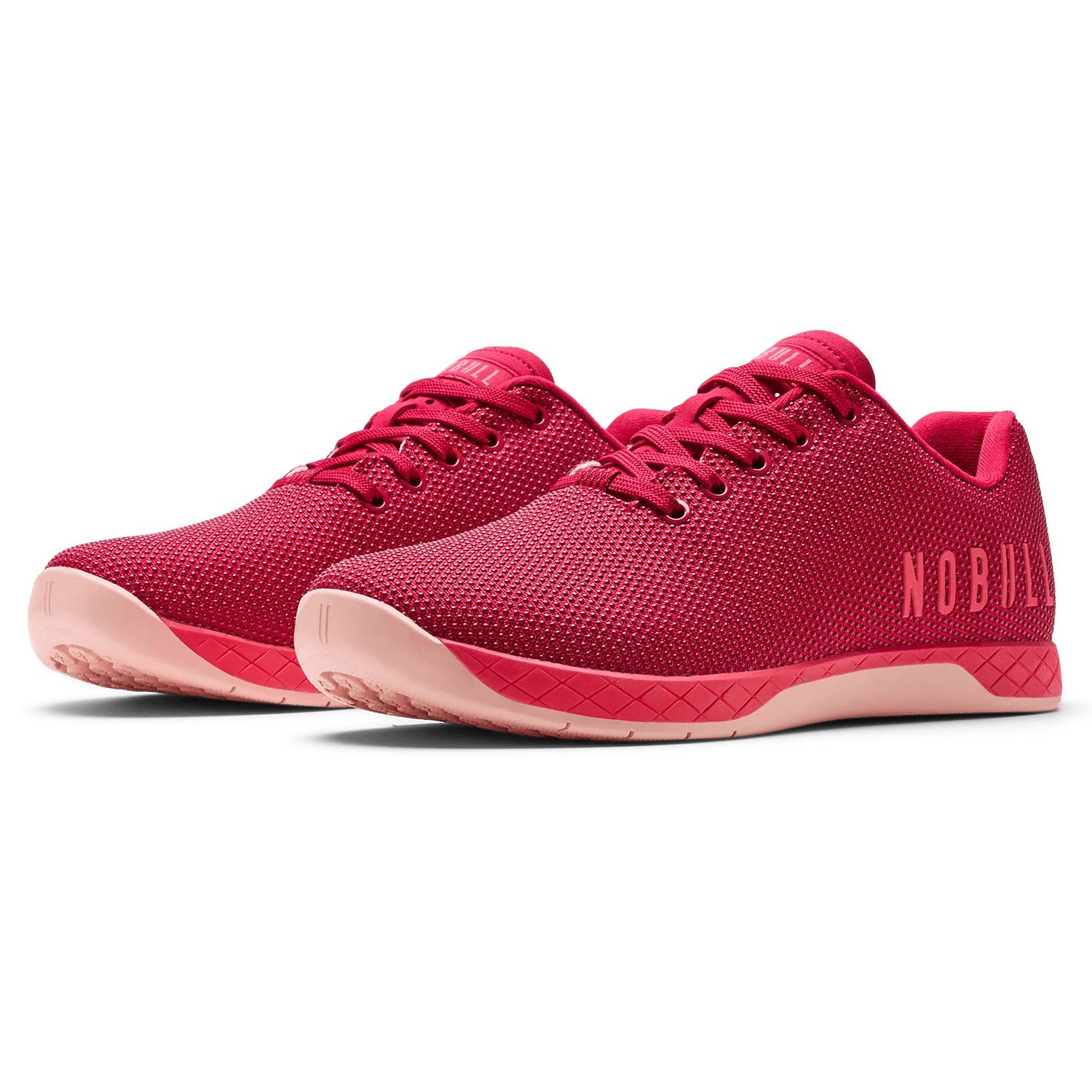
#2. Best Shoe for CrossFit and HIIT: NOBULL Outwork for Lifting, Circuits, and Fast-Paced Sessions
Shop here
The NOBULL Outwork combines the lower heel-to-toe drop associated with minimalist shoes with the built-in support of a cross-training sneaker. This makes it suitable for a range of activities, including lifting, CrossFit, HIIT, and circuit training.
It is also a useful reminder of why trying shoes on matters. One expert tester who wore her usual size found that her toes were slightly cramped, illustrating why it is worth checking a brand’s sizing guidance before buying. If you have wider feet, pay particular attention to the available width. A good HIIT shoe should provide flexibility and grip without squeezing your toes or restricting quick changes in direction.
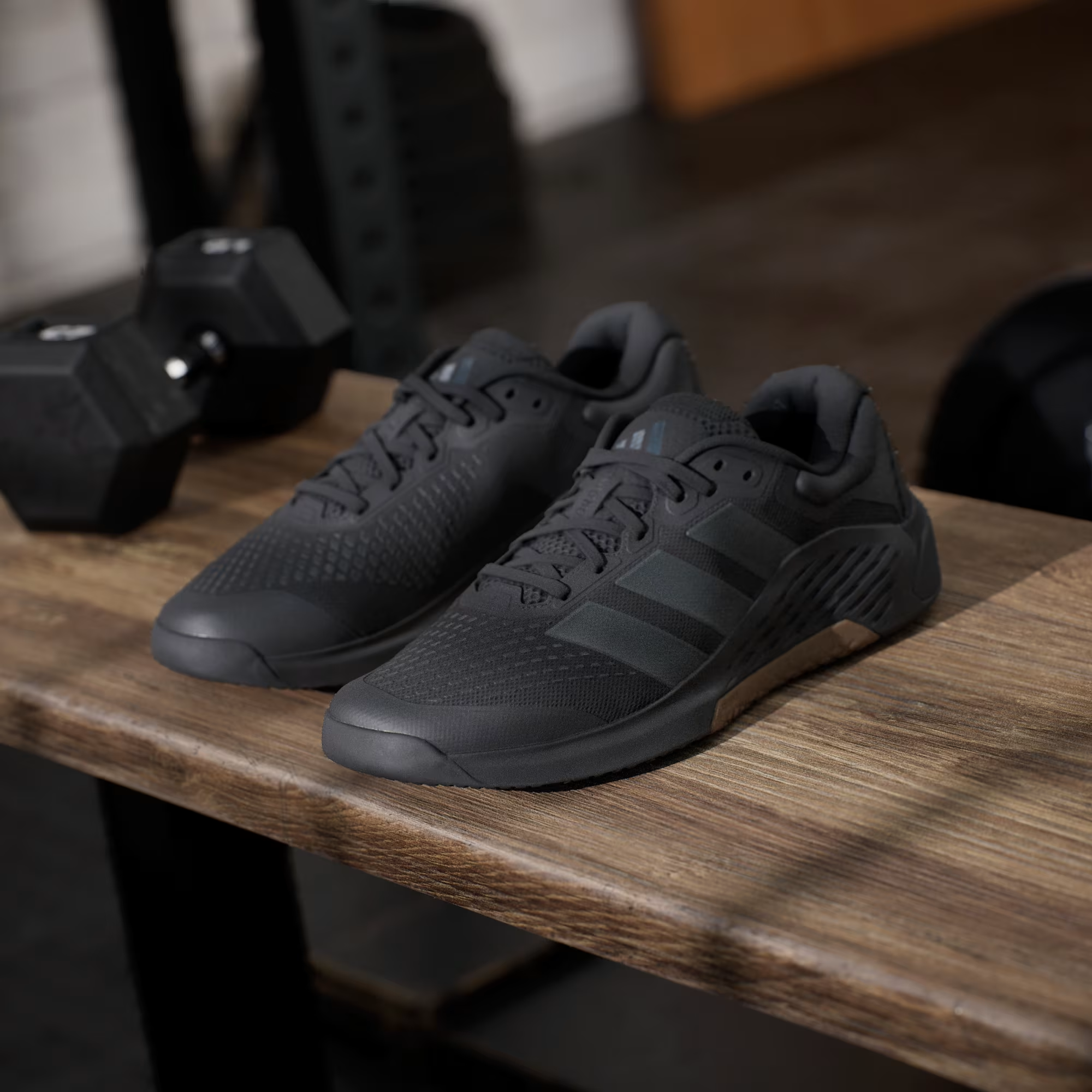
#3. Best Low-Stack Shoe for Stability: adidas Dropset 4 for Lifting, Floor Work, and Planted Movements
Shop here
Low-stack shoes keep your feet closer to the ground, which can help improve stability during lifts and floor-based exercises. The adidas Dropset 4 delivered impressive stability in testing without sacrificing comfort. That combination makes it a strong option for people who lift regularly but also want a shoe that can handle general training.
When trying it on, wear the socks you normally use for exercise. A flatter shoe leaves less room to overlook sizing issues, so check that your toes have enough space and that your heel remains secure. The Dropset 4 is better suited to strength sessions, circuits, and bodyweight exercises than to long-distance running.
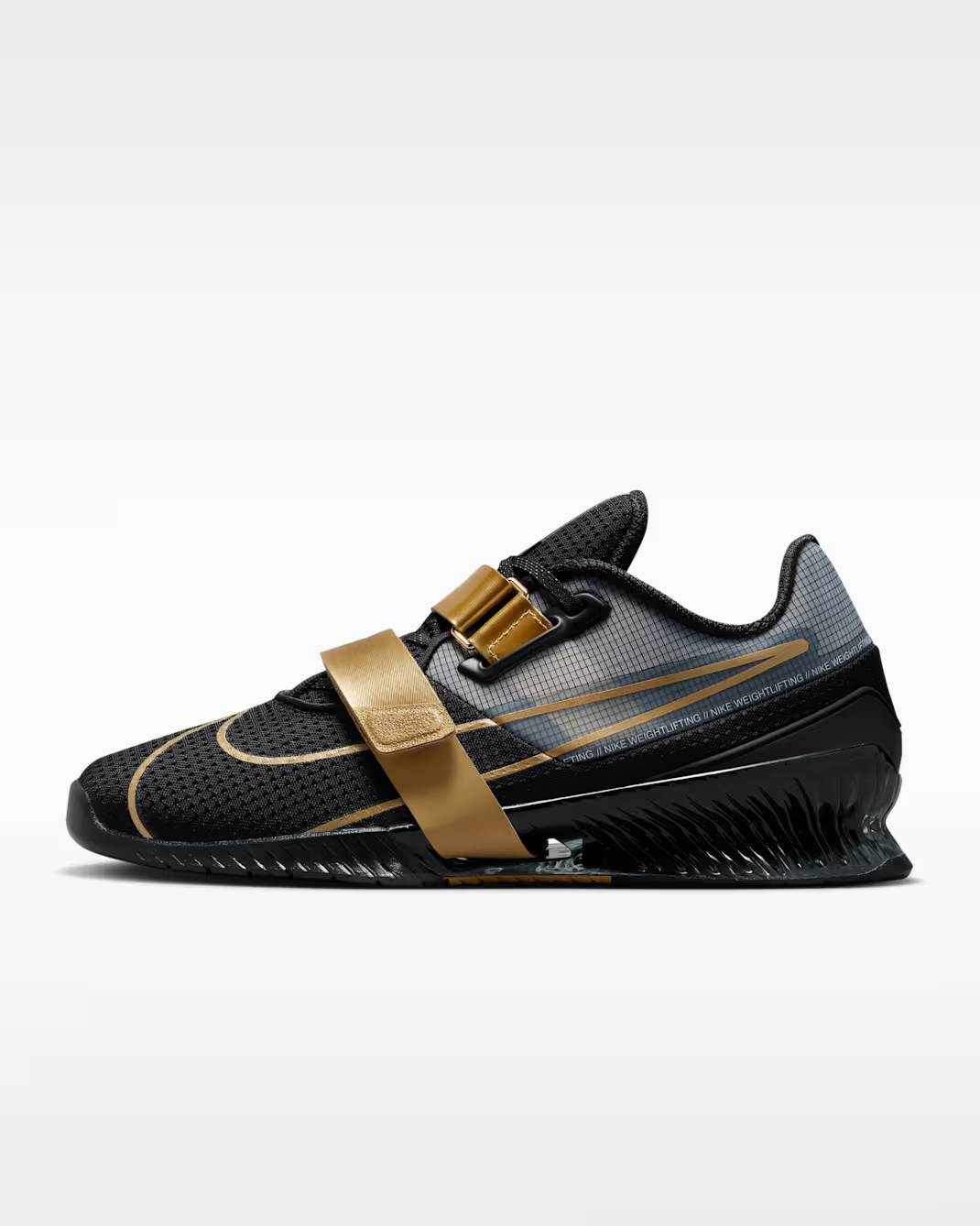
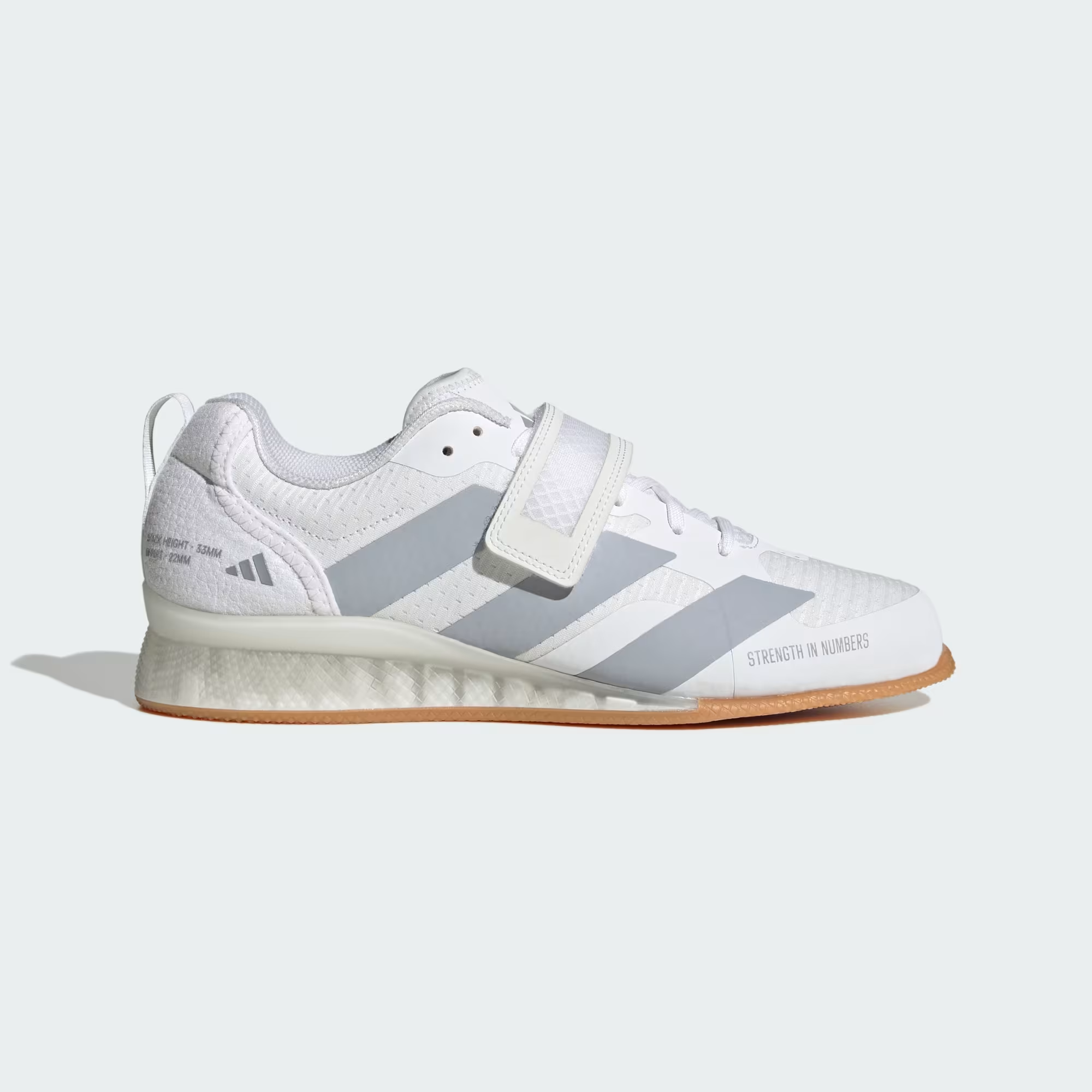
#4. Best Shoes for Heavy Squats and Olympic Lifts: Nike Romaleos 4 and adidas Adipower 2
Shop here
If heavy squats or Olympic lifts are a regular part of your routine, a dedicated weightlifting shoe can make a noticeable difference. The Nike Romaleos 4 is one outlet’s top pick for weightlifting shoes, while the adidas Adipower 2 was named the best Olympic lifting option in another ranking.
Shop here
Both models feature a firm, raised heel and a rigid base designed to provide stability during heavy lifts. A weightlifting shoe should fit snugly around the midfoot and heel without allowing your foot to slide. The fit should be secure, but not so tight that it creates pressure across your toes.
These shoes are purpose-built for lifting, not running or conditioning. If your training includes cardio, keep a separate pair of running or cross-training shoes for those sessions.
#5. Best Everyday Running Shoes: Hoka Clifton 11, Nike Pegasus 42, and Brooks Ghost 18 for Daily Miles
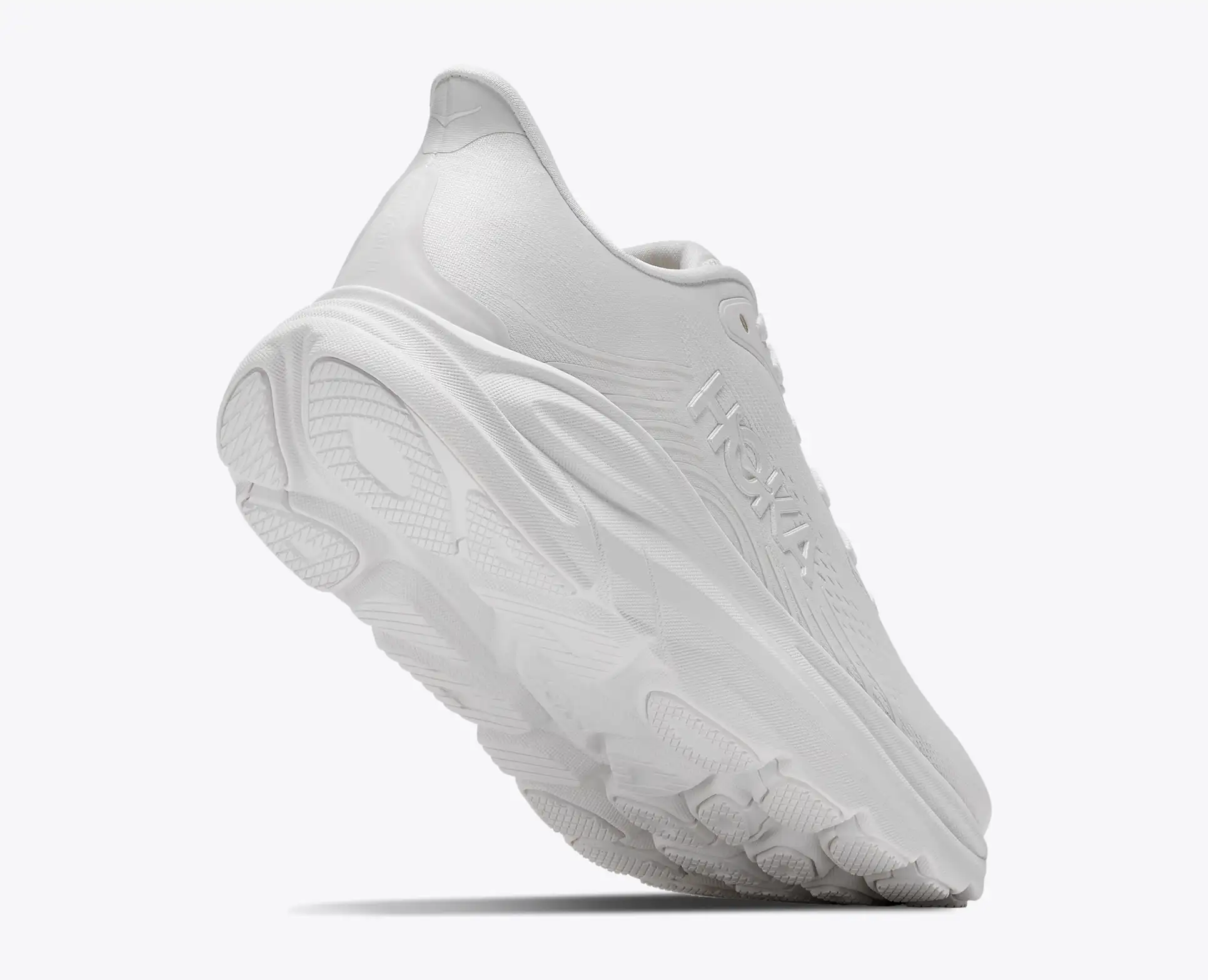
Daily trainers are the workhorses of a running wardrobe. They are designed to handle regular miles, whether you are training for a race or simply keeping up a consistent running routine. For most runners and walkers, the Hoka Clifton 11 is the top overall pick, while the Nike Pegasus 42 is recommended as the best everyday neutral trainer. The Brooks Ghost 18, a long-standing favorite in the neutral running category, received significant upgrades for 2026 and passed testers’ checks for impact absorption, comfort, and durability.
If fit is your priority, the Brooks Ghost is worth a closer look for its wider range of fit options. Try all three models in the afternoon, when your feet are naturally a little larger, and compare the space around your toes as well as the security of the heel.
Shop picks
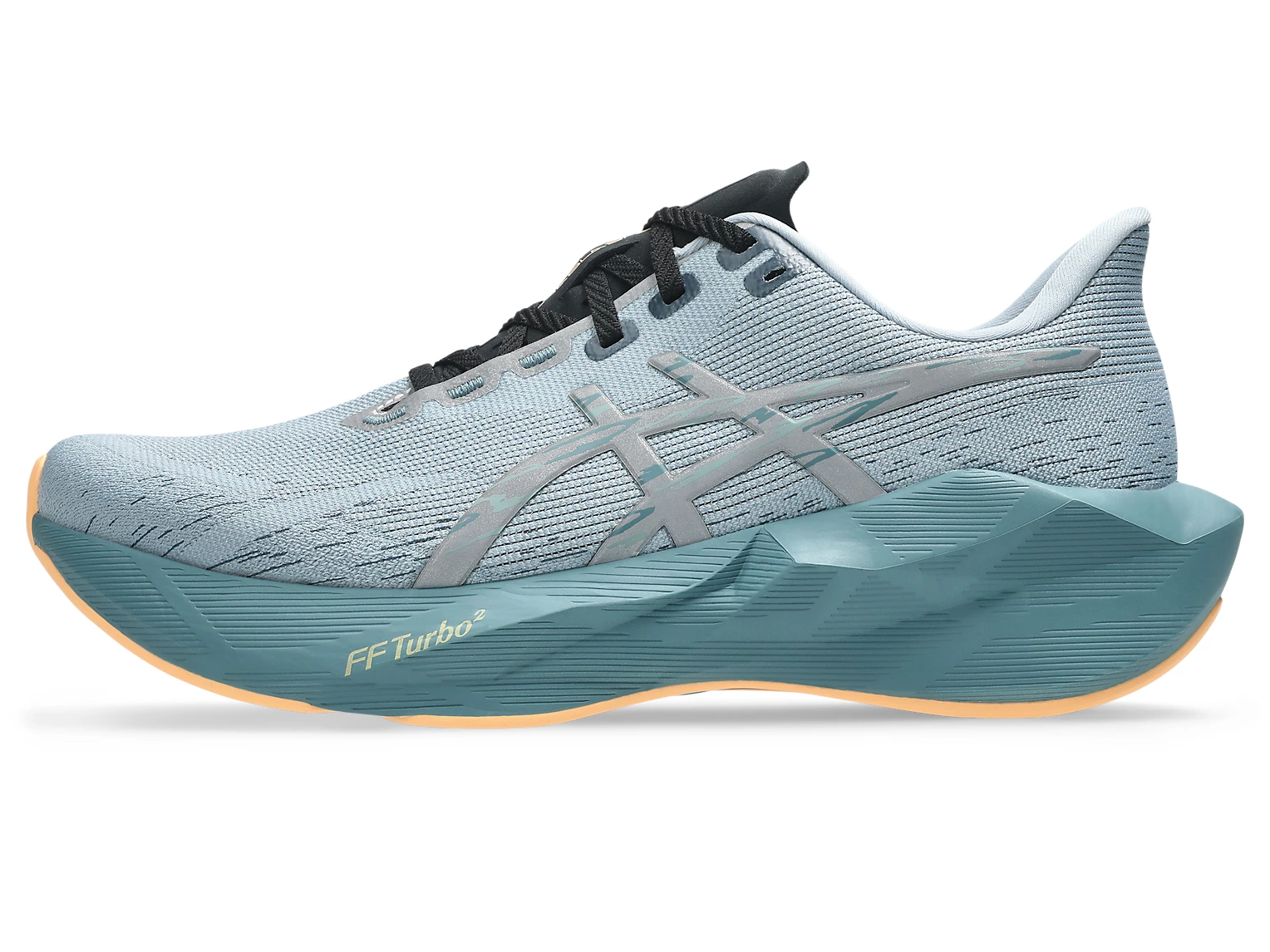
#6. Best Bouncy Trainer for Faster, Fun Runs: ASICS Novablast 6 for Energetic Everyday Training
Shop here
The ASICS Novablast became the most-tagged shoe on Strava in 2025, surpassing long-time favorites such as the Nike Pegasus and Hoka Clifton. The Novablast 6 sits somewhere between the plush feel of the Clifton and the firmer ride of the Pegasus, offering an energetic, responsive running experience at around $155.
The trade-off is stability. Its responsive foam delivers plenty of bounce, but it offers less support for runners who need additional stability or motion control. It is therefore better suited to those who enjoy a lively ride and prioritize responsiveness over corrective support.
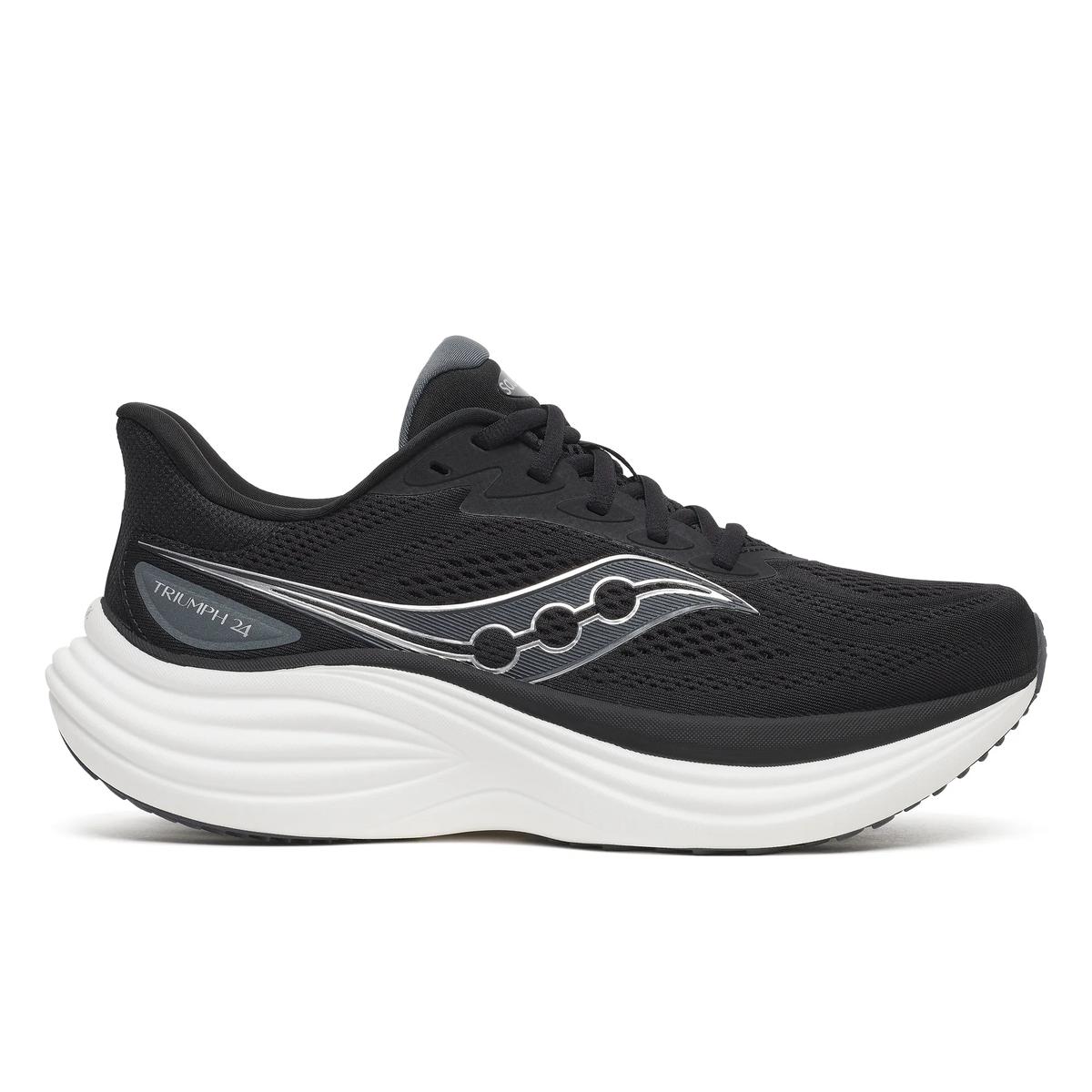
#7. Best Plush Shoes for Long Runs and Recovery Days: Saucony Triumph 24 and Brooks Ghost Max 4
Shop here
For long runs and recovery days, a softer, more cushioned shoe can help make extended time on your feet more comfortable. The Saucony Triumph 24 is recommended as the best plush long-run trainer, while the Brooks Ghost Max 4 is a strong option for runners who prefer maximum cushioning. Many runners also rotate a plush pair with a firmer daily trainer, giving themselves different options depending on the session.
Even highly cushioned shoes need to fit properly. The heel should remain secure, and the midfoot should hold your foot comfortably in place. This is particularly important in shoes with deep midsoles, where excessive movement inside the shoe can compromise stability.
How to Shop Smart and Know When It’s Time to Replace Your Workout Shoes
Shop in the afternoon, wear your usual workout socks, and try on both shoes. Walk around, jog gently, and do a few lunges in the store to see how the shoes respond to movement. Trust how they fit over the size printed on the box. Sizing can vary between brands and even between models from the same manufacturer.
Many retailers offer free returns, so take advantage of that option when available. If you order online, test the shoes at home on a clean floor before wearing them outdoors. That gives you a chance to check the fit without compromising the return policy.
It is equally important to know when your workout shoes have reached the end of their useful life. Most running shoes retain their cushioning for approximately 300 to 500 miles, although this varies with your weight, running style, training surface, and the shoe itself. For lifting and cross-training shoes, pay attention to the outsole and midsole. Replace them when the tread becomes noticeably worn, the sole loses its shape, or the base no longer feels even and supportive.
The goal is not to own every model on this list. It is to choose the right shoe for the way you train, get the fit right, and replace it before wear compromises its performance. Your workout shoes should support the work you put in—not become another thing you have to work around.
Featured image: Ketut Subiyanto/Pexels
GANNI and Lululemon Debut 1980s Dance-Inspired Activewear Collection