

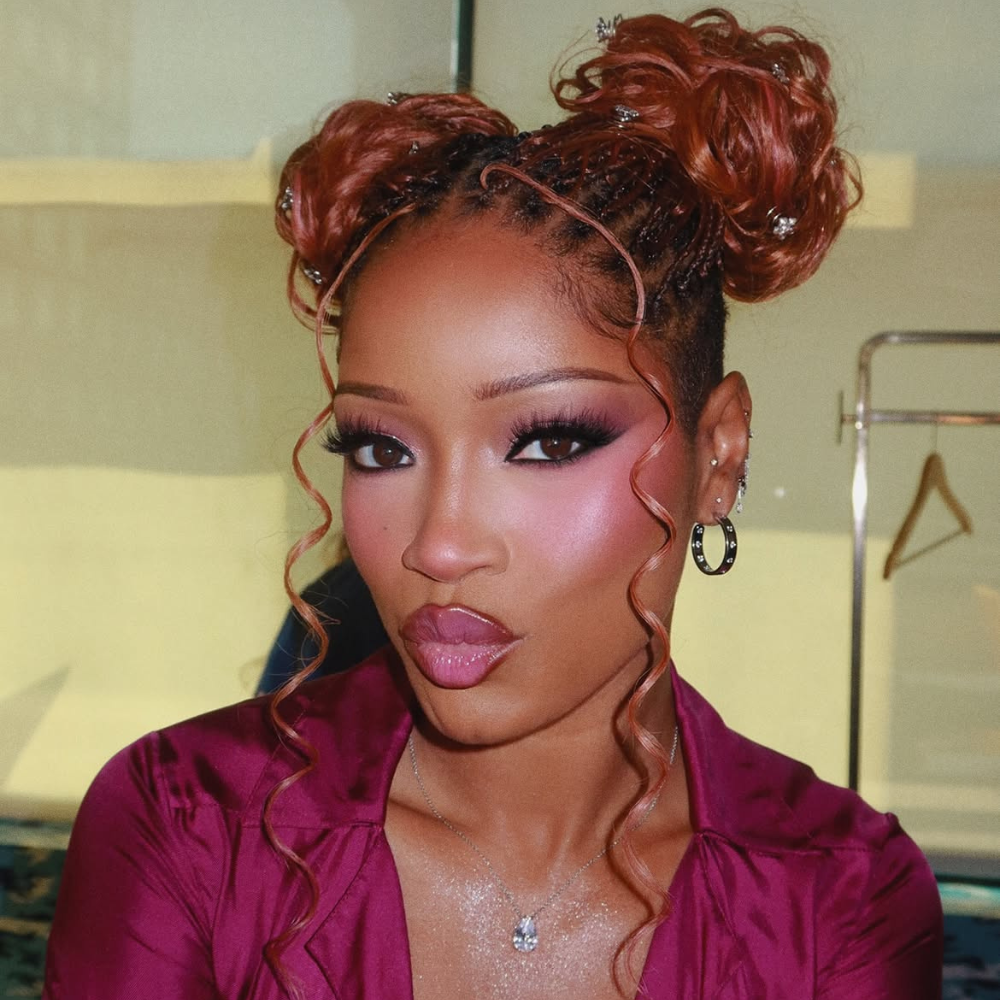

Protective hairstyles have long been a staple for women with natural hair, offering a practical way to tuck away your strands while giving you more freedom with your everyday look. From knotless braids and flat twists to faux locs and wigs, protective hairstyles can be as understated or statement-making as you want them to be. The best ones do more than transform your appearance; they can also help reduce daily manipulation, heat exposure, and the constant styling that can put stress on your hair.
The trick is choosing a style that looks beautiful without putting unnecessary stress on your hair. A protective hairstyle should be comfortable at the scalp, leave your edges intact, and still allow you to care for your natural hair underneath. After all, there is nothing chic about taking down a gorgeous hairstyle only to find that your strands are struggling underneath.
Whether you want something low-maintenance for everyday wear or a statement look that can carry you for weeks, these six protective hairstyles offer plenty of inspiration. Here are the chic options worth adding to your rotation.
Check out 6 chic protective hairstyles that help keep hair healthy…
#1. Knotless Braids
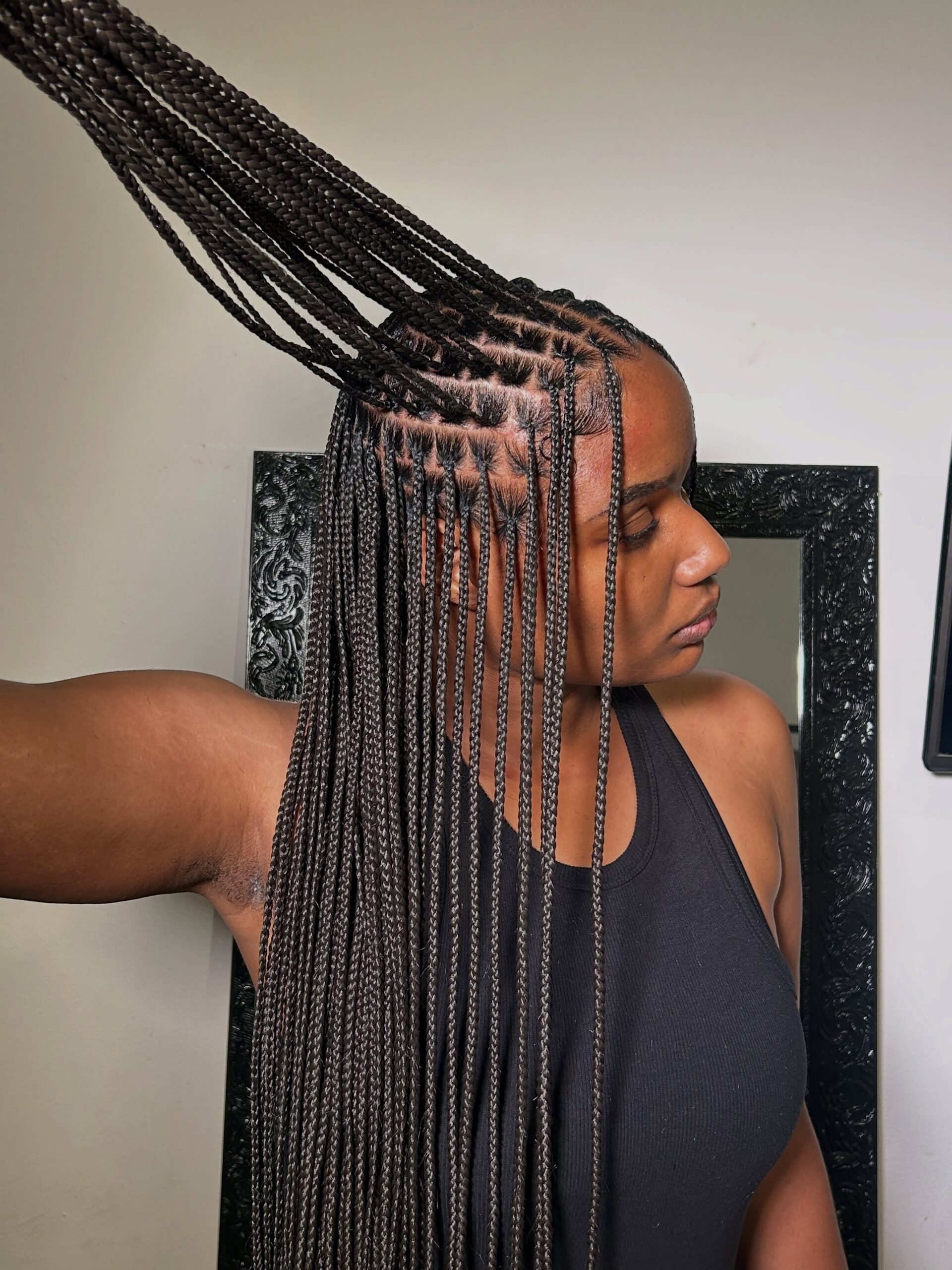
Knotless braids have become a favorite for naturalistas who want the versatility of box braids without the bulky knots traditionally created at the roots. Instead of starting with a knot around your natural hair, the stylist braids your own hair first, then gradually feeds in extension hair.
That technique creates a flatter, more natural-looking finish at the scalp and can reduce some of the tension associated with traditional box braids. The style also gives you plenty of room to play. Wear your braids loose and flowing, pull them into a high ponytail, create a large bun, or experiment with half-up styles. You can also choose different lengths, colors, and braid sizes depending on how dramatic you want the final result to be.
For the most hair-friendly outcome, avoid making the braids excessively tight or heavy. Even knotless braids can cause tension if you add too much extension hair or pull the installation tightly around the hairline.
#2. Flat Twists
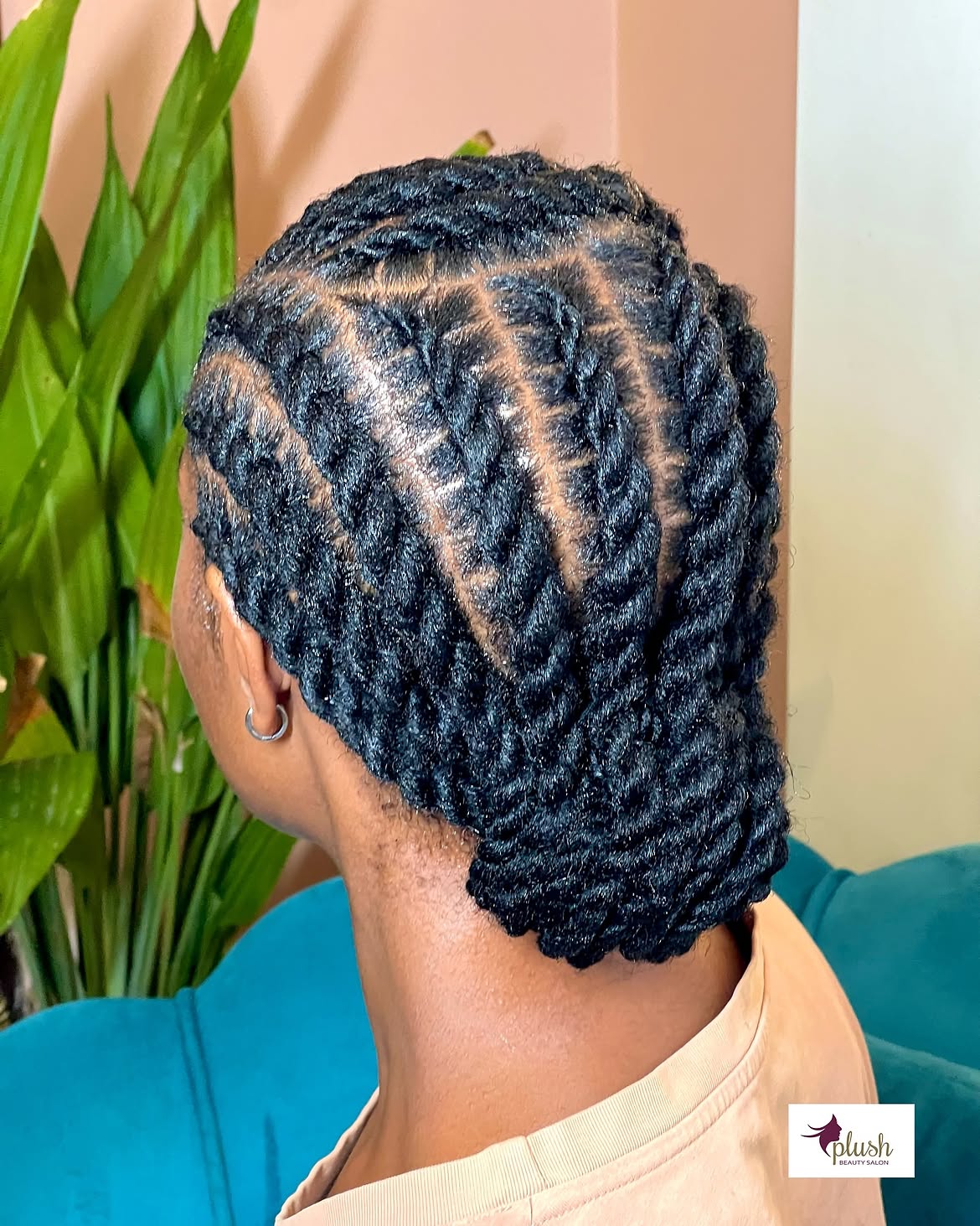
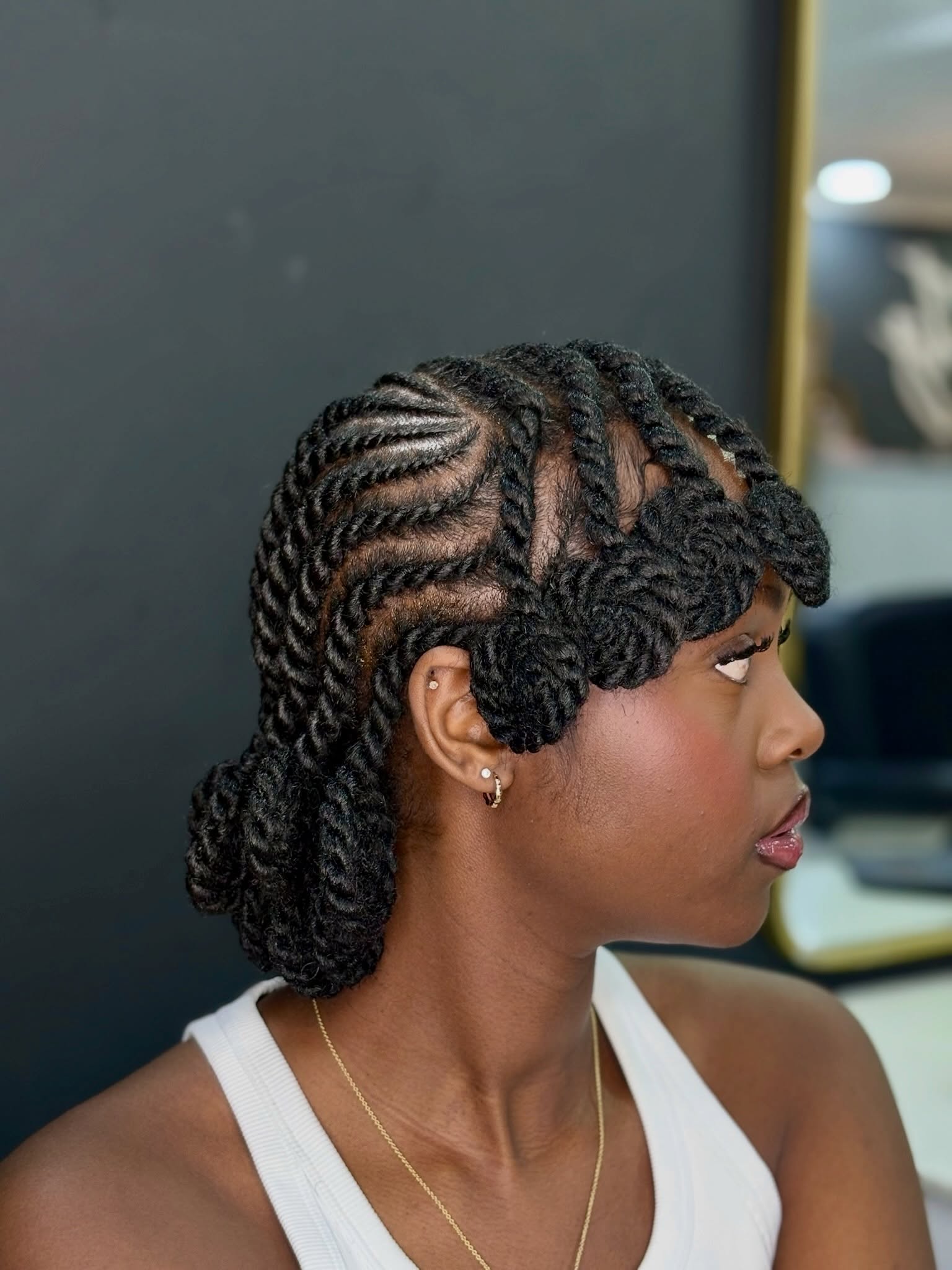
Flat twists and cornrows prove you don’t need extensions to create a chic protective hairstyle. This natural-hair technique involves twisting two strands together while keeping them close to the scalp, creating a neat, sculpted finish. They are especially useful when you want something quick to install and easy to refresh. You can wear flat twists on their own or use them as the foundation for a twist-out, giving you two hairstyles from one installation.
There is also plenty of room for creativity. You can create straight-back sections, curved patterns, or combine the twists with a puff or bun. For shorter natural hair, they can be a practical way to keep your strands organized while minimizing daily manipulation.
Flat twists and cornrows can also be a good option when you want to experiment with your natural texture without committing to extensions. The finished look can be understated or intricate depending on the parting pattern, making this one of the more adaptable options on the list.
#3. Ghana Braids
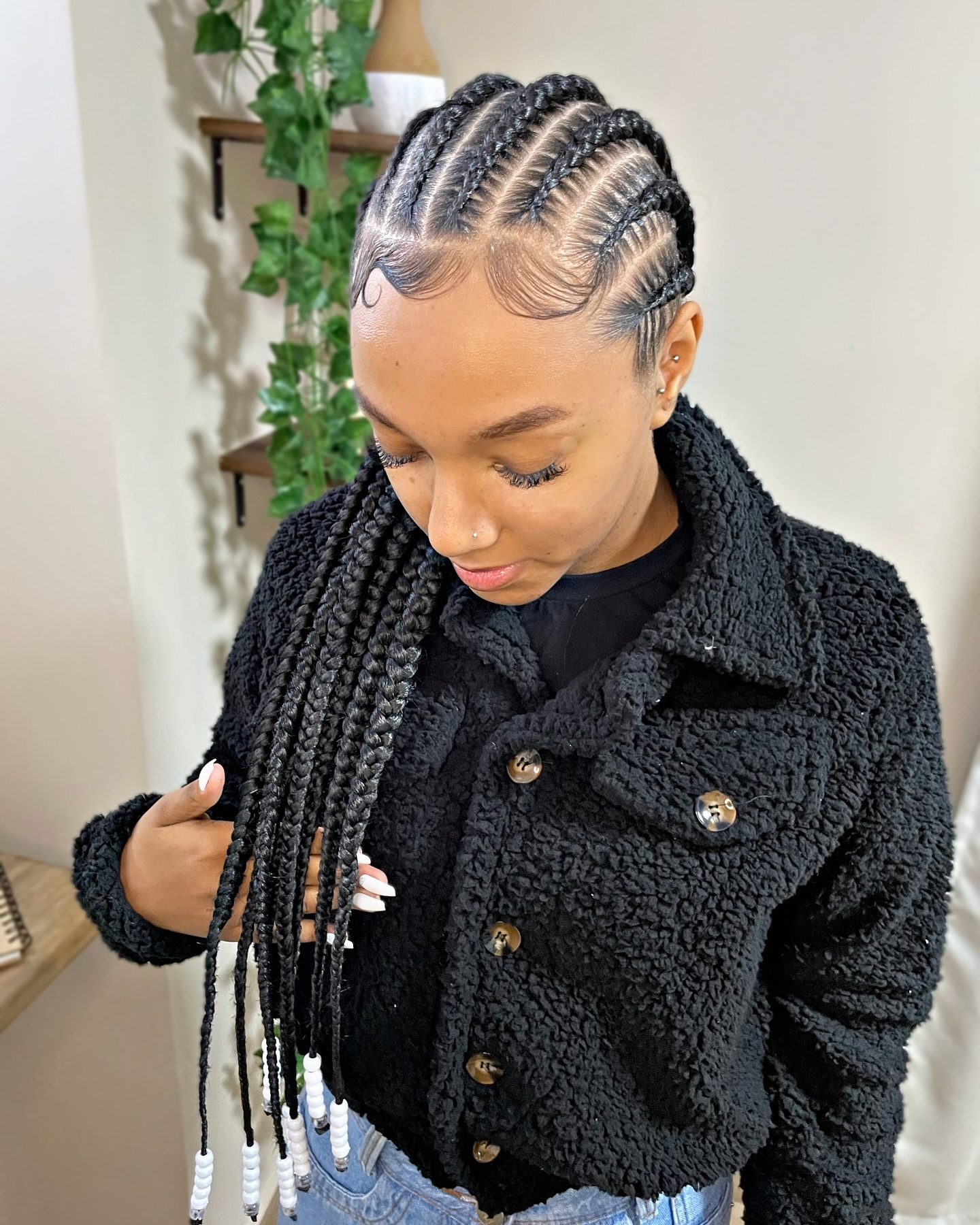
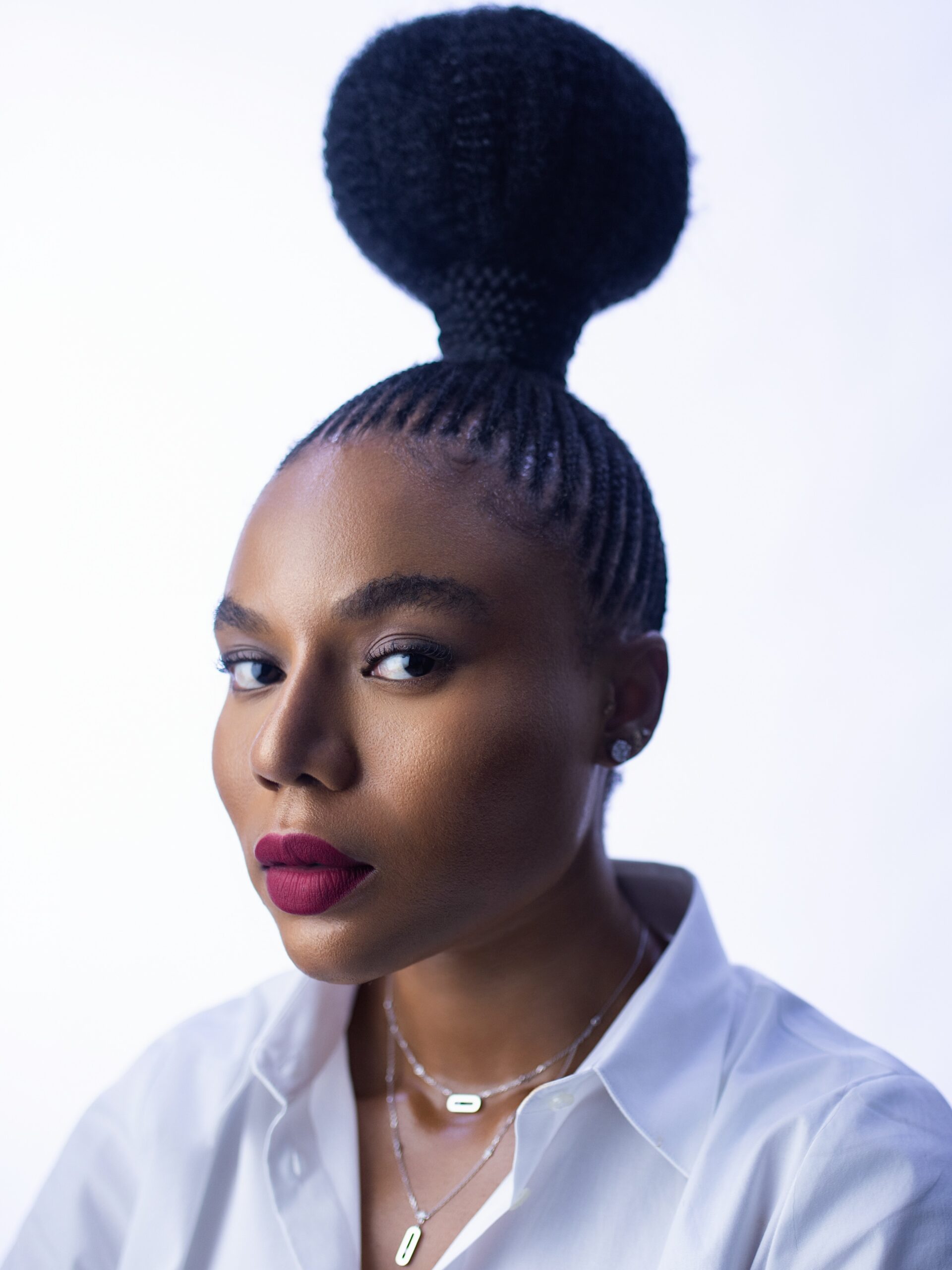
If you want your protective hairstyle to make a statement, Ghana braids bring the drama. This cornrow style plays with thickness, typically starting with slimmer braids toward the front before gradually becoming larger toward the back.
The result is bold, artistic, and beautifully structured. It can make a simple outfit look instantly more polished, which is part of the reason Ghana braids remain such a striking choice for natural hair. You can keep the pattern relatively simple for an everyday look or work with your stylist to create more elaborate designs. The beauty is in the contrast between the smaller sections at the front and the fuller braids toward the back.
As always, make sure the braids are not installed too tightly. Cornrow styles can put pressure on the hairline when too much tension is used, so comfort should always come first. A beautiful pattern is not worth sacrificing the health of your edges.
#4. Mini Twists
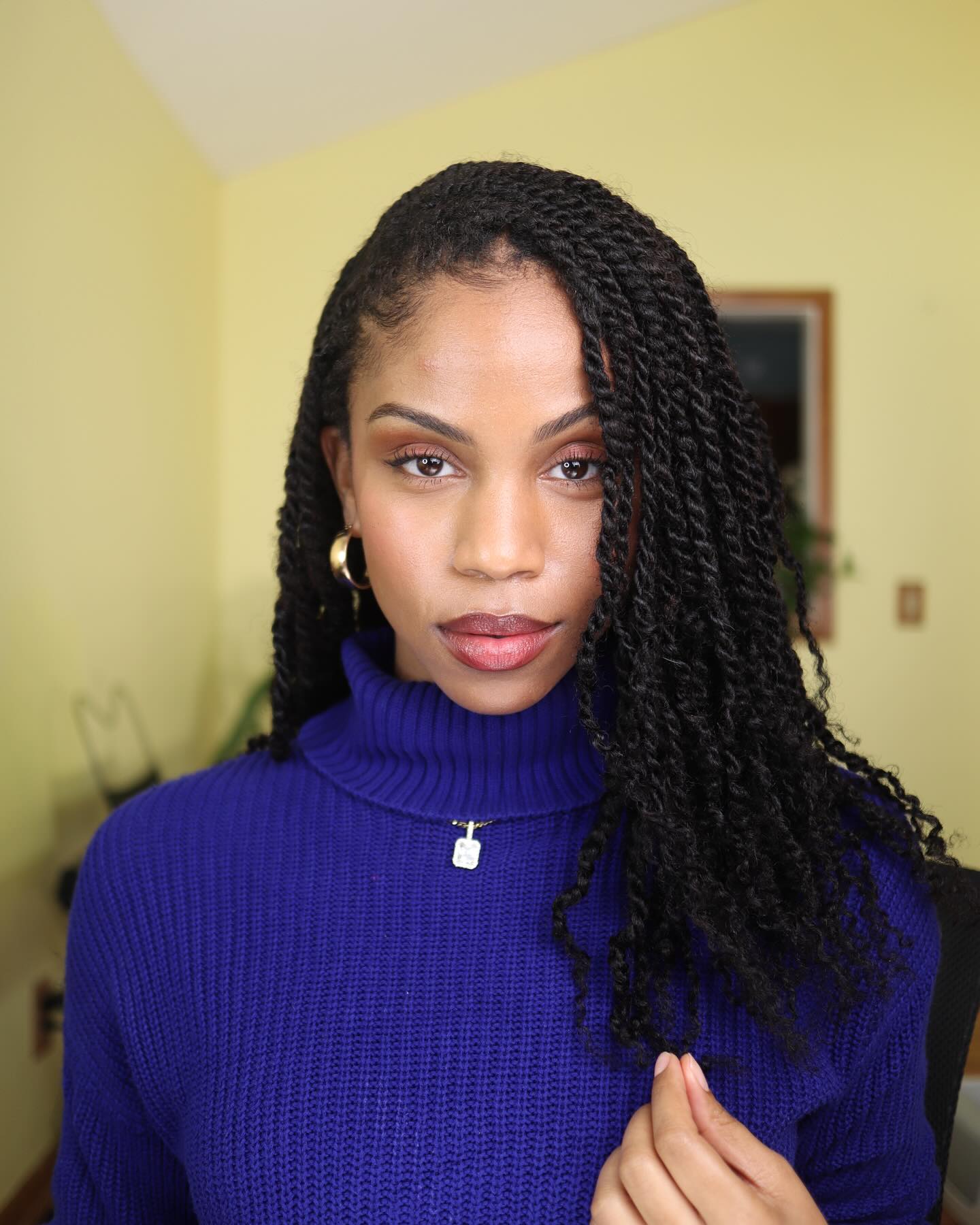
Mini twists are one of the easiest ways to protect natural hair without reaching for extensions. Created with small two-strand twists using your own hair, they can last for weeks with proper care and can be styled in several different ways.
Leave them loose for a simple everyday look, pull them into an updo when you want something more polished, or create a half-up style when you want to show off some length. They can also make your morning routine considerably easier because your hair is already sectioned and styled.
Another benefit is that mini twists give you a break from constant detangling and manipulation. Instead of combing, brushing, and restyling your hair every day, you can maintain the twists and focus on keeping your natural hair moisturized. Installation can take time, especially if you have a lot of hair, but the styling flexibility makes the effort worthwhile.
#5. Loc Bob

The loc bob brings the timeless appeal of locs into a shorter, more fashion-forward shape. This shoulder-length take on faux locs gives you plenty of texture and dimension without the weight and commitment that can come with extremely long loc styles.
The shorter length is also incredibly easy to style. Wear it down with a middle or side part, tuck one side behind your ear, or pull a few pieces back for a relaxed half-up look. It has enough structure to look polished while still retaining the effortless quality that makes loc-inspired styles so appealing.
A bob also offers a nice balance for anyone who loves the look of long locs but doesn’t want several feet of extension hair hanging from the scalp. The shorter silhouette can also make the style easier to incorporate into everyday outfits, from casual denim to more dressed-up looks.
#6. Lace Front Wigs
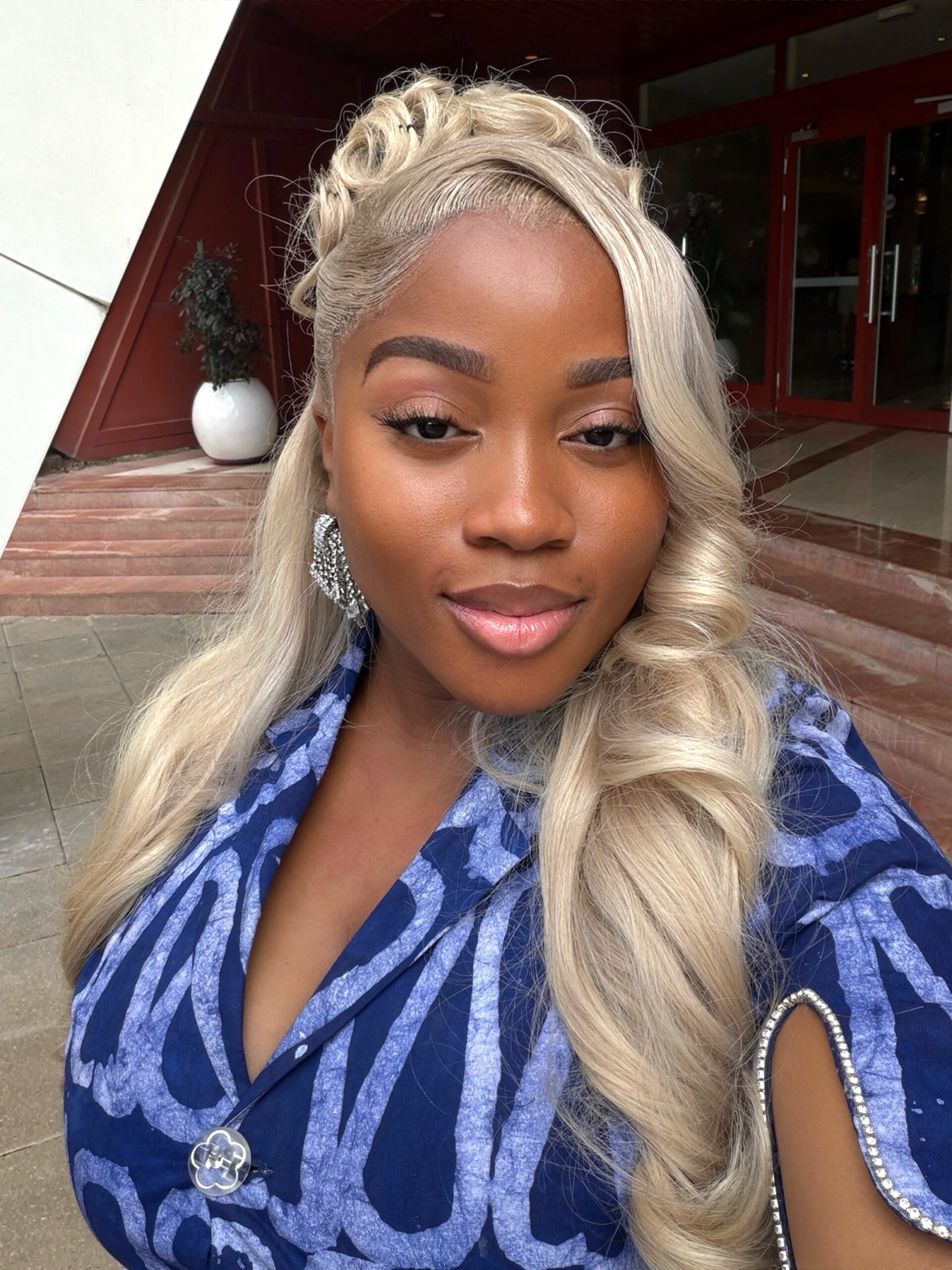
Lace front wigs deserve a place on this list because they can give you almost unlimited styling freedom while keeping your natural hair tucked away. Want a sleek bob one week and long waves the next? A wig lets you make that switch without manipulating your natural hair into a completely new style each time.
The key, however, is remembering that a wig is only protective if you properly care for the hair underneath. Before installation, make sure your natural hair is clean, moisturized, and comfortably secured underneath. Avoid braiding the hair too tightly, particularly around the edges.
If you use adhesive, take extra care when removing it. Pulling aggressively at the lace or dried adhesive can place unnecessary stress on the hairline. A glueless wig can be another option if you prefer to avoid adhesive altogether.
Don’t forget your scalp, either. Wearing a wig for an extended period without proper cleansing and moisture can leave your scalp uncomfortable and your natural hair neglected. Taking time to maintain what is underneath the wig is just as important as styling the hair you see.
Shop editor’s picks
How to Keep Protective Styles Actually Protective
A beautiful hairstyle is not automatically a protective hairstyle. Installation, maintenance, and takedown all matter.
- Start with a healthy foundation. Before installing your style, begin with clean, conditioned, and moisturized hair. Make sure your strands are in good enough condition to handle the style, especially if you’re adding extensions.
- Watch for tension from the start. If you experience headaches, scalp soreness, bumps, or noticeable pulling around your edges, the style is too tight. Loosening or removing it is better than pushing through the discomfort.
- Keep caring for your hair while it’s styled. Continue paying attention to your natural hair and scalp throughout the life of the hairstyle. Use lightweight products when necessary and avoid piling on heavy oils and creams that can create buildup.
- Be gentle at takedown. Finally, take your time when removing the style. Rushing through braids, twists, or extensions can cause unnecessary shedding and breakage, particularly when the hair has been tucked away for several weeks.
Healthy Hair Is Always in Style
Protective styling should make your life easier, not create another problem for your hair to recover from. Knotless braids, flat twists, Ghana braids, mini twists, loc bobs, and lace front wigs all offer beautiful ways to switch up your look while reducing daily manipulation.
The most important thing is to choose a hairstyle that works with your hair, not against it. Keep tension low, give your scalp some attention, and make sure your natural hair gets the care it needs underneath. The best protective style is not just the one that looks gorgeous when you leave the salon. It’s the one you can take down and still love the hair underneath.
Featured image: @basedkenken/Instagram