

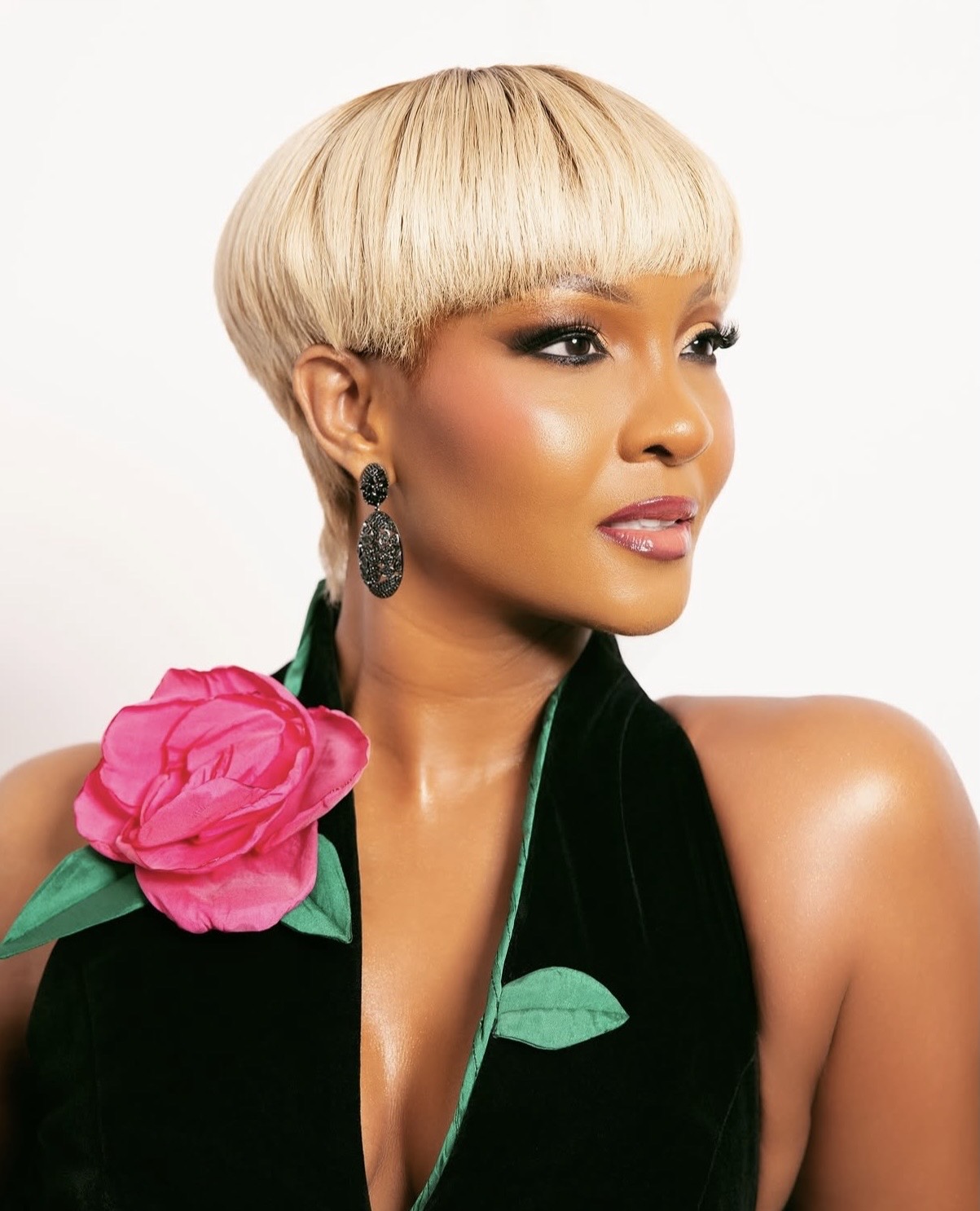

A brighter blonde, lighter highlights, or a bold platinum finish can make an old hairstyle seem completely new, but the salon appointment is only the beginning. Once the bleach has done its job, the real work lies in keeping those newly lightened strands strong enough to handle everyday washing, styling, and exposure. Learning how to take care of bleached hair starts with recognizing that color and hair health now need to work together, rather than treating aftercare as an optional extra.
Bleaching works by lifting pigment from inside the hair, and that process can also affect the hair’s protective outer layer. The strands may become more porous, lose moisture faster, and become more vulnerable to friction and heat. That does not mean bleached hair has to become dry, brittle, or impossible to manage. With an intentional routine, you can maintain the color while giving your hair the support it needs to stay soft, flexible, and easier to style.
What Bleaching Actually Does to Your Hair
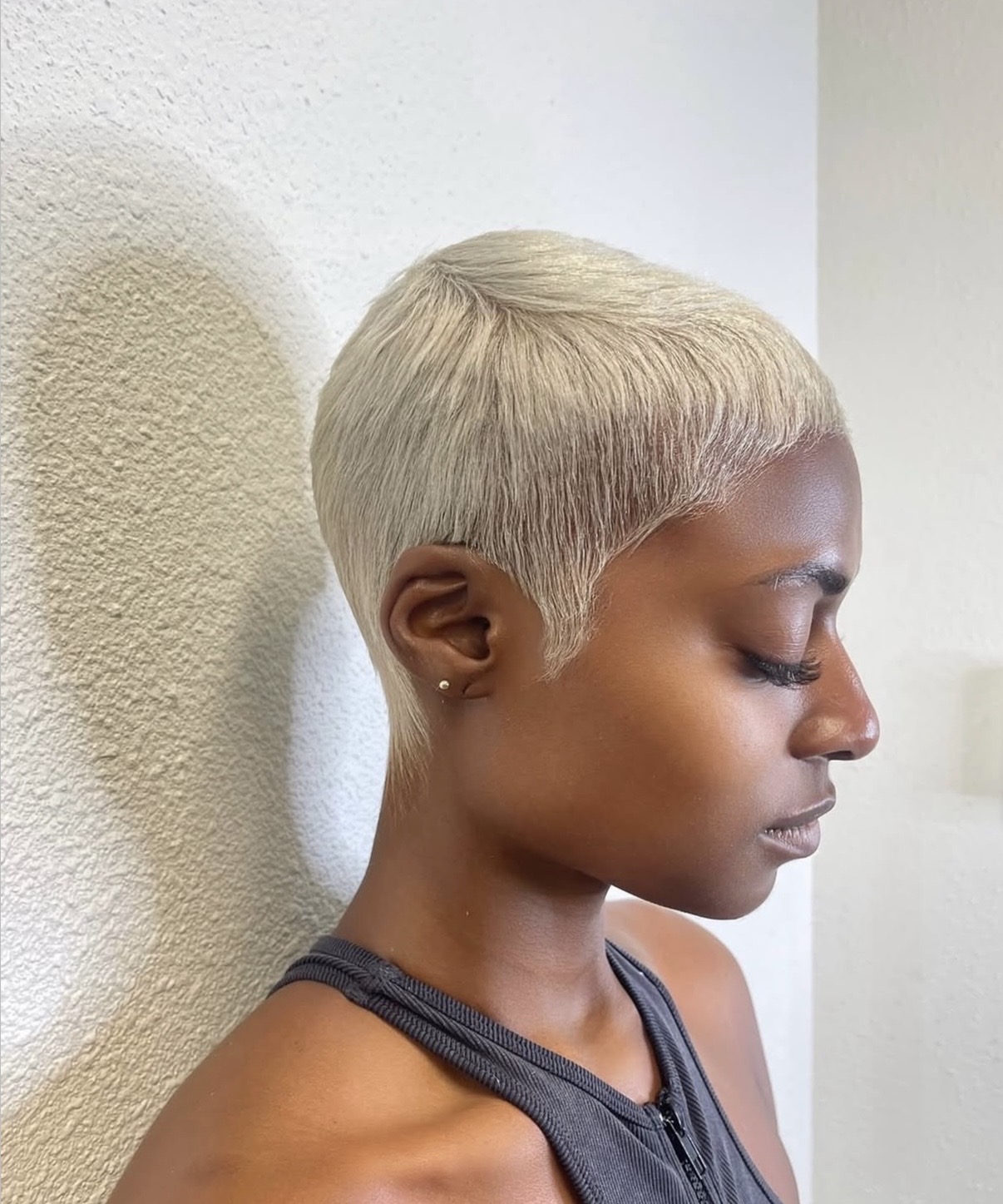
Bleach does not simply sit on the surface of the hair. It works its way into the fiber and breaks down natural melanin so the hair can become lighter. During this process, some of the hair’s protective qualities can also be affected, which is why newly bleached strands often behave differently from untreated hair.
Porosity is an important part of the picture. Hair that has become more porous can take in water and products quickly, yet it can also lose moisture quickly. That is why your hair may seem softer after conditioning but become dry again a day or two later. Understanding this makes the rest of your routine much easier because the goal is not to overload the hair with products, but to reduce unnecessary stress and help it retain moisture.
So, how do you take care of your bleached hair?
#1. Wash Your Hair Gently and Less Often
One of the simplest ways to protect bleached hair is to avoid washing it more frequently than necessary. If your scalp allows it, washing a few times a week rather than every day can reduce repeated exposure to water, cleansing agents, and friction.
Choose a gentle, color-safe shampoo and concentrate it mainly on the scalp rather than aggressively scrubbing the lengths. Let the lather travel through the rest of the hair as you rinse. Lukewarm water is also preferable to very hot water, which can leave already-dry strands feeling even more parched.
If you use a lot of styling products, a clarifying shampoo can occasionally remove buildup, but it should not automatically become your regular shampoo. Bleached hair generally benefits from a gentler approach, particularly when it comes to avoiding dryness and breakage.
Shop editor’s edit
#2. Make Deep Conditioning Part of Your Routine
Conditioning should be a regular part of wash day, while a deeper treatment can give bleached hair additional support. Apply conditioner mainly through the mid-lengths and ends, where the hair is usually oldest and most exposed to damage.
Once a week, consider using a rich deep-conditioning mask. You can also alternate between moisture-focused treatments and products designed to support weakened strands. This balance matters because constantly adding strengthening treatments is not necessarily better. Hair can become stiff and difficult to manage when it receives too much protein without enough moisture.
For bleached hair, softness, flexibility, and strength need to exist together, so build your routine around what your strands are actually showing you.
Shop editor’s choice
#3. Treat Heat Styling as an Occasional Extra
Heat styling can make freshly lightened hair look beautiful, but repeated exposure to high temperatures can add another layer of stress. Flat irons, curling wands, and very hot blow-dryers can all contribute to dryness and breakage, especially when the hair has already been chemically processed.
When you do use heat, apply a proper heat protectant first and keep the temperature as moderate as practical. Give your hair regular breaks from heated styling too, particularly if you notice increased snapping or roughness.
Air-drying can also help reduce the amount of heat your hair encounters during the week, although leaving wet hair tangled or tightly tied for long periods is not ideal either. A gentle towel blot followed by careful detangling gives the strands a better start.
Shop editor’s selection
#4. Use Hair Oils for Softness, Not Repair
Oils can be useful for bleached hair, particularly on dry ends. Lightweight options such as argan oil or jojoba oil can help reduce friction and make the hair easier to manage. A small amount applied to the ends can also give the hair a softer appearance.
Still, oil cannot reverse chemical damage or restore a bleached strand to its original state. Its role is mainly to improve manageability and help reduce dryness and friction. Start with a small amount, especially if your hair is fine, and add more only when necessary.
Shop editor’s selection
#5. Be Careful with Toner and Further Bleaching
Toner and bleach serve different purposes. Toner adjusts unwanted warmth or changes the visible tone of lightened hair, while bleach removes more pigment. That distinction matters when maintaining blonde or lighter color.
Repeatedly applying bleach over hair that has already been lightened can create unnecessary damage. When your roots grow out, a professional colorist should normally focus the lightening process on the new growth rather than repeatedly processing the already-lightened lengths.
If your goal is a cooler blonde, ask about gentler ways to refresh the tone before reaching for another round of bleach. Learning how to take care of bleached hair also means knowing when your color needs refreshing and when your hair needs a break.
What Not to Do After Bleaching Your Hair
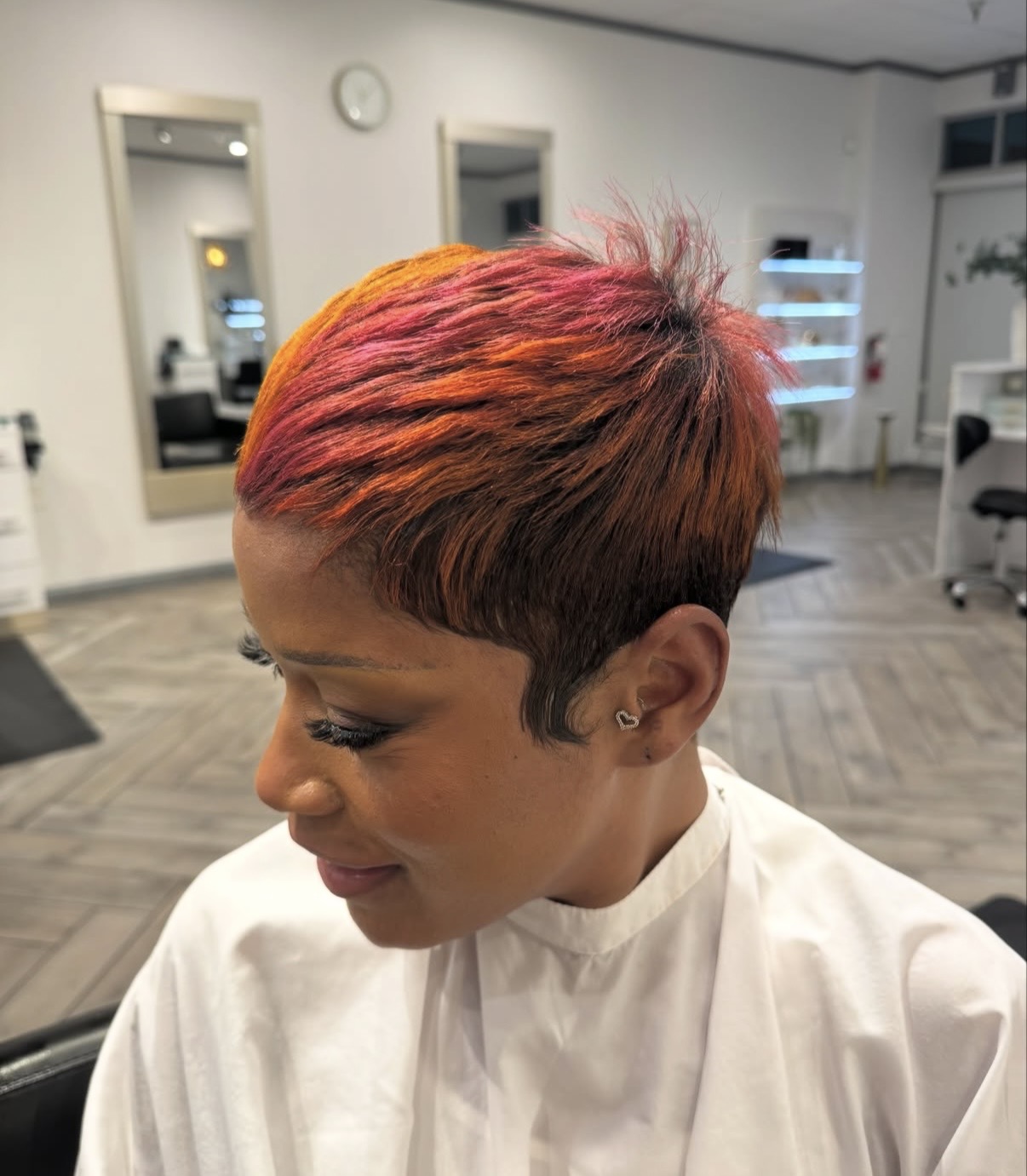
A few habits can make a noticeable difference in how your hair holds up.
- Avoid brushing aggressively, particularly when the hair is wet.
- Do not repeatedly straighten or curl the same sections.
- Avoid very tight hairstyles that pull on fragile strands.
- Do not bleach the lengths again simply to make the color brighter.
- Protect your hair before swimming, especially in chlorinated water.
- Avoid going to bed with soaking-wet hair.
- Do not ignore persistent breakage simply because the color still looks good.
The most important rule is simple: if your hair is becoming increasingly fragile, adding another chemical service is usually not the answer.
Can Bleached Hair Go Back to Normal?
Bleached hair cannot return to its original untreated state because the chemical process has already altered the hair fiber. However, that does not mean your hair is permanently doomed to look damaged.
New hair grows from the follicle in its natural state, while the previously bleached lengths remain lightened. Over time, regular trims can remove the processed sections as new growth becomes longer. With good care, you can also keep the existing bleached hair looking healthy enough to enjoy until you are ready for a major color change.
How Long Does Bleached Hair Last?
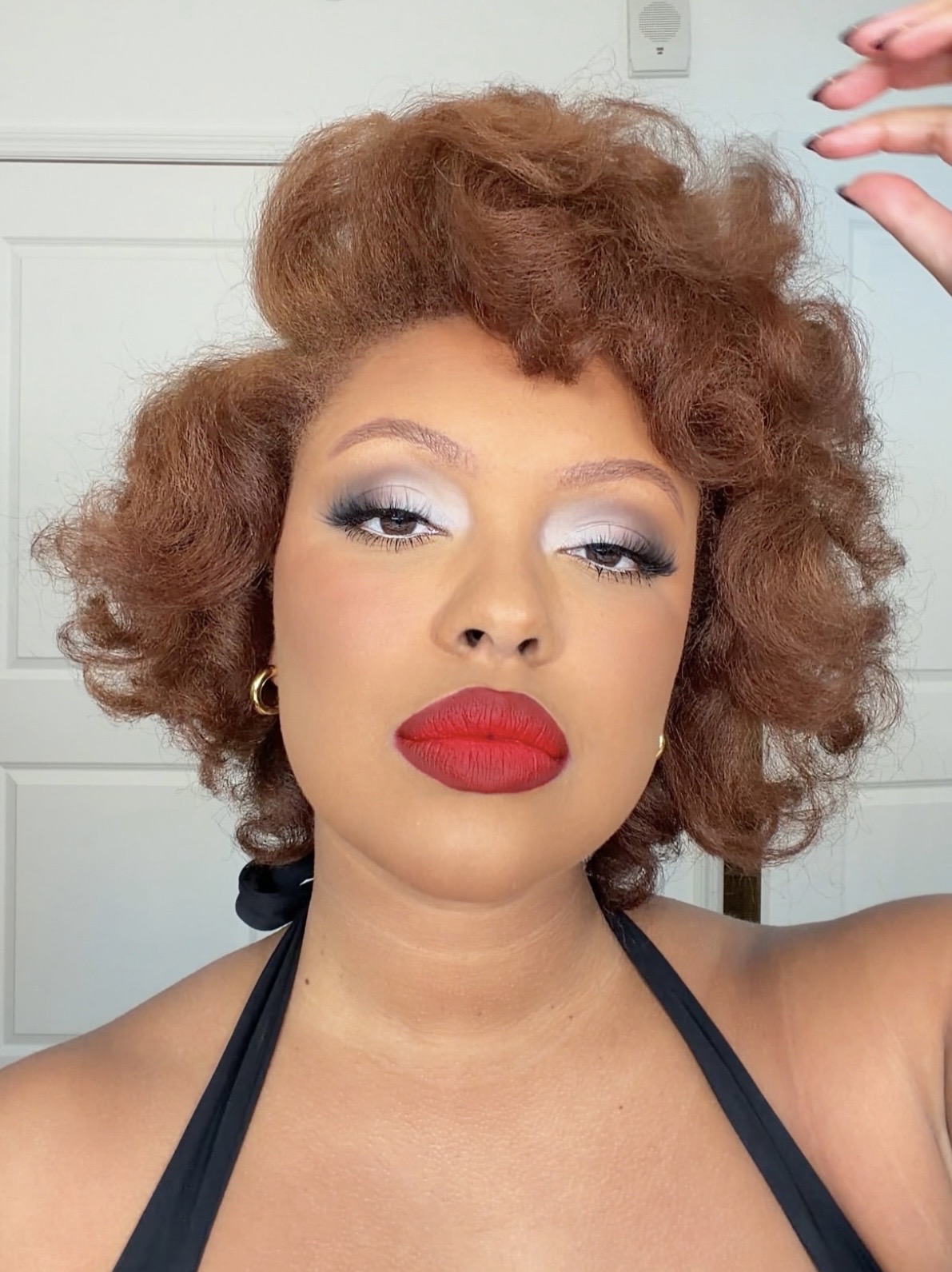
The lightened color itself can remain until the hair grows out or is colored again, but the tone can change much sooner. Blonde shades may become warmer, brassier, or duller as toner fades and the hair encounters washing, heat, sunlight, and environmental exposure.
That is why maintaining bleached hair involves two separate tasks: preserving the condition of the strands and refreshing the color when needed. These goals overlap, but they are not identical.
Can Bleached Hair Still Grow?
Yes. Bleaching affects the hair shaft, not the follicle responsible for producing new hair. The bigger challenge is length retention because fragile strands may snap at the ends before you notice much visible growth.
If your hair seems stuck at the same length after bleaching, look closely at breakage before assuming that it has stopped growing. Reducing friction, limiting excessive heat, and keeping the ends conditioned can help you retain more of the length you are already growing.
Know When Your Hair Needs a Break
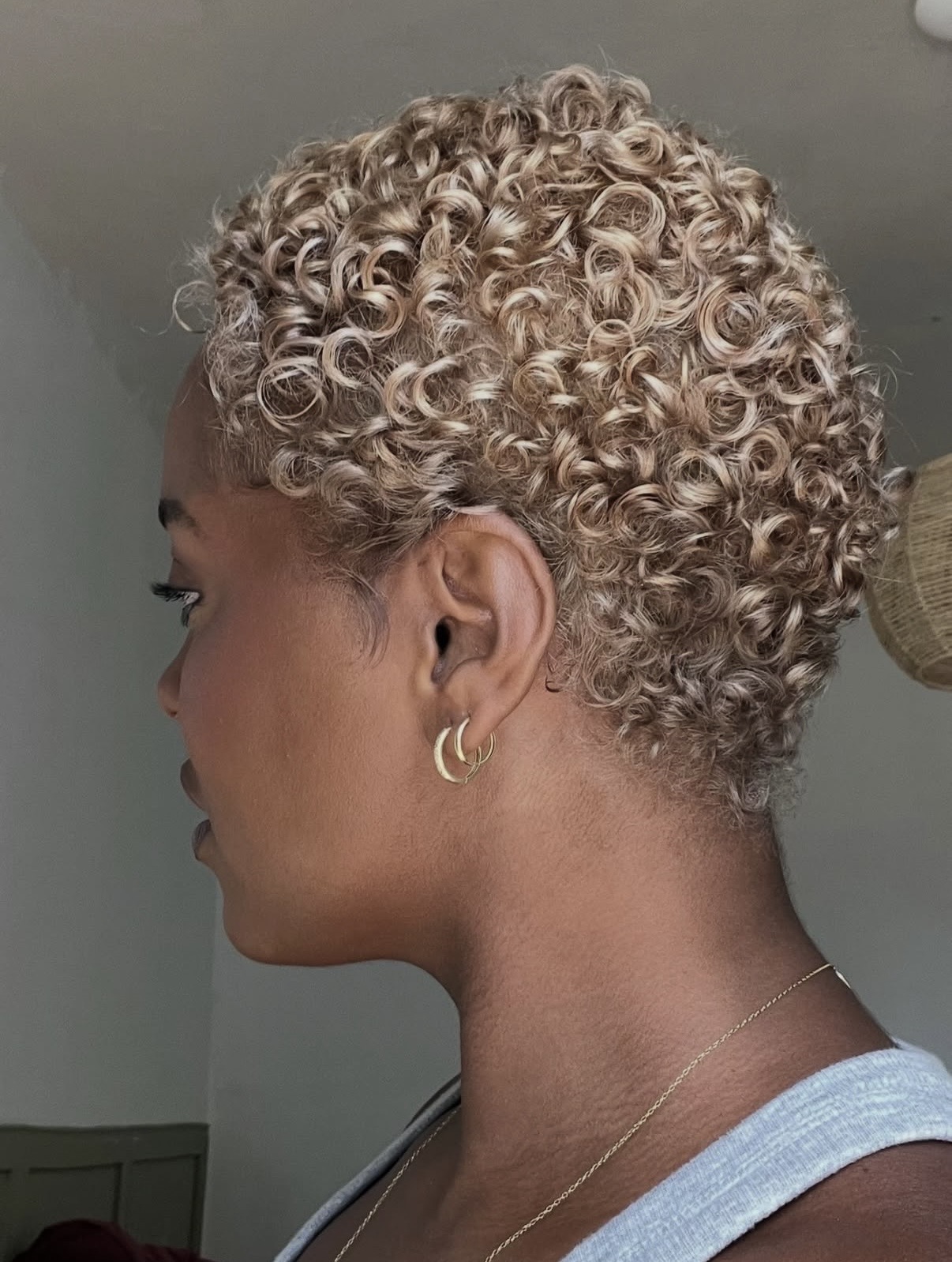
Some signs deserve immediate attention, particularly if they appear after several rounds of lightening. Excessive snapping, severe tangling, rough ends, and strands that become unusually stretchy or gummy when wet can all suggest significant weakening.
Learning how to tell when hair is done bleaching is therefore important. A colorist should assess the condition of the hair before deciding to lighten it further, since achieving a particular shade is never worth pushing fragile hair beyond its limits.
A Simple Weekly Routine for Bleached Hair
A manageable routine can look like this:
- Wash day: Use a gentle shampoo, follow with conditioner, then apply a leave-in product and heat protectant if you plan to style with heat.
- Once a week: Use a deep-conditioning treatment and assess how your hair is responding before adding another strengthening treatment.
- Between washes: Refresh the ends with a lightweight leave-in or a small amount of oil if they become dry.
- Every few weeks: Check for buildup, fading, breakage, and split ends so you can decide what your hair actually needs instead of adding products at random.
The Bottom Line
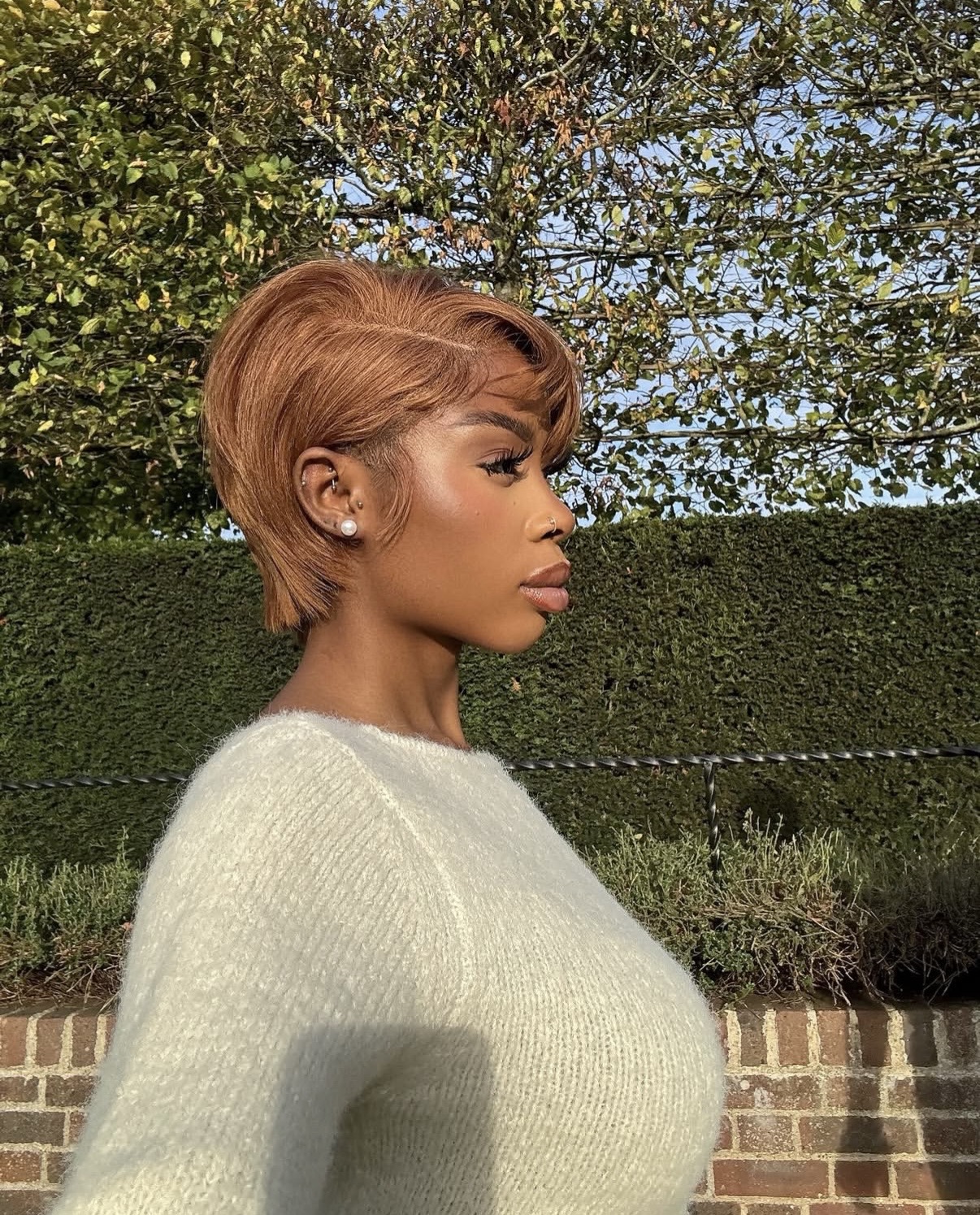
Beautiful bleached hair is maintained through consistency, not an endless cycle of treatments. The healthiest approach is to wash gently, condition generously, reduce unnecessary heat, and give your hair enough time between chemical services to recover from daily styling.
Once you know how to take care of your hair in its bleached state, you can enjoy lighter color without treating every sign of dryness as a reason to reach for another product. The best routine is the one that keeps your strands strong enough to carry the color, style, and length you want for as long as possible.
Featured image: @photogirlnaija/Instagram
Best Clarifying Shampoos That Remove Buildup Without Drying Your Curls