

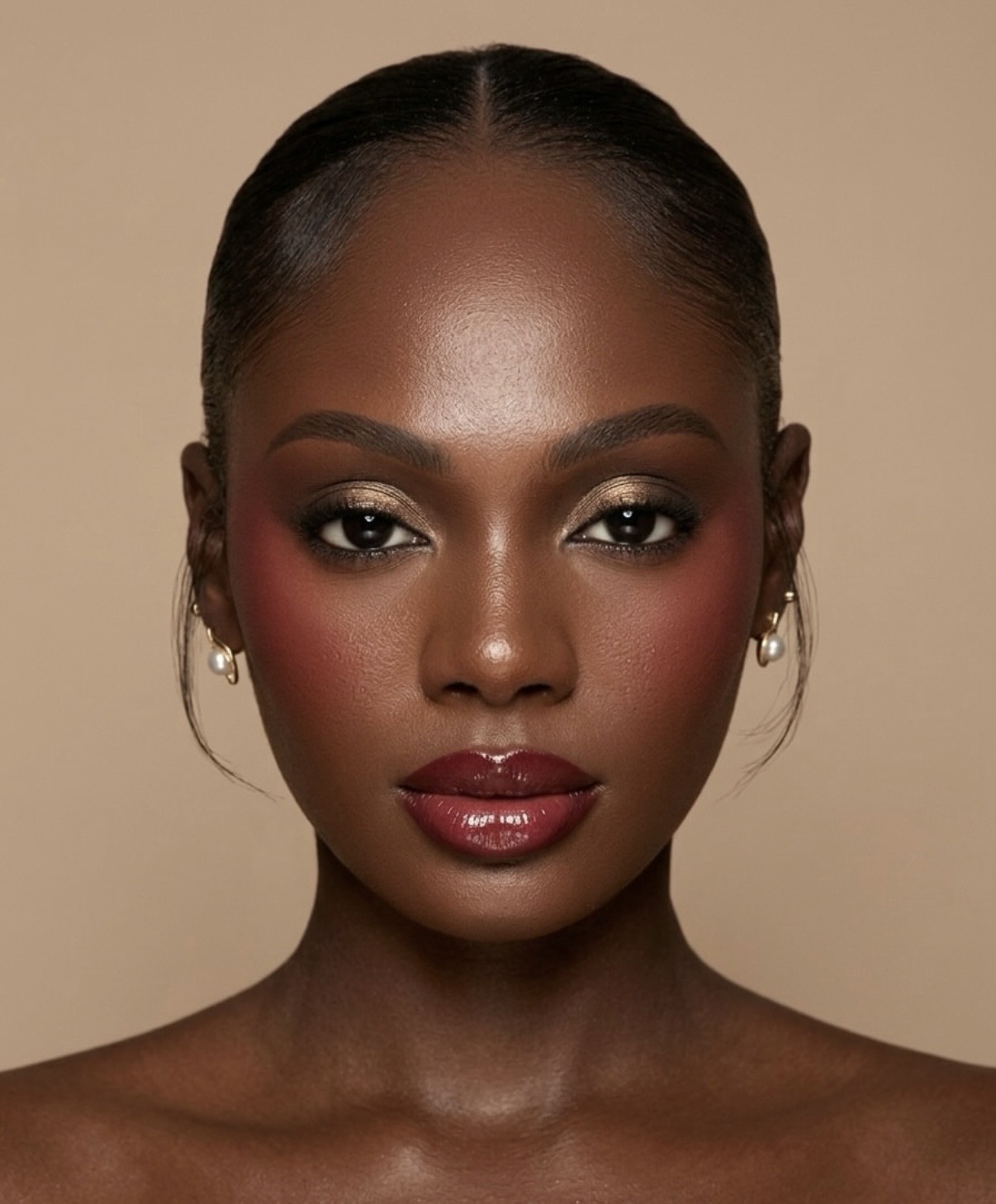

A radiant makeup look depends not only on the right foundation or concealer but also on the condition of the skin beneath it. When dryness leaves the complexion tight or flaky, even well-chosen products may cling to rough patches, settle into fine lines, or leave the finish looking flat. Finding the best makeup routine for dry skin starts with preparing the complexion through gentle skincare and replenishing moisture before applying makeup. This helps each layer apply more evenly while preserving a fresh, healthy-looking glow.
The secret is not to pile on hydrating products or chase the dewy finish promoted by every beauty trend. Instead, each step should serve a clear purpose, from softening rough patches to adding coverage without masking the skin’s natural texture. With thoughtful preparation, suitable formulas, and a lighter hand during application, dry skin can carry anything from a fresh everyday look to a glamorous evening beat without looking cakey or leaving the complexion feeling tight.
Here are 7 important steps to a radiant makeup look for dry skin…

#1. Start With a Gentle Cleanser
A good makeup routine begins with clean skin, but that does not mean your face needs to feel squeaky clean. Cleansers that are too harsh for your skin can strip away some of its natural oils, leaving dry skin more prone to tightness and flaking. Instead, choose a gentle cream, lotion, or hydrating cleanser that removes dirt and leftover skincare products without leaving your face uncomfortable.
After cleansing, pat your face dry rather than rubbing it with a towel. Applying your next skincare products while the skin is still slightly damp can also help reduce moisture loss, especially when you follow with a moisturizer.
Shop editor’s edit
#2. Apply a Moisturizer That Supports Your Skin Barrier
Moisturizer is one of the most important steps in the best makeup routine for dry skin because foundation cannot replace the moisture and barrier support your complexion needs underneath. Look for formulas containing ingredients such as glycerin, hyaluronic acid, ceramides, or squalane. Glycerin and hyaluronic acid help attract and retain water, ceramides support the skin barrier, and squalane helps soften the skin.
However, the richest cream is not always the best choice. A heavy layer that has not had time to settle can cause foundation to slip or separate, particularly around the nose and chin. Apply a suitable amount, give it a few minutes to absorb, and add another light layer only where your skin needs extra care.
Shop editor’s choice
#3. Use a Hydrating Primer Where It Helps
A primer can help foundation apply more evenly, but dry skin does not automatically need a separate primer every time. If your moisturizer already creates a comfortable base and your foundation blends smoothly, you may be able to skip this step.
If makeup tends to cling to dry areas or wear unevenly around the cheeks, try a hydrating primer with a lightweight, moisturizing texture. Press it gently into the skin instead of rubbing vigorously, then allow it to settle before moving on. Avoid applying too many layers of skincare and primer at once, as excess product can cause pilling and make foundation more difficult to blend.
Shop editor’s selection
#4. Choose a Hydrating Foundation with Flexible Coverage
The right foundation can make a noticeable difference, but labels such as dewy, glow, and hydrating shouldn’t be the only deciding factors. Look for a formula that suits your skin’s needs and provides the coverage you actually want. Sheer and medium-coverage foundations can be useful for everyday wear because they allow some natural skin texture to show through without requiring a thick layer of product.
For the best makeup routine for dry skin, start with a small amount of foundation and blend it from the center of your face outward using a damp makeup sponge or a soft brush. Add coverage only where redness, discoloration, or blemishes need it. This approach often produces a fresher result than applying a full layer across the entire face, especially when dry patches are present.
Shop editor’s finds
#5. Apply Concealer Only Where Necessary
Concealer can brighten the under-eye area and cover blemishes, but applying too much may draw attention to dryness and fine lines. Choose a creamy formula that blends easily, then use a small amount at the inner corners of the eyes or directly over areas that need extra coverage.
Allow your foundation to settle before applying concealer, and tap the product into place rather than dragging it across the skin. If your under-eye area is particularly dry, apply a suitable eye moisturizer during your skincare routine, taking care not to use so much that the concealer slips or creases throughout the day.
Shop editor’s finds
#6. Set Makeup Strategically with Powder
Powder can help makeup last longer, but dry skin usually benefits from a targeted approach rather than a heavy layer across the entire face. Press a small amount of finely milled translucent powder onto areas that crease or become oily, such as the sides of the nose, the center of the forehead, or beneath the eyes, if needed.
Leave the cheeks and other dry areas with little or no powder if they already look smooth. This helps prevent the complexion from becoming unnecessarily flat and allows the natural finish of your foundation to show through. For extra longevity, a light mist of setting spray can help the makeup layers settle together, although it should not replace moisturizer.
Shop editor’s choice
#7. Finish with Cream Blush and Other Skin-Friendly Formulas
Cream blush, bronzer, and highlighter can complement dry skin by adding color and radiance without the powdery finish some pressed products create. Apply them in thin layers over your base, blending gently with your fingers, a sponge, or a soft brush. If you prefer powder blush or bronzer, you can still use them; simply apply a light amount over a well-prepared base.
The best makeup routine for dry skin prioritizes comfort and even application over a long list of products. A hydrating lip balm beneath lipstick can also help prevent dry lips from distracting from an otherwise fresh, polished complexion.
Shop editor’s edit
Final Thoughts
A radiant makeup look for dry skin comes down to preparation, suitable formulas, and restraint. Gentle cleansing, effective moisturizing, and light layers of foundation can make a greater difference than adding extra products to compensate for a dry base. With a few adjustments tailored to your skin’s needs, makeup can enhance your natural complexion while keeping flaky patches and cakey buildup from taking center stage.
Featured image: @theodoramicheal/Instagram