
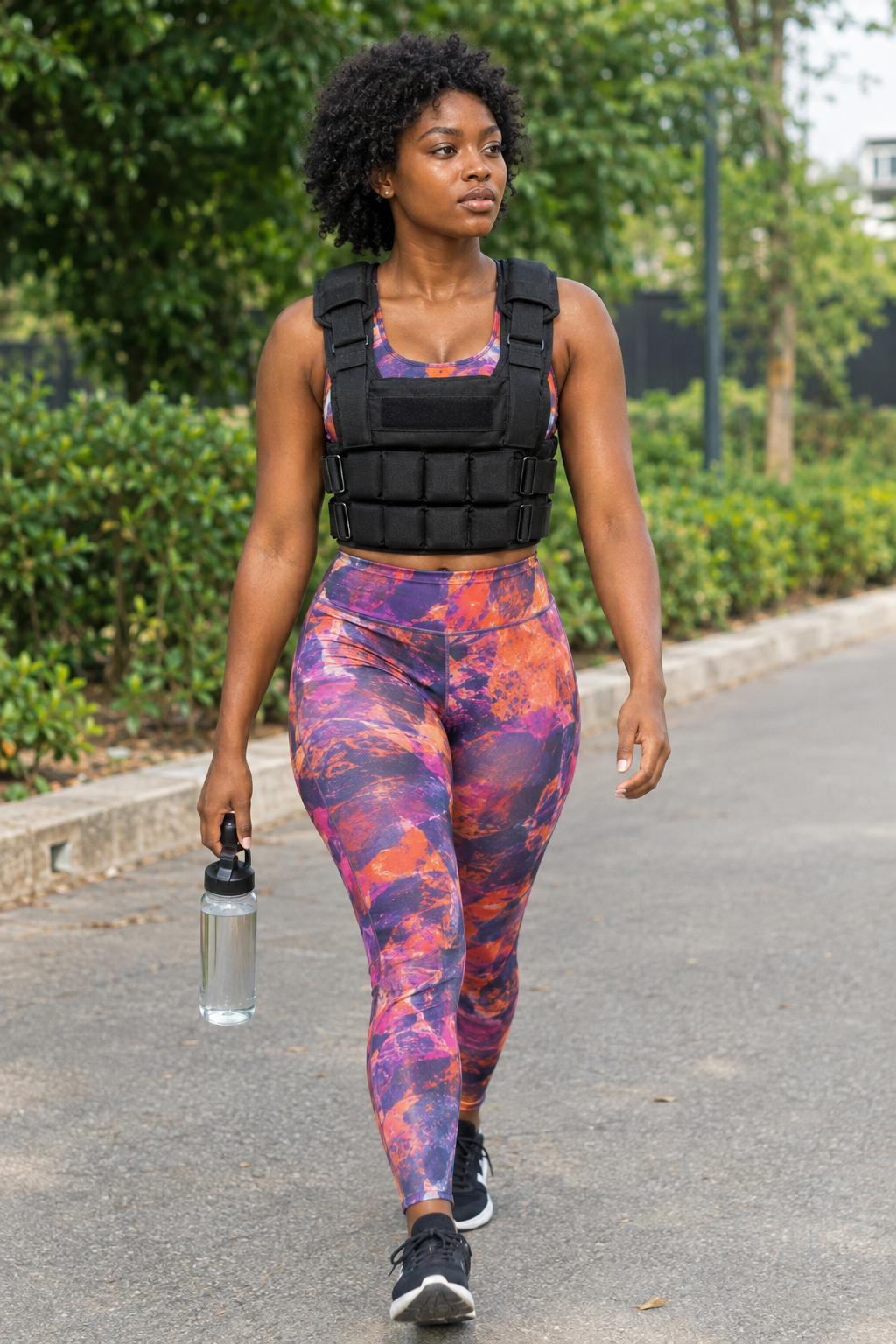

The good old daily walk has recently acquired a heavier agenda. Across TikTok and Instagram, women are stepping out in workout clothes with weighted vests strapped over their shoulders, turning an ordinary stroll into a more demanding form of exercise. The growing interest in a weighted vest for walking comes as fitness culture continues to favor simple routines that can fit into everyday life, with walking getting an upgrade through added resistance rather than a complicated gym schedule.
There is something appealing about the simplicity of it. No elaborate class, intimidating equipment, or carefully choreographed workout is required. You put on a vest, step outside, and let your usual walk do a little more work. But adding weight also changes the physical demands of walking, which means this viral fitness trend deserves a little more consideration than a quick scroll through social media might suggest.
A weighted vest sits close to the body and adds extra load to each step, making the muscles work harder as you walk. Most vests weigh between five and 60 pounds and fasten with Velcro or buckles, so users can choose a level that suits their fitness experience. More importantly, the trend sits within a larger movement toward accessible, strength-focused exercise, where an everyday walk becomes an opportunity to build stamina and increase effort.
Why Are Weighted Vests Trending?
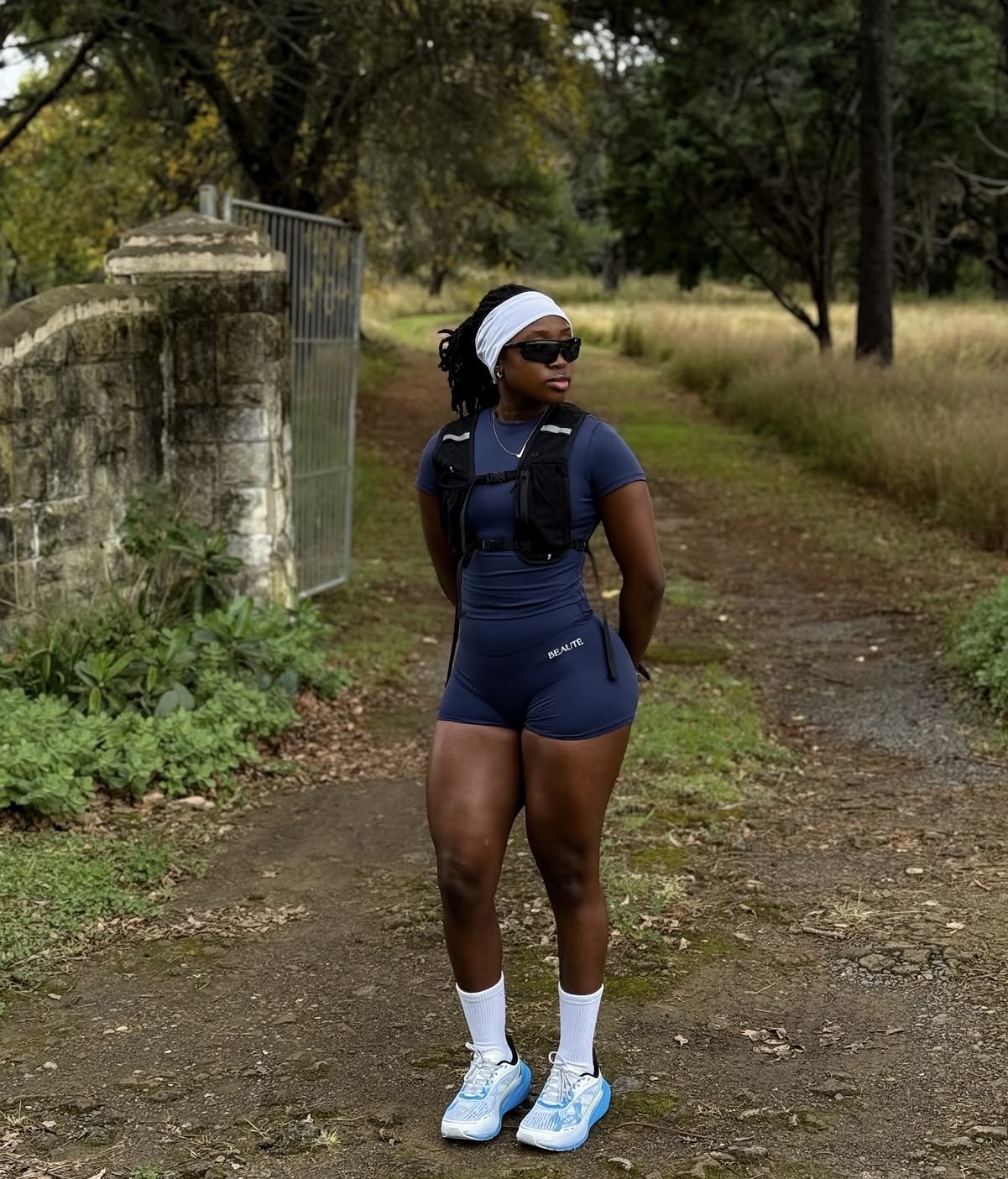
Social media has played a major role in turning weighted walking into a recognizable fitness trend, with nearly 114,000 TikTok posts and more than 138,000 Instagram posts connected to the practice. The commercial interest is also significant, with one highly rated vest generating an estimated $4.8 million in monthly Amazon revenue.
Still, the appeal goes beyond virality. Adding weight can increase the energy required during a walk, and one small study found that participants wearing a vest equal to 22% of their body weight increased calorie burn by more than 12%. Some fitness enthusiasts also use weighted walking to support muscular endurance and bone health, although the benefits can vary depending on the amount of weight, walking intensity, fitness level, and consistency.
That makes the trend worth looking at with some perspective. A heavier vest does not automatically create a better workout, and adding resistance too quickly can place extra stress on the feet, knees, hips, and back. The goal is not simply to carry as much weight as possible; it is to add enough resistance to make the walk more challenging while still allowing you to move comfortably and maintain good form.
How Heavy Should a Weighted Vest Be for Walking?

Starting light is the smarter approach. A beginner can consider a vest around 5% of their body weight and gradually increase the load as their body adapts. Jumping immediately to a much heavier vest can alter your walking pattern and turn a low-impact activity into an unnecessarily demanding one.
For the same reason, duration matters. A short walk with a manageable amount of weight can be more useful than wearing a heavy vest for an extended period while struggling to maintain good posture. As your stamina improves, you can gradually increase either the walking time, pace, or load instead of changing everything at once.
It is also worth paying attention to the terrain. Walking on a flat, familiar route allows you to concentrate on your form and how your body responds to the added weight. Once that becomes comfortable, you can consider gradually introducing longer walks or more challenging terrain.
Shop editor’s edit
Can Weighted Walking Help With Weight Loss?
It can increase the amount of energy your body uses during a walk, which may support a broader weight-management plan. However, a vest should not be treated as a shortcut to losing belly fat. Fat loss happens across the body rather than in one chosen area, so consistent physical activity, nutrition, sleep, and overall energy balance remain important.
The bigger advantage is that weighted walking can make a familiar activity more challenging without requiring a complete change to your routine. That accessibility may be one reason the trend has gained such strong attention.
It can also offer a way to progress an activity that might otherwise become routine. If you already walk regularly, adding a modest amount of resistance can increase the physical demand without requiring you to completely overhaul the activity you already enjoy.
What Are the Downsides?
Extra weight also means extra strain. Wearing a vest that is too heavy, walking for too long, or increasing the load too quickly can contribute to discomfort in the back, hips, knees, or feet. People with existing joint, balance, or musculoskeletal concerns should be especially cautious and may benefit from professional guidance before adding resistance.
Fit matters too. A vest should sit securely against the torso without restricting breathing or bouncing excessively as you walk. The goal is to make the workout harder while keeping your natural walking pattern intact.
Pay attention to warning signs rather than trying to push through them. Persistent pain, significant discomfort, dizziness, or difficulty maintaining your usual stride are good reasons to stop and reassess the amount of weight or the activity itself.
The Bigger Trend: Rucking

Weighted walking is also connected to the growing popularity of rucking, an exercise practice built around walking or hiking while carrying weight. Rucking has roots in military training, where carrying loaded packs was part of physical preparation, but it has increasingly entered mainstream fitness.
That broader trend helps explain why interest has expanded beyond vests. Rucking backpacks, dedicated weights, and supportive shoes are becoming part of the same fitness ecosystem, giving people different ways to add resistance to outdoor walks and hikes.
Rucking backpacks range from modified everyday bags to specialized designs with padded straps and dedicated weight compartments. Rucking weights can include metal plates or sandbags, while beginners are often advised to start around 5% of their body weight. Specialized rucking shoes are also designed to provide additional support on rugged terrain, particularly for people adapting to carrying extra load.
For someone new to the practice, the distinction between weighted walking and rucking is relatively simple: a weighted vest distributes the load closely around the torso, while rucking generally involves carrying weight in a backpack. Both increase the physical demand of walking, but the equipment and weight distribution are different.
Shop editor’s finds
Is a Weighted Vest Worth Trying?
For someone who already enjoys walking and wants to gradually increase the challenge, a weighted vest can be a practical addition. The key is restraint: start light, keep the first sessions manageable, and pay attention to how your body responds.
The current weighted vest craze may have arrived through social media, but its staying power could come from something much simpler. People are discovering that an everyday walk can become a more demanding workout without requiring a new class, complicated equipment, or hours at the gym. With the right load and sensible progression, walking can carry a little more weight while still remaining one of the easiest ways to stay active.
The important part is not making every walk harder. Some days can simply be walks. On others, a little added resistance can turn the same familiar route into a more challenging session. That flexibility may ultimately be what makes weighted walking appealing beyond the trend cycle.
Featured image: Style Rave Studio/AI-generated Visual
What Is HYROX? Why Everyone Is Suddenly Obsessed With This Fitness Race