



Walking has never had the marketing budget of a boutique gym or the drama of a marathon. Yet, it remains one of the simplest ways to become more active, improve cardiovascular health, and support a longer life. You don’t need a membership, specialist equipment, or perfect fitness level to enjoy the benefits of walking. All you need is enough time to put one foot in front of the other.
That simplicity, however, is precisely why walking is so easy to overlook. Modern fitness culture often rewards intensity, complexity, and visible effort, while walking quietly delivers benefits in the background. Research increasingly suggests that regular movement, including everyday walking, can support heart health, metabolic function, mental well-being, and longevity. The smartest exercise, in other words, may be the one you can keep doing.
Why Walking Is Easier to Stick with Than Most Workouts

Somewhere along the way, exercise became associated with exhaustion. A successful workout supposedly requires heavy weights, a punishing interval session, or a long run that leaves you searching for the nearest sofa. Many people assume that anything less intense barely counts.
That idea misses an important point about physical activity. The best exercise routine is not necessarily the most demanding one. Instead, it is the one that fits your body, schedule, environment, and ability well enough to become a habit. Walking succeeds because it removes many of the barriers that make structured exercise difficult to sustain.
You can walk before work, during lunch, after dinner, or while taking a phone call. You can walk alone or with someone else. More importantly, you can adjust your pace and distance as your fitness improves. That flexibility makes walking remarkably easy to build into real life.
Health Benefits of Walking Every Day
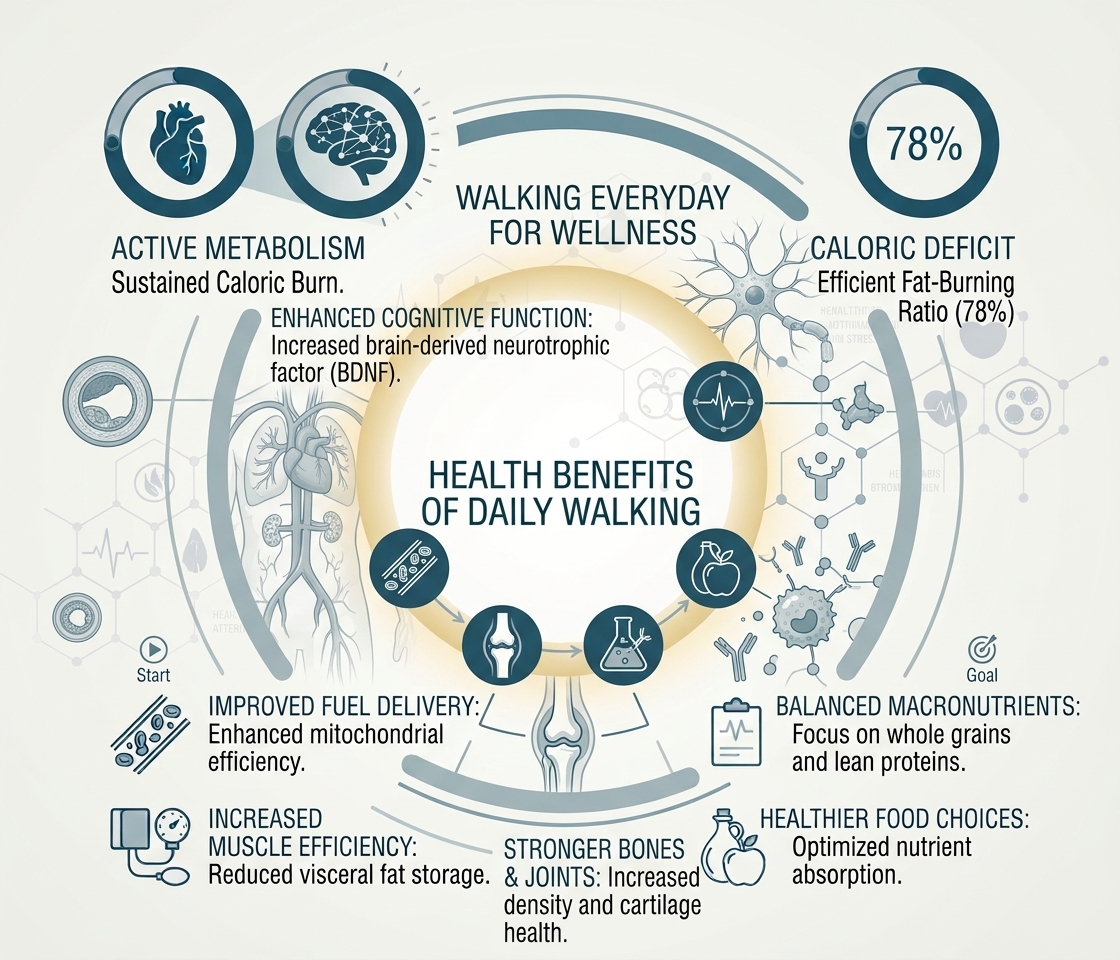
The strongest argument for walking is not that it replaces every other form of exercise. Rather, it provides a practical foundation for staying active throughout adulthood. Regular movement supports cardiovascular health, helps regulate blood sugar, and helps maintain a healthy body weight.
A 2022 meta-analysis published in The Lancet Public Health examined data from more than 78,000 adults. Researchers found that the risk of death from any cause generally declined as daily step counts increased, with substantial benefits evident well below the familiar 10,000-step target. The researchers also found that benefits varied by age.
That finding matters because it challenges the idea that exercise only becomes worthwhile at high volumes. You do not need to become a distance runner to become more active. Instead, increasing your daily movement can be a meaningful step toward better health.
Do You Really Need 10,000 Steps a Day?
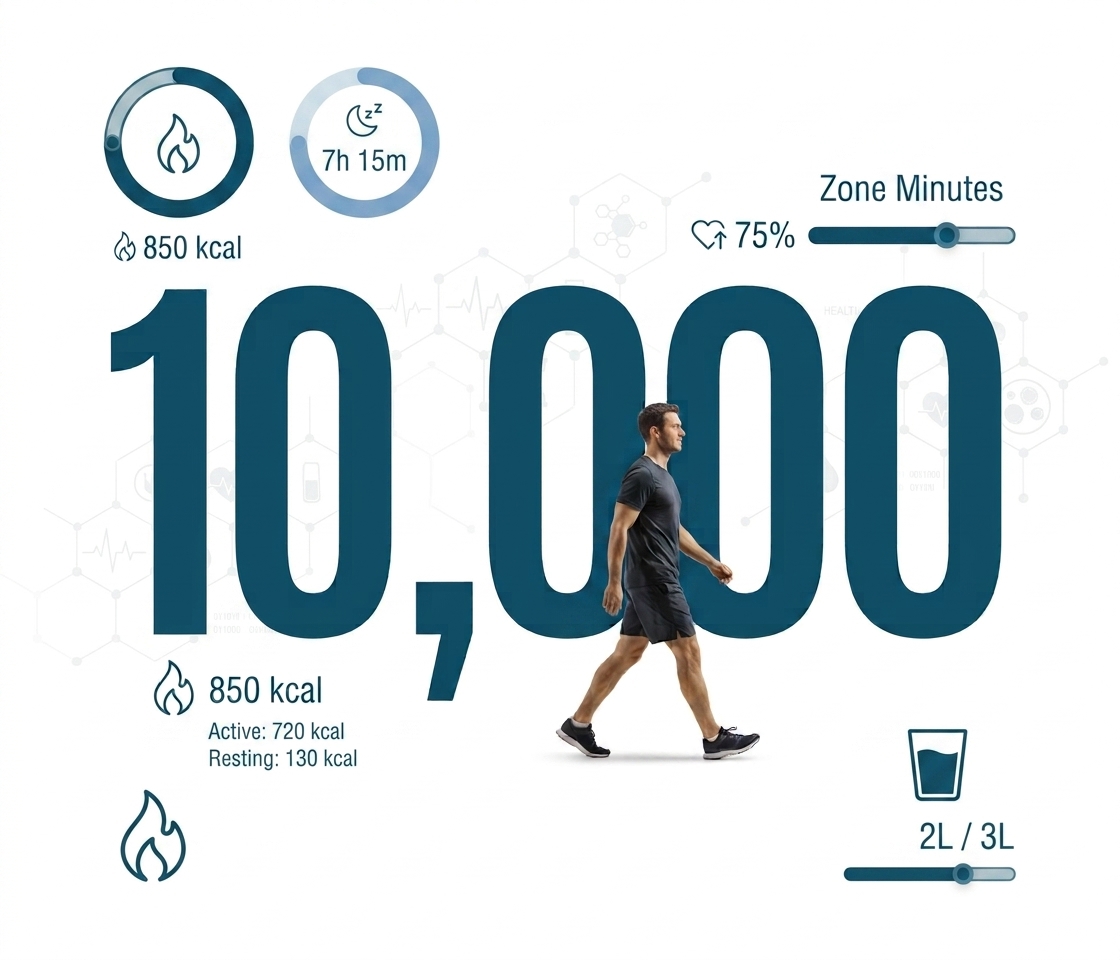
The 10,000-step goal has become one of the most recognizable numbers in modern fitness. However, its origins are less scientific than many people assume. The target became popular after a Japanese pedometer marketing campaign in the 1960s, rather than emerging from a definitive medical threshold.
That does not make 10,000 steps meaningless. It simply means you should not treat the number as a biological requirement. Research suggests that meaningful health benefits can occur at lower daily step counts, especially for people who currently move very little.
For many adults, the better question is not whether you reached 10,000 steps. It is whether you moved more than you did yesterday. If your usual day involves 3,000 steps, reaching 5,000 consistently may be a more realistic and valuable goal.
Can Walking Help You Lose Weight?
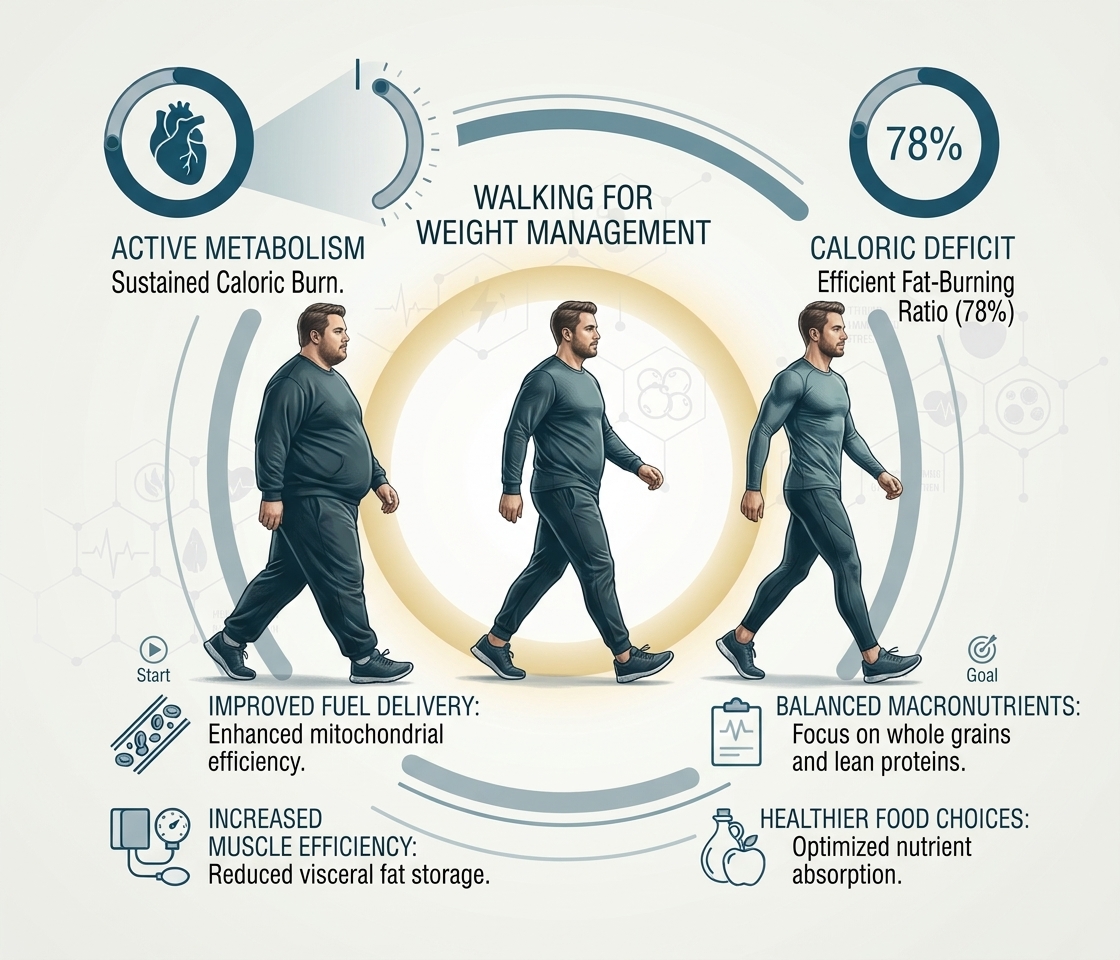
Walking is not a magic solution for weight loss, and it should not be marketed as one. However, it can contribute to weight management by increasing daily energy expenditure without demanding the recovery associated with harder training.
That distinction becomes important for people who struggle to maintain intense exercise routines. A demanding workout might burn significant energy, but it can also leave you tired, hungry, or reluctant to train again. Walking, by comparison, creates less physical disruption for many people.
Brisk walking can also increase the intensity without requiring you to run. You should feel your breathing become noticeably faster, although you can still hold a conversation. Over time, those accumulated minutes can add up to meaningful physical activity in your week.
Genetics also deserves a more nuanced discussion. A Harvard-led study published in PLOS Medicine found that regular brisk walking was associated with a reduced genetic predisposition to obesity. However, that research does not mean walking can override your DNA. It demonstrates how lifestyle and genetics can interact.
How Walking Improves Heart Health
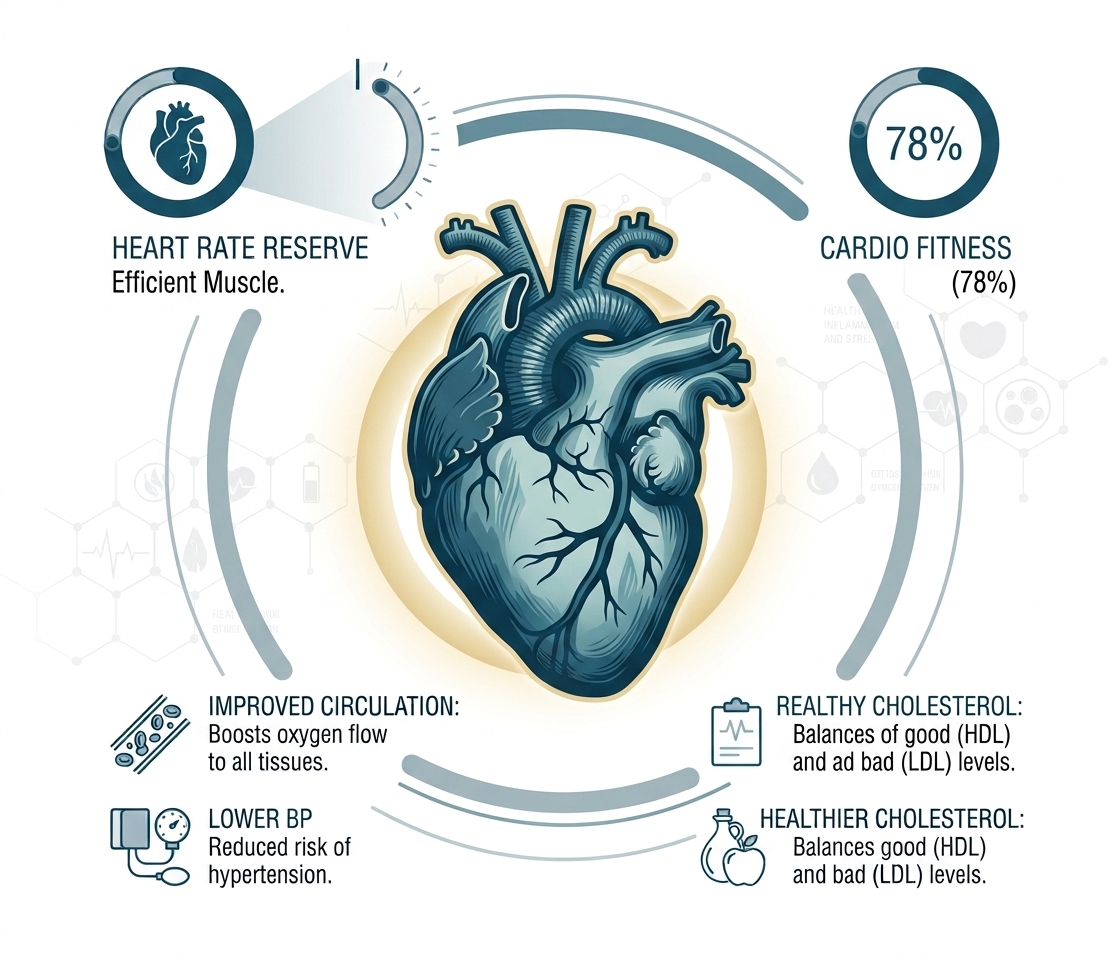
Your cardiovascular system responds to regular walking in ways that extend beyond simply burning calories. When you walk briskly, your heart works harder to deliver oxygen throughout your body. Repeated regularly, that activity can contribute to improved cardiovascular fitness.
The evidence is particularly encouraging for people who are currently inactive. Even modest increases in physical activity can help reduce the health risks associated with prolonged sedentary behavior. Walking can offer an accessible entry point for people who find conventional exercise intimidating.
You can also make an ordinary walk more challenging without turning it into a punishment. Add a hill, increase your pace, or choose a route with varied terrain. These small adjustments can raise the cardiovascular demand while keeping the activity familiar.
How Walking Benefits Brain Health and Memory

The benefits of walking do not stop at your waistline. Physical activity also affects the brain, which helps explain why a walk can leave you feeling mentally refreshed after a stressful day.
Research has linked regular physical activity with better cognitive health and a lower risk of cognitive decline. A 2022 analysis published in JAMA Neurology, for example, found an association between higher daily step counts and lower dementia risk among older adults.
The relationship deserves careful interpretation. Walking does not guarantee protection against dementia, nor does a specific step count provide immunity from cognitive decline. Still, the evidence strengthens the case for regular movement as part of a broader approach to healthy aging.
That makes walking particularly appealing because it combines physical and cognitive benefits. You can use the time to think, decompress, listen to music, or step away from your screen. Sometimes, the mental reset is as valuable as the physical activity.
How Walking Reduces Stress and Improves Mental Health
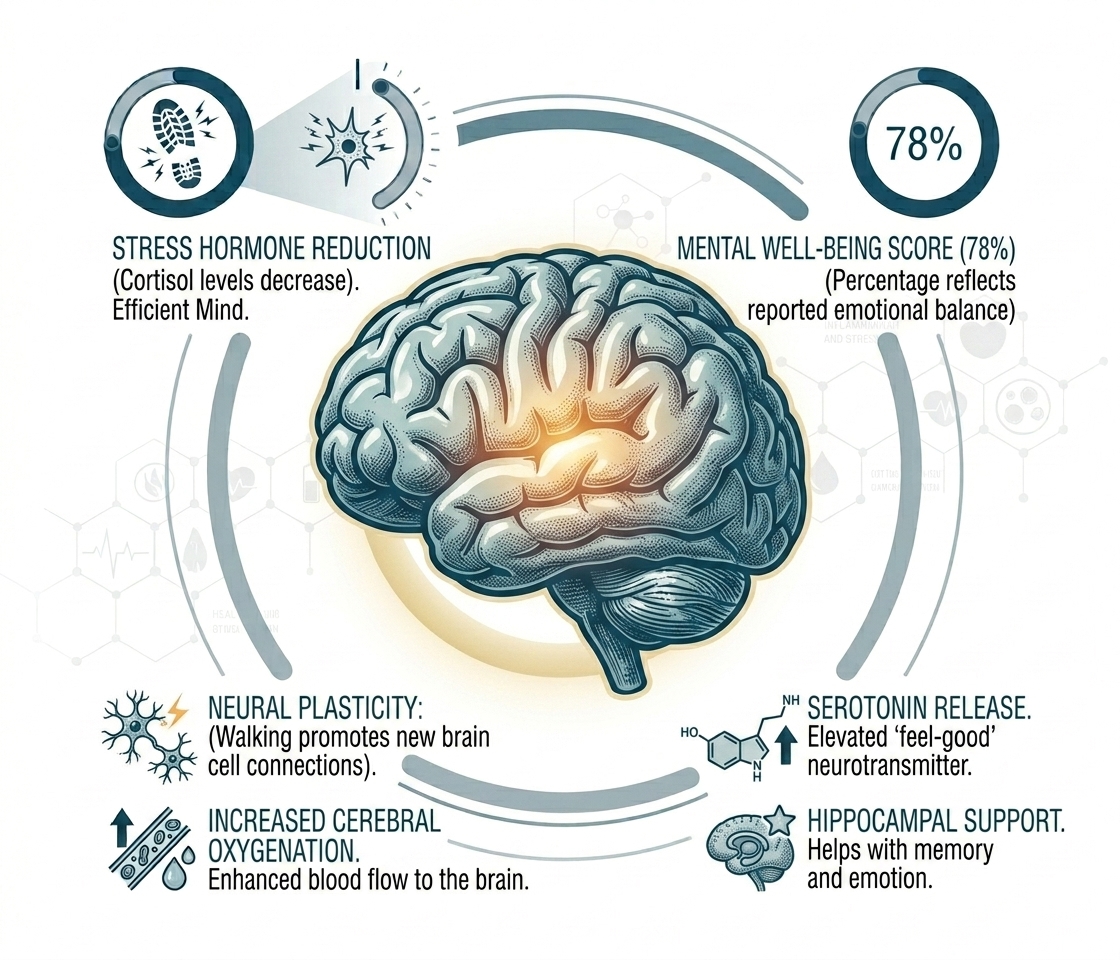
Modern life leaves very little room for mental silence. Notifications arrive constantly, work follows you home, and entertainment is available whenever you reach for your phone. Walking creates a rare opportunity to interrupt that cycle.
Research supports the connection between physical activity and better mental well-being. A 2018 systematic review published in Health Psychology Review found that physical activity was associated with improvements in mental health outcomes, although the effects varied across conditions and individuals.
Walking outdoors may offer an additional advantage. Natural environments can provide a psychological break from highly stimulating urban and digital surroundings. A quiet walk through a park may feel different from pacing around a shopping center, even when the physical movement is similar.
You do not need to turn every walk into a mindfulness exercise. Sometimes, simply leaving your desk and walking for 15 minutes can create enough distance from whatever was occupying your mind.
Can Walking Help Relieve Lower Back Pain?
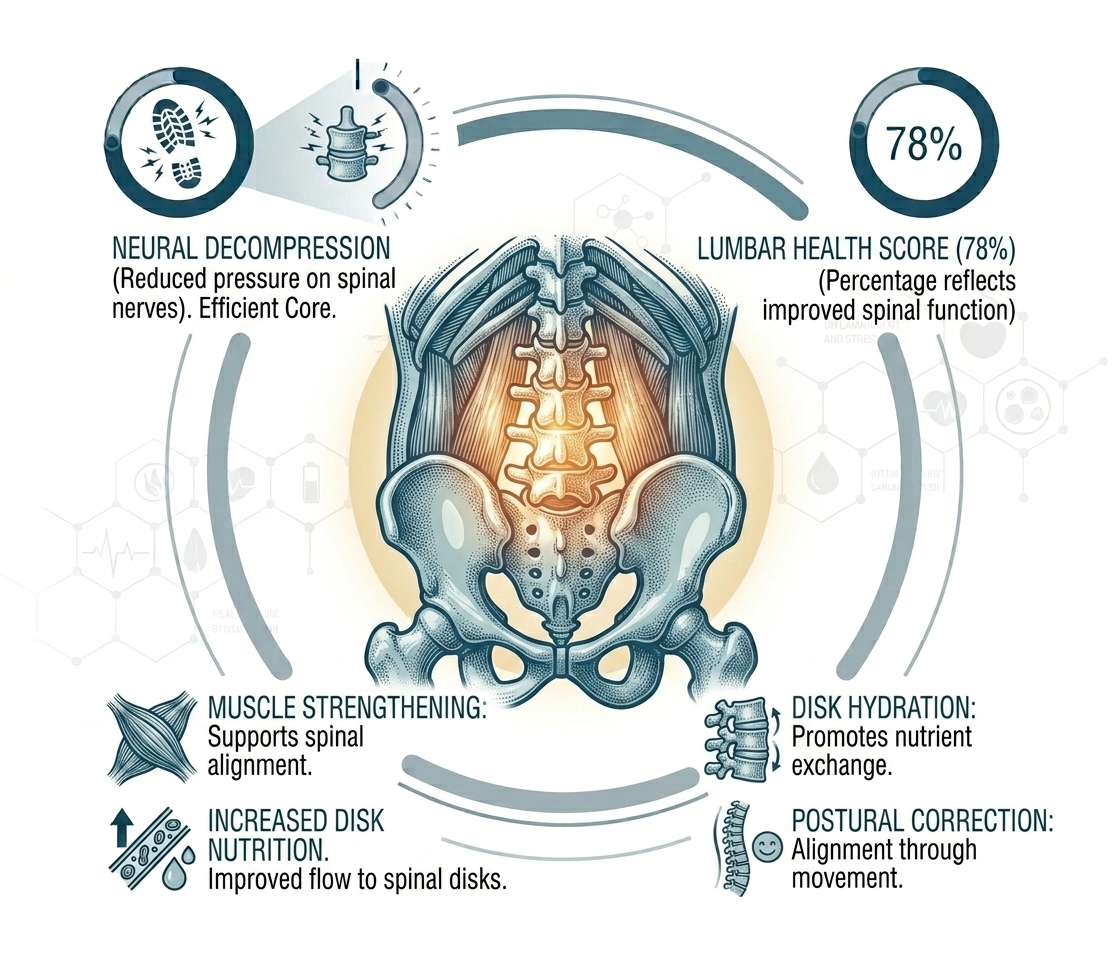
For anyone dealing with persistent lower-back pain, exercise can feel complicated. The instinct to rest completely is understandable, especially when movement initially seems uncomfortable. Yet, prolonged inactivity can sometimes make the return to normal movement more difficult.
A randomized controlled trial published in The Lancet in 2024 examined a walking-based intervention for adults recovering from low-back pain. Researchers found that participants who followed an individualized walking program experienced a longer period before their pain returned compared with those receiving usual care.
The study is encouraging, but it does not mean walking replaces medical treatment. Persistent, severe, or unexplained back pain still deserves professional assessment. Instead, the research highlights walking as a potentially practical component of recovery for appropriate patients.
That is an important distinction. The goal is not to push through serious pain because an article told you to exercise. Rather, it is to recognize that, when medically appropriate, gradual movement can be part of getting your body functioning confidently again.
Is Walking Only on Weekends Enough?
Despite the many benefits, walking does have its obstacles. One of the biggest is the time to regularly do it. Work, family responsibilities, commuting, and social commitments can make a perfect Monday-to-Friday routine unrealistic. Fortunately, research suggests that your activity does not become worthless simply because your schedule is imperfect.
A 2023 study published in JAMA Internal Medicine examined so-called weekend warriors and found that people who concentrated their moderate-to-vigorous physical activity into one or two days could still experience lower mortality risk. The research focused on overall physical activity rather than walking alone.
Still, the principle is useful. If weekdays are chaotic, a longer walk on Saturday or Sunday can contribute to your overall activity. Ideally, however, movement should not be restricted to weekends if you can avoid it.
Even short walks during the week can break up prolonged sitting. Think less about creating a perfect fitness schedule and more about finding opportunities to move whenever your life allows.
How to Make Walking More Effective for Fitness
Walking does not have to remain a stroll. If you want greater cardiovascular benefits, gradually increase the intensity. A brisk pace should raise your breathing and heart rate while still allowing you to speak in short sentences.
You can also experiment with intervals. Walk comfortably for several minutes, then increase your pace for one or two minutes before returning to an easier rhythm. Repeat the pattern throughout your walk and adjust the intensity according to your fitness level.
The beauty of this approach is its flexibility. Beginners can use gentle intervals, while fitter walkers can add hills or longer periods of faster movement. The same basic activity can progress alongside your abilities.
You should also focus on consistency before chasing volume. A 30-minute walk you repeat four times a week is likely more useful than an ambitious two-hour session you attempt once before abandoning the routine.
The Best Daily Walking Routine for Long-Term Health
There is no single perfect step count for every person. Your ideal target depends on your current activity level, age, health, mobility, and daily schedule. For that reason, suddenly forcing yourself to hit an arbitrary number can create unnecessary frustration.
Instead, start with your baseline. Track how much you normally walk for several days, then increase gradually. You might add a short evening walk, take the stairs more often, or park slightly farther from your destination.
You can also make walking more social. Invite a friend, walk with your partner, or use the time to catch up with someone you rarely see. When movement becomes part of something enjoyable, it becomes easier to repeat.
Most importantly, do not underestimate small changes. Walking for ten minutes is still more movement than sitting for ten minutes. Over weeks and months, those modest decisions can add up to a significantly more active lifestyle.
Why Walking Is One of the Best Forms of Exercise
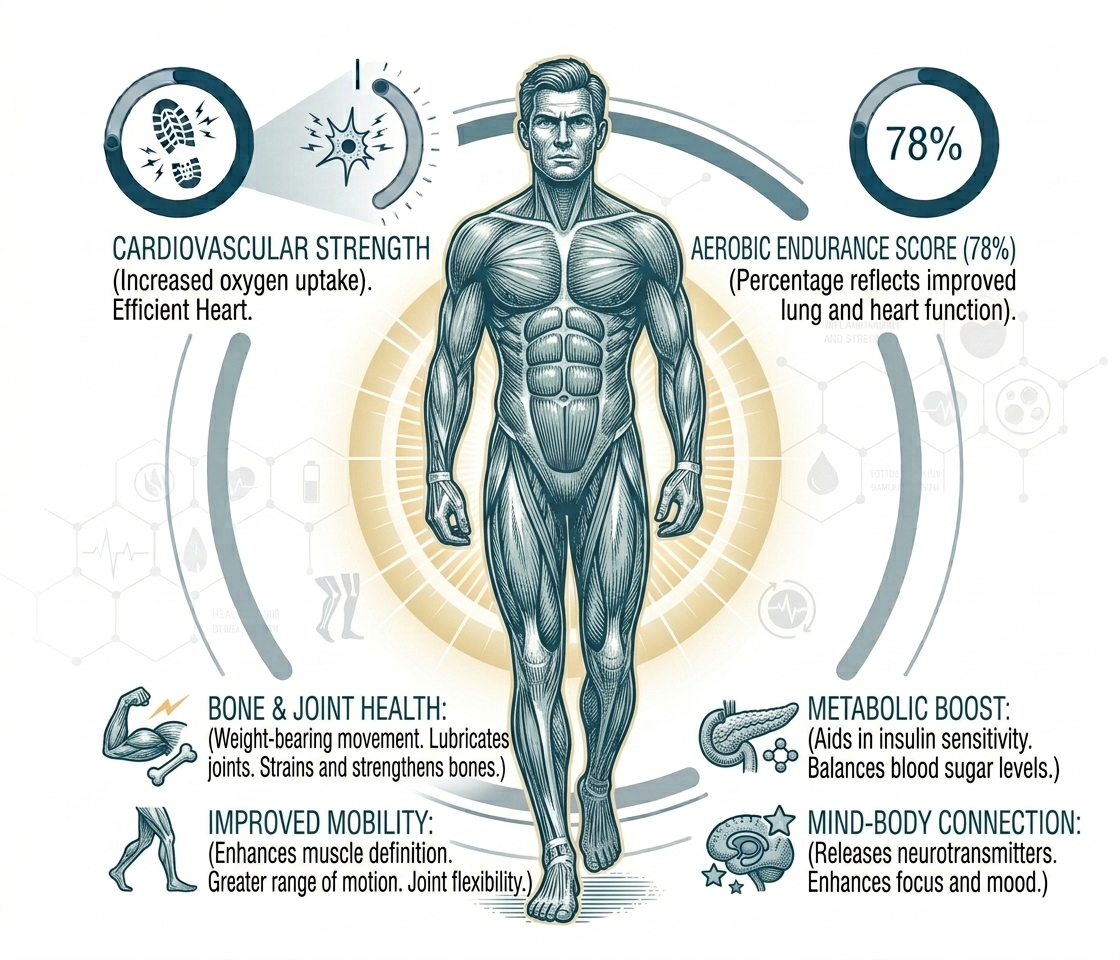
Even with its many benefits, walking doesn’t have the spectacle of a marathon or the intensity of a competitive workout. That is precisely its advantage. It asks very little from you while offering a practical way to increase daily movement, support cardiovascular health, manage weight, and potentially protect long-term cognitive health.
The evidence does not suggest that walking is the only exercise worth doing. Strength training, aerobic exercise, mobility work, and other activities all have important roles. However, walking has something many ambitious fitness programs lack: extraordinary accessibility.
You can start today without buying anything or becoming someone else. Walk around your neighborhood, take a longer route home, or spend ten minutes outside after dinner. The goal is not to become obsessed with a number on your smartwatch. It is to build a life in which movement happens naturally.
In a culture that often makes fitness feel complicated, walking offers a refreshing alternative. It is simple, adaptable, affordable, and supported by a growing body of research. Walking doesn’t ask you to be an athlete. It doesn’t require expensive equipment, perfect motivation, or hours of free time. It simply asks you to start moving.
Featured image: @nathsway/Instagram
—Read also