



A spotless shower can change the entire impression of a bathroom, yet glass doors have a frustrating habit of collecting cloudy marks, soap residue, and mineral deposits just when everything else looks clean. Learning how to keep shower glass crystal clean may seem like a small household task, but the right method can make a noticeable difference, especially when hard water has been leaving behind stubborn stains.
The trick is not to scrub harder and hope for the best. Shower glass needs the right cleaner for the type of buildup you are dealing with, along with enough contact time for that cleaner to loosen the residue. Once you understand what is actually sitting on the glass, achieving that fresh, transparent finish becomes much easier.
What Causes Cloudy Shower Glass?
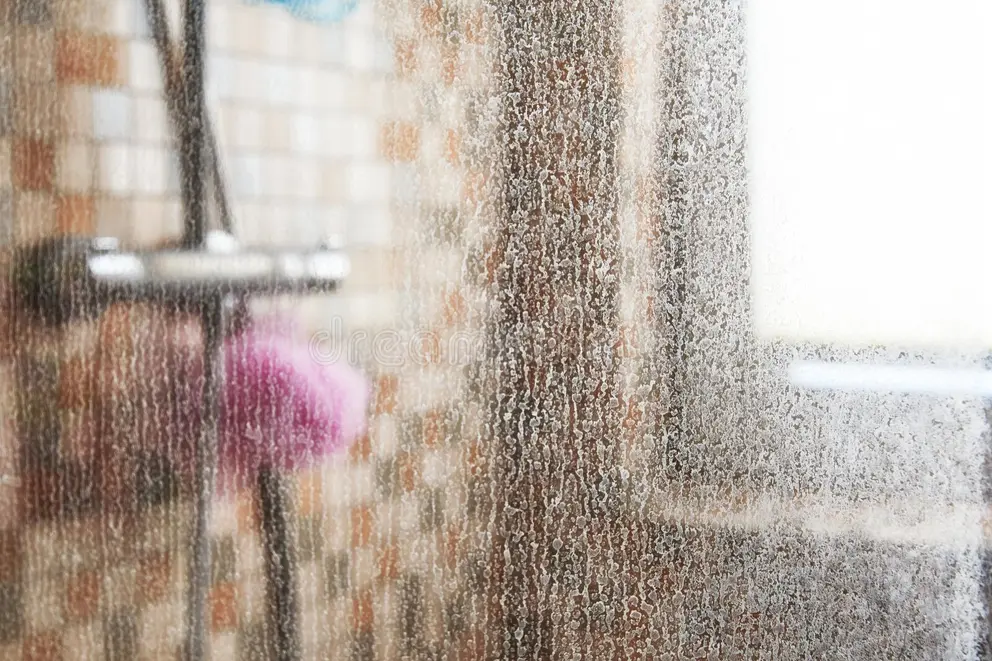
That cloudy appearance usually comes from a combination of soap scum and minerals found in hard water. When water droplets dry on the glass, minerals such as calcium and magnesium can remain behind, creating white spots and a hazy film.
Over time, repeated deposits can become harder to remove, particularly when they mix with body oils, shampoo, conditioner, and soap. This is why a quick wipe may work on fresh marks but struggle against older stains that have had time to build up.
Knowing what kind of residue you are dealing with also makes cleaning more effective, since mineral deposits require a different approach from ordinary dirt and soap residue.
What’s the Best Thing to Clean Shower Glass With?
For everyday buildup, warm water, a small amount of dish soap, and a non-abrasive cloth can be a good starting point. Dish soap helps break down oily residue and soap scum without requiring aggressive scrubbing.
For mineral deposits and limescale, diluted white vinegar is often more useful because its acidity can help dissolve mineral buildup. However, vinegar should not be used on certain natural stone surfaces surrounding the shower, since acids can damage materials such as marble and limestone.
To keep glass clear, clean, and free from residue, choose the gentlest option that matches the buildup rather than reaching immediately for a harsh abrasive. A little patience and the right cleaning solution will usually accomplish more than vigorous scrubbing.
Shop editor’s edit
How to Clean Shower Glass With Vinegar
Vinegar can be particularly helpful when hard-water marks are the main problem. Mix equal parts white vinegar and water in a spray bottle, then apply the solution to the glass and allow it to sit for several minutes so the acid has time to loosen mineral deposits.
Next, wipe the surface with a soft microfiber cloth or non-scratch sponge before rinsing thoroughly with clean water. For stubborn marks, you may need to repeat the process rather than applying excessive pressure.
Never mix vinegar with bleach or other cleaning chemicals, since dangerous fumes can develop.
Hard-Water Stain Removal From Glass Shower Doors
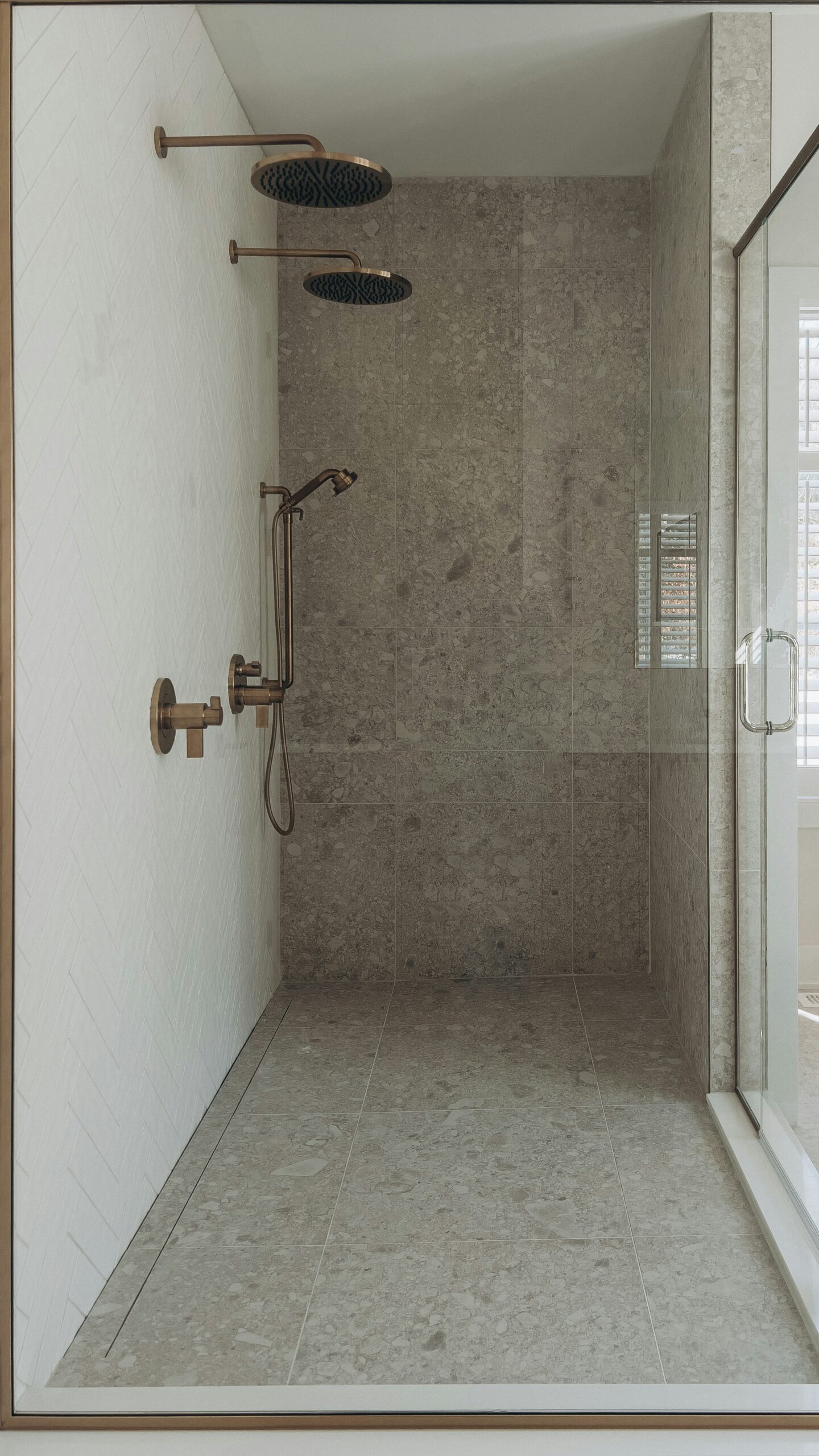
Older hard-water stains often require patience rather than aggressive scrubbing. Start by wetting the glass, then apply a suitable vinegar solution and allow it to sit for several minutes. A soft sponge can then be used to gently loosen the deposits.
If the first pass does not remove everything, repeat the process and rinse thoroughly. A dedicated hard-water or limescale cleaner can also be useful for stubborn buildup, provided the product is suitable for glass and used according to its instructions.
When figuring out how to remove hard-water stains from shower glass, the goal is to work gradually rather than attack old deposits with rough pads that can scratch the surface. Several gentle treatments are often preferable to one overly aggressive cleaning session.
Deep cleaning can improve heavily marked glass, but prevention is what makes the biggest difference over time. After each shower, use a squeegee to remove water from the doors and surrounding glass, then leave the bathroom ventilated so moisture can escape.
This simple habit matters because fewer water droplets are left behind to evaporate and deposit minerals on the surface. A microfiber cloth can also be used around edges and corners where water tends to collect.
For especially cloudy glass, start with a deep clean and then maintain it with regular wiping rather than repeatedly waiting until deposits become difficult to remove. The less buildup you allow to accumulate, the less effort you will need to put into the next deep clean.
Shop editor’s selection
How to Prevent Scratching
Glass may look tough, but abrasive cleaning pads, scouring powders, and rough tools can leave fine scratches that make the surface harder to keep clear. Stick with microfiber cloths, soft sponges, and cleaners designed for glass.
Avoid scraping aggressively at mineral deposits, particularly when you are unsure what type of coating or finish the shower glass has. If the doors have a special protective treatment, check the manufacturer’s care instructions before using vinegar or any other acidic cleaner.
This is particularly important for treated or coated shower glass, where the wrong product can potentially damage the finish even if the underlying glass itself is durable.
Shop editor’s finds
The Secret to Keeping Shower Glass Clean Longer

The easiest cleaning routine is also the one most people skip: remove water before it dries. A quick squeegee after every shower can prevent fresh mineral spots from building into a stubborn layer.
It also helps to keep soap and shampoo residue from sitting on the glass, so rinsing the doors occasionally can reduce the amount of buildup that needs to be removed later.
Once keeping shower glass clean becomes part of your routine, stubborn water stains become much easier to manage. Instead of waiting for a cloudy film to return, you are continually removing the moisture and residue that contribute to it in the first place.
The smartest approach to shower-glass care is therefore simple rather than aggressive. Match the cleaner to the buildup, give it time to work, use soft tools, rinse thoroughly, and keep the glass dry between showers. With those habits in place, cloudy doors and hard-water stains become a manageable cleaning problem instead of a permanent bathroom feature.
Featured image: Alexander Fife/Unsplash