



Most people picture well-being as something pursued in big, occasional bursts: a fresh start every January, a dramatic diet change, or a holiday that is supposed to reset everything at once. In reality, the shape of an ordinary day matters more than any single grand effort. The small, repeated choices you make—when you get up, how you move, what you wear, and how it feels against your skin—add up to something far more powerful than an occasional push. Well-being tends to come less from finding one perfect habit and more from shaping a day that works with you instead of against you, quietly, day after day, until healthy choices become second nature.
The encouraging part is that building a more balanced routine does not require a complete lifestyle overhaul. Often, the most useful changes are also the simplest: creating a calmer start to the morning, choosing clothes and shoes that support you throughout the day, taking short movement breaks, and allowing enough time to wind down in the evening. These small adjustments can make everyday life more manageable by reducing unnecessary stress and helping you direct your energy toward what matters most. The aim is not to make every day perfectly productive, but to create a rhythm that leaves more room for comfort, focus, and enjoyment.
Here are everyday habits that help build lasting wellbeing…
#1. Build Consistency Daily

A body and mind that know roughly what to expect each day tend to settle more easily than ones pulled between extremes. Waking at a similar time, eating at reasonably regular intervals, and giving yourself a predictable structure all help reduce the mental effort of constantly deciding what happens next. None of this needs to be rigid or strict. It simply means your energy can go toward the parts of the day that genuinely require a decision, rather than being spent working out the basics all over again each morning.
Over weeks and months, that saved energy can add up to a calmer, steadier daily routine, leaving you with more in reserve for the things that genuinely matter: a difficult conversation, a demanding project, or simply enjoying an evening without feeling drained before it begins. Consistency also makes habits easier to maintain. Instead of relying on motivation to carry you through every day, you create familiar patterns that can continue even when life gets busy.
#2. Get Your Morning Right

If there is one part of the day worth paying close attention to, it is the first hour. How you start can influence everything that follows, from your mood and concentration to how well you handle unexpected demands. A few minutes of natural light, a glass of water before coffee, and a short stretch or walk can provide a simple foundation for the day. Even something as straightforward as deciding the night before what you will wear removes one small decision from a time when you may already be thinking about everything ahead.
Getting the morning right does not mean following an elaborate routine or waking up at an unreasonably early hour. It is about finding a short, repeatable sequence that helps you move into the day with less rushing and more intention. For some people, that might mean making breakfast before checking their phones; for others, it could be taking a few quiet minutes to plan the day. The best routine is one that fits your actual life and is realistic enough to maintain.
For a fuller breakdown of how to put one together, the Morning Routine Ideas: How to Develop Healthy Morning Routines guide is a useful place to start, with practical suggestions that go beyond the usual advice to simply wake up earlier.
#3. Choose Comfort as a Daily Foundation

Well-being is often discussed in terms of mindset, but a surprising amount of it is physical. Clothes that pinch, shoes that rub, or a bag that digs into your shoulder can create small points of discomfort that your brain has to register and work around, even when you barely notice them. Multiply that across a full day of meetings, errands, and chores, and the discomfort can become a persistent distraction, gradually affecting your patience and concentration.
This is one of the simplest areas to address because it rarely requires a major overhaul. Often, it comes down to making better everyday choices and relying on them consistently. Starting the day in genuinely comfortable shoes for women, for example, can remove one source of friction before it has a chance to become a distraction. That leaves more attention for the things that need it, whether you are heading into a demanding meeting, navigating a long commute, or standing through a busy afternoon of errands.
The same principle applies to anything you wear or carry for hours at a time. If an item requires constant adjusting, tugging, or tolerating discomfort, it may be making your day harder than it needs to be. Choosing pieces that fit well, support your activities, and suit the demands of your routine is a small but practical way to make everyday life more comfortable.
Shaping the Rest of the Day
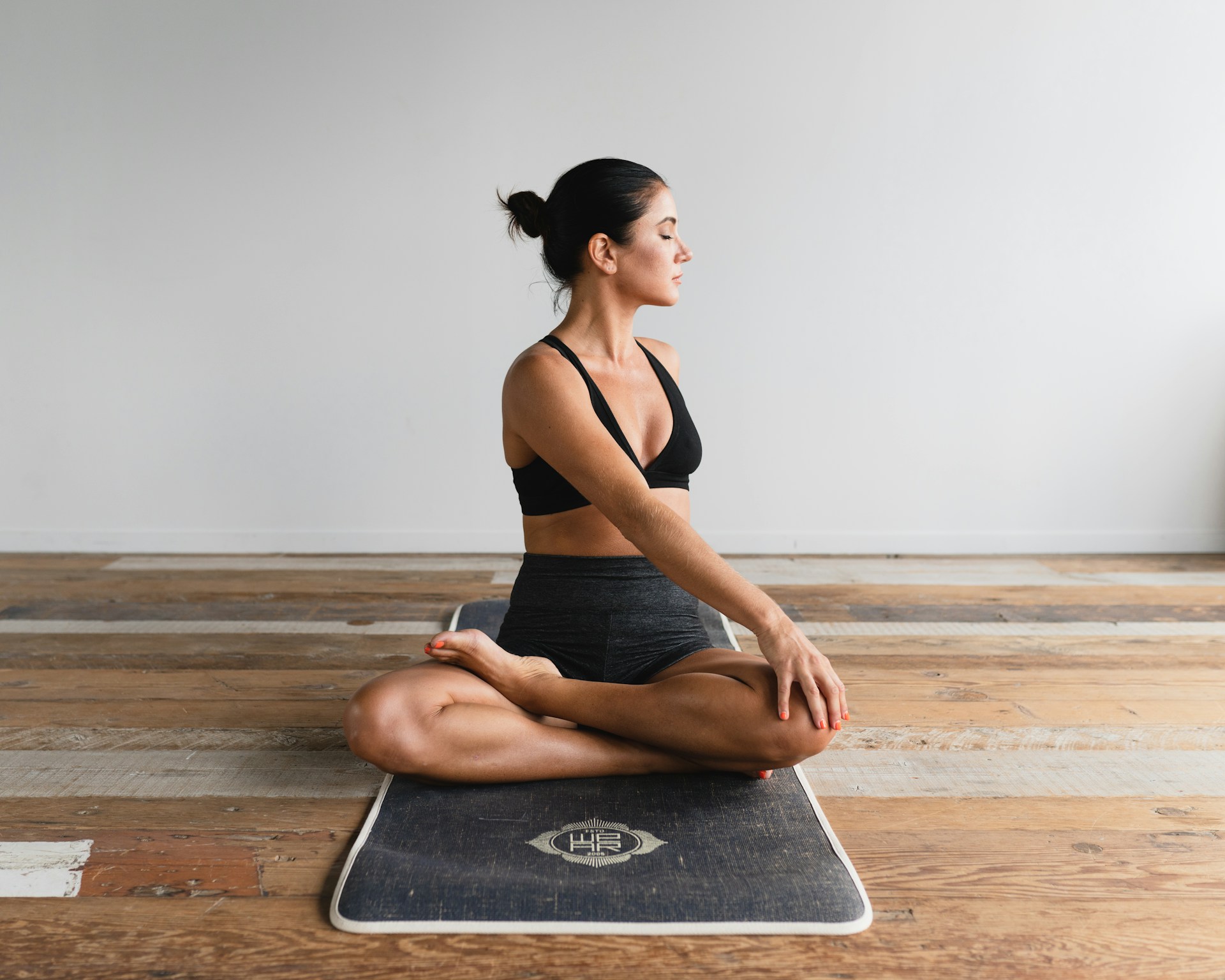
Long stretches of sitting or standing in one position can leave you feeling more sluggish than you expect, even when nothing particularly tiring has happened. Short, regular movement breaks can help interrupt that pattern and provide a change of pace. Walk to make a drink, step outside at lunchtime, or stretch for a few minutes between tasks. These small pauses offer an opportunity to move, change your surroundings, and return to what you were doing with renewed attention.
Comfortable, supportive footwear can also make everyday movement more appealing. A short walk around the block may become an enjoyable break rather than another task to get through, particularly when you are not distracted by sore feet or uncomfortable shoes. You do not need to turn every movement break into a workout; the point is to build more opportunities for movement into a day that might otherwise be spent sitting at a desk or rushing between responsibilities.
The evening deserves just as much care as the morning. Softer lighting, a reasonably consistent bedtime, and a calming activity such as reading or light tidying can help signal that it is time to slow down. Changing out of the day’s clothes and into something soft and comfortable can also serve as a simple cue that the working day is over.
The routines that last are rarely the most ambitious. Rather than trying to change everything at once, choose one or two small adjustments to begin with, such as a regular wake-up time, a short morning sequence, or a gentler wind-down before bed. Give yourself a few weeks to see which changes fit naturally into your life, then build from there. Steady repetition, rather than the occasional big push, is what helps shape more comfortable, balanced days over time.
Featured image: Jacob Wackerhausen/iStock
—Read also