

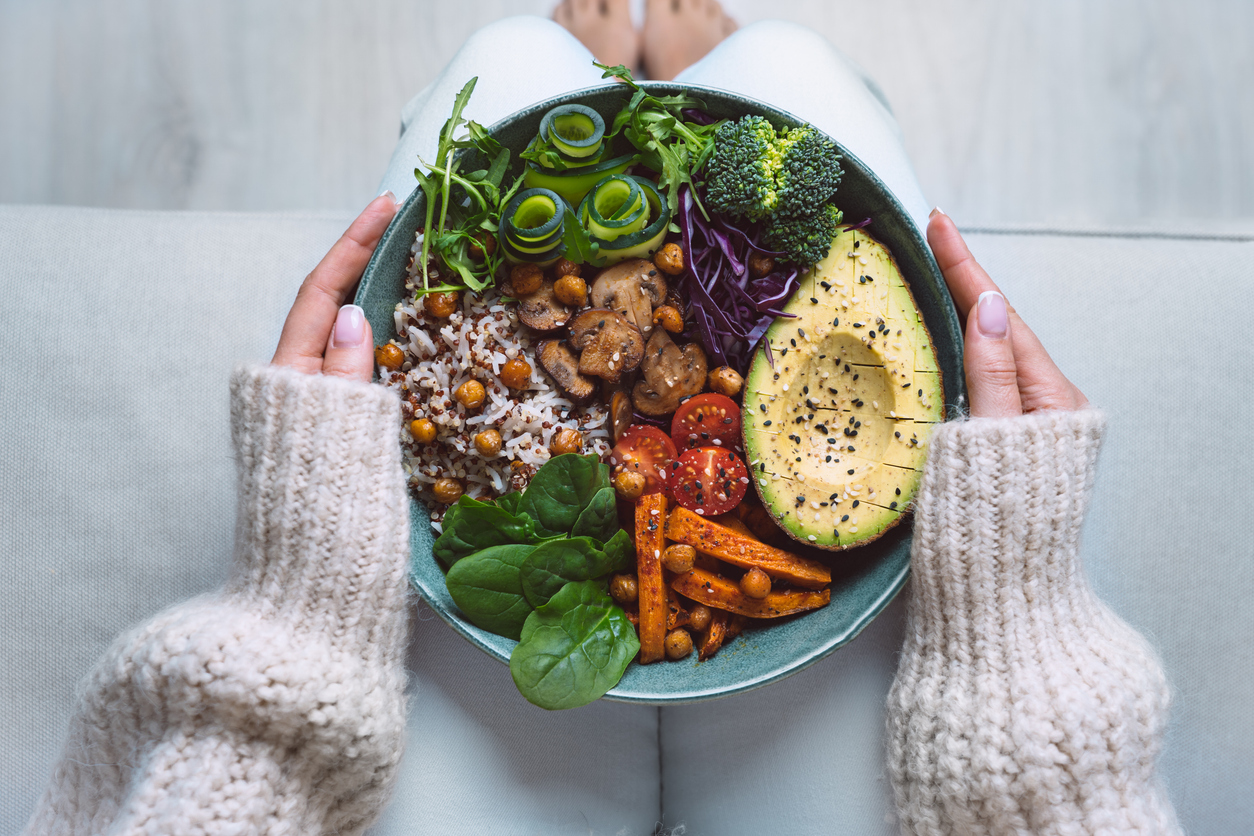

Curiosity about what belongs on the plate can start with a simple question: What is a plant-based diet? The answer is usually broader than the label suggests. In everyday eating, a flexible eating pattern can put vegetables, grains, and beans at the center, while plant foods remain the main source of nourishment. Meals can be built around whole or minimally processed ingredients, making the diet a pattern rather than a rigid set of rules.
Unlike a vegan diet, plant-based eating does not automatically mean eliminating every food that comes from an animal. The American Heart Association describes it as an eating style that emphasizes plant foods without necessarily excluding meat, fish, eggs, or dairy.
That flexibility is part of what makes the idea interesting. Instead of waking up and deciding that an entire category of food is suddenly off the menu, you can start by changing what takes up most of your plate. A colorful bowl of beans, brown rice, roasted vegetables, and avocado can fit the pattern just as easily as oats with fruit and nuts, lentil soup with whole-grain bread, or a vegetable-rich pasta dinner.
What Does a Plant-Based Diet Actually Include?
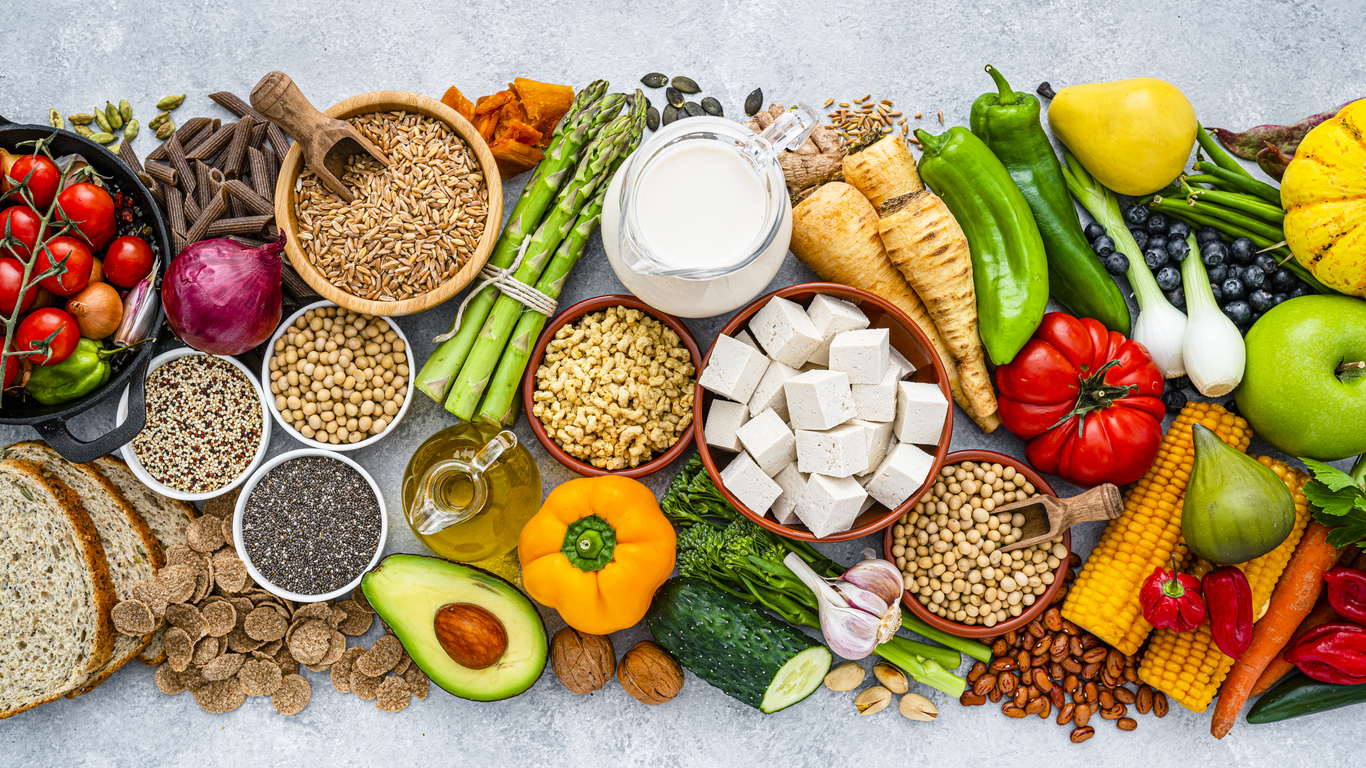
To see what this looks like in practice, the key question for most people is how meals are built rather than which foods are banned. A typical plate can center on plant foods, with grains and beans providing fiber and protein, while the overall pattern remains flexible. Depending on the person, eggs or dairy can also have a place.
Vegetables, fruits, beans, lentils, peas, whole grains, potatoes, nuts, seeds, tofu, and other soy foods can all have a place. Healthy oils, herbs, and spices also make everyday meals easier to vary and can keep plant-centered cooking from becoming repetitive.
This is also where plant-based eating differs from a strictly vegan diet. Vegan eating excludes animal-derived foods, including eggs and dairy, while a plant-based pattern can be vegetarian, flexitarian, or simply plant-forward. There is no single menu that every person following a plant-based diet has to follow.
Can You Eat Eggs on a Plant-Based Diet?
Yes, depending on how you define your version of plant-based eating. Someone following a vegan diet would not eat eggs, while a vegetarian or flexitarian may include them.
Eggs can also make the transition easier for people who want to increase their intake of plant foods without changing every familiar meal at once. The important point is that a plant-based diet is primarily about what dominates the overall pattern, not about passing a test every time you sit down to eat.
Can You Eat Bread on a Plant-Based Diet?
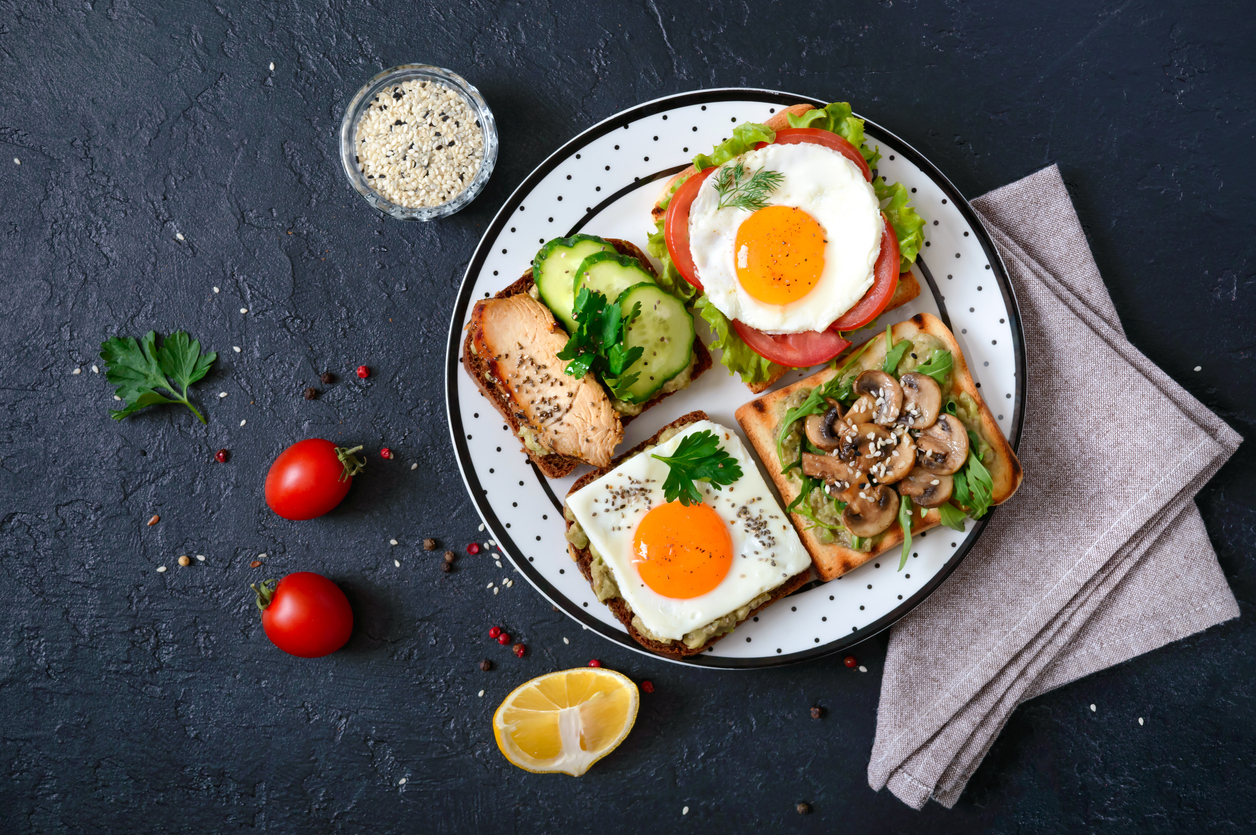
Bread can absolutely fit, although the ingredients matter. Whole-grain breads can contribute fiber and nutrients, while some breads contain milk, butter, or eggs, so people following a strictly vegan pattern need to check the label. Bread has also been listed among the staple carbohydrate foods that can form part of a balanced vegan diet.
This is a useful reminder that “plant-based” does not automatically mean low-carb, gluten-free, or free from packaged foods. A diet can include bread, pasta, and potatoes while still placing vegetables, legumes, fruits, and whole grains at its center.
What Are the Benefits?
A growing body of research links healthier plant-based dietary patterns with lower risks of type 2 diabetes, cardiovascular disease, and some other chronic conditions. A 2023 systematic review covering more than 2.2 million participants found that healthier plant-based patterns were associated with lower risks of type 2 diabetes, cardiovascular disease, cancer, and death from any cause, while less healthy plant-based patterns did not show the same advantages.
The 2026 American Heart Association dietary guidance also emphasizes vegetables, fruits, whole grains, healthy protein sources, unsaturated fats, and minimally processed foods as key parts of a heart-healthy eating pattern.
The practical advantage often comes down to what replaces what. Swapping some processed meat, excess saturated fat, and highly refined foods for beans, lentils, vegetables, nuts, and whole grains can increase fiber intake while improving the overall quality of the plate. In other words, the benefit is not simply about removing certain foods; it is also about making more room for nutrient-rich choices.
What Is the Downside of a Plant-Based Diet?
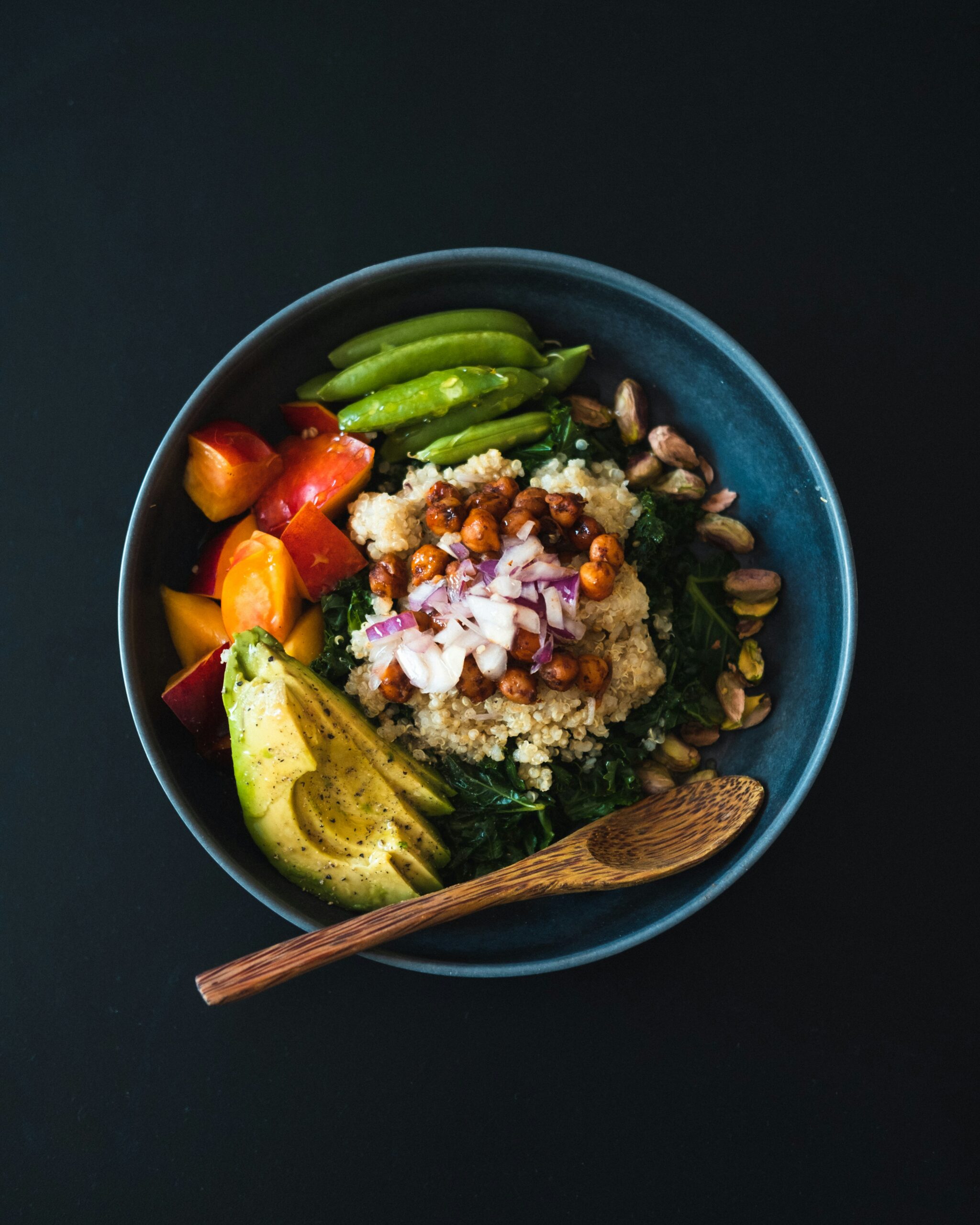
Readers wondering about the main drawback should know that planning becomes more important as the diet becomes more restrictive. Someone who simply adds more vegetables and beans to an otherwise varied diet has different nutritional considerations from someone who eliminates all animal products.
Careful nutrition planning matters particularly for people following a vegan diet, since certain nutrients require more attention. Everyday meals should include a wide variety of foods and deliberately provide nutrients such as vitamin B12, iron, calcium, iodine, and vitamin D.
Protein is usually manageable when meals include beans, lentils, soy foods, nuts, seeds, and whole grains. Iron deserves a little more attention because the body absorbs plant iron less efficiently than iron from meat. Eating plant sources alongside foods rich in vitamin C can improve iron absorption.
Vitamin B12 deserves particular attention for vegans because reliable sources are limited to fortified foods and supplements. Suddenly increasing fiber can also cause bloating or digestive discomfort, so gradually adding beans, lentils, vegetables, and whole grains can make the transition easier.
For anyone making a major dietary change, especially one that eliminates entire food groups, it can be useful to speak with a doctor or registered dietitian about individual nutritional needs.
Is a Plant-Based Diet Worth Trying?
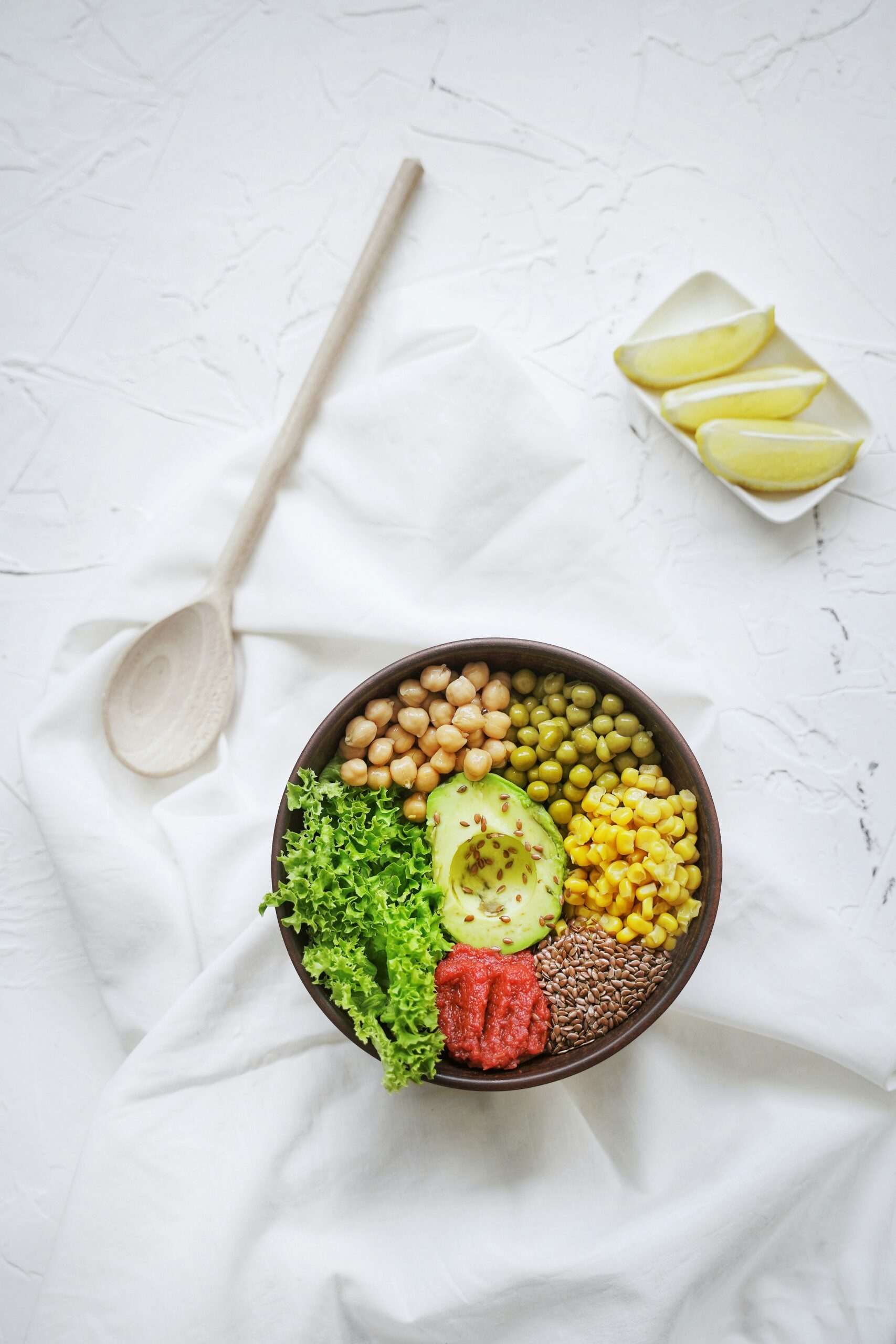
People often ask what makes this approach worth trying, and the answer comes down to practical habits that can add more vegetables, beans, whole grains, and nuts to everyday meals. The flexibility also makes it easier to adapt the pattern to familiar foods, personal preferences, and the way you already eat.
For many people, the most realistic version is not a major overnight overhaul. Start with a few plant-centered meals each week, make beans or lentils a regular protein source, add more vegetables to familiar dishes, and gradually discover which meals fit naturally into your routine.
The strongest case for trying plant-based eating is its flexibility. You do not need to make every meal perfect to eat more plants, and you do not need to abandon familiar foods to build a healthier pattern. The bigger opportunity is to make nourishing plant foods a regular part of everyday eating, then build from there.
Featured image: Daria Kulkova/iStock