



Stress doesn’t always arrive as a major crisis. Sometimes, it looks like waking up already thinking about everything you need to do, constantly checking your phone, carrying tension in your shoulders, or going to bed with your mind still racing.
That’s why self-care is more useful when it becomes part of your everyday routine, rather than something you save for when you’re completely exhausted. You don’t need a full day at a spa or an elaborate wellness plan. Small, intentional habits can give your mind and body a chance to slow down.
The key is choosing rituals that genuinely help you step away from the noise of daily life. From mindful breathing and nature walks to digital boundaries and a warm bath before bed, these seven self-care rituals can help you manage stress without turning your routine into another task.
Here are seven self-care rituals to try when you need a little more calm in your day…
#1. Mindful Breathing
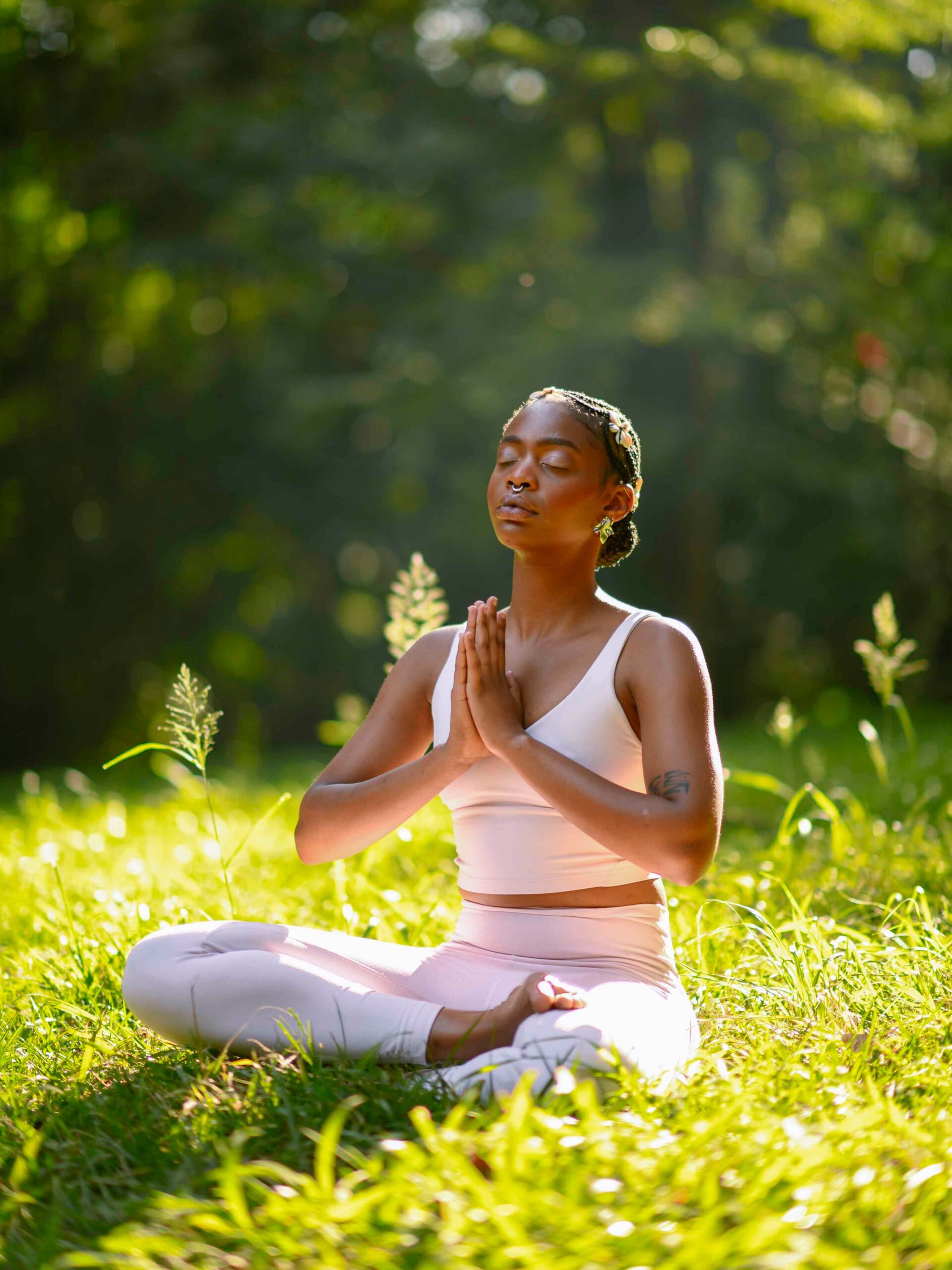
When you’re stressed, your breathing can become faster and shallower without you even noticing. Taking a few minutes to focus on your breath allows you to pause and settle your body. You don’t need a complicated technique. Sit somewhere comfortable, relax your shoulders, breathe slowly through your nose, and exhale gently.
Focus on the movement of your breath rather than everything competing for your attention. Try this when you wake up, before bed, or whenever you notice yourself becoming overwhelmed. One of the best things about mindful breathing is that it requires no equipment or special setting. You can practise it at your desk, in your car before going inside, or for a few minutes in the middle of a busy day.
#2. Nature Walks

Sometimes, the best way to get out of your head is to get outside. A walk through a quiet neighborhood, park, garden, or other green space can offer a welcome break from screens and responsibilities. You don’t have to turn it into a workout or track every step. The goal is simply to move your body and spend some time away from your usual surroundings.
Leave your phone in your bag or switch it to silent if you can. Pay attention to the trees, the sky, the sounds around you, and the people passing by. Even a short walk can become a different experience when you’re fully present instead of rushing toward the next thing.
If your schedule is packed, start with 10 or 15 minutes. Self-care doesn’t have to take up your entire afternoon to be worthwhile.
#3. Gratitude Journaling

When you’re stressed, it’s easy to focus on everything that isn’t going well. Gratitude journaling offers a simple way to notice what’s going right, even when other parts of life are difficult. You don’t need to write several pages or come up with profound observations. At the end of the day, jot down three things you’re grateful for.
They might be as simple as having a good conversation, enjoying your favorite meal, getting through a difficult day, or finding a quiet moment to yourself. The practice isn’t about pretending everything is perfect. You can acknowledge that you’re going through a challenging time while still appreciating the small things that bring you comfort or joy. Keep a notebook beside your bed to make the habit easier to maintain.
Shop editor’s picks
#4. Intentional Movement

Exercise can help manage stress, but self-care doesn’t have to mean pushing yourself through an intense workout. Intentional movement is about choosing an activity that suits your body and gives your mind a break. That could mean stretching in the morning, taking a relaxed walk, practicing yoga, dancing around your room, or doing a workout you genuinely enjoy.
The key is to take the pressure off. You don’t need to hit a fitness goal every time you move. Sometimes, 10 minutes of stretching after a long day is exactly what you need. Think of movement as a way to ease physical tension and reconnect with your body, rather than another item on your to-do list.
#5. Set Digital Boundaries
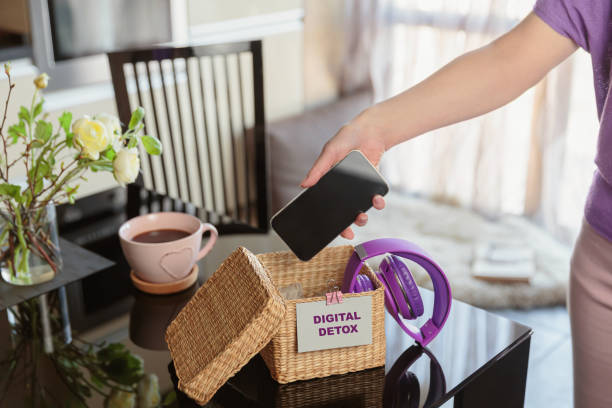
Your phone can make life easier, but constant notifications and endless scrolling can also make it difficult to switch off. Setting digital boundaries gives your mind some much-needed breathing room. You could decide not to check social media during the first 30 minutes of your morning or stop responding to work messages at a set time in the evening.
You can also create phone-free moments during meals, walks, or your nighttime routine. The goal isn’t necessarily to spend hours completely offline. It’s to let go of the expectation that you have to respond to everything immediately. Even a short break from notifications can make your day feel less mentally crowded.
#6. Take a Warm Bath

Few things say “slow down” quite like a warm bath at the end of a long day. Warm water can be soothing when you’re carrying tension in your shoulders, back, or legs, and a bath can become a calming transition between your busy day and bedtime. Make the experience as simple or elaborate as you like. Dim the lights, play soft music, use a bath product you enjoy, or simply sit quietly without your phone.
And if you’re wondering about a cold bath, it isn’t necessarily the better choice for stress relief. Cold-water immersion can feel invigorating and may be useful in certain contexts, such as after exercise, but it can also trigger an initial stress response.
If your main goal is to unwind, a comfortably warm bath may be a more suitable choice. Make sure the water isn’t excessively hot, particularly if you’re pregnant or have a medical condition that affects your ability to tolerate heat.
#7. Read Something You Enjoy

Reading can be an easy way to give your mind a break from the constant stream of information coming from your phone. Instead of scrolling through social media before bed, pick up a novel, memoir, magazine, or another book that genuinely interests you. Even a few pages can create a clear boundary between the day’s responsibilities and your evening.
You don’t have to choose something educational or impressive, either. A light novel or a book you’ve read before is perfectly fine. The point is to spend a little time doing something that doesn’t require you to reply, compare, react, or keep up with everyone else.
Make Self-Care a Reset, Not Another Task

The most effective self-care routine isn’t necessarily the longest or most elaborate. It’s the one you can genuinely enjoy and maintain. You might spend five minutes focusing on your breathing one morning, take a short walk during lunch, write down three things you’re grateful for at night, or put your phone away while relaxing in a warm bath. These small moments can create useful pauses in a day that otherwise seems nonstop.
You also don’t need to practise all seven rituals every day. Choose the ones that fit naturally into your life and pay attention to which ones help you unwind. Self-care isn’t about creating a perfect routine. It’s about giving yourself regular opportunities to slow down, reset, and care for your well-being before stress becomes overwhelming.
Featured image: @olskinco/Instagram