

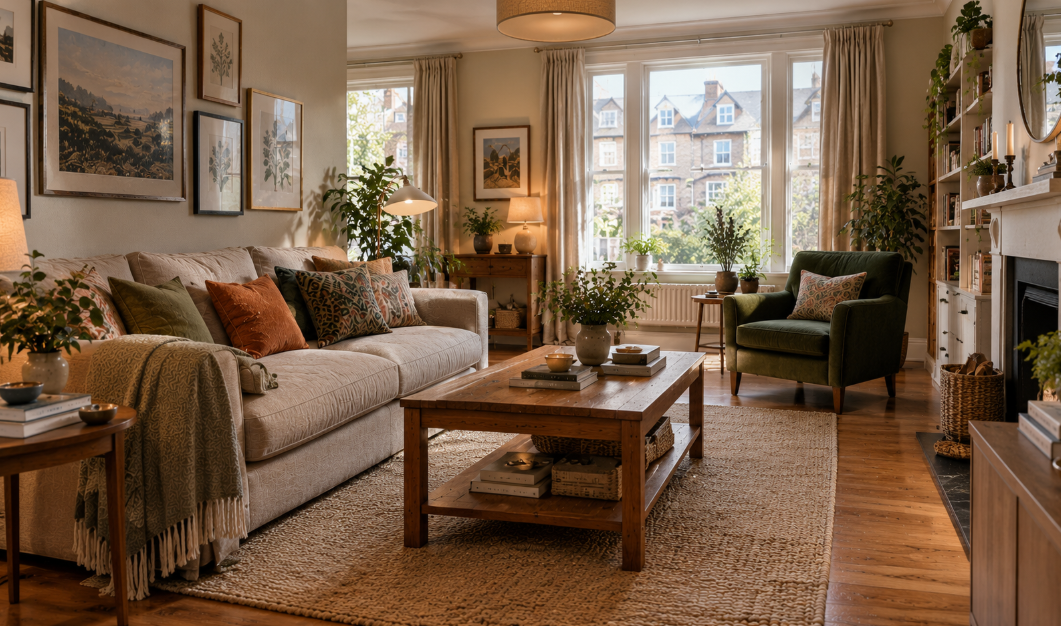

A room can be spotless and still feel uncomfortable. The floors are clean, the furniture is in place, and there is no obvious mess, yet the space may appear crowded, distracting, or strangely difficult to settle into. A coffee table covered in decorative objects, a sofa that overwhelms the room, or a collection of competing colors can affect the atmosphere just as much as untidiness. In these situations, the problem is not necessarily how much a room contains, but how its individual elements relate to one another.
Interior design involves more than choosing attractive furniture and keeping surfaces tidy. Proportions, visual balance, lighting, storage, and the way a space supports everyday activities all influence how a room is experienced. Even belongings that serve a useful purpose can contribute to visual noise when they lack a clear place, while an otherwise beautiful arrangement may seem awkward if the furniture is too large or the lighting is poorly considered. Understanding these factors makes it easier to identify what is disrupting a room’s balance and decide which changes will make the greatest difference, without stripping away the personal touches that make a home distinctive.
Here are 7 interior design factors that can make a room feel cluttered…
#1. Decorative Objects That Compete for Attention
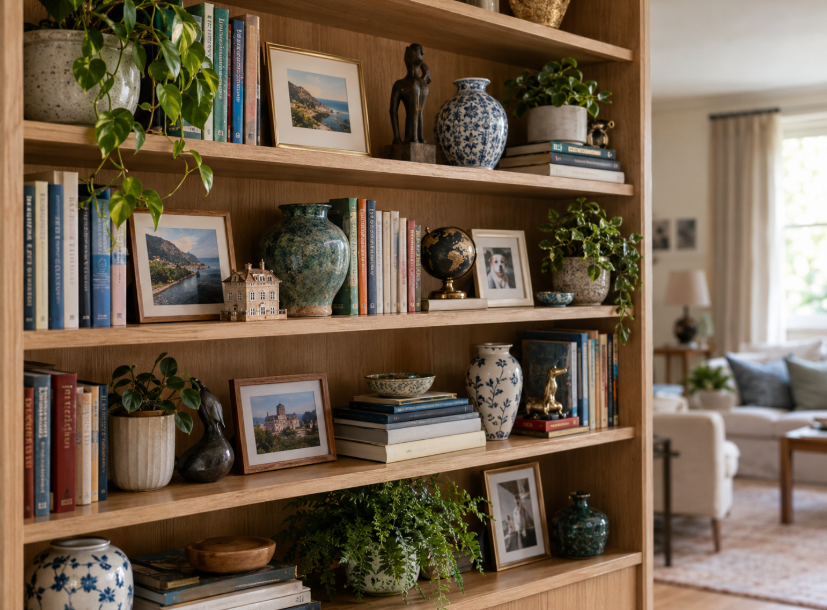
A collection of framed photographs, souvenirs, and ornaments can give a room character. However, displaying too many objects in one area can make it difficult to appreciate any of them individually.
This is particularly noticeable on bookshelves and coffee tables, where items of different sizes, colors, and shapes compete for attention. The result can look disorganized even when everything has been arranged deliberately.
Grouping related objects creates a clearer visual composition. For example, placing a few favorite ornaments together with space around them allows each piece to stand out. There is no need to remove personal decorations altogether; the aim is to give them room to be appreciated.
#2. Furniture Proportions Matter
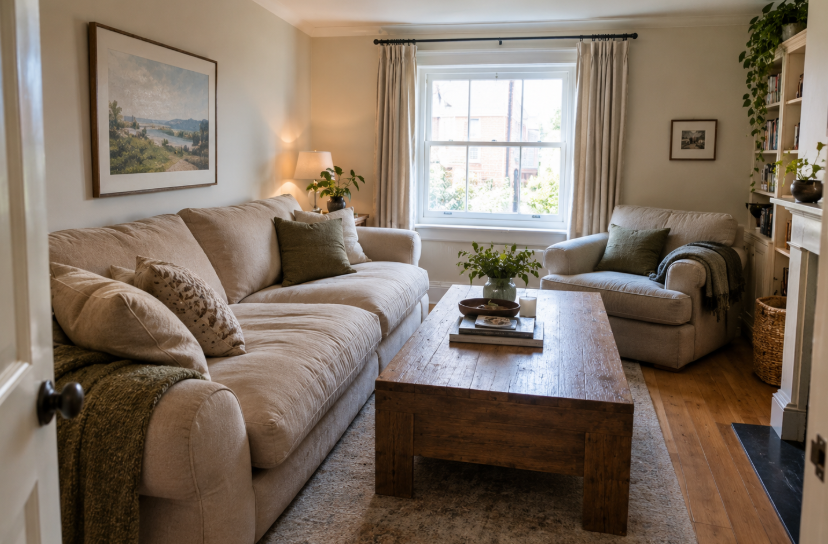
Furniture that looks attractive in a showroom may not suit every home. A deep sofa, oversized armchair, or bulky coffee table can dominate a compact living room, leaving the remaining furnishings looking undersized and the available floor space restricted.
Measurements are useful before purchasing large pieces. Consider the dimensions of the room, the size of existing furniture, and the amount of floor space that will remain. Furniture with suitable proportions generally creates a more balanced arrangement than pieces chosen on appearance alone. It is also worth considering how easily people can move between seating, tables, and doorways once everything is in place.
The shape of individual items matters, too. Rounded edges can soften a room filled with straight lines, while simpler silhouettes may complement an interior that already contains elaborate patterns and decorative details. The goal is not to make every piece match, but to ensure that the furniture works together without any one item dominating the entire space.
#3. Everyday Belongings Need a Place of Their Own
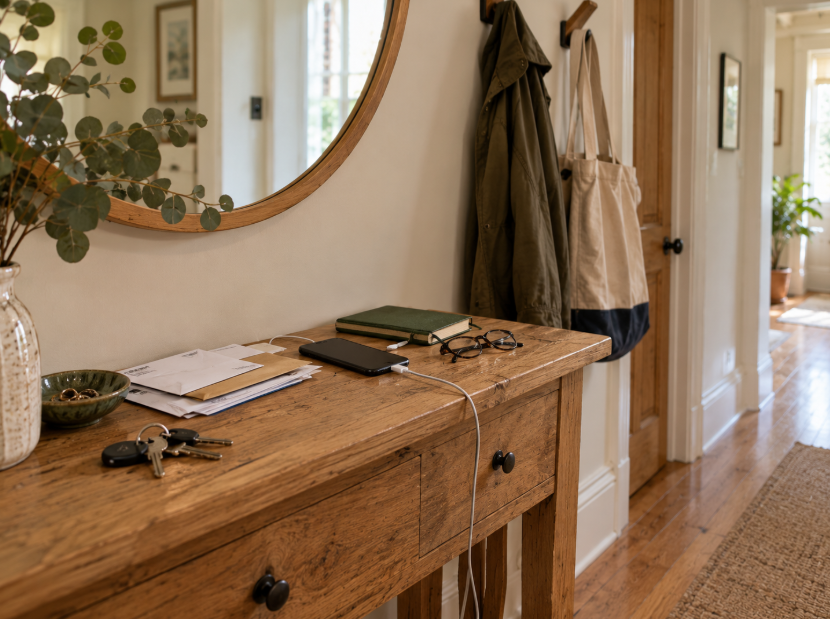
Keys, letters, charging cables, and shopping bags often accumulate in convenient spots. These items may not be decorative, but they are part of daily life and need somewhere practical to go. When they repeatedly land on countertops, dining tables, or the nearest available chair, even a well-maintained room can begin to look untidy.
A useful starting point is to consider where each item is normally used. Keys can be kept near the entrance, paperwork can be stored together, and electronic accessories can be gathered in one accessible location. Small trays, baskets, drawer organizers, and wall hooks can help keep frequently used belongings within reach without allowing them to spread across the room.
The arrangement should reflect actual habits rather than an idealized routine. If an item is used every day, storing it somewhere difficult to reach is unlikely to work in the long term. Practical organization is less about creating a perfectly styled interior and more about making it easy to return things to their proper places.
#4. Open Shelving and Closed Storage Serve Different Purposes
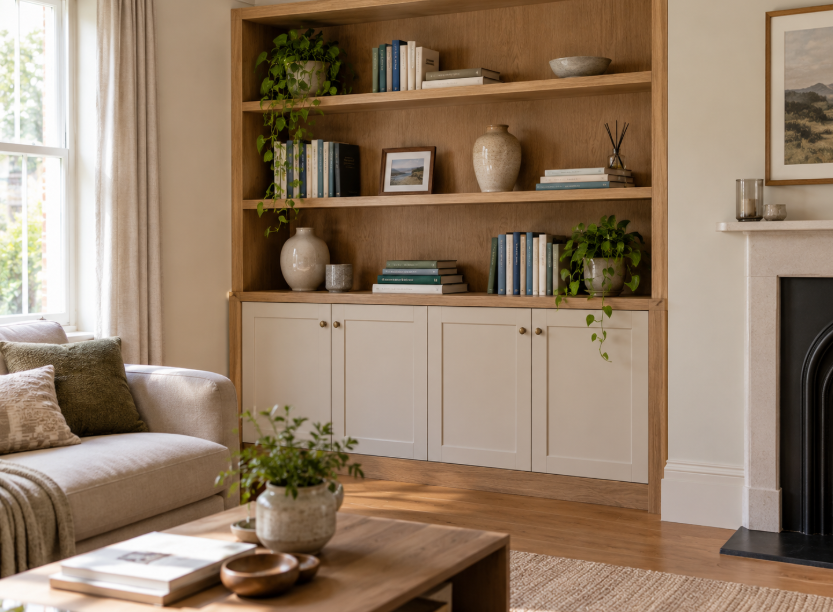
Open shelving keeps books, collections, and frequently used objects visible. It can also introduce color and texture into an interior, creating opportunities to display favorite pieces. The main consideration is that everything on display contributes to the overall look, so overcrowded shelves can quickly become distracting.
Closed storage suits belongings that are useful but don’t need to remain visible. Paperwork, household supplies, and electronic accessories are common examples. Cabinets, drawers, and storage benches can keep these necessities accessible while maintaining a more streamlined appearance.
Some households also need storage arrangements that can adapt to changing requirements. Modular cabinets offer one approach, with configurations that can be adjusted around different storage needs and available space.
The decision between open and closed storage depends on the contents, room dimensions, and preferred interior style. Many rooms benefit from a combination of both rather than relying exclusively on either option. A few thoughtfully arranged shelves can provide character, while closed cabinets keep everyday necessities from competing for attention.
#5. Color and Pattern Influence Visual Balance
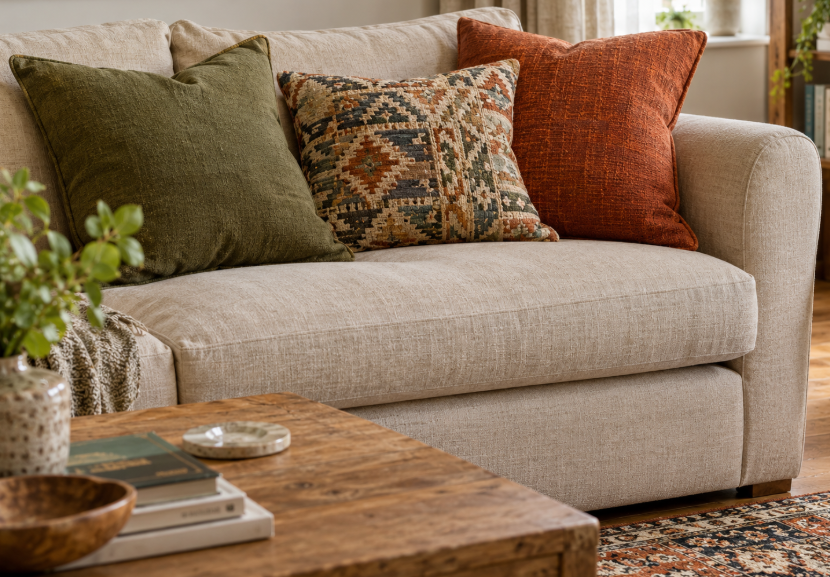
Color can connect different elements of a room or make them appear disconnected. When wall colors, upholstery, rugs, and accessories all demand attention, the interior may seem busy even if the furniture is well arranged. The issue is not necessarily the number of colors used, but whether they work together to create a coherent composition.
A consistent color palette helps establish continuity. This does not require matching every item or avoiding bold shades. Instead, repeating selected colors across a few elements can bring the room together. A cushion that echoes the color of a rug, for example, can create a subtle connection between different areas of the room.
Patterns need similar consideration. A patterned rug can become an effective focal point when surrounded by simpler furnishings. Combining several strong patterns can also work, but differences in scale, color, and visual weight need to be considered so that the designs complement rather than compete with one another. Allowing one pattern to take the lead while others play a supporting role can make a layered interior look intentional.
#6. Lighting Affects the Atmosphere
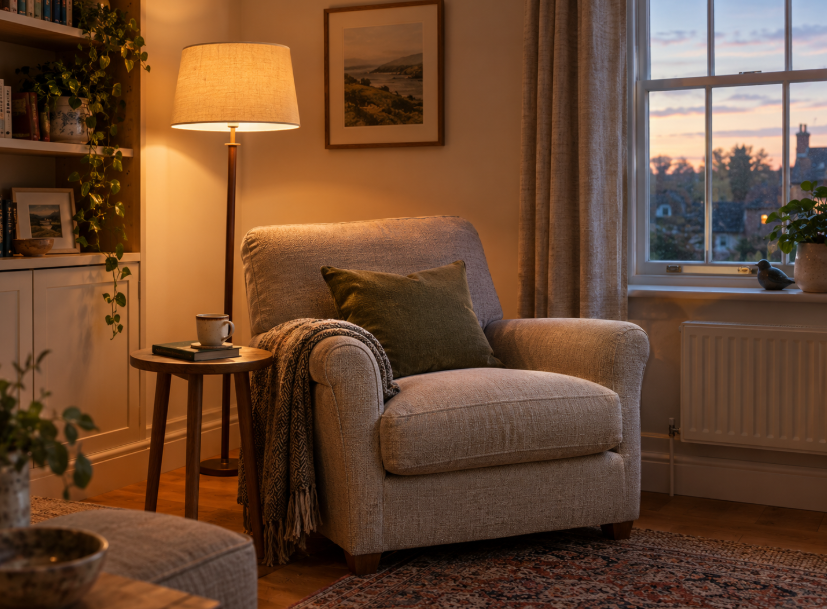
Lighting influences how colors, textures, and architectural details appear. A room with poorly illuminated corners may seem enclosed, while harsh overhead lighting can make an otherwise comfortable interior feel uninviting. Even a carefully arranged space can lose some of its appeal when the lighting fails to highlight its best features or support the activities taking place there.
Natural light provides a useful starting point during the day. Keeping windows unobstructed where practical allows more daylight into the room and makes the interior easier to appreciate. Mirrors can also help reflect available light, depending on their placement and the room’s layout.
After sunset, different light sources can support different activities. A reading lamp provides focused illumination, while softer ambient lighting creates a relaxed atmosphere for conversation or watching television. Table lamps, floor lamps, and well-placed task lighting can add depth while reducing reliance on a single bright ceiling fixture. Choosing lighting according to how a room is used can improve its atmosphere without requiring changes to the furniture or decoration.
#7. Give Each Area a Clear Purpose
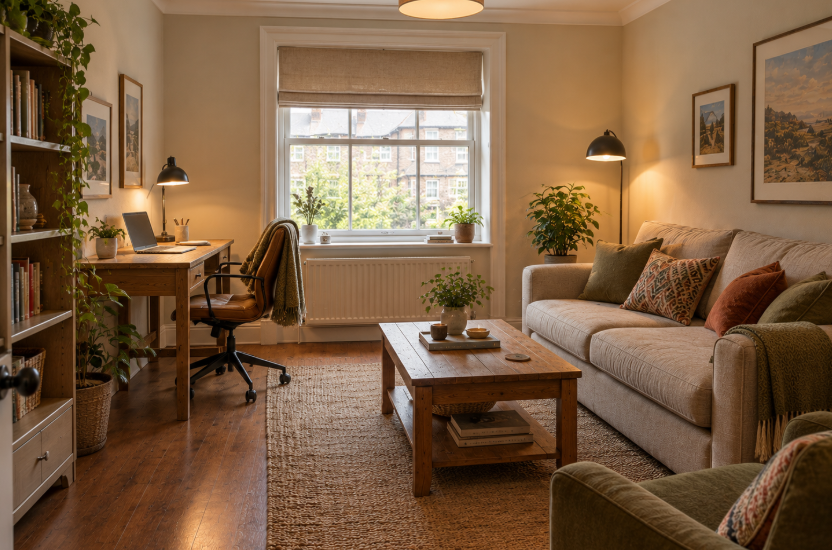
Rooms often become difficult to use when their functions are unclear. A dining table might serve as a permanent workspace, a spare chair might become a place for laundry, and a corner intended for reading might gradually collect unrelated belongings. Over time, these overlapping uses can make a room appear less organized and prevent any one area from serving its intended purpose well.
Defining the main purpose of each area helps establish practical boundaries. A desk can remain dedicated to work, for example, while a reading corner can be arranged around a comfortable seat, suitable lighting, and a small table for books or a cup of tea. Keeping the items associated with each activity nearby makes it easier to use the space without spreading belongings throughout the room.
This approach is especially useful in smaller homes, where one room may need to support several activities. Rather than dividing the space unnecessarily, thoughtful furniture placement and accessible storage can help different functions coexist without interfering with one another. The aim is to create a layout that accommodates real life while keeping the room easy to navigate.
Creating a Space That Feels Right
A comfortable interior is not defined by how many objects it contains or how closely it follows a particular design trend. Its success depends on whether the different elements work together and support the people using the space. A home can be richly decorated, filled with treasured possessions, and full of color without appearing chaotic when the arrangement has a sense of balance.
Looking at decorative displays, furniture proportions, storage arrangements, color, lighting, and room functions separately makes it easier to identify what is out of place. Sometimes the solution is as simple as removing a few objects from a crowded surface; in other cases, rearranging furniture or introducing more practical storage can make a greater difference. The most effective changes address the actual problem, allowing a home to remain personal, practical, and welcoming.
—Read also