


Most men use one moisturizer for everything, if they use one at all. They grab whatever is closest, find it greasy or ineffective, and decide moisturizer is not for them. The real problem is usually a mismatch. A rich cream on oily skin can feel heavy and may contribute to clogged pores, while a lightweight gel on dry skin might leave it tight and flaky by lunchtime.
This guide helps you find the best moisturizer for men by matching it to your skin type. It starts with a quick way to identify your skin, explains which ingredients and textures matter, and then walks you through seven product picks and categories for oily, combination, dry, sensitive, and mature skin. You will also find practical advice on how to apply moisturizer and which common mistakes to avoid, so the product you choose has a better chance of delivering the results you want.
How to Find Your Skin Type in Five Minutes: The Bare-Face Test
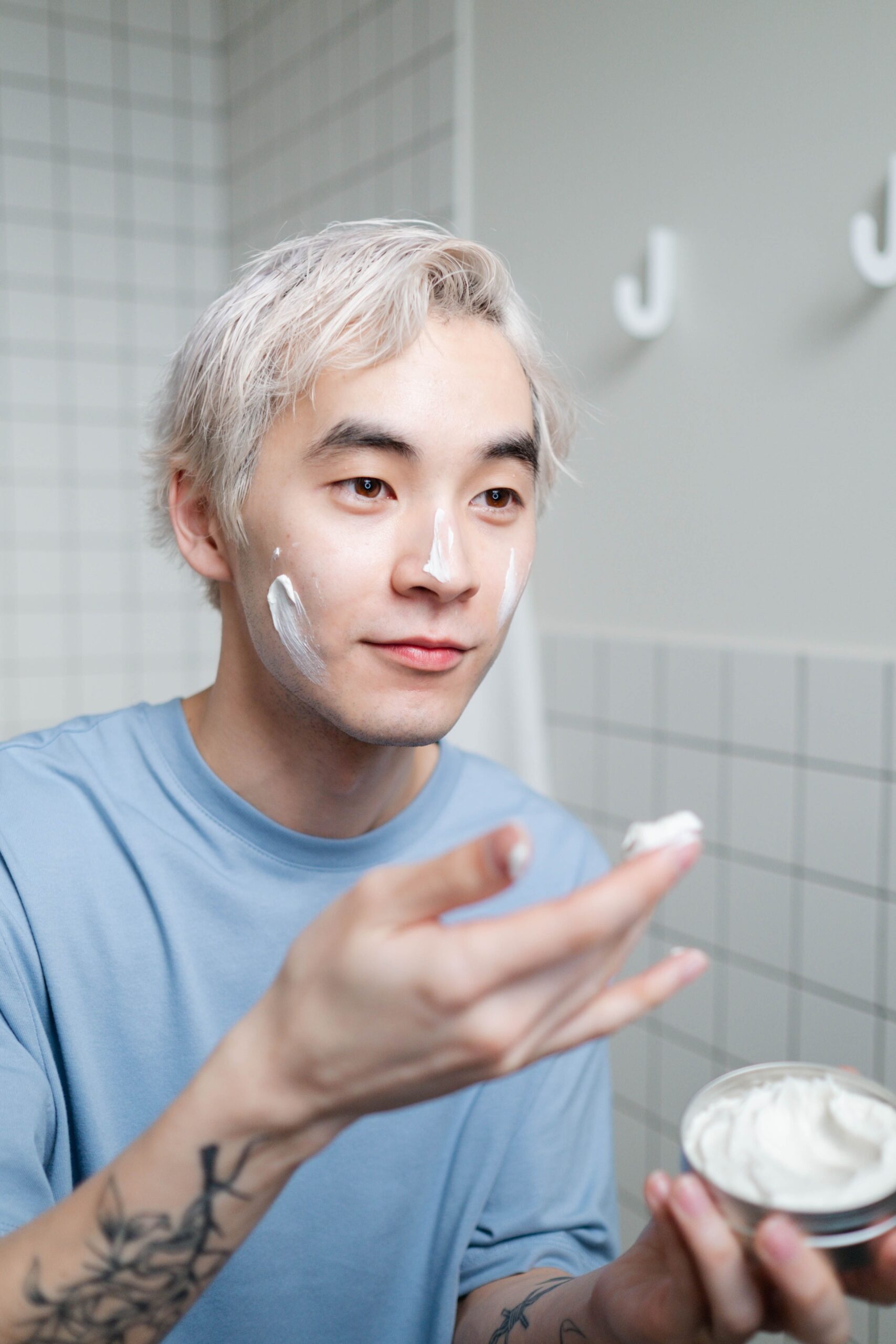
Before you buy anything, take a moment to identify your skin type. One simple method is the bare-face test. Wash your face with a gentle cleanser, pat it dry, and apply nothing. Wait about an hour, then examine how your skin looks and feels.
If your whole face looks shiny, especially across the forehead, nose, and chin, you likely have oily skin. If it feels tight, looks dull, or has flaky patches, your skin is probably dry. If the center of your face is shiny but your cheeks remain normal or slightly dry, you have combination skin. If your skin often stings, turns red, or reacts to new products, it may be sensitive. If it feels comfortable and is neither particularly shiny nor tight, you may have normal skin.
Keep in mind that skin type is not necessarily fixed. Your complexion can become drier in winter, oilier in summer, or more reactive after shaving and sun exposure. Hormonal changes, age, and certain skincare products can also affect how your skin behaves. Repeat the test when the seasons change, and adjust your moisturizer if your needs shift.
What to Look for in a Moisturizer: Ingredients, Textures, and SPF
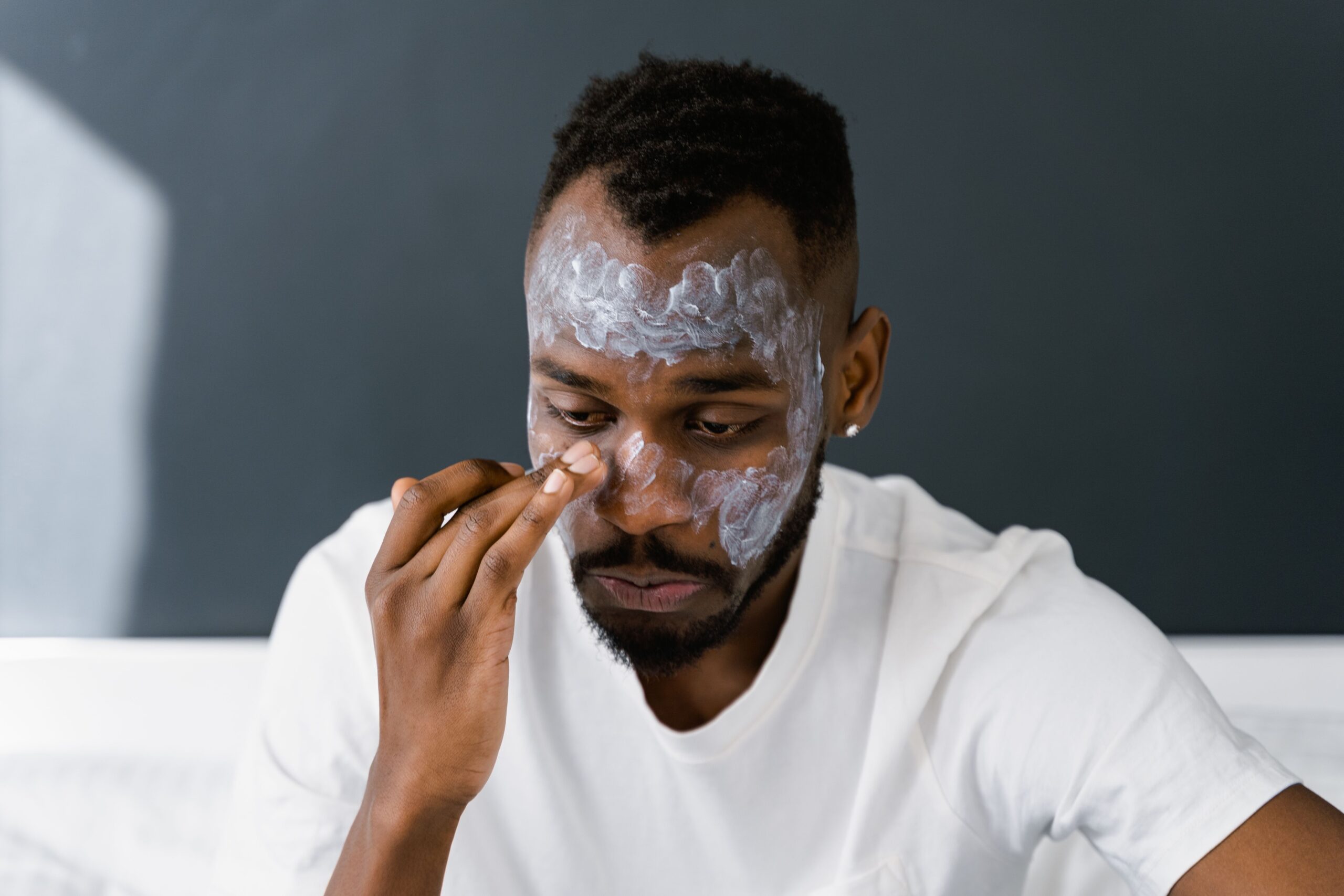
Ingredients tell you what a moisturizer is designed to do. Humectants such as glycerin and hyaluronic acid attract and hold water in the skin. Ceramides help support and maintain the skin barrier, while niacinamide can help reduce redness and regulate excess oil. Emollients such as squalane and shea butter soften the skin, while occlusives such as petrolatum create a protective layer that helps prevent moisture loss. These last ingredients can be particularly useful for dry or sensitive skin, although very rich formulas may not suit everyone, especially those prone to clogged pores.
Texture matters just as much. Gel moisturizers are often a good match for oily or combination skin because they tend to be lightweight and absorb quickly. Creams are generally better suited to dry skin, offering a richer layer of hydration. Lotions sit somewhere in between, providing moisture without the heavier consistency of a cream.
Check the label for a few other details. Fragrance-free formulas are often a safer starting point for sensitive skin, while “non-comedogenic” means a product is formulated to be less likely to clog pores. Many daytime moisturizers also include broad-spectrum SPF 30 or higher, offering hydration and sun protection in one step. Choose a formula that suits your skin first, then consider additional benefits based on your routine and concerns.
Here are seven moisturizers and product types to try, matched to different skin needs…
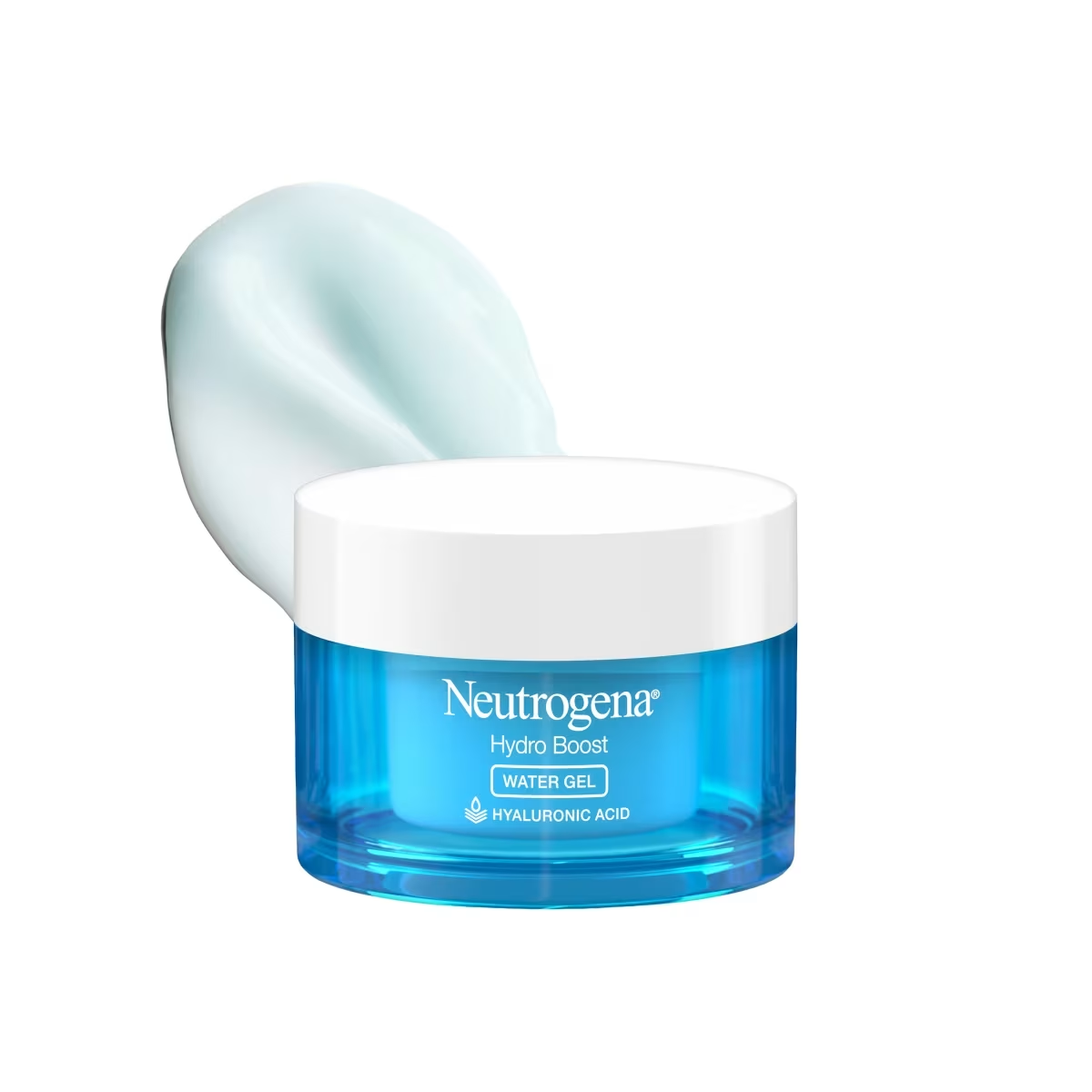
#1. For Oily Skin: Neutrogena Hydro Boost Water Gel
Shop here
Many men with oily skin avoid moisturizer because they worry it will make their complexion even shinier. But oily skin still needs hydration. The trick is to find a lightweight formula that delivers moisture without leaving a heavy or greasy film.
Neutrogena Hydro Boost Water Gel is often recommended for this purpose, and one men’s grooming roundup named it the best overall moisturizer. It contains hyaluronic acid, which helps attract water to the skin, while its gel texture absorbs quickly. This makes it a convenient option for anyone who prefers a lighter product under shaving products or sunscreen.
Apply a small amount to clean, slightly damp skin, and give it a minute to absorb before moving on to the next step in your routine. If your skin still feels tight during winter, try a second thin layer or switch to a lightweight lotion. Look for oil-free and non-comedogenic labeling if you are prone to clogged pores, and patch test any new formula if your skin is particularly reactive.
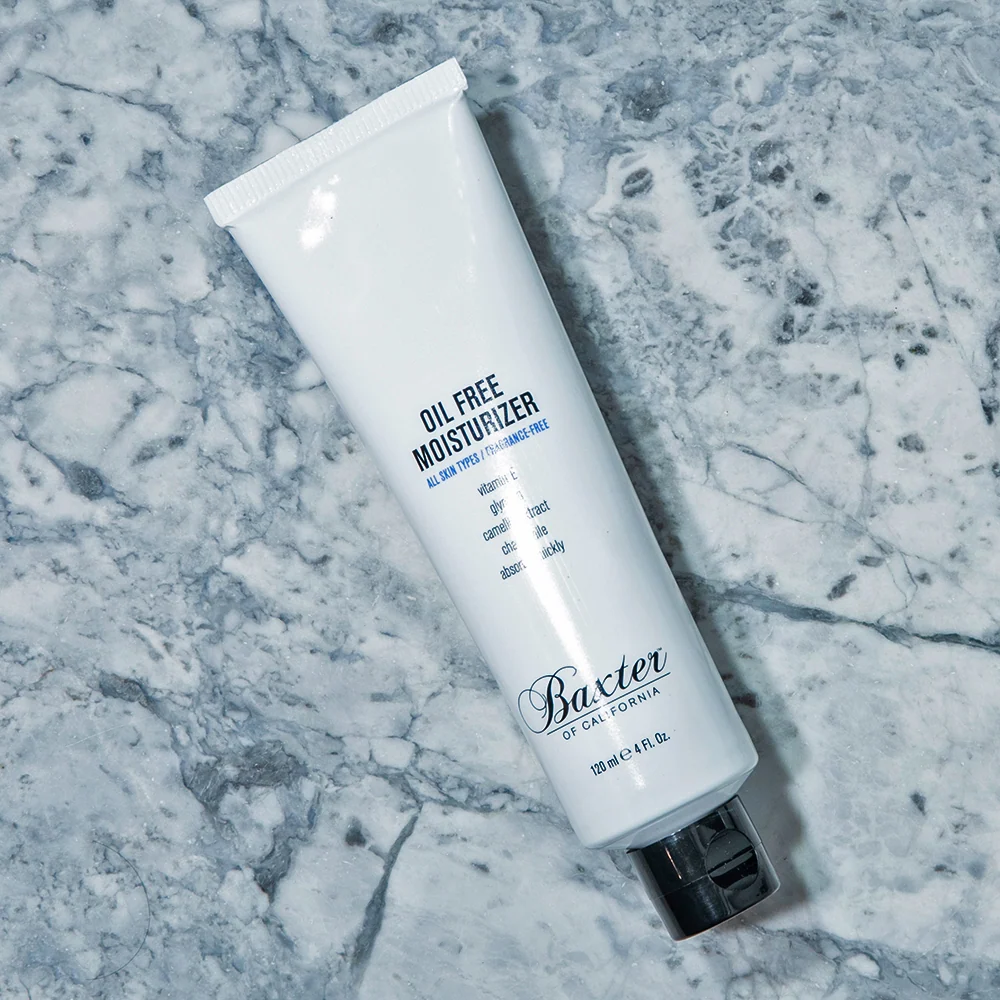
#2. For Oily and Acne-Prone Skin: Baxter of California Oil Free Face Moisturizer
Shop here
Oily skin that is also prone to breakouts needs a moisturizer that provides hydration without adding unnecessary heaviness. Look for oil-free, non-comedogenic formulas, and consider lightweight lotions or gels that absorb comfortably. Rather than avoiding every oil or rich ingredient, pay attention to how your skin responds to the complete formula.
One men’s moisturizer roundup selected Baxter of California Oil Free Face Moisturizer as its top choice for oily skin and Ursa Major Natural Face Moisturizer as its pick for acne-prone skin. Both offer options for men who want hydration without a noticeably greasy finish.
If you use acne treatments such as benzoyl peroxide or salicylic acid, moisturizer becomes especially important. These ingredients can cause dryness, irritation, and peeling, particularly when you first introduce them into your routine. Apply moisturizer after your treatment has absorbed, following the product’s instructions, and pay particular attention to areas that become dry or irritated. If breakouts persist or worsen, consult a dermatologist, as ongoing acne may require a more targeted treatment plan.
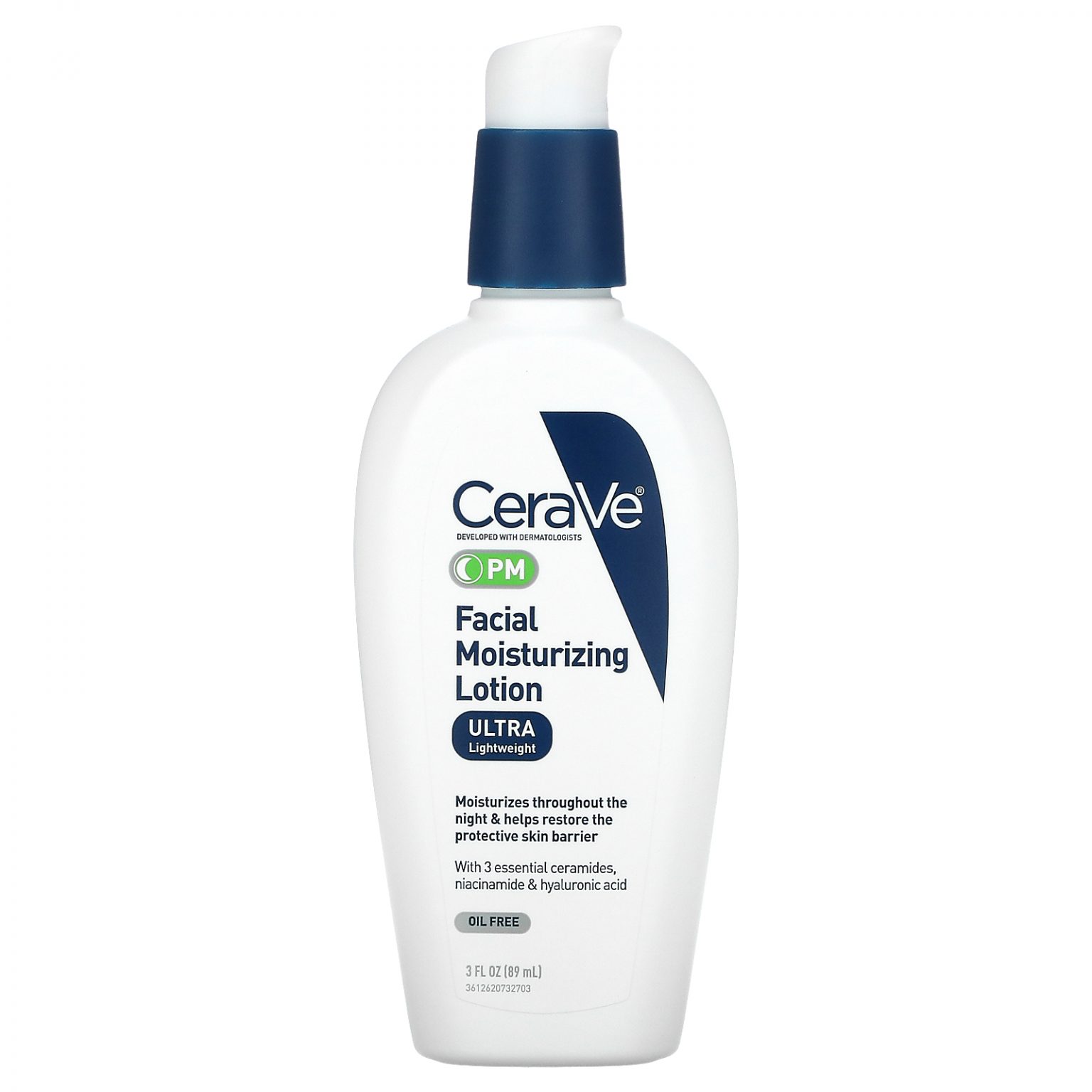
#3. For Combination Skin: CeraVe PM Facial Moisturizing Lotion
Shop here
Combination skin can be tricky because different areas of the face have different needs. The forehead, nose, and chin tend to be oilier, while the cheeks may remain normal or become dry. A lightweight lotion is often a good middle ground, providing hydration to drier areas without overwhelming the oilier parts of the face.
CeraVe PM Facial Moisturizing Lotion is commonly recommended for oily to combination skin. It is a lightweight formula containing ceramides, which help support the skin barrier, and niacinamide, which can help with redness and excess oil. It is also fragrance-free and has a non-greasy finish, making it a useful option for nighttime skincare.
If your cheeks become dry while your T-zone remains oily, apply a thin layer across your face and add a little more to the drier areas. During winter, you may prefer a richer cream on your cheeks, while a gel or lightweight lotion may be sufficient in warmer weather. In the morning, pair it with a separate broad-spectrum sunscreen, since this moisturizer does not provide SPF protection.
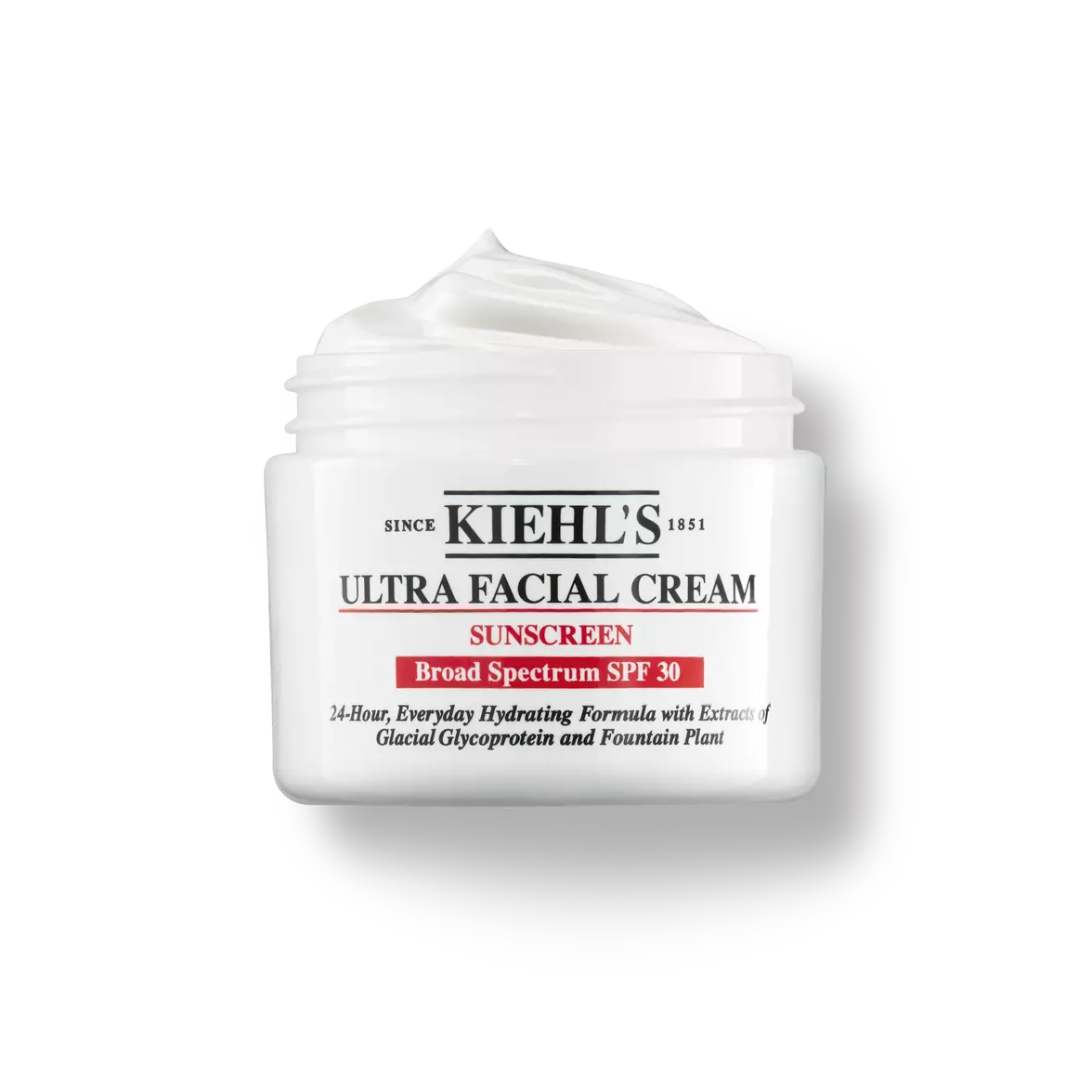
#4. For Dry Skin: Kiehl’s Ultra Facial Cream
Shop here
Dry skin needs a richer formula with ingredients that hydrate and help seal moisture in. Look for ceramides, hyaluronic acid, and glycerin, along with a cream texture that provides a more substantial layer of hydration than most lotions or gels.
CeraVe Moisturizing Cream is frequently recommended by dermatologists. Its fragrance-free formula contains hyaluronic acid and three essential ceramides and is designed for dry to very dry skin. Kiehl’s Ultra Facial Cream is another popular choice, while The Ordinary’s Natural Moisturizing Factors + PhytoCeramides offers a richer alternative at a more accessible price point.
Apply cream to slightly damp skin immediately after washing, when it can help retain some of the water already on the surface. In particularly cold or windy weather, you can add a thin layer of an occlusive balm over especially dry patches. If your skin is flaky, resist the temptation to scrub away the dry skin. Gentle cleansing and consistent moisturizing are usually better starting points, as excessive exfoliation can make irritation worse. It also helps to avoid very hot showers, which can strip the skin of its natural oils.
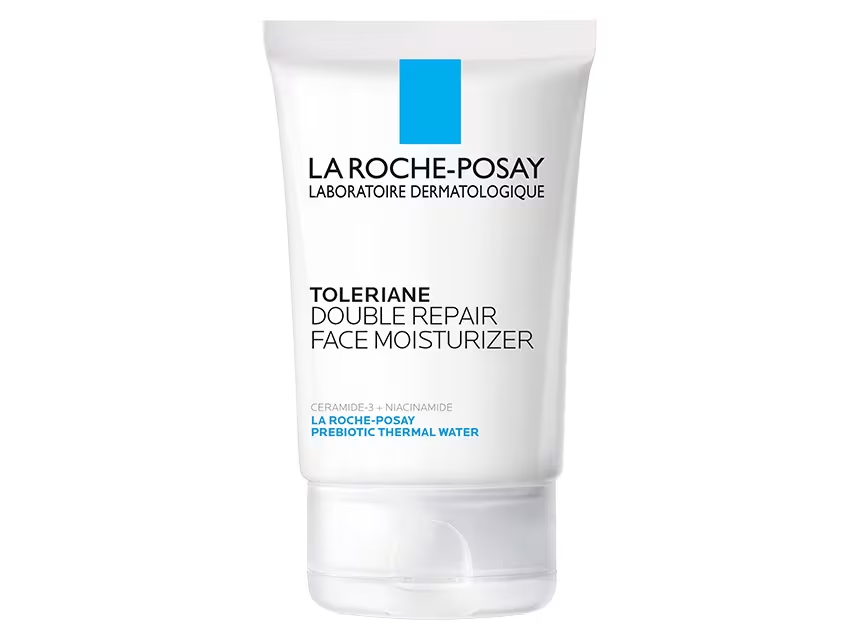
#5. For Sensitive Skin: La Roche-Posay Toleriane Double Repair
Shop here
Sensitive skin can react easily to certain ingredients, so the goal is to keep your skincare routine simple. Choose fragrance-free products with relatively uncomplicated formulas, and be cautious with potential irritants such as added fragrance, essential oils, and certain forms of alcohol, particularly if your skin is already irritated.
La Roche-Posay Toleriane Double Repair Face Moisturizer is a dermatologist-recommended option for sensitive skin and was named an editor’s pick in one men’s moisturizer roundup. Vanicream is another fragrance-free choice known for its straightforward formulations. It is widely used by people who prefer to avoid common cosmetic irritants.
Introduce any new product gradually. Apply a small amount to a discreet area of skin, such as the inner forearm, and monitor for a reaction over several days. If you notice redness, burning, or itching, stop using it. Be especially careful after shaving, when the skin may be more vulnerable to irritation. If reactions continue or you regularly experience discomfort, consult a dermatologist to identify possible triggers.
#6. For Daytime Protection: A Moisturizer With Broad-Spectrum SPF 30 or Higher That Combines Two Steps Into One
If you want a simpler morning routine, a moisturizer with built-in sun protection is a convenient choice. Many daytime moisturizers now include broad-spectrum SPF 30 or higher, allowing you to combine hydration and sun protection in one product.
Look for a formula labeled broad-spectrum, which means it protects against both UVA and UVB rays. Choose a texture that suits your skin type, such as a gel-cream for oily skin or a richer lotion for dry skin. It should also be comfortable enough to wear every day, without leaving an overly greasy finish or interfering with the rest of your grooming routine.
Apply it generously to your face, ears, and neck, following the directions on the label. Reapply at least every two hours when outdoors, and more frequently after swimming or sweating, as directed. Remember that the SPF on the label is based on using an adequate amount, so applying only a small dab may leave you with considerably less protection than expected. If you spend extended periods outdoors, make sure you have enough sunscreen for proper coverage and reapplication.
#7. For Mature Skin and Night Repair: A Richer Night Cream With Ingredients Such as Retinol, Peptides, and Ceramides
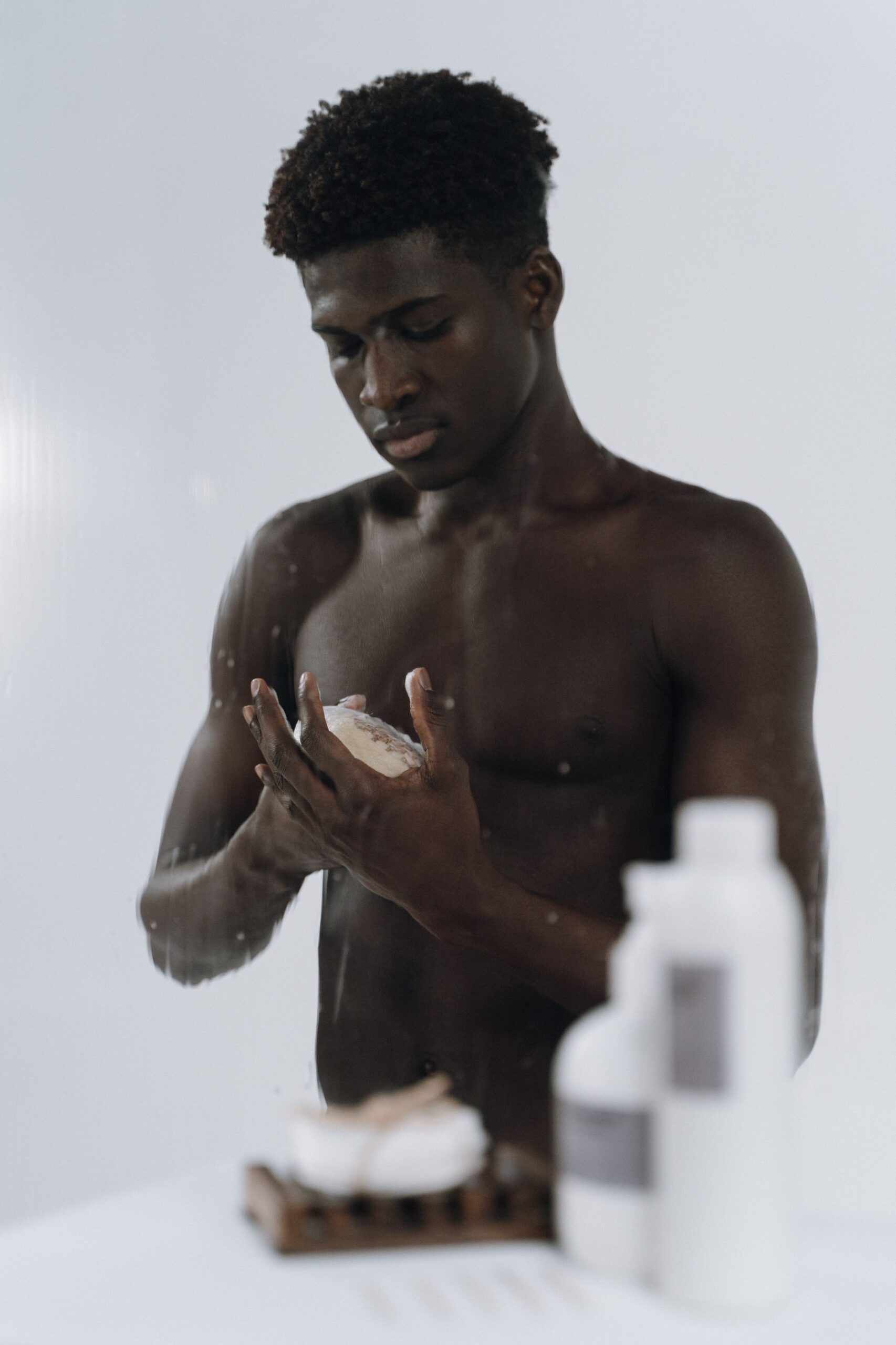
As skin ages, it gradually loses some of its firmness and ability to retain moisture. A richer night cream can help replenish hydration, while certain active ingredients target concerns such as fine lines, uneven texture, and loss of elasticity. Look for ingredients such as retinol, which supports skin cell turnover and can improve the appearance of fine lines; peptides, which are used in formulations targeting firmness; and ceramides, which help maintain the skin barrier.
Choose a formula that suits your skin type, and introduce retinol gradually. Start with two nights a week, then increase use as your skin tolerates it. Retinol can cause dryness, redness, and peeling, particularly during the adjustment period, so pair it with a gentle moisturizer and avoid combining it with strong exfoliating products until you know how your skin responds.
Wear broad-spectrum sunscreen during the day when using retinol, as part of a routine that helps protect your skin from sun damage. If you have sensitive skin or a condition such as rosacea or eczema, speak with a dermatologist before introducing retinol. Be patient, too: visible improvements can take several weeks or months of consistent use.
Shop editor’s picks
How to Apply Moisturizer for the Best Results
Good technique can make a difference to how well your moisturizer works. Start with clean skin, since applying a product over accumulated dirt, sweat, and excess oil is not ideal. Pat your face dry, leaving it slightly damp, and apply moisturizer within a minute or two to help retain that surface moisture.
Use roughly a pea-sized amount for your face, adjusting as needed depending on the product’s consistency and your skin’s needs. You may need a little more for your neck. Warm the moisturizer between your fingers, then gently smooth it over your face rather than rubbing aggressively. Include your neck, but take care around the eyes unless the product is specifically suitable for that area.
Apply moisturizer twice a day, in the morning and at night. In the morning, finish with broad-spectrum sunscreen if your moisturizer does not already provide adequate SPF protection. If you shave, applying moisturizer afterward can help replenish hydration and soothe dryness. Give each product a little time to absorb before applying the next one, and stay consistent. Improvements in hydration and skin texture are usually more noticeable with regular use than with occasional application.
Common Moisturizer Mistakes Men Make and How to Avoid Them
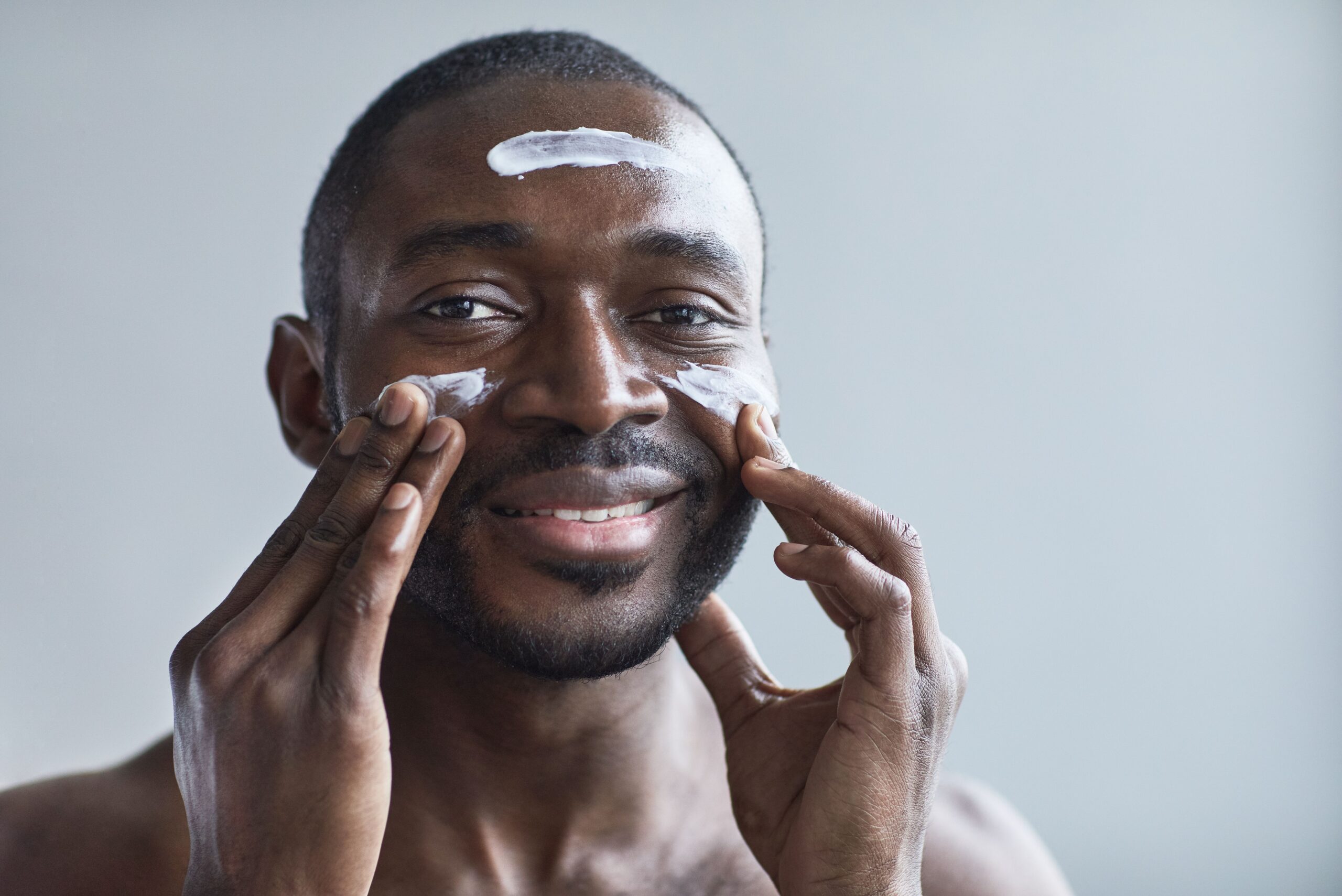
One of the most common mistakes is skipping moisturizer because the skin is oily. Oily skin still needs hydration, and choosing a lightweight gel or lotion can help prevent an overly greasy finish. Another mistake is choosing a product for its scent or packaging instead of its formula, which can lead to disappointment or irritation.
Using too much or too little can also be a problem. Applying an excessive amount may leave a heavy residue, while using too little can mean that dry areas do not receive enough hydration. A pea-sized amount is a useful starting point for the face, although the ideal quantity depends on the product and your individual needs. Switching products too frequently is another habit worth avoiding, since it can be difficult to determine what is working when you introduce several new formulas at once.
Do not ignore seasonal changes, either. Your skin may need a richer cream in winter and a lighter gel or lotion in summer. Finally, remember your neck and ears, which are also exposed to the sun and can show signs of aging and sun damage. If a product causes persistent redness, burning, itching, or breakouts, stop using it and seek advice from a dermatologist.
Featured image: fizkes/iStock
The Men’s Winter Skincare Routine That Keeps Dryness and Irritation at Bay


