


Highlights add dimension to your hair, creating anything from soft, sunlit strands to brighter blonde pieces that frame the face and lift your overall look. For Black women exploring a new hair color, the right highlights can also complement their natural features and bring added depth to their appearance. However, choosing the right highlighting technique at the salon can be tricky, especially when two methods promise similar results. Understanding the difference between foilyage and balayage starts with how a colorist applies the lightener, incorporates foils, and controls the level of lift. These details influence the final color, the contrast between your highlights and natural shade, how often you need touch-ups, and the overall cost of maintaining your new look.
Both techniques can create natural-looking highlights, but they don’t deliver exactly the same finish. Balayage is known for its hand-painted color and softer transitions, while foilyage combines that painting technique with foils to help achieve greater lift. Neither option is automatically better; the right choice depends on your starting color, hair history, desired result, and how much maintenance you’re willing to take on.
What Is Balayage?
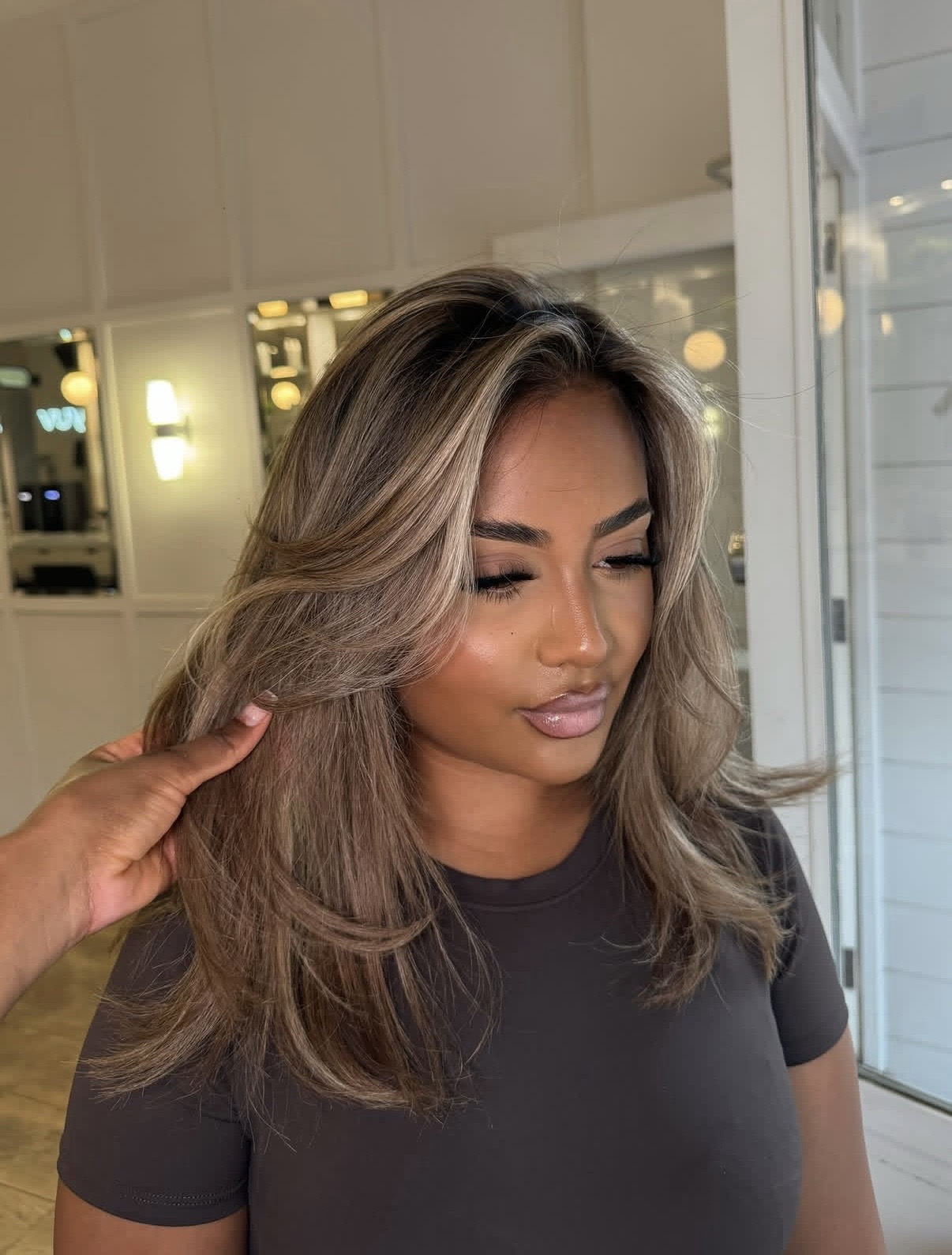
Balayage is a highlighting technique in which a colorist paints lightener onto selected sections of hair by hand. The color is generally concentrated through the mid-lengths and ends, with a softer application near the roots. This creates a gradual blend that mimics the natural lightening effect hair gets after spending time in the sun.
One of balayage’s biggest advantages is its softer regrowth line. Since the color doesn’t usually begin with a solid highlight at the root, the difference between your natural shade and the lighter sections remains relatively subtle as your hair grows. It’s particularly suited to brunettes who want caramel ribbons, warm honey tones, or a sunlit blonde finish without committing to frequent root touch-ups. These warmer shades can also create beautiful contrast against deeper skin tones, although the most flattering color ultimately depends on individual undertones and personal preference.
However, traditional balayage may not lift every hair type to a very pale blonde in one session. Darker hair, previously colored strands, and stubborn underlying warm pigments can all influence how light the final result becomes. Depending on your starting shade and hair condition, achieving a much lighter finish may require multiple appointments.
What Is Foilyage?
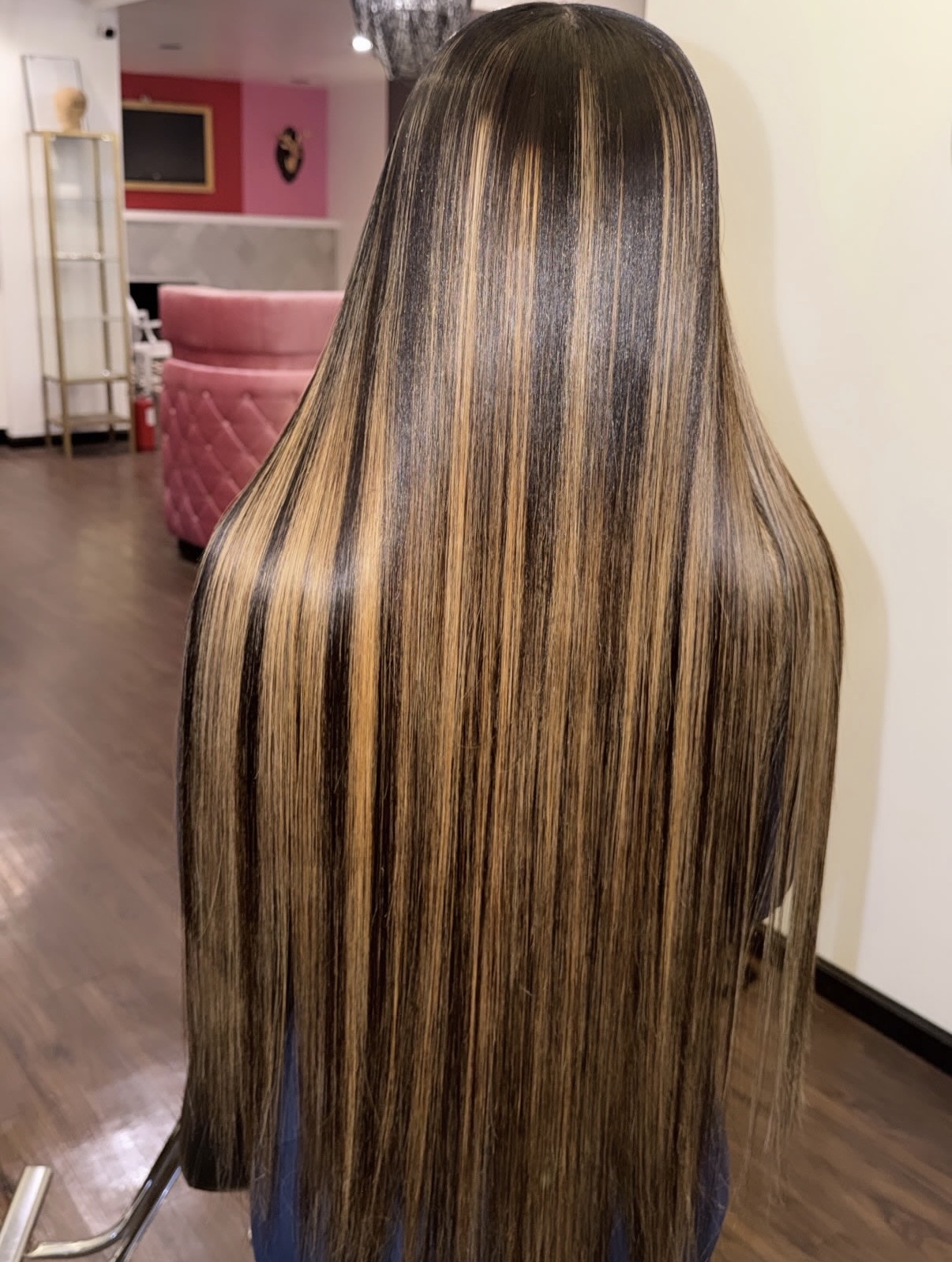
Foilyage uses the same hand-painted approach as balayage but places the lightened sections inside foils during processing. The foils help enclose the hair and prevent the lightener from drying out as quickly, allowing the colorist to achieve greater lift when needed. This can be particularly useful when working with darker hair or aiming for a brighter blonde result.
Foilyage can deliver more noticeable blonde highlights, while traditional balayage is often associated with softer, sun-kissed transitions. This makes the technique appealing to women who want brighter ends, lighter face-framing pieces, or a more pronounced blonde finish without opting for conventional highlights from root to tip. For Black women with naturally dark hair, it can provide additional flexibility when pursuing a lighter color while retaining some of their natural depth.
Still, using foils doesn’t guarantee a particular shade or make every coloring session faster. The final result depends on the hair’s condition, previous color treatments, the strength of the lightener, and the colorist’s technique. A professional may also combine foils with hand painting to customize the placement, brightness, and overall blend.
Foilyage vs. Balayage: What Are the Main Differences?
The main difference comes down to how the lightener is applied and processed, as well as the degree of lift the colorist is aiming to achieve. Balayage is often associated with soft, blended color and a natural-looking finish, while foilyage can produce brighter highlights and more noticeable contrast.
In practical terms, balayage may suit someone who wants a low-maintenance refresh, particularly if the goal is to introduce warmth and dimension without making a dramatic change. Foilyage may be more appropriate for someone seeking a lighter blonde result, especially when their natural hair color is dark and additional lift is needed.
Neither technique has a universal advantage. A skilled colorist can create subtle or bold results with either method, so bring reference photographs to your consultation. Explain how bright you want your hair to look, how frequently you’re prepared to visit the salon, and how much of your natural color you’d like to retain.
Which Is Better, Balayage or Foils?
The answer depends on your hair goals. If you want soft, natural-looking highlights with a gradual transition from your roots, balayage is a strong option. If your priority is brighter blonde pieces or more visible contrast, foilyage may be a better fit.
Traditional foil highlights are another option, particularly if you want consistent brightness from the roots through the lengths. Unlike hand-painted balayage, classic foil highlights generally involve separating the hair into sections and placing selected strands inside foils, often starting closer to the scalp. This creates a more defined highlighting pattern.
Your colorist can recommend the most suitable technique, or a combination of methods, based on your starting shade, hair condition, and the finish you’re hoping to achieve. It’s also worth discussing how the different approaches will work with your natural texture and usual styling routine.
Is Balayage or Foilyage More Expensive?
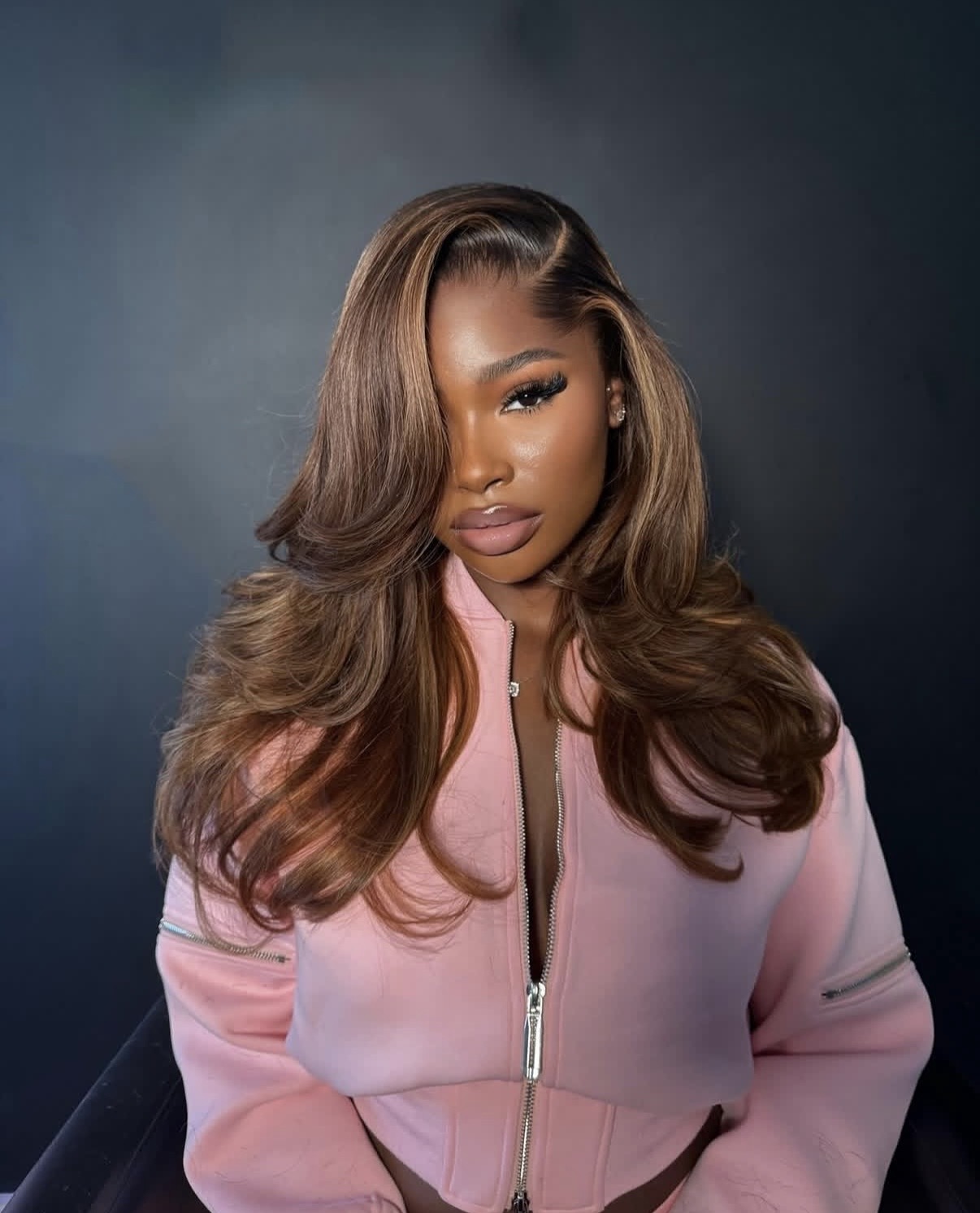
Pricing varies by salon, stylist experience, hair length, location, and the amount of lightening required. Foilyage can cost more than a basic balayage service when it involves additional sectioning, foils, toner, or extended processing time. However, some salons price the two techniques similarly, so the name alone doesn’t determine the final bill.
Ask for a consultation and an estimated total that includes toner, gloss, conditioning treatments, and any additional sessions needed to reach your target shade. This is particularly important for dark or previously colored hair, since achieving a very light blonde may require a gradual approach rather than a single appointment.
It’s also worth asking about the cost of future maintenance. A color service that initially fits your budget may require more frequent toning or salon visits than you anticipated.
Which Lasts Longer, Balayage or Foilyage?
Both techniques can last for several months, particularly when the highlights are blended away from the roots. Balayage may require less frequent maintenance because its softer regrowth line tends to blend more naturally as the hair grows. Foilyage can also grow out gracefully, although brighter sections placed closer to the roots may become more noticeable over time.
To help preserve your color, use a color-safe shampoo, condition regularly, limit excessive heat styling, and protect your hair from UV exposure. Lightened hair can become dry or fragile, so ask your stylist about bond-building treatments and an appropriate schedule for toning and touch-ups. Deep conditioning and gentle handling are also important for maintaining the hair’s overall condition between salon appointments.
Ultimately, choose balayage for a softer, sunlit finish or foilyage when you want added brightness and lift. The best technique is the one that complements your hair’s condition, achieves your desired shade, and fits the level of upkeep you’re comfortable maintaining.
Shop editor’s edit
Featured image: @lavishqueenseffect/Instagram
What Is Demi-Permanent Hair Color? Everything You Need to Know


