



Grip strength is easy to overlook until your hands become the reason you have to drop a weight. You might have the back strength to pull through another deadlift rep or the leg power to carry a heavier load, but none of it matters if your fingers cannot keep the weight in place. Learning how to improve grip strength can make your workouts more productive while also making everyday tasks, from carrying grocery bags to moving furniture, feel less demanding.
There is more to grip strength than gym performance, too. Research has found associations between weaker handgrip strength and poorer health outcomes, including cardiovascular risk, which has prompted researchers to examine whether it could have a wider role in clinical practice. For lifters, the immediate concern is more straightforward: your hands are responsible for maintaining contact with the equipment that allows the rest of your body to produce force. Building that connection deserves more attention.
Four Ways to Train Your Grip During Regular Workouts
You don’t necessarily need to add an extra forearm workout to start developing a stronger grip. Several simple changes can make the exercises already in your program more demanding for your hands while giving your forearms and fingers more opportunities to adapt.
Squeeze the Bar Harder
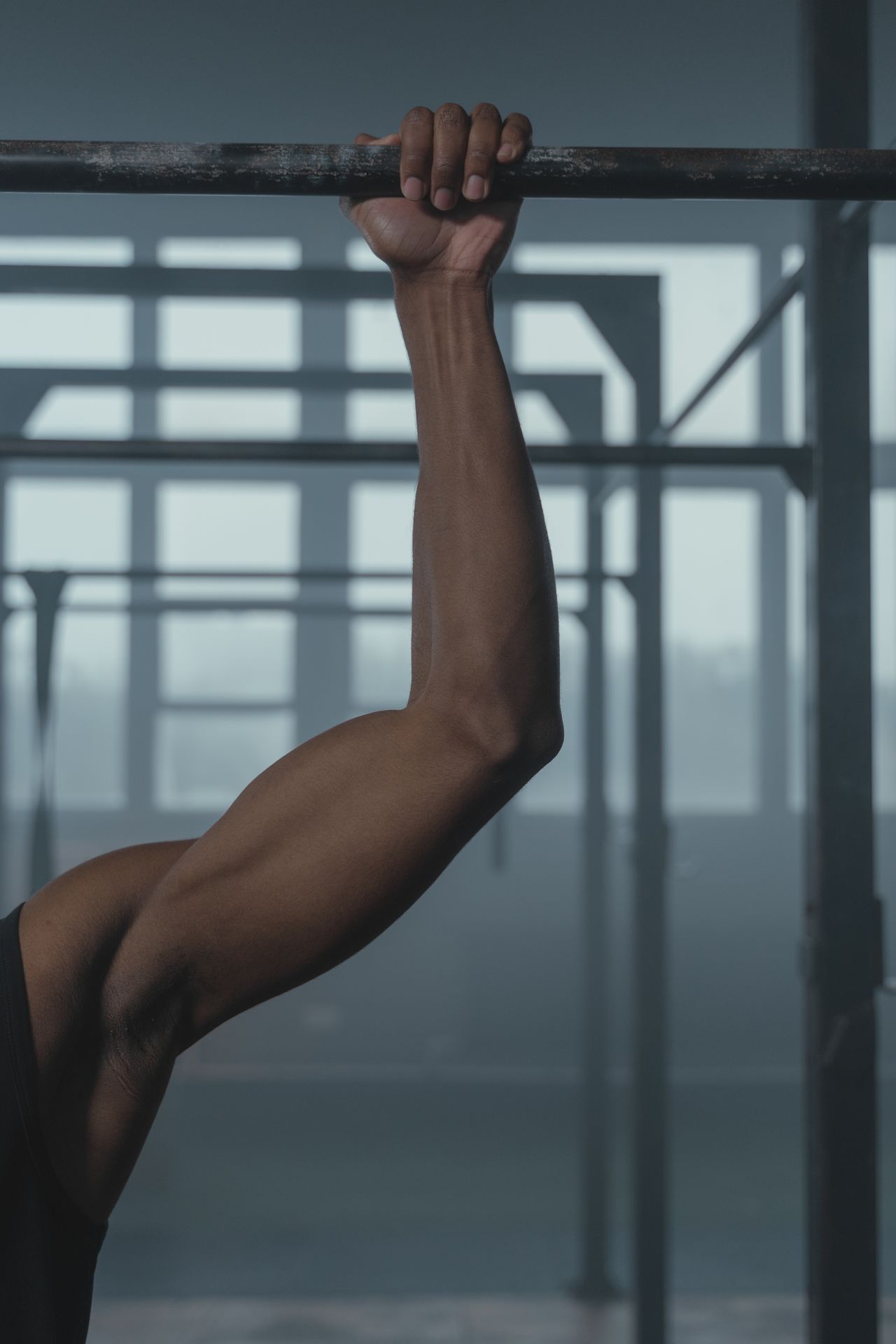
Don’t treat the handle as something your fingers simply rest around. Actively squeeze it throughout every rep. On movements such as deadlifts, rows, and pulldowns, imagine that you’re trying to crush the handle in your hand.
This creates more tension through the hand and forearm while helping you maintain control of the weight. On unilateral exercises such as one-arm dumbbell rows, you can even make a fist with your nonworking hand to create additional tension throughout your body.
Increase the Handle Thickness
A thicker handle gives your fingers less leverage, forcing them to work harder to keep hold of the weight. If your gym has thick-handled barbells or dumbbells, introduce them into some pulling movements.
You can also wrap a towel around a standard bar to increase its diameter. You don’t have to use heavy weights for this to be challenging. The altered grip can make a familiar exercise considerably more demanding for your hands, particularly when you’re not accustomed to working with a larger diameter.
Add Timed Hangs
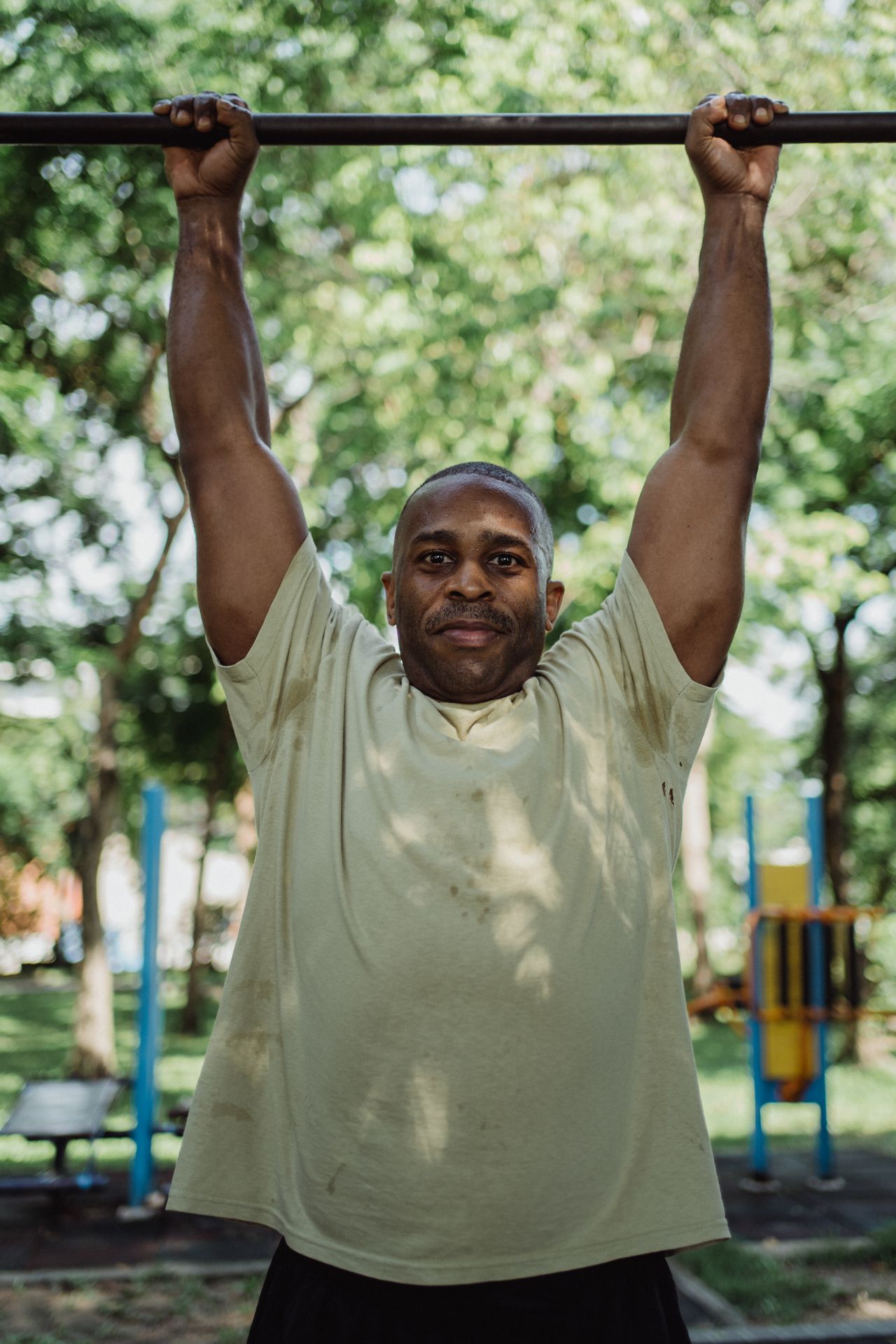
Hanging from a pull-up bar is a simple way to train your ability to maintain a secure hold for an extended period. Start with a controlled dead hang for 20 to 30 seconds and gradually build your time.
Once you’re comfortable, you can place hangs after pull-ups or other pulling exercises. The objective is to accumulate more time supporting your body weight without letting your hold suddenly give out. As your endurance improves, you can gradually extend the duration rather than immediately adding external weight.
Change the Implements
Your hands encounter different demands when you switch from a straight bar to a towel, rope, or awkwardly shaped implement. That’s useful because grip strength isn’t just about squeezing harder; you also need to control different objects and resist them moving inside your hands.
Add occasional towel pull-ups, rope pulls, or loaded carries to your training. Rotating these variations keeps your grip work from becoming overly repetitive while challenging different aspects of hand, finger, and forearm strength.
Three Grip Strength Exercises Worth Adding
The strategies above can be applied almost anywhere in your workout. These three movements, however, are more deliberate choices for building grip strength. Program them as accessories after your primary lifts rather than treating them as replacements for your main strength exercises.
#1. Towel Inverted Row Hold
This variation turns a familiar bodyweight row into a sustained grip challenge. Loop a sturdy towel over a secure bar and grip both ends firmly. Set yourself underneath the bar with your legs extended, elevating your feet on a bench if you want more difficulty.
Pull your chest toward the bar while keeping your body straight. Brace your abs and squeeze your glutes to maintain tension, then hold the position without allowing your hands to loosen.
Do: 3 sets of 30 seconds.
#2. Bottoms-Up Kettlebell Press
The bottoms-up kettlebell press challenges your grip through instability rather than simply loading your hands with a heavy weight. Begin in a half-kneeling position with the kettlebell held bottoms-up in the hand opposite your front leg.
Keep your wrist straight and your forearm vertical as you press the kettlebell overhead. Your grip should remain tight throughout the movement because relaxing your hand makes the bell harder to control. Keep your abs and glutes engaged instead of leaning to compensate for the unstable load.
Do: 3 sets of 8 to 10 reps per side.
#3. Farmer’s Carry
If you want a grip exercise that closely resembles the demands of everyday carrying, the farmer’s carry is difficult to beat. Hold a weight in each hand and squeeze the handles firmly before beginning to walk.
Keep your shoulders controlled, your core braced, and your head facing forward. Walk steadily without allowing the weights to pull you sideways or encouraging your posture to collapse. The longer you maintain a secure hold, the more your hands and forearms have to work.
Do: 4 rounds of 40 seconds of work with 20 seconds of rest.
Build Grip Strength Without Overdoing It
Grip training works best when it supports your larger strength program instead of interfering with it. Your hands and forearms already work during deadlifts, rows, pull-ups, carries, and other pulling movements, so piling on excessive volume can leave them fatigued when you actually need them.
Start with a few changes to your regular training, then introduce one or two dedicated movements. As your grip improves, increase the duration, load, or difficulty gradually. The goal isn’t simply to survive a brutal forearm workout. It’s to develop hands that can reliably hold onto the weight your stronger muscles are capable of moving.
That’s ultimately the most useful way to approach how to improve grip strength: make your grip stronger without allowing grip training to become another obstacle to the rest of your workout. Consistent grip strength exercises, progressive overload, and enough recovery can turn a previously limiting weakness into a reliable part of your overall strength.
Featured image: Yaroslav Shuraev/Pexels
—Read Also