


There are few clearer demonstrations of raw strength than a deadlift. The premise is almost comically straightforward: a loaded bar sits on the floor, you pick it up, stand with it, and put it back down. But that simplicity can be misleading. Learning how to do a deadlift properly involves much more than grabbing a bar and pulling until it moves. Your foot position, hip height, grip, core tension, lat engagement, and the path of the bar all determine whether you’re producing a strong, efficient rep or simply muscling your way through it.
That technical side is what makes the deadlift such a valuable exercise. It trains the posterior chain—the glutes, hamstrings, erector spinae, traps, and lats—while also challenging your grip and core. More importantly, it teaches you how to generate force from a hinged position while keeping your torso stable. The heavier the bar becomes, the less room there is for sloppy mechanics. Understanding the details of how to do a deadlift can therefore make the difference between progressively building strength and repeatedly reinforcing bad movement patterns.
Start with the Bar in the Right Place
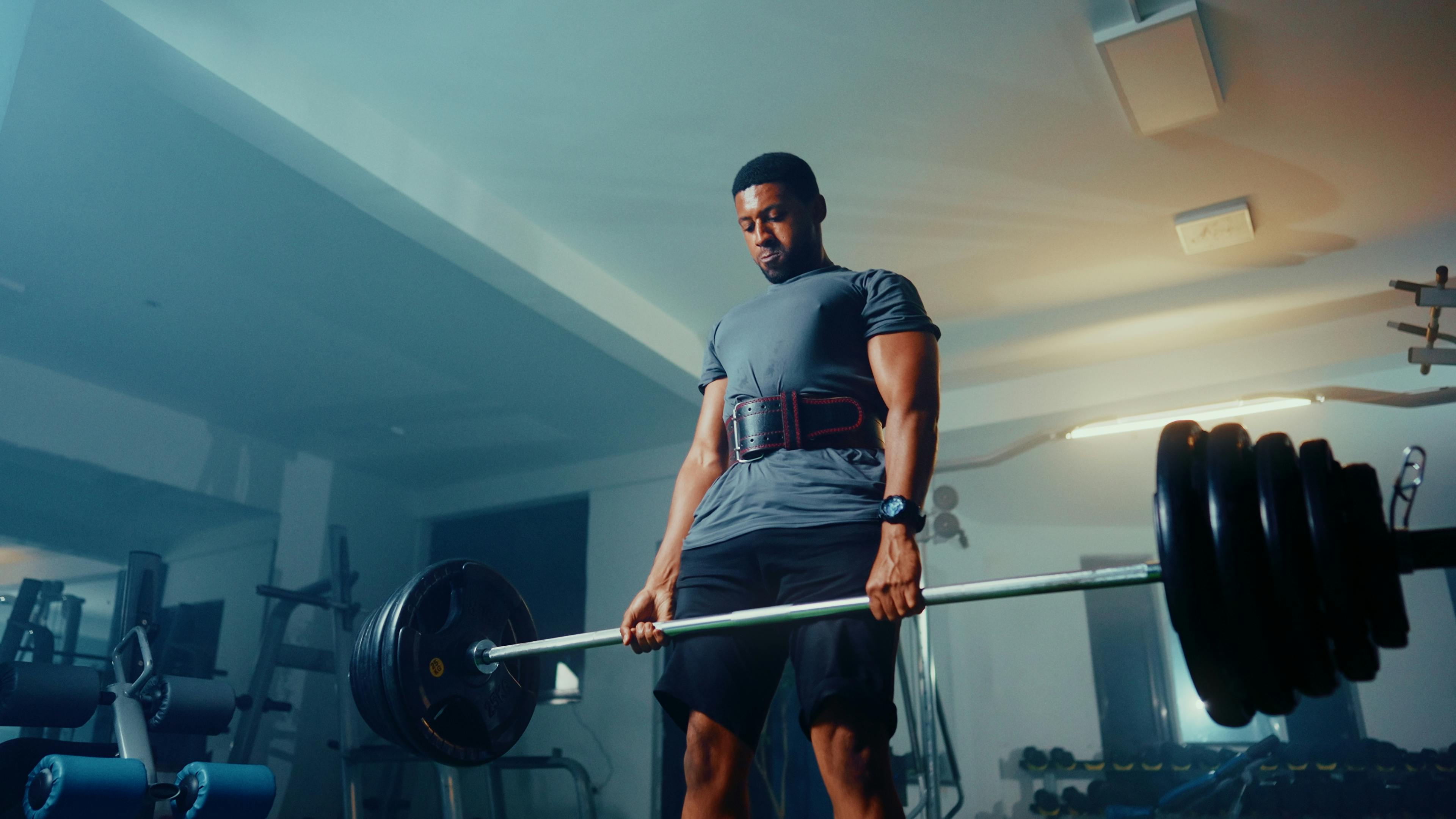
Your deadlift begins before the bar leaves the floor.
Stand with your feet roughly shoulder-width apart and position yourself so the bar sits over the middle of your feet. Your exact stance can vary slightly based on your anatomy, but the important point is that you shouldn’t have to reach forward for the weight. Your shins should be close to the bar and may lightly touch it once you get into position.
Push your hips backward and hinge at the waist to reach the bar. Take an overhand grip with both hands outside your legs.
Now comes one of the most important setup checks: your hips should be lower than your shoulders. You aren’t trying to squat the weight off the floor, but you also don’t want your hips starting so high that your lower back becomes the primary driver.
Create Tension Before You Pull
One of the biggest differences between an experienced deadlifter and someone simply picking up a heavy object is what happens before the actual lift.
Once you’ve gripped the bar, engage your lats and upper back. A useful cue is to imagine squeezing your shoulder blades into position while trying to point your elbows behind you. This creates tension through the lats and keeps your upper body from collapsing toward the bar.
You also want to “pull the slack” out of the bar before beginning the lift. Rather than yanking the weight from a completely relaxed position, create tension until you feel the bar and your body become connected.
Then brace your core. Take a deep breath into your abdomen, tighten your abs and obliques, and maintain that pressure as you begin the pull. Your core is essentially creating a rigid platform between your lower and upper body, allowing your hips and legs to produce force without your spine becoming the moving part of the exercise.
Push the Floor Away
With your body tight, initiate the deadlift by driving your feet into the floor.
Think about pushing the ground away rather than simply pulling the bar upward. As your legs extend, your hips should move forward, and the bar should travel upward in a controlled, nearly vertical path.
The bar should remain as close to your body as possible. This matters because the farther the weight moves away from you, the more leverage it creates against your lower back. Keeping the bar close allows you to maintain a stronger position and transfer force more efficiently.
It is perfectly normal for the bar to brush or scrape your shins. That’s one reason experienced lifters often wear long socks or pants when deadlifting.
Finish with Your Hips, Not Your Back

At the top of the movement, stand tall and squeeze your glutes. That’s your lockout.
What you shouldn’t do is lean backward to emphasize the finish. Once your hips and knees are fully extended and you’re standing upright, the repetition is complete. Excessively pushing your hips forward or arching your spine doesn’t make the lift stronger; it simply takes you beyond the useful range of motion.
This is an important distinction when learning how to do a deadlift because “squeeze your glutes at the top” can easily become “lean back as hard as possible” if the cue is misunderstood.
Reset Between Reps
Deadlifts aren’t an exercise that rewards rushing.
Even if you’re performing a set of six or eight repetitions, treat every repetition as its own lift. After lowering the bar, regain your foot position, re-establish your grip, brace your core, tighten your lats, and create tension before pulling again.
This approach may make a set feel slower, but it gives you a much better opportunity to maintain consistent mechanics. As the weight gets heavier, a hurried second or third repetition can quickly turn into a completely different movement.
The Mistakes That Make Deadlifts Less Effective
Several common errors come down to losing the positions established during the setup.
- Starting too far from the bar: If the bar begins in front of your midfoot, you’ll have to reach for it, changing the leverage of the entire movement. Start with the bar over your feet instead.
- Starting with your hips too high: This shifts the movement away from the ideal balance of hip and knee extension and can place more demand on your lower back.
- Letting your upper back go loose: Your arms are essentially straps connecting you to the bar, but your lats and upper back still have to keep the weight controlled. Losing that tension can cause the bar to drift forward.
- Overextending at lockout: Standing tall is enough. Don’t turn the final inch of the deadlift into a backward lean.
- Using a mixed grip too soon: An alternating grip can help prevent the bar from rolling during very heavy lifts, but beginners should generally develop their strength with a standard overhand grip when possible. The mixed grip places your arms and upper back in different positions and introduces an asymmetrical demand that isn’t necessary while you’re learning.
Proper Form Is Essential to Mastering the Deadlift
The deadlift is often described as a dangerous exercise, but the bigger issue is usually poor execution rather than the movement itself. Good technique gives you a repeatable way to load the hips and legs while maintaining a stable torso.
It also allows you to make better use of the exercise’s biggest advantage: progressive loading. The deadlift is typically one of the movements where people can handle their heaviest weights, making it particularly useful for developing maximal strength.
At the same time, the benefits aren’t limited to moving bigger numbers. The posterior chain is involved in posture, athletic movement, force production, and everyday tasks that require you to pick something up from the floor. Your grip gets stronger, your glutes and hamstrings become more capable, and your upper back and core learn to stabilize against significant loads.
How to Add Deadlifts to Your Training
Because the deadlift demands so much from your muscles and nervous system, it generally makes sense to perform it early in a workout rather than after several exhausting exercises.
If you’re new to the movement, start light enough that you can concentrate on position and consistency. Moderate sets of roughly six to eight repetitions can help you practice the mechanics before eventually progressing toward heavier loads and lower repetitions for strength.
You don’t need to test your maximum every week to get stronger. In fact, learning how to do a deadlift means learning when not to add another plate. If your setup deteriorates as the weight increases, the smarter progression is to reinforce your technique before chasing another personal record.
Shop editor’s picks
Build from the Conventional Deadlift

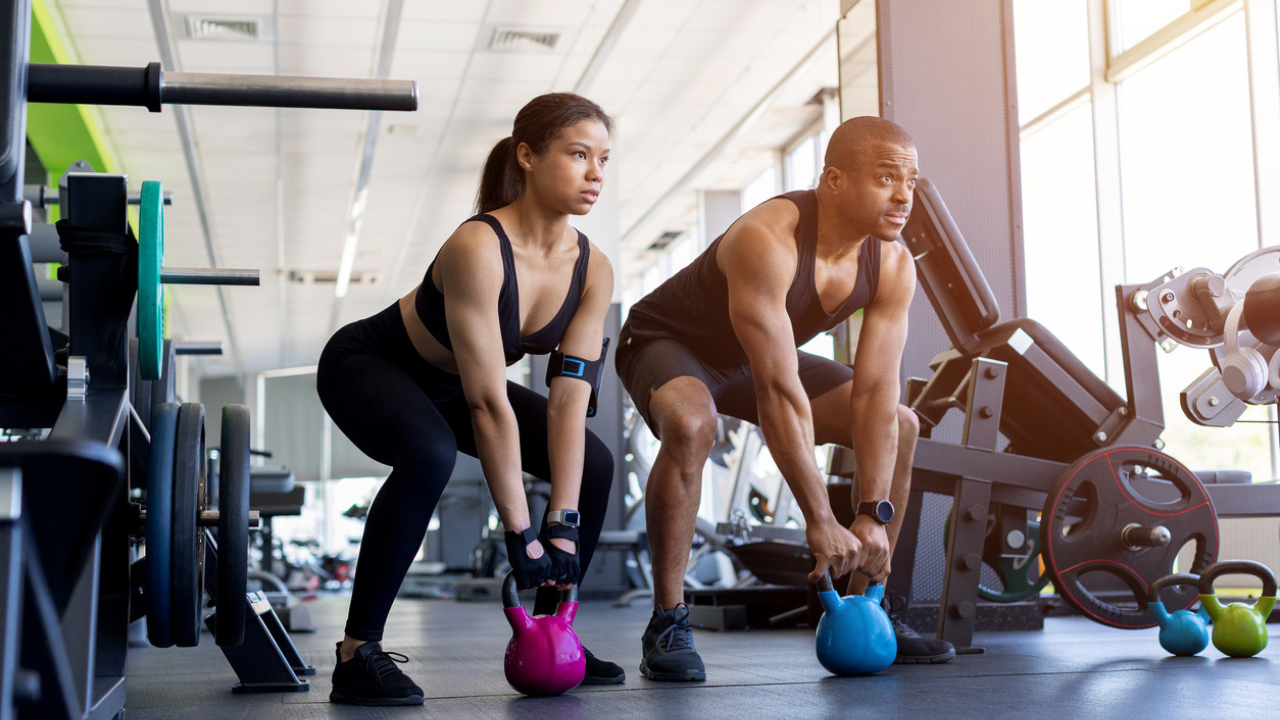
Once you’ve established a solid conventional deadlift, you have plenty of ways to expand your training. Romanian deadlifts emphasize the hip-hinge pattern and hamstrings, while sumo deadlifts use a wider stance. Trap-bar deadlifts offer a different loading position, and dumbbell or kettlebell versions can be useful alternatives for learning the movement or working around individual anatomical differences.
The equipment may change, but the underlying principles remain remarkably consistent. The strongest deadlift isn’t simply the one where the bar reaches lockout. It’s the one where you create tension before the pull, keep the bar close, brace your torso, drive through the floor, and finish by extending your hips.
That’s ultimately what how to do a deadlift comes down to: not brute force, but learning to put your entire body in the right position to produce it.
Featured image: Anastasiia Havrysh/iStock
—Read Also