



Walk into a well-equipped gym, and it is easy to assume that building an impressive physique requires hours under a barbell, an expensive supplement stack, and a diet that leaves little room for the foods you enjoy. The biggest guys in the weight room might make muscle growth look like a full-time job, but the fundamentals are considerably more accessible. If you understand how to build muscle, you can make meaningful progress without organizing your entire life around training.
The challenge is separating the habits that actually drive growth from the details that receive too much attention. Muscle development depends on consistent resistance training, sufficient nutrition, progressively increasing training demands, and adequate recovery. None of these principles is particularly complicated on its own. Putting them together, however, requires patience and a routine you can maintain long enough to see results.
Understand How Muscle Growth Works

Muscle growth, scientifically known as muscle hypertrophy, occurs when muscle fibers adapt to the demands placed on them, increasing in size over time. Resistance training provides the stimulus, while nutrition and recovery help your body repair muscle tissue and support further growth.
This process takes more than a few intense workouts. Your muscles need repeated challenges, and those challenges must gradually become more demanding as your strength improves. Beginners may notice changes relatively quickly, but progress often becomes less dramatic as training experience increases. Understanding this helps you establish realistic expectations instead of constantly changing your routine in search of faster results.
Make Protein a Priority
Protein supplies the amino acids your body uses to repair muscle tissue and support new muscle growth. If your daily intake is consistently too low, recovering from demanding workouts and building additional muscle can become more difficult.
For most healthy adults who train regularly, approximately 1.4 to 2.0 grams of protein per kilogram of body weight per day is a useful target. Someone weighing 75 kilograms, for example, could aim for roughly 105 to 150 grams daily. Distributing protein across several meals can make it easier to meet your target without having to consume most of it at dinner.
Chicken, eggs, fish, lean beef, milk, yogurt, beans, and soy products are practical options. Protein powder can make meeting your daily target more convenient, but it is not a requirement. What matters most is getting enough protein consistently alongside an otherwise balanced diet.
Eat Enough to Support Growth

Training provides the stimulus for muscle development, but your body also needs enough energy to support the process. Eating too little can compromise workout performance and recovery, making it harder to gain muscle over time.
If muscle gain is your primary goal, a modest calorie surplus can help. Start by eating slightly more than you need to maintain your weight, then monitor your body weight, strength, and measurements over several weeks. You do not need to force-feed yourself or immediately add hundreds of calories to every meal.
Choose calorie-dense, nutritious foods when increasing your intake. Rice, oats, potatoes, nuts, peanut butter, dairy products, beans, and healthy oils can help you meet your energy needs. Carbohydrates are particularly useful because they provide fuel for demanding workouts, while dietary fats support normal hormonal function and overall health.
Build Your Workouts Around Compound Exercises
Isolation exercises such as biceps curls and triceps extensions have their place, but movements that involve several joints and muscle groups can make your training more efficient.
Squats, deadlifts, bench presses, rows, overhead presses, and pull-ups recruit multiple muscles in a single movement. They allow you to develop strength across your body while providing substantial training stimulus to major muscle groups. You can then add isolation exercises to target areas that need extra attention.
You do not need to perform every compound exercise in every session. A well-designed routine should distribute training across the week, account for your experience level, and give each muscle group enough work to grow. Consistent execution matters more than assembling the most intimidating workout possible.
Use Progressive Overload to Keep Improving
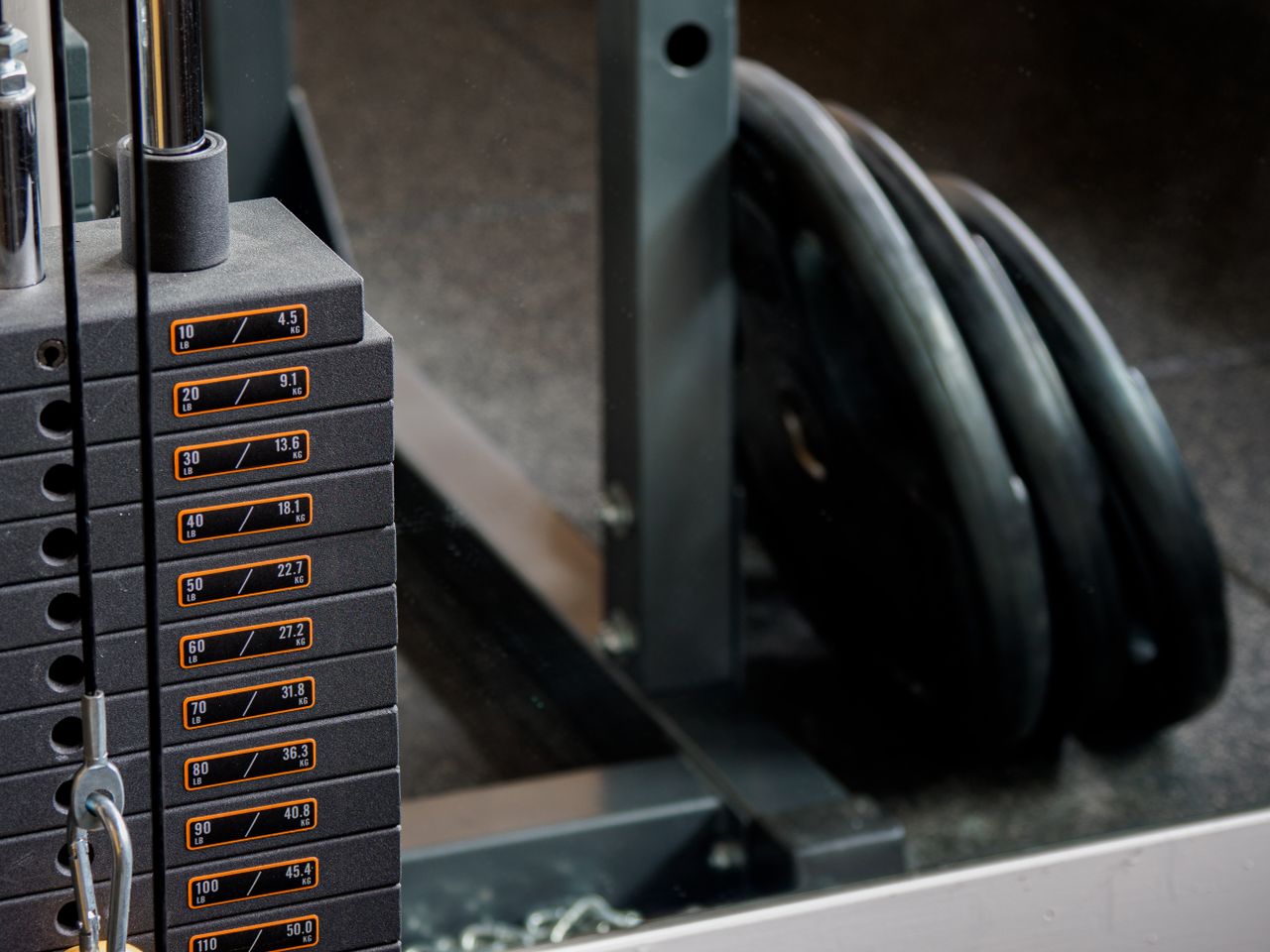
One of the most important lessons in learning how to build muscle is understanding progressive overload. Your body adapts to training, so repeating exactly the same workout indefinitely may eventually limit further progress.
Progressive overload means gradually increasing the demands placed on your muscles. You might lift a slightly heavier weight, complete another repetition, perform an additional set, or improve your technique and control while using the same load.
You do not need to increase the weight every session. Instead, record your workouts and look for sustainable improvements over time. Maintain good form, use an appropriate range of motion, and avoid sacrificing technique simply to move heavier weights. Progress should challenge your muscles without needlessly increasing your risk of injury.
Train Hard, but Give Yourself Time to Recover
Muscle growth does not require every workout to end in complete exhaustion. Training with sufficient effort matters, but so does managing fatigue. Constantly pushing yourself to failure, especially when your technique deteriorates, can make it harder to recover and perform well in subsequent sessions.
Most people benefit from a consistent schedule that balances challenging workouts with rest days or lighter training. The right amount of work depends on your experience, exercise selection, and ability to recover between sessions.
Sleep belongs in this equation, too. Adults generally need seven to nine hours each night. Poor sleep can affect training performance, appetite, and recovery, while a regular sleep schedule can help establish healthier habits. Think of recovery as part of the training plan rather than time taken away from it.
Get Your Pre- and Post-Workout Nutrition Right

There is no single meal that guarantees muscle growth, but eating appropriately around your workouts can help you train effectively and recover afterward.
Before exercising, consider a meal containing carbohydrates and protein. Oatmeal with yogurt, eggs with toast, or a banana alongside a protein-rich snack can provide useful fuel. Choose portion sizes and meal timing that suit your digestion and allow you to train without discomfort.
After your workout, prioritize a balanced meal containing protein and carbohydrates. Protein supports muscle repair, while carbohydrates replenish glycogen, the stored energy your muscles use during exercise. You do not need to rush to consume a shake the moment you finish your last set. Your overall daily nutrition matters more than hitting an artificially narrow post-workout window.
Stay Consistent Instead of Chasing Shortcuts
Learning how to build muscle also means accepting that results rarely arrive in a straight line. Some weeks, you will lift more weight or complete additional repetitions. Other weeks, progress may stall because of stress, poor sleep, or normal fluctuations in performance.
Track your workouts, eat according to your goals, and assess your progress over several weeks rather than judging your routine after every session. Adjust your plan when the evidence suggests you need to, not simply because a new exercise or supplement is trending.
Ultimately, building muscle comes down to making several fundamentals work together: challenge your muscles, consume enough protein and calories, recover properly, and gradually improve your training. You do not need a professional bodybuilder’s schedule to get stronger or develop a more muscular physique. You need a realistic plan, the discipline to follow it, and enough patience to let your efforts accumulate.
Featured image: Colynary Media/Unsplash
—Read Also