
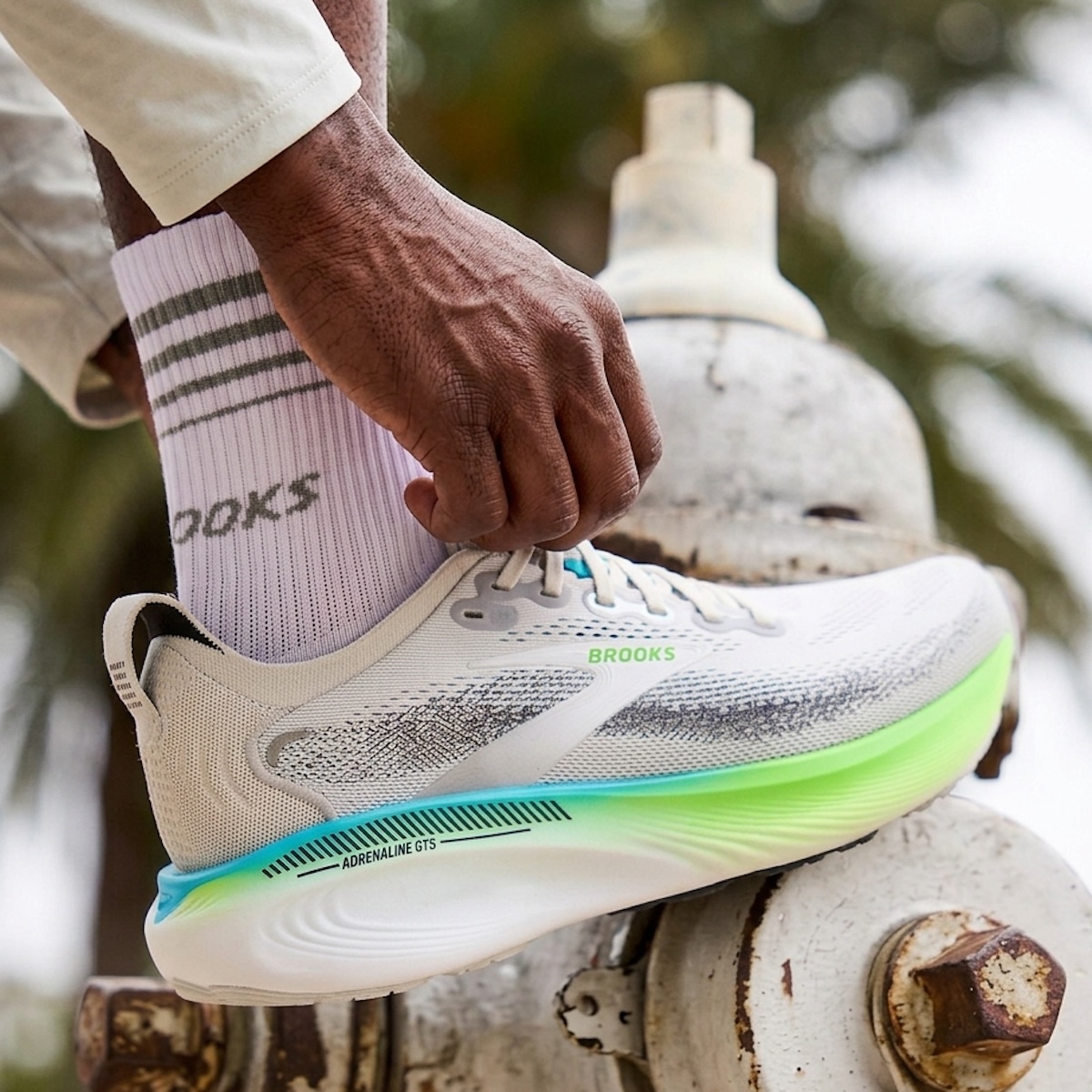

Finding the best Brooks running shoes for men is less about choosing the most advanced model and more about finding the shoe that works with the way you actually run. A daily trainer that feels perfect for easy miles may not offer the responsiveness you want for speedwork, while a highly cushioned road shoe is unlikely to be the right choice for technical trails. With Brooks’ extensive lineup spanning plush trainers, supportive stability shoes, lightweight performance models, and specialized trail runners, knowing where each shoe excels can make the decision considerably easier.
From everyday mileage and long-distance training to fast workouts and rugged trail runs, each Brooks model brings a different combination of cushioning, support, weight, and ride. Rather than treating the lineup as a competition for a single “best” shoe, it makes more sense to consider what each model is designed to do and where it fits within a runner’s routine. Here are the 13 best Brooks running shoes for men, along with what each one does best and who should consider it.
Here are the 13 best Brooks Running shoes for men…
#1. Brooks Glycerin 23
Best for: Plush daily training and long runs
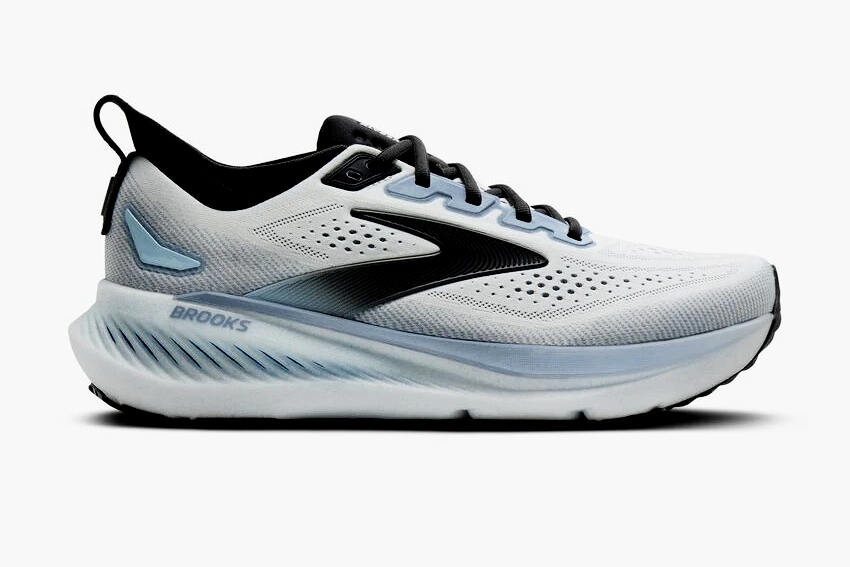
The Brooks Glycerin 23 is the strongest choice for runners who prioritize soft, comfortable road miles. Its dual-cell DNA TUNED cushioning provides plush landings without making the shoe excessively sluggish. Brooks also widened the platform to create smooth, steady transitions through the stride. The shoe has an 8mm drop and weighs 10.6 ounces.
The engineered knit upper adds softness and breathability, while the accommodating fit suits many everyday runners. It works particularly well for easy mileage, recovery efforts, and longer road runs. Runners who prefer a firm, low-profile ride may find it too cushioned. Those wanting additional guidance can consider the Glycerin GTS 23 instead.
Shop editor’s picks
#2. Brooks Ghost 18
Best for: Everyday road running
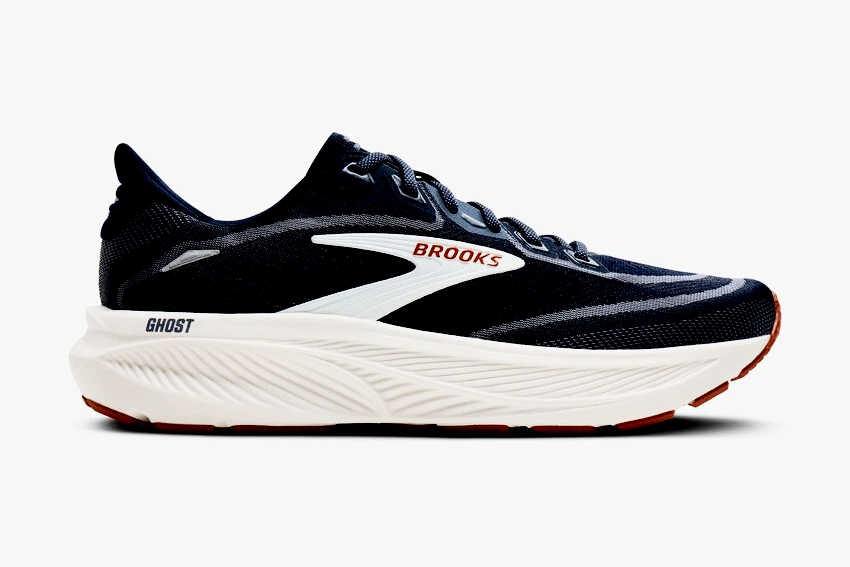
The Brooks Ghost 18 is the straightforward daily trainer in this lineup. It combines balanced cushioning with a 10mm drop and a men’s weight of 10.2 ounces. Brooks describes the ride as a blend of soft and dynamic cushioning. The shoe also uses a soft flat-knit tongue, a secure upper, and RoadTack rubber for traction.
That combination makes the Ghost 18 a practical option for consistent mileage, walking, and general training. It does not provide the plush sensation of the Glycerin 23 or the rocker-assisted ride of the Ghost Max 3. Its balanced character makes it easy to recommend as a one-shoe rotation. Choose it when versatility matters more than maximum cushioning or speed.
Shop editor’s picks
#3. Brooks Adrenaline GTS 25
Best for: Structured stability
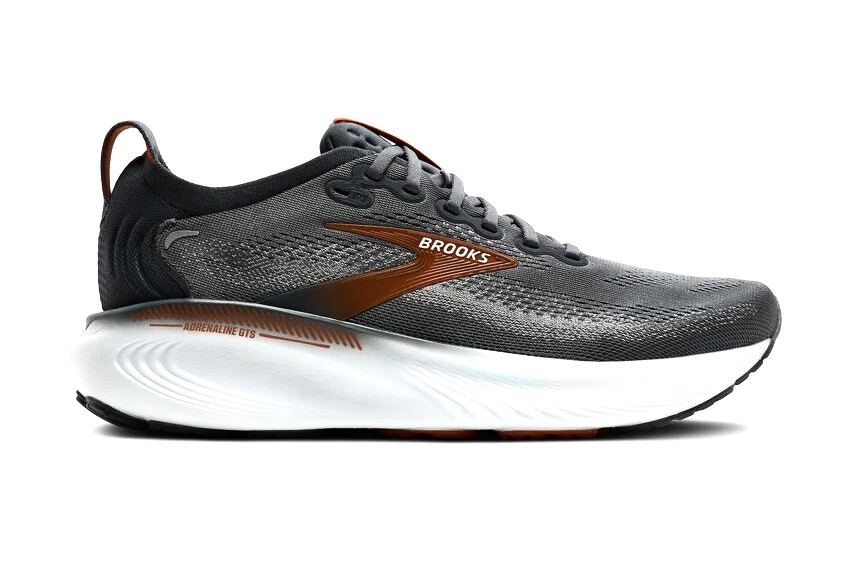
The Brooks Adrenaline GTS 25 remains one of Brooks’ main options for runners seeking structured support. Its GuideRails system is designed to help keep excess movement in check while allowing the foot to follow its natural motion path. The shoe uses balanced cushioning, a 10mm drop, and weighs 10.6 ounces for men.
The updated model adds cushioning in the heel and forefoot while retaining the familiar supportive platform. Its breathable mesh upper also balances structure with flexibility. The Adrenaline GTS 25 is therefore well-suited to daily road running and walking. Runners who want a softer, more luxurious ride should look at the Glycerin GTS 23 instead.
Shop editor’s picks
#4. Brooks Ghost Max 3
Best for: High-stack cushioning and smooth transitions
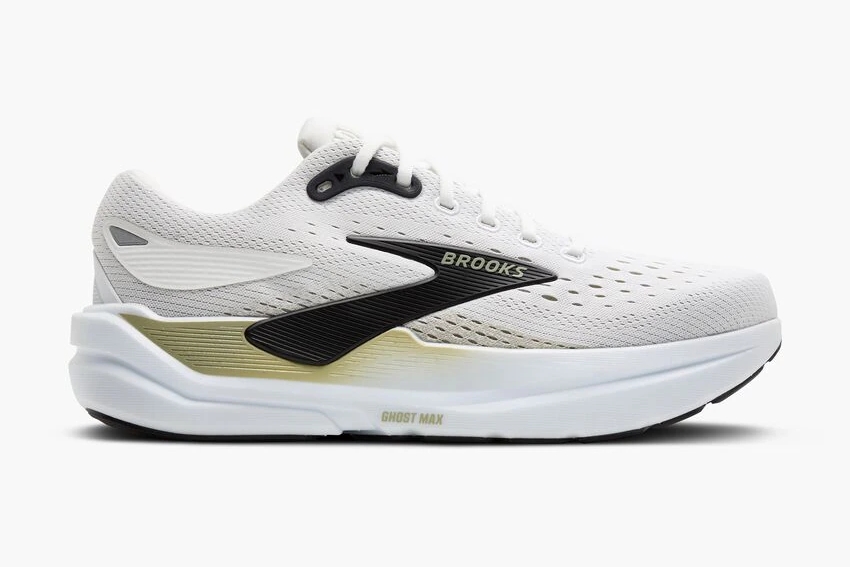
The Ghost Max 3 takes the familiar Ghost concept in a more cushioned direction. It combines high-stack DNA LOFT v3 cushioning with a GlideRoll Rocker and broad platform. Together, these features create a soft, protective ride with assisted transitions from landing to toe-off. Brooks lists a 6mm drop and a men’s weight of 11.2 ounces.
The broad base also gives the shoe inherent stability without adding traditional corrective hardware. Brooks specifically lists everyday running, walking, and orthotic use among its intended applications. Still, the Ghost Max 3 is heavier than the standard Ghost 18. Choose it when cushioning and smooth transitions matter more than a lightweight feel.
Shop editor’s picks
#5. Brooks Hyperion Max 3
Best for: Tempo runs and fast training
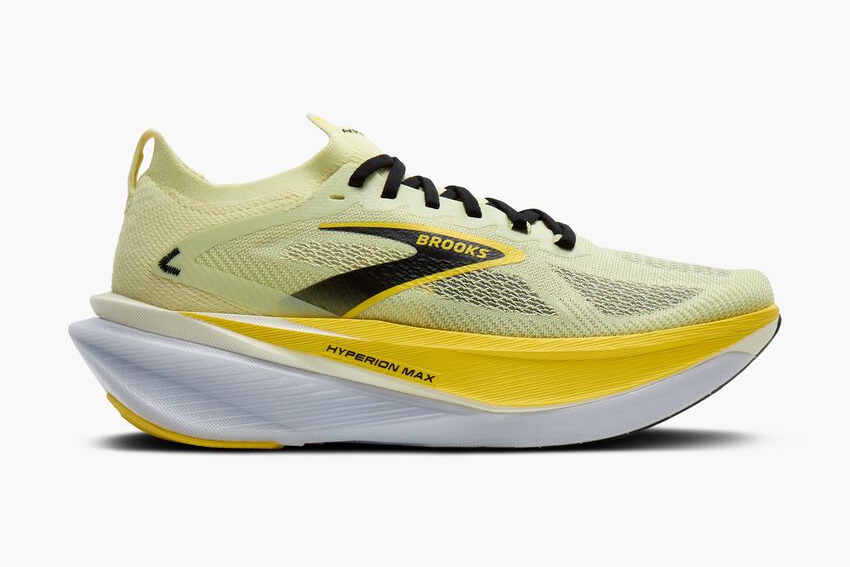
The Hyperion Max 3 is designed for runners who want cushioning without giving up workout speed. It combines high-stack cushioning with a nylon SpeedVault propulsion plate. Brooks positions it for training, workouts, and long runs, making it more versatile than a dedicated race shoe. The men’s version weighs 9.9 ounces and has a 6mm drop.
Its responsive cushioning and assisted transitions make it particularly useful for tempo sessions and faster long runs. The airy fit also keeps the shoe relatively light for its stack. However, it is not as minimal as the Hyperion 2 or as race-focused as the Hyperion Elite 5. Pick it when you want one performance trainer for several types of workouts.
Shop editor’s picks
#6. Brooks Glycerin GTS 23
Best for: Plush cushioning with structured support
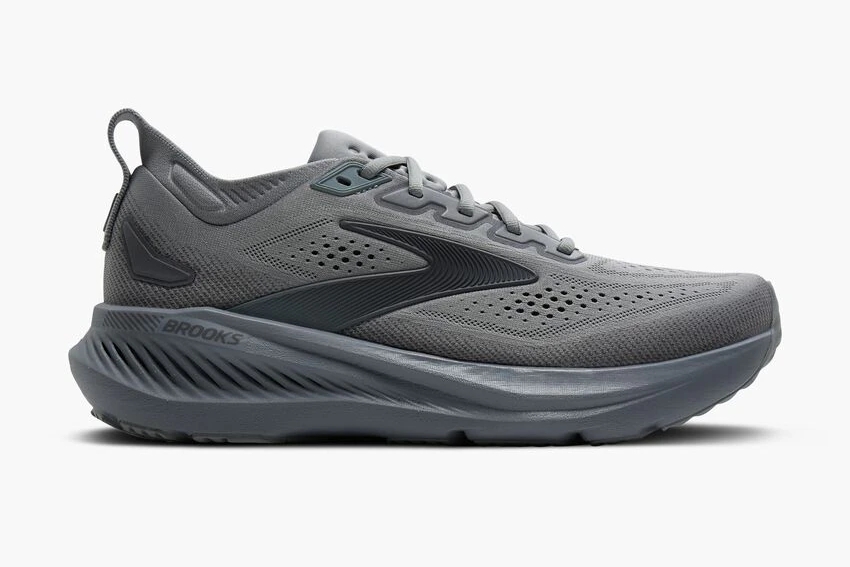
The Glycerin GTS 23 combines the soft character of the Glycerin family with Brooks’ GuideRails support system. It uses DNA TUNED cushioning and adds 2mm of nitrogen-infused cushioning in the forefoot. Brooks lists the shoe for everyday running and long runs, with an 8mm drop and an 11-ounce men’s weight.
This makes it a strong option for runners who want a softer ride but prefer structured support. The engineered knit upper also provides a comfortable, accommodating fit. The GTS 23 is heavier than the standard Glycerin 23. If you do not need structured support, the neutral version offers a simpler and lighter choice.
Shop editor’s picks
#7. Brooks Launch 12
Best for: Lightweight everyday training
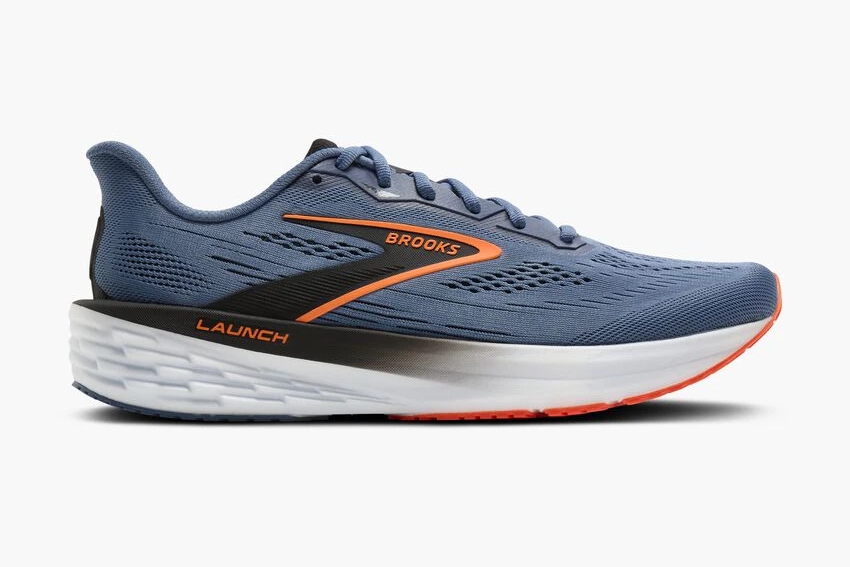
The Launch 12 is one of the more versatile shoes in Brooks’ road lineup. It weighs 8.9 ounces for men and has an 8mm drop. Brooks describes it as a responsive daily trainer for road running, faster runs, everyday use, and gym workouts. Its lightweight nitrogen-infused cushioning also helps create a quicker feeling underfoot.
The airy mesh upper keeps the shoe comfortable during faster sessions and warmer conditions. Its grippy outsole also supports quick turnover without adding excessive bulk. The Launch 12 does not provide the deep cushioning of the Glycerin range. It makes more sense for runners who value versatility, responsiveness, and a lighter build.
Shop editor’s picks
#8. Brooks Caldera 8
Best for: Long-distance trail running
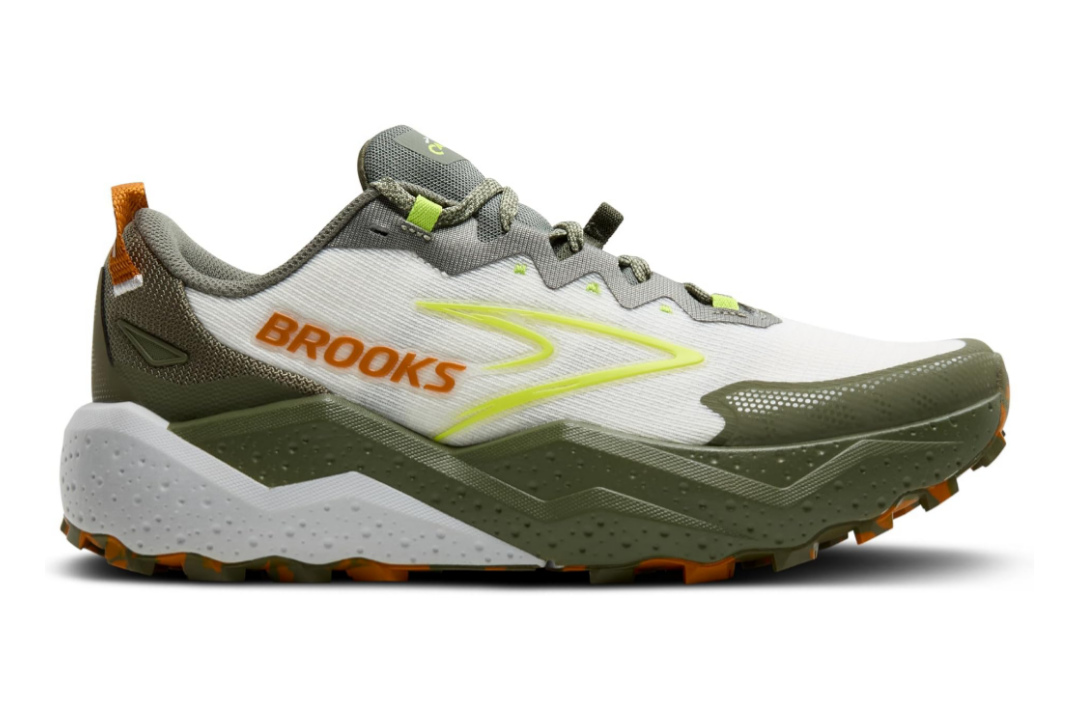
The Caldera 8 is built for runners who spend serious time on trails. Brooks specifically positions it for ultratrail running and 50K-plus races. The shoe combines a cushioned platform with an adaptable ride, breathable performance upper, and 6mm drop. The men’s version weighs 10.6 ounces, which is reasonable for a long-distance trail shoe.
Its primary advantage is comfort over extended trail distances rather than aggressive technical performance. The cushioning helps create a protective platform for long outings. Runners focused on highly technical terrain may prefer the more terrain-oriented Cascadia 19. Choose the Caldera 8 when distance and comfort take priority over maximum trail precision.
Shop editor’s picks
#9. Brooks Cascadia 19
Best for: Technical and varied trails
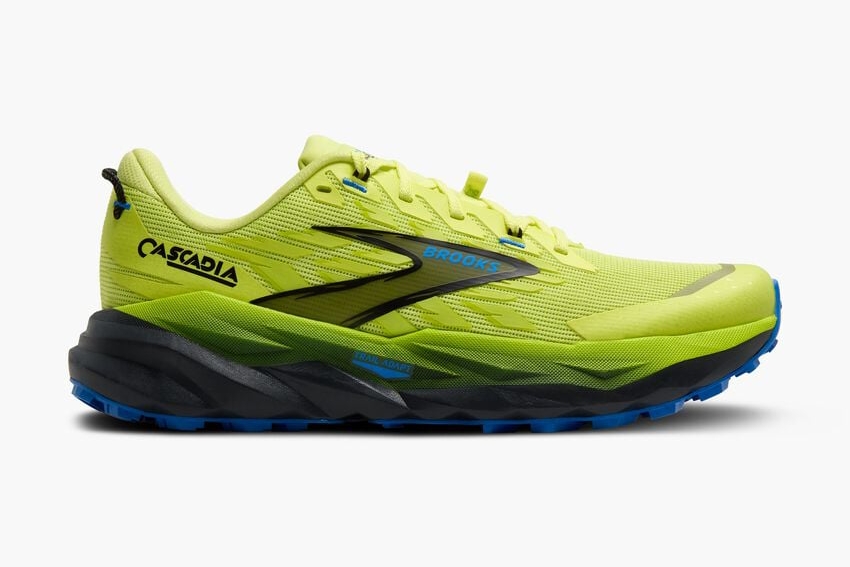
The Cascadia 19 is the more versatile trail option for runners facing changing terrain. Brooks designed it around a stable ride that adapts to the trail while providing reliable cushioning. It has a 6mm drop, weighs 10.7 ounces for men, and is intended for technical terrain, varied trails, hiking, and exploration.
The shoe also provides wet- and dry-condition traction, which makes it suitable for unpredictable trail conditions. Compared with the Caldera 8, it places greater emphasis on terrain versatility. That makes it a better choice for runners who regularly move between smoother paths and technical sections. For ultradistance comfort on less technical routes, the Caldera 8 remains the better fit
Shop editor’s picks
#10. Brooks Hyperion 2
Best for: Fast workouts and runners who prefer a flexible ride
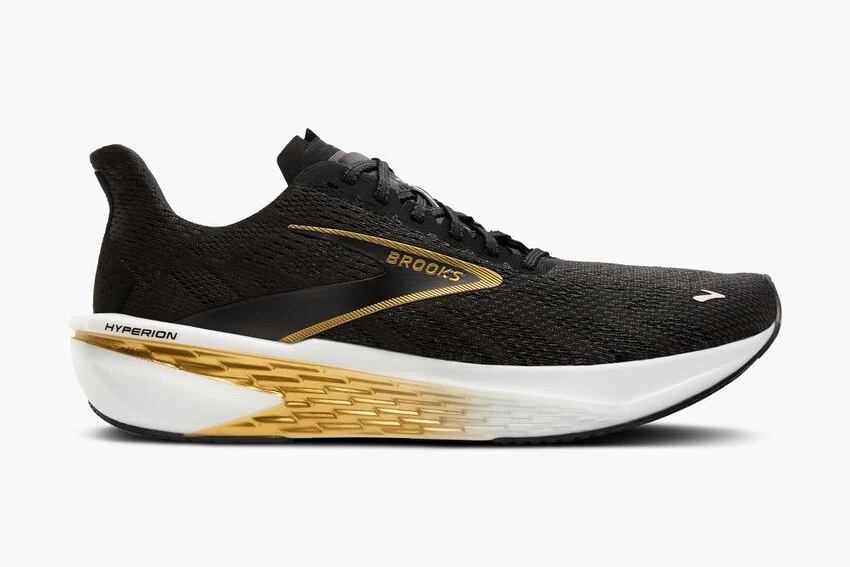
The Hyperion 2 targets runners who prefer a lightweight, flexible shoe for faster road sessions. Independent testing has highlighted its low weight, flexible construction, breathable upper, and grounded ride. It also provides a more traditional running feel than many high-stack performance shoes.
That character makes the Hyperion 2 particularly useful for intervals, tempo sessions, and shorter races. It also works well for runners who dislike stiff, plated shoes. However, its lower-stack design provides less protection than the Hyperion Max 3. Choose the Hyperion 2 when flexibility and ground feel matter more than maximum cushioning.
Shop editor’s picks
#11. Brooks Hyperion Elite 5
Best for: Carbon-plated racing
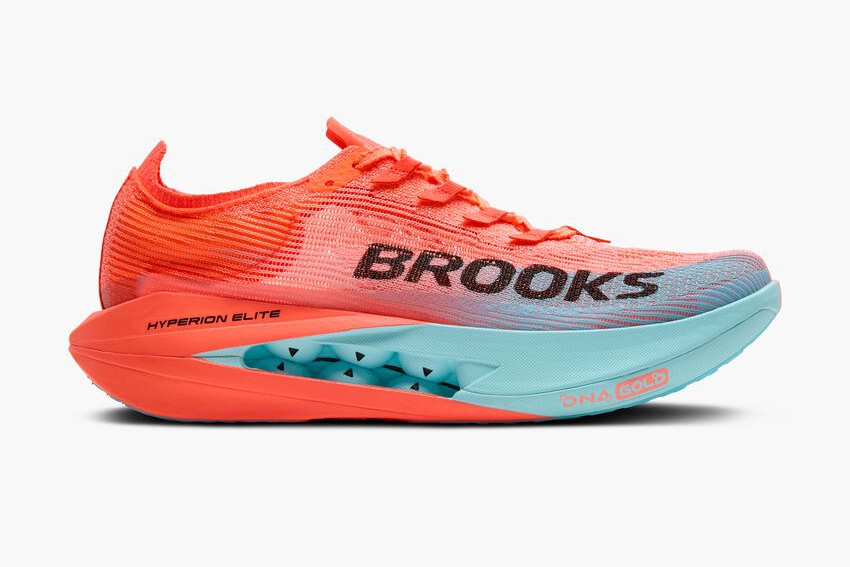
The Hyperion Elite 5 is Brooks’ high-end road racing option for runners seeking a lightweight, carbon-plated shoe. It uses DNA Gold foam and a full-length carbon plate. Independent testing found it fast, springy, and comfortable across different race distances. Its relatively natural ride also makes it approachable for runners new to carbon-plated racers.
The trade-off is that it does not feel as aggressively propulsive as some competing super shoes. Testing has also identified limitations in stability for some runners. Ultimately, it makes the most sense for runners who value a balanced carbon-racing experience. It is less compelling as an everyday trainer because its lightweight racing construction prioritizes performance.
Shop editor’s picks
#12. Brooks Catamount 4
Best for: Fast trail running
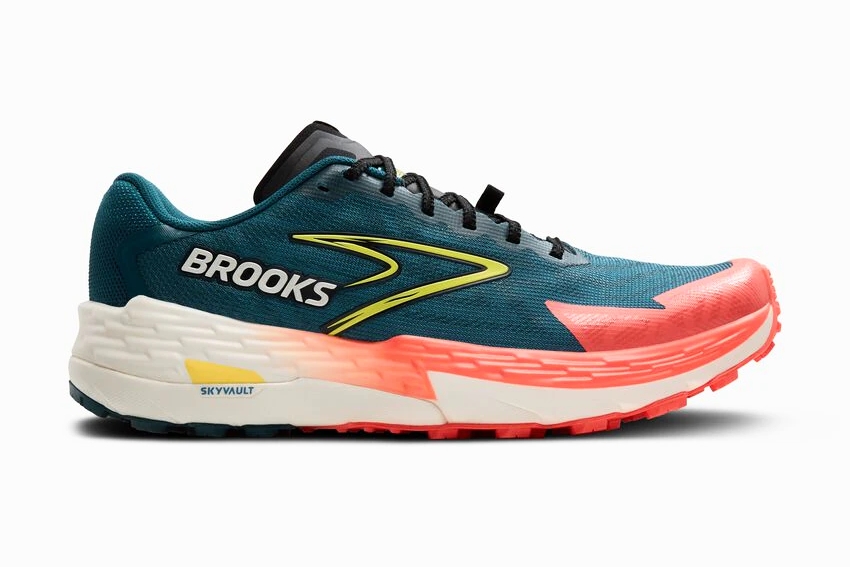
The Catamount 4 is aimed at runners who want speed on demanding trails. Its design focuses on fast movement, climbing efficiency, protection, and trail traction. Independent reviews describe the shoe as capable of maintaining a quick pace while adding more protection and stability than earlier versions.
However, the fourth version is not universally loved. Testing has found a firmer ride and a more substantial feel than its predecessor. That makes the Catamount 4 better suited to runners who prefer a planted trail shoe. If you want softer cushioning for long trail distances, consider the Caldera 8 instead.
Shop editor’s picks
#13. Brooks Glycerin Max 2
Best for: Recovery runs and maximum cushioning
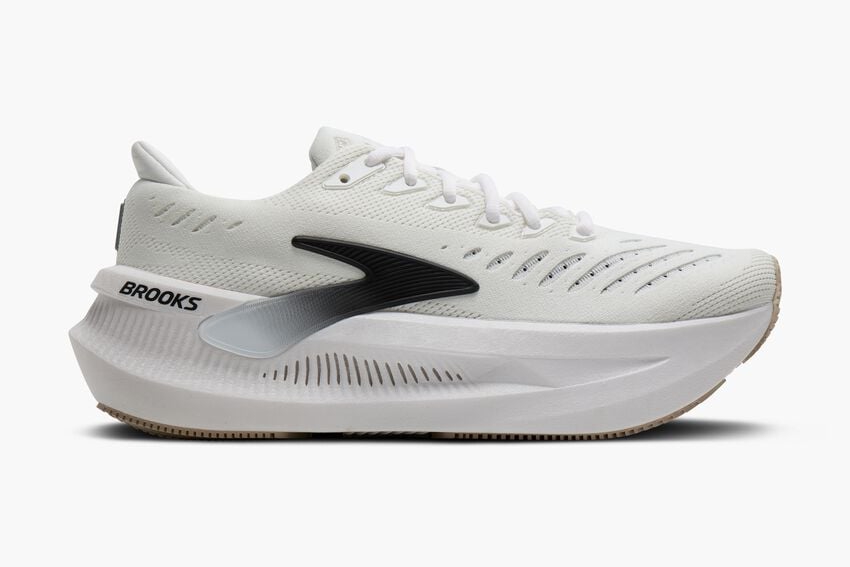
The Glycerin Max 2 is Brooks’ high-cushioning option for runners who prioritize softness and smooth transitions. It has a 6mm drop and weighs 11.3 ounces for men. Brooks lists everyday runs, long runs, recovery runs, and walking among its intended uses. Its GlideRoll Rocker helps smooth the transition from heel to toe.
The shoe’s stacked cushioning gives it a protective, comfortable character for easy mileage. That construction also makes it heavier than the Glycerin 23 and less appropriate for speed workouts. It is best viewed as a dedicated comfort shoe rather than an all-purpose performance trainer. Runners who want more versatility should consider the standard Glycerin.
Shop editor’s picks
How to Choose the Best Brooks Running Shoe for Men
#1. Consider Where You Run
Your running surface should be the first factor you consider. Road shoes are designed for pavement, sidewalks, asphalt, and treadmills. Trail shoes use different outsole designs and construction to handle changing terrain, loose surfaces, and uneven ground.
For road running, consider the Ghost 18, Glycerin 23, or Adrenaline GTS 25. The Hyperion models suit faster road workouts and racing. On trails, the Caldera 8 favors longer distances, while the Cascadia 19 handles varied terrain. The Catamount 4 is the better fit for runners focused on speed.
#2. Choose Your Cushioning Level
Brooks offers several cushioning personalities across its men’s running lineup. Your preferred ride should influence the decision as much as the shoe’s intended category.
Plush Cushioning
The Glycerin 23 provides a soft ride for daily and long-distance road running. The Glycerin Max 2 adds even more cushioning and a rocker-assisted transition. Meanwhile, the Glycerin GTS 23 combines plush cushioning with structured support.
Balanced Cushioning
The Ghost 18 provides a more traditional balance of cushioning and responsiveness. The Adrenaline GTS 25 offers a similar balanced platform with GuideRails support. These models work well when you want one dependable shoe for regular mileage.
Responsive Cushioning
The Launch 12 and Hyperion 2 offer lighter, quicker sensations. The Hyperion Max 3 adds more cushioning and a nylon propulsion plate. Therefore, it is the better option for runners who want speed without giving up long-run protection.
#3. Decide Whether You Need Stability
Not every runner needs a stability shoe. If a neutral shoe feels comfortable and secure, there is no requirement to choose a structured model.
Some runners prefer the additional guidance of Brooks’ GuideRails system. The Adrenaline GTS 25 provides that support in a relatively versatile package. The Glycerin GTS 23 offers the same basic support concept with a softer, more cushioned ride.
Brooks describes GuideRails as a system designed to support the body’s natural motion path while helping keep excess movement in check.
#4. Match the Shoe to Your Training
Your training schedule can determine which Brooks shoe makes the most sense. Daily mileage calls for a durable, comfortable trainer, while faster sessions benefit from lighter and more responsive designs.
For everyday running, start with the Ghost 18 or Glycerin 23. For structured support, consider the Adrenaline GTS 25. Recovery and long runs favor the Glycerin Max 2 or Glycerin GTS 23.
For workouts, the Launch 12, Hyperion 2, or Hyperion Max 3 are stronger choices. Finally, the Hyperion Elite 5 is the specialist option for race day.
#5. Get the Right Fit and Width
Fit matters more than a shoe’s specifications. Your heel should feel secure without excessive pressure. At the same time, your toes need enough room to spread and accommodate normal swelling during longer runs.
Brooks offers multiple widths across several major models. The Glycerin 23, for example, is currently listed in medium, wide, and extra-wide men’s widths. The Adrenaline GTS 25 is also offered in several widths.
Try shoes later in the day, when your feet have naturally expanded. Wear the socks you normally use for running. If possible, test both length and width before committing to a new model.
#6. Think About Your Running Rotation
You do not necessarily need one shoe for every run. A two-shoe rotation can give you different levels of cushioning and responsiveness throughout the week.
For example, use the Glycerin 23 for easy and long runs and add the Hyperion Max 3 for tempo sessions and faster workouts. A trail runner could pair the Caldera 8 with the Catamount 4 for different trail demands.
This approach can also make your training more varied. Most importantly, choose shoes based on how they perform for your actual running routine.
The Final Verdict
The best Brooks running shoes for men in 2026 depend on the type of running you do most often. The Glycerin 23 is the strongest all-around choice for plush road training. The Ghost 18 is better for straightforward daily mileage, while the Adrenaline GTS 25 suits runners who want structured support.
For maximum cushioning, consider the Ghost Max 3 or Glycerin Max 2. Faster training favors the Hyperion Max 3, Hyperion 2, or Launch 12. Trail runners should look to the Caldera 8, Cascadia 19, or Catamount 4, depending on distance and terrain.
Finally, the Hyperion Elite 5 is the specialist choice for carbon-plated racing. No shoe is universally best, however. The most appropriate Brooks model is the one that matches your terrain, training, preferred ride, support needs, and fit.
Featured image: @brooksrunning/Instagram
—Read also