

Thinning edges can be frustrating, especially when the rest of your hair appears full and healthy. Your hairline goes through a lot of daily stress from tight hairstyles, frequent styling, friction, and even how you handle your hair during wash days. Once your edges start to look sparse, a thoughtful hair-care routine can help protect the area and create better conditions for maintaining healthy-looking hair.
Hair oils are popular for caring for thinning edges because they can help keep the scalp and hairline moisturized, reduce dryness, and make fragile strands easier to manage. Ingredients such as rosemary oil, castor oil, peppermint oil, and jojoba oil often appear in scalp and hair treatments, each offering a different texture and application experience. Still, an oil alone cannot solve every cause of hair thinning. If your edges are noticeably thinning, combine a suitable oil with gentler styling habits and a consistent hair-care routine.
From lightweight oils for everyday use to richer blends for dry hairlines, here are some of the best options to consider…
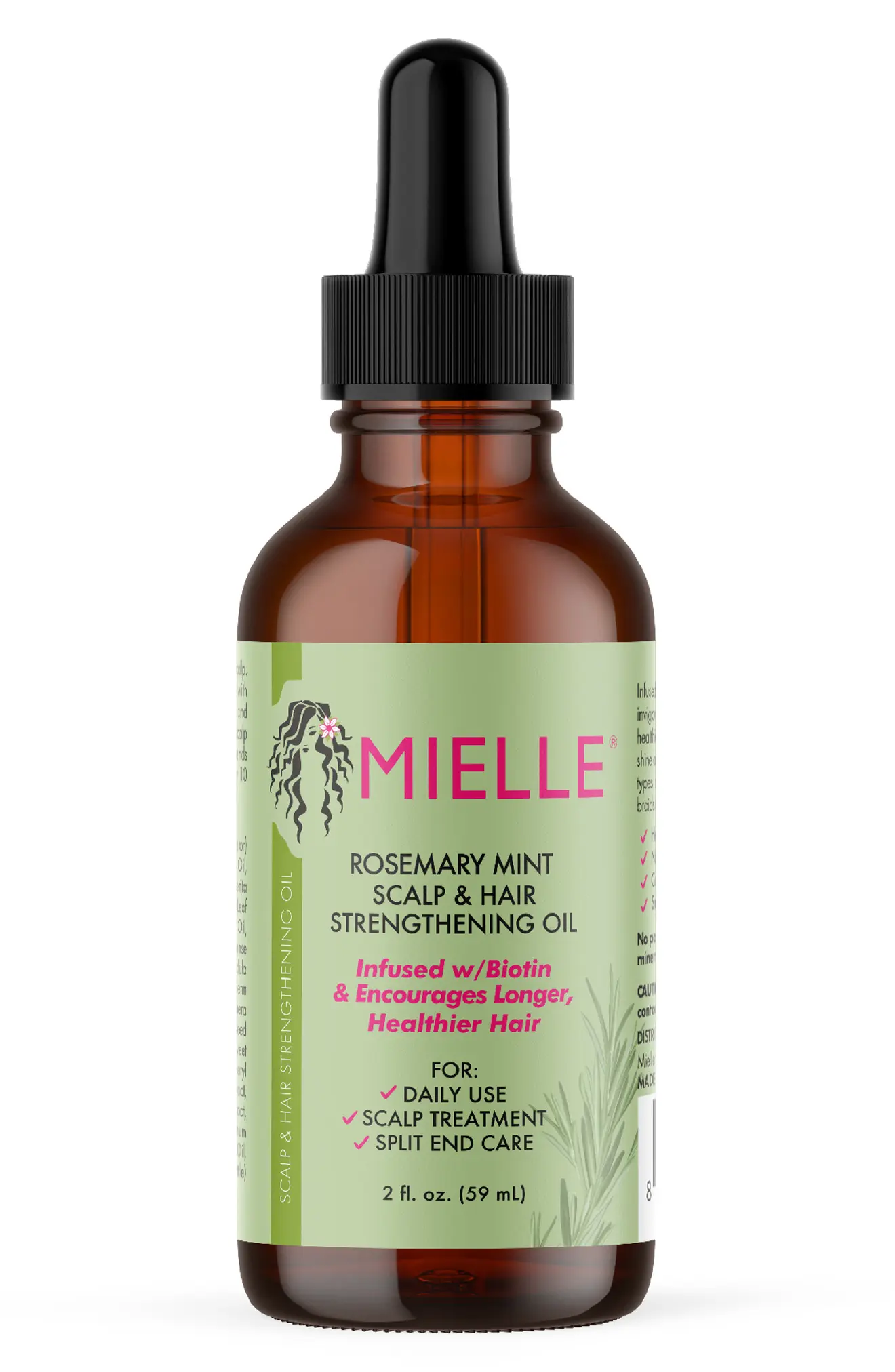
#1. Rosemary Oil for Thinning Edges
Shop here
Rosemary oil has become one of the most talked-about oils for supporting hair growth. People commonly use it in scalp treatments and hair oils designed to care for areas where hair appears thinner. For the edges, apply a properly diluted rosemary oil blend sparingly to the scalp along the hairline.
Because pure essential oils are highly concentrated, don’t apply rosemary essential oil directly to the skin. Mix a small amount with a suitable carrier oil before applying it to the scalp. A lightweight blend works well if you prefer a less oily finish, particularly when you plan to style your hair afterward.
If you’re introducing rosemary oil into your routine for the first time, start with a small amount and pay attention to how your scalp responds. As with any new topical product, discontinue use if you develop irritation.
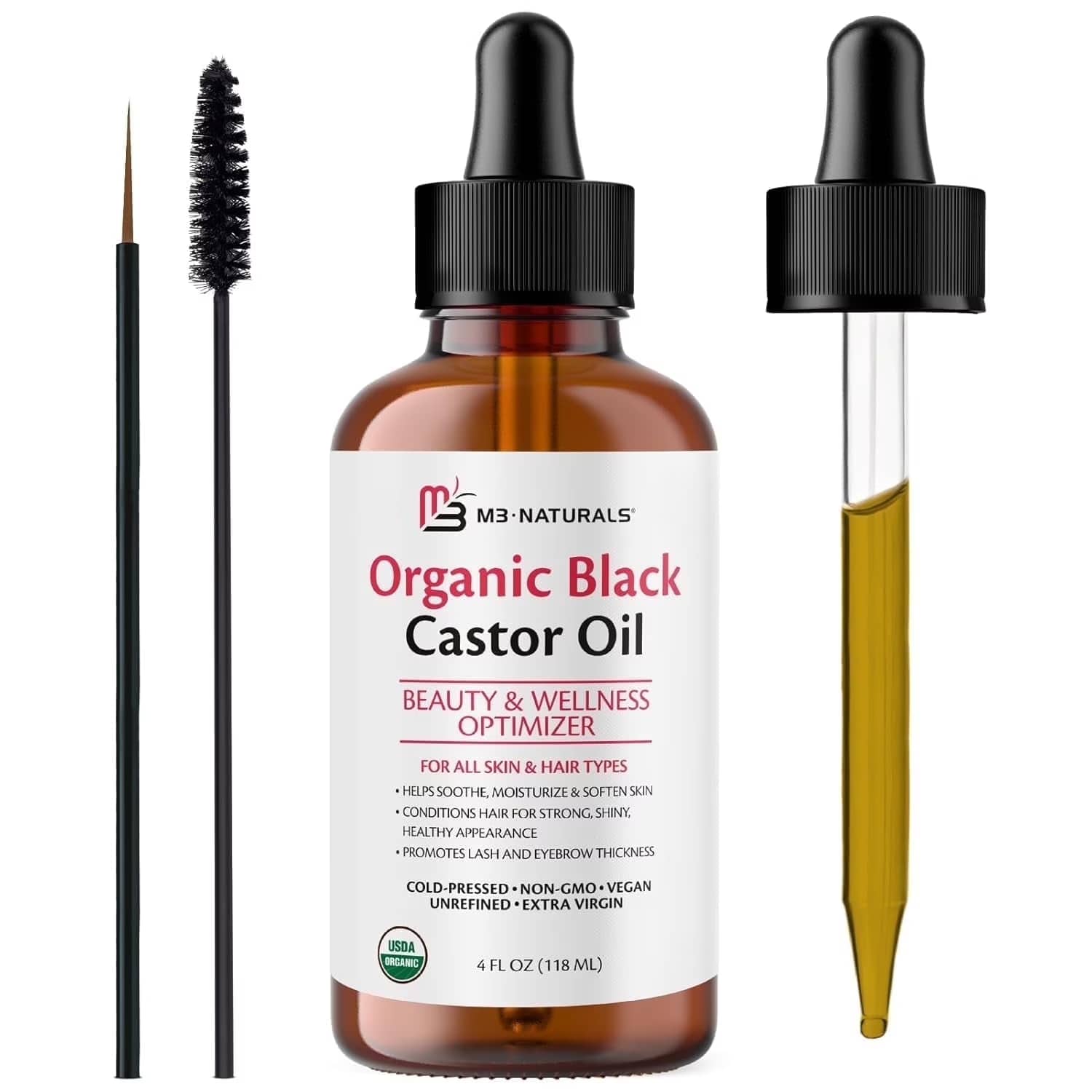
#2. Castor Oil for Dry, Fragile Edges
Shop here
Castor oil is a particularly popular choice for natural hair routines because of its thick, rich texture. It can coat the hair and help reduce the dryness that often makes fragile edges difficult to manage. Its heavier consistency also makes it useful for sealing in moisture after applying a water-based moisturizer or leave-in product.
You don’t need much castor oil around the hairline. Apply a small amount to your fingertips and gently smooth it over the edges rather than rubbing the area aggressively. If the oil is too heavy for your hair, mix a little with a lighter carrier oil such as jojoba or grapeseed oil.
Because castor oil is particularly rich, it may work better as an occasional treatment for some hair types rather than an everyday product. Use enough to lightly coat the area without leaving a thick layer of residue.
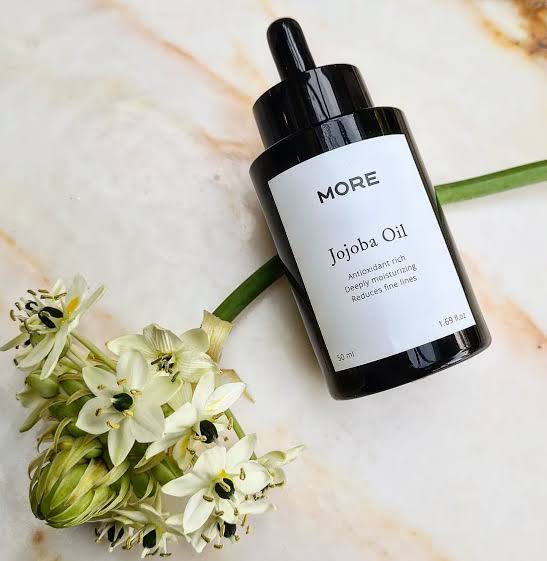
#3. Jojoba Oil for Lightweight Moisture
Shop here
If you have fine edges or don’t like heavy oils, jojoba oil is worth considering. Its lightweight texture makes it easy to apply along the hairline without leaving the area overly coated. You can also incorporate it into a simple scalp-care routine alongside your regular moisturizing products.
Use a few drops on clean fingertips and gently massage or smooth the oil over the hairline. The key is consistency, not using too much. Excess oil can build up around the edges, especially if you frequently use styling gels or edge control.
Jojoba oil can also be a useful option when you want something that layers easily with other products. Rather than saturating the hairline, think of it as a light finishing step that adds moisture and helps keep delicate strands manageable.
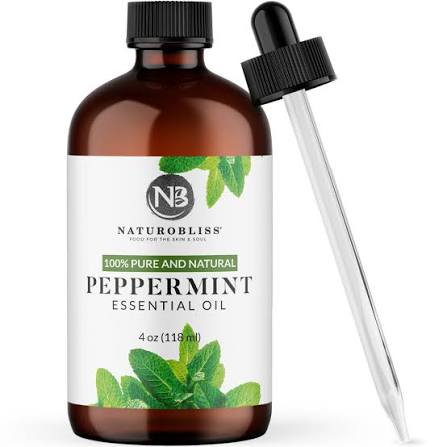
#4. Peppermint Oil for a Refreshing Scalp Routine
Shop here
Peppermint oil is another essential oil commonly included in hair and scalp products. It has a naturally cooling sensation that can make scalp treatments feel refreshing. For thinning edges, use it only in a properly diluted blend, not applied directly to your hairline.
A carrier oil such as jojoba, coconut, or grapeseed oil can dilute peppermint oil. Start with a small amount and stop using it if you experience burning, redness, itching, or irritation. The skin around the hairline can be sensitive, so take a gentle approach.
Because peppermint oil is an essential oil rather than a conventional moisturizing oil, it is best treated as a concentrated ingredient in a formulated or properly diluted product. There is no need to apply a large amount in an attempt to accelerate results.
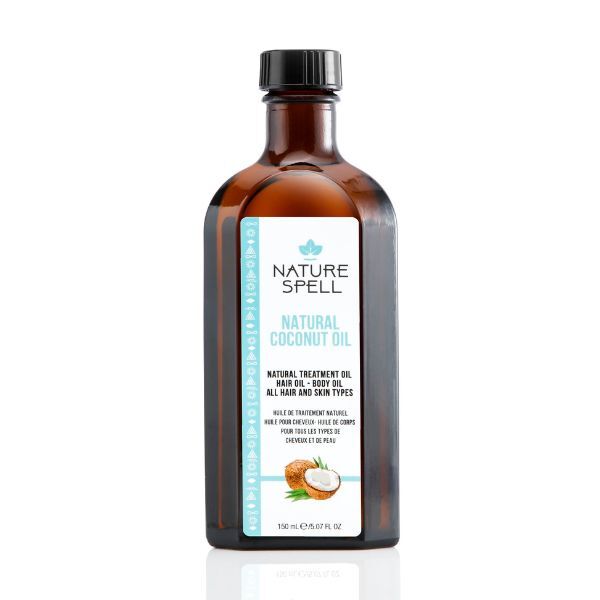
#5. Coconut Oil for Conditioning the Hairline
Shop here
Coconut oil can be useful when your main concern is dryness and breakage around the edges. It has a richer consistency than lightweight oils and can help condition the hair, making it a common choice for pre-shampoo treatments and moisturizing routines.
For thinning edges, apply a small amount to the hairline and surrounding strands. If your hair is fine or easily weighed down, use less or choose a lighter oil instead. You can also mix coconut oil with other oils for a more balanced treatment.
It can be particularly useful before washing when you want to give the hair a little extra conditioning. As with any oil, however, moderation matters. A heavily coated hairline can attract buildup, particularly when combined with gels, creams, edge control, or other styling products.
Give Your Hairline Time
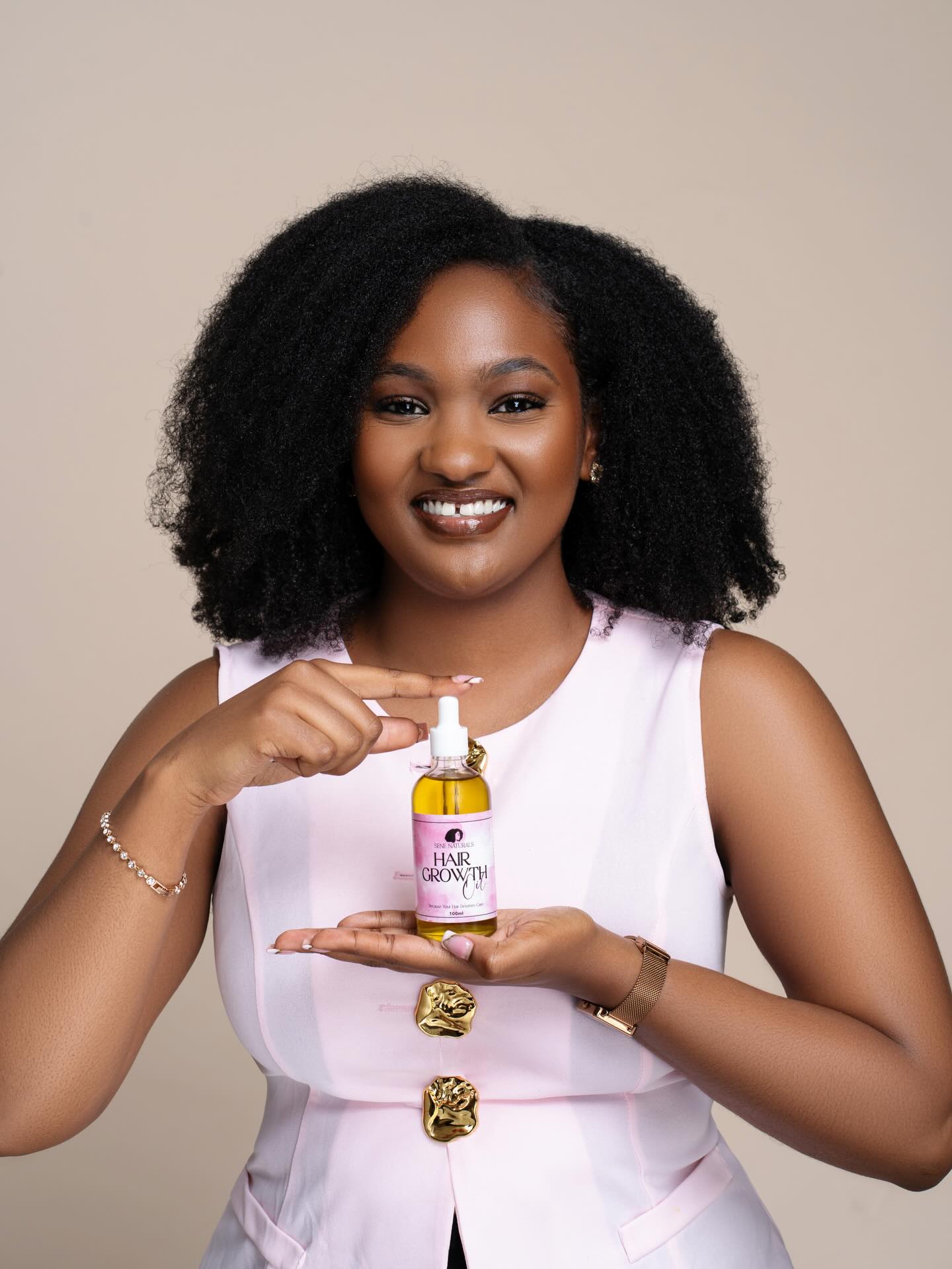
Applying more oil won’t necessarily produce better results. Start with a clean hairline and use only a few drops, concentrating on the areas that need attention. Gently smooth the oil over the hairline with your fingertips and avoid vigorous rubbing or scratching. You can apply oil on its own or after a lightweight moisturizer to help seal in hydration. Keep your routine simple and consistent rather than switching between several oils every few days. Regularly washing your scalp also helps prevent oil, styling products, and other buildup from accumulating around the hairline.
The oil you choose is only one part of caring for thinning edges. Tight braids, slick ponytails, heavy extensions, and frequent pulling can place tension on the hairline and make fragile strands more vulnerable to breakage. If a hairstyle causes pain, tenderness, or a pulling sensation, it is too tight. Give your edges regular breaks from tension-heavy styles and avoid repeatedly brushing, combing, or laying them down with force.
Your nighttime routine matters, too. Satin or silk accessories can help reduce friction while you sleep, while gentle handling during washing, detangling, and styling can help protect the hair you already have. Small changes in how you handle your hair can be just as important as the product you apply to it.
Thinning edges rarely improve overnight, so give your routine time. Focus on keeping the area moisturized, reducing tension, and treating fragile strands gently. A suitable hair oil can complement these habits, but it should not replace them.
If you notice sudden or significant hairline thinning, bald patches, scalp pain, redness, or persistent itching, consider speaking with a dermatologist. Hair loss can have several causes, so identifying the underlying issue can be more helpful than simply adding another oil to your routine.
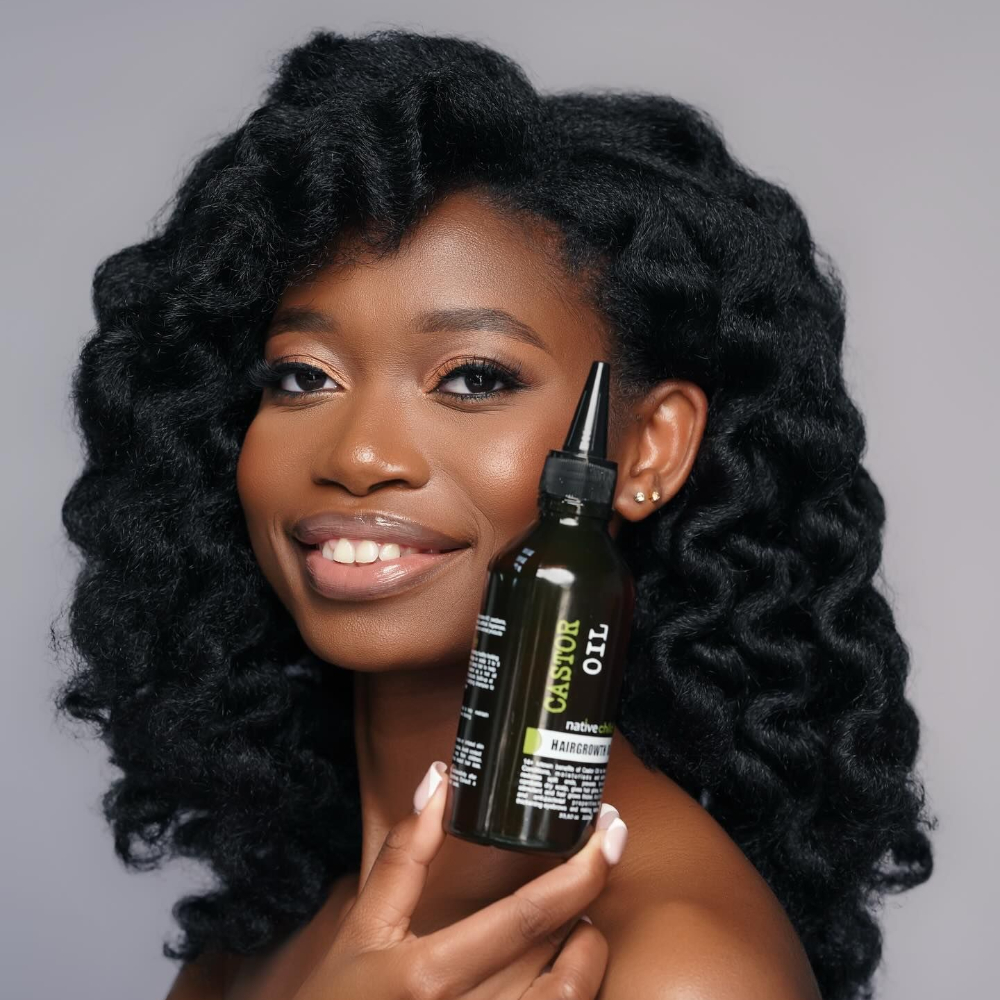
Featured image: @nativechild.co/Instagram