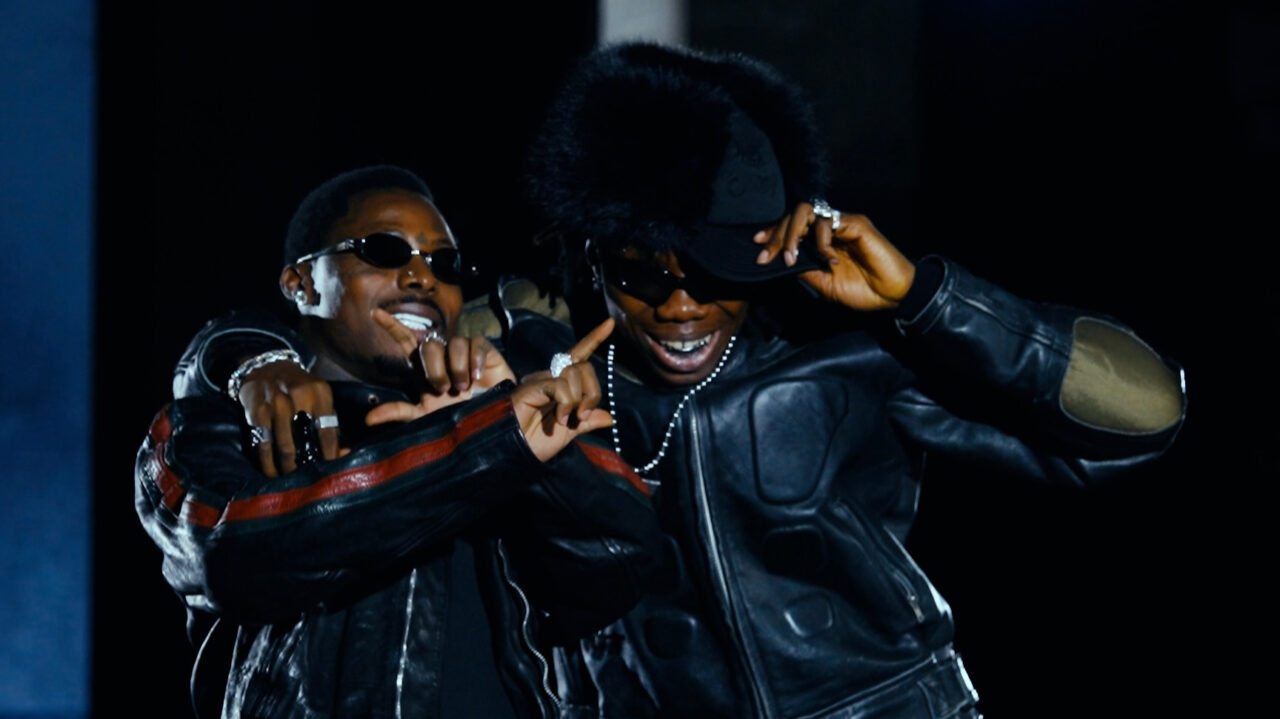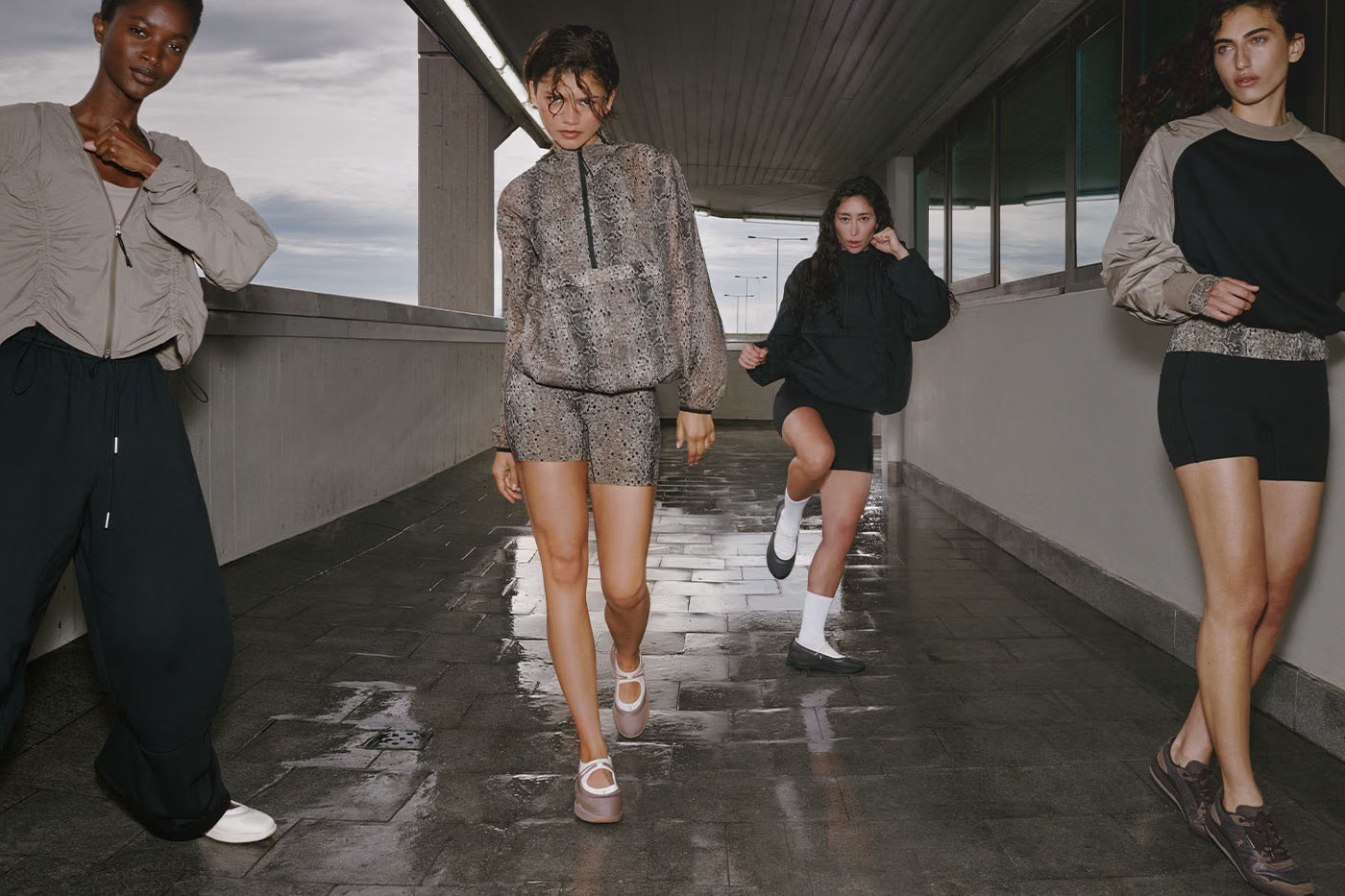

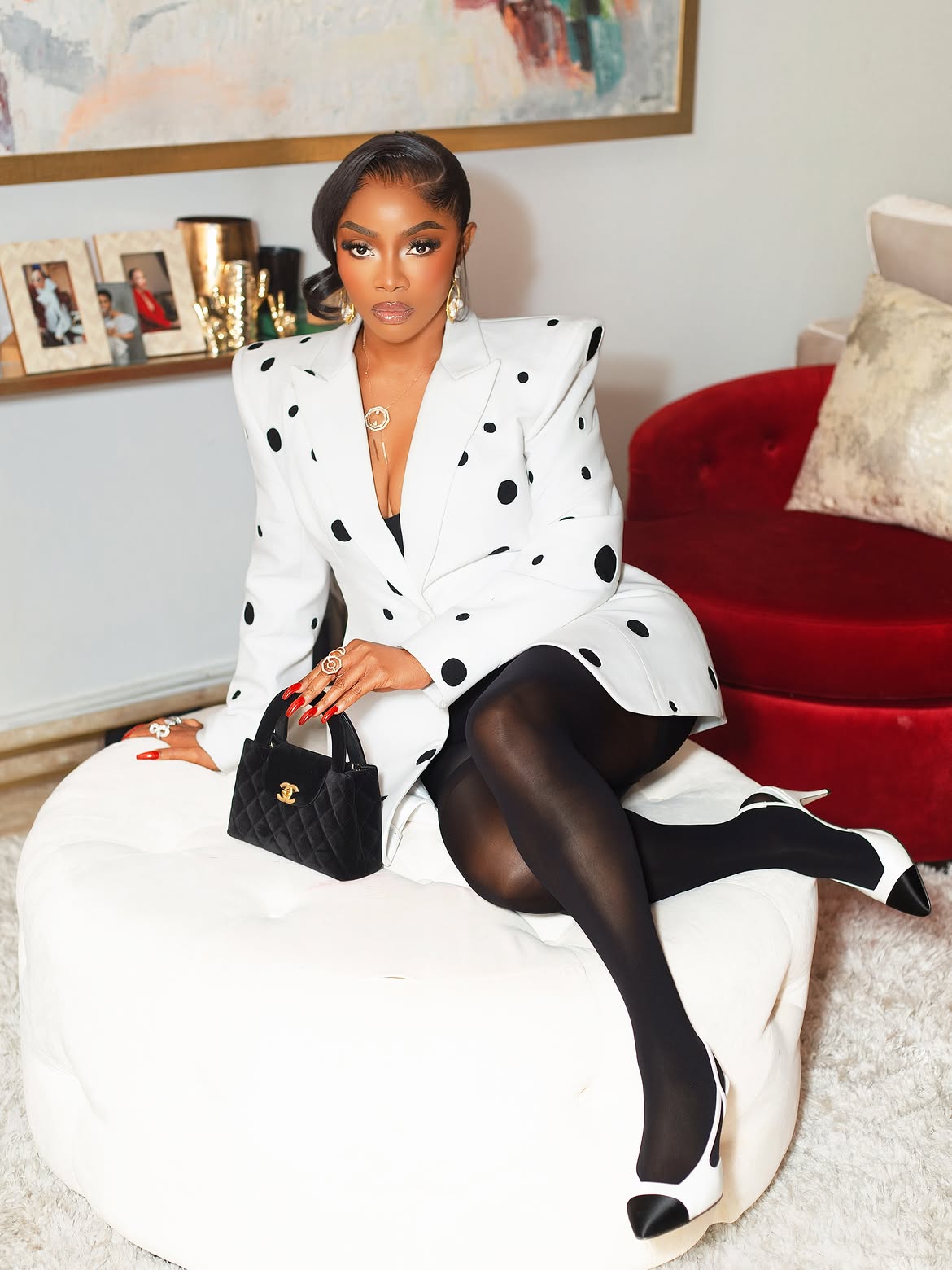

A great outfit gets people’s attention, but it is rarely the whole story. Look closely at anyone whose style you admire, and you will usually find the clothes do less work than you think. The finish comes from somewhere else: the exact shade of a lip, the way three rings sit together on one hand, a scent that lingers after they have left the room. These details turn “wearing an outfit” into “having a look,” and they are worth paying attention to on their own terms.
That is also why personal style can be surprisingly difficult to pin down. Two people can wear almost identical clothes and still look completely different because of the choices made around them. One might add a sharp wing of liner and sculptural earrings; another might leave the skin bare, pile on delicate rings, and finish with a distinctive fragrance. None of these details has to be particularly dramatic on its own. What matters is how deliberately they work together, creating a sense of intention that goes beyond the clothes themselves.
Makeup as a Finishing Layer, Not an Afterthought
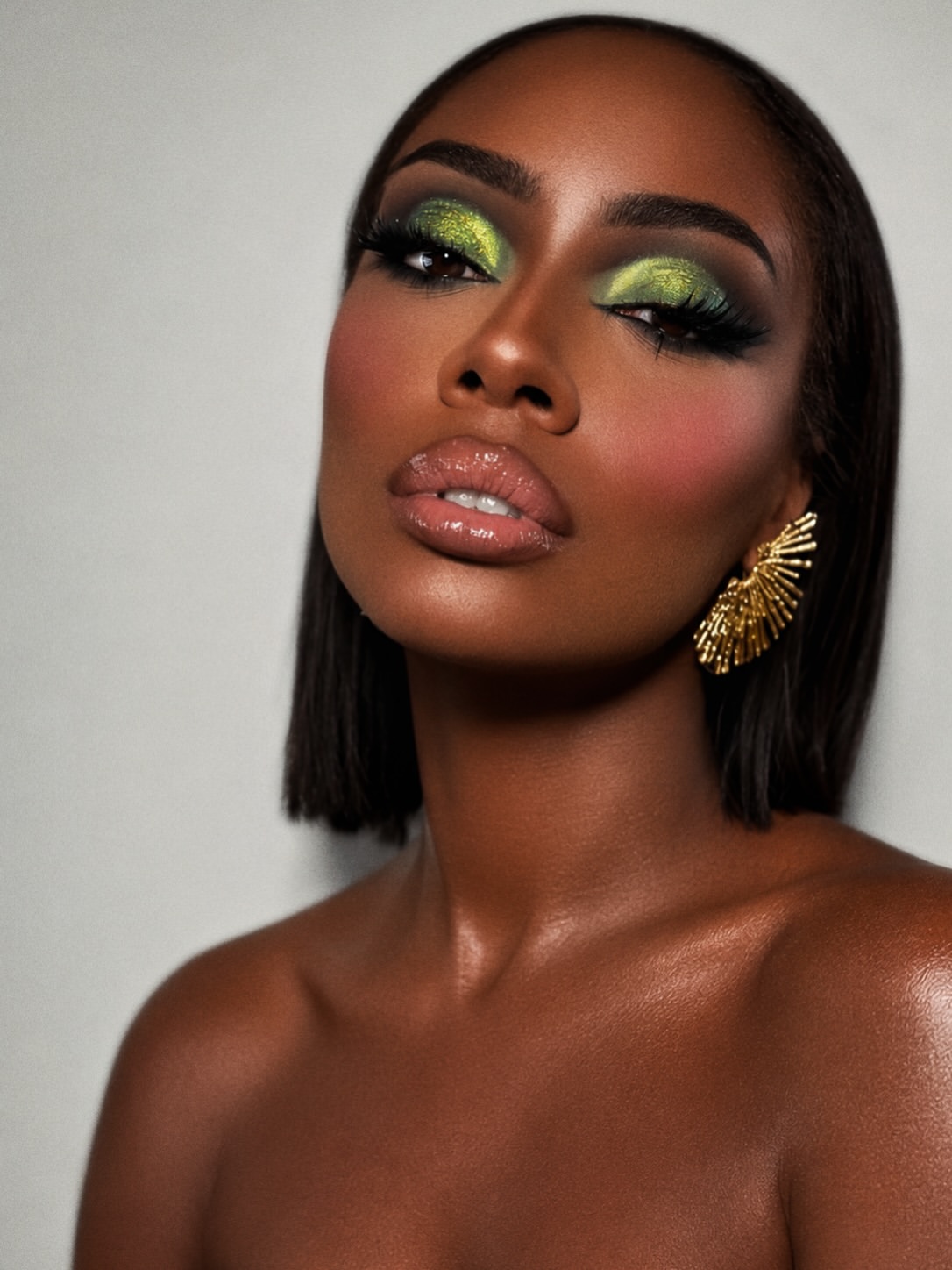
Makeup often gets treated as a separate routine from getting dressed, something done in front of a different mirror at a different time of day. But the two are more connected than that. A soft, barely-there base paired with a strong brow reads completely differently from the same base paired with a bold, saturated eye, even if the outfit underneath has not changed at all. Color is doing a lot of that work.
Plenty of people are currently moving on from minimal, “no-makeup” looks and reaching for bright, expressive eye color again, treating a blue or green shadow the same way they might treat a bold coat: as a single decision that changes the tone of everything else. The detail that finishes a look is often just one choice made with intent—a graphic liner, a stained lip, or skin left visibly bare, chosen on purpose instead of chasing an all-over polished finish.
What tends to separate a considered look from a rushed one is not more products but more editing. Picking one feature to lead with—a lip, an eye, or a flush of color on the cheeks—and letting everything else sit back tends to read as more deliberate than layering several strong choices at once. That editing instinct is the same one that shows up in how people choose accessories and jewelry, which is really where the rest of a look gets decided.
Jewelry and Accessories: Where the Detail Work Happens
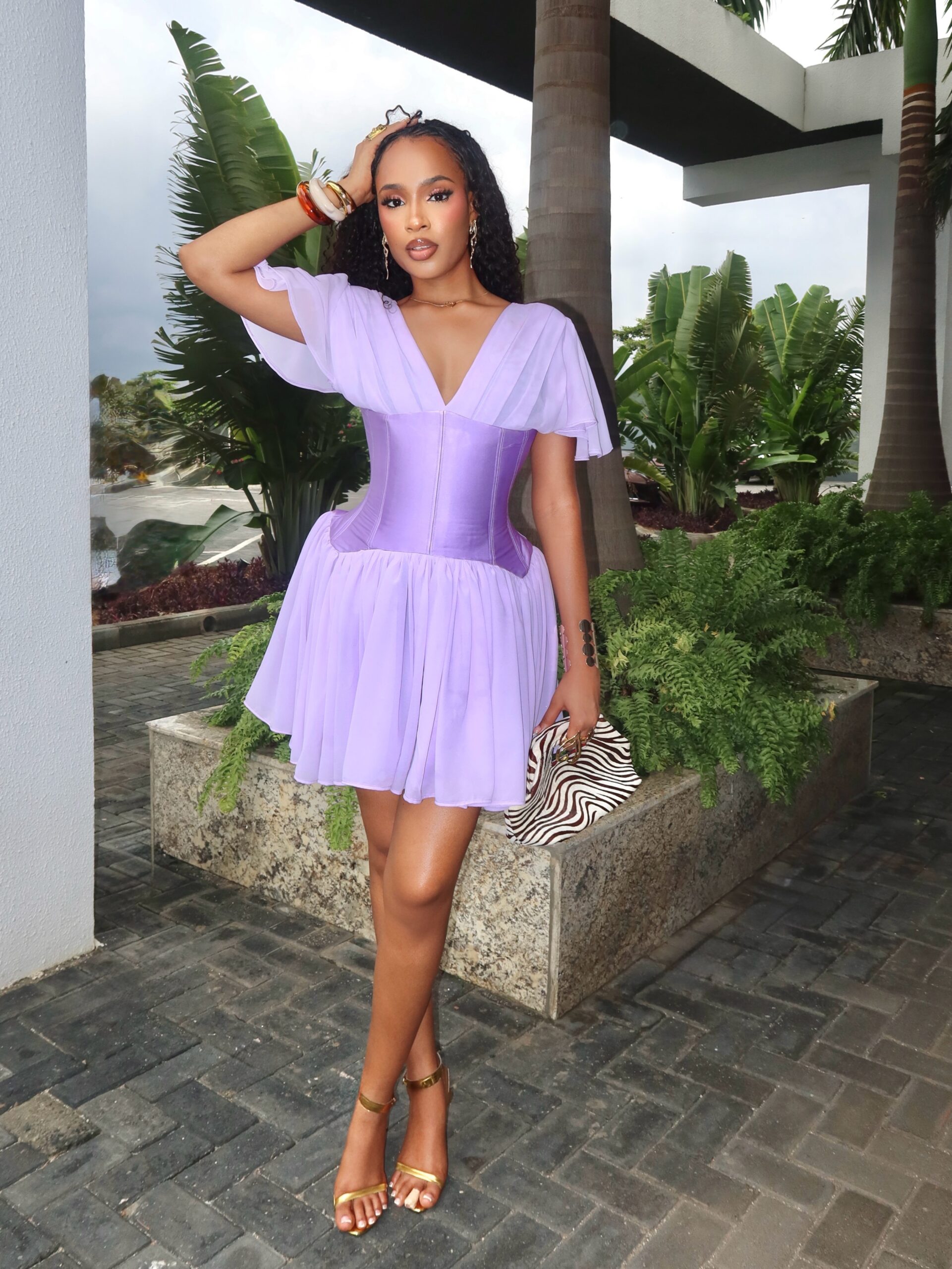
Jewelry is one of the few parts of an outfit that can be changed in seconds without touching the clothes at all, which is exactly why it carries so much of the personal detail in a look. Stylists who work with layered jewelry generally point to the same handful of habits. These include mixing materials, textures, and lengths instead of sticking to one uniform set; pairing a shorter, chunky necklace with a longer, thinner pendant so the two do not compete; and stacking rings unevenly across fingers instead of matching them in pairs.
None of that requires expensive pieces. It requires a willingness to combine things that were not necessarily bought as a set, which is usually what gives a jewelry choice its personal character, something a matched set from a single display rarely manages.
The same logic applies further down the accessory list, to belts, scarves, bag charms, and the small trinkets people now clip onto handbags and keyrings. What began as a fairly niche habit has become a genuinely widespread way of customizing an otherwise identical bag, turning a mass-produced object into something that looks like nobody else’s. None of these pieces need to be expensive or rare. Their job is simply to be specific, each one chosen on purpose and for its own reason.
Hair as the Detail People Notice Last and Remember First
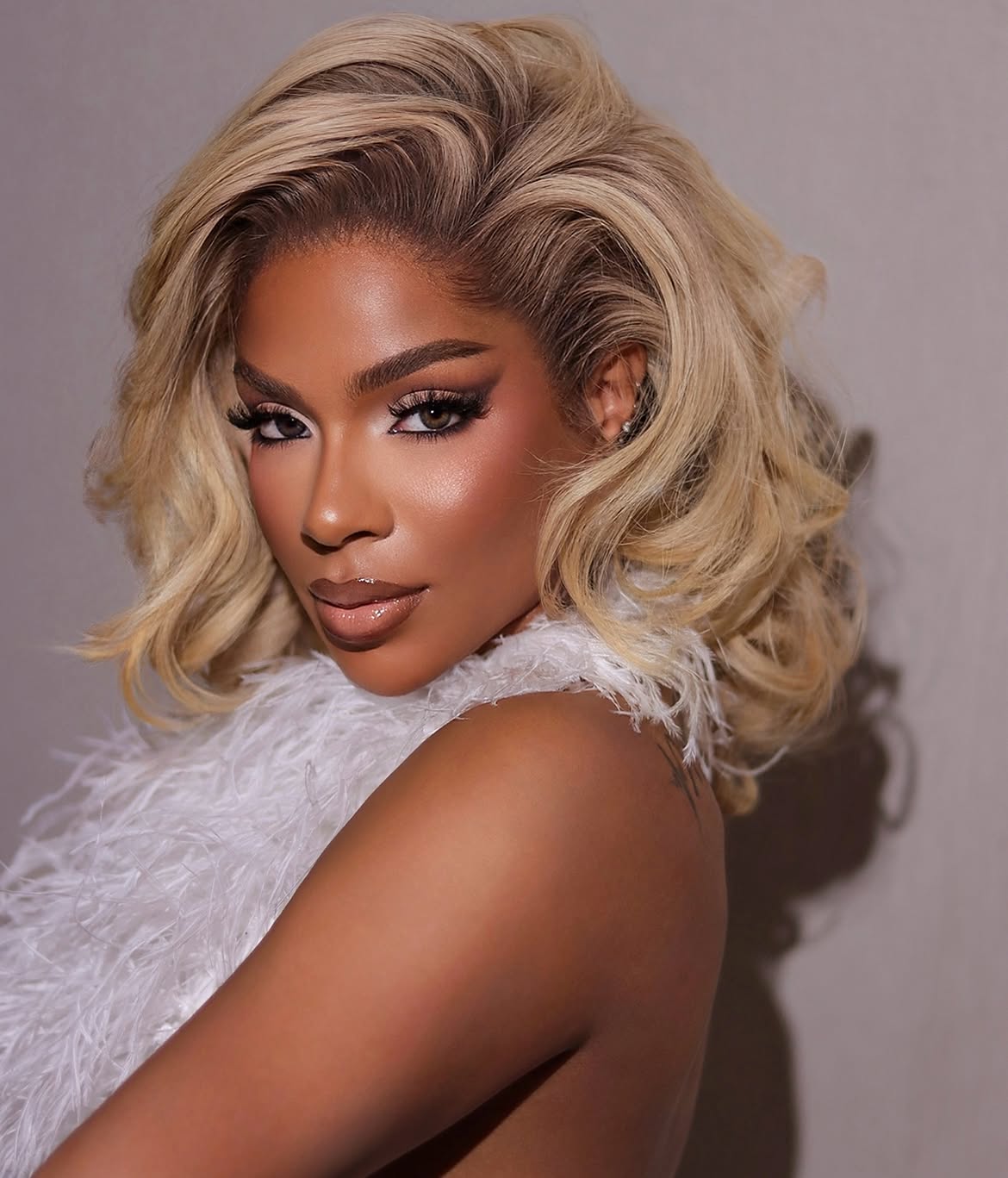
Hair is often the last thing addressed before leaving the house, yet it is frequently the first thing people register about someone’s overall look. Texture and shape read from across a room long before anyone clocks the earrings or the scent. Stylists who specialize in curly and Afro-textured hair have built entire careers around this idea, treating texture itself as the detail worth styling with care.
The hairstylist Vernon François, who has worked with clients including Lupita Nyong’o and Solange Knowles, has spent his career building his signature technique around natural curl and coil patterns, using texture as the foundation of a style instead of straightening it away first. That same principle applies well beyond a red carpet: how someone wears their own texture—sleek, defined, or loosely undone—is as much a daily style decision as anything they put on afterward.
Scent as the Detail Nobody Sees
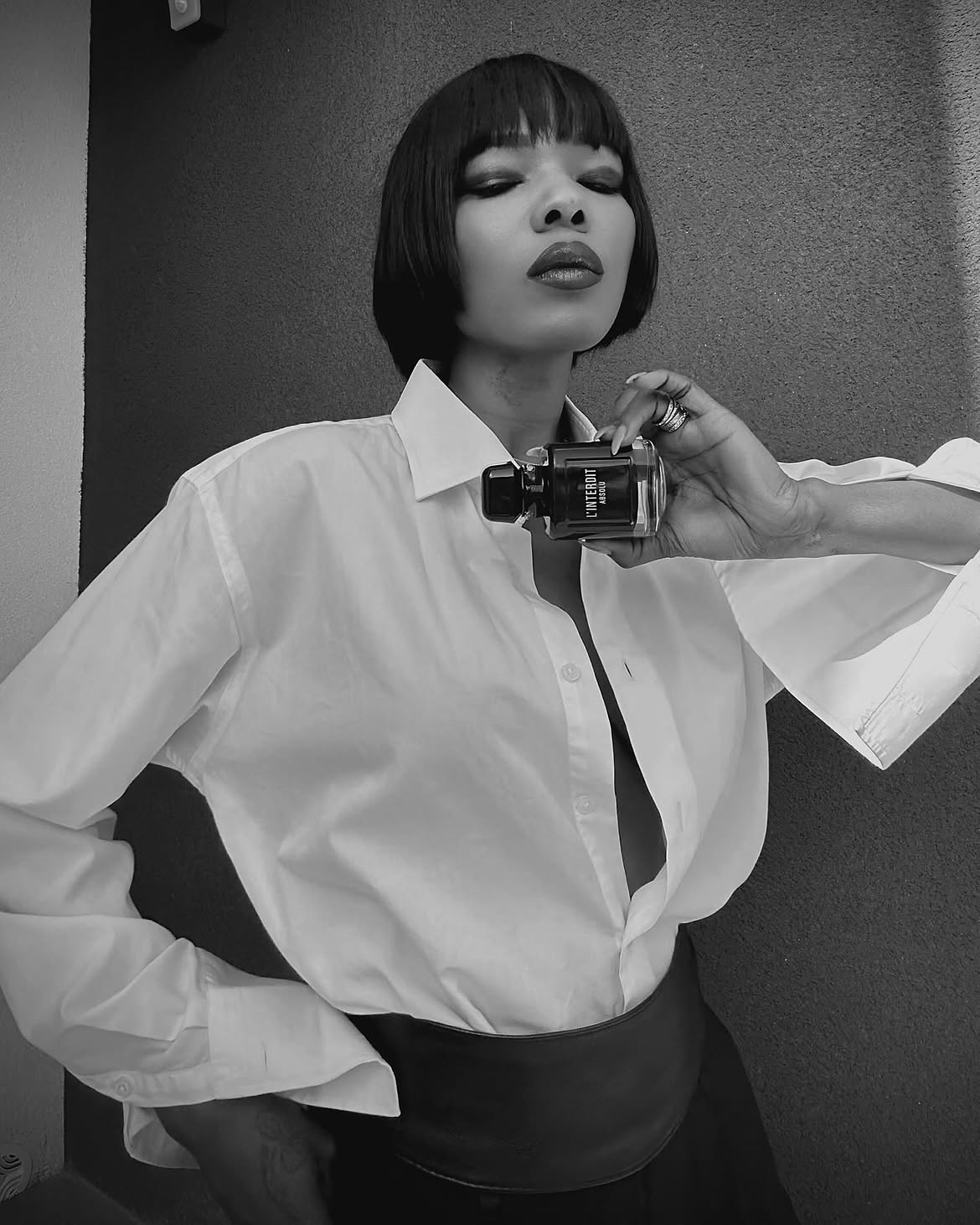
Fragrance sits slightly apart from every other detail on this list because it cannot be seen. It works entirely on memory and proximity, which is part of why people tend to underestimate how much it contributes to how a look is received. It is also why a favorite scent can become almost invisible to the person wearing it.
After enough exposure, the nose adapts and stops registering a familiar smell with the same intensity, a phenomenon known as olfactory fatigue, in which the receptors that first picked up a scent gradually become less responsive to it. That is exactly why people who wear the same fragrance daily often reapply more than they need to: they have simply stopped smelling what everyone else can.
Keeping a small rotation of two or three scents, instead of relying on one bottle, is one practical way around this. It also means treating scent choice with the same attention given to a lipstick shade or a ring stack. A structured category page like the one for perfume for women makes that kind of comparison easier, grouping options by note family and strength so a choice can be made on those terms instead of by guessing from a single bottle on a counter.
The Details Add Up Together
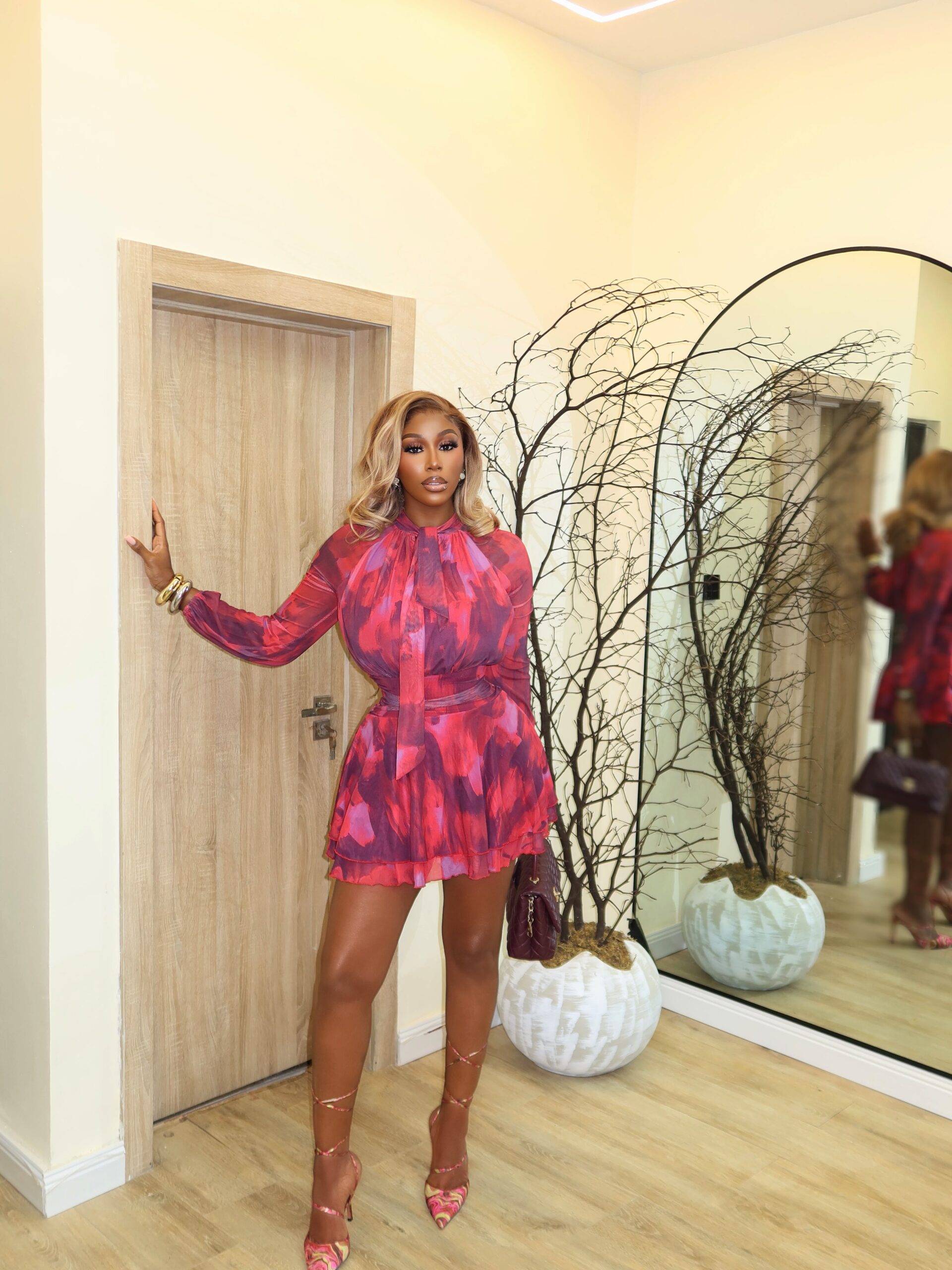
None of these choices—the makeup, the jewelry, the hair, the scent—does very much on its own. A single ring is just a ring. A single spray of scent is just a smell that fades within an hour. It is the combination of small, specific decisions repeated day to day that gives a look its finish, and that finish is what people actually respond to, even when they could not name a single element that caused it.
Paying attention to the details is a far more useful habit than searching for one big statement piece to carry an entire outfit. Personal style is often built in these smaller decisions: the colors you return to, the jewelry combinations you instinctively make, the way you wear your hair, and even the fragrance you leave behind. None has to announce itself loudly. Together, they are what make an outfit recognizable as yours.
Featured image: Bankole. O via @tokemakinwa/Instagram
—Read also