

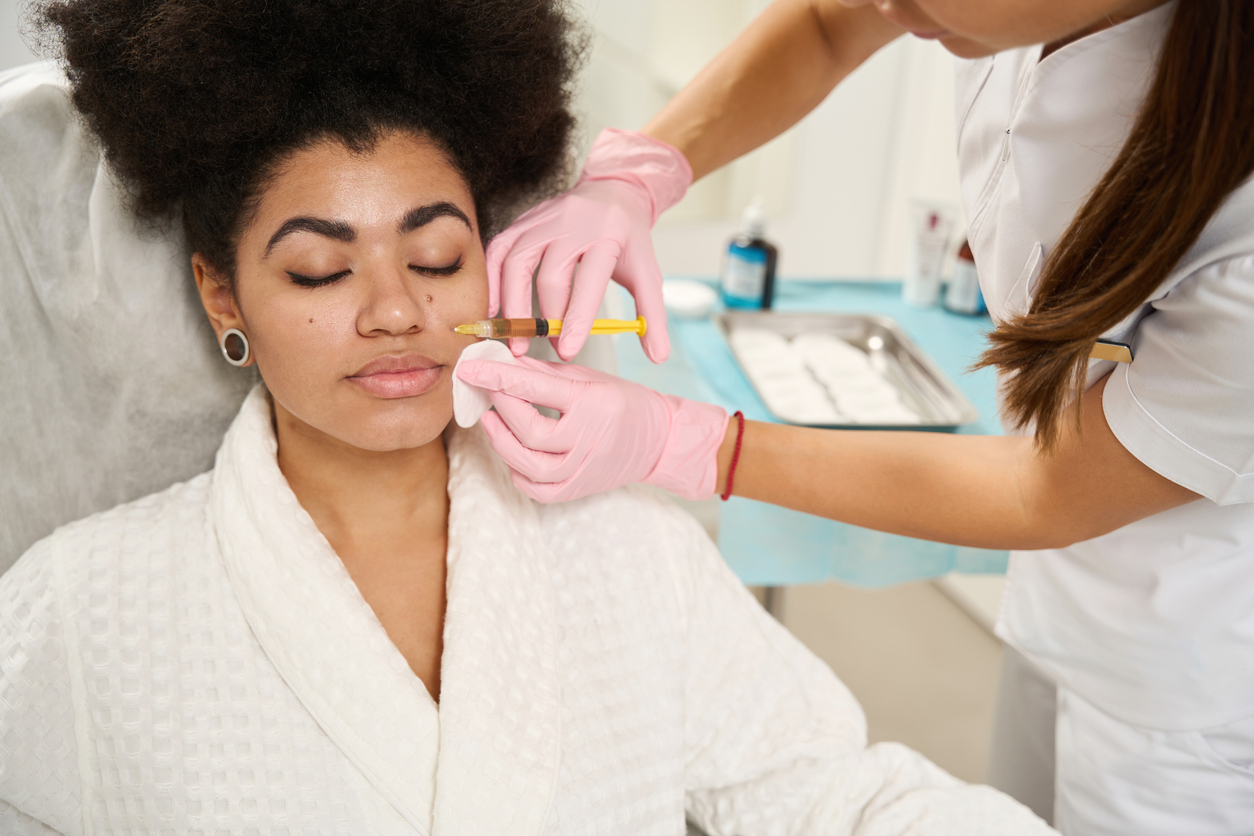

A beauty treatment made from your own blood may sound like an unlikely route to fresher-looking skin, yet that is precisely what has made PRP facial treatments so intriguing. So, what exactly is a PRP facial treatment, and can it really improve the way your skin looks?
Platelet-rich plasma, or PRP, is prepared from a small sample of your blood and contains a concentrated number of platelets and growth factors involved in tissue repair. In aesthetics, it is used to support improvements in skin texture, fine lines, elasticity, and other visible signs of aging.
Rather than introducing a synthetic filler to add volume, PRP uses material taken from your own body, which is then injected into selected areas of the face or sometimes applied after procedures that create tiny openings in the skin. However, the treatment has also attracted some ambitious claims, so it is worth separating its genuine potential from the promise of a miracle facial.
What Is a PRP Facial Treatment?
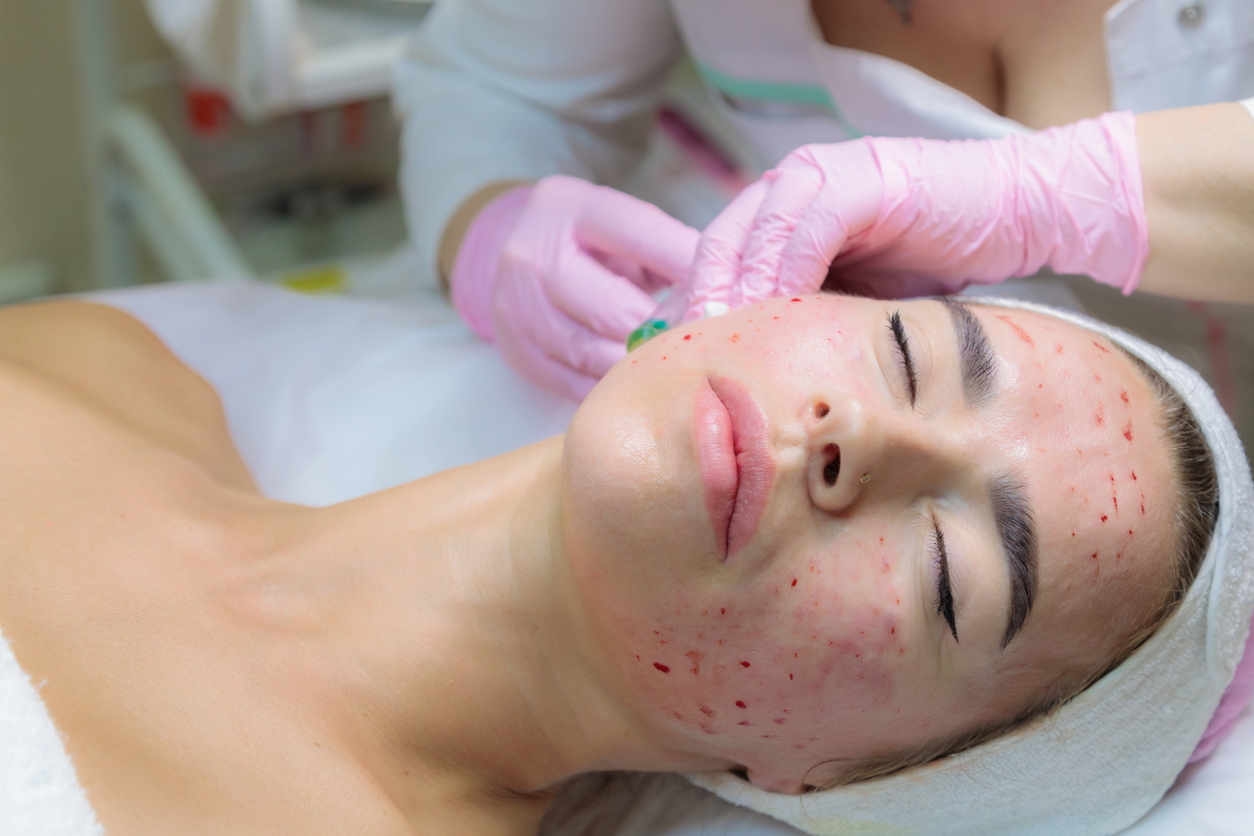
PRP facial treatment is a cosmetic procedure that uses platelet-rich plasma derived from the patient’s own blood. A clinician draws a small amount of blood, processes it to separate the plasma and platelets from other blood components, and then uses the concentrated plasma on the skin.
The PRP may be injected into areas being treated, while some practitioners combine it with microneedling or other procedures. The goal is to make use of the growth factors released by platelets, which are involved in tissue repair and regeneration. However, there is currently no single standard PRP formula or treatment method, and studies have used different preparation methods, doses, and application techniques.
How Does PRP Work on the Face?
The thinking behind PRP is fairly straightforward. Platelets contain growth factors and other biological signals involved in healing, so concentrating them and placing them in treated skin may encourage processes associated with repair and collagen production.
Research has reported improvements in several areas, including skin texture, elasticity, thickness, and the appearance of fine lines. A 2025 systematic review found the strongest evidence among the outcomes it examined for improvements in skin thickness and elasticity, while findings for hydration were much weaker.
What Are the Benefits of PRP for the Face?
PRP is mainly used to improve the overall quality and appearance of aging skin. Potential benefits include smoother texture, softer-looking fine lines, improved elasticity, and changes in skin thickness. Some studies have also reported improvements in pigmentation, although the findings are less consistent.
The treatment can also appeal to people who want a more subtle approach to facial rejuvenation. Instead of changing the shape of the face, PRP aims to improve the condition of the skin itself. This can make it an interesting option for someone who wants gradual rather than dramatic cosmetic changes.
Still, the research does not support treating PRP as a guaranteed skin transformation. Reviews have repeatedly pointed to major differences in how PRP is prepared and administered, making it difficult to predict exactly how much improvement one person will experience. An umbrella review of systematic reviews concluded that the available evidence was insufficient to draw firm conclusions about PRP for facial rejuvenation.
How Long Does PRP Facial Treatment Last?
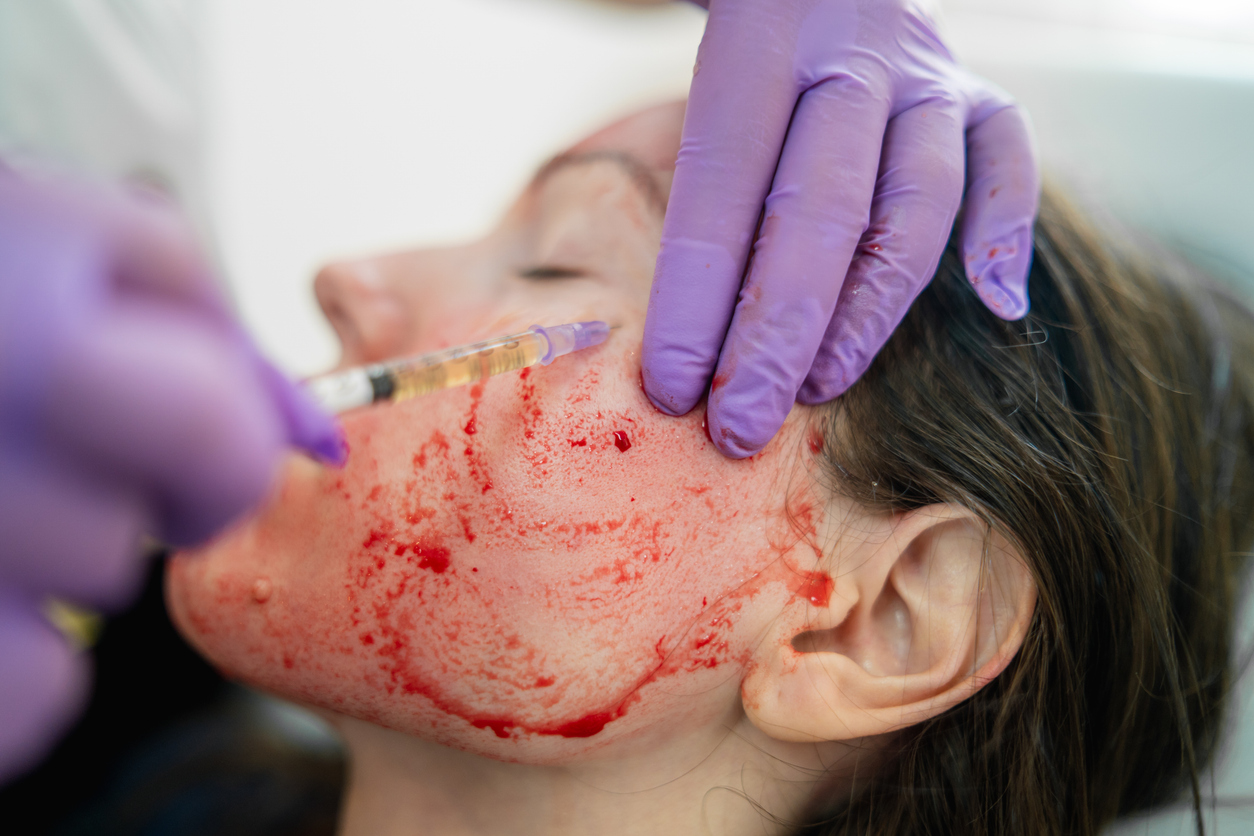
PRP does not create a permanent change in the skin. Any improvement is expected to develop gradually as the skin undergoes repair and collagen-related changes, rather than appearing immediately after the appointment.
There is also no universally agreed timeline for how long the cosmetic benefits last. Studies have used different treatment schedules and follow-up periods, while reviews have noted that the persistence of benefits remains uncertain.
For that reason, treat claims that one treatment will produce a fixed number of months of rejuvenation with caution.
How Long After PRP Do You See Results?
PRP is not typically a treatment where the best outcome appears the moment you leave the clinic. Some immediate changes may come from the injection itself, but the potential skin-quality benefits are expected to develop over time.
Clinical studies have reported improvements at different follow-up points, with some research suggesting noticeable benefits within several weeks. Reviews of treatments involving platelet-rich fibrin report benefits around the 12-week mark, although that evidence cannot predict the timeline for every PRP treatment.
What Are the Disadvantages of PRP?
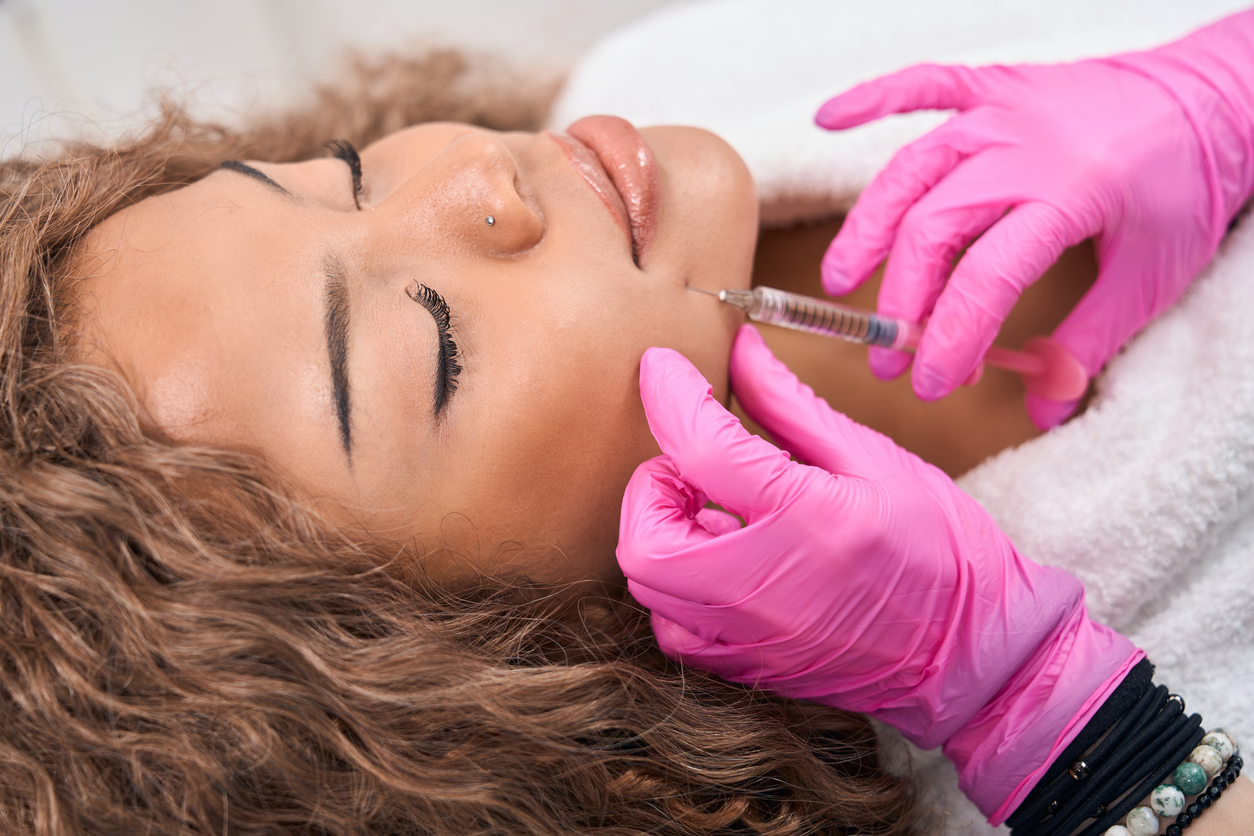
The biggest drawback is that results can be difficult to predict. PRP preparation varies between clinics, and studies have used different platelet concentrations, injection techniques, and treatment schedules. This makes direct comparisons difficult and contributes to uncertainty around the ideal protocol.
There are also the practical downsides of injections, including temporary bruising, swelling, tenderness, and redness. Recent reviews report that adverse effects are generally uncommon and are mainly associated with injection-related bruising and swelling, with occasional dryness, scaling, or small bumps at the treatment site.
Since PRP involves blood collection and injections, it should be performed by an appropriately qualified medical professional using proper sterile technique.
PRP vs Botox: Which Is Better?
Neither treatment is automatically better because they address different concerns. Botox works by temporarily reducing muscle activity that contributes to certain expression lines, while PRP is aimed at improving aspects of skin quality through the biological properties of concentrated platelets.
So, someone primarily concerned with dynamic lines may be better suited to Botox, while someone focused on texture, elasticity, or overall skin quality may consider PRP. In some aesthetic plans, different treatments may also be used for different concerns.
Final Thoughts
A PRP facial treatment at its best is a gradual skin-rejuvenation option that uses the body’s own platelet-rich plasma to support changes in skin quality. The research is encouraging in areas such as elasticity and skin thickness, but it is not strong enough to justify the more extravagant claims sometimes attached to the treatment.
The smartest approach is therefore to treat PRP as a considered cosmetic procedure rather than a miracle solution. A qualified practitioner can assess your skin, explain the technique being used, and set realistic expectations, which matters far more than promising dramatic results from a treatment whose methods are still being refined.
Featured image: Svitlana Hulko/iStock
What Is Microdermabrasion? The Secret to Brighter, Smoother Skin