

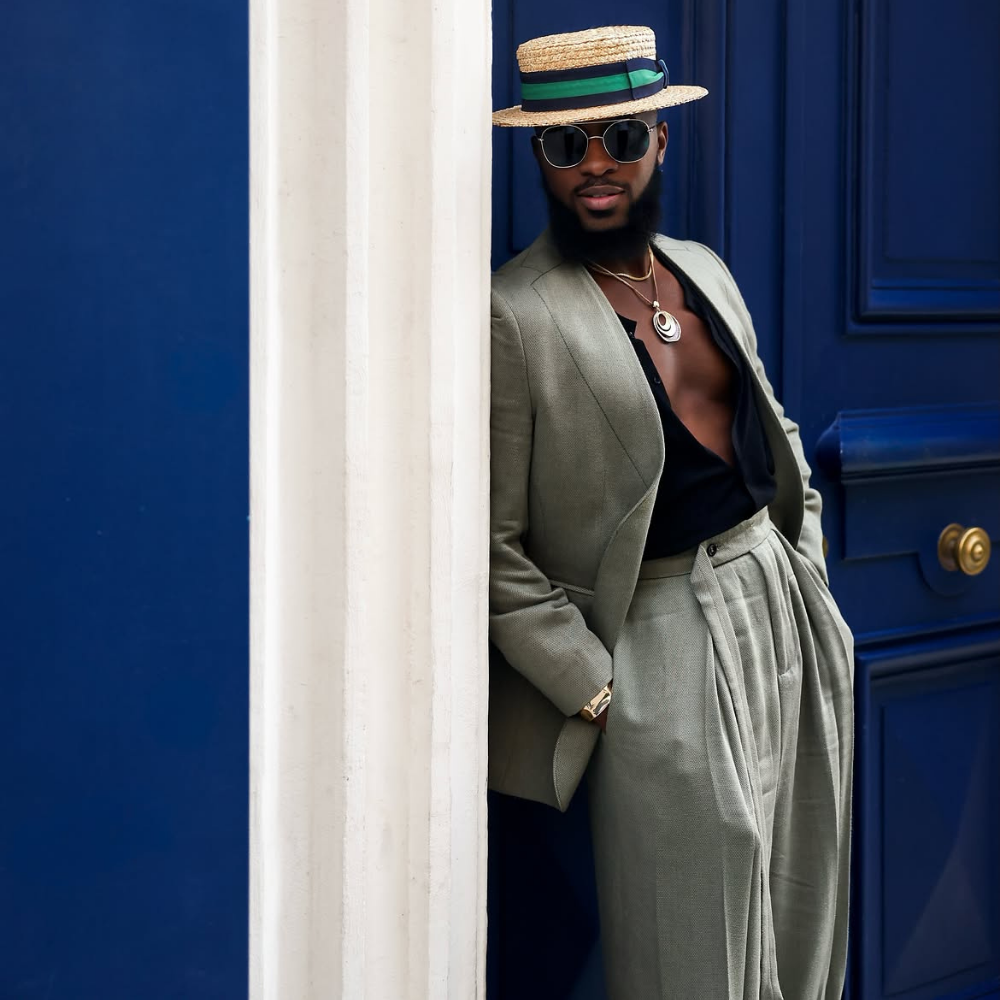

In 2026, looking expensive is less about wearing recognizable labels and more about how an outfit comes together. The difference can be as subtle as a sleeve hitting the right point, trousers breaking neatly over a shoe, or a jacket sitting cleanly on the shoulders. When proportions feel right, and every piece looks intentional, even simple clothing can appear remarkably polished and considered.
That shift has made personal style more interesting, too. Instead of relying on logos or head-to-toe designer pieces, modern dressing rewards better textures, thoughtful layering, structured accessories, and silhouettes with character. The result is a quieter kind of luxury that feels personal rather than purchased.
Fortunately, you can create that effect with clothes you already own and a few smarter styling decisions. The trick is knowing which details have the most impact and how to combine them without making the outfit feel forced.
Here are 9 styling tips to make your outfits look expensive in 2026…
#1. Tailor the Clothes You Already Own
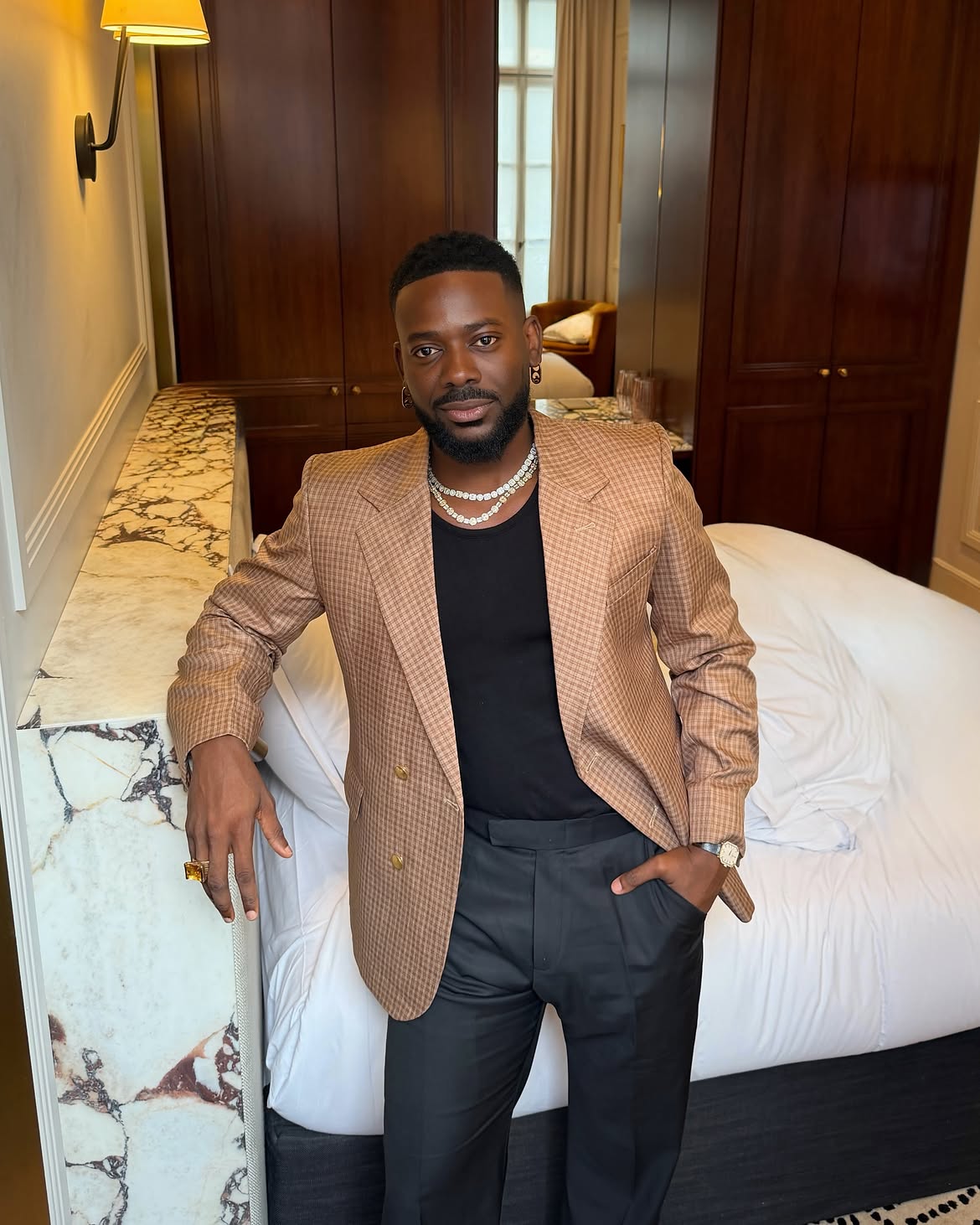
The fastest way to make an outfit look more expensive is to improve its fit. Even well-made clothing loses its impact when sleeves extend too far, or trousers collapse around the ankles. Off-the-rack garments are made for broad sizing categories, not your exact proportions. As a result, small alterations can create the custom appearance normally associated with far more expensive clothing.
Start With the Highest-Impact Alterations
You do not need to rebuild your entire wardrobe at a tailor. Instead, identify the garments you wear most often and examine how they sit on your body. A well-fitted blazer, pair of trousers, or button-down shirt can transform several outfits at once. Therefore, spend your alteration budget on pieces that already have good fabric and construction.
The shoulder is the first place to examine on structured jackets because it controls the garment’s entire silhouette. Ideally, the shoulder seam should sit close to the natural edge of your shoulder without extending dramatically beyond it. Sleeves should also finish around the wrist bone, leaving enough shirt cuff visible beneath a tailored jacket.
Trousers deserve similar attention because excessive fabric around the ankles can make otherwise polished clothing look careless. Depending on the silhouette, the hem should either skim the shoe or create a deliberate break. Avoid accidental pooling around the footwear. A clean hem gives the entire lower half of an outfit a sharper, more deliberate finish.
Know What Tailoring Can and Cannot Fix
Tailoring works best when you start with clothing that already has decent proportions and construction. A tailor can shorten sleeves, adjust trouser hems, refine waistlines, and make modest changes to the shape. However, dramatic alterations can compromise the garment’s original balance. For that reason, buy the closest possible fit before relying on alterations to perfect it.
A simple shirt can benefit enormously from having excess fabric removed through the sides. Likewise, trousers that fit comfortably through the waist may look considerably sharper after their legs receive a subtle taper. These changes do not need to create a skinny silhouette. Instead, they should allow the garment to follow your natural shape without clinging to it.
The same principle applies to outerwear. A coat that overwhelms your frame can make expensive fabric appear ordinary, while a properly proportioned coat creates immediate authority. Before buying something new, therefore, consider whether a tailor could improve an existing piece. Often, the smartest upgrade is already hanging in your wardrobe.
#2. Build the Outfit Around Proportion, Not Labels
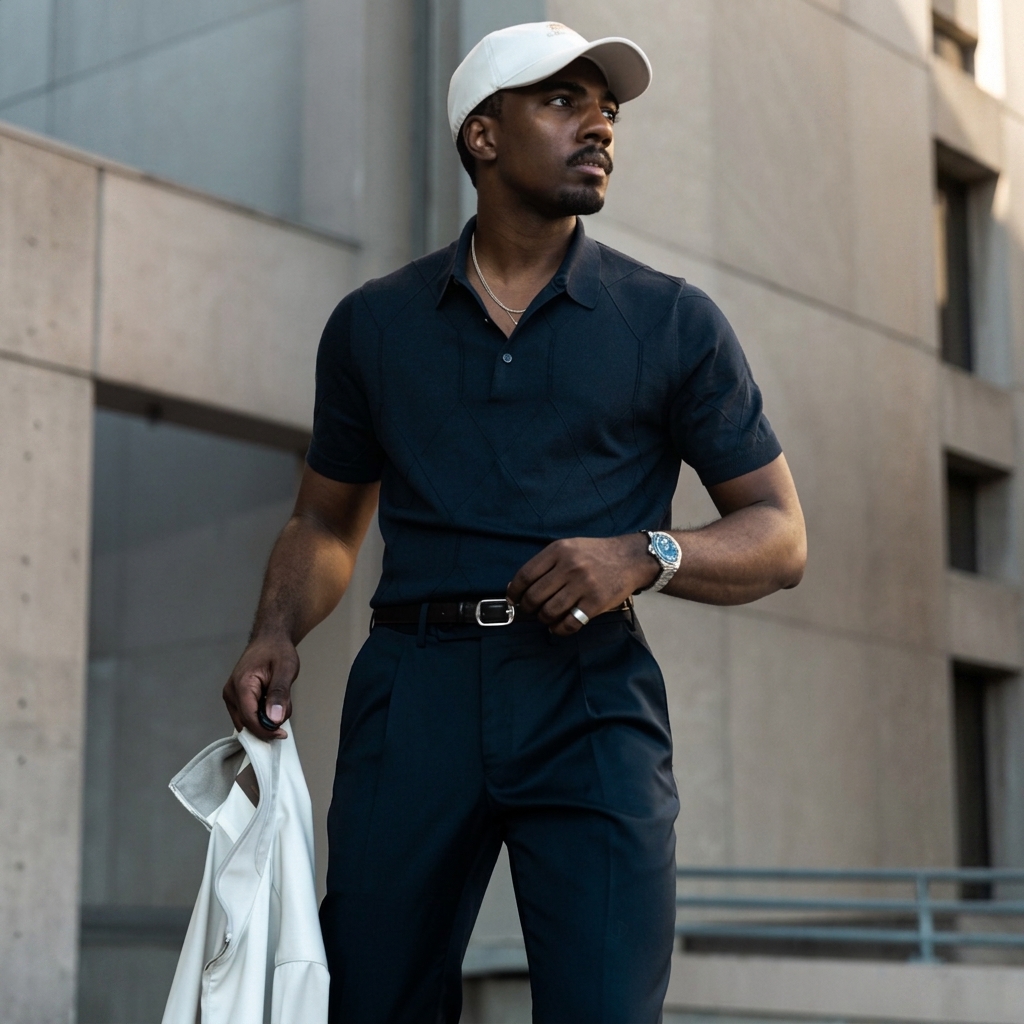
Once your clothes fit properly, the next step is understanding how individual pieces relate to one another. Expensive-looking outfits usually have a deliberate relationship between volume, length, structure, and visual weight. A beautifully made jacket cannot rescue an outfit where every piece competes for attention. Proportion creates harmony, and harmony often reads as sophistication before anyone notices the label.
Learn to Balance Volume
One of the easiest ways to improve proportion is to avoid dressing every part of your body in the same volume. An oversized top with equally oversized trousers can work, but it requires greater control over the silhouette. Otherwise, the outfit can appear shapeless. Pairing a relaxed piece with something more streamlined often creates a cleaner visual balance.
Consider wide-leg trousers with a relatively neat knit, tucked shirt, or cropped jacket. The generous trouser shape becomes the statement while the upper half provides structure. Conversely, an oversized blazer can work beautifully with straight-leg trousers or a slimmer base layer. The goal is not restriction. Instead, create enough contrast for each silhouette to remain visible.
Use the Rule of Thirds
The way clothing divides your body can dramatically influence how polished an outfit appears. A shirt worn untucked with low-rise trousers can create a horizontal division around the middle. A tucked shirt with higher-rise trousers changes that relationship and gives the outfit a longer, more intentional line. Small adjustments can therefore change the entire impression.
This does not mean every outfit needs high-waisted trousers or a tucked shirt. Rather, understand where your visual breaks occur and decide whether they flatter the silhouette. A belt, cropped jacket, tucked knit, or longer coat can each alter those divisions. Consequently, proportion becomes a styling tool rather than a rigid fashion rule.
Create Contrast Between Structured and Relaxed Pieces
Luxury dressing rarely depends on everything looking perfectly formal. In fact, some of the most convincing outfits combine opposing qualities. A structured blazer can feel more contemporary over a relaxed T-shirt, while fluid trousers can gain definition from a sharper jacket. That tension prevents the outfit from looking overly coordinated or as though every item came from the same set.
When choosing proportions, step back and consider the entire silhouette rather than individual garments. Look at the outfit from head to toe and identify where the eye naturally lands. If everything feels equally oversized, fitted, dark, or detailed, introduce contrast. The strongest outfits often feel balanced because nothing is fighting to become the sole focal point.
#3. Make Fabric Do More Work
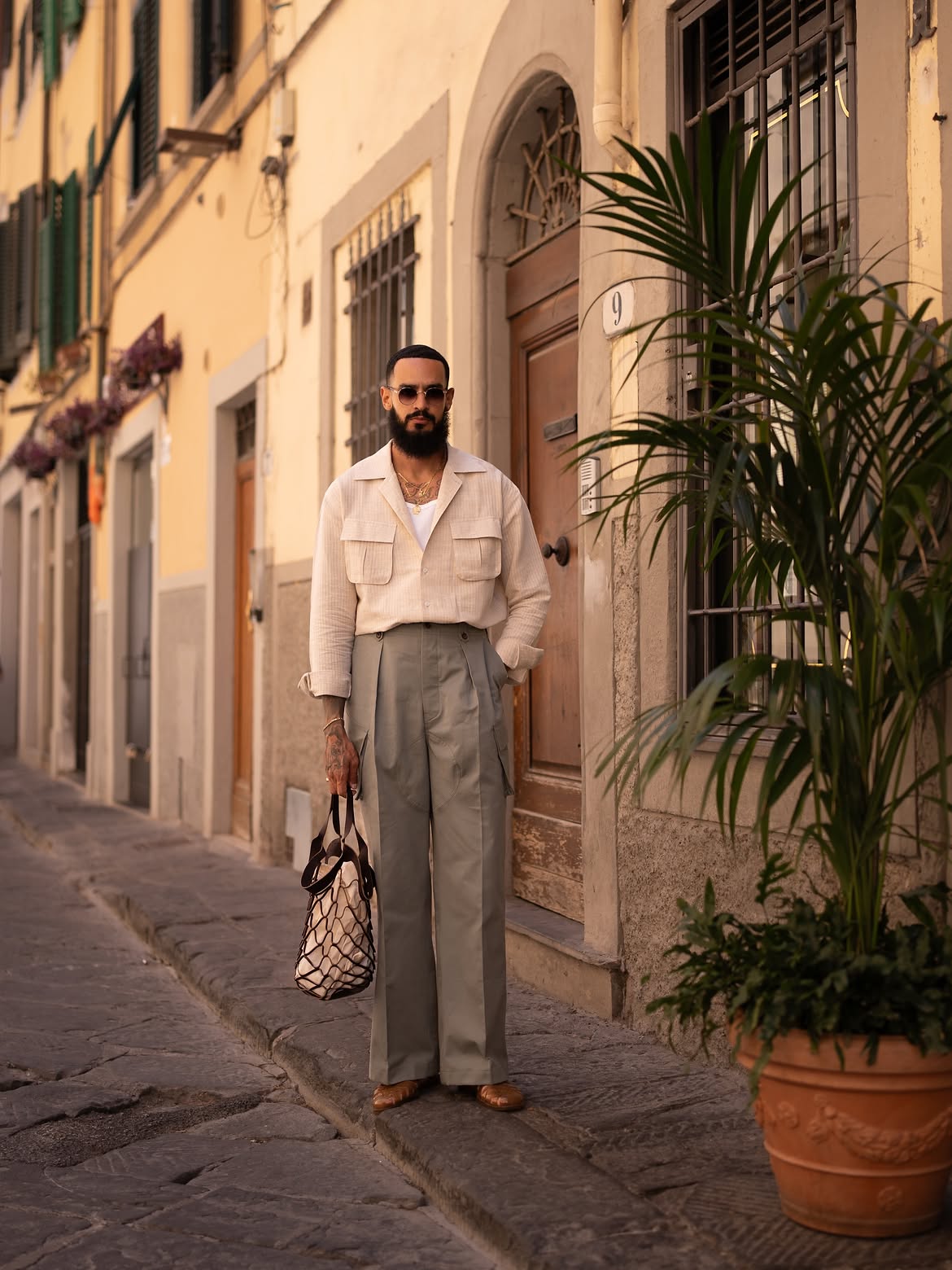
Fabric is one of the quietest ways to make an outfit appear sophisticated. Two garments can share almost identical colors and silhouettes yet look completely different because their surfaces reflect light differently. Wool, suede, cotton, linen, leather, silk, and textured knits each create their own visual language. When combined thoughtfully, those differences give even simple outfits considerably more depth.
Mix Textures Within the Same Color Family
Texture becomes especially powerful when you are dressing monochromatically. An all-black outfit can look flat when every piece has the same finish. Introduce a matte wool trouser, smooth cotton shirt, textured knit, or softly polished leather shoe, and suddenly the same color becomes much more dimensional.
The principle works with lighter palettes, too. Cream trousers can sit beautifully beneath a chunky oatmeal knit and a smooth leather jacket. Similarly, different shades of brown become far more interesting when suede, wool, cotton, and leather appear together. The colors remain restrained, but the textures prevent the outfit from becoming visually lifeless.
Combine Rough and Smooth Textures
Contrast also creates a sense of intention. A rugged suede jacket can look particularly refined against crisp cotton trousers because the opposing textures make each other more noticeable. Likewise, a substantial wool coat can sharpen the appearance of a lightweight knit or smooth leather shoe. These combinations create richness without requiring obvious decoration.
You can also use texture to soften formal clothing. A tailored suit in a smooth worsted wool can feel more relaxed when paired with a textured knit rather than a traditional dress shirt. Conversely, a casual denim outfit can appear elevated beneath a finely woven wool coat. The contrast makes the clothing feel styled rather than simply assembled.
Prioritize Fabric Quality Over Fabric Price
Looking expensive does not require buying the most expensive material available. Instead, pay attention to how a fabric hangs, feels, holds its shape, and responds to light. Natural and blended fabrics can both work well when their weight and construction suit the garment. A simple cotton shirt with excellent structure can look more refined than a heavily branded shirt made from poor material.
Most importantly, examine fabric in context. Lightweight linen may look beautiful in warm weather but can become too casual for certain settings. A dense cotton overshirt can provide more structure, while wool brings softness and visual weight. By learning how different fabrics behave, you can build outfits that feel considered without relying on conspicuous luxury.
#4. Use Color With Confidence, Not Fear
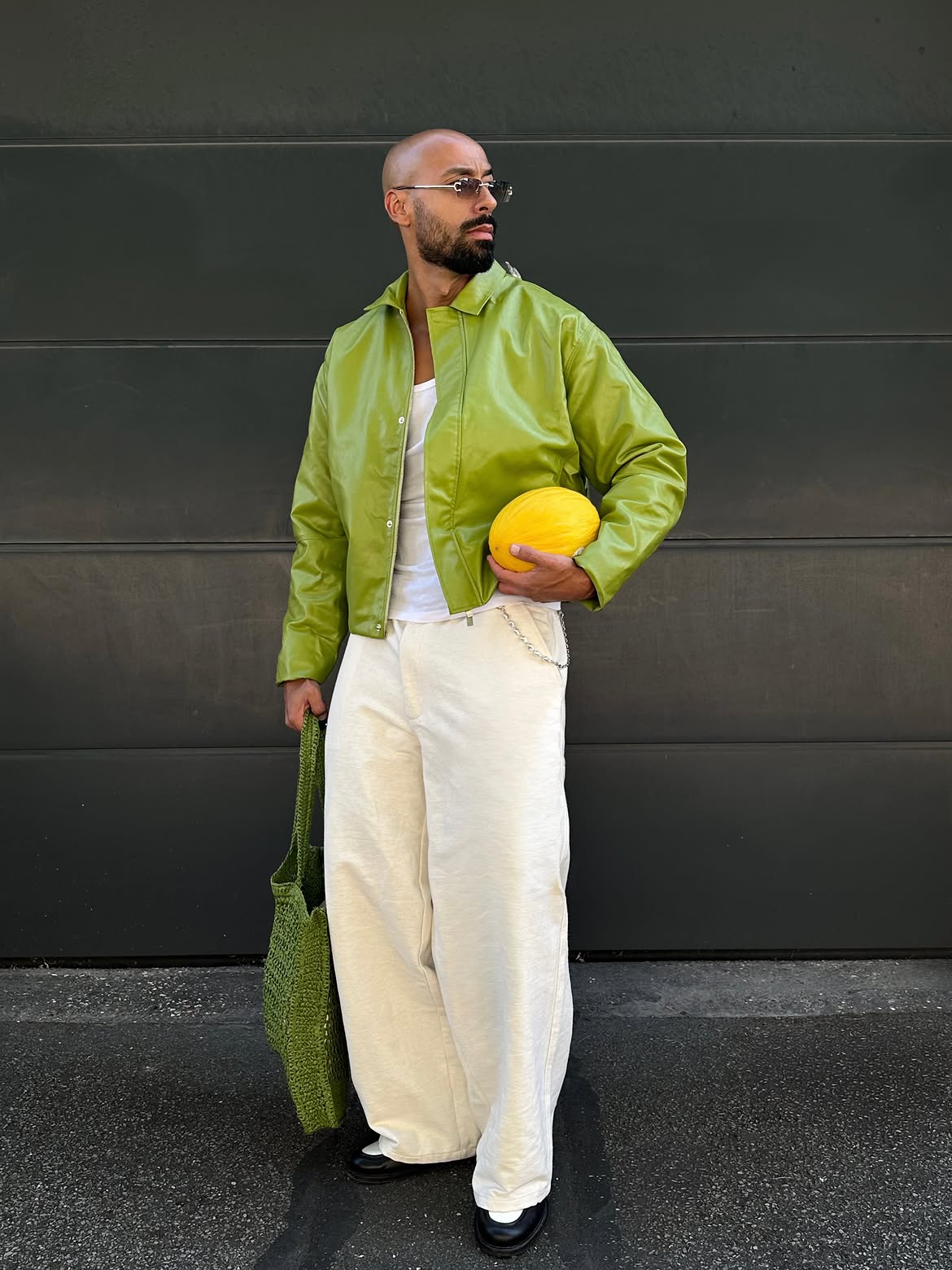
Color can make an outfit feel sophisticated before anyone notices the individual pieces. However, looking expensive does not mean restricting yourself to black, white, navy, beige, or gray. The real skill lies in controlling saturation, repetition, and contrast. When colors appear deliberate rather than random, even inexpensive garments can feel more polished, modern, and visually expensive.
Start With a Controlled Color Palette
The easiest way to make color feel sophisticated is to limit the number of competing shades. Rather than combining several unrelated colors, choose one dominant neutral, one supporting color, and perhaps a smaller accent. This creates visual hierarchy. As a result, brighter shades can feel intentional instead of overwhelming the rest of the outfit.
Muted colors are particularly useful when you want a richer appearance. Think olive rather than vivid green, burgundy rather than bright red, or burnt terracotta instead of orange. These shades still provide personality, but their lower intensity makes them easier to combine. Consequently, the outfit can feel expressive without becoming visually chaotic.
Try Tonal Dressing
Tonal dressing is another reliable way to make relatively simple clothing look sophisticated. Instead of matching everything exactly, build an outfit around different shades of the same color family. Camel, chocolate, espresso, and cream can work together beautifully, just as charcoal, gray, and black can create depth without obvious contrast.
The key is variation. Wearing the same shade from head to toe can sometimes look flat, particularly when every garment has a similar texture. Introduce differences in fabric, shade, or finish to keep the palette moving. A wool coat over a cotton shirt and tailored trousers, for example, gives tonal dressing considerably more dimension.
Give Bright Colors a Specific Job
Bold color works best when it has a clear purpose. Instead of allowing several bright pieces to compete, let one item become the visual punctuation. A burgundy shoe, deep green bag, patterned scarf, or colorful knit can provide enough energy to change the character of an otherwise restrained outfit.
This is where the often-used 60-30-10 principle can become useful. Think of roughly 60 percent of the outfit as the dominant color, 30 percent as the supporting shade, and 10 percent as an accent. It is not a mathematical requirement. Rather, it gives you a simple framework for keeping color balanced.
#5. Treat Shoes as Structural Equipment
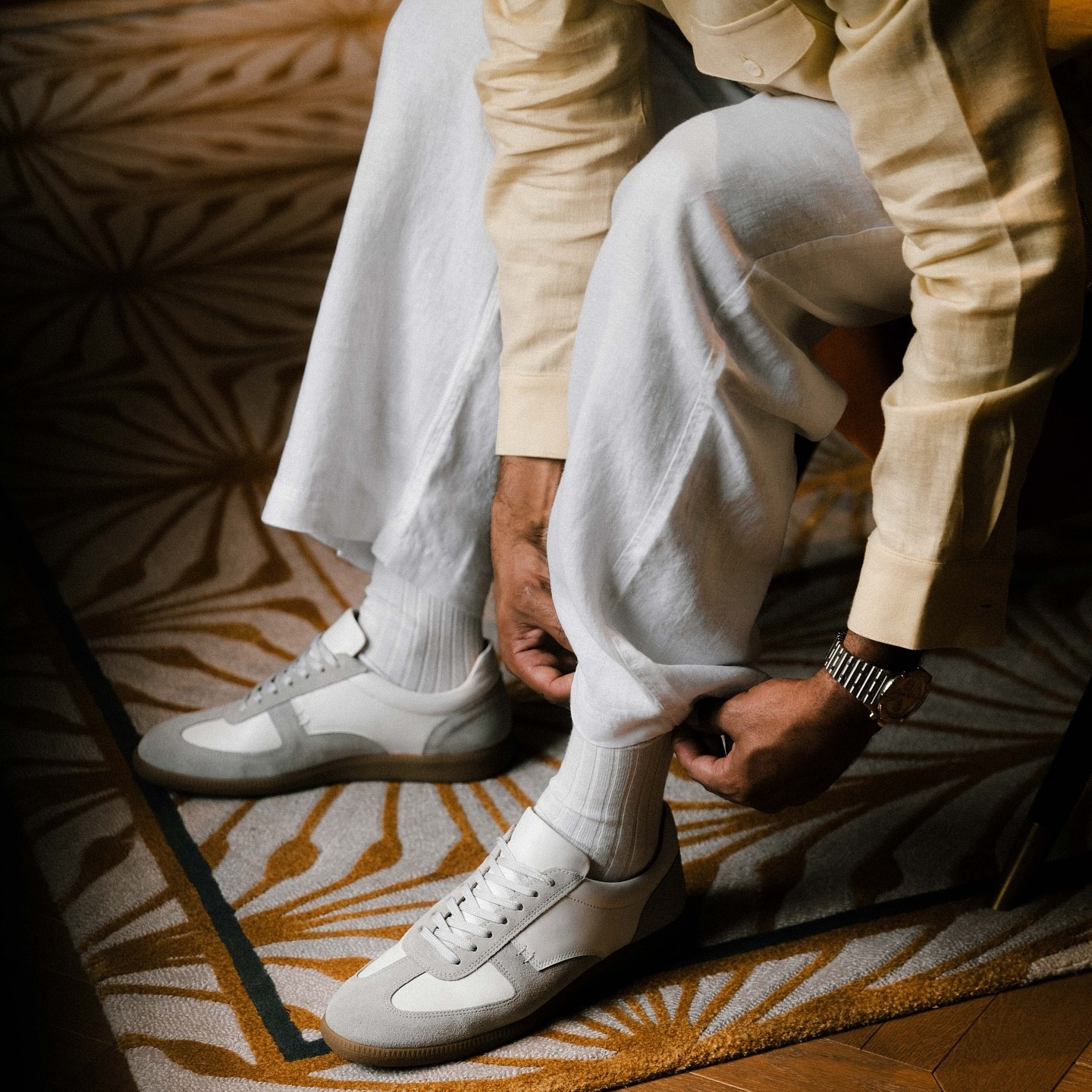
Shoes do more than complete an outfit. They establish the visual weight of the lower half of your silhouette and influence how trousers, denim, and outerwear appear. That is why footwear can instantly make an outfit feel considered or careless. Even when the rest of your clothing is simple, a strong pair of shoes can provide the structure that brings everything together.
Pay Attention to Shape
The silhouette of a shoe matters as much as its color. A substantial loafer, clean leather sneaker, structured boot, or well-shaped derby can give an outfit a stronger foundation. Meanwhile, footwear that looks excessively flimsy beneath heavier clothing can create an awkward imbalance.
Consider the weight of your clothes when choosing shoes. Wide-leg trousers usually benefit from footwear with enough volume to support their proportions. Slimmer trousers can accommodate more streamlined shoes. The goal is not to follow one universal rule. Instead, make sure the shoe feels proportionate to everything happening above it.
Let the Trousers and Shoes Work Together
One of the easiest ways to make an outfit look expensive is to get the relationship between the trouser hem and shoe right. Too much fabric can create unwanted bunching, while an excessively short hem can make tailored trousers look dated or accidental. The ideal break depends on the trouser cut, footwear, and overall style.
Straight-leg trousers can sit neatly over loafers or sneakers, while wider trousers may benefit from a slightly longer hem and a heavier shoe. Tailored trousers generally need more precision because every fold becomes noticeable. Therefore, try trousers with the shoes you intend to wear before deciding on the final hem length.
Keep Your Footwear Immaculate
Even excellent shoes lose their impact when they look neglected. Scuffed leather, dirty soles, flattened suede, and heavily creased uppers can undermine an otherwise polished outfit. Regular cleaning therefore matters almost as much as the original purchase.
Keep basic maintenance products suited to the materials you own. Brush suede carefully, condition appropriate leather, replace worn laces, and clean sneaker soles when necessary. Additionally, give shoes enough time to recover between wears when possible. Well-maintained footwear communicates attention to detail without demanding attention.
#6. Choose One Excellent Accessory Instead of Five Competing Ones
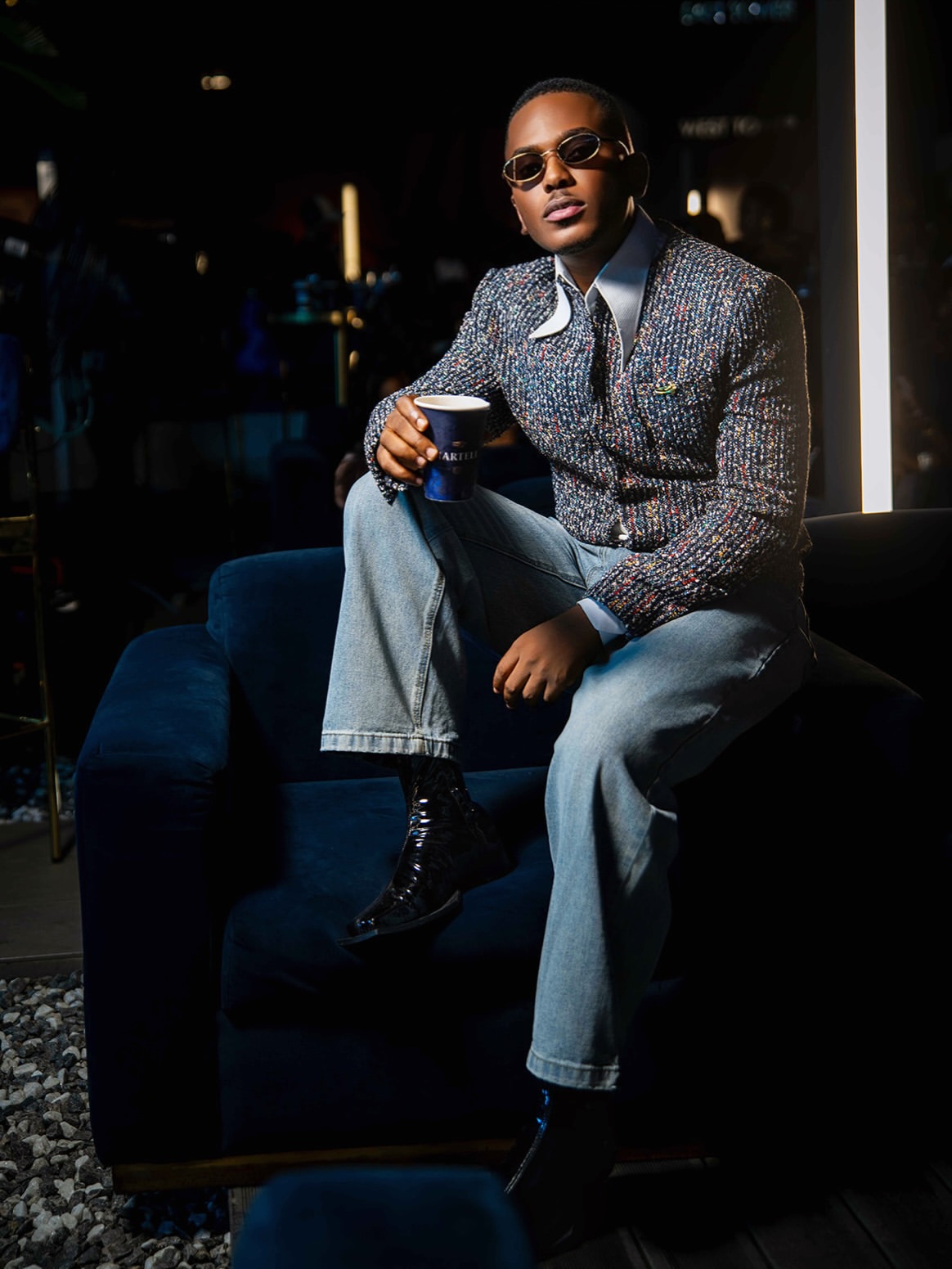
Accessories can transform a simple outfit, but they can also overwhelm it surprisingly quickly. When every visible detail tries to become a statement, the outfit loses its sense of hierarchy. Expensive-looking styling usually works differently. One strong accessory can establish personality while allowing the clothing itself to remain quiet, balanced, and confident.
Give Your Outfit a Focal Point
Think of your accessories as supporting characters rather than the entire cast. A sculptural watch, substantial belt, distinctive sunglasses, textured bag, or refined piece of jewelry can provide enough interest on its own. Once you have chosen the focal point, allow the surrounding accessories to become quieter.
For example, a substantial watch may be enough to finish a tailored outfit. Adding several bracelets, rings, and chains could dilute its effect rather than strengthen it. Similarly, an unusual handbag can become the defining detail of a neutral outfit without needing additional statement accessories.
Keep Hardware Consistent
Metal details are easy to overlook, yet they can influence whether an outfit feels cohesive. If your belt buckle, watch, jewelry, and bag hardware are all dramatically different, the eye may register unnecessary visual noise. Matching every metal perfectly is not mandatory. However, keeping the dominant hardware family consistent often creates a cleaner result.
Silver, steel, gold, and other finishes can each work beautifully. The important consideration is repetition. A gold watch paired with subtle gold jewelry creates a visual connection, while a silver buckle can reinforce cooler-toned hardware elsewhere. These small echoes make separate garments appear intentionally styled together.
Choose Substance Over Excess
A single substantial accessory can often create more impact than several delicate pieces. This does not mean every accessory needs to be oversized. Instead, look for pieces with interesting shape, texture, proportion, or craftsmanship. A vintage-inspired watch, strong leather belt, structured sunglasses, or sculptural ring can provide character without turning the outfit into a display case.
Most importantly, choose accessories that feel connected to your personal style. The goal is not to imitate a luxury advertisement or collect expensive-looking objects. Instead, use accessories to make the outfit recognizably yours. When the details feel natural, the overall result becomes more convincing, relaxed, and sophisticated.
#7. Press, Steam, and Maintain Everything
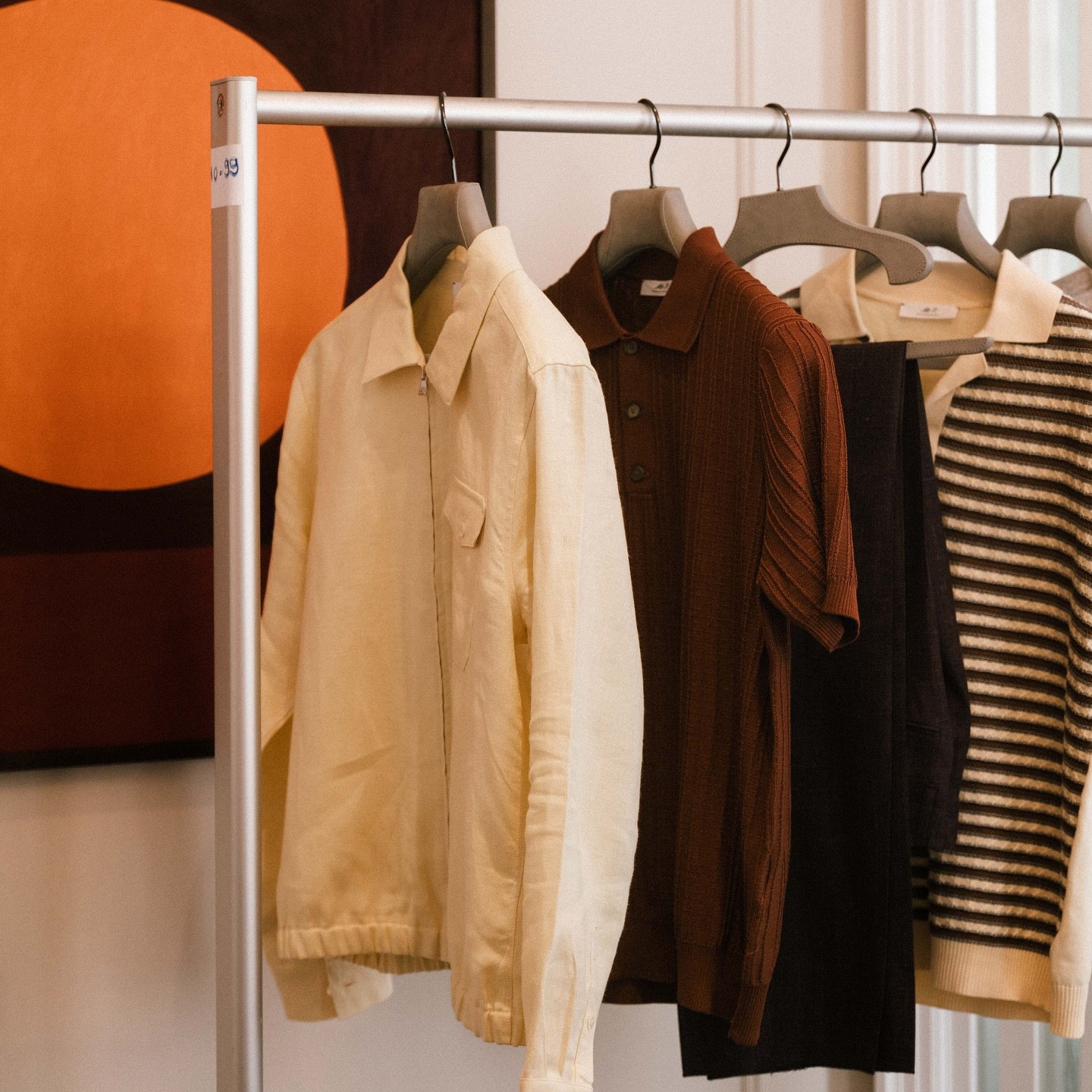
Few styling tricks deliver a bigger visual improvement than properly maintained clothing. Wrinkles, loose threads, lint, fading, and pilling can make quality garments appear neglected within seconds. Conversely, clean surfaces and crisp lines make even affordable pieces feel more considered. Before buying something new, therefore, learn to take better care of what already occupies your wardrobe.
Make Steaming Part of Your Routine
A garment does not need to be heavily wrinkled before it deserves attention. Cotton shirts, linen trousers, lightweight jackets, and knitwear often look dramatically better after a few minutes of steaming. Steam relaxes the fibers and allows the fabric to hang naturally, which helps restore the intended silhouette.
Ironing still has its place, particularly with structured trousers and formal shirts. A crisp trouser crease can sharpen the leg line, while properly pressed collars and cuffs immediately improve a tailored outfit. However, avoid pressing every garment indiscriminately. Some fabrics benefit from gentler steaming, while others require specific care to avoid shine or damage.
Remove Pilling and Lint
Pilling is particularly noticeable on sweaters, knit polos, wool trousers, and coats. Those tiny fibers can make otherwise good clothing appear tired, especially when they collect around areas that experience regular friction. A fabric shaver or appropriate comb can restore a smoother surface without requiring you to replace the garment.
Lint deserves similar attention. Dark clothing can quickly collect hair and fibers, while lighter fabrics can show dust and debris more easily. Keep a lint roller somewhere convenient and use it before leaving home. It is a small habit, but the difference between a clean garment and a visibly neglected one can be surprisingly significant.
Store Clothes According to Their Structure
Proper storage also protects the shape that makes clothing look expensive. Structured jackets and coats should sit on broad, supportive hangers rather than thin wire ones. Heavy knitwear should generally be folded instead of hung, because prolonged hanging can stretch the shoulders and distort the garment.
Shoes deserve attention, too. Giving leather footwear adequate time to recover between wears can help preserve its shape. Keep delicate pieces away from unnecessary moisture, overcrowded wardrobes, and direct sunlight. Ultimately, maintenance is not glamorous, but it protects the details that make your wardrobe look polished.
#8. Build Contrast Between Casual and Refined Pieces
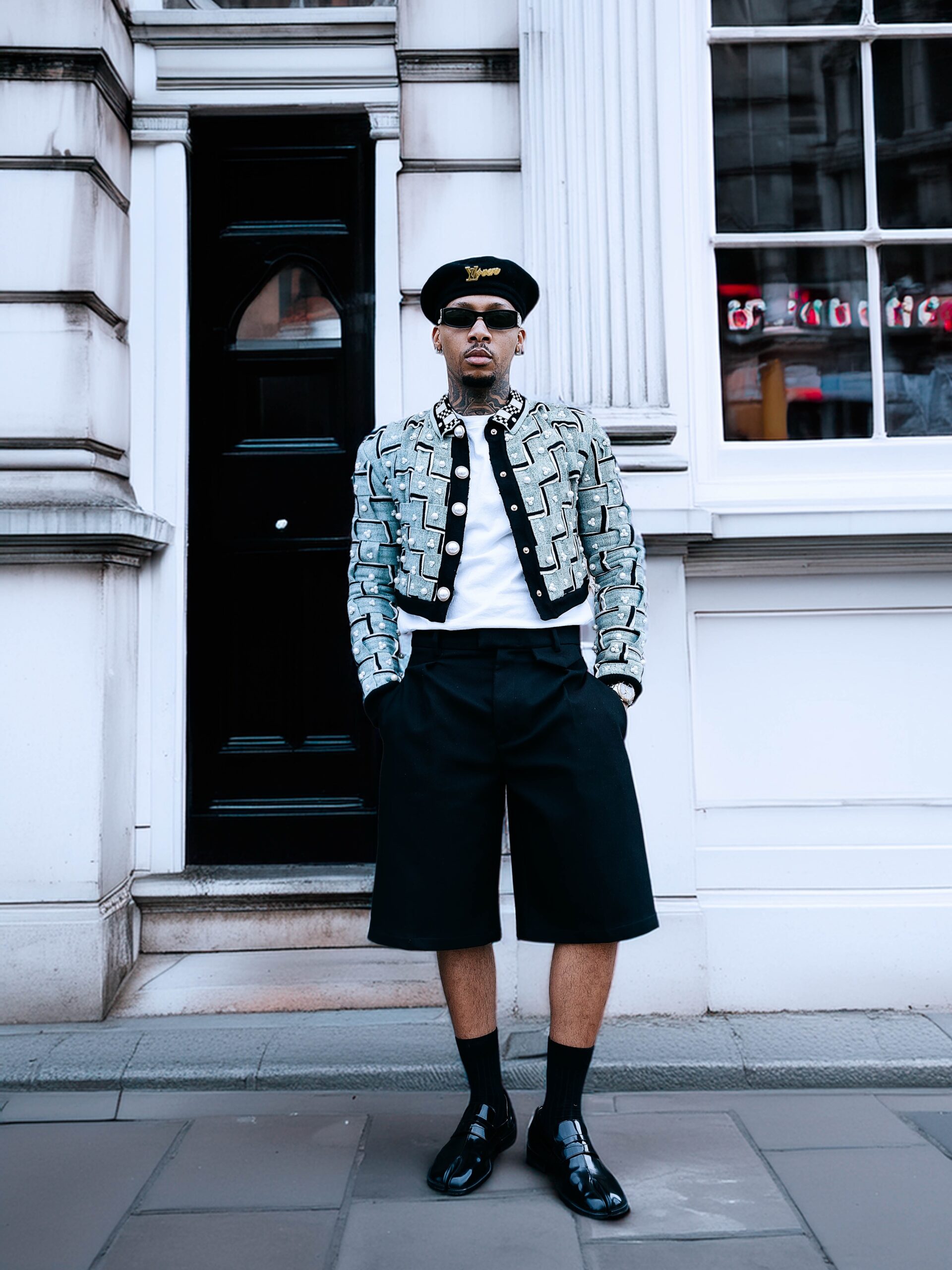
An outfit can become less sophisticated when every item is trying to communicate the same level of formality. A complete suit with formal shoes and a traditional shirt can feel overly expected, while head-to-toe casual clothing may lack definition. The solution is often contrast. Combining refined and relaxed pieces creates tension, which makes an outfit feel modern and deliberately styled.
Pair Tailoring With Everyday Essentials
One of the easiest combinations is a structured jacket with something distinctly casual underneath. A tailored blazer over a clean T-shirt can immediately soften traditional tailoring without making it look careless. Add straight-leg denim or relaxed trousers, and the contrast becomes even more apparent.
The reverse approach works just as well. A refined shirt can bring structure to relaxed trousers, while a polished leather belt can give casual denim a more intentional finish. These combinations work because neither side completely dominates. The formal piece provides structure, while the casual element prevents the outfit from becoming rigid.
Mix Sneakers With Tailoring
Minimal sneakers have become particularly useful because they can introduce ease into traditionally formal clothing. A clean leather sneaker beneath tailored trousers can make a suit feel less corporate and more contemporary. However, the sneaker needs to look intentional. Beat-up footwear can undermine the entire combination.
The same principle applies to other casual shoes. Loafers can make relaxed denim appear more polished, while refined boots can give casual trousers greater presence. Consider the condition, shape, and color of the footwear before combining it with tailored pieces. The strongest high-low combinations look effortless because the contrast feels controlled.
Use Outerwear to Connect the Two Worlds
Outerwear can act as the bridge between casual and refined clothing. A long wool coat over denim and knitwear creates an elegant silhouette without requiring formal trousers. Likewise, a sophisticated trench can elevate a simple T-shirt, relaxed trousers, or even a restrained hoodie.
This works because outerwear often occupies a large portion of the silhouette. Its structure therefore influences how the entire outfit is perceived. Choose a coat with strong proportions, clean construction, and a versatile color. Then let the more relaxed pieces underneath provide the contrast.
#9. Finish With Restraint and Personal Style
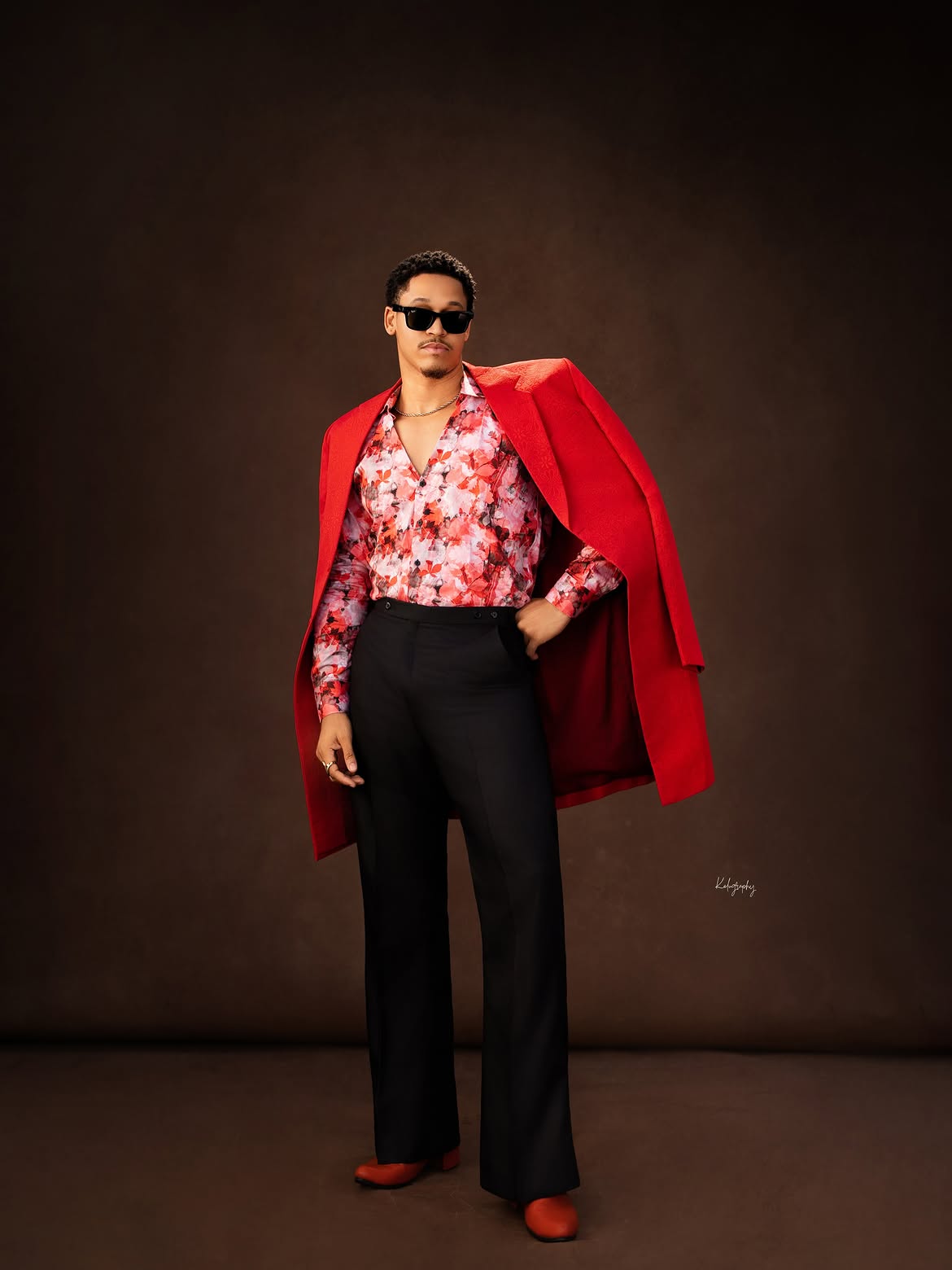
The final step is knowing when the outfit is finished. Adding another accessory, trend, color, or layer can feel tempting when something appears incomplete. Yet sophistication often comes from knowing when to stop. The most convincing outfits rarely announce every styling decision. Instead, they look natural, as though the wearer understood exactly what belonged and removed everything unnecessary.
Edit Before You Leave
Before walking out the door, take a final look at the complete outfit rather than inspecting individual pieces. Ask whether every accessory contributes something useful. If a necklace, scarf, bracelet, or additional layer feels unnecessary, remove it and compare the result.
This final edit can dramatically improve visual clarity. The goal is not minimalism for its own sake. Rather, you want each element to have enough space to register. When several accessories perform the same visual function, keeping the strongest one usually produces a cleaner result.
Develop a Signature Element
Personal style becomes more convincing when an outfit contains something that feels genuinely connected to the wearer. It could be a vintage watch, a particular pair of glasses, a recurring color, distinctive footwear, or a piece of jewelry with personal significance. Such details create individuality without requiring dramatic experimentation.
A signature element also helps prevent your wardrobe from feeling like a collection of disconnected trends. You can experiment with silhouettes and colors while maintaining one recurring visual thread. Over time, that consistency becomes recognizable. More importantly, it makes your clothes feel like an expression of personal taste rather than a response to whatever happens to be fashionable.
Never Sacrifice Comfort for Appearance
There is also a practical reason expensive-looking outfits tend to appear relaxed. When clothing is uncomfortable, the wearer becomes visibly conscious of it. Constantly adjusting a tight jacket, pulling down a short shirt, or struggling with restrictive trousers can make even beautiful clothing look awkward.
Before leaving home, sit down, walk around, raise your arms, and check how everything moves. Clothing should maintain its shape without restricting normal movement. When the fit is right and the outfit feels natural, confidence becomes part of the styling. That ease is difficult to manufacture, and it often provides the final ingredient that makes an outfit feel genuinely sophisticated.
Featured image: GIANLUCA GATTA via @akinfaminu/Instagram
—Read also