
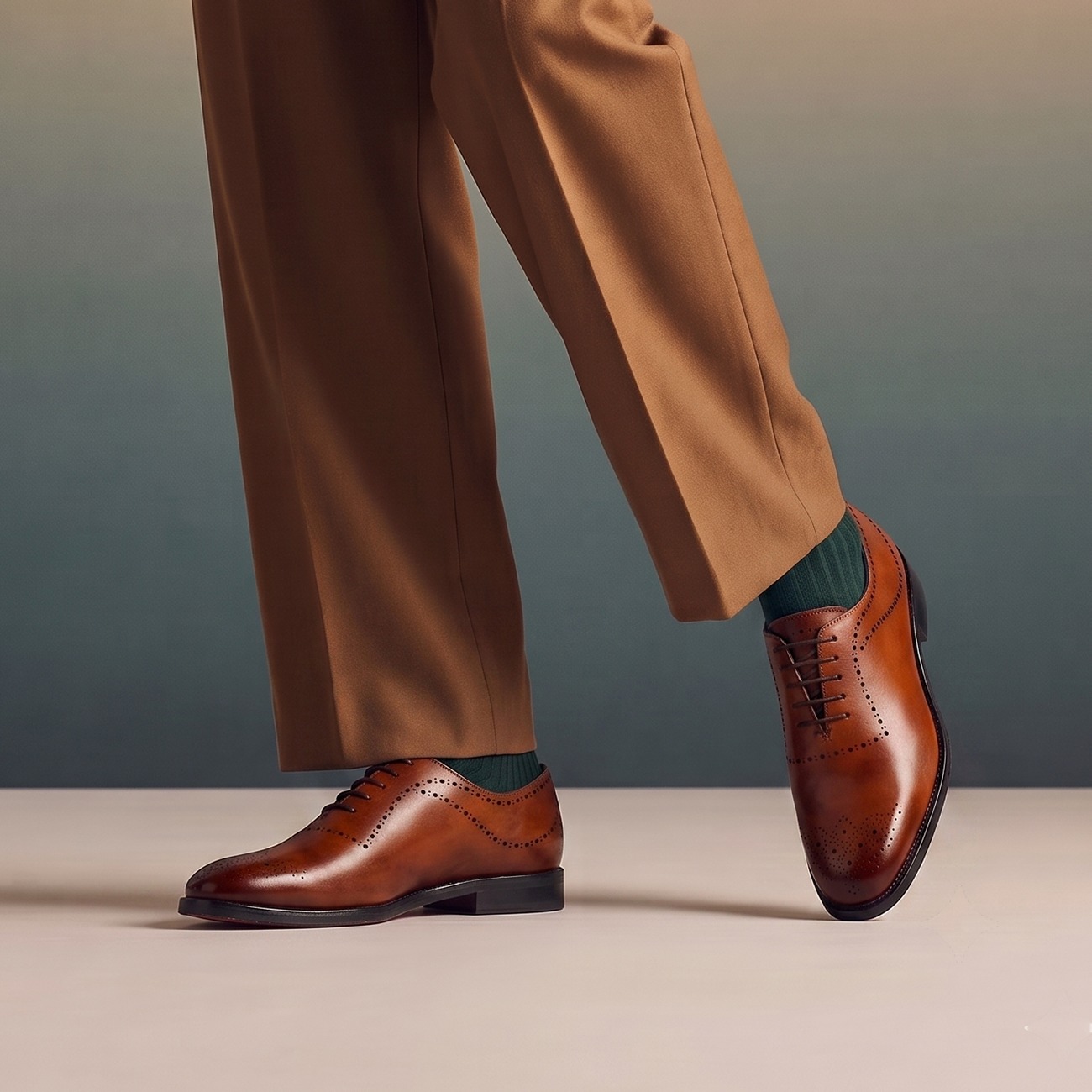

Buying dress shoes can look deceptively simple. Pick a style, choose your size, pay, and walk away. In reality, finding a pair that looks sharp and feels good requires considerably more attention. Whether you are shopping for Oxfords for a wedding, Derbies for the office, or loafers for a night out, buying dress shoes is less about following a universal size chart and more about understanding what works for your particular feet.
That distinction matters because the wrong pair can turn an otherwise great outfit into a source of constant discomfort. Pinched toes, aching arches, blisters, and sore heels are not signs that you simply need to “break in” a shoe. They can be evidence that you chose the wrong shape, size, material, or construction in the first place. To make the process easier, we’ve put together a guide to help you make the decision.
Start with the Last
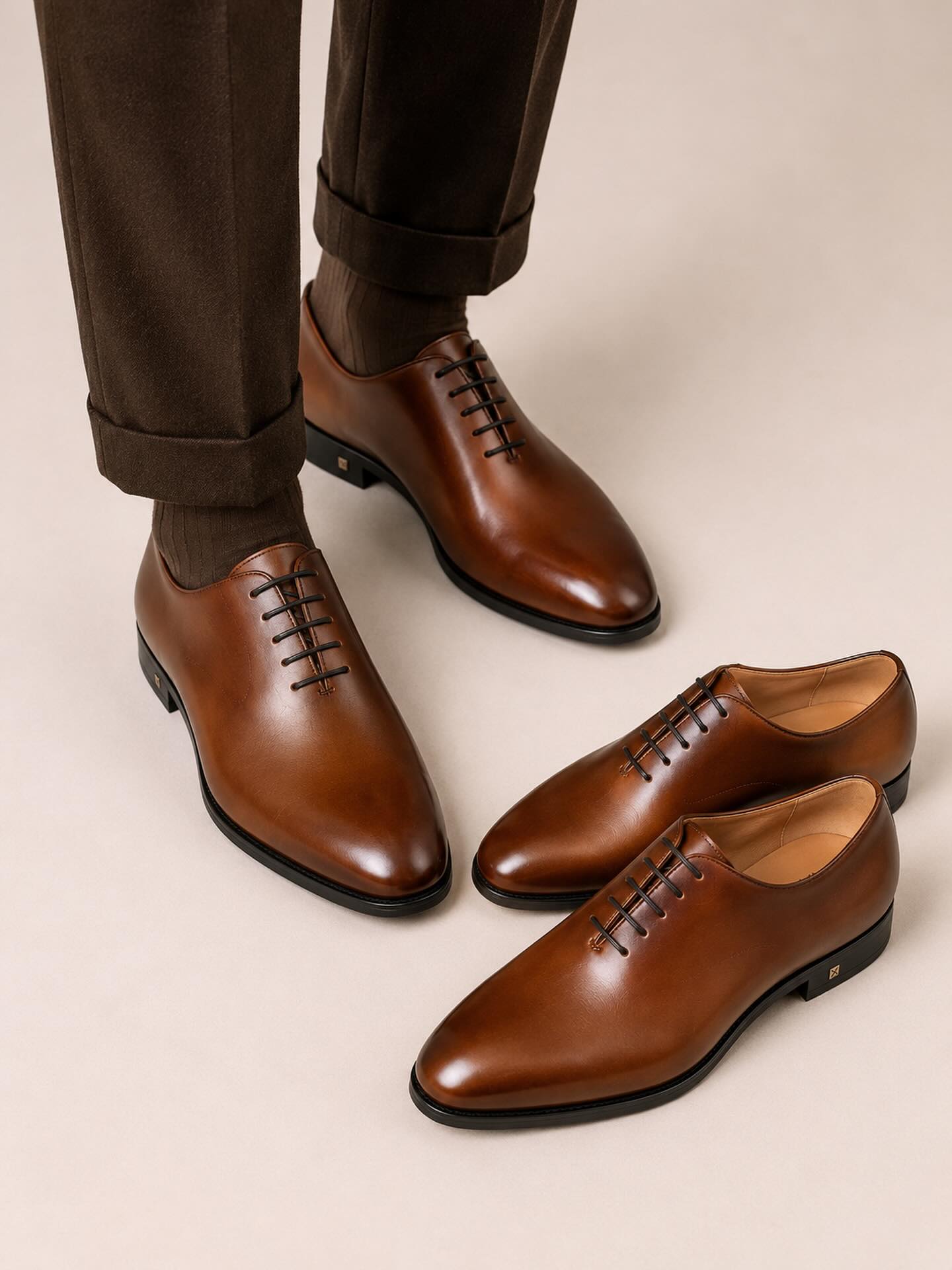
Before worrying about leather, color, or whether you prefer an almond-shaped toe, understand the last. A last is the three-dimensional form around which a shoe is constructed, and it determines much of its overall shape. Some lasts are narrow and elongated, while others are wider, rounder, or more generous through the toe box.
That means two pairs marked with the same size can feel completely different on your feet. If one shoe from a company does not fit, that does not necessarily mean the brand makes uncomfortable footwear. The problem may simply be that the particular shoe was built on a last that does not suit your foot.
This is one reason a good shoe store remains valuable in the age of online shopping. A knowledgeable salesperson can show you different lasts and help identify where your foot needs more or less room. Once you discover a shape that works, finding future pairs becomes considerably easier.
Don’t Automatically Size Down
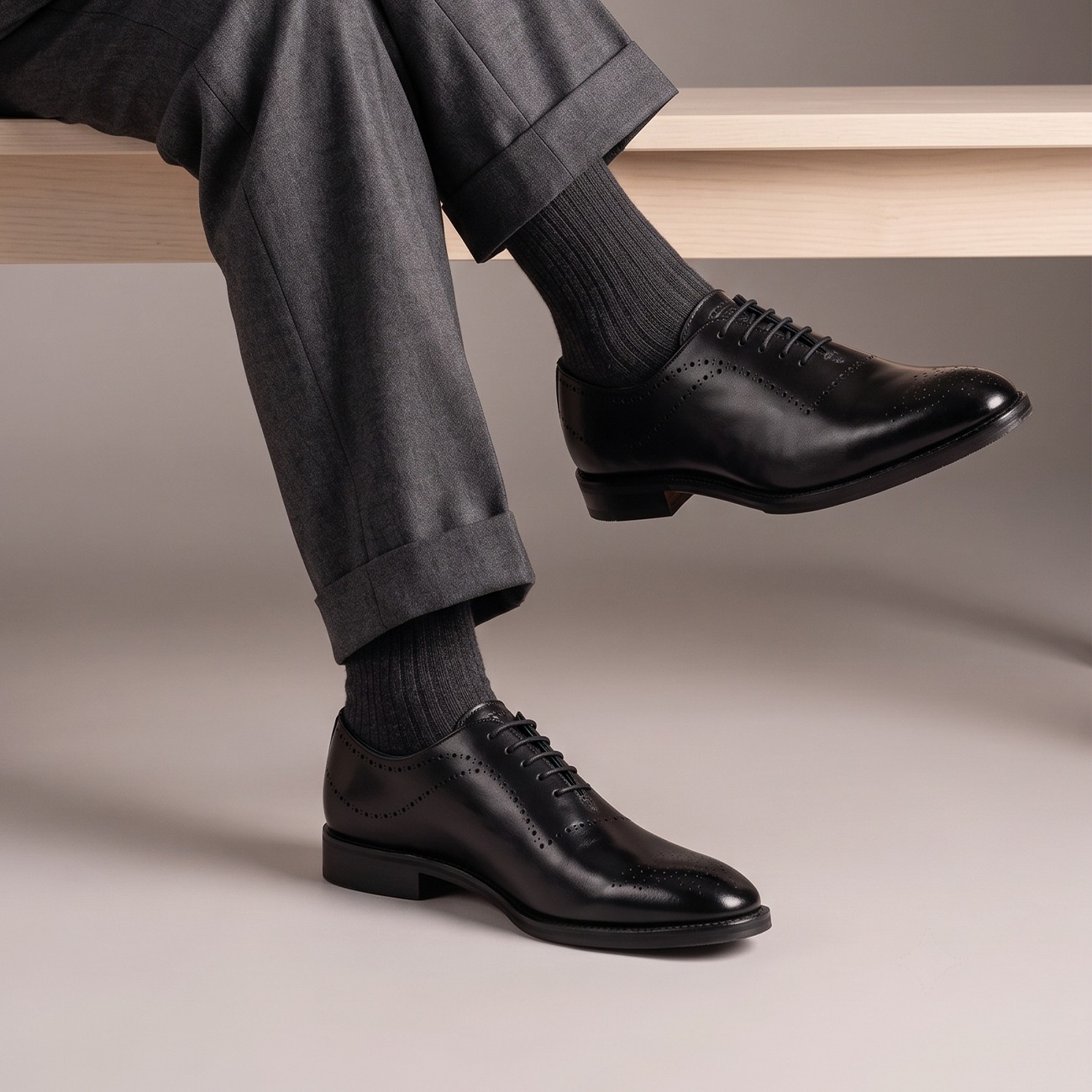
One of the most common mistakes when buying dress shoes is choosing a smaller size because it looks or feels neater in the store. A slightly snug shoe can seem appealing when you are standing still in an air-conditioned shop. But your feet can swell during a long day, especially in warm weather or after considerable walking. That small amount of extra pressure can become a major problem several hours later.
The goal is not to buy shoes that feel loose or allow your heel to slide excessively. Instead, look for enough room to accommodate natural movement without your foot swimming inside the shoe. If you are between sizes, we recommend erring slightly toward the larger option rather than forcing your feet into something too tight.
When possible, try shoes after you have been walking for a while. That gives you a better sense of how they behave when your feet are not at their smallest and least fatigued.
Pay Attention to the Upper
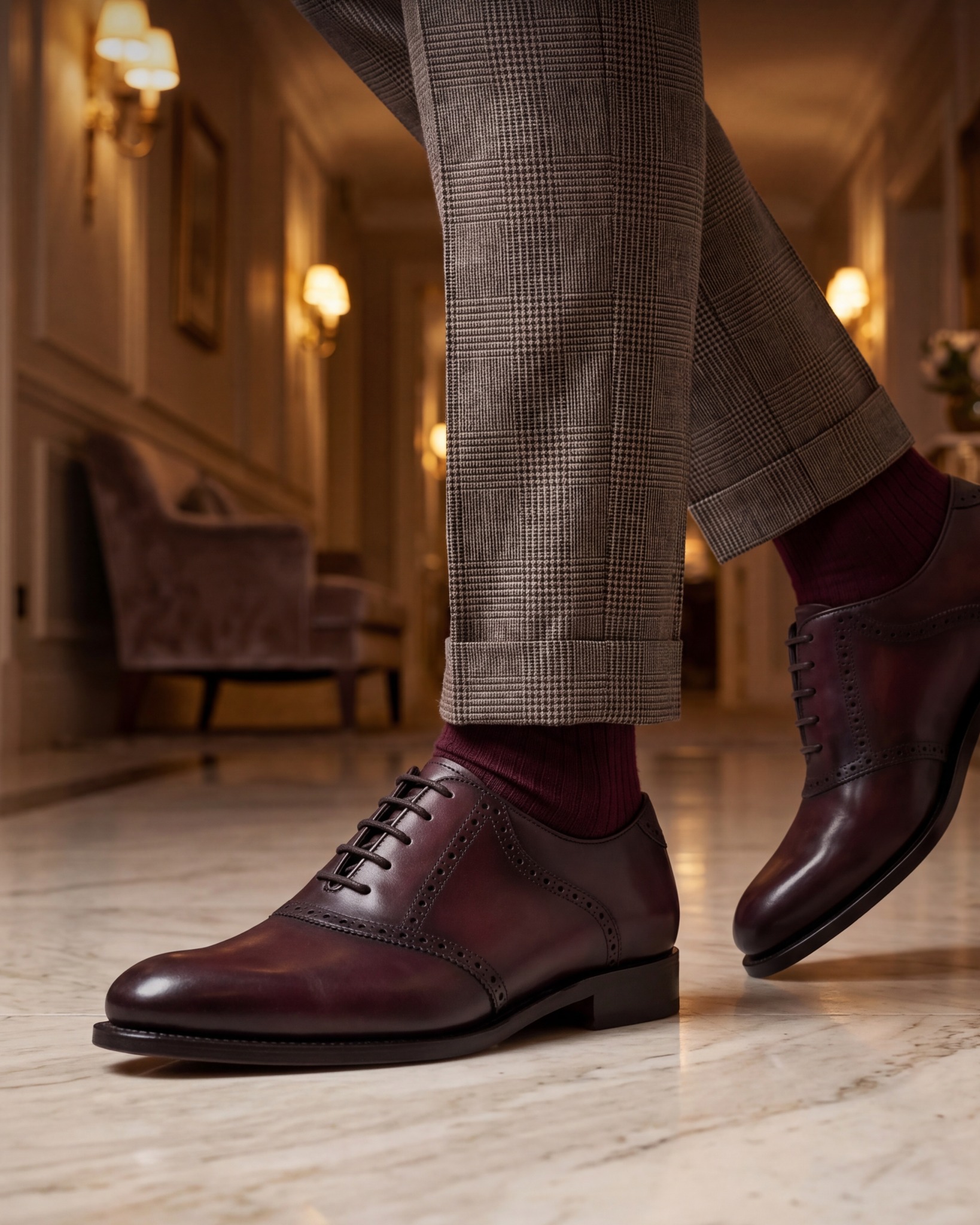
The material covering the top of the foot, known as the upper, can dramatically affect comfort. Leather is a traditional choice for dress footwear, but not all leather behaves the same way.
Highly polished leather, for example, can be relatively stiff because of its finish. That stiffness can make creasing more pronounced and may mean a longer, less comfortable break-in period. If your priority is immediate comfort, softer materials such as deerskin or tumbled leather can be more forgiving.
This does not mean stiff leather is automatically a bad choice. A sleek, high-shine shoe can be exactly what a formal outfit requires. It simply means you should understand the trade-off before purchasing rather than expecting every pair to feel comfortable straight out of the box.
Match the Style to Your Foot
The right size is only part of the equation. The construction of a shoe can also determine whether it accommodates your foot comfortably.
Oxfords, for instance, use a closed-lacing system that offers less adjustability across the instep. If you have a high instep, that construction may feel restrictive. Derbies use an open-lacing system, giving you more flexibility when adjusting the shoe around your foot.
Loafers and Chelsea boots offer even less room for adjustment because they do not rely on traditional laces. With these styles, the fit needs to feel right almost immediately. If a loafer is uncomfortably tight when you try it on, hoping it will magically become comfortable later is rarely a winning strategy.
Shop editor’s favorites
Give Loafers the Final Test
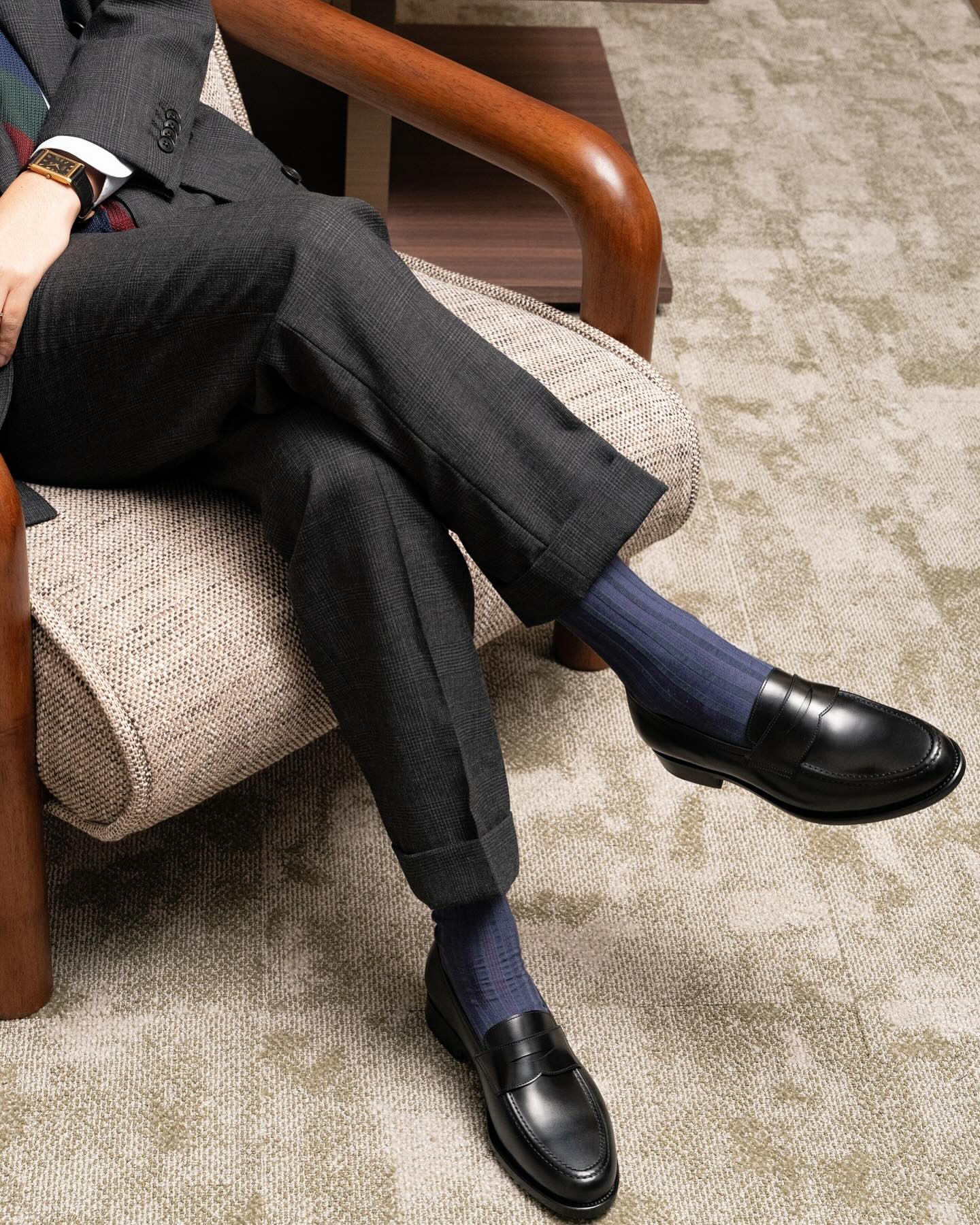
Loafers deserve one particularly useful fit check. When you slide your heel into a well-fitting loafer, there should be a small “whoosh” of air. The shoe should hold your foot securely without squeezing it, and your heel should not constantly slip out as you walk.
That simple test can help distinguish a loafer that merely looks right from one that actually fits.
Ultimately, buying dress shoes successfully comes down to paying attention to your feet rather than forcing them to accommodate a particular style. Try different lasts, resist the temptation to size down, consider the material, and think about how the shoe’s construction interacts with your foot.
The best dress shoes are not necessarily the most expensive or fashionable pair in the store. They are the ones you can put on at the start of a long day and, hours later, barely remember you are wearing.
Featured image: Oswin Hyde
—Read Also