

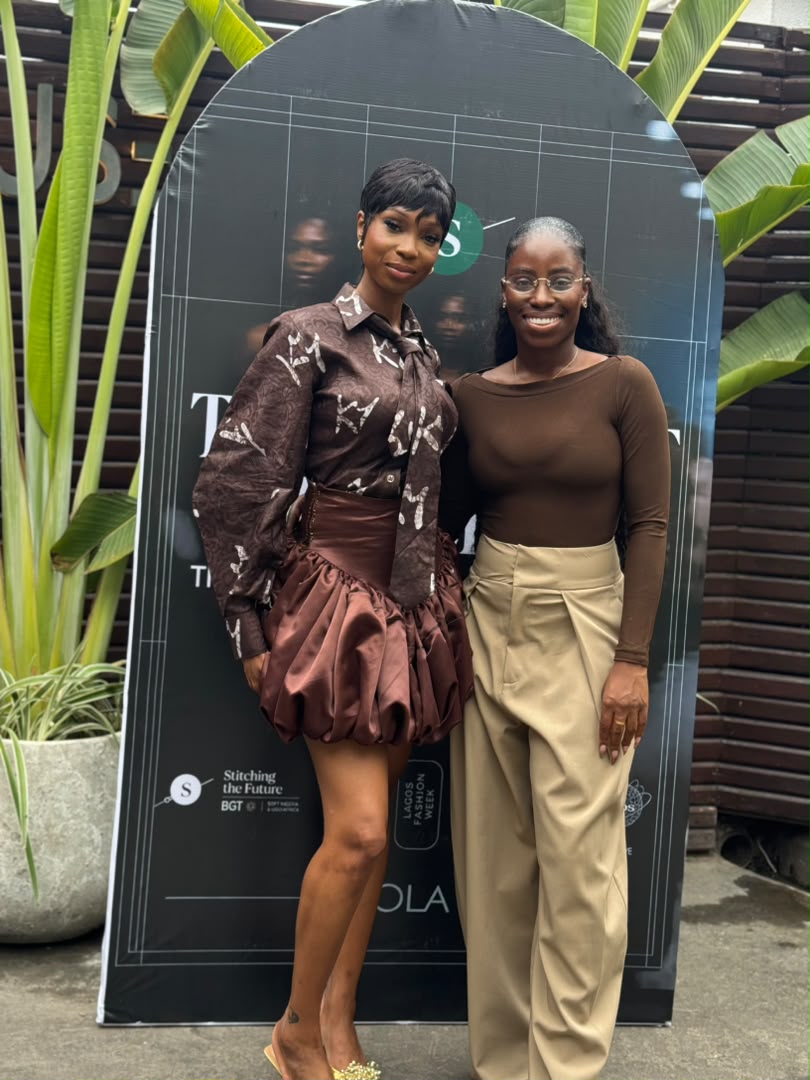
Stitching the Future, a series exploring technology, artificial intelligence (AI), intellectual property, and investment in African fashion, produced by Black Girls in Tech (BGIT) Nigeria and TFB STUDIOS in partnership with FOLA, concluded on Tuesday, October 27, 2026, on the eve of Lagos Fashion Week, with a two-part live finale.
At the heart of the series is an idea that extends beyond the runway: the future of fashion will be shaped not only by creativity, but also by the technology, business structures, and intellectual property frameworks that allow creative work to become valuable, protectable assets. As co-founder Naomi Williams explained, the platform created by BGIT Nigeria and TFB STUDIOS is a meeting point for fashion and technology, bringing the two industries into conversation to explore how innovation can support the people and businesses shaping African fashion.
The day began with The True Cost of Fashion, a panel where designers, founders, and industry leaders took a candid look at what it really costs to build, market, and scale a fashion brand from Nigeria. In the evening, the conversation continued at The Tastemakers’ Dinner, an intimate gathering presented by Wdrbe and built around the idea that your wardrobe is an asset.
The True Cost of Fashion: What It Takes to Build an African Fashion Brand
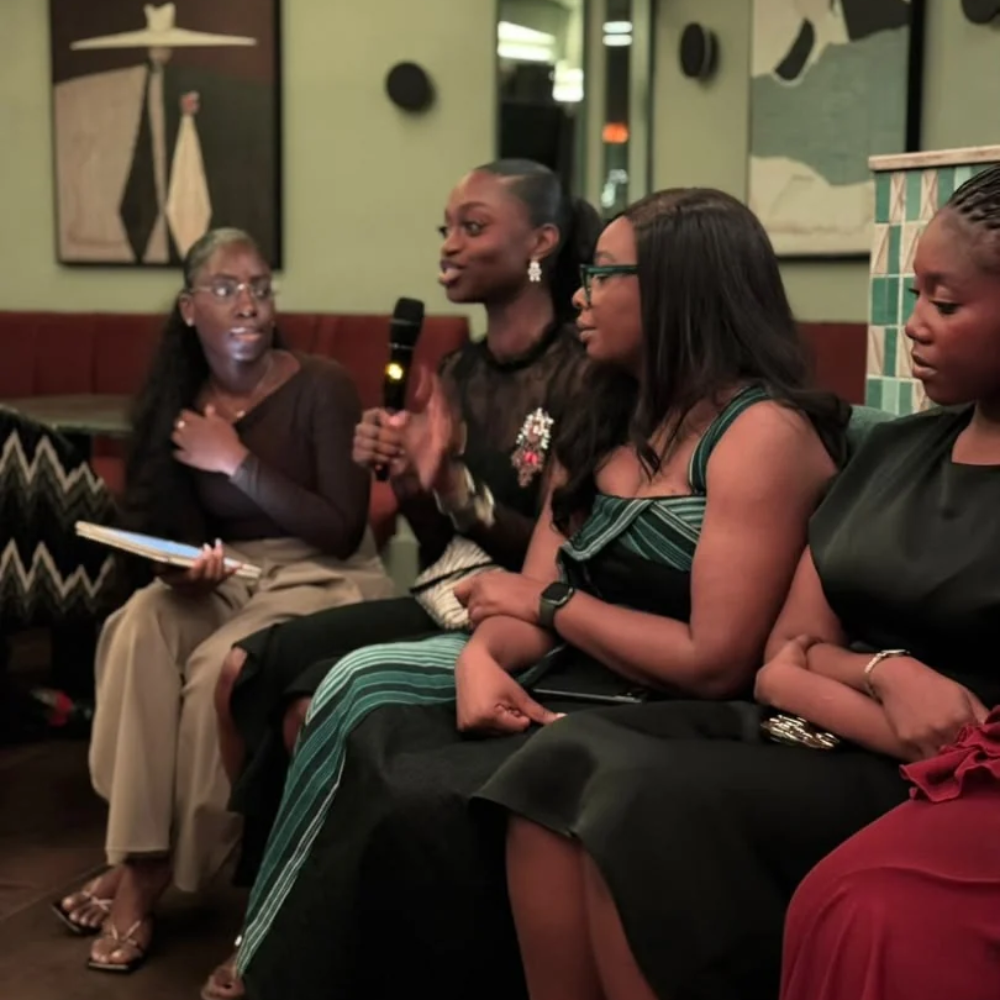
Moderated by Naomi Williams, COO of Black Girls In Tech Nigeria, and Misi Ogunlana, founder of TFB STUDIOS, the morning panel brought together Kafilat Olamide Salisu, founder and CEO of Reign Advisory; Mimi Abudu, founder of MAJco; Ademidun Akindele, senior investment analyst at Octerra Capital; and Abimbola Osho, director and co-founder of The Indigo Collective Capital Ltd.
Together, they held an open conversation about the economics of fashion, examining the true cost of production, the value of creative intellectual property, investment and profitability, and what it takes to scale African brands for global markets. The discussion moved beyond the visible glamour of the industry to consider the often-overlooked business decisions and infrastructure required to make creative enterprises sustainable.
Why Fashion and Technology Must Work Together
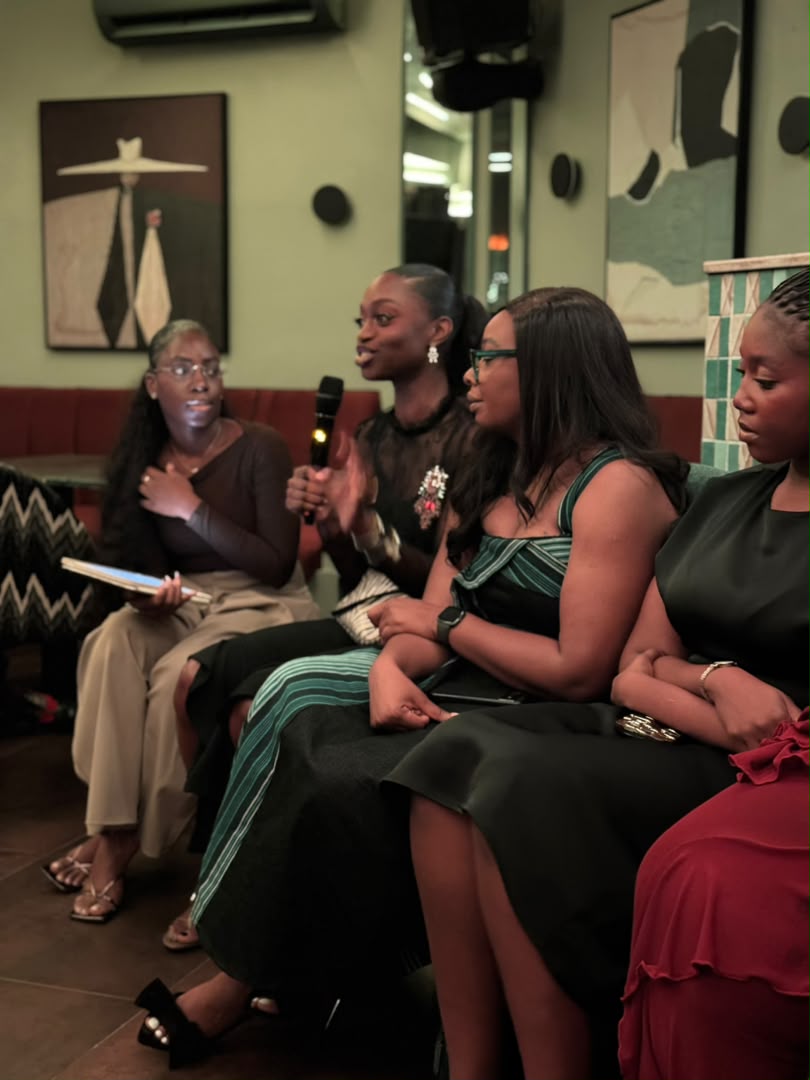
Speaking on the vision behind the series, Naomi Williams said:
“Stitching the Future makes the case that African fashion is not just beautiful but valuable; work worth protecting, investing in, and building a lasting industry on, and a platform for Nigeria to lead the continent in deciding who owns that future in an age where technology and AI are rewriting the rules of creative ownership. The argument is simple; you cannot invest in what you cannot own, so technology and IP decide whether a design is a defensible asset, and once it is, value can move into the industry as capital and through it as the pieces people make, keep and trade.”
What Fashion Founders Need to Become Investment-Ready
The panelists were also asked to share one piece of advice for fashion brands looking to become investment-ready and position themselves for growth.
Kafilat encouraged founders to begin with a clear sense of purpose and the right partnerships: “Know why you are in this business, and collaborate with people whose skills fill the gaps in your own.”
Ademidun pointed to the financial discipline investors look for first, advising brands to establish proper reporting processes and document every cost, particularly if they intend to raise funding.
Mimi’s advice centered on preparation: founders should plan ahead and put the structures a business needs in place before growth makes them essential.
Abimbola added that brands looking to expand internationally do not necessarily have to make London or the United States their first destination. Other African markets understand the nuances of the business and can also transact in dollars, making them a potentially smarter first step for brands seeking to establish a presence beyond Nigeria.
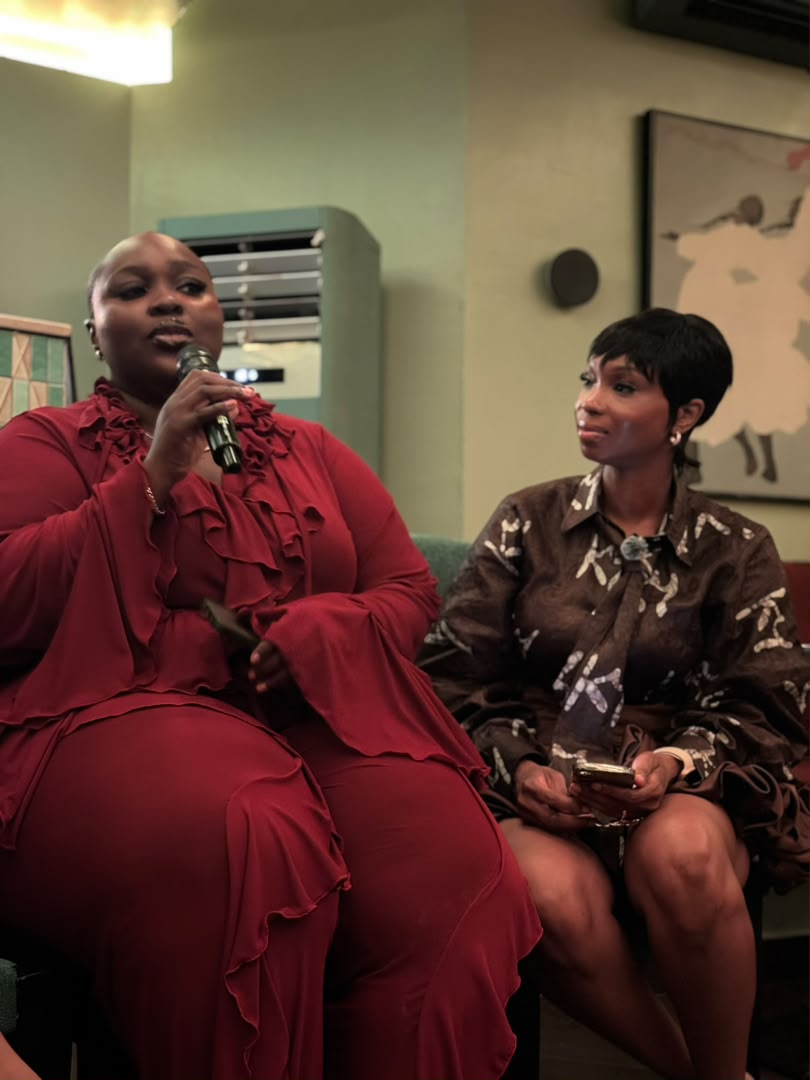
“Everyone is talking about African fashion having a seat on the global stage, but what does it actually take to get there? Beyond the runway and exhibits, we need the infrastructure, resources and business mindset to compete globally. These are the conversations we need to have before we get to the runway, the walk before the run,” added Misi Ogunlana, founder of TFB STUDIOS.
The Tastemakers’ Dinner: Rethinking the Wardrobe as an Asset
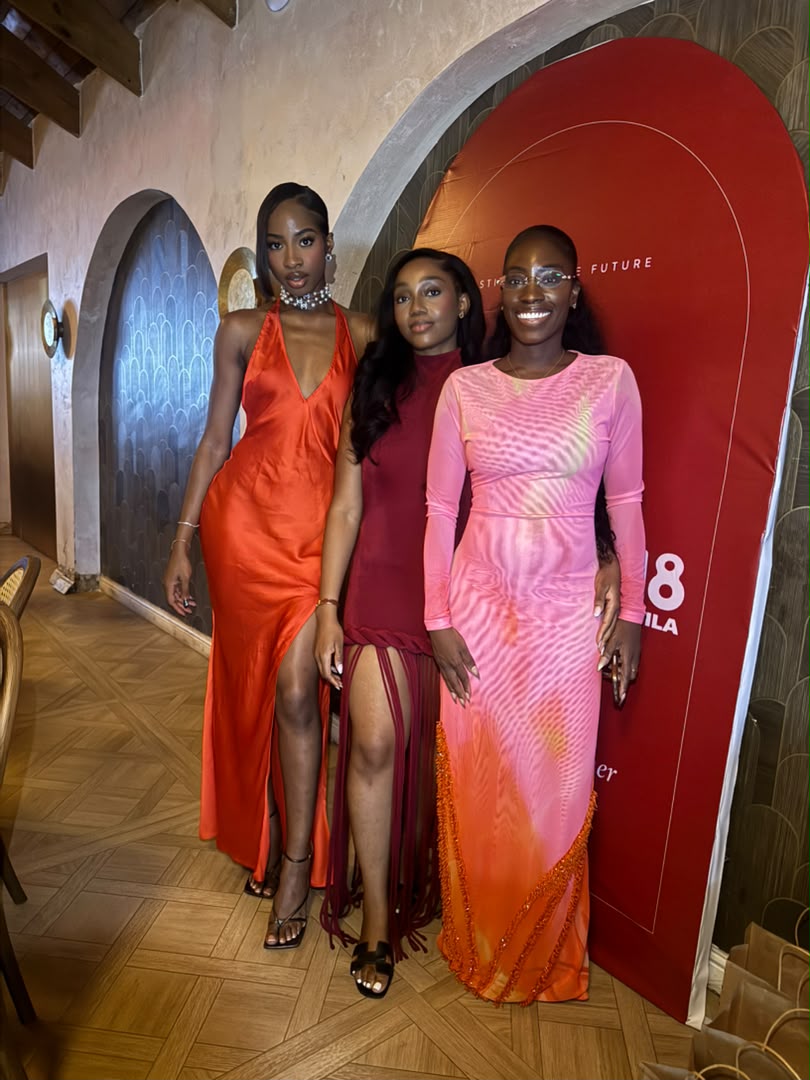
In the evening, the series shifted its attention from the business of making fashion to the value of owning it. The Tastemakers’ Dinner, presented by Wdrbe in partnership with FOLA and 818 Tequila, brought together a curated group of designers, founders, creatives, and tastemakers for a seated dinner and guided conversation around Wdrbe’s founding idea: your wardrobe is an asset.
The concept extended the day’s earlier discussion in a different direction. If a protected design can become an asset for the designer who creates it, the finished piece can also hold value for the person who buys it. Cost per wear, resale, and rental offer ways to think about a wardrobe beyond consumption, bringing it closer to a portfolio of personal assets. An investment piece, in this context, is not simply something to wear and admire; it is something whose value can be understood, managed, and potentially unlocked over time.
Where Fashion Meets Technology: Inside the Wdrbe Platform
This is where the meeting point between fashion and technology becomes particularly tangible. Through its digital platform, Wdrbe brings the wardrobe into a more structured, data-led space, helping users document what they own, understand how they use it, and identify opportunities to make more of their existing pieces. Technology becomes a practical tool for connecting personal style with the longer-term value of clothing.
The Wdrbe team then took guests through the app, demonstrating how it turns a wardrobe into a living, data-led archive: a place to catalogue and style existing pieces, understand how they are worn, and recognize and unlock their resale value. By bringing together wardrobe management, personal styling, and resale, the platform offers a practical example of how technology can change the way people engage with fashion long after a piece leaves the runway or store.
Wdrbe Announces the $20,000 Icon Race: Runway to Icon Style Challenge
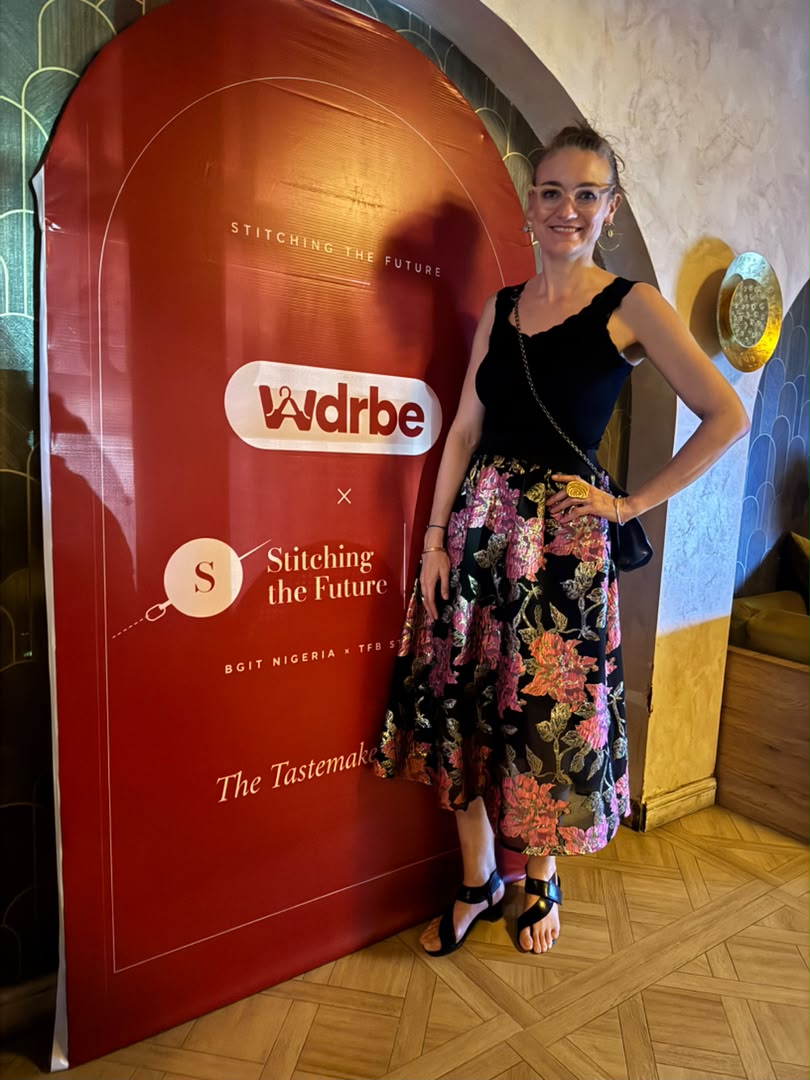
During the dinner, Favour Olawumi, founder of Wdrbe, and Denise Eseimokumoh announced the Icon Race: Runway to Icon Style Challenge, a wardrobe competition with a $20,000 grand prize. Launching on November 30, 2026, the challenge rewards participants for making better use of what they already own.
Participants earn Style Points by building a digital wardrobe, creating outfits, logging wears, and reselling underused pieces. As they accumulate points, they progress through three levels: Starter, Stylist, and Icon. Weekly and seasonal cash prizes will also be awarded alongside the grand prize.
To enter, participants can download the Wdrbe app from the App Store or Google Play and join the challenge. Entrants must be at least 18 years old and reside in an eligible market. Registration closes on February 28, 2027.
A Gathering of Fashion, Business and Creative Voices
Attendees included Evane Chenuet, marketing manager at Pernod Ricard; Denise Eseimokumoh, editor-in-chief of Marie Claire Nigeria; Mimi Abudu, founder of MAJco; Shekinah Sofola, CEO of Tender Leather Care; Derin Odugbesan-Thomas, style influencer and founder of Isaleko from Derin; Chinenye Ezurike Fapetu, founder of Zurik; Damilola Feyide, founder of Let It Shine Academy (LISA); Juwon Ajayi, founder of Glow by Juwon; Desiree Aku, founder of Ukiyo Legal; and creative influencers Ashley Okoli, Akin Faminu, Obianuju OE, and Rebecca Owolabi, among others.
Building a Future Where African Fashion Can Create and Retain Value
Together, the panel and dinner brought Stitching the Future to a close with a shared argument: Nigerian fashion can build lasting value when its creators have the means to protect their work, its businesses are equipped to grow, and its consumers understand the worth of what they own. By placing fashion and technology in the same conversation, the series made a case for an industry in which creativity is not only celebrated, but also supported by the tools, knowledge, and infrastructure needed to sustain it.
—Read also