

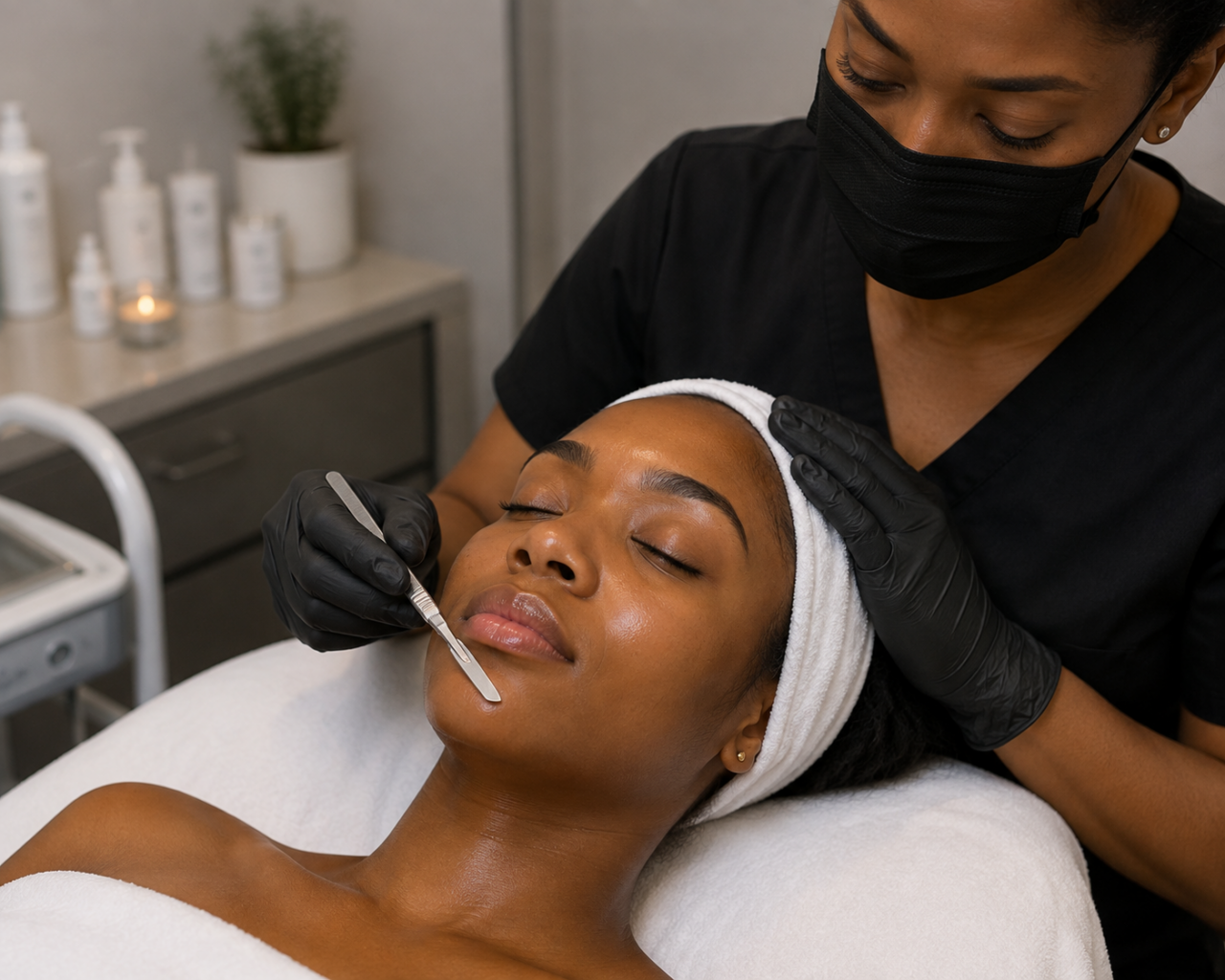

The promise of smoother skin, less peach fuzz, and a fresh-looking makeup base is tempting. But before you decide if dermaplaning is a good fit for your face, it’s worth looking past the satisfying before-and-after moment and considering what the treatment actually does to the skin. Dermaplaning uses a blade to remove the uppermost layer of skin along with fine facial hair, making it a form of physical exfoliation as well as hair removal.
That combination explains why the treatment has become such a popular beauty appointment. Removing surface hair can make the face look smoother, while removing dead skin cells can temporarily improve the skin’s texture and make makeup application easier. However, dermaplaning is still an exfoliating procedure, so it is not automatically a better choice simply because the technique looks simple. The condition of your skin, the way the treatment is performed, and what you use all matter afterward.
What Is Dermaplaning?
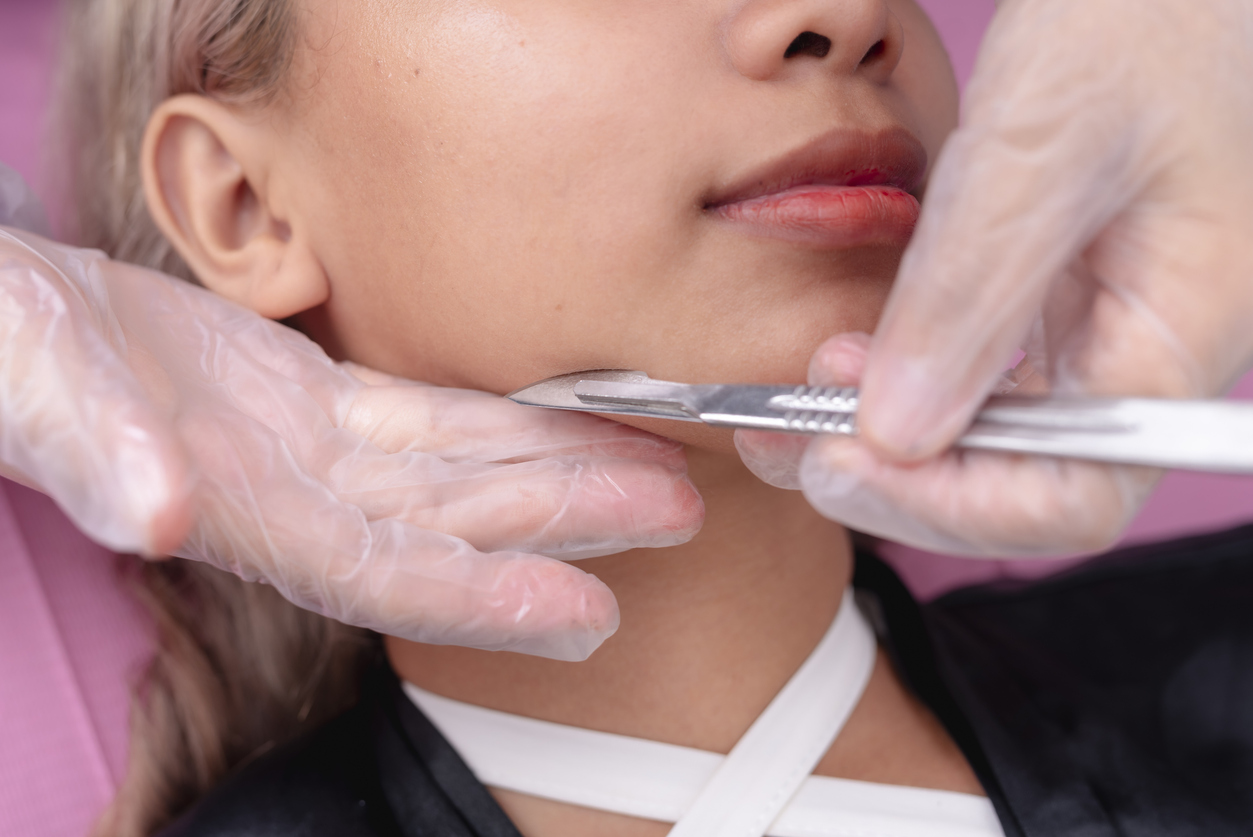
Dermaplaning is a cosmetic procedure in which a trained professional uses a blade or specialized instrument to gently remove the outermost layer of skin and vellus hair, commonly called peach fuzz. Unlike waxing or threading, the hair is cut at the skin’s surface rather than pulled from the root.
The treatment is often described as exfoliation, but it is more useful to think of it as a combination of surface exfoliation and temporary hair removal. That helps explain both its appeal and its limits. It can smooth the surface of the skin. However, it cannot permanently remove facial hair or stop the natural aging process.
What Are the Benefits of Dermaplaning?
The most noticeable benefit is usually smoother-feeling skin. Removing the outermost dead skin cells and fine facial hair creates a more even surface, which can make foundation and other makeup sit more smoothly. Some people also choose dermaplaning because it can temporarily improve the appearance of dull skin, fine lines, and certain superficial acne scars.
There is also a practical skincare benefit. With some of the surface buildup removed, products applied afterward may spread and absorb more easily, although that does not mean dermaplaning makes every skincare product work better or penetrate deeply enough to transform the skin.
For people bothered by peach fuzz, the treatment can also provide a quick cosmetic solution. The hair grows back normally, so the effect is temporary rather than a permanent hair-removal treatment.
Does Dermaplaning Make Hair Grow Back Thicker?
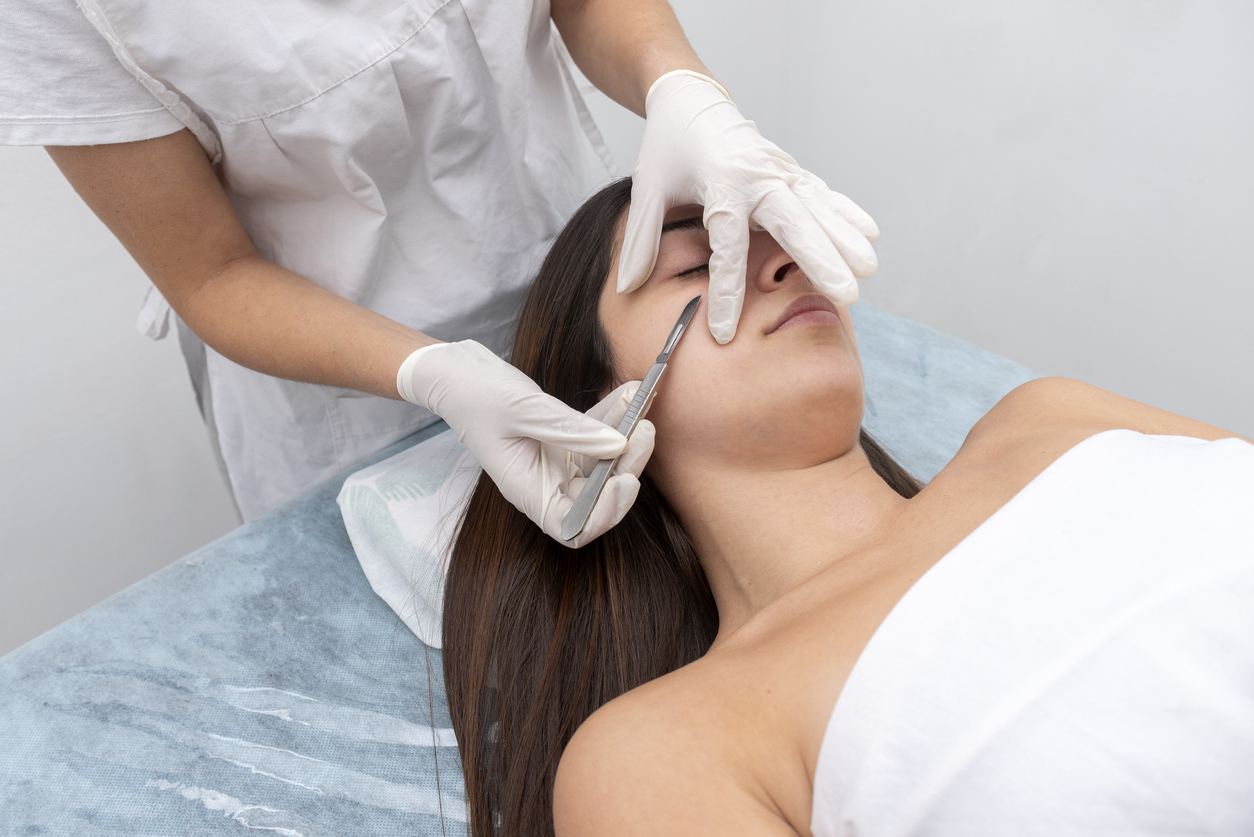
No. Dermaplaning does not change the thickness, color, or rate of hair growth because it cuts the hair at the surface rather than altering the follicle.
What can be confusing is the way shaved hair looks and feels as it grows back. Since the blade cuts the hair straight across rather than leaving its naturally tapered end, new growth can initially appear more noticeable or feel slightly stubbly. That does not mean the hair has actually become thicker.
Is Dermaplaning Good for Wrinkles?
Dermaplaning may make fine lines appear less noticeable by creating a smoother surface, but its effect on wrinkles should be kept in perspective. It does not rebuild collagen or erase established wrinkles, and deeper lines will not disappear simply because the surface has been exfoliated.
For mild texture concerns, it can be a useful cosmetic treatment, particularly when the main goal is smoother-looking skin. For deeper wrinkles, however, a dermatologist can recommend treatments that target the underlying skin changes more directly.
What Are the Downsides of Dermaplaning?
Like any cosmetic procedure that removes part of the skin’s outer layer, dermaplaning can cause temporary redness, swelling, tenderness, or irritation. There is also a risk of infection, scarring, and changes in skin color, although dermaplaning is generally considered a low-risk procedure when performed appropriately.
Over-exfoliation is another concern. Mechanical exfoliation can be too irritating for some people, particularly those with dry, sensitive, or acne-prone skin. The right exfoliation approach depends on your skin type and how well your skin tolerates it.
This is particularly important if you already use products that can make the skin more sensitive, such as retinoids or benzoyl peroxide. Combining aggressive exfoliation with sensitizing skincare can leave the skin more irritated rather than more radiant.
Should You Dermaplane Your Face at Home?
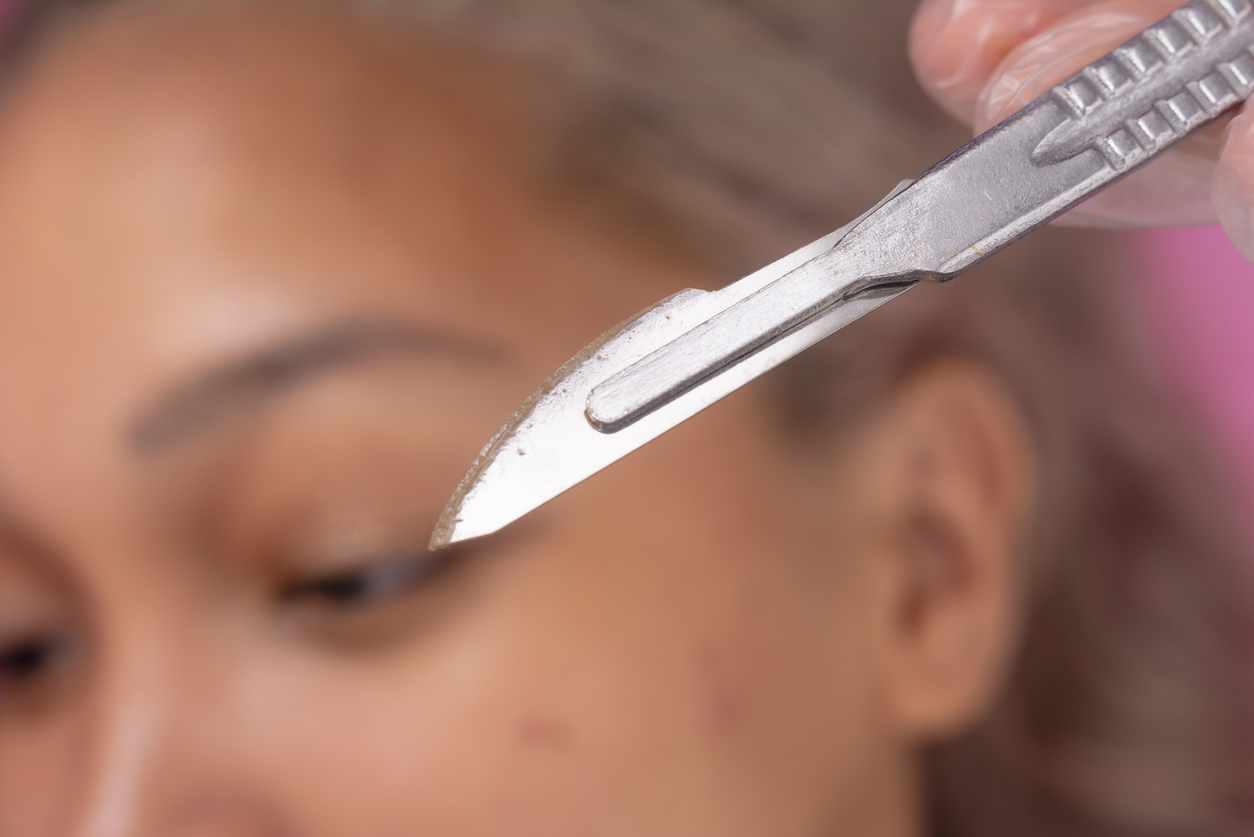
At-home dermaplaning is possible, but it requires considerably more care than simply running a facial razor over the skin. At-home shaving can be relatively low risk when performed carefully, but nicks can introduce bacteria, while dermaplaning over active acne or an existing skin condition can cause problems.
If you choose to do it yourself, hygiene and restraint are essential. Use a clean, appropriate facial tool, avoid active breakouts and irritated areas, do not press aggressively, and moisturize afterward. Sunscreen is also important because freshly exfoliated skin can be more vulnerable to sun exposure.
Still, professional treatment has an important advantage: a dermatologist or qualified practitioner can assess the condition of your skin before deciding if dermaplaning is appropriate. That matters particularly when you have acne, eczema, pigmentation concerns, sensitive skin, or another ongoing skin issue.
Shop editor’s edit
What Should You Do After Dermaplaning?
After treatment, keeping the skincare routine simple is usually the sensible approach. The skin may be temporarily red or tender, so a gentle moisturizer can help support the skin barrier, while sunscreen helps protect the freshly exfoliated surface.
It is also worth being cautious with strong exfoliating ingredients immediately afterward. This is because strong actives like retinoids, retinol, and benzoyl peroxide can make irritation more likely when combined with mechanical exfoliation.
The temptation after a treatment is often to add more skincare in pursuit of an even smoother finish, but this is one beauty routine where restraint can be the smarter move.
Shop editor’s selection
So, Is Dermaplaning Good for Your Face?
For the right skin and the right goal, dermaplaning can be a useful cosmetic treatment. It can temporarily smooth the skin, remove peach fuzz, and improve the appearance of surface texture, while also creating a more even canvas for makeup.
Still, determining whether dermaplaning is good for your face depends on what you want from the treatment and how healthy your skin is beforehand. If your main concern is peach fuzz or mild surface roughness, it can make sense. If you have active acne, eczema, significant sensitivity, or pigmentation concerns, a dermatologist may recommend a gentler option instead.
The most sensible way to approach dermaplaning is to see it for what it is: a surface treatment with visible cosmetic benefits, not a cure-all for aging or skin texture. When the skin is a good candidate, and the procedure is performed carefully, it can be a worthwhile addition to a beauty routine, but smoother skin should never come at the cost of an irritated skin barrier.
Featured image: Style Rave Studio/AI-generated Visual
How to Get Rid of Strawberry Legs: Causes, Treatments, and Prevention