

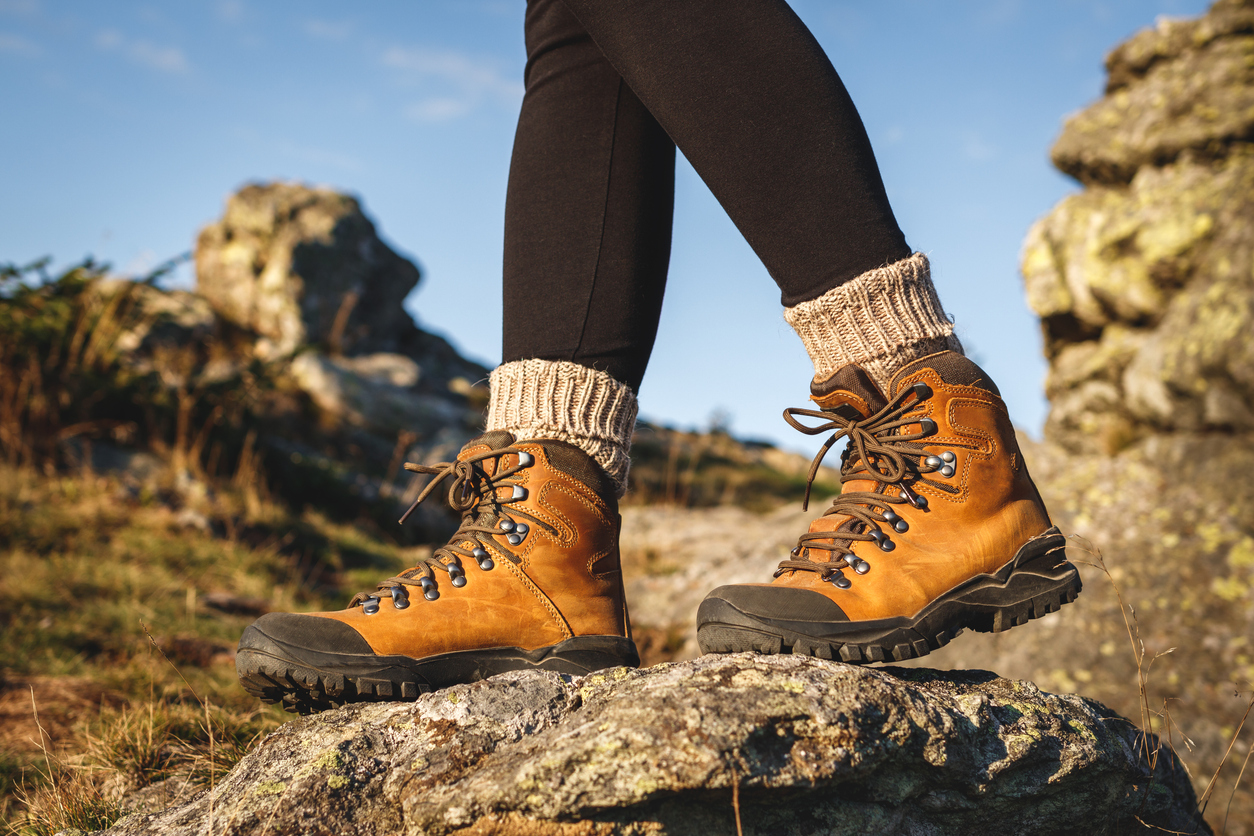

A beautiful trail can turn frustrating quickly when your footwear is a poor fit, especially when loose gravel, muddy paths, steep climbs, and long hours on your feet become part of the day. For women, knowing how to choose the right hiking boots for different trails can make an adventure far more comfortable and enjoyable. However, the best pair is never determined by appearance alone.
Instead, start with the trail you actually plan to hike, then consider the terrain, weather, distance, fit, ankle coverage, grip, and the type of socks you will wear. A lightweight pair can be excellent for easy paths, while a sturdier boot may be the better choice when the trail becomes rocky, wet, steep, or unpredictable.
Start With the Type of Hiking You Do

The right boot depends heavily on where you plan to use it. Day hikes on maintained trails generally do not require the same footwear as multi-day treks through rough mountain terrain.
Light hiking shoes or low-cut boots can work well for shorter routes with firm surfaces, while mid-cut hiking boots offer additional ankle coverage for uneven ground. High-cut boots provide more coverage and protection, although they are usually heavier and may take longer to break in.
When deciding how to choose footwear for a particular trail, consider the terrain alongside the distance and difficulty of the route. As conditions become more demanding, grip, protection, stability, and comfort become increasingly important.
Shop editor’s edit
Look at the Sole and Traction
A hiking boot can look sturdy while still offering poor grip, so pay close attention to the outsole. Deeper, well-spaced lugs generally provide better traction on loose soil, mud, and uneven ground, while a less aggressive tread may be more suitable for maintained paths.
The midsole matters too, since it affects cushioning and how protected your feet are from rocks and hard surfaces. A very soft sole may feel comfortable initially, but a firmer base can provide greater stability when you’re navigating rough or rocky terrain.
Think about the conditions you are most likely to encounter rather than simply choosing the most rugged sole available. Aggressive traction can be useful in mud and loose terrain, but it may be unnecessary for well-maintained trails.
Should Hiking Boots Be Tight or Loose?
Neither option is ideal. Hiking boots should hold your foot securely without squeezing your toes or creating pressure points.
Your heel should stay relatively stable when you walk, while your toes need enough room to move naturally. This becomes especially important on downhill sections, where your feet can slide forward if the boot is too loose.
When shopping for the right fit, try the hiking footwear with the socks you plan to wear and leave enough space for your toes to move comfortably inside the boots. Your feet should feel supported without being compressed.
How to Tell If Hiking Boots Fit Correctly
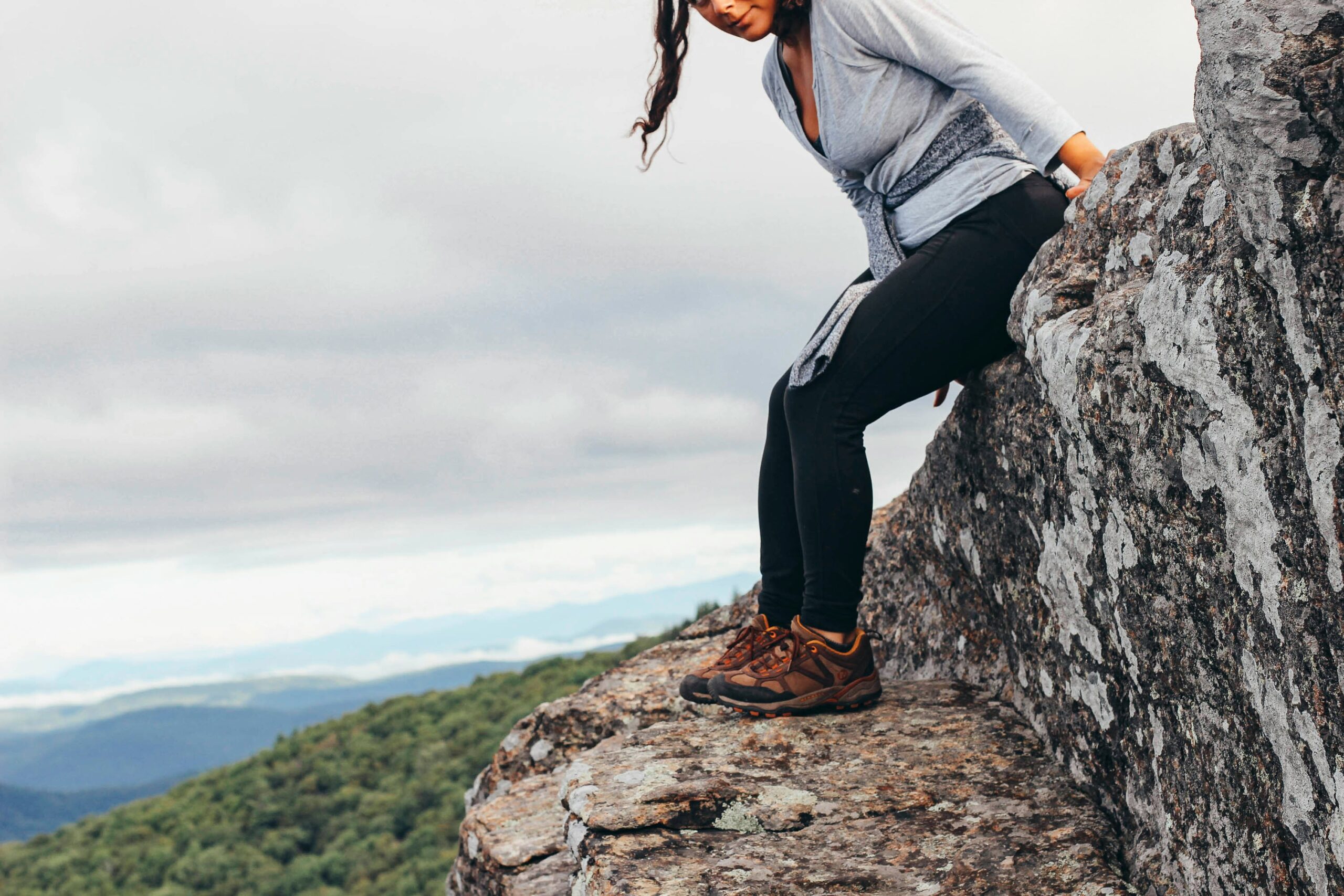
Try both boots rather than testing only one, since your feet may not be the same size. Walk around, climb a few steps, and pay attention to your heel, arch, toes, and the sides of your feet.
Your heel should not lift excessively with every step, while your toes should not touch the front of the boot when you walk downhill. Also check for pressure around the widest part of your foot, because discomfort in the shop is unlikely to disappear after several hours on a trail.
It is also worth trying boots later in the day, when feet can be slightly larger after normal activity. That can give you a more realistic idea of how the fit will hold during a long hike.
If possible, test the boots on an incline or decline before buying them. A pair that seems comfortable while standing on a flat floor can behave differently when your foot moves forward, or your heel is working to stay in place.
High or Low Hiking Boots?
Low-cut footwear is lighter and generally allows greater freedom around the ankle, making it useful for easy trails and everyday walking. Mid- and high-cut boots cover more of the ankle and can offer additional protection and a more enclosed feel on rougher terrain.
Still, higher boots are not automatically better. Extra height can mean additional weight and less flexibility, so the terrain, weather, pack weight, and your personal preferences should guide the choice.
For many casual hikers, a low or mid-cut option may provide a useful balance between freedom of movement and protection. More demanding routes may call for a sturdier design, particularly when the terrain is rocky or conditions are unpredictable.
Shop editor’s choice
What Do Podiatrists Say About Hiking Footwear?
Foot specialists generally emphasize fit, comfort, support, and choosing footwear that matches the activity. There is no universal hiking boot that works perfectly for every foot, so features such as a stable sole, sufficient toe room, and appropriate cushioning deserve more attention than a particular brand or style.
People with recurring foot pain or specific foot conditions may also benefit from professional advice before investing in hiking footwear, particularly when planning long or demanding hikes. A professional can help identify features that may be more appropriate for an individual’s needs.
Should You Wear Socks With Hiking Boots?
Yes, hiking socks are an important part of the setup. They can help manage moisture, reduce friction, and provide cushioning in areas that experience repeated contact with the boot.
Choose socks that fit well without bunching, and avoid wearing thick socks simply to make a loose boot fit better. The boot should fit correctly on its own, while the sock should complement that fit.
Materials matter, too. Look for hiking socks designed to manage moisture and dry efficiently, particularly if you expect to hike in warm or wet conditions. The right pair can also help reduce the friction that contributes to hot spots and blisters.
Shop editor’s selection
Can Hiking Shoes Be Used for Everyday Walking?
They can, particularly low-cut hiking shoes with flexible soles and lighter construction. They can work well for walking, travel, errands, and other activities where extra grip is useful.
However, heavy hiking boots may be unnecessary for daily pavement walking because their weight and firmer construction are designed for more demanding surfaces. Wearing lighter footwear for ordinary walking can be more comfortable when you do not need the extra protection.
This is also one reason to think about how often you will realistically wear a pair before buying it. If your weekends involve trails but your weekdays are spent walking around the city, a versatile hiking shoe may earn considerably more use than a heavy-duty boot.
How to Choose Hiking Boots That You Will Actually Wear
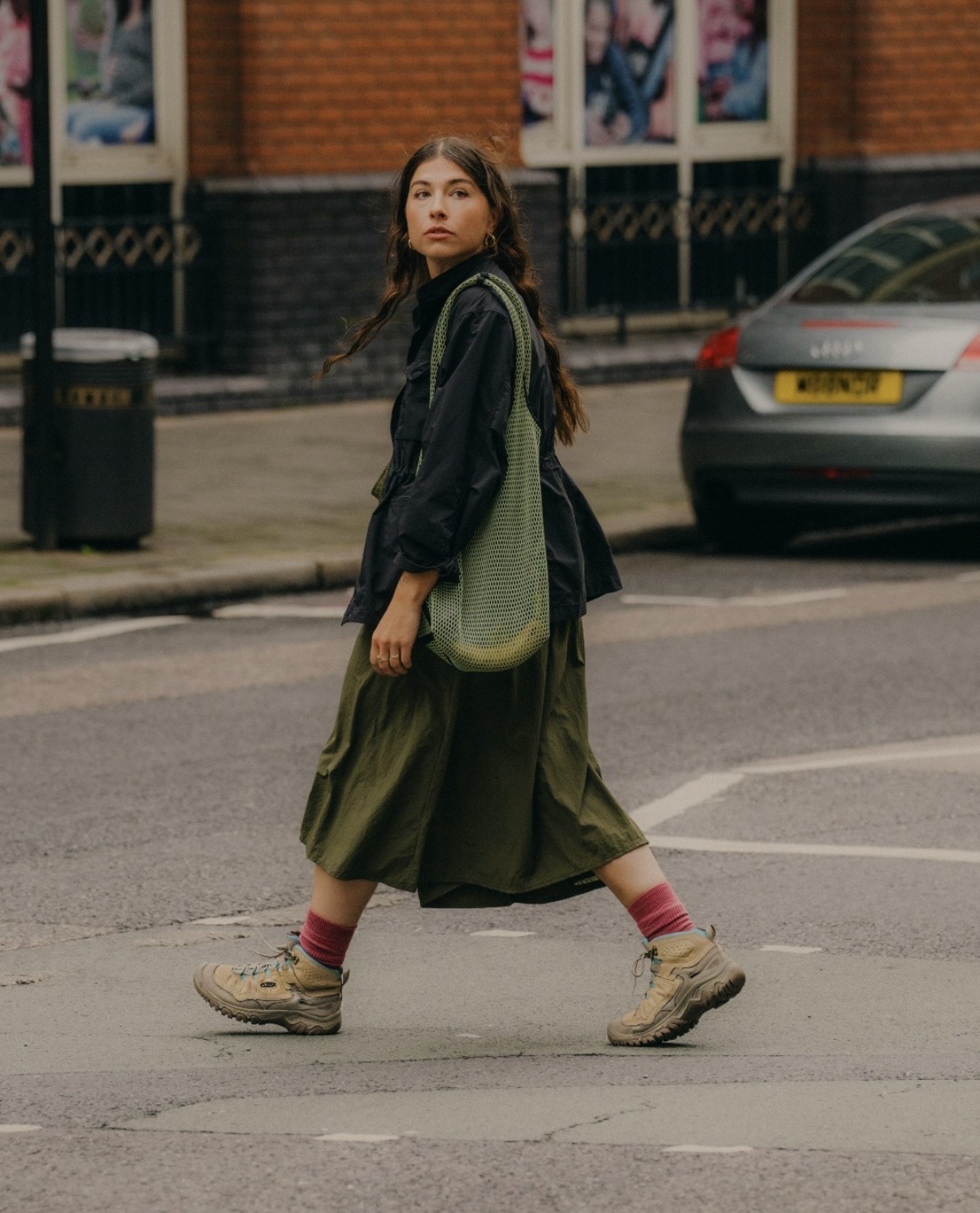
The best choice starts with your real routine rather than an idealized version of your hiking life. If you mostly walk on maintained trails, a lightweight option may be enough. If your routes include mud, rocks, steep climbs, or changing weather, look for stronger traction, greater protection, and a more secure fit.
Finally, break your new boots in before taking them on a long hike. Wear them around the house and on shorter walks first, giving your feet time to adjust and allowing you to identify rubbing or pressure points early.
Good hiking footwear should support the adventure without becoming the main thing you notice along the way. That is why fit, terrain, grip, and comfort deserve priority over appearance when choosing your next pair.
Featured image: Zbynek Pospisil/iStock
How to Stop Shoes from Giving You Blisters: 6 Expert-Backed Tips