

A fresh hair color can change the way light catches your face, but the real test begins weeks after the salon appointment, when the first signs of regrowth appear, and you start wondering how much upkeep you have signed up for. The choice between highlights and balayage comes down to far more than the final shade. Placement, maintenance, and the way each technique grows out can make a noticeable difference, especially when low-maintenance color is the goal.
At first glance, the two techniques can look quite similar, particularly when a stylist creates soft blonde or caramel dimension. However, they are created differently, and that difference matters. Highlights generally place lighter pieces throughout selected sections of the hair, while balayage uses a freehand painting technique to create a more gradual transition from the natural root into the lighter lengths.
That difference is exactly why one may suit your routine better.
What Is the Difference Between Highlights and Balayage?
Traditional highlights are usually created by separating sections of hair and lightening them from the roots through the lengths. Depending on the desired finish, a stylist may use foils to create anything from fine, barely-there pieces to brighter ribbons of color.
The placement can be very precise, which makes highlights useful when you want noticeable brightness, a more even distribution of lighter pieces, or a clear change from your natural shade. They can also be customized extensively, so highlights do not automatically mean chunky blonde streaks.
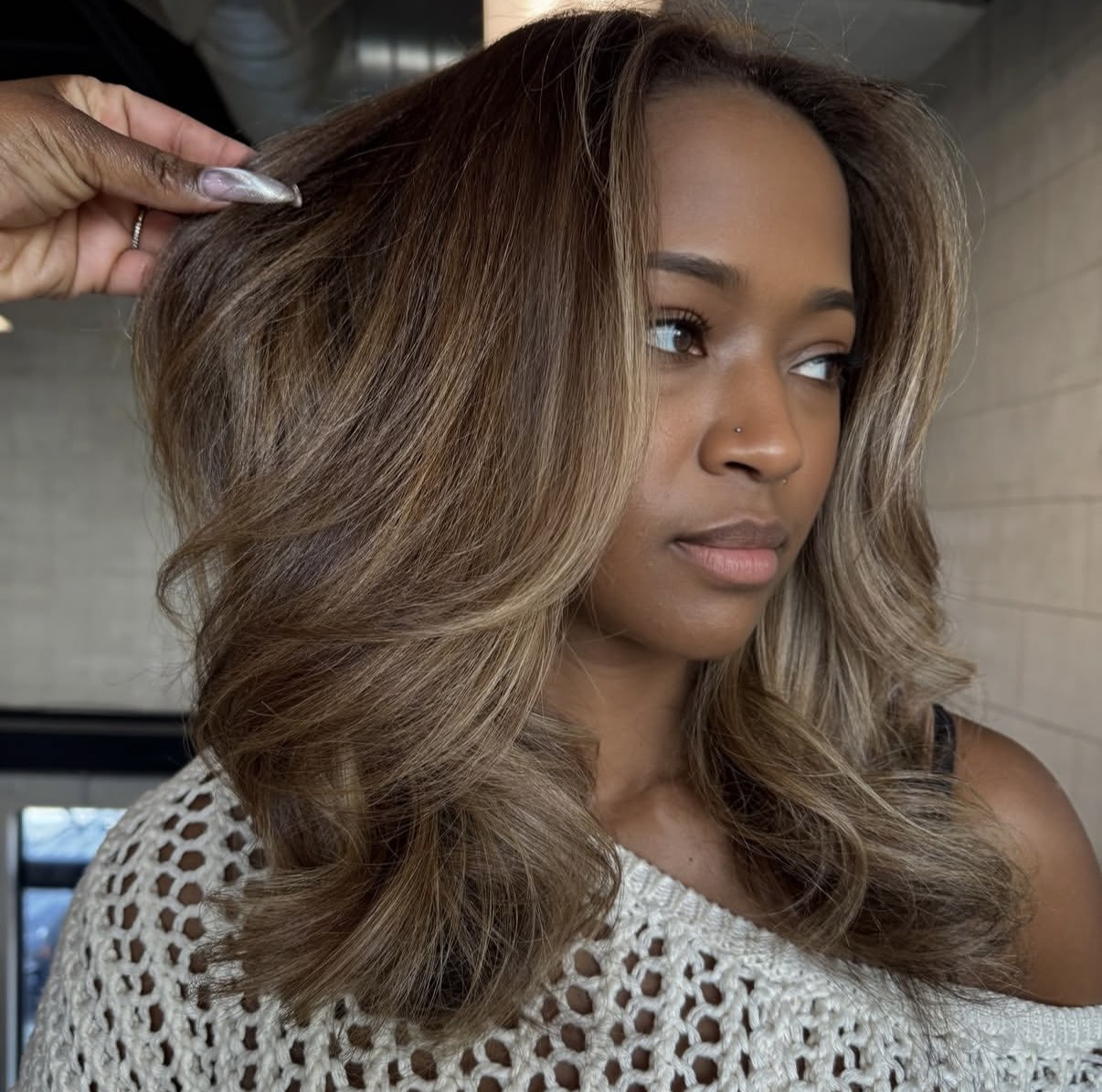
Balayage, on the other hand, is typically painted onto the hair by hand, with the stylist concentrating brightness through areas where the sun might naturally lighten the strands. The color often begins farther away from the scalp and becomes brighter through the mid-lengths and ends.
This creates a softer root area, which is one of the biggest reasons balayage has become such a popular choice for people who do not want frequent salon appointments.
Why Balayage Usually Wins for Low-Maintenance Color
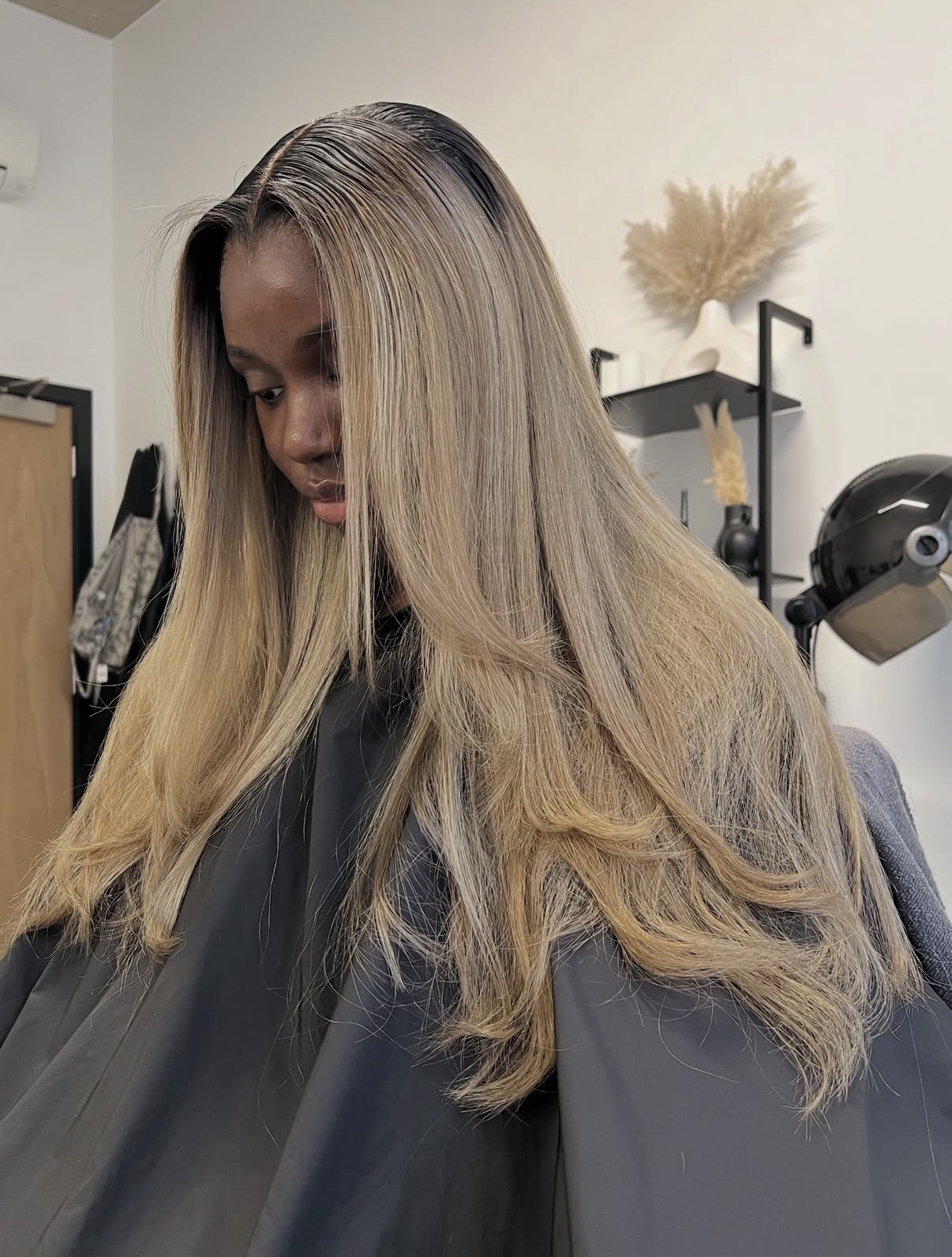
If your main concern is extending the time between appointments, balayage generally has the advantage. Since the color does not have to begin directly at the scalp, new growth can blend into the existing hair instead of creating a strong line between colored and natural strands.
That does not mean balayage is maintenance-free. Lightened hair still needs care, and the color can become dull, brassy, or dry over time depending on your hair, products, and exposure to heat or the sun. However, the grow-out tends to be more forgiving.
Highlights can also be low-maintenance when they are fine, strategically placed, and blended close to the natural color. Still, traditional root-to-end highlights usually require more regular touch-ups once the natural root becomes noticeable.
For someone who wants beautiful dimension without feeling tied to a salon schedule, balayage is therefore the stronger choice.
Can Balayage Look Like Highlights?
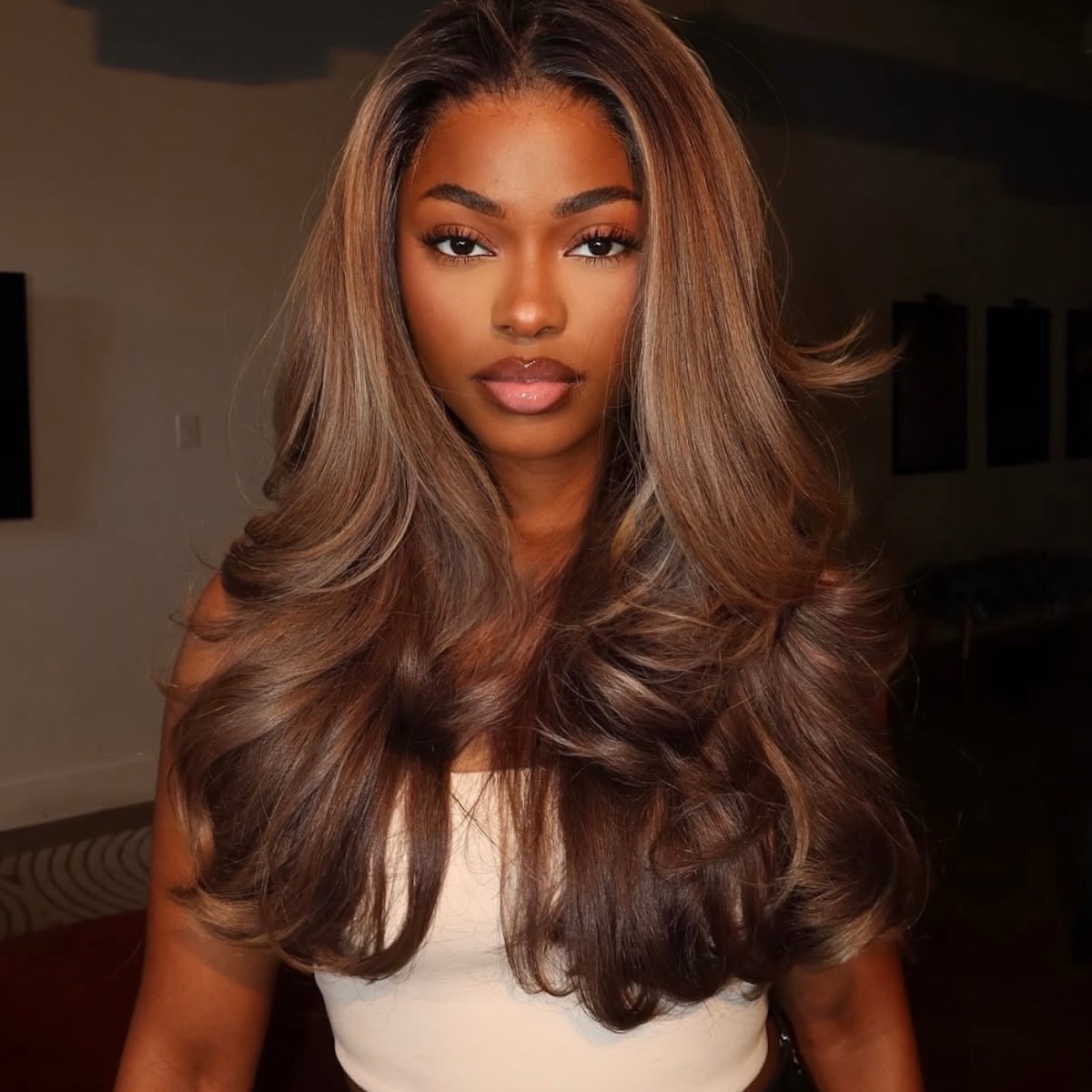
Absolutely. A skilled stylist can create balayage that looks bright and highly dimensional, especially when fine pieces are painted through the front sections and around the face. Likewise, modern highlights can be so soft and finely blended that they resemble the effortless finish associated with balayage.
The technique used to create the color is therefore not always obvious from the finished result. Your stylist should consider your natural color, previous treatments, desired brightness, and maintenance plans before deciding how to place the lightener.
Which Takes Longer?
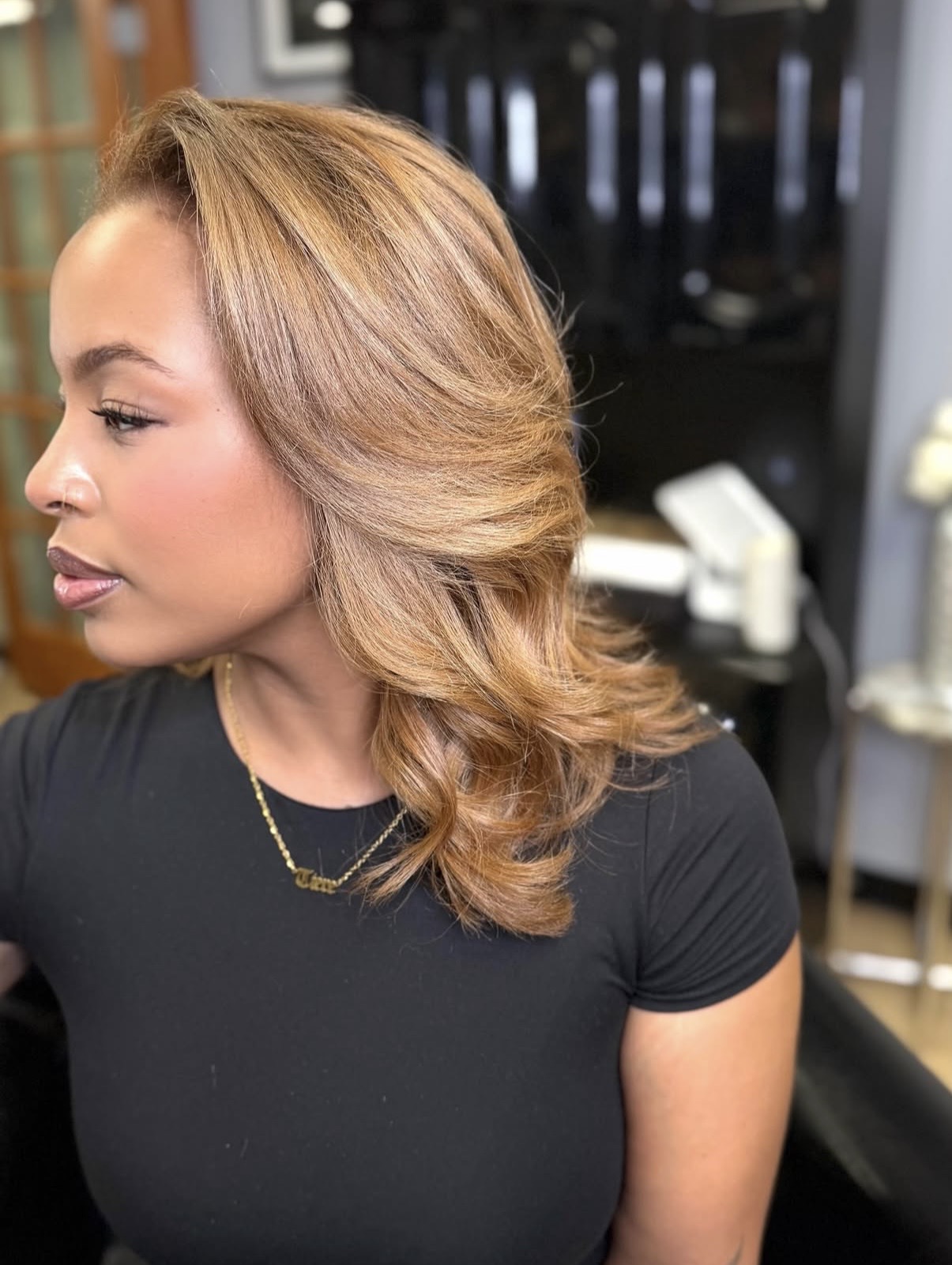
The answer depends on the amount of hair being colored and the finish you want, but neither technique automatically takes longer in every salon.
A full head of traditional highlights can involve detailed sectioning, foil placement, and processing, which can make the appointment lengthy. Balayage can also take considerable time when the stylist is painting many sections by hand and carefully blending different levels of brightness.
The more useful question is not which technique is faster, but which one gives you the color you want without creating unnecessary maintenance afterward.
Is Balayage Better for Your Hair?
Neither technique is automatically healthier for your hair because both can involve lightener, and lightening changes the hair’s internal structure. The amount of damage depends on factors such as the strength of the lightener, processing time, starting condition of the hair, and how much lighter you are trying to go.
Balayage can sometimes involve less overall lightening because the stylist may leave larger areas of natural hair untouched. However, that does not make every balayage appointment gentler than every highlight service.
A careful color plan matters far more than the name of the technique. If your hair is already fragile from previous bleach, heat, or chemical treatments, your stylist should take that history into account before adding more lightener.
Does Balayage Damage Dark Hair?
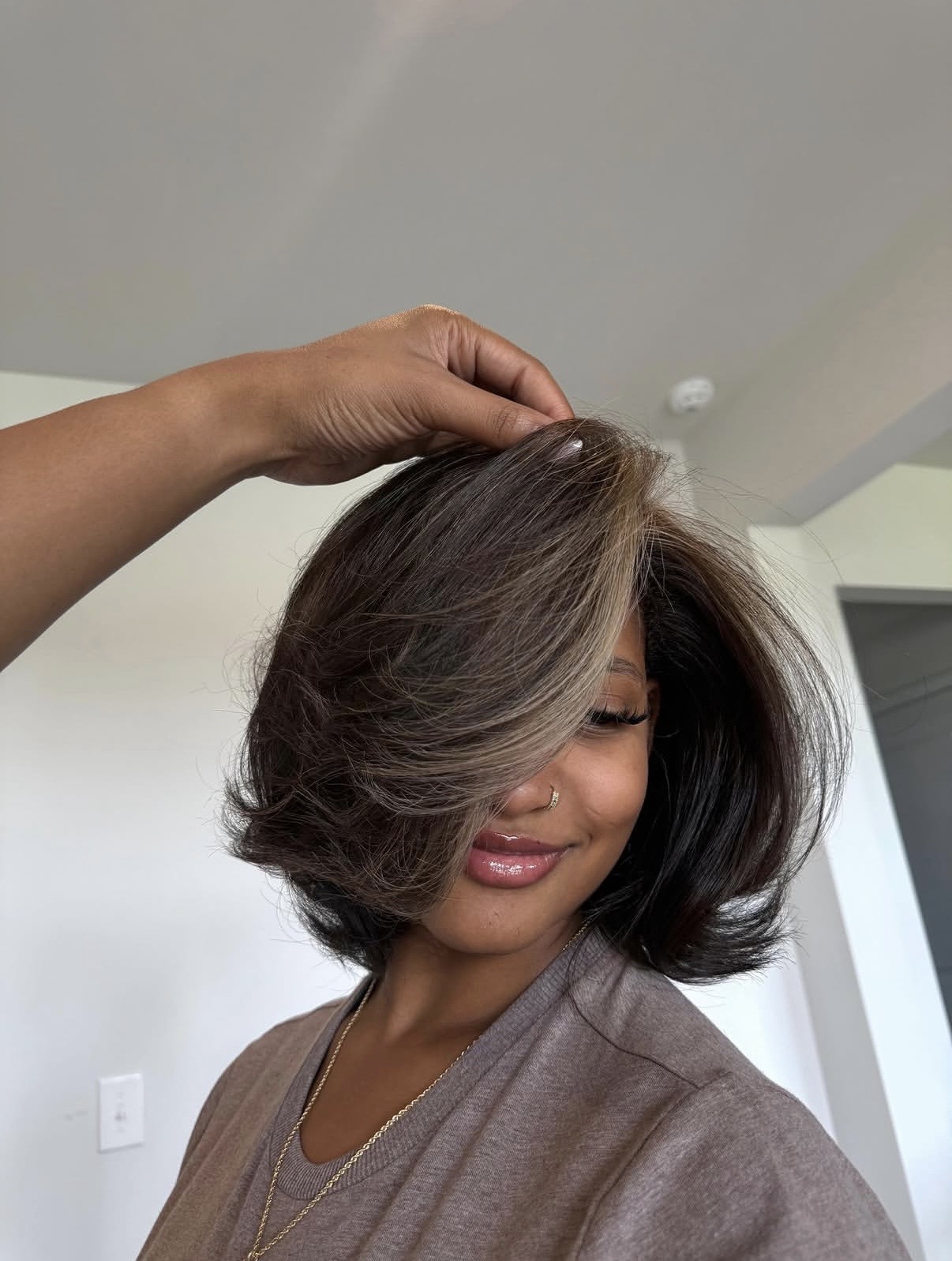
It can, particularly when dark hair needs to be lifted several levels to achieve a pale blonde or very light caramel result. Darker hair often contains more underlying warmth, so achieving a much lighter shade can require significant processing.
That does not mean dark-haired clients should avoid balayage. In fact, caramel, chestnut, honey, and warm mocha tones can create beautiful dimension without requiring the hair to become extremely light.
The smartest approach is to choose a shade that works with your natural depth rather than forcing dark hair into an unnecessarily dramatic level of lift.
Can You Switch from Highlights to Balayage?
Yes, although the transition should be planned rather than treated as a simple technique swap.
If your hair already contains highlights, a stylist can gradually introduce balayage-style placement during future appointments. They may soften the contrast near the roots and add painted pieces through selected areas. They can also adjust the tone so the existing highlights blend into the new color.
The process can take time, especially if your current highlights are very bright or evenly distributed. Trying to transform the color in one appointment can lead to unnecessary lightening, so gradual correction is often the smarter route.
What About Balayage vs. Ombré?
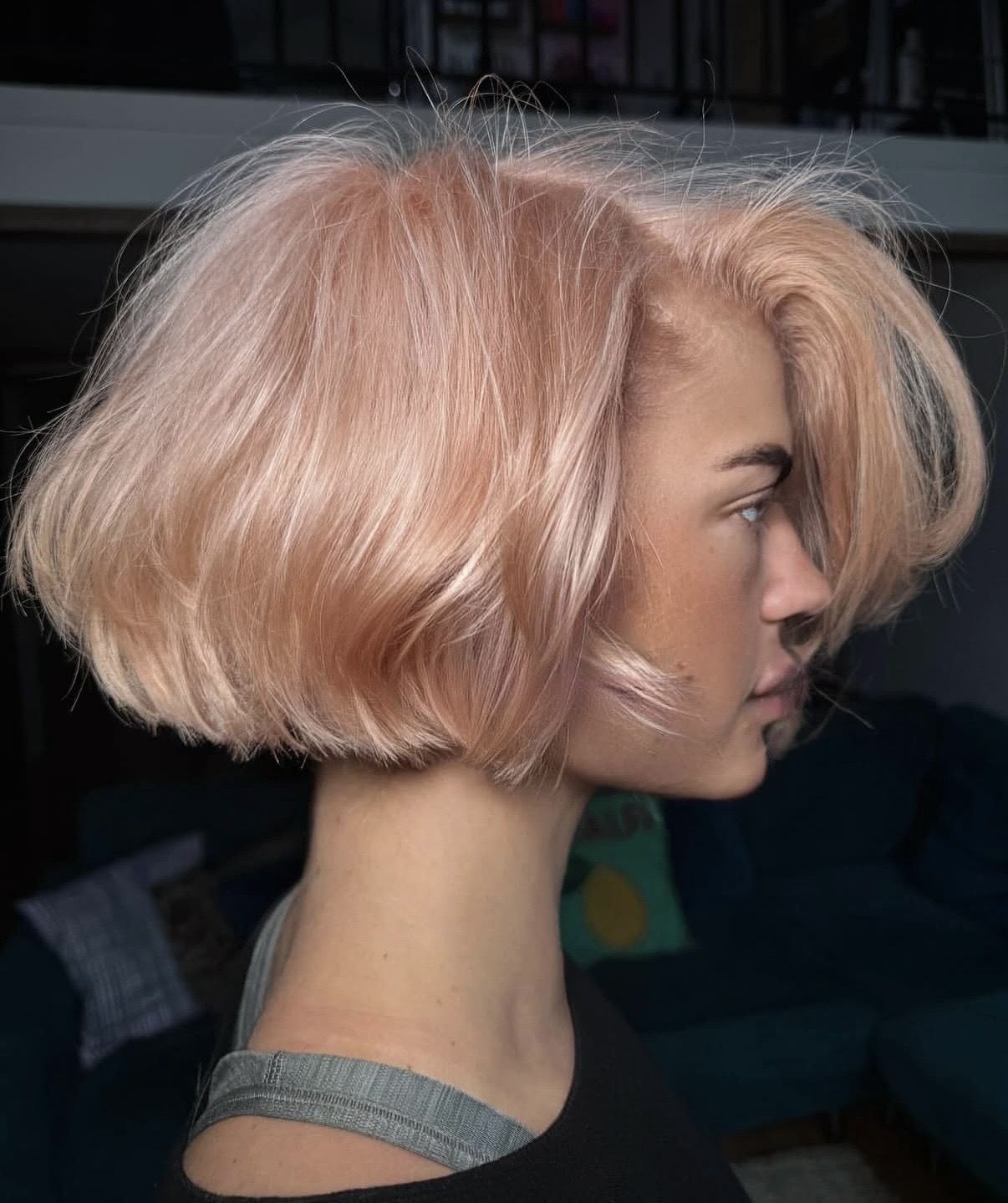
The two techniques are related but not identical. Balayage describes how color is applied, while ombré describes a stronger color transition from darker roots into lighter ends.
A balayage can therefore create an ombré-like finish, but the two terms should not be treated as interchangeable. Ombré generally creates a more visible gradient, while balayage can be much softer and more dispersed.
If your priority is subtle color that grows out naturally, balayage is usually the more flexible option.
Which Technique Should You Choose?
When the priority is low-maintenance color, balayage gets our vote, particularly for people who want lighter dimension without a noticeable root line.
Choose highlights if you want brighter, more controlled placement, a stronger blonde effect, or consistent light pieces throughout the hair. They can still be customized for softer grow-out, especially when fine babylights or root blending are included.
Choose balayage if you want warmth and brightness concentrated through the lengths, a softer root, and greater flexibility between appointments. It is especially appealing for people who want their color to evolve naturally rather than requiring frequent correction.
Ultimately, the two techniques should not be treated as a competition where one works for everyone. Your natural color, hair condition, desired brightness, and salon schedule all matter. The best color service is the one that gives you the finish you want while respecting how much upkeep you are genuinely prepared to maintain.
How to Make Either Procedure Last Longer
Regardless of the technique, the right aftercare can extend the life of your color. Use a shampoo and conditioner made for color-treated hair, reduce excessive heat styling, and use heat protection whenever hot tools are involved.
If your blonde or lightened pieces become brassy, a stylist can recommend a toning service or an appropriate at-home product rather than relying on frequent DIY color corrections. Regular trims can also help keep lightened ends looking healthy.
Most importantly, do not wait until the color looks drastically different before booking your next appointment. A simple gloss, toner, or small face-framing refresh can sometimes bring dimension back without requiring another full color service.
For the woman who wants beautiful color without building her calendar around salon visits, highlights can still work beautifully when they are fine and well blended. However, balayage remains the more forgiving option when long-term upkeep is the priority.
Shop editor’s edit
Featured image: @officialmicah/Instagram