



A new glasses prescription, recurring eye discomfort, and an unexpected change in vision may all send you looking for eye care, but they do not necessarily call for the same appointment. The useful first question is not which practice appears first in a search. It is what you need help with. Understanding the roles of ophthalmologists, optometrists, and other eye-care professionals can make that choice less confusing and help you arrive prepared to explain your concern.
Although these professionals may work within the same practice, their training, responsibilities, and areas of expertise differ. Knowing what distinguishes a routine vision exam from a medical eye evaluation or specialist consultation can help you narrow your options and ask more informed questions when booking. You do not need to identify the cause of a symptom yourself; the goal is to find an appropriate starting point for professional care.
Start With the Eye Concern, Not the Search Results
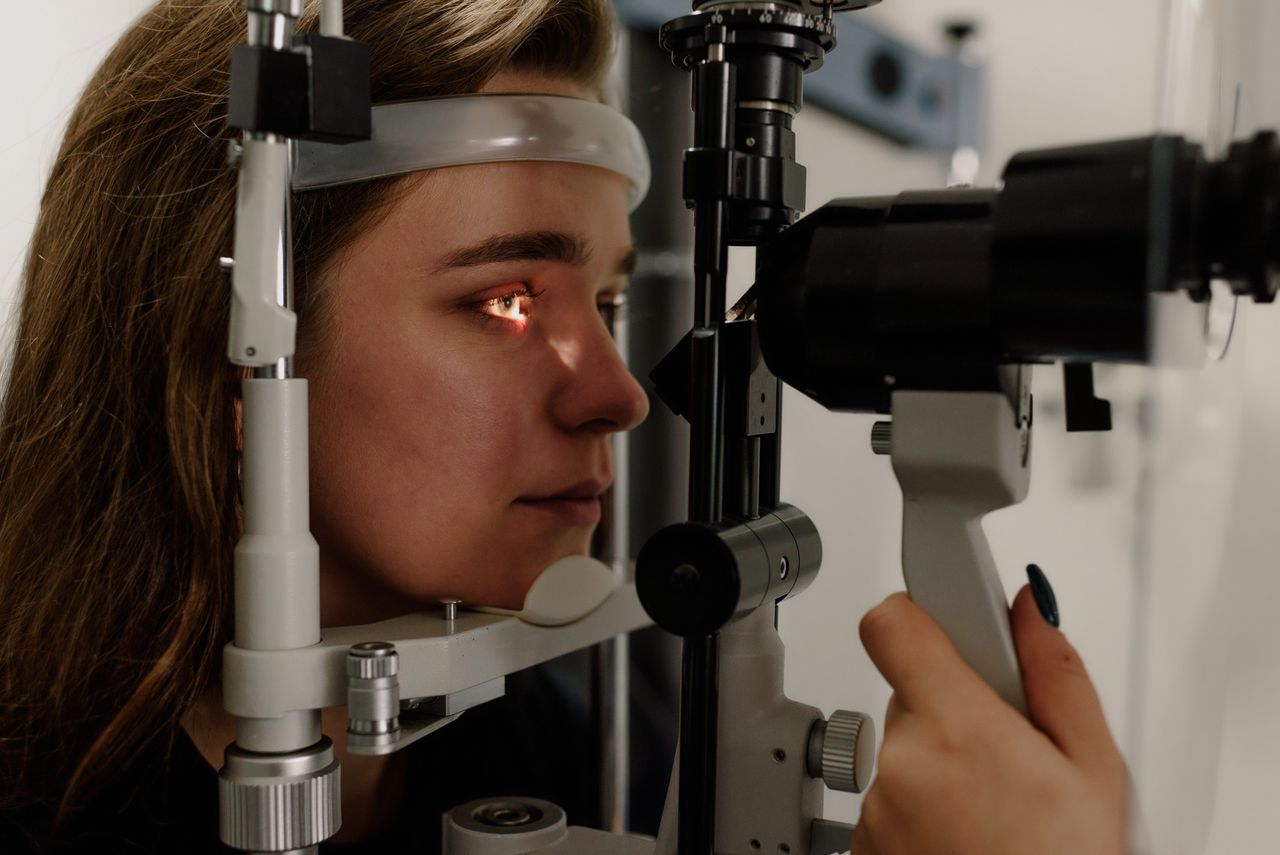
Begin with the reason you want an appointment. If your main goal is to check your prescription or discuss everyday vision correction, a routine vision exam may be appropriate. If you have an ongoing symptom, a known eye condition, or a question about medical or surgical treatment, you may need a different kind of visit. These categories are a starting point, not a way to diagnose yourself: similar complaints can have different causes, and an eye-care professional can help determine what an examination needs to cover.
If you are searching for an ophthalmologist, look beyond the appointment label and consider whether the practice addresses the reason for your visit. A consultation about a diagnosed condition, for example, serves a different purpose from an exam for updated lenses. When you are unsure which appointment is appropriate, briefly describe your concern when contacting the practice. That conversation can help you identify the right type of visit rather than booking solely because a provider’s title is familiar.
What an Ophthalmologist Does—and How That Differs From an Optometrist
An ophthalmologist is a physician with an MD or DO degree and medical and surgical training in eye care. Ophthalmologists diagnose and treat eye diseases, provide medical eye care, and perform eye surgery. Some also specialize in particular conditions or groups of patients. An optometrist holds a Doctor of Optometry, or OD, degree and provides primary vision care, including vision testing and correction. Optometrists may provide other eye-care services as well; the scope of services they are permitted to offer varies by state. The American Academy of Ophthalmology’s explanation of eye-care roles is a useful reference for understanding the differences in training and responsibilities.
That distinction does not mean every vision question must start with a physician. It means the purpose of the visit matters. Someone seeking a routine prescription update may have different needs from someone arranging care for an established eye disease or considering surgery. Opticians have another role: they fit eyewear and help with contact lenses based on prescriptions, but they do not diagnose or treat eye disease. Knowing what each professional does can help you explain your needs without assuming that all eye-care appointments are interchangeable.
When a General Eye Exam May Need a Specialist
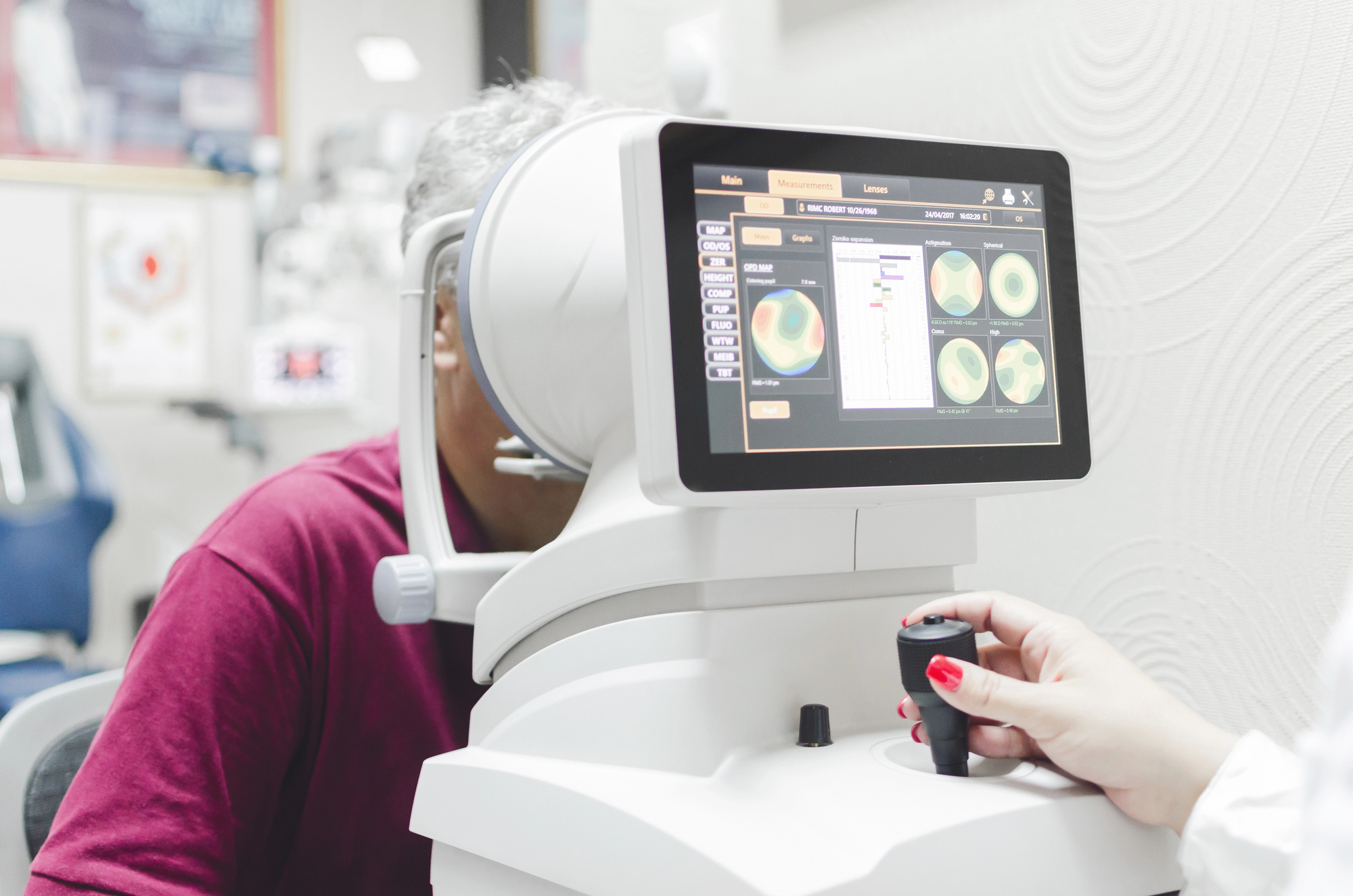
“Ophthalmologist” describes a medical specialty, but it does not tell you everything about an individual physician’s area of expertise. Depending on the question, care may involve an ophthalmologist whose work centers on glaucoma, the cornea, the retina, or children’s eyes. A person with an existing diagnosis may already have guidance about the kind of follow-up they need. Someone with a new concern may first need an examination before a clinician can decide whether specialized care is appropriate.
It can be tempting to match a symptom to a specialty name while browsing services, but that approach can be misleading. Discomfort, blurry vision, and other changes do not reveal their own causes. Instead, tell the practice whether you are seeking routine care, an evaluation of a new concern, or follow-up for a condition you already know about. If another clinician has recommended specialist care, share the reason for that recommendation when arranging the visit. This gives the practice more useful information than an attempted self-diagnosis.
What to Check Before Booking
Once you have identified the purpose of the visit, check whether the appointment offered matches it. A practice may have ophthalmologists, optometrists, and clinicians with different areas of focus. Ask which professional would see you and whether the visit is intended for a routine vision exam, a medical evaluation, or follow-up care. If you have a referral or a diagnosed condition, mention it at the outset so you can ask about the relevant service rather than selecting an appointment based on its name alone.
Practical details matter, too. Ask which records the practice would like to receive, whether you should bring your current glasses or contact lens information, and what to expect from the type of examination you are booking. If insurance coverage or anticipated costs affect your decision, check those details with the practice and your insurance plan before the visit. None of these questions requires you to know what is causing a symptom. They simply help ensure that the people arranging your care understand why you are coming in.
Make the Visit More Useful
A little preparation can make an eye-care conversation more focused. Before the appointment, note what you have noticed and when it began. Has the concern changed, or does it come and go? If you can tell whether one eye or both seem affected, include that detail without trying to interpret what it means. Bring your current glasses or contact lens information if relevant, along with any previous eye-care records you have been asked to provide.
Be ready to discuss medications, existing health conditions, and any eye treatments or examinations relevant to your concern. You can also write down the questions you most want answered: What will the examination assess? Might additional testing or follow-up be needed? Whom should you contact if your symptoms change? This preparation supports a clinical discussion; it is not a substitute for one. If a vision change is sudden, severe, or otherwise alarming, seek prompt medical attention rather than waiting for a routine appointment.
A Broader Practice Model for Different Eye-Care Needs

Some eye-care practices bring routine exams and multiple medical specialties together under one roof. The range of services illustrates why it helps to clarify the purpose of a visit, even when a practice offers several types of care. A request for vision correction and a question about an existing eye condition may require different appointments.
For patients, the value of understanding a practice’s services is practical rather than promotional. A service list can help you identify which questions to ask, but it cannot determine what your eyes need before an examination. Look for the professional role and area of care relevant to your concern, then give the practice enough context to guide the booking conversation. That approach is more useful than treating a long list of specialties as a reason to choose any available time slot.
A Clear Next Step for Eye Care
The right starting point depends on the question you are bringing to the appointment: a routine vision need, a new or persistent concern, follow-up for a diagnosed condition, or a discussion about treatment. You don’t need a diagnosis to ask for help. Describe what has changed, explain what care you have already received, and ask which professional and appointment type best fit that information. Understanding the differences between eye-care roles can make the search simpler while leaving medical decisions where they belong—with the clinician examining your eyes.
Featured image: PeopleImages/iStock
Medical Disclaimer
All content found on the Style Rave website, including text, images, audio, video, and other formats, is created for informational purposes only. The content is not intended to be a substitute for professional medical advice, diagnosis, or treatment. If you think you may have a medical emergency, please call your doctor, go to the nearest hospital, or call 911 immediately, depending on your condition.
—Read also