

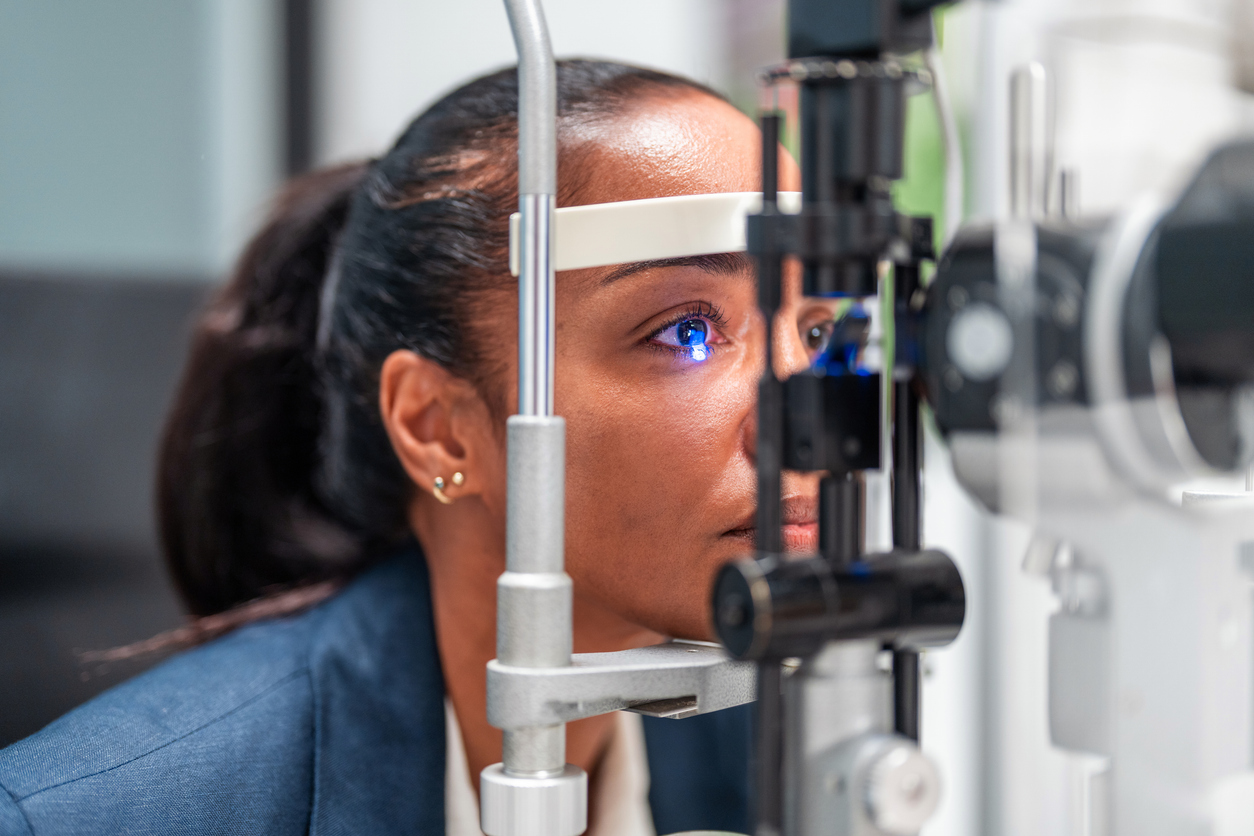

Glasses and contact lenses can absolutely be part of a look. A great pair of frames can add personality, polish, and structure to an outfit, and many people are perfectly happy relying on prescription eyewear every day. Still, anyone who has relied on glasses or contact lenses for years knows there are moments when the upkeep can become a little inconvenient.
There’s the lens case to pack, the solution to remember, the smudges to wipe away, and the backup pair you hope you didn’t forget. For contact lens wearers, there’s also the end-of-day dryness, the occasional irritation, and the careful dance around makeup, skincare, and water.
That’s why many people become curious about laser vision correction. The interest isn’t always about vanity or chasing perfect vision. More often, it’s about exploring whether reducing dependence on glasses or contact lenses could make certain parts of daily life a little easier.
Laser vision correction is still surgery, and it isn’t right for everyone. For some people, glasses or contact lenses remain the best long-term option. For the right candidate, however, needing glasses or contact lenses less often may offer meaningful lifestyle benefits.
Getting Ready Can Feel a Little Less Complicated
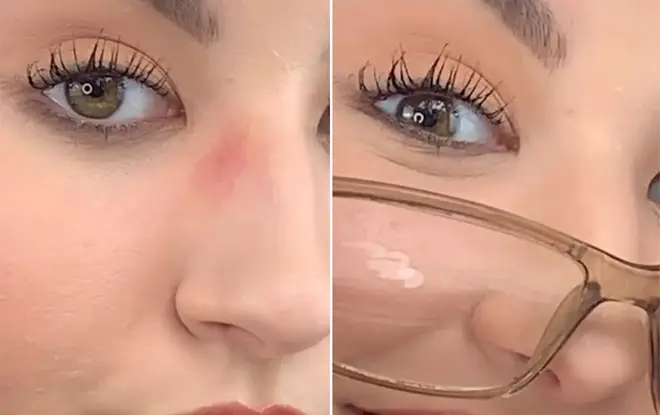
Morning routines already come with enough steps. There’s skincare, hair, makeup, outfit planning, breakfast, emails, errands, school drop-offs, or the commute. When glasses or contact lenses are part of every morning, they become one more detail to manage before the day really begins.
For contact lens wearers, that might mean washing your hands, inserting lenses, checking for irritation, and packing eye drops or backup glasses. For glasses wearers, it might mean cleaning lenses, finding the right pair, or deciding whether your frames work with the day’s outfit, makeup, or sunglasses.
Laser vision correction procedures such as LASIK reshape the cornea so light focuses more accurately on the retina. According to the American Academy of Ophthalmology, LASIK is used to treat common refractive errors, including nearsightedness, farsightedness, and astigmatism.
For people who are suitable candidates and choose the procedure, one of the practical benefits may be fewer steps in their daily routine. Waking up and seeing more clearly without immediately reaching for glasses can make mornings feel simpler. Getting dressed without thinking about how frames complement an outfit may offer added convenience, and leaving the house without contact solution, a lens case, or backup eyewear may feel less burdensome.
That doesn’t mean every person will never need glasses again. Some people may still need prescription eyewear for certain tasks, and many eventually require reading glasses because of normal age-related vision changes. Others may simply prefer wearing glasses at times for comfort or style. But for some people, relying on prescription eyewear less often can make everyday routines feel a little more flexible.
Makeup, Skincare, and Contacts Don’t Always Play Nicely
For beauty lovers, glasses and contact lenses can affect more than vision.
Contact lenses can be tricky around eye makeup. Mascara flakes, eyeliner, powder shadow, setting spray, or skincare residue can irritate the eyes if products get too close to the lenses or tear film. Even when everything is applied carefully, some people notice that their eyes feel dry, gritty, or tired by the end of the day.
Glasses bring a different set of beauty-routine considerations. Frames can leave marks on foundation, slide on moisturized skin, hide eye makeup, or compete with certain sunglasses and accessories. None of that means glasses are a problem. Sometimes, the frames are the whole look. But when prescription eyewear is part of everyday life, it can shape beauty choices in small but noticeable ways.
Contact lens hygiene also matters. The CDC advises contact lens wearers to keep water away from their lenses and remove them before swimming or showering because water can introduce germs that increase the risk of eye infections. That can make pool days, beach trips, spa visits, and even rushed mornings a little more complicated.
For people who reduce their dependence on glasses or contact lenses through laser vision correction, some of those routines may become simpler. Applying makeup may feel more straightforward, planning around contact lenses before water-based activities may become less of a consideration. Choosing sunglasses or beauty looks may feel a little more flexible. At the same time, many people continue to enjoy wearing glasses as part of their personal style, even if they no longer rely on them every day.
Still, laser vision correction isn’t a cosmetic shortcut. It doesn’t change eye shape, treat the skin around the eyes, or guarantee that dryness will never occur. In fact, dry eye is one of the most important topics to discuss before considering surgery.
The FDA notes that LASIK can cause dry eye symptoms, and people with severe dry eye may not be good candidates. Anyone who already struggles with irritation, long hours in front of screens, contact lens dryness, or sensitivity around eye makeup should take a dry eye evaluation seriously before moving forward.
Why Active Days Can Feel More Flexible
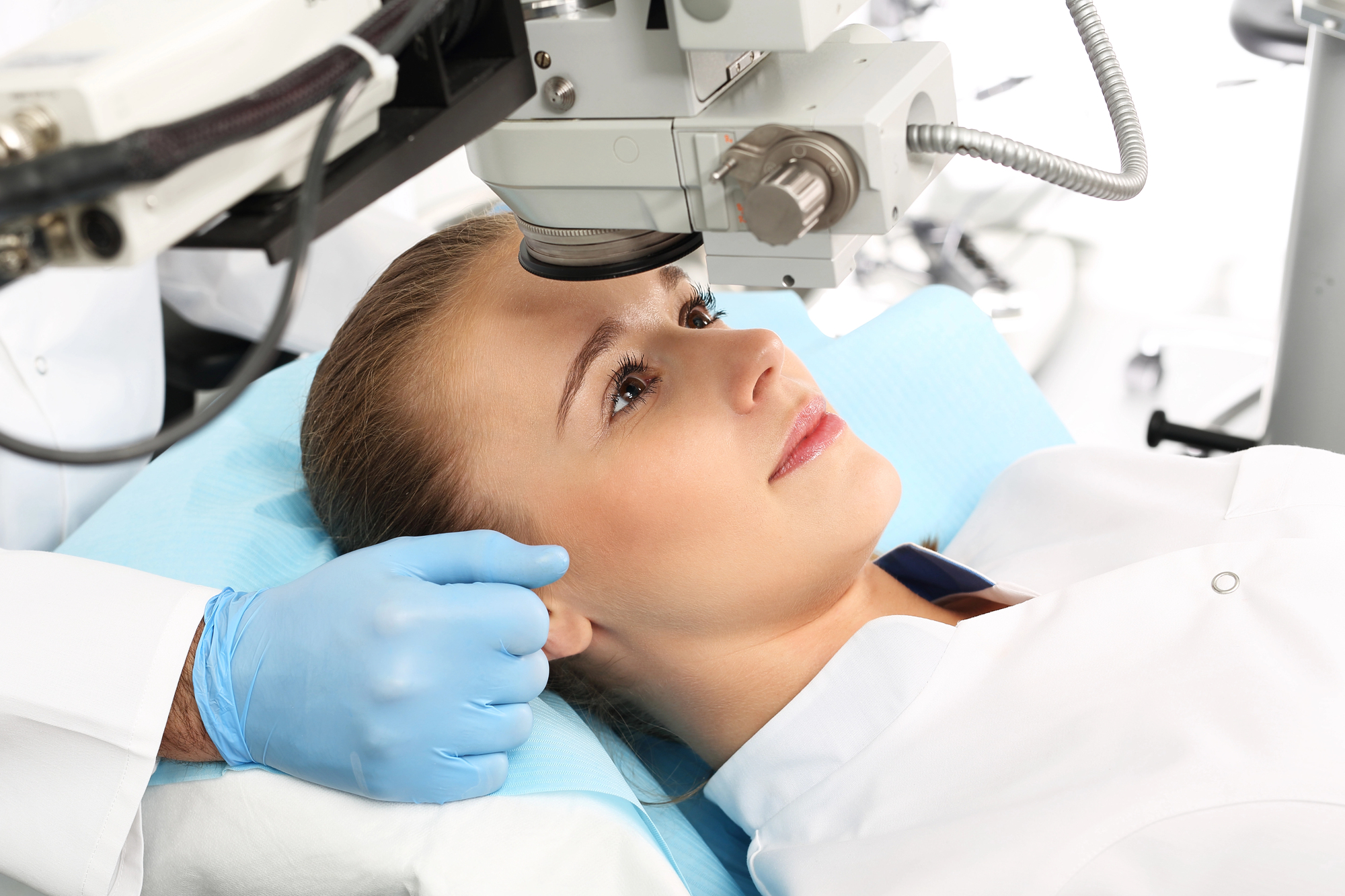
A full day can take you from work to errands to a workout and then to dinner, and prescription eyewear has a way of showing up in every transition.
Glasses may fog up during a run, slip during a workout, or feel awkward under helmets, hats, or protective gear. Contact lenses can dry out in air conditioning, on flights, or during long days outdoors. If travel is involved, there’s also the packing list: solution, a lens case, extra contacts, glasses, sunglasses, eye drops, and backups in case something gets lost.
For people who choose laser vision correction and are suitable candidates, reducing dependence on glasses or contact lenses may make active days feel easier to manage. A gym session may require less preparation. A beach trip or weekend getaway may involve fewer items to pack. Some people also appreciate having fewer “Did I pack my contacts?” moments while traveling or commuting.
It can also offer more flexibility in certain style choices. Non-prescription sunglasses may become easier to wear, and moving between indoor and outdoor settings may require less switching between frames. At the same time, many people continue to wear glasses as a fashion accessory or for specific activities, even if they no longer depend on them every day.
Driving is another practical part of the conversation. Some people rely on glasses or contact lenses for distance vision, and clearer unaided vision may make daily driving feel more convenient. However, nighttime driving deserves a realistic discussion. The FDA warns that some people experience glare, halos, double vision, or reduced contrast sensitivity after LASIK, and these symptoms can affect vision in low-light conditions.
That doesn’t mean everyone will experience night vision problems after laser vision correction. It simply means lifestyle should be part of the consultation. If someone drives frequently at night, works late, travels often, or spends significant time in low-light environments, those habits should be discussed before making a decision.
Still, Eye Health Comes Before Convenience
The lifestyle benefits may appeal to some people, but eye health should always guide the decision.
Not everyone is a candidate for LASIK. The FDA says people may not be good candidates if their prescription has changed within the past year, if they have certain eye diseases, if they have severe dry eye, or if other health factors make surgery riskier. A thorough screening should evaluate prescription stability, corneal thickness, eye surface health, pupil size, age, lifestyle, and medical history.
Recovery also matters. Immediately after LASIK, the FDA says vision may be hazy or blurry, and the eyes may burn, itch, water, or feel uncomfortable during the early healing period. While many people focus on the potential long-term convenience, the recovery process requires just as much consideration.
Patients may need medicated eye drops, artificial tears, activity restrictions, and follow-up appointments. They may also be advised to avoid rubbing their eyes, swimming, dusty environments, or certain cosmetics during early healing, depending on their surgeon’s instructions.
This is why a laser vision correction consultation should feel like a genuine evaluation rather than a quick approval. Patients should understand which procedure is being recommended, why it suits their eyes, what side effects are possible, and what recovery may involve. They should also feel comfortable asking whether LASIK, PRK, SMILE, or another procedure is the most appropriate option.
For anyone considering laser vision correction, the best starting point is honest reflection. Are glasses or contact lenses a minor inconvenience, or do they regularly affect workouts, travel, beauty routines, driving, comfort, or confidence? Are your eyes healthy enough for surgery? Are the potential benefits worth the possible risks and recovery process? For some people, the answer may be yes. For others, continuing with glasses or contact lenses may remain the better choice.
Needing glasses or contact lenses less often can make certain parts of daily life feel more convenient for some people, but the smartest glow-up is still a healthy one. Whether someone chooses laser vision correction or continues wearing prescription eyewear, clearer vision is best supported by careful screening, realistic expectations, and care that puts eye health first.
Featured Image: AzmanL/iStock
Medical Disclaimer
All content found on the Style Rave website, including text, images, audio, video, and other formats, is created for informational purposes only. The content is not intended to be a substitute for professional medical advice, diagnosis, or treatment. If you think you may have a medical emergency, please call your doctor, go to the nearest hospital, or call 911 immediately, depending on your condition.
—Read also