

Sustainable fashion has moved from a niche interest to an expectation. For clothing brands, responsible practices are no longer a nice-to-have, and shoppers increasingly want to know where their clothes come from, who made them, and what materials went into their production. The challenge is that the market is crowded with vague promises and carefully worded marketing claims, so finding brands that deliver on both style and substance takes some filtering.
This guide does that work for you. It begins with how to recognize a genuinely responsible brand, then introduces seven sustainable fashion labels covering everyday basics, outerwear, activewear, denim, cashmere, and artisan-made pieces. The selection includes established names, circular business models, and a Black-owned label that places craftsmanship and local production at the heart of its work. Whether you are replacing a few wardrobe essentials or rethinking how you shop, these are stylish options worth knowing.
How to Tell a Genuinely Sustainable Brand From a Greenwashed One Before You Spend Anything
Marketing language is cheap, so the first filter is evidence. Certifications such as B Corp, Fair Trade Certified, and the Global Organic Textile Standard (GOTS) can give shoppers greater confidence that certain claims have been assessed against established standards. Another worth knowing is OEKO-TEX, which offers testing and certification programs for textiles, including testing for harmful substances.
Each certification covers something different. GOTS sets requirements for organic textile processing and other environmental and social criteria throughout the supply chain. Fair Trade certification focuses on working conditions, wages, and other standards for workers and producers. B Corp evaluates a company’s broader social and environmental performance, accountability, and transparency. OEKO-TEX certifications address different aspects of textile safety and production, depending on the specific standard. A brand with several relevant, independently verified credentials may offer more evidence of its commitments than one relying on a single badge.
Watch for vague wording, too. Be cautious of brands that use terms such as “Conscious” or “Eco” without providing specific information about their materials, production processes, or environmental impact. Look for named materials, identifiable manufacturing partners, and measurable targets. If a product page describes an item as sustainable but cannot explain what makes it so, treat the claim as marketing rather than proof. Finally, check the certification details for the specific product you are buying. A brand may hold a company-level certification or certify one product line without every item meeting the same standard.
Here are seven sustainable fashion brands worth adding to your wardrobe…
#1. Patagonia: The Outdoor Pioneer Known for Fair Trade Certified Production, Recycled Materials, and a Secondhand Shop

Patagonia is a leading provider of outdoor gear and one of the early advocates of more responsible clothing production. Its credentials include Certified B Corp status, Fair Trade Certified production for participating products, organic cotton, and recycled textiles. It also operates a secondhand program called Worn Wear, which gives used pieces another life instead of allowing wearable clothing to go to waste.
The appeal extends beyond technical gear. Fleeces, jackets, and everyday layers are designed for repeated use, making durability an important part of the brand’s approach to sustainability. Buy fewer, better pieces, repair them when needed, and resell or trade them in when you are ready to move on.
Shop editor’s picks
#2. Pact: Affordable Organic Cotton Basics Made in Fair Trade Certified Factories
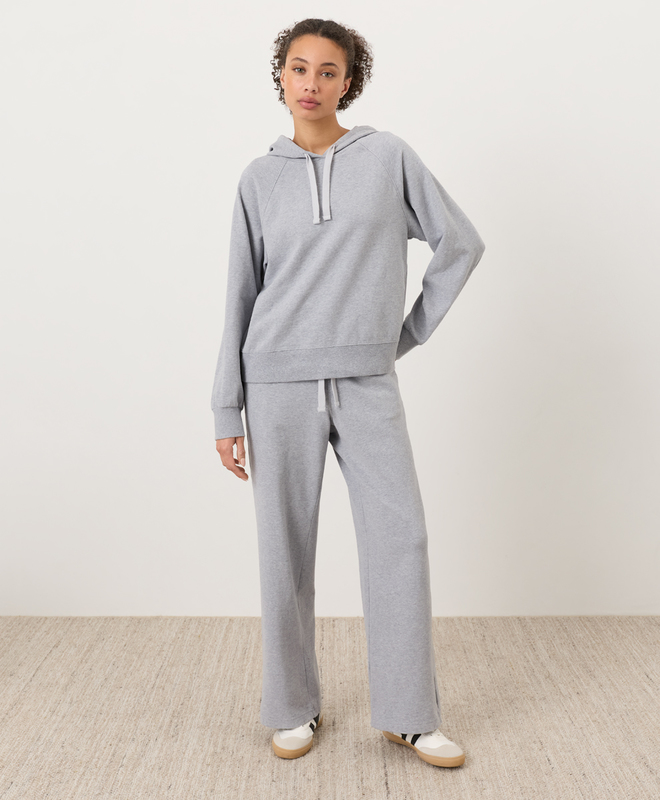
Pact is an accessible entry point for shoppers interested in more responsible everyday clothing. The brand uses GOTS-certified organic cotton and works with Fair Trade Certified factories, a combination that makes it worth considering at this price point. Its range centers on underwear, T-shirts, loungewear, and dresses: the kinds of wardrobe staples you wear regularly and often need to replace.
That makes it a practical place to start. Choosing certified organic alternatives for everyday basics is a meaningful step toward more considered shopping, especially for items you wear often. The relatively accessible prices also make the transition easier. Check the certification details on each product page, as not every item necessarily carries the same credentials.
Shop editor’s picks
#3. Eileen Fisher: Timeless, Circular Womenswear From a Certified B Corp
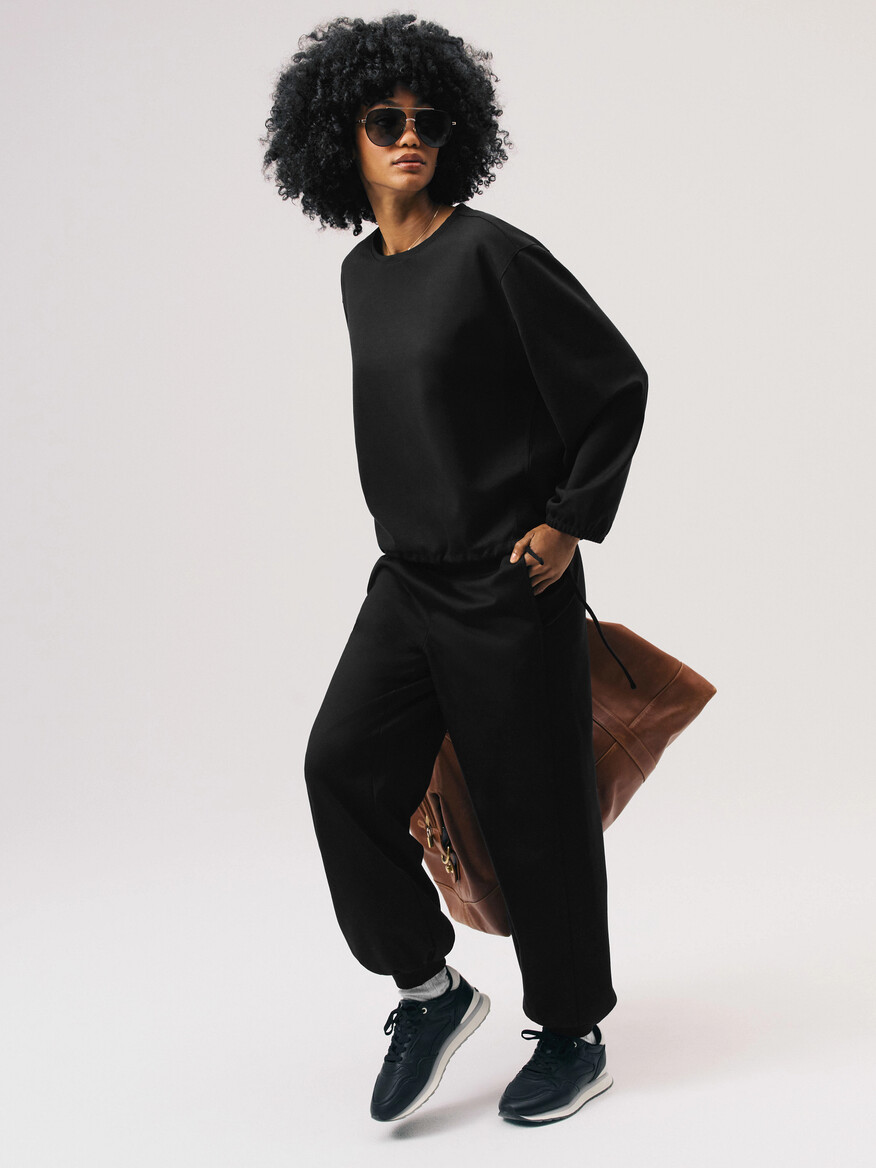
Eileen Fisher has long built its identity around simple, enduring silhouettes. The brand is a Certified B Corp with published emissions targets, and it has made circular fashion a central part of its approach. Through its Renew program, customers can return eligible garments so they can be resold, repaired, or transformed into something new.
The clothes are understated by design: relaxed trousers, soft knits, long cardigans, and easy dresses in muted tones. They are priced as investment pieces, but their versatile shapes and cohesive color palette make them easy to incorporate into a wardrobe for years. It is a good option for anyone building a minimal, capsule-style collection with an emphasis on longevity.
Shop editor’s picks
#4. Girlfriend Collective: Size-Inclusive Activewear With a Focus on Responsible Production
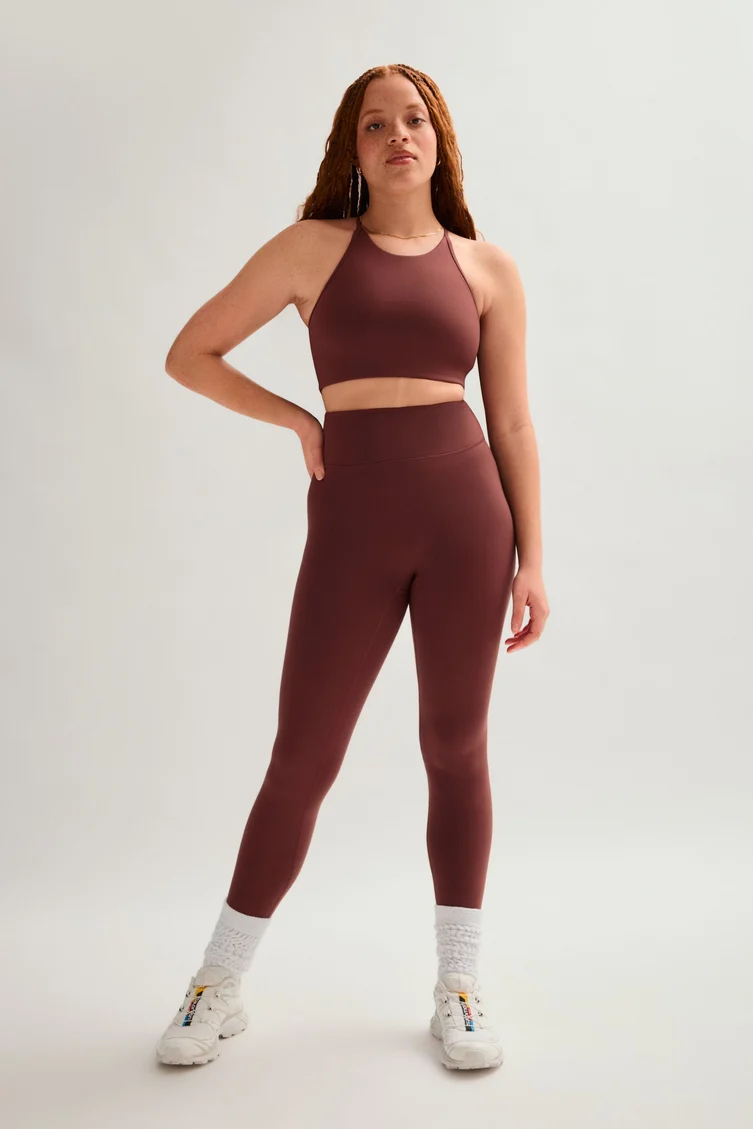
Girlfriend Collective is a popular sustainable activewear brand known for its inclusive sizing, accessible designs, and practical approach to everyday workout clothing. The Seattle-based label highlights credentials that include Fair Trade certification and bluesign-approved manufacturing partners, while its SA8000 certification is associated with independently assessed workplace standards.
Activewear is a category where durability matters because leggings, sports bras, and other workout essentials undergo frequent wear and washing. A brand that combines attention to production standards with an inclusive size range offers shoppers more options when choosing pieces they can use regularly. To extend the life of your purchases, wash them in cold water and air-dry whenever practical.
Shop editor’s picks
#5. MUD Jeans: A Circular Denim Brand That Lets You Lease and Return Your Jeans
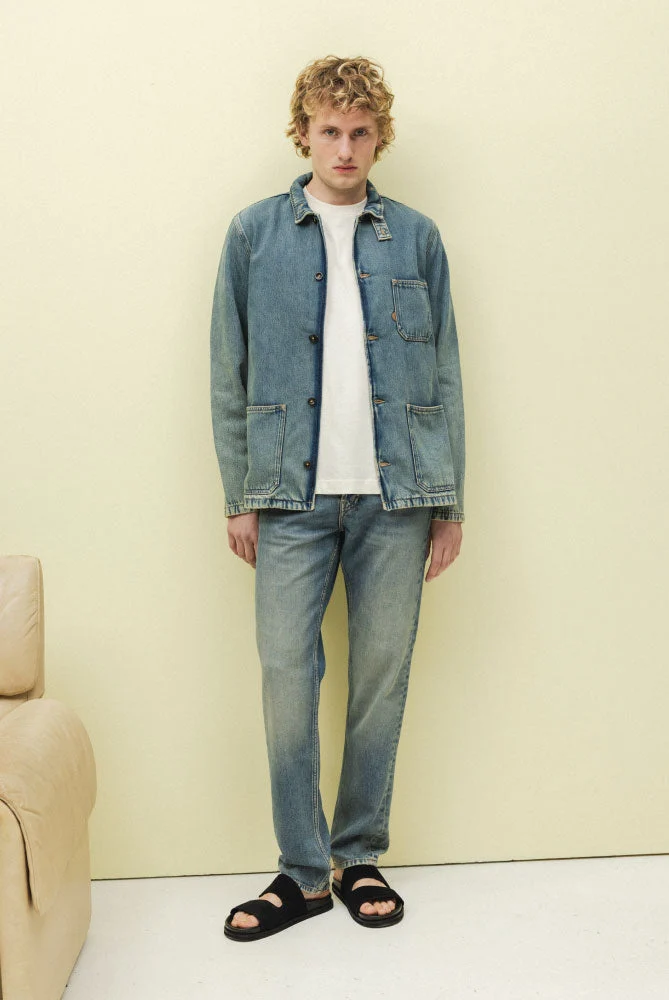
Denim is one of fashion’s more resource-intensive categories, and MUD Jeans addresses some of its challenges through a circular business model. The brand uses recycled materials, incorporates GOTS-certified organic cotton, and holds Certified B Corp status. Customers can purchase jeans outright or use its leasing model and return eligible garments at the end of the agreement, allowing the denim to be reused or recycled where possible.
Transparency is another important part of the brand’s approach. As shoppers become more interested in tracing a garment’s journey, information about materials, manufacturing, and supply chains can help them make more informed decisions. Armedangels and MUD Jeans are examples of labels associated with greater supply-chain visibility. If you wear jeans regularly, MUD Jeans is worth considering as an alternative to conventional denim shopping.
Shop editor’s picks
#6. Naadam: Responsibly Sourced Cashmere for Those Who Want Luxury Without Overspending
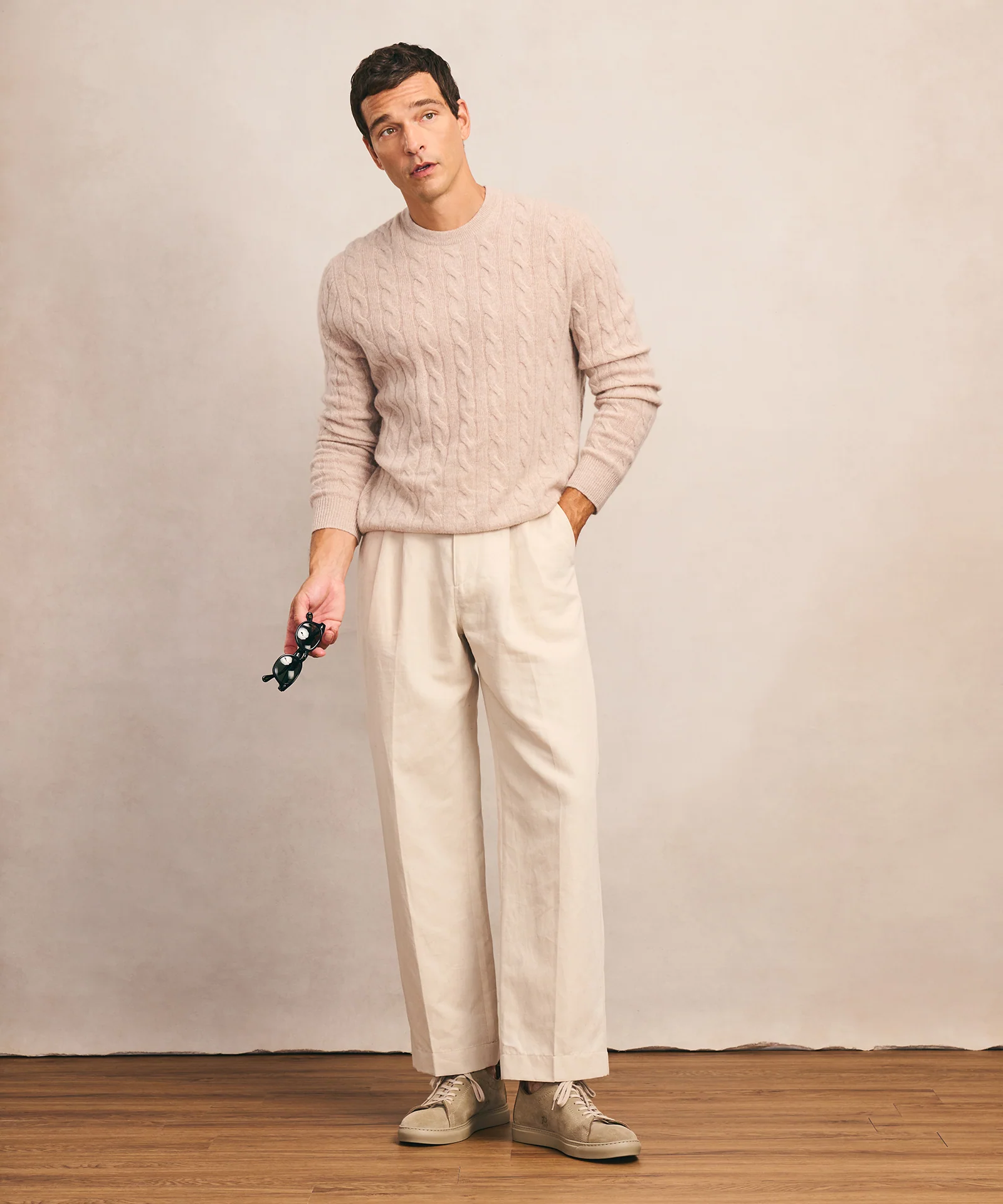
Naadam is worth knowing for its cashmere collection, which aims to make the traditionally expensive material more accessible. Cashmere production raises important environmental questions, from grazing pressure on fragile landscapes to animal welfare and supply-chain transparency. A brand that addresses sourcing and production practices alongside price is therefore an interesting option for shoppers who appreciate the material.
Look for sweaters, scarves, and beanies in neutral tones that work across seasons. A well-made cashmere piece can remain in your wardrobe for years with careful washing, drying, and storage, making it a potentially better long-term purchase than a cheaper knit that quickly loses its shape or develops excessive pilling. Fold cashmere rather than hanging it to help preserve its structure.
Shop editor’s picks
#7. Studio 189: A Ghana-Based Label Celebrating Artisan Craft, Plant Dyes, and Kente Weaving
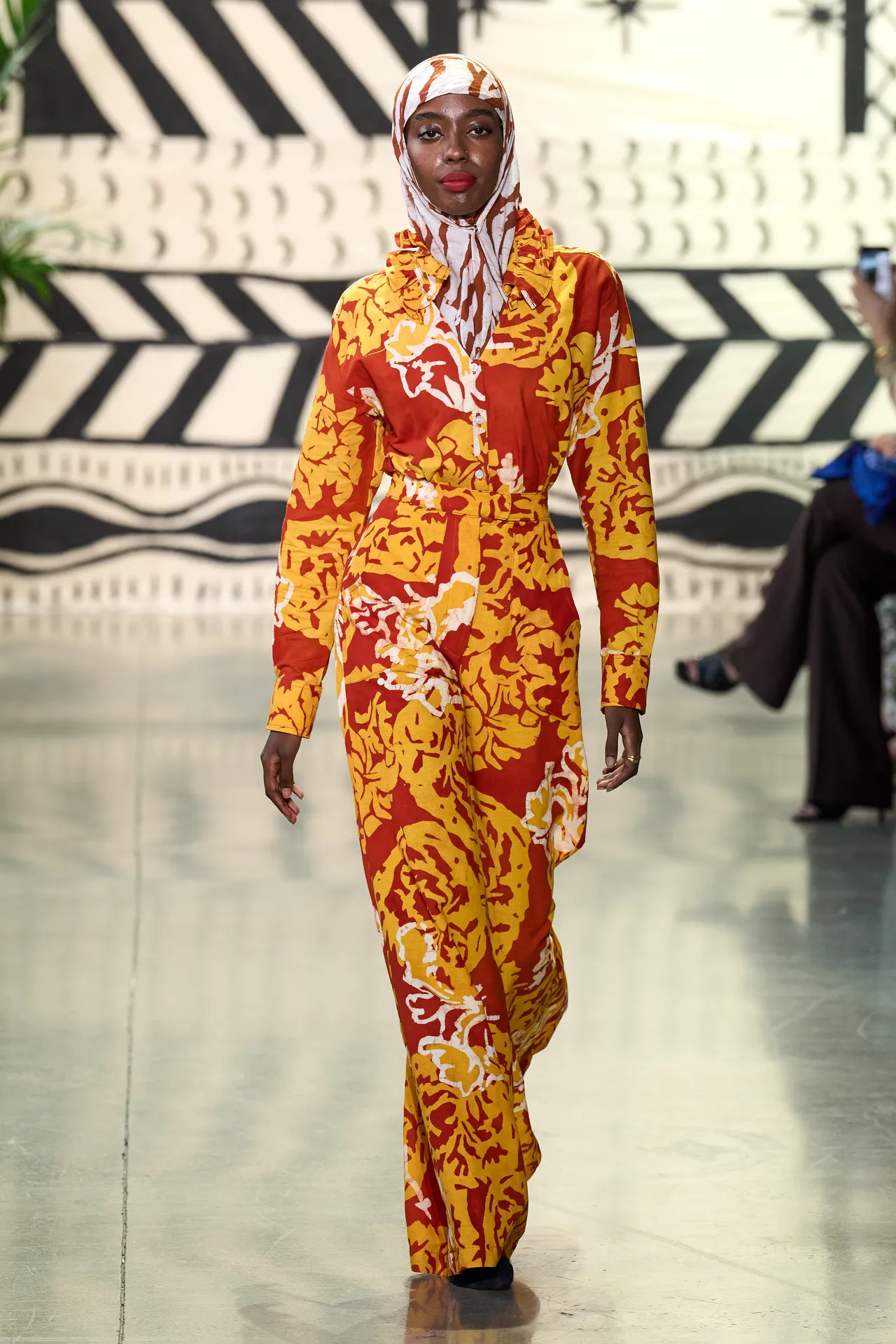
Studio 189 was founded in 2013 by actress Rosario Dawson and designer Abrima Erwiah with a mission to produce clothing more sustainably while supporting African artisans and local creative communities. Artisans in Ghana create garments using techniques that include plant-based dyeing, hand-batik, and kente weaving. The brand has also worked with the United Nations International Trade Centre’s Ethical Fashion Initiative.
Its model places an emphasis on local production, traditional skills, and craftsmanship. Studio 189 says its collections are created in West Africa by local producers, with attention extending to the fabrics themselves. The result is colorful, handcrafted clothing with a distinctive identity and a connection to the people and techniques behind each piece. It also offers shoppers an opportunity to support the growth and visibility of African fashion and artisanal industries through considered purchases.
Shop editor’s picks
How to Build a Sustainable Wardrobe Without Starting From Scratch or Overspending
The most sustainable garment is often the one that already exists. Shopping secondhand can be an affordable way to make more responsible choices, so start by wearing what you own, repairing pieces that need attention, and filling wardrobe gaps with resale finds before buying new.
When you do purchase something new, choose items you expect to wear regularly, rather than buying simply because a trend is popular. Consider the suggested thirty-wear test: ask yourself whether you can realistically see yourself wearing the piece at least thirty times. Check the certifications and material information on the product page, and prioritize brands that explain their manufacturing processes and supply chains in plain language. Spreading purchases over time also keeps costs manageable and gives you room to discover what you genuinely need.
The goal is not a perfect wardrobe, but better habits. Buy fewer pieces, choose them carefully, and look after them well. Over time, these decisions can help create a closet that is both more personal and more responsible.
9 Best Selvedge Denim Jeans for Men to Wear This Fall