
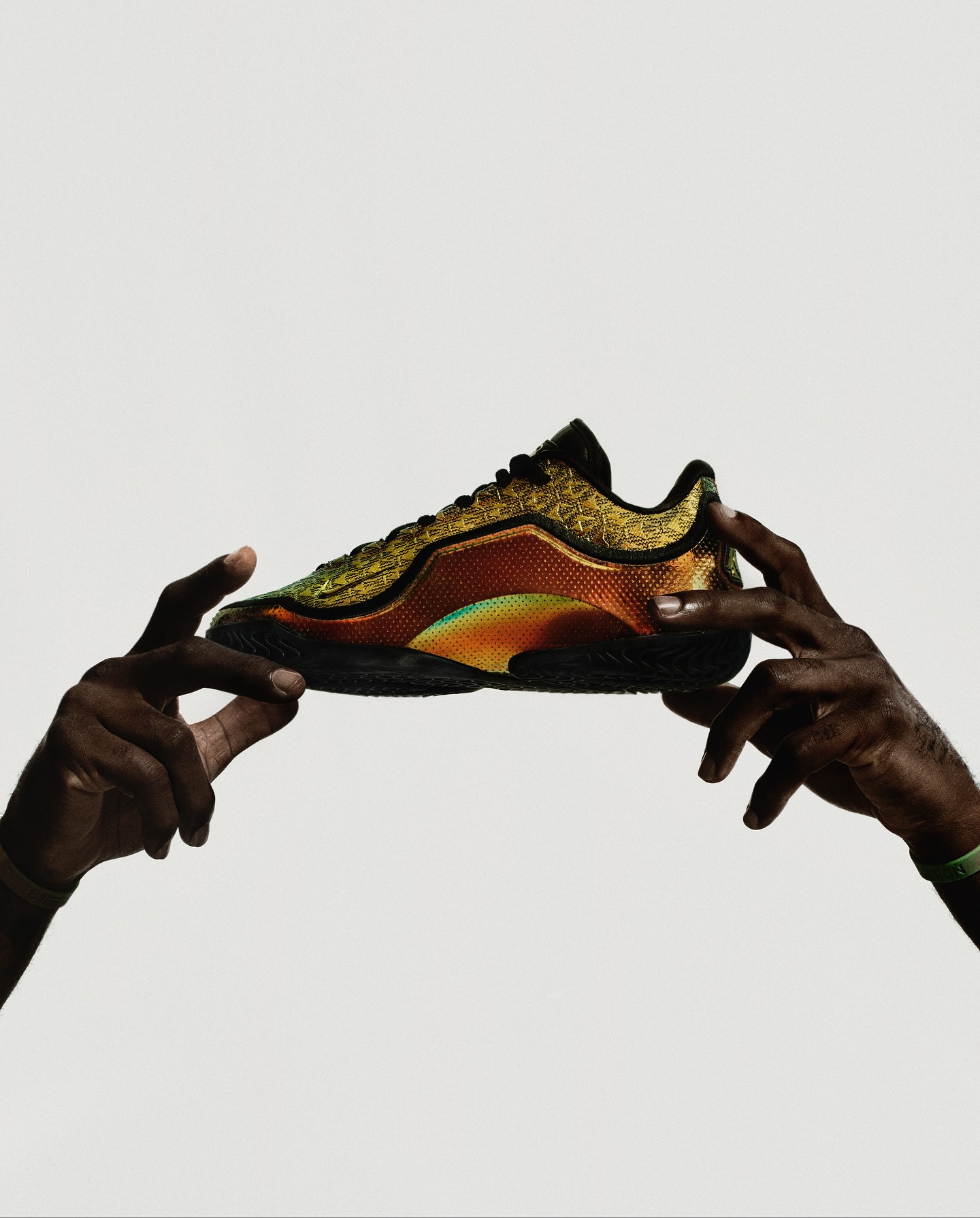

In 2026, sneaker culture has been undergoing a change that becomes clearer when you look beyond the shoes dominating social media. The Air Jordan 1 and Nike Dunk remain recognizable fixtures, but retro running shoes, technical outdoor footwear, and unconventional designer sneakers are competing for attention. Consumers are also confronting a less glamorous reality of collecting: a shoe can sell out at retail and still lose value on the resale market. These developments reveal a shift in what makes footwear desirable, moving the focus away from exclusivity alone and toward a more personal relationship with design, comfort, and cultural relevance.
Understanding this change requires examining how sneakers acquired their status in the first place, how brands now compete for attention, and why the secondary market no longer guarantees easy profits. Sneaker culture has always involved more than buying shoes, but its current direction makes that distinction especially important. The interesting question is no longer simply which pair everyone wants. It is why certain designs connect with particular communities, how long that connection lasts, and what happens when a once-exclusive product becomes widely available.
From Basketball Courts to a Global Cultural Economy
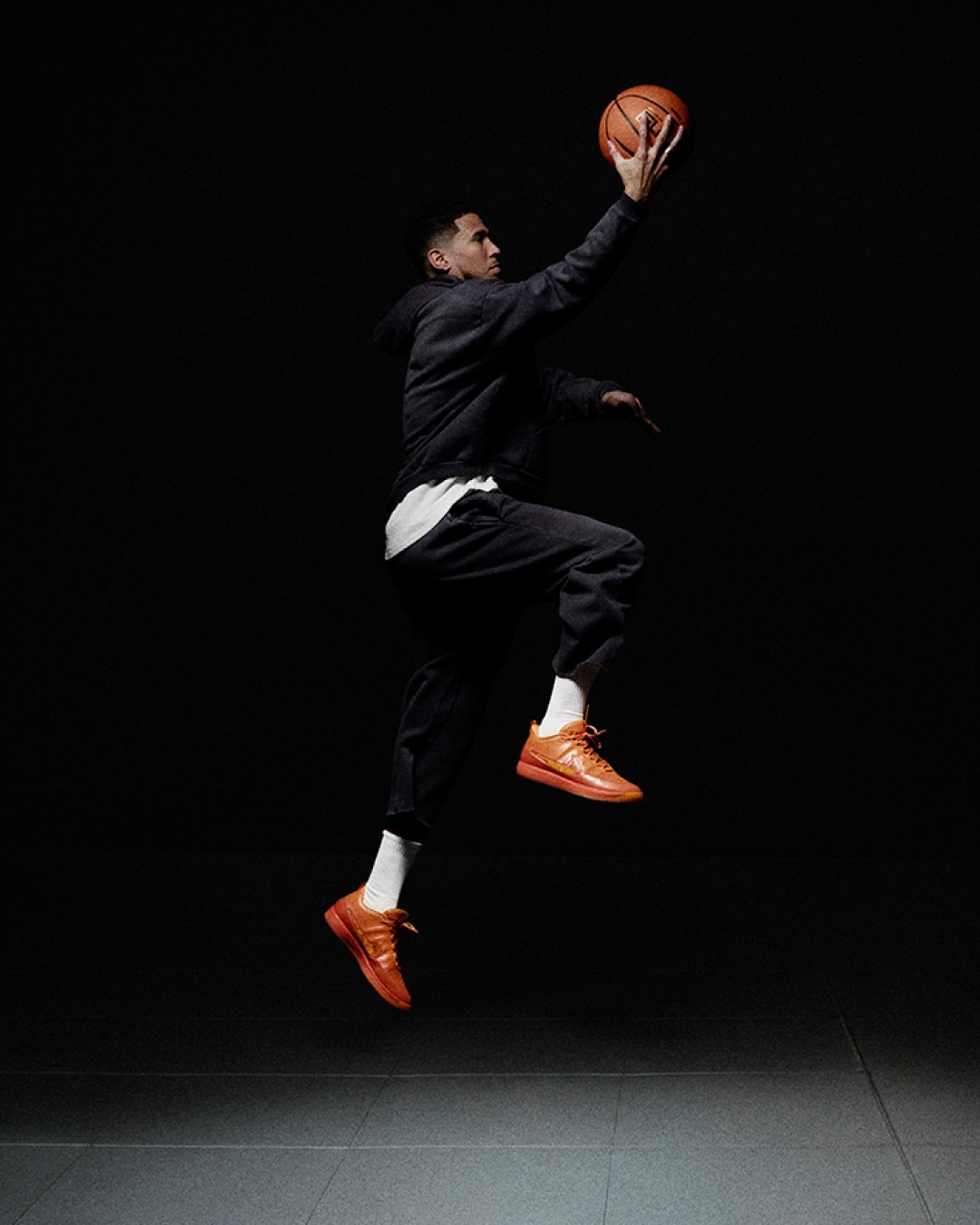
Sneakers developed their cultural significance through distinct communities rather than a single, coordinated fashion movement. Basketball helped establish signature footwear as a vehicle for athlete identity, particularly through Michael Jordan’s relationship with Nike. Hip-hop artists and streetwear communities subsequently made athletic footwear part of a broader visual language, while skateboarders developed their own traditions around durable construction, grip, and recognizable designs.
These histories explain why a sneaker’s meaning can extend beyond its materials or performance. An Air Jordan 1 carries associations with basketball history, but it also belongs to decades of styling, collecting, and reinterpretation. The same principle applies to Vans skate shoes and classic Adidas models, although each has followed a different cultural trajectory.
Today, sneaker culture operates across luxury fashion, sports performance, music, and everyday dressing. This expansion has created more opportunities for enthusiasts to participate without collecting expensive limited editions. It has also made the culture harder to define through a single brand, silhouette, or community.
Running and Technical Footwear Are Having a Moment in 2026
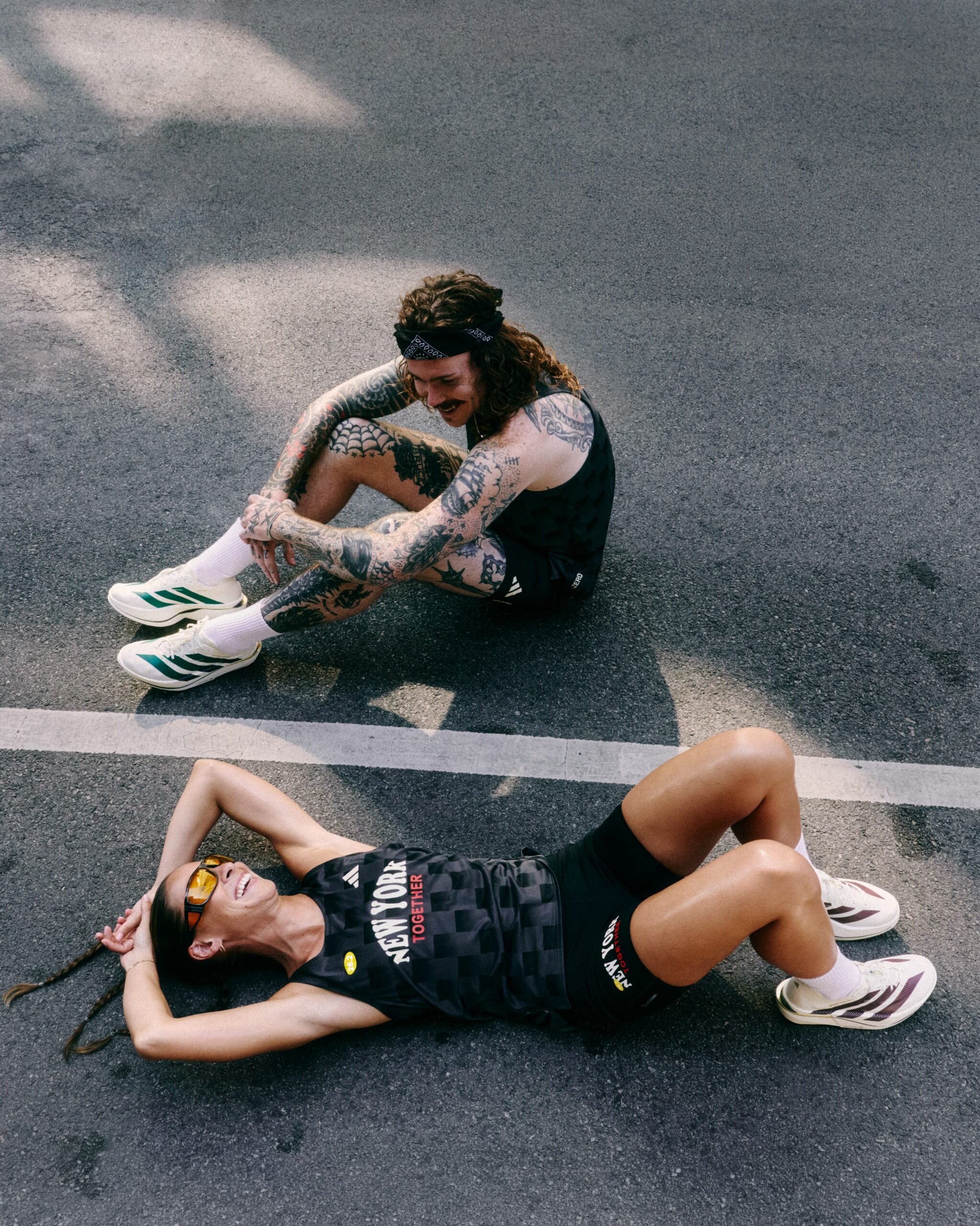
The growing visibility of performance-inspired footwear offers one of the clearest indications of changing consumer preferences. StockX’s 2026 Current Culture Index reported that Mizuno’s sales increased by 124% in 2025, while Maison Mihara Yasuhiro grew by 91%. Saucony and Salomon also recorded increases of 59% and 58%, respectively. Nike, Jordan, Adidas, New Balance, and ASICS nevertheless remained the leading sneaker brands by sales on the platform.
These figures are important because they show established players retaining their influence while less conventional designs attract new interest. Mizuno’s Wave Prophecy Moc, Salomon’s technical silhouettes, and ASICS’ retro running models appeal to different tastes, but each offers an alternative to the familiar basketball-inspired shape.
The appeal is partly practical. Mesh uppers, layered synthetic materials, cushioning systems, and technical outsoles can make performance footwear suitable for everyday wear. There is also a strong visual element: exposed structural details and sport-derived proportions give these shoes a distinctive appearance without requiring prominent luxury branding.
This does not mean basketball sneakers are disappearing. Rather, consumers have more ways to express their interests through footwear, and brands with credible design identities can compete without replicating the traditional hype model.
The Resale Market Is Changing the Meaning of Exclusivity
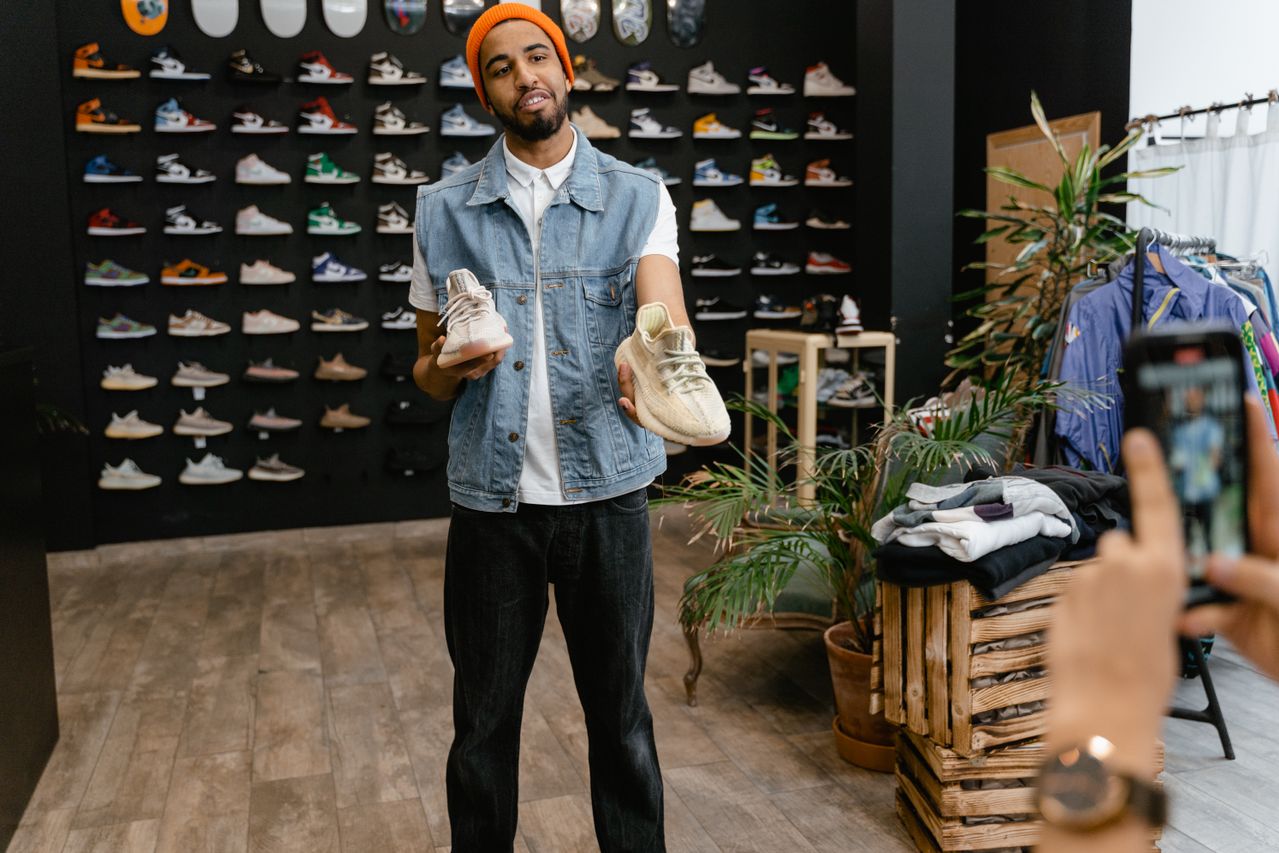
For years, limited releases helped fuel the perception that buying the right sneaker could also be a financial opportunity. Buyers entered raffles, monitored launch calendars, and turned to resale platforms when popular pairs sold out. Scarcity became an integral part of the product’s appeal.
That relationship is less reliable in 2026. A SneakerPing analysis published in August examined 3,538 releases from 31 brands introduced between August 2024 and August 2026. It found that 59.5% had most recently traded below their original retail prices. The median resale price across the sample was 10.6% below retail.
The distinction between asking prices and completed sales is crucial. A seller can list a shoe for hundreds of dollars above retail without finding a buyer willing to pay that amount. Actual transaction prices provide a more useful indication of demand.
For collectors, this changes the calculation. A limited release can still be culturally important without becoming a profitable asset. Buying for personal enjoyment, fit, or design is a more defensible approach than assuming scarcity will produce financial returns.
Collaborations, Archival Designs, and the Search for Authenticity
Collaborations remain valuable because they bring different creative perspectives into familiar footwear categories. An artist might reinterpret a classic model through color and material, while a fashion designer could challenge its proportions or construction. When a partnership reflects a coherent creative idea, the resulting shoe can offer something more substantial than a new logo.
However, collaboration fatigue is a real consideration in a crowded release calendar. Repeated partnerships can make exclusivity seem manufactured, particularly when the resulting products differ little from existing models. Enthusiasts have increasingly good reason to examine the design itself rather than assume that a famous collaborator guarantees quality or cultural significance.
Archival releases present a related challenge. Reissuing an older silhouette can introduce its history to a new audience, but popularity does not automatically preserve the original context. Understanding a shoe’s sporting purpose, subcultural associations, and design evolution helps explain why certain retros resonate while others become temporary trends.
How to Participate Without Chasing Every Release
A thoughtful approach begins with identifying what actually interests you. Some enthusiasts prioritize performance technology, others collect specific eras of basketball footwear, and some approach sneakers as part of a wider wardrobe built around tailoring, denim, or streetwear.
Researching materials, construction, sizing, and release history makes purchasing decisions more informed. It is also worth distinguishing genuine scarcity from marketing language and checking completed resale transactions before paying a premium. For secondhand purchases, condition and authenticity deserve particular attention.
Ultimately, sneaker culture in 2026 is best understood as a collection of overlapping interests rather than a competition to own the rarest pair. Its future will depend not only on what brands release, but also on how people wear, reinterpret, and connect with those designs. The most meaningful sneaker is not necessarily the most expensive one. It is the pair whose history, construction, or appearance gives its wearer a reason to keep choosing it long after the initial excitement fades.
Shop editor’s picks
Featured image: Nike
—Read Also