



Hair is a fiber, and like any fiber, it weakens under repeated stress from heat, friction, chemical treatments, and rough handling. Small amounts of daily wear add up over time, eventually showing up as dryness, breakage, or dull texture. The good news is that healthier styling doesn’t mean giving up heat tools for good. It’s really about cutting back on unnecessary exposure and sharpening your technique. This article covers practical, low-risk habits for drying and styling hair while keeping breakage, dryness, and frizz to a minimum.
Everyday styling choices can have a greater impact than we realize, particularly when the same habits are repeated over weeks and months. How you remove water after washing, detangle damp strands, choose heat settings, and handle your hair between washes all contribute to its overall condition. A few thoughtful adjustments can help limit avoidable stress without making your routine complicated or time-consuming.
Why Everyday Hair-Drying Habits Matter
Understanding What Causes Hair Damage
#1. How Heat Affects the Hair Shaft
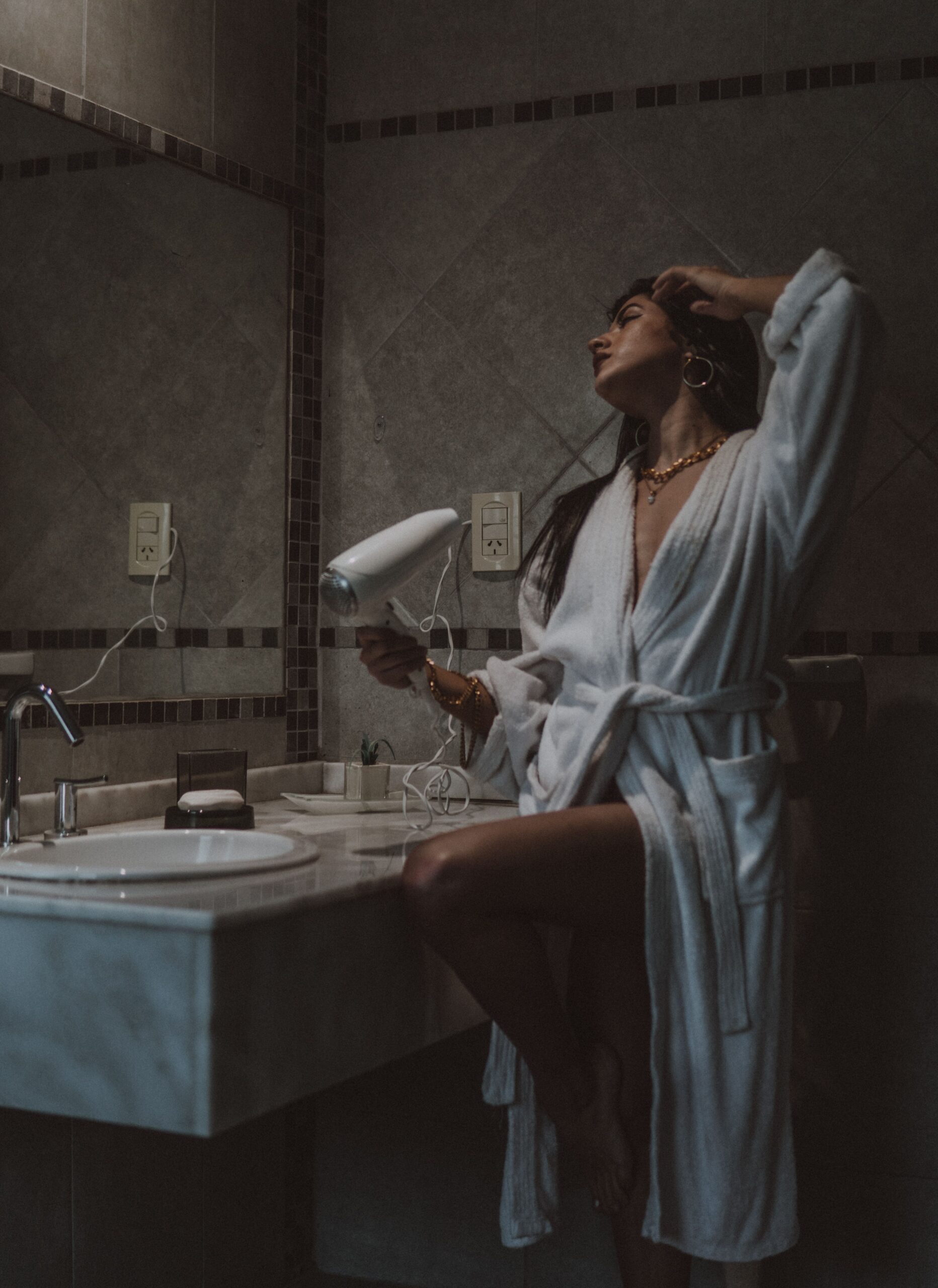
Excessive heat can lead to dryness, weakened strands, split ends, and breakage. It’s worth distinguishing between temporary changes—frizz that disappears after a wash, for instance—and structural damage such as split ends, which can’t be fully undone. How much risk you’re taking on depends on several factors working together: the temperature used, how long heat is applied, how often the tool comes out, and whether the same section of hair gets heated more than once in a single session.
#2. Why Wet Hair Needs Gentle Handling
Wet hair is more vulnerable to stretching and mechanical damage than dry hair. Aggressive towel rubbing, forceful brushing, or yanking through knots can all increase breakage. There’s a real difference between gently absorbing excess water and rubbing hair vigorously—the latter creates unnecessary friction and can rough up the strand’s outer layer. Choosing and using a hair dryer thoughtfully is just one part of a larger routine, which also includes how you detangle, how much heat you apply, and how often you repeat the process.
A Low-Damage Routine From Washing to Drying
#1. Remove Excess Moisture Carefully
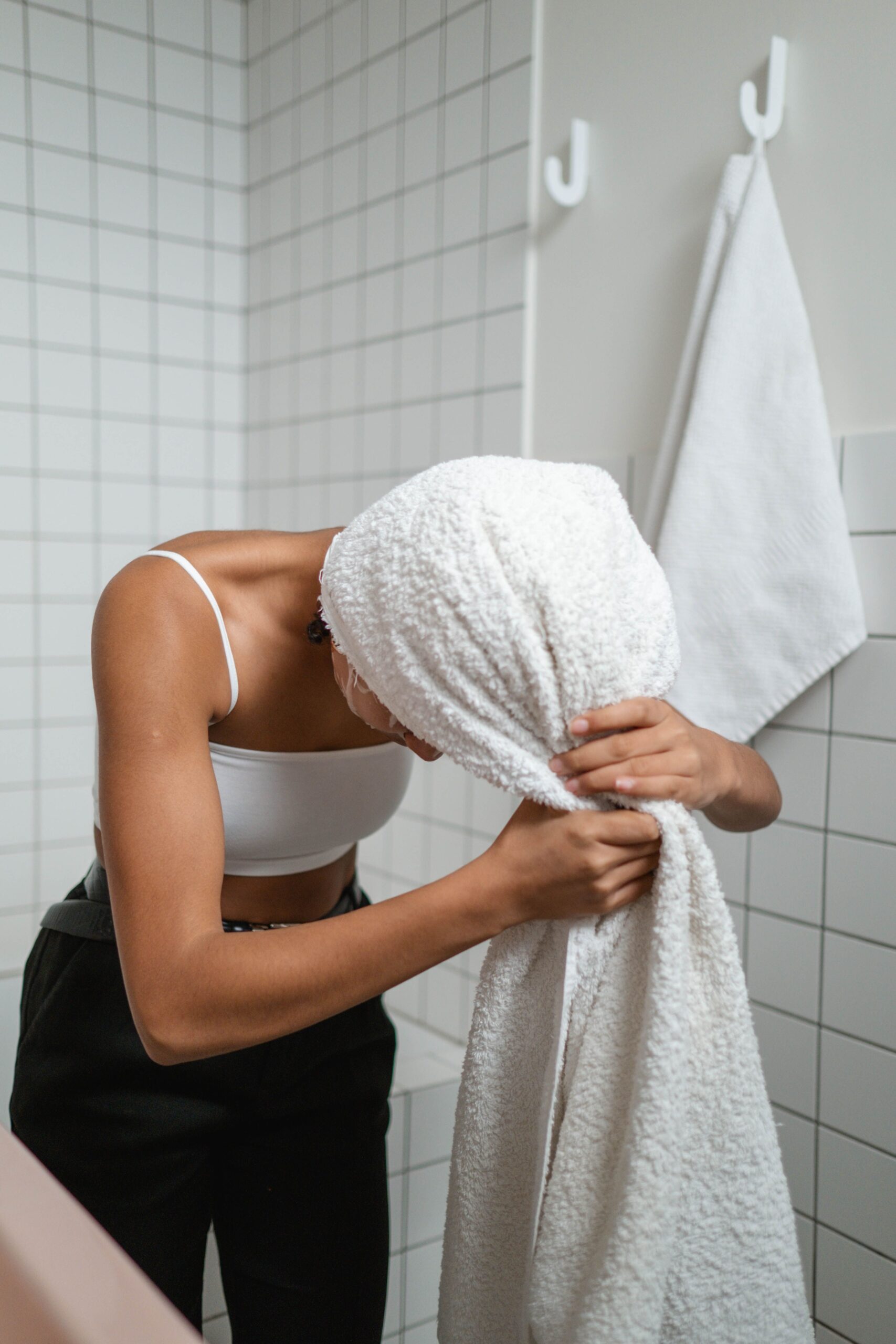
Instead of rubbing, try wrapping your hair loosely in a towel or soft fabric to absorb excess water. This reduces the amount of moisture left to remove before styling and can shorten the heat exposure needed afterward. Just avoid leaving your hair tightly wrapped for long periods if doing so causes discomfort or scalp irritation.
#2. Allow Partial Air-Drying When Practical
Letting your hair partially air-dry before reaching for a heated tool can reduce the time spent applying direct heat. This isn’t a hard-and-fast rule—hair texture, climate, schedules, and styling goals all vary—but it’s a useful option whenever time allows.
#3. Detangle With Minimal Tension
Work from the ends upward using a wide-tooth comb or a gentle brush suited to your hair type. Being patient with knots, rather than forcing your way through resistance, helps prevent unnecessary strain. Different textures often call for different detangling tools and techniques, so choose an approach that works with your hair rather than against it.
The American Academy of Dermatology advises reducing blow-drying frequency, allowing hair to air-dry when possible, and using lower heat settings. These are risk-reduction practices, not guarantees of damage-free styling.
Using Heat Tools More Safely
#1. Choose the Lowest Effective Setting
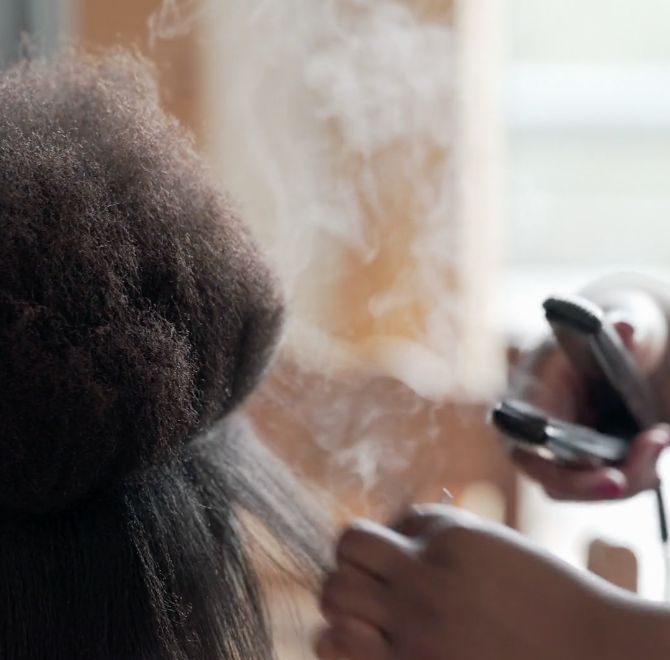
The hottest setting is rarely necessary, regardless of your hair type or styling goal. Start with low or medium heat and increase the temperature only if you genuinely need to. Temperature and distance from the hair should be considered together, since holding a tool close to your strands can increase heat exposure even when using a lower setting.
#2. Keep Heat Moving
Avoid concentrating heat on one section for too long. Repeatedly heating the same strands can increase cumulative stress. Keep the tool moving and maintain an appropriate distance from your hair to distribute heat more evenly across each section.
#3. Use Heat Protection Appropriately
Heat-protective products are designed to help reduce moisture loss and surface stress—not to make hair immune to damage. Follow the product’s directions and apply it evenly as instructed, paying attention to whether it’s formulated for damp or dry hair. Keep in mind that product buildup can affect how your hair looks and behaves over time, so an occasional clarifying wash may be useful if residue accumulates.
#4. Reduce Frequency
Alternating heated styling with air-drying or heat-free looks gives your hair a break from repeated exposure. Planning heat styling around specific occasions, rather than defaulting to it every day, can meaningfully lower your cumulative exposure. Hair that’s already fragile, bleached, or chemically treated generally benefits from using heat less frequently.
Key takeaway: A combination of lower heat, partial air-drying, and gentle handling is more useful for limiting damage over time than relying on any single product or tool. Dermatology guidance supports using the lowest heat setting that achieves your desired style and reducing blow-drying frequency whenever possible.
Adapting the Routine to Different Hair Types and Conditions
Fine or fragile hair generally does better with lower heat and shorter exposure, since it tends to dry quickly and may not need prolonged styling. Thick, coarse, or highly textured hair can often be styled more efficiently when divided into sections, helping you avoid repeatedly heating the same area. Thorough conditioning is also important for maintaining manageability without relying on higher temperatures.
Curly and coily hair benefits from minimizing friction and using techniques that preserve its natural pattern. Directing airflow along the hair shaft and using a diffuser attachment may help manage frizz, although results vary depending on hair texture and styling technique. Chemically treated or color-treated hair is often more prone to dryness and breakage, so reducing overlapping stressors—such as frequent high heat alongside repeated chemical processing—is especially important.
Common Mistakes That Increase Damage
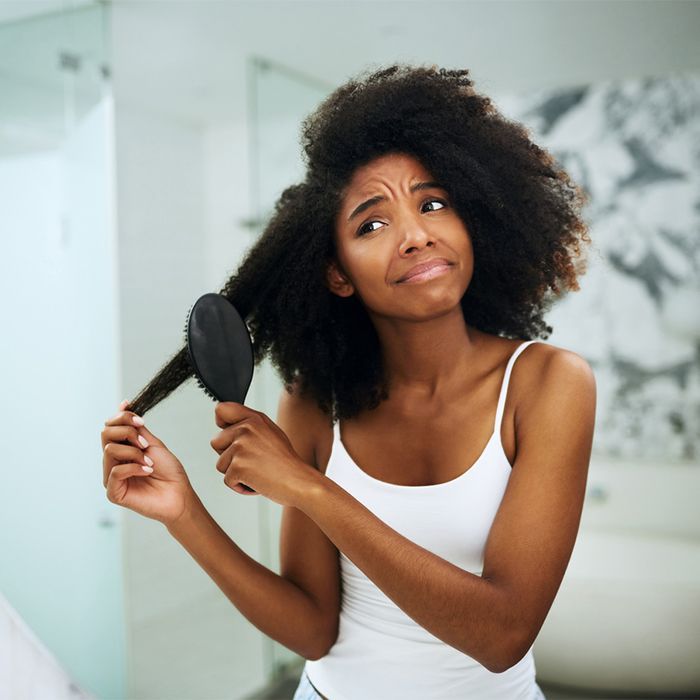
Frequent culprits include rubbing hair aggressively with a rough towel, applying high heat directly to soaking-wet hair for extended periods, holding a heat tool in one spot, restyling the same section repeatedly, brushing forcefully through tangles, and treating heat-protectant use as a license for unlimited heat exposure. Ignoring persistent breakage, scalp pain, itching, or unusual hair loss is another common oversight.
Quick Check Before Styling:
- Has excess water been removed gently?
- Can the hair partially air-dry first?
- Is the lowest effective heat setting selected?
- Is the tool kept moving?
- Would a heat-free styling option work today?
Recognizing When Professional Advice May Help
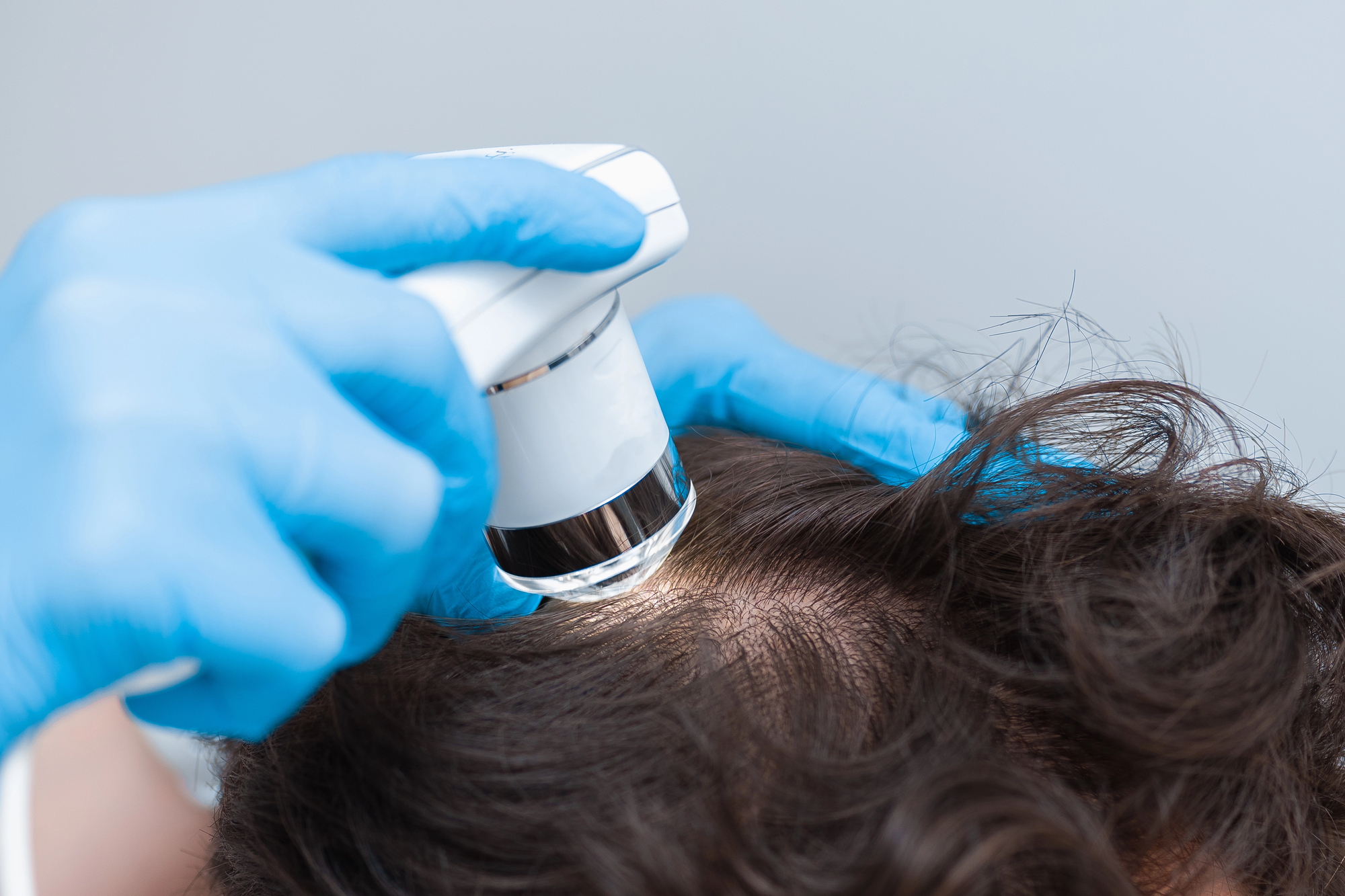
Persistent shedding, sudden thinning, scalp inflammation, or extensive breakage may point to causes that go beyond styling habits. If symptoms are persistent, severe, or unexplained, it’s worth consulting a dermatologist or other qualified healthcare professional. General hair-care advice can’t diagnose the cause of hair loss or scalp disease, and home care shouldn’t replace a proper evaluation when something seems medically wrong.
Building a Sustainable Hair-Care Routine
Focus on consistency rather than piling on a complicated set of products. Pay attention to which habits seem to improve or worsen dryness, frizz, tangling, or breakage. For example, you might shorten your overall drying time by gently absorbing excess water first, allowing your hair to partially air-dry, working in sections, and lowering the heat setting—all without giving up styling entirely. Changing one variable at a time makes it much easier to identify what’s actually working.
Final Takeaways for Healthier Styling
Reducing unnecessary heat exposure, removing water gently, allowing partial air-drying, choosing the lowest effective temperature, and keeping heat tools moving can all help limit avoidable damage. It’s equally important to adapt your routine to your hair’s texture and condition and to seek professional advice for persistent scalp or hair changes.
Start by replacing one habit that may be contributing to damage and observe how your hair responds over the following weeks. Healthy hair care comes down to informed, repeatable choices—not any single tool or product.
Featured image: Polina Tankilevitch/Pexels
—Read also