

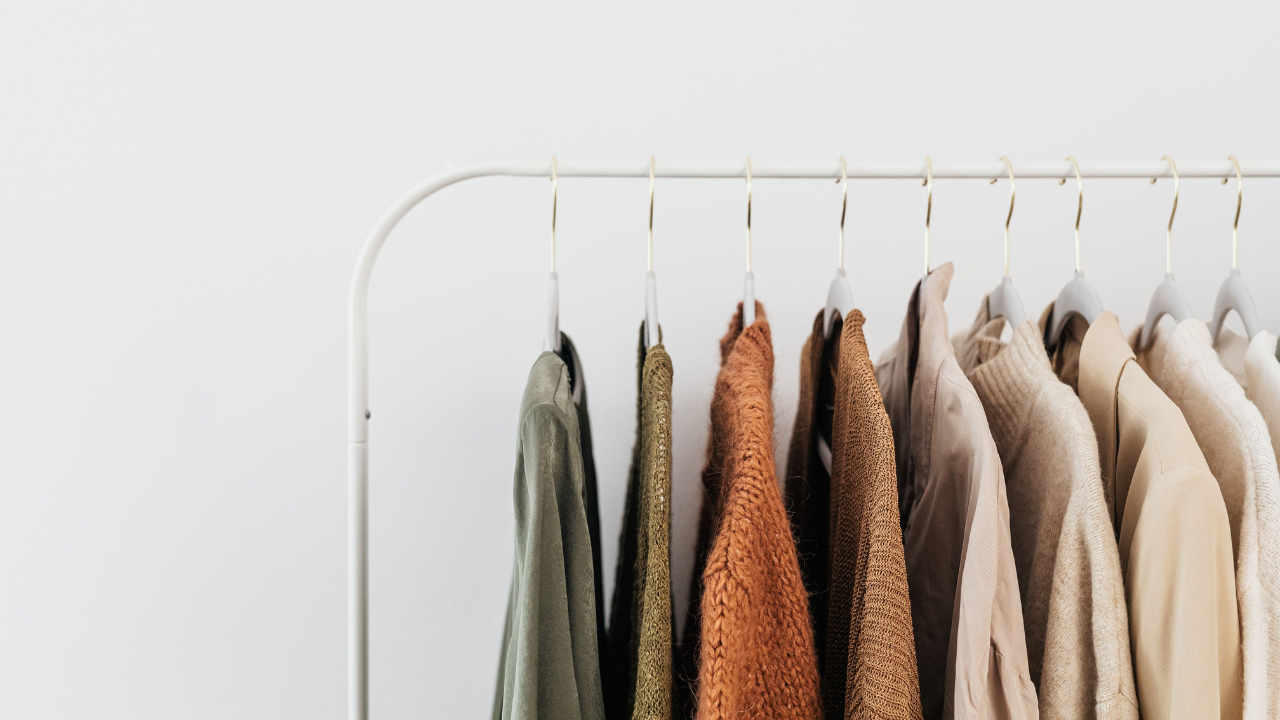

Fashion has spent decades convincing us that more is better: more drops, more colors, more hauls, and more reasons to refresh a wardrobe. Yet the modern closet often resembles an overstuffed algorithm, packed with pieces bought for moments that never arrive. The smarter response is not to abandon fashion. It is to own fewer clothes, choose them carefully, and make each piece earn its place.
The appeal goes beyond sustainability. A smaller wardrobe can make dressing easier, sharpen personal style, and reduce wasted spending. Instead of chasing every trend, you begin noticing fit, fabric, versatility, and construction. The goal is not radical minimalism, but alignment: ensuring your clothes reflect the life you actually live.
The Real Cost of Having Too Many Clothes
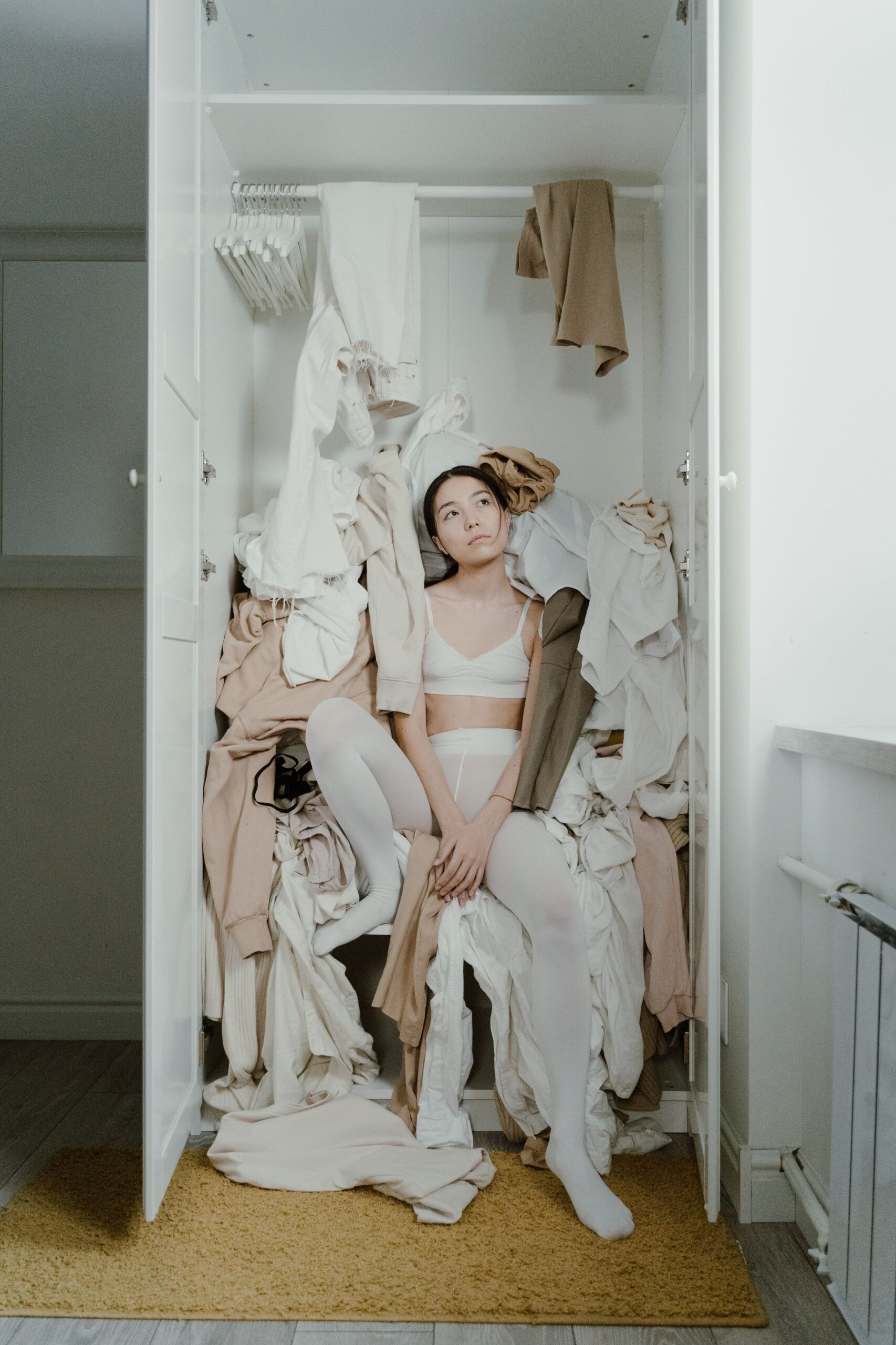
The modern fashion industry makes constant consumption remarkably easy. New collections appear throughout the year, while social platforms turn unfamiliar products into overnight must-haves. However, the environmental cost continues long after the excitement fades. The United Nations Environment Programme (UNEP) estimates that fashion and textiles account for 2–8% of global greenhouse gas emissions. The sector also uses an estimated 215 trillion liters of water annually.
Waste presents an equally serious problem. Around 92 million metric tons of textile waste are generated each year globally, according to UNEP. That is roughly equivalent to a garbage truck’s worth of textiles being landfilled or burned every second. Meanwhile, clothing production doubled between 2000 and 2015, while the average number of times a garment was worn before being discarded fell by 36%.
Water use adds another layer to the problem. UNEP estimates that the textile industry uses the equivalent of 86 million Olympic-sized swimming pools of water each year. A commonly cited estimate also puts the water footprint of a cotton T-shirt at around 2,700 liters. That figure includes water used to grow and process the cotton, not simply the water consumed in a factory.
The point is not that every shirt or pair of trousers causes unacceptable damage. Clothing remains an essential part of everyday life, and different materials carry different environmental impacts. The larger issue is volume. When people buy more garments than they can reasonably wear, resources go into products that may spend most of their lives unused. Buying less can therefore make consumption more deliberate.
Why Fashion Keeps Pushing More
🇨🇱 Images from the Atacama desert, which has become a dumpster for the global fast fashion industry. Over 100,000 tons of clothing, many of them new items with price tags that weren’t sold or used, have been dumped in the Atacama desert in Chile. pic.twitter.com/1IrRA2bw7t
— BT Long Reads (@BTlongreads) January 5, 2022
Social media has changed how quickly fashion trends spread. A jacket can appear repeatedly in short videos, become desirable within days, and disappear from the conversation soon after. That constant movement creates pressure to keep updating your wardrobe. Yet clothes do not become useless simply because an algorithm has moved on to something else.
Fast fashion makes that cycle even easier to maintain. Low prices reduce the hesitation that might otherwise accompany an unnecessary purchase. As a result, people can accumulate several inexpensive pieces without considering whether one well-chosen garment would serve them better. The problem is not affordability itself. It is buying clothes without thinking about how often they will actually be worn.
There is also a growing counterargument within fashion itself. Vintage and archival clothing have become increasingly influential, particularly among celebrities and stylists. Vogue’s 2025 coverage highlighted archival looks worn by Kendall Jenner, Kaia Gerber, Keke Palmer, Cynthia Erivo, and Rihanna. Their choices demonstrated that fashion does not have to be brand-new to remain relevant.
That shift matters because it changes what makes clothing desirable. A garment with history can be more distinctive than something produced for a single trend cycle. Vintage pieces also demonstrate how good design can remain compelling decades after its original release. Wearing something repeatedly is not a failure to keep up; it can be evidence that you know what works for you.
Fewer Clothes Can Improve Your Personal Style
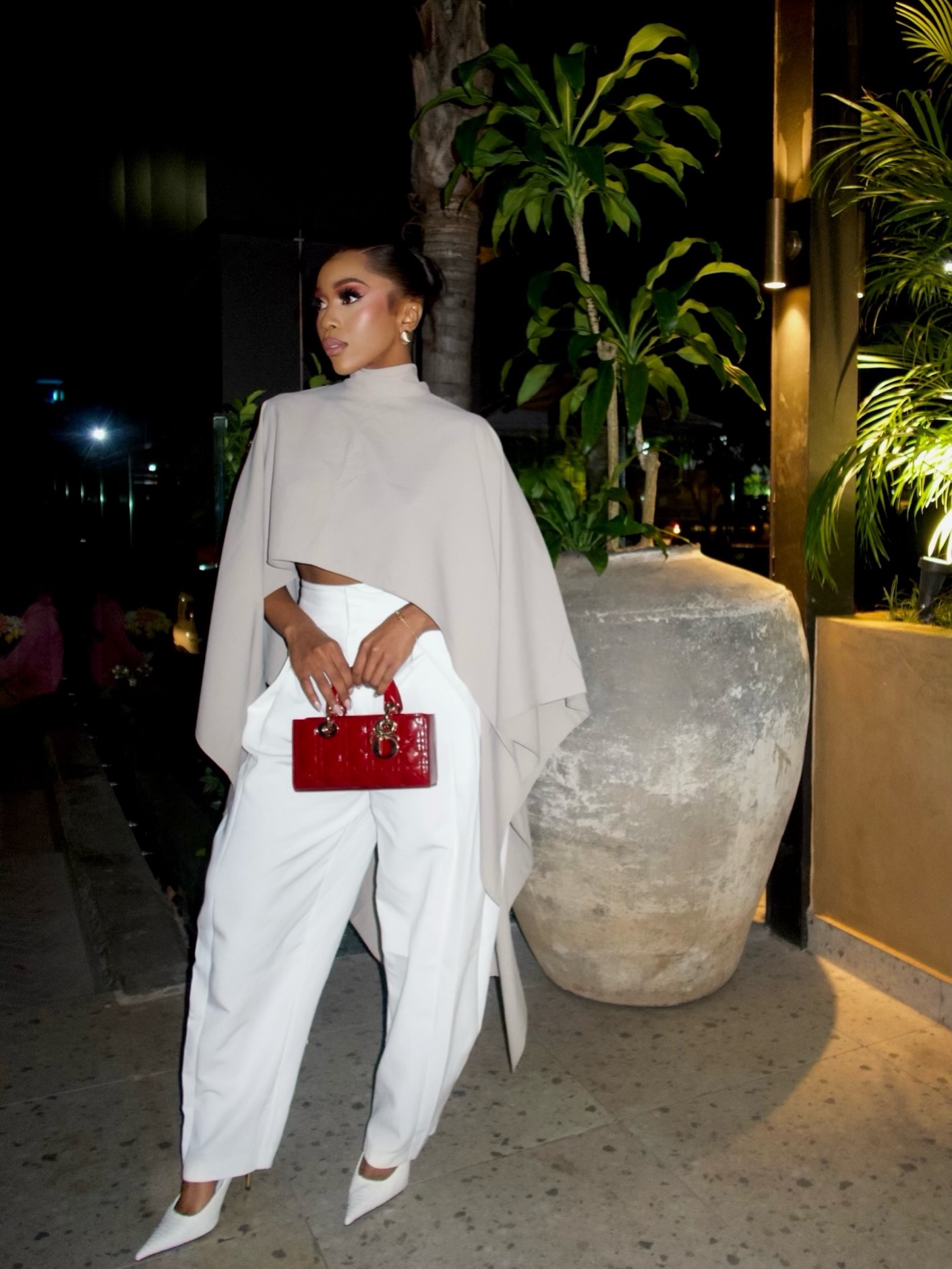
Owning fewer clothes encourages you to pay closer attention to what you genuinely enjoy wearing. Instead of choosing from dozens of similar shirts, you begin to recognize the ones that fit best and work with the rest of your wardrobe. Frequently worn trousers, jackets, and shoes reveal your real preferences. Over time, those patterns become a much clearer expression of personal style.
A smaller wardrobe can also make getting dressed easier. When most pieces work together, you spend less time wondering what goes with what. A versatile navy jacket, well-fitting trousers, simple shirts, and dependable shoes can create far more outfits than their individual numbers suggest. The objective is not to make every outfit identical. It is to make more of your clothes useful.
This approach also makes trends easier to navigate. You can enjoy a new silhouette or color without immediately rebuilding your wardrobe around it. Instead, ask whether the trend suits your existing style and whether you will still want to wear it next year. If the answer is no, leaving it behind is not missing out. It is knowing your wardrobe well enough to say no.
Better Does Not Always Mean More Expensive
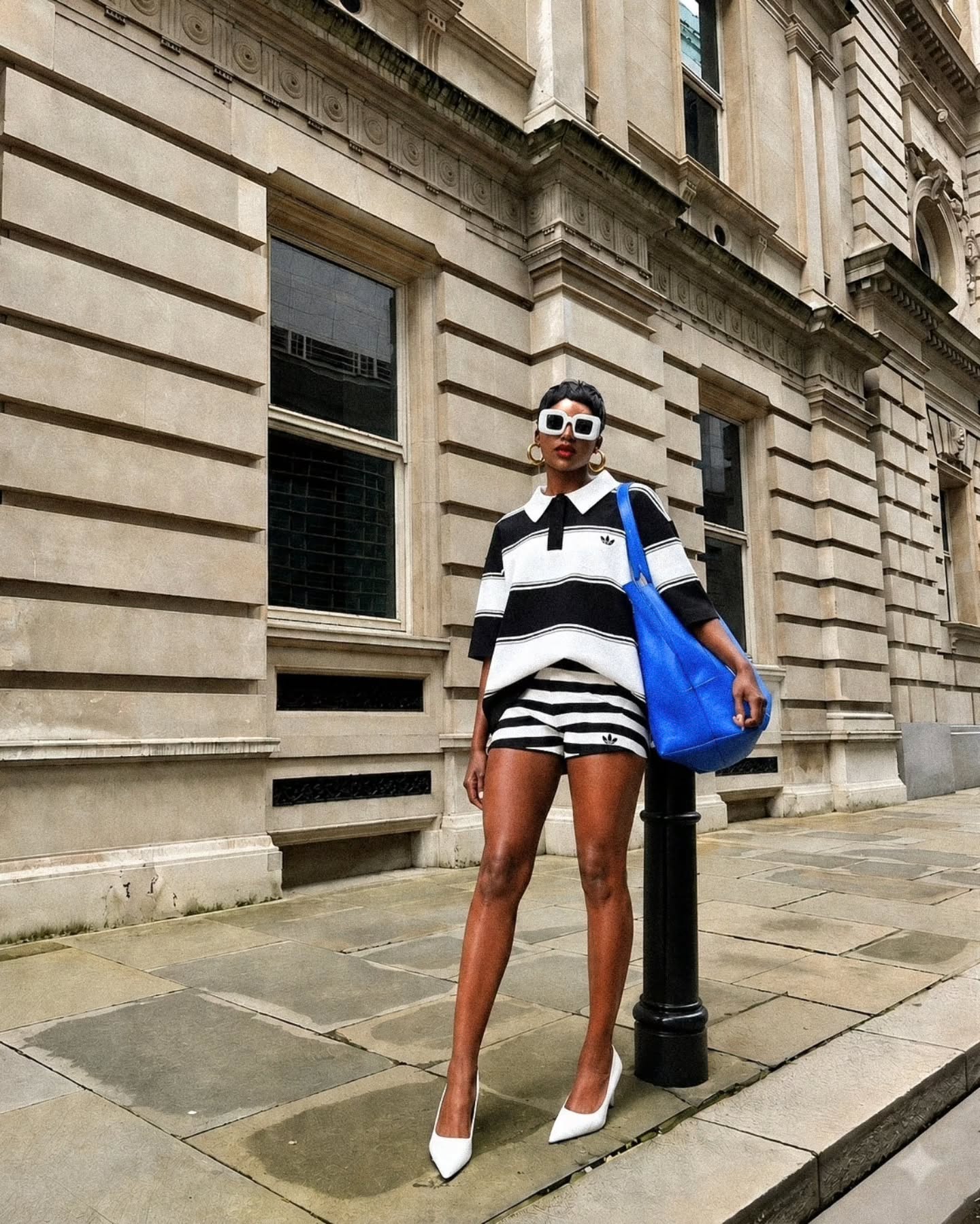
Buying better clothing does not simply mean buying expensive clothing. Price can reflect materials, construction, and brand positioning, but a high price does not guarantee durability. A well-made garment from an affordable brand can outperform an expensive piece with poor construction. The more useful question is whether the garment is made well and whether you are likely to wear it often.
Cost per wear can help make that decision clearer. Imagine spending £150 on a jacket and wearing it 100 times. That works out to £1.50 per wear. A £40 jacket worn only 10 times costs £4 per wear. The calculation does not prove that expensive clothing is always better. Instead, it illustrates why frequent use can matter more than the original price alone.
Quality also becomes easier to judge when you know what to examine. Look at the stitching, fabric, buttons, zippers, and overall construction. Check whether the garment is comfortable to wear and whether it holds its shape as you move. Most importantly, consider whether it works with clothes you already own. A beautiful piece that never leaves the wardrobe is still a poor purchase.
How to Build a Smaller, Better Wardrobe
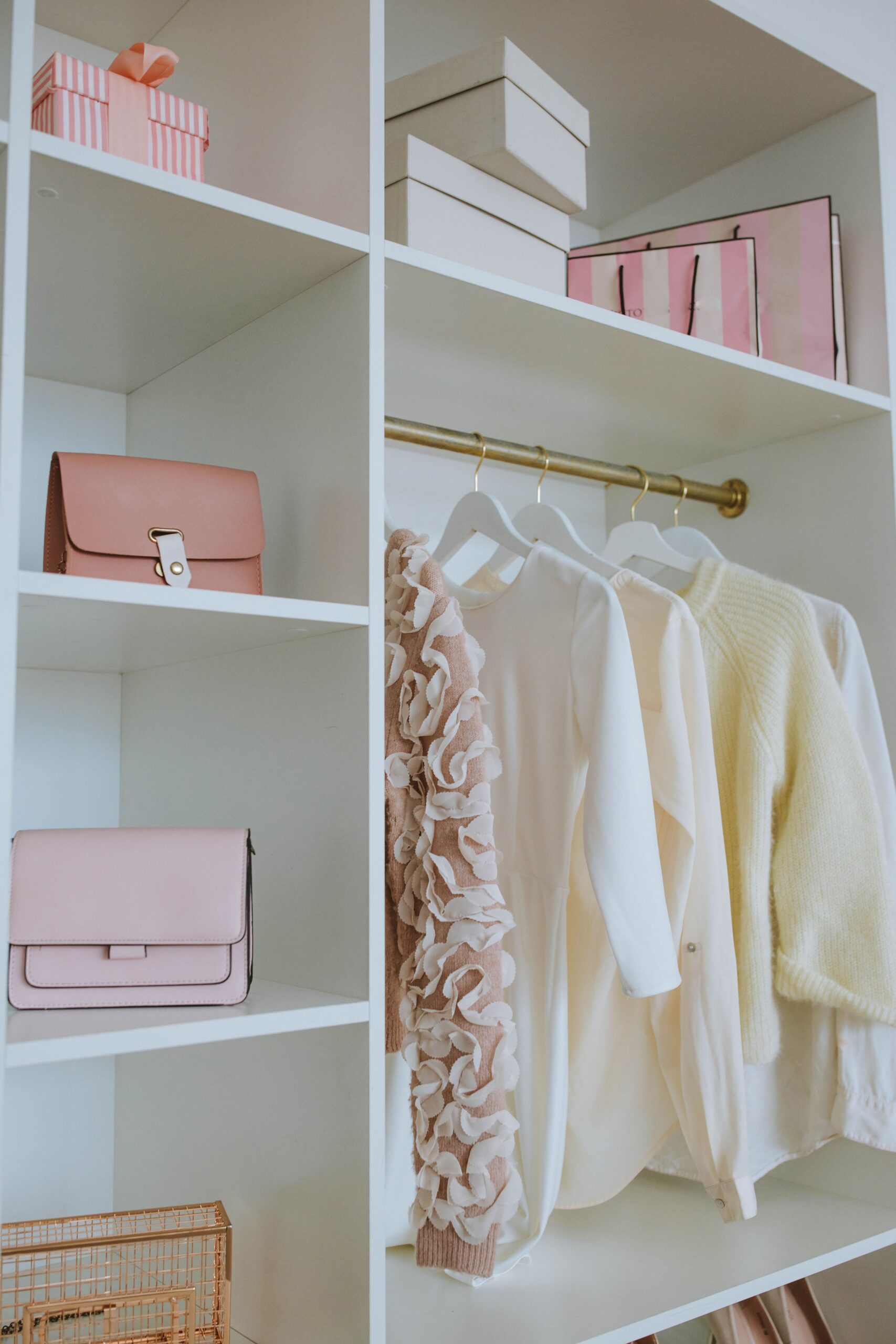
Choose Durable Fabrics
Do not assume that every natural fabric is automatically sustainable. Cotton, linen, and wool can all be useful choices, but each has environmental costs. Synthetic fabrics can also be durable and practical in the right circumstances. Instead, focus on garments made from materials suited to their purpose, comfortable to wear, and capable of withstanding the amount of use you expect.
Stick to Versatile Cuts
Classic does not have to mean boring. Choose silhouettes that work across several settings and colors that combine easily with the rest of your wardrobe. A well-cut pair of trousers can work with sneakers, loafers, or boots. Likewise, a simple overshirt can move between casual and smarter outfits. Versatility means creating more combinations from fewer individual pieces.
Find a Good Tailor
Fit can completely change how a garment looks. A jacket with sleeves that are too long or trousers that sit poorly can make an otherwise good outfit look careless. A reliable tailor can correct many of these problems without requiring another purchase. Small alterations can extend the usefulness of clothes you already own and make you more inclined to wear them.
Take Better Care of What You Own
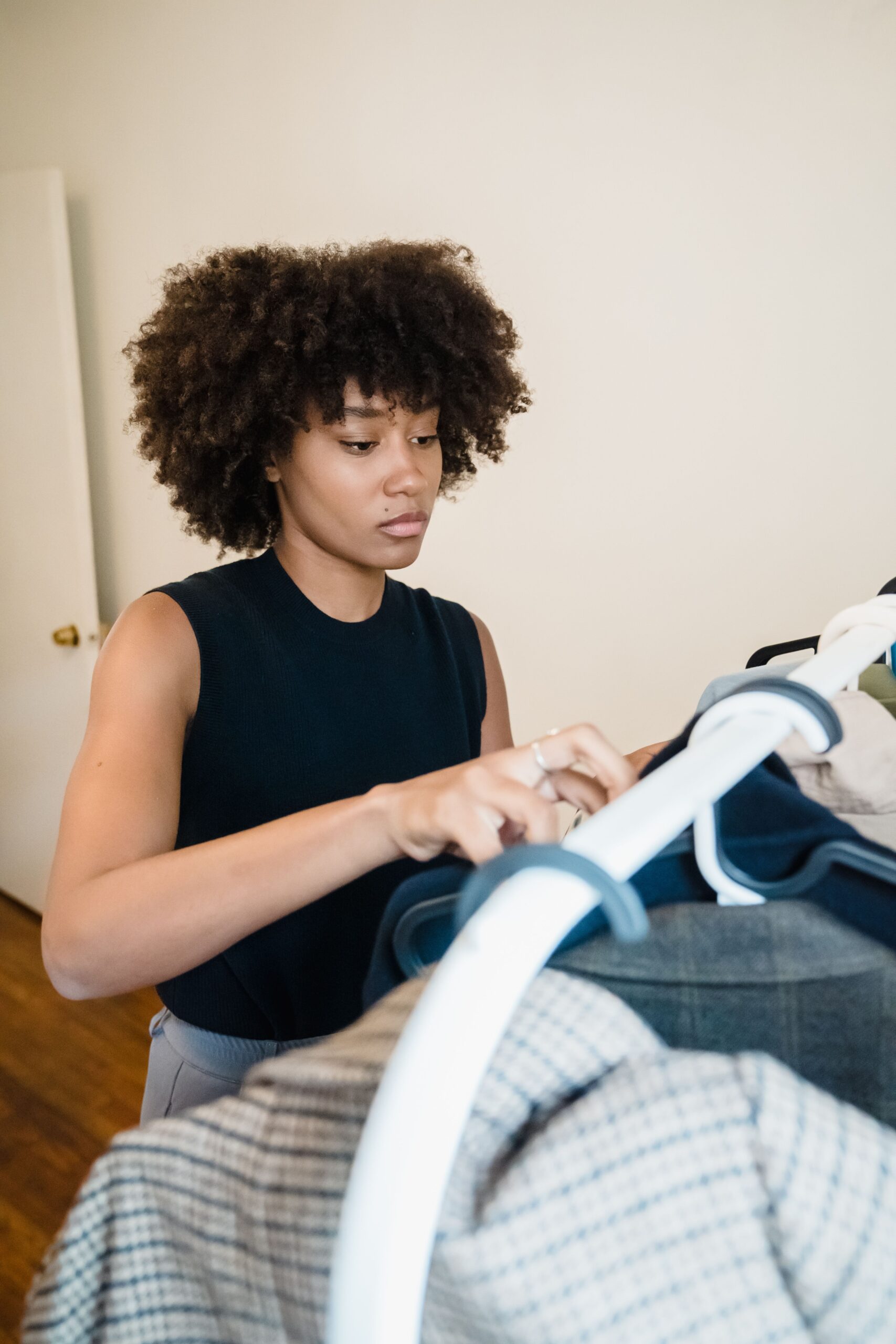
Buying fewer clothes only works when you keep those clothes in use. Wash garments according to their care instructions, and avoid unnecessary washing when a piece can simply be aired. Use cooler settings when appropriate, and air-dry items that benefit from gentler treatment. These habits can reduce unnecessary wear and help clothes remain presentable for longer.
Repairs matter just as much. A missing button, loose seam, or small tear does not automatically make a garment disposable. Basic repairs can keep useful pieces in rotation, while professional alterations can rescue clothing that no longer fits properly. The longer a garment remains useful, the more value you get from the resources already used to make it.
There is also a financial benefit to maintaining your wardrobe. Constantly replacing clothes creates a cycle of small purchases that can become surprisingly expensive. Keeping a dependable jacket, pair of trousers, or quality shirt in good condition reduces the need to shop whenever something looks slightly worn. Maintenance is rarely exciting, but it is one of the simplest ways to buy less.
Recycling Is Not the First Solution
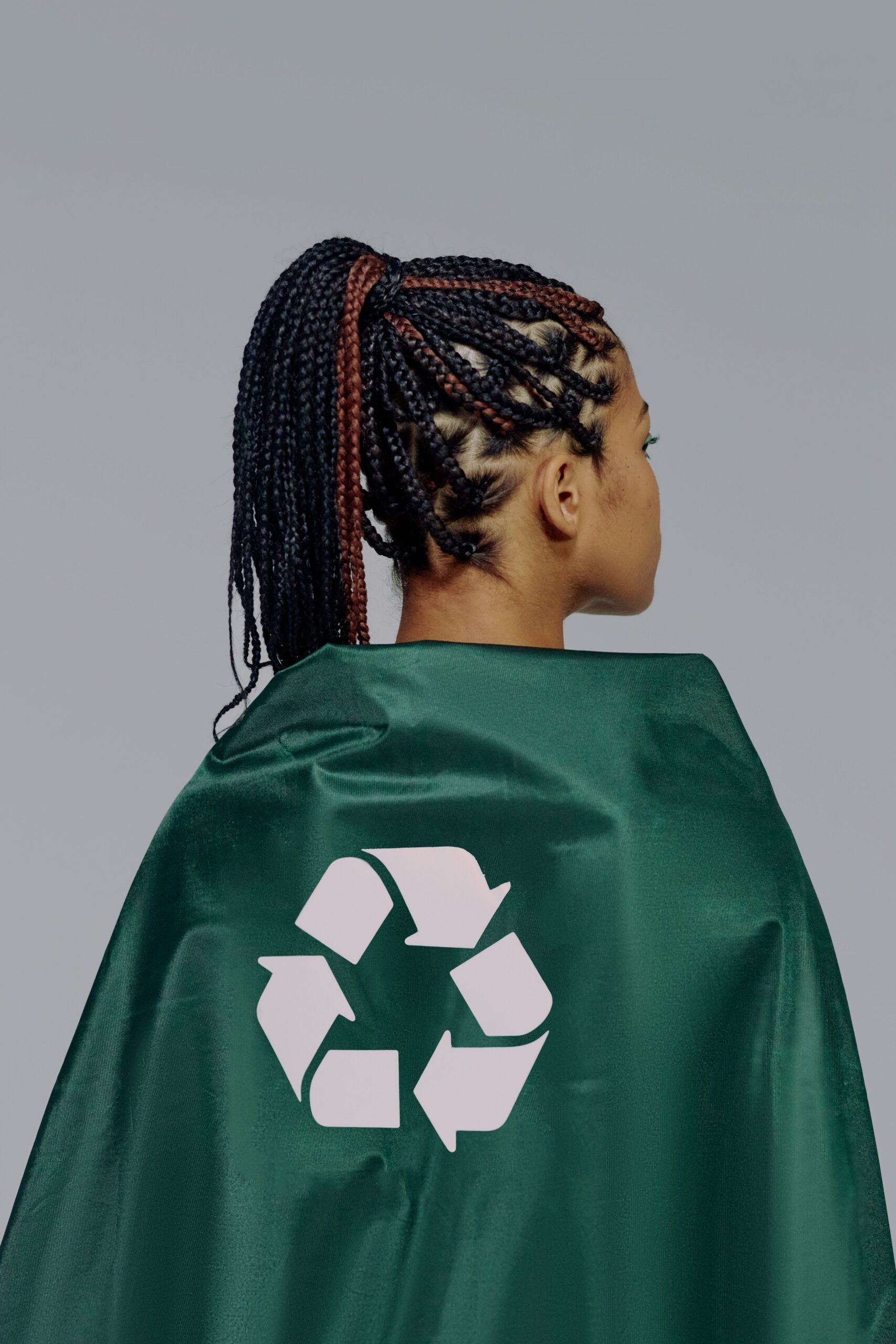
When clothing finally becomes unusable, responsible disposal is worth considering. Depending on where you live, options may include textile collection schemes, resale services, repair programs, or specialist recycling. However, recycling should come after efforts to extend a garment’s useful life. The better outcome is usually to keep clothing in use rather than replace it and rely on recycling later.
The numbers explain why. The Ellen MacArthur Foundation has reported that less than 1% of material used to produce clothing is recycled into new clothing, while much of the textile waste stream is incinerated, landfilled, or lost to the environment. These figures illustrate why recycling alone cannot solve fashion’s waste problem. Keeping clothes in use for longer remains an important part of the answer.
That also changes how we should think about old clothes. Before throwing something away, ask whether it can be repaired, altered, sold, donated, or reused. A garment that no longer works for you might still be useful to someone else. Only after considering those options should recycling or disposal become the next step.
The Case for Buying Less
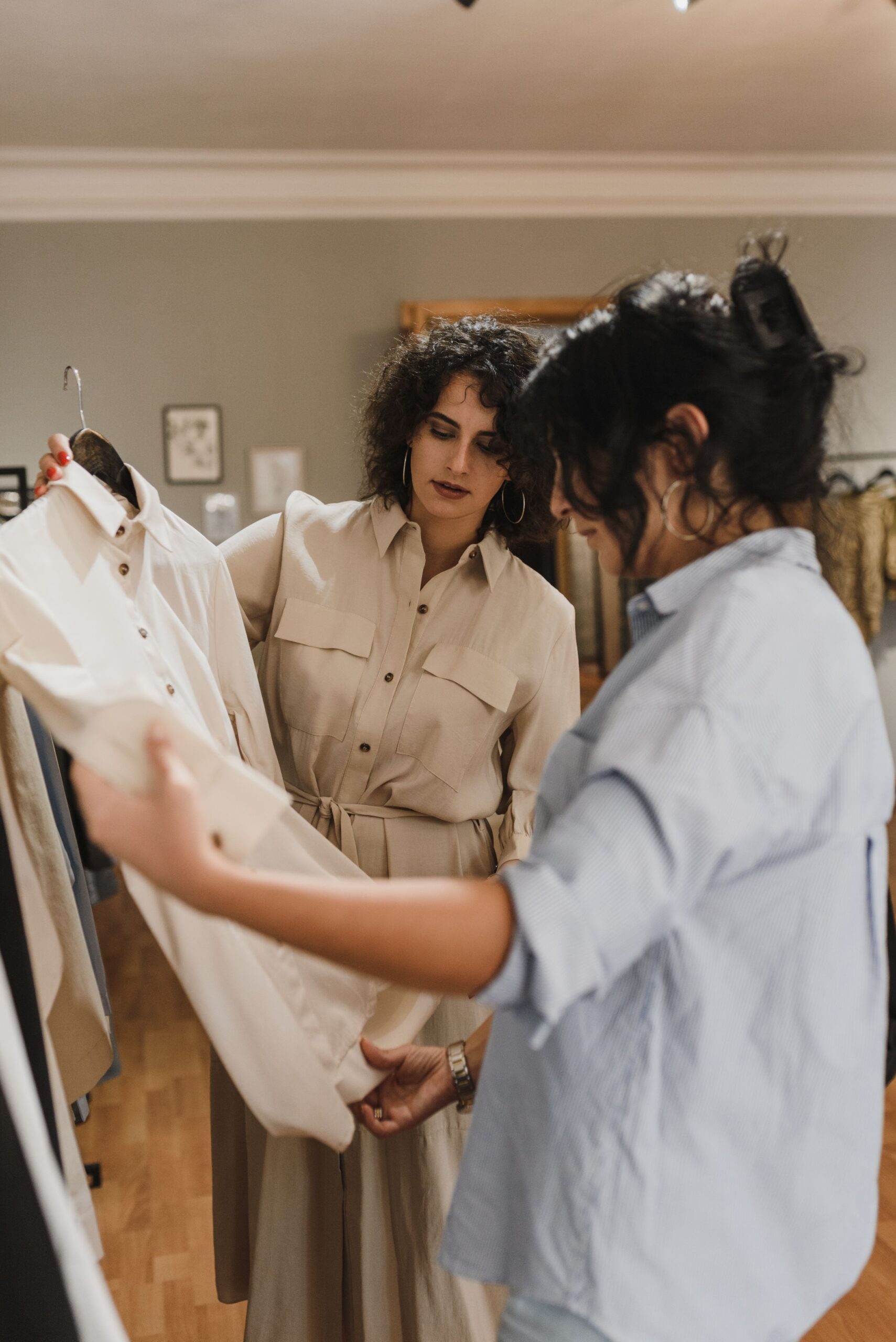
Owning fewer, better clothes is not about turning minimalism into another fashion trend. It is about becoming more selective about what enters your wardrobe. Buy pieces that fit properly, work with what you own, and suit your real lifestyle. Then wear them repeatedly, maintain them properly, and resist replacing them simply because something newer has appeared online.
Fashion does not become less enjoyable when you buy less. In many cases, it becomes more personal. You begin to recognize the silhouettes, colors, and fabrics that genuinely suit you instead of constantly reacting to someone else’s idea of what you should wear. The result is a wardrobe that is considered rather than crowded, useful rather than disposable.
The strongest wardrobe is therefore not the one with the most clothes. It is the one in which the majority of pieces earn their place through regular use. Spend thoughtfully, choose carefully, and give good clothes time to become part of your life. In an industry built around constant novelty, knowing when you already have enough may be one of the most stylish choices you can make.
Featured image: kaboompics.com/Pexels
—Read also