

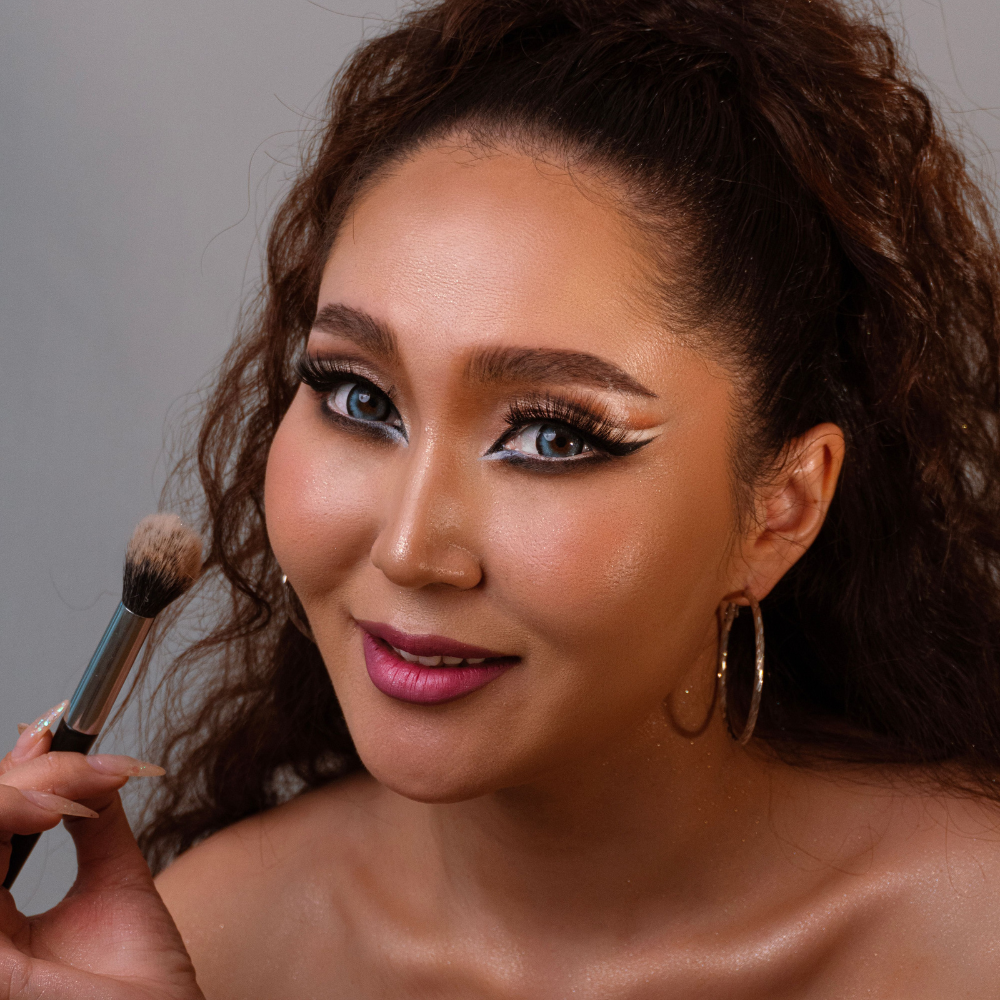

Makeup can make skin look brighter, eyes more defined, and the whole face instantly polished. But there is a fine line between enhancing your features and piling on products that make the complexion look heavier than intended. The same foundation that once gave you a flawless finish can suddenly settle into texture, while too much powder can leave the skin looking dry and flat. Even a favorite blush or contour technique can change the way your features appear when it is applied too heavily or in the wrong place.
What makes these makeup mistakes particularly tricky is that they rarely look obvious while you are getting ready. Everything may appear perfectly blended in the mirror, only for the makeup to look heavier in daylight or emphasize fine lines and texture as the hours pass. Sometimes, it is not your makeup products that need changing at all. It is simply the amount you use, where you place it, or the way you blend it.
Beauty is also constantly evolving. Makeup today tends to favor fresh skin, softly diffused color, and strategic definition over layers of heavy coverage. That does not mean you need to follow every new trend or stop wearing the makeup you love. Instead, a few thoughtful adjustments can help your routine look more flattering, modern, and effortless.
From over-powdering the complexion to choosing a concealer that is too light, these are six makeup mistakes that can age your look, plus the simple changes that can help you achieve a better finish.
See 6 makeup mistakes that could be aging your appearance…
#1. Applying Too Much Foundation
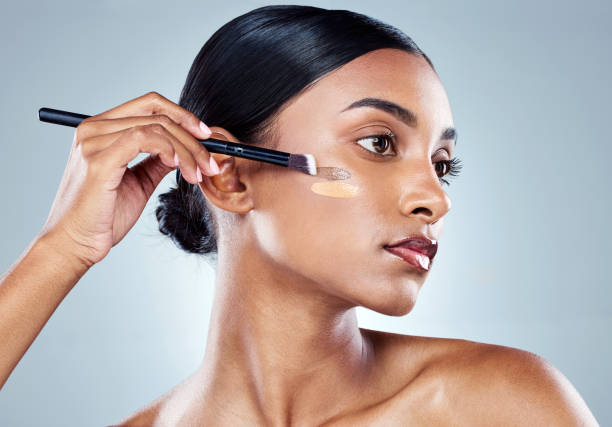
Foundation is meant to even out your complexion, but too much can make your skin look less natural. Heavy layers tend to sit on top of the skin rather than allowing its natural texture to show through, which can make fine lines, pores, and dry patches more noticeable.
This is especially easy to do when you are trying to achieve a flawless finish. Adding another layer may seem like the quickest way to cover discoloration, but more product does not always mean smoother-looking skin. Instead, start with a thin layer of foundation and build coverage only where you need it. Use a damp sponge or a well-blended foundation brush to distribute the product evenly, paying particular attention to the areas around the nose, mouth, and eyes.
You can also use concealer for targeted coverage instead of adding more foundation to the entire face. This keeps your complexion looking more dimensional and allows some of your natural skin to show through.
The fix: Apply foundation in thin layers, and use concealer only where you need extra coverage.
Shop editor’s picks
#2. Over-Powdering Your Face
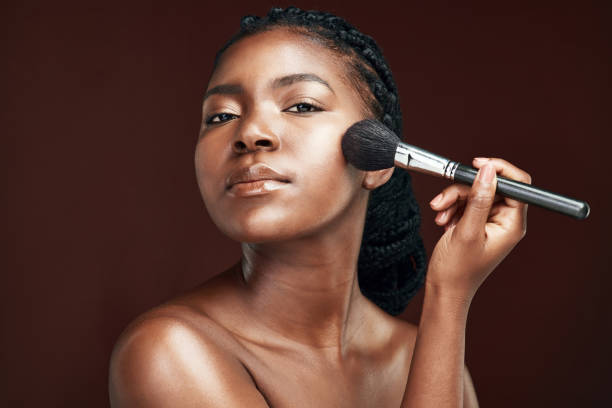
Powder can be one of the most useful products in a makeup bag, but too much can quickly take away your complexion’s freshness. Covering your entire face in a thick layer of powder can make your skin look dry, flat, and overly matte.
The under-eye area is particularly vulnerable. Heavy powder can settle into fine lines and make them more visible as you move throughout the day. It can also diminish the natural dimension that gives skin a healthy-looking appearance.
Instead of powdering your whole face, focus on the areas that need it. A small brush helps you apply a light amount around the nose, forehead, or under the eyes without covering your entire complexion. If you love a matte finish, you do not have to give it up completely. The key is to use powder strategically rather than treating it as another full layer of complexion makeup.
You can also reassess how much powder you need as the day progresses. If shine appears in one particular area, a small amount of powder can take care of it without requiring you to reset the entire face.
The fix: Set only the areas that need it and leave the rest of the skin with a more natural finish.
Shop editor’s picks
#3. Choosing a Concealer That Is Too Light
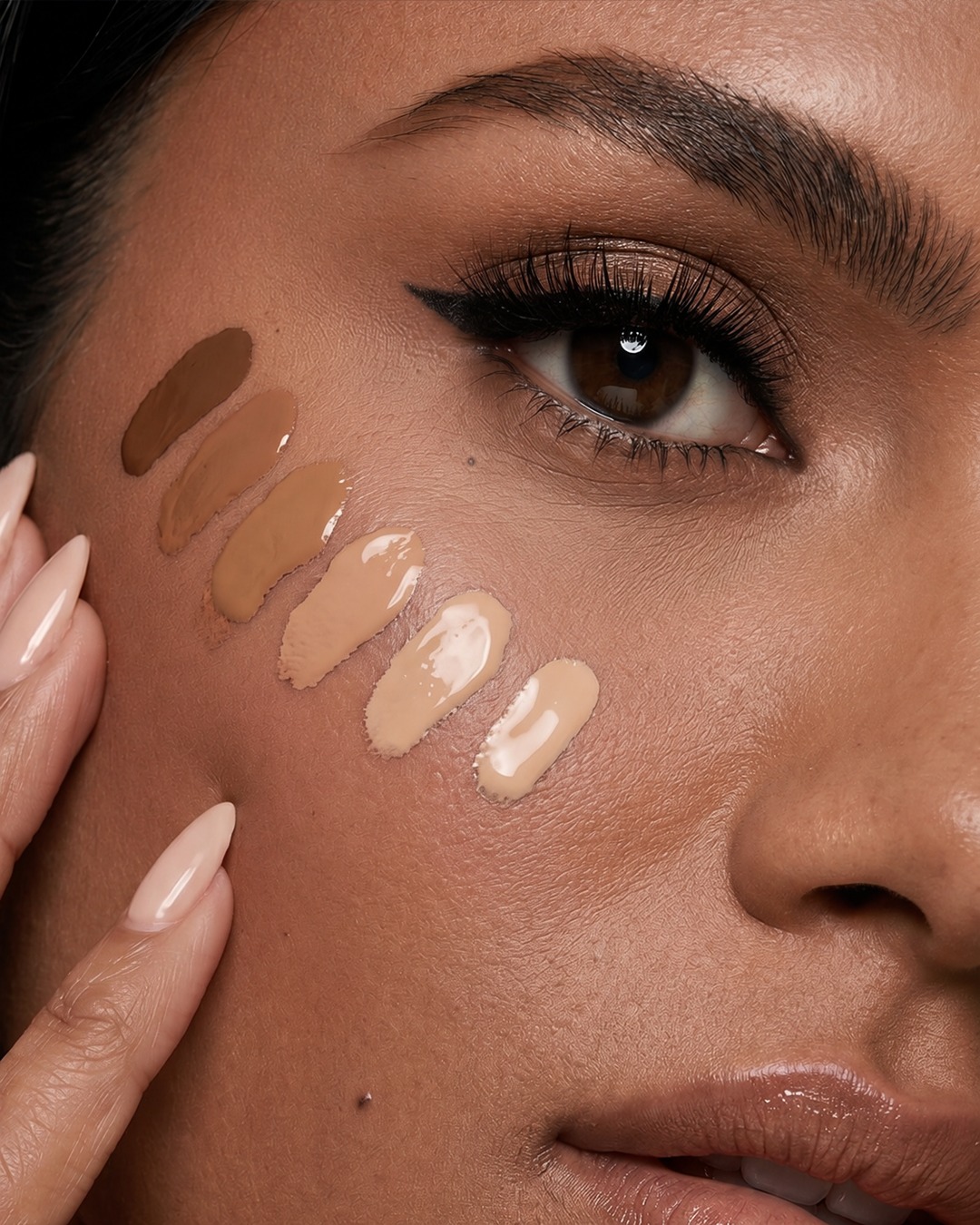
A bright under-eye can instantly make the face look more awake, but there is a difference between subtly brightening the area and making it several shades lighter than the rest of your complexion. A concealer that is dramatically too light can create a noticeable contrast under the eyes. Instead of making the face look refreshed, it can draw attention to the area you were trying to disguise.
For a more seamless result, choose a concealer that matches your skin tone or is only slightly lighter. If dark circles are your main concern, a color corrector can help neutralize discoloration before you apply concealer. You also do not need to cover the entire under-eye area with a thick layer. Concentrate the product where discoloration is most visible, then blend the edges into the surrounding skin.
The amount of concealer matters just as much as the shade. A small amount placed strategically can brighten the face without creating a noticeably lighter patch beneath the eyes.
The fix: Choose a concealer that brightens subtly and apply it only where you need coverage.
Shop editor’s picks
#4. Making Your Contour Too Heavy
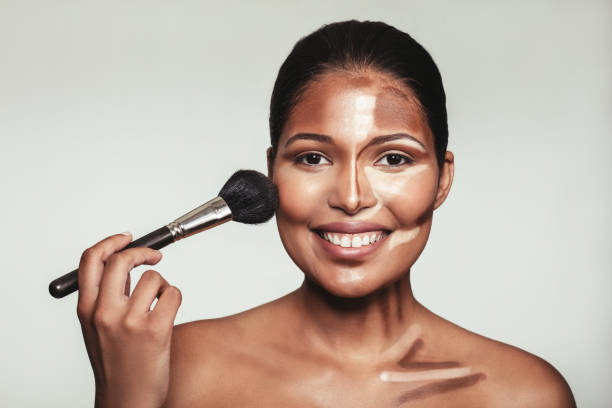
Contouring can add beautiful dimension to the face, but an overly dark or sharply defined contour can make the makeup look harsh. The goal of contour is to create the appearance of natural shadow. If the product is several shades too dark, applied in a thick line, or left poorly blended, it can become one of the most noticeable parts of your makeup.
Cream contour can be particularly easy to work with because you can apply a small amount and gradually build the intensity. Powder contour also works beautifully when you apply it with a soft brush and a light hand. Rather than drawing a long, dark stripe beneath the cheekbone, place a small amount of product where natural shadows would fall and blend it upward.
Pay attention to the rest of the face, too. Contour should work with your bronzer, blush, and foundation rather than sitting apart from them. When the tones transition smoothly, you get dimension without an obvious line showing exactly where the contour begins and ends.
The fix: Use a subtle shade, apply less product, and blend until there are no obvious edges.
Shop editor’s picks
#5. Applying Blush Too Low or Too Heavily
Blush can bring the entire face to life, but its placement matters. Applying a strong concentration of color too low on the cheeks can visually pull the face downward, while using too much pigment can make the complexion look overly made up.
A softer approach is to start with a small amount of blush on the upper cheeks and blend it outward toward the temples. You can always add more color, but removing excess blush can be much harder. Cream and liquid blushes can be particularly useful for creating a diffused flush. If you prefer powder blush, use a fluffy brush and tap off excess product before applying it.
The right shade matters, too. Instead of automatically reaching for the brightest blush in your collection, consider colors that complement your natural undertone and create the kind of flush you want. Muted rose, peach, berry, and soft coral shades can each create a different effect, depending on your complexion and the rest of your makeup.
The fix: Start with less blush and blend it upward and outward for a softer, more lifted-looking finish.
Shop editor’s picks
#6. Over-Defining the Brows and Eyes
Bold brows and dramatic eye makeup can be beautiful, but too much definition can sometimes make the face look harder. Extremely dark brows, heavy black eyeliner, and thick layers of eyeshadow can compete with the rest of your features rather than enhancing them.
The key is not to avoid definition altogether. Instead, soften the way you create it. For brows, use a fine pencil or brow pen to fill sparse areas with small, hair-like strokes. Brush the product through with a spoolie to soften any areas that look too concentrated. A brow gel can then hold everything in place without creating a heavily drawn appearance.
The same principle works for eye makeup. Brown or deep neutral eyeliner can create beautiful definition without the intensity of solid black liner. Softly blended eyeshadow can also add dimension without creating hard edges. If you love dramatic eye makeup, there is no reason to abandon it. Simply balance the intensity with softer complexion makeup so the entire look remains intentional.
You can also vary the intensity according to the occasion. A softly defined eye may complement a strong lip or sculpted cheek, while a more dramatic smoky eye can work beautifully with a simpler complexion. Makeup does not have to be equally bold everywhere to make an impact.
The fix: Keep brows softly defined and blend eye makeup thoroughly to avoid overly harsh lines.
Shop editor’s picks
How to Make Your Makeup Look Better
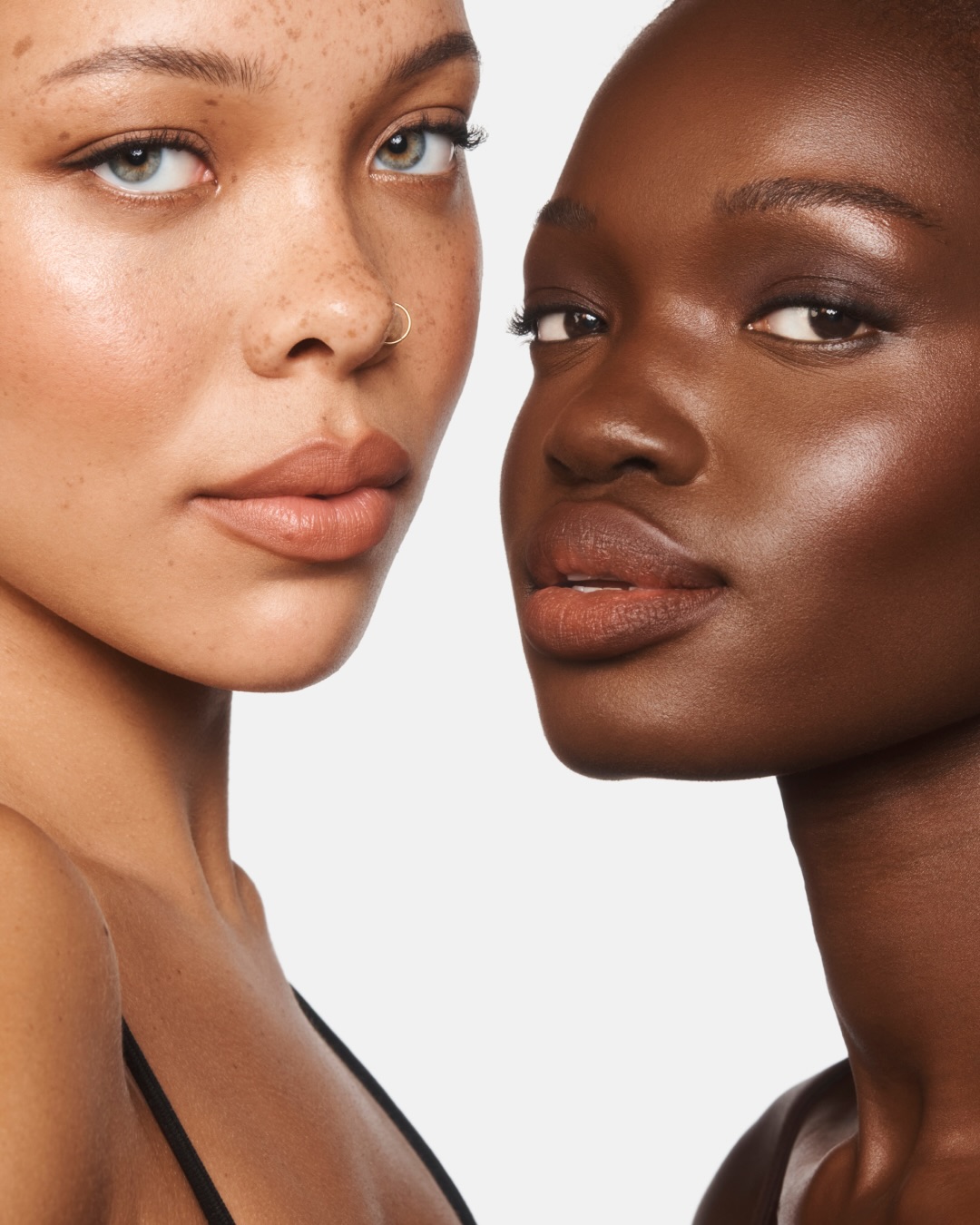
Once you identify the techniques that may be making your makeup look heavier, the solution is often surprisingly simple. You do not need an entirely new makeup collection. Start by changing the way you apply the products you already own.
Prep Your Skin
Makeup tends to sit more smoothly on well-moisturized skin. Apply your skincare products and give them a little time to settle before reaching for foundation. If your skin tends to get dry, look for hydrating formulas that keep your complexion comfortable without making it excessively slippery.
Good skin preparation is also about using the right amount of product. Applying several rich layers immediately before makeup can cause foundation to shift or separate, so give each step enough time to absorb before moving on.
Use Less Product
One of the easiest ways to create a fresher makeup look is to use less. Start with a small amount of foundation, concealer, blush, and contour, then build gradually. It is much easier to add coverage or color than to remove a heavy layer once it is applied.
This approach also gives you more control over the final result. Rather than committing to full coverage from the beginning, you can assess what your complexion actually needs as you go.
Blend Between Every Step
Blending should not be limited to foundation and eyeshadow. Check the edges of your blush, contour, bronzer, and concealer before moving on to the next step. The more seamless the transitions, the more polished the finished makeup will appear.
A quick final check can also make a difference. Look closely at the areas around the nose, hairline, jaw, and under-eyes, where product can sometimes collect or become more noticeable.
Let Your Skin Show
You do not need to cover every pore to wear beautiful makeup. Leaving some natural skin visible adds dimension and keeps the finish from looking too heavy. A little texture is normal. In fact, it can make your makeup look more realistic.
Rather than aiming for a completely perfected surface, think about where coverage actually serves a purpose. Keeping areas such as the cheeks or forehead slightly more sheer can help the complexion retain its depth and character.
Pay Attention to Finish
You do not have to choose between completely matte and extremely dewy makeup. Combining finishes can create a more balanced result. For example, you might keep the T-zone softly set while allowing a little natural luminosity to remain on the cheeks. This creates dimension instead of making the entire face look uniformly matte or glossy.
The same idea applies to color and texture. A luminous cheek can work beautifully with a softly powdered under-eye, while a defined eye can be balanced with a more understated complexion. Thinking about the face as a whole can help each product complement the next.
The Secret to Better-Looking Makeup
Looking better in makeup is less about following strict beauty rules and more about finding the right balance. Heavy foundation, excessive powder, overly bright concealer, harsh contour, low blush placement, and intensely defined brows or eyes can all change the way the finished look appears.
The answer is not necessarily to wear less makeup overall. It is to be more intentional with how much you apply, where you place it, and how well you blend it. A lighter complexion, softly defined features, a touch of blush, and strategic powder can make makeup look polished without appearing heavy.
And sometimes, the most flattering update to your beauty routine is simply putting down the brush a little sooner.
Featured image: BYB BYB/Pexels