


If you have been putting off starting a retinol routine, fall is the season to finally do it. Retinol is one of the most effective ingredients on the market for smoothing texture, fading dark spots, and softening the appearance of fine lines, and it is backed by decades of research showing real, measurable results over time. But it also comes with a learning curve. Unlike a basic moisturizer or cleanser, retinol asks something of your skin. It needs time to adjust, a slow buildup in frequency and strength, and a supporting routine that can absorb some of the early dryness and sensitivity that often comes with it. The conditions around you, not just the product itself, can play a bigger role in that adjustment than most people expect.
This is where the season matters more than people tend to think. Summer sun, heat, and humidity can make irritation more difficult to manage, while greater sun exposure adds another consideration when introducing a retinoid. Cooler fall weather can offer a more manageable window for getting started, particularly if you are consistent with sunscreen and focused on supporting your skin barrier. Starting now, rather than waiting for spring or pushing through the height of summer, gives your skin time to build tolerance gradually before winter arrives and long before next summer puts it back in the sun.
Here is why fall is the right moment to add retinol to your routine, and how to do it without irritating your skin…
#1. Sun Exposure Is Lower

Retinol can make skin more sensitive to irritation from the sun. Used during peak summer months, it can make it more challenging to manage dryness and irritation, particularly when skin is exposed to intense UV rays and sunscreen is not reapplied consistently throughout the day.
Fall naturally brings shorter days and, depending on where you live, less intense UV exposure and less time spent outdoors in direct sun. That can make it a more practical season to introduce a new active and monitor how your skin responds. You still need daily sunscreen, since UV exposure does not disappear with the arrival of fall, but starting when the intensity of summer has faded can make the adjustment period easier to navigate.
This makes fall a useful time to introduce a new active ingredient gradually and pay attention to what your skin is telling you.
#2. Cooler Air Can Make the Adjustment Period Easier
Retinol often causes some dryness, flaking, or redness while skin adjusts, sometimes called the retinization period. This process can take several weeks, and the experience varies from person to person depending on the strength of the product, frequency of use, and condition of the skin barrier.
Summer heat and sweat can make early retinol side effects more noticeable, since perspiration, humidity, and frequent cleansing may add to irritation on already sensitive skin. Fall’s milder temperatures can create a more comfortable environment for establishing a routine, although the season’s lower humidity can also contribute to dryness in some climates.
If your skin has reacted poorly to retinol in the past, starting during a mild season and keeping the rest of your routine simple and moisturizing can make a noticeable difference.
Shop editor’s picks
#3. It Pairs Well With a Richer Routine
Fall is when most people naturally shift toward heavier moisturizers and richer skincare products. That change can work in retinol’s favor.
Layering retinol with a good moisturizer helps support the skin barrier and can make the initial dryness and sensitivity easier to manage, especially for beginners. Building a fall routine around hydration—think ceramide-rich creams, gentle cleansers, and barrier-supporting ingredients—gives your skin the reinforcement it needs while retinol gets to work.
Starting retinol in isolation, without adjusting the rest of your routine, is one of the most common reasons people give up on it too early. Fall is an opportunity to establish the entire routine at once, rather than adding an active and then scrambling to address irritation after it starts.
#4. You Have Time to Build Tolerance Before Winter
Retinol is not something you want to introduce at full strength right away. For beginners, starting with a lower concentration once or twice a week is often a more manageable approach, with frequency increased gradually as the skin becomes accustomed to the ingredient.
Starting in the fall gives you a running start before winter, when cold air and indoor heating can make skin more prone to dryness. By the time the harshest winter weather arrives, your skin may already have had several weeks or months to adjust to retinol, rather than having to adapt to a new ingredient and a new season at the same time.
This kind of gradual buildup is one of the most important parts of using retinol successfully long term, and fall gives you the runway to establish that habit without rushing the process.
#5. Fall Skin Concerns Align With What Retinol Does Best
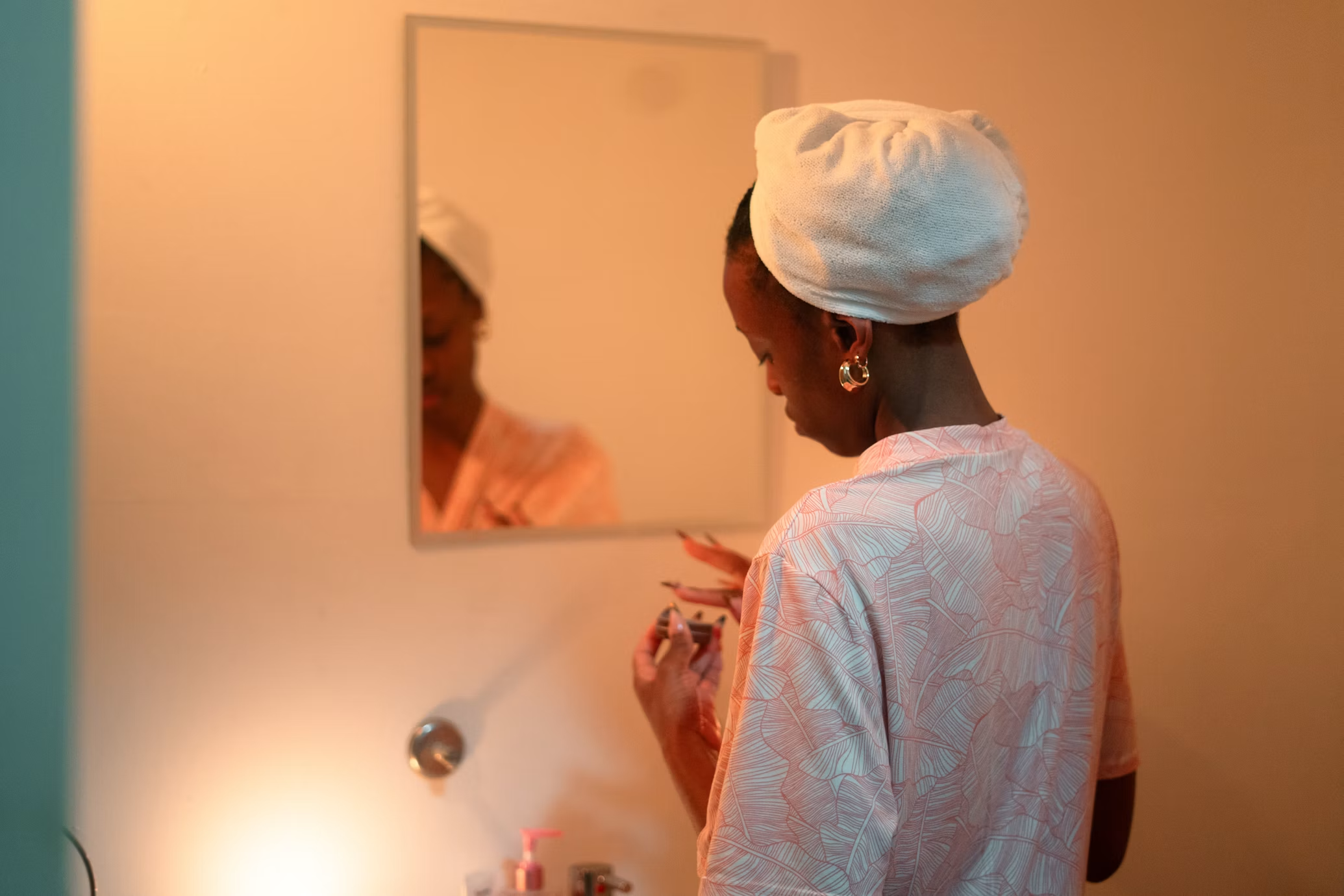
Many people notice changes in their skin as summer ends. Sun exposure from the warmer months can leave behind uneven tone, rougher texture, and the appearance of new or more noticeable dark spots. Retinol is one of the most well-studied ingredients for addressing concerns such as uneven texture, hyperpigmentation, and visible signs of aging.
Starting a routine now means you can begin addressing the after-effects of summer while giving your skin time to adjust before the next season of intense sun exposure. Rather than treating fall as a quick reset, think of it as the beginning of a longer-term routine—one that gives retinol time to work gradually instead of expecting overnight results.
The Bottom Line
Retinol works best when you give your skin room to adjust without piling on unnecessary irritation, and fall can provide a practical window to establish that routine. Lower sun exposure in many locations, milder temperatures, a naturally richer approach to skin care, and several months before summer all create useful conditions for starting slowly and building tolerance.
If you have been waiting for the right time to add retinol to your routine, this could be your moment. Start with a gentle approach, moisturize well, wear sunscreen daily, and give your skin the time it needs to adjust. Retinol is a long game, and by the time next summer rolls around, you will have had months to establish a routine and start seeing its benefits.
Featured image: Drunk Elephant Skincare
11 Best Face Serums for Men for Healthier-Looking Skin