



GLP-1 medications have become widely discussed for diabetes and weight management, but the term itself does not explain much. GLP-1 stands for glucagon-like peptide-1, a hormone the body naturally releases after eating.
Medications that act on the GLP-1 system can affect blood sugar, appetite, and digestion. Understanding those effects, along with the differences between individual medications, makes it easier to understand what people actually mean when they talk about taking a “GLP-1.”
What Does GLP-1 Mean?

GLP-1 is a hormone produced in the gut in response to food. It helps regulate blood sugar by stimulating insulin release when blood glucose is elevated and reducing the release of glucagon, a hormone that can raise blood sugar.
GLP-1 also plays a role in appetite and digestion. It sends signals involved in satiety, or the feeling of having eaten enough, and can affect how quickly food leaves the stomach.
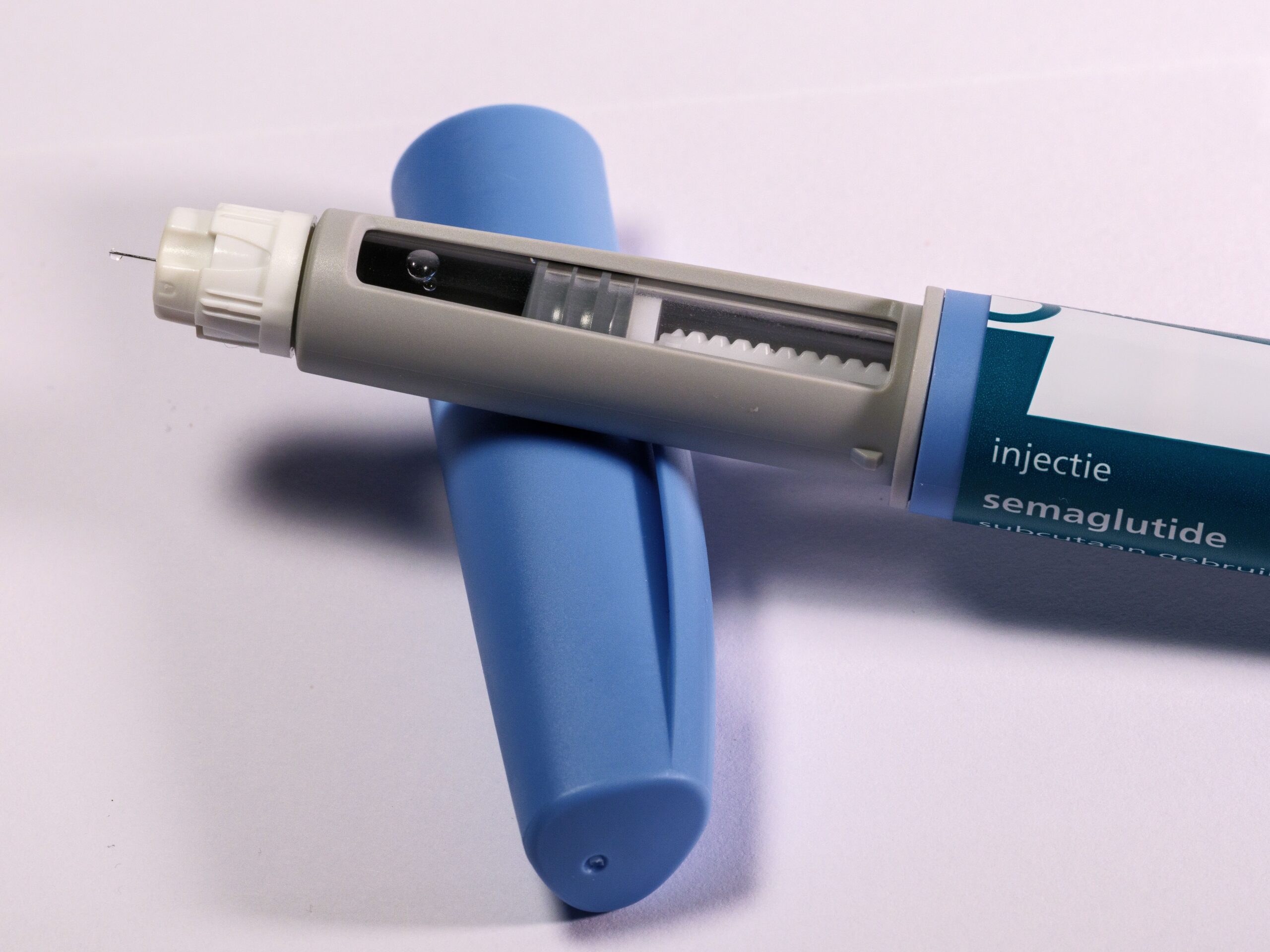
GLP-1 receptor agonists are medications designed to activate the same receptors as natural GLP-1. Semaglutide, the active ingredient behind well-known brand names such as Wegovy, is one example. Other medications work somewhat differently. Tirzepatide, sold as Mounjaro and Zepbound, acts on both GLP-1 and glucose-dependent insulinotropic polypeptide (GIP) receptors.
How Do GLP-1 Medications Affect Appetite?
GLP-1 medications can influence areas of the brain involved in appetite and food intake. For some people, that means feeling satisfied after eating less food or experiencing less hunger between meals.
However, appetite changes are not identical for everyone. The effect can depend on the medication, dose, length of treatment, and individual response.
This appetite regulation is one reason certain GLP-1-based medications have been approved for chronic weight management. Others are approved primarily for type 2 diabetes, and the approved uses differ between products.
What Happens to Digestion and Blood Sugar?

GLP-1 receptor agonists affect gastric emptying, although the extent of this effect varies by medication and may change over time. Semaglutide, for example, delays gastric emptying, which can influence how quickly nutrients and glucose move from the stomach into the small intestine.
These medications also help control blood sugar through their effects on insulin and glucagon. Importantly, their stimulation of insulin is glucose-dependent, meaning the effect becomes stronger when blood glucose is elevated.
The effects on gastric emptying are more complicated than simply saying these medications make digestion slower all the time. The degree of slowing differs among medications and can change with continued treatment.
Why Do Doses Usually Increase Gradually?
Many GLP-1 medications use a dose-escalation schedule that starts with a lower dose before increasing over time. The exact schedule depends on the medication.
One reason for gradual escalation is tolerability. Gastrointestinal side effects can occur when treatment begins or the dose increases, so starting lower gives the body time to adjust.
A typical weekly injectable GLP-1 medication, for example, might begin at a low starting dose and increase at scheduled intervals before reaching a maintenance dose. A healthcare professional may delay an increase when a patient does not tolerate a particular dose well.
Patients should follow the dosing instructions for their specific prescription rather than increasing or decreasing a dose themselves.
What Side Effects Can GLP-1 Medications Cause?
Gastrointestinal problems are among the most commonly reported side effects of GLP-1 medications. Depending on the specific drug, these can include:
- Nausea
- Vomiting
- Diarrhea
- Constipation
- Abdominal pain or discomfort
Some people experience relatively mild symptoms, while others have more difficulty tolerating treatment. Symptoms may become more noticeable during dose escalation, but there is no universal timeline for when they will disappear.
GLP-1 medications can also have less common but more serious risks. Warnings and contraindications vary by product, which makes it important to review the prescribing information and discuss your medical history with a healthcare professional.
Do All GLP-1 Medications Work the Same Way?
No. Although several weight loss medications used for diabetes and chronic weight management are commonly grouped together as “GLP-1s,” they are not interchangeable.
They can contain different active ingredients, target different receptors, use different doses, and have different FDA-approved indications. Some are approved to treat type 2 diabetes, some for chronic weight management, and certain products have additional approved uses.
Their dosing schedules and side-effect profiles can also differ. A person’s response to one medication does not necessarily predict how they will respond to another.
What Results Can People Expect?
Results vary substantially between individuals. Clinical trials can show the average results achieved by groups taking a medication, but those averages cannot predict exactly what will happen for one person.
For medications approved for chronic weight management, factors such as the specific medication, dose, treatment duration, adherence, health conditions, diet, and physical activity can all influence outcomes.
These medications are also generally intended for ongoing medical management when prescribed for chronic conditions. Patients considering stopping or changing treatment should discuss the potential effects with their healthcare professional.
How Much Do GLP-1 Medications Cost?
Cost depends on the medication, insurance coverage, pharmacy, eligibility for manufacturer programs, and other factors. Manufacturer-listed prices for some brand-name GLP-1 medications can exceed $1,000 per package, though that figure does not necessarily reflect what an individual patient ends up paying.
Some manufacturers offer self-pay or commercial-insurance savings programs with their own eligibility requirements and restrictions. These offers and prices can change, so patients should check current program details and their insurance coverage before estimating their out-of-pocket cost.
Insurance coverage can differ significantly between plans. A medication being FDA-approved does not automatically mean that a particular health plan will cover it or that every patient will qualify for the same out-of-pocket price.
Are GLP-1 Medications a Standalone Approach?
For chronic weight management, FDA-approved GLP-1-based medications are generally prescribed alongside changes to diet and physical activity rather than as substitutes for them.
That does not mean every patient needs to follow the same diet or exercise program. Appropriate nutrition and activity recommendations can depend on a person’s health, mobility, medications, and treatment goals.
GLP-1 medications also have uses beyond weight management. Some products are prescribed for type 2 diabetes and other specific indications, so treatment goals should reflect why the medication was prescribed in the first place.
What Should Beginners Know About GLP-1 Medications?
GLP-1 is a naturally occurring hormone involved in blood sugar regulation, appetite, and digestion. Medications that act on GLP-1 receptors use those biological pathways to produce therapeutic effects.
The details matter, though. Different medications have different approved uses, dosing schedules, risks, and expected outcomes. Side effects and treatment responses also vary from person to person.
Understanding which medication is being discussed, why it was prescribed, and what its specific prescribing information says provides a much clearer picture than treating “GLP-1” as a single type of weight-loss drug.
Featured image: zimmytws/iStock
Editor’s note: GLP-1 medications are prescription drugs. This article is intended for general informational purposes and is not a substitute for medical advice from a qualified healthcare professional.
—Read also