
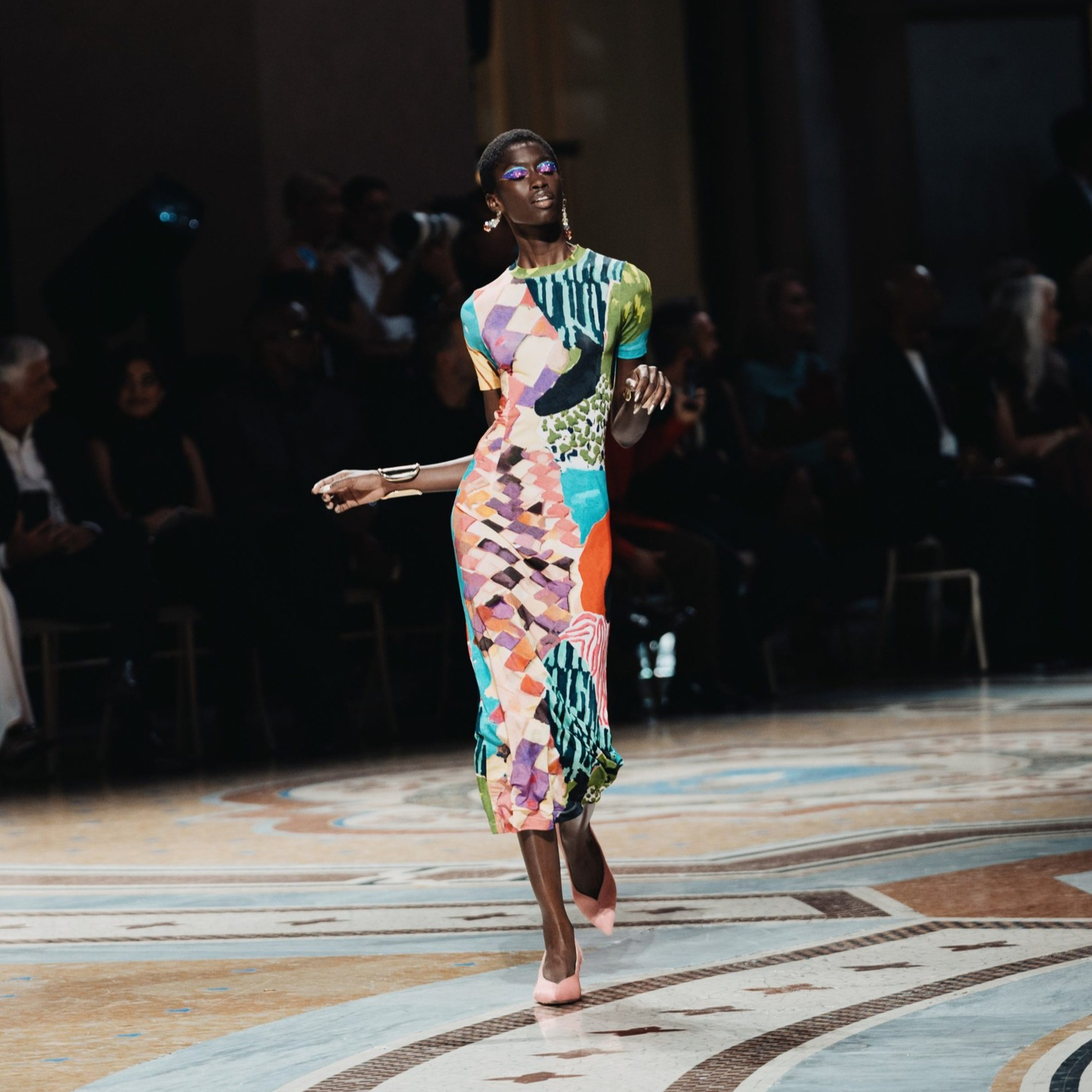

Vogue World 2026: Milano arrived in Milan on Tuesday, September 22, bringing the fifth edition of Vogue’s traveling fashion spectacle to the opening day of Milan Fashion Week. Staged inside the grand Galleria Vittorio Emanuele II, the event turned one of the city’s most recognizable landmarks into a celebration of Italian craftsmanship, bringing together major fashion houses, supermodels, musicians, actors, and athletes.
For Vogue World 2026: Milano, the focus was less on spectacle for spectacle’s sake and more on the people behind the clothes. With Italian fashion houses including Prada, Armani, Versace, Ferragamo, and Gucci contributing one-of-a-kind creations, the show explored the value of handmade work at a moment when artificial intelligence is reshaping the creative industries. The evening also raised funds for the redevelopment of the Quarto Oggiaro Library in northwestern Milan.
Milan Becomes Vogue World’s Latest Stage
The Galleria Vittorio Emanuele II was an unusually fitting setting for the occasion. Its neo-Renaissance architecture placed the show directly within the cultural history that Vogue World was celebrating, while its position between the Duomo and La Scala gave the production an unmistakably Milanese character.
The event marked the latest stop in Vogue World’s international journey. After previous editions in New York, London, Paris, and Hollywood, Milan offered a new perspective on the format, using Italian fashion and artisanal traditions as the foundation for a five-act presentation.
Francesca Ragazzi, head of editorial content for Vogue Italia, described the event as a chance to celebrate the “timeless story of Made in Italy” and its relationship with genius and craftsmanship, particularly at a time defined by artificial intelligence.
Gigi Hadid Opens the Runway in Valentino
View this post on Instagram
Gigi Hadid set the tone from the first look, opening the runway in a dramatic Valentino gown from the Spring 2025 collection. The dress was among Alessandro Michele’s early creations for the Italian house and was made from recycled Venetian quilts.
Its construction reportedly required 1,680 hours of handwork. Voluminous puff sleeves, a sweeping full skirt, and an ivory organza ruffled collar gave the period-inspired design its theatrical shape, while Valentino shoes and Damiani earrings completed Hadid’s look.
Her appearance also reflected one of the show’s central ideas: craftsmanship can make a garment feel like an object with its own history rather than simply another item moving down a runway.
The Runway Brought Together Fashion and Pop Culture
View this post on Instagram
The celebrity lineup extended well beyond the front row. Cardi B walked in Versace, while Jennifer Lopez appeared in Dolce & Gabbana alongside Italian tennis player Lorenzo Musetti, who wore Bottega Veneta.
Alicia Keys brought a more performance-driven dimension to the evening in a creation by Francesco Risso’s Bureau of Imagination. Simone Ashley wore Tod’s, J Balvin appeared in Dolce & Gabbana, and Aryna Sabalenka walked in Gucci.
The cast continued with Jeremy Pope in Dolce & Gabbana, Sam Claflin in Armani, Ghali in Gucci, and Levi McConaughey in Prada. Madelaine Petsch wore Ermanno Scervino, Simona Tabasco appeared in Miu Miu, Eva Longoria wore Dolce & Gabbana, and Matteo Bocelli closed out the cast in Caruso.
The mix of fashion figures, Hollywood stars, musicians, and athletes gave the runway the same crossover energy that has defined Vogue World since its debut.
Alicia Keys Delivers the Finale
View this post on Instagram
Alicia Keys provided the evening’s most theatrical conclusion, taking her place at a piano positioned in the center of the Galleria to perform Donna Summer’s “I Feel Love.” Models in white creations surrounded her as the show moved into its final moments.
Her outfit was another direct expression of the event’s craftsmanship theme. Francesco Risso created the look through Bureau of Imagination, combining remnants of satin, chiffon, and georgette with threadwork and beading. Artist Flaminia Veronesi then painted across the dress by hand, giving the garment the quality of a moving canvas.
Risso designed the piece specifically with performance in mind. Its construction was intended to respond to Keys’s movement, particularly the enormous train that followed her across the space. Rather than imposing a character on the singer, the designer wanted the clothing to become part of her own artistic language.
Renaissance Art Shapes the Beauty Looks
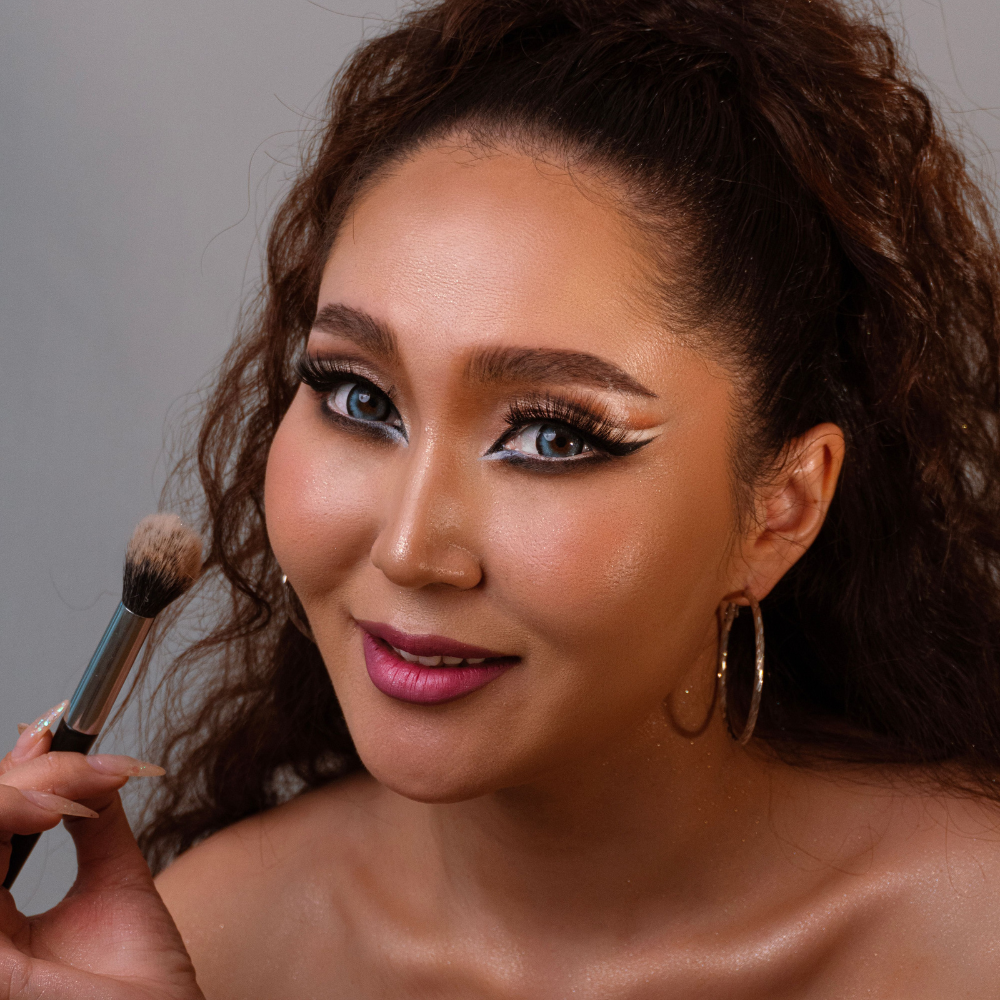
The Italian influence extended to the beauty direction, with Dame Pat McGrath leading makeup, Cyndia Harvey overseeing hair, and Eri Narita handling nails.
Blush became a defining feature of the runway, drawing from the flushed complexions associated with Renaissance portraiture. Models including Gigi Hadid and Mariacarla Boscono wore concentrated rosy pigment across the cheeks and toward the temples, paired with luminous white around the eyes.
Hair took a similarly historical route. Harvey and her team looked to figures including Botticelli’s Venus and Leonardo da Vinci’s “Lady With an Ermine,” translating Renaissance references into modern runway styles. Long hair, sculpted braids, curls, and bobs appeared throughout the presentation, with Bianca Balti’s shorter cut providing one of the sharper contemporary interpretations.
Vogue World Puts Its Message Beyond Fashion
View this post on Instagram
The charitable purpose behind Vogue World 2026: Milano gave the event another dimension. Proceeds are supporting the redevelopment of the Quarto Oggiaro Library, with the project intended to create a more contemporary cultural and social space for the surrounding community.
That mission closely mirrored the show’s central argument about the importance of human creativity. In Milan, craftsmanship was not presented simply as a luxury-market tradition but as part of a wider cultural ecosystem built around learning, making, and sharing ideas.
The Milan Edition Leaves Its Mark
View this post on Instagram
By the time Alicia Keys finished her performance, Vogue World 2026: Milano had brought together several defining elements of Italian culture: fashion, art, music, architecture, and craftsmanship.
The result was a show that used Milan Fashion Week as its starting point but looked beyond the runway itself. From Hadid’s hand-worked Valentino opening look to Risso’s expressive finale and the Renaissance-inspired beauty direction, the fifth Vogue World made its case through the details, putting the human hand at the center of a fashion spectacle increasingly surrounded by technology.
Featured image: Lucas Possiede for Vogue
—Read Also